🇵🇸

10.7K posts

🇵🇸 banner
🇵🇸

🇵🇸

@sbhnoe

France Katılım Şubat 2021
334 Takip Edilen2.5K Takipçiler
EASTCOASTHAWKSFAN
EASTCOASTHAWKSFAN@Razzledblack·
@addictionlipa Do I know any of her music. Absolutely not. Is she now one of my favorite celebrities Yes.
English
1
2
420
24.2K
dua lipa crave
dua lipa crave@addictionlipa·
remember when dua lipa said "fuck you" to someone in the crowd after they held up an israeli flag at one of her concerts
English
493
5.6K
88.8K
1.3M
🇵🇸
🇵🇸@sbhnoe·
@Ashkan_Atheist Congratulations there is 8B people on this planet and 3B users on instagram
English
0
0
1
32
Ashkan - اشکان 🇮🇷
Ashkan - اشکان 🇮🇷@Ashkan_Atheist·
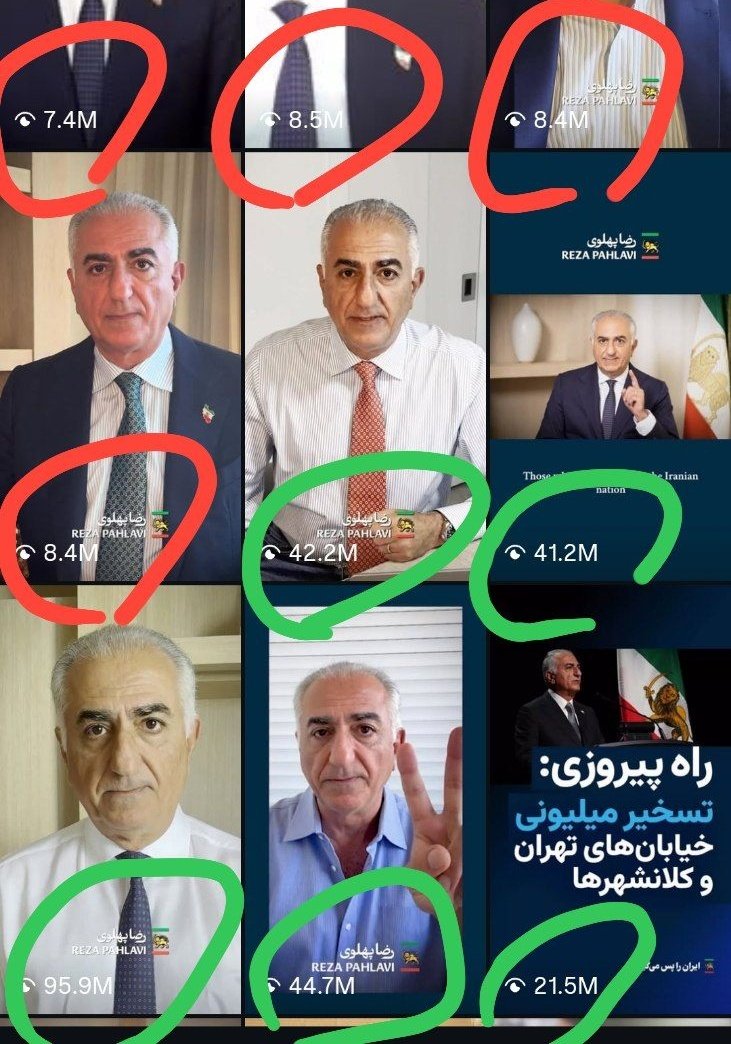
Pahlavi has "no support" inside Iran? Sure. Just tens of millions of "no support" who mysteriously vanish every time Iran's internet gets cut off.
Ashkan - اشکان 🇮🇷 tweet media
English
552
2.1K
9.1K
203.1K
Hthي🇩🇿🇾🇪
Hthي🇩🇿🇾🇪@houthiradical·
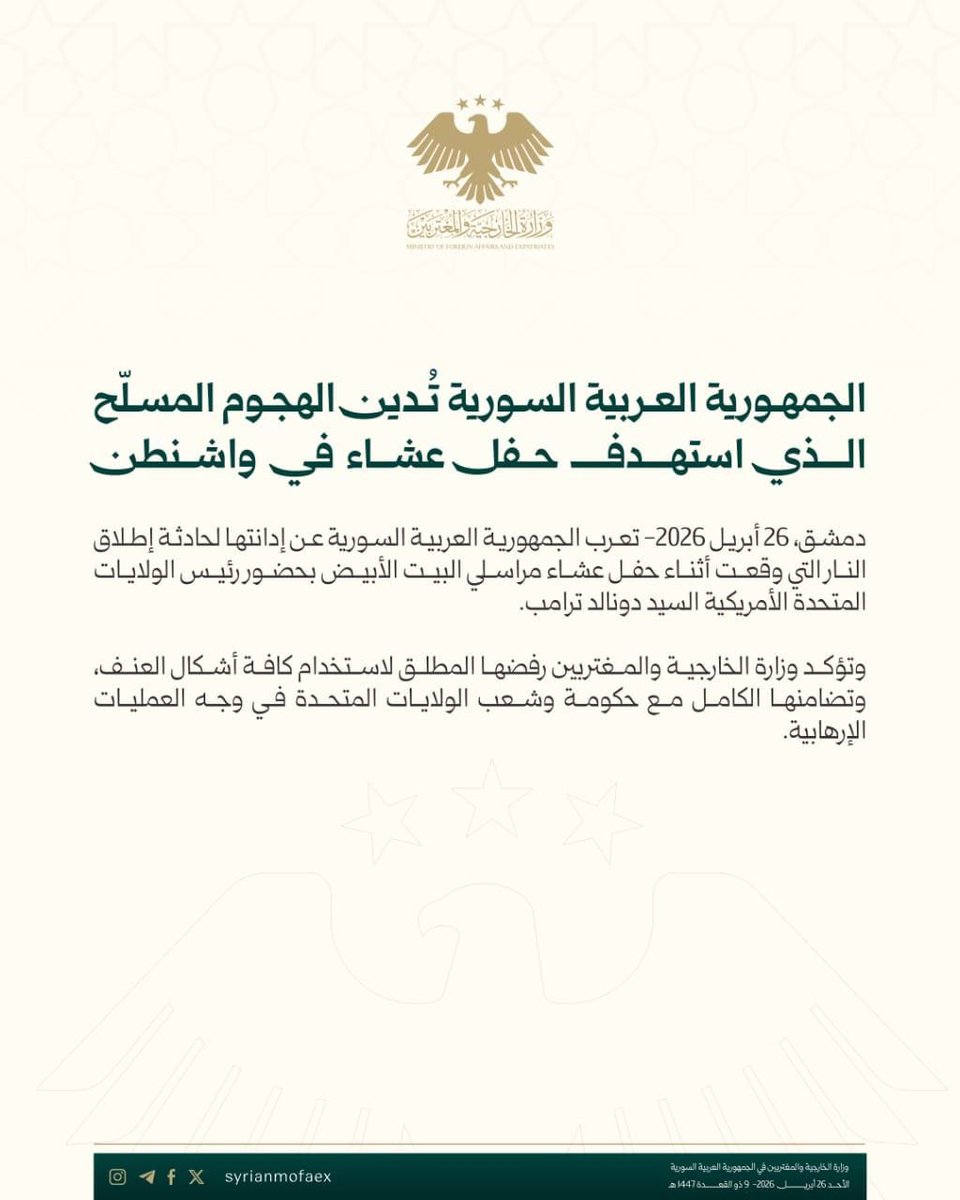
La Syrie condamne l’attaque visant Donald Trump.
Hthي🇩🇿🇾🇪 tweet media
Français
5
2
10
28.5K
Joker 🇩🇿🇵🇸
Joker 🇩🇿🇵🇸@Thejokerof95·
Il a été incarcéré en prison car c'est un pro Daesh Il ne trouve aucune alternance car fiché S pour apologie au terrorisme et il a également une interdiction de quitter le territoire français x.com/Mur4bit/status…
Joker 🇩🇿🇵🇸 tweet media
Français
34
465
8K
3.5M
🇵🇸
🇵🇸@sbhnoe·
❤️❤️
🇵🇸 tweet media
QME
0
0
2
206
🇵🇸 retweetledi
Adam
Adam@adamemedia1·
There is no excuse for this.
Adam tweet mediaAdam tweet media
English
306
14.7K
54.7K
1.5M
GeoRossignol
GeoRossignol@GeoRossignol·
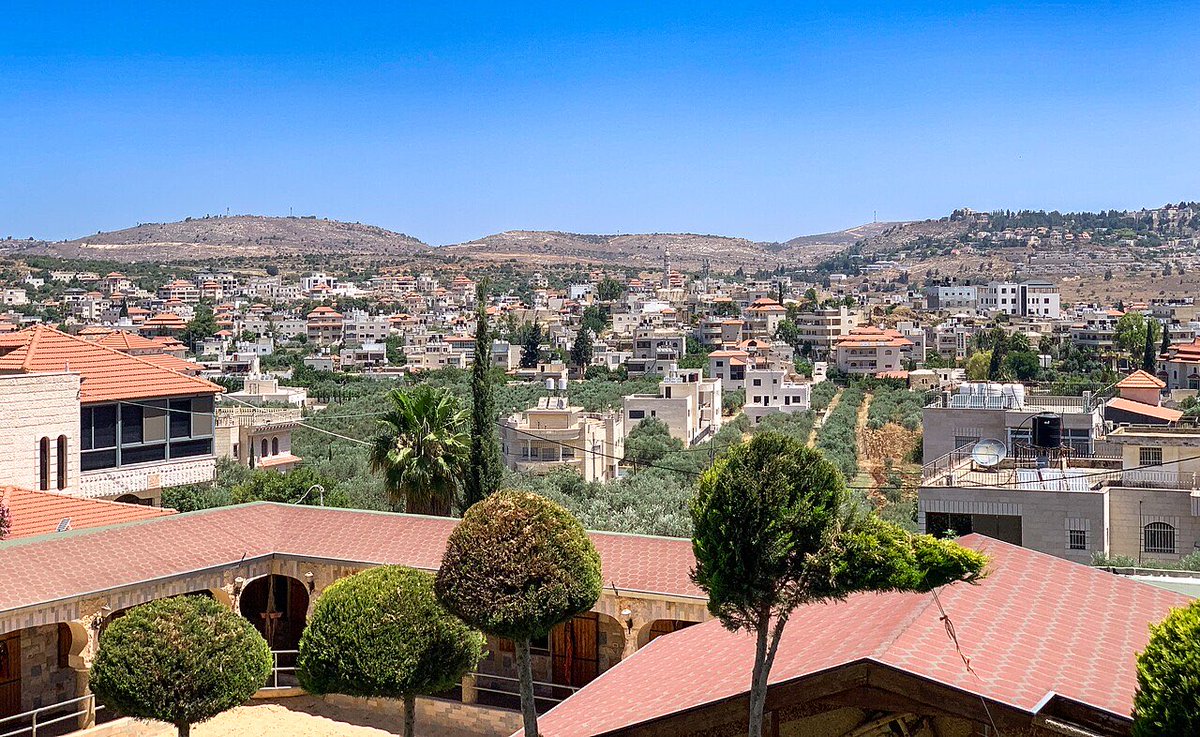
🇸🇾 Les interdictions d'alcool dans le nord de la Syrie s'étendent vers le sud. Le conseil municipal de la ville touristique de Mneen émet une décision incluant: -L’interdiction de la vente d’alcool. -L'interdiction d'accorder des licences aux boîtes de nuit. -L'imposition de restrictions sur l'habillement et le comportement dans les lieux publics. -L'interdiction de conduire des véhicules pour les personnes âgées de moins de 18 ans.
GeoRossignol tweet media
Français
9
16
129
15K
🇵🇸 retweetledi
Syrian Girl
Syrian Girl@Partisangirl·
Israel bombed a 4 year old Palestinian girl in her refugee tent murdering her mother.
English
1K
37K
99.3K
7.1M
🇵🇸 retweetledi
Actu en Vif
Actu en Vif@actuenvif·
🚨🇺🇸🇮🇷 Une nouvelle analyse de @MeidasTouch détaille les déclarations contradictoires de Trump tout au long de sa guerre en Iran : 3 mars : « Nous avons gagné la guerre. » 7 mars : « Nous avons vaincu l’Iran. » 9 mars : « Nous devons attaquer l’Iran. » 9 mars : « La guerre est presque totalement terminée, et très magnifiquement. » 11 mars : « On n’aime jamais dire trop tôt qu’on a gagné. Nous avons gagné. En une heure, c’était terminé. » 12 mars : « Nous avons gagné, mais nous n’avons pas encore complètement gagné. » 13 mars : « Nous avons gagné la guerre. » 14 mars : « S’il vous plaît, aidez-nous. » 15 mars : « Si vous ne nous aidez pas, je m’en souviendrai certainement. » 16 mars : « En réalité, nous n’avons besoin d’aucune aide. » 16 mars : « Je testais juste pour voir qui m’écoute. » 16 mars : « Si l’OTAN n’aide pas, elle subira quelque chose de très grave. » 17 mars : « Nous n’avons ni besoin ni envie de l’aide de l’OTAN. » 17 mars : « Je n’ai pas besoin de l’approbation du Congrès pour me retirer de l’OTAN. » 18 mars : « Nos alliés doivent coopérer pour rouvrir le détroit d’Ormuz. » 19 mars : « Les alliés des États-Unis doivent se ressaisir — intervenir et aider à rouvrir le détroit d’Ormuz. » 20 mars : « L’OTAN est composée de lâches. » 21 mars : « Le détroit d’Ormuz doit être protégé par les pays qui l’utilisent. Nous ne l’utilisons pas, nous n’avons pas besoin de l’ouvrir. » 22 mars : « C’est la dernière fois. Je donne 48 heures à l’Iran. Ouvrez le détroit. » 22 mars : « L’Iran est mort. » 23 mars : « Nous avons eu des discussions très bonnes et productives avec l’Iran. » 24 mars : « Nous faisons des progrès. » 25 mars : « Ils nous ont fait un cadeau et ce cadeau est arrivé aujourd’hui. Et c’était un très grand cadeau d’une valeur énorme. Je ne vais pas vous dire ce que c’est, mais c’était un prix très important. » 26 mars : « Concluez un accord, ou nous continuerons simplement à les anéantir. » 27 mars : « Nous n’avons pas besoin d’être là pour l’OTAN. » 29 mars : A affirmé que les discussions progressaient 30 mars : « Ouvrez immédiatement le détroit d’Ormuz, ou faites face à des conséquences dévastatrices. » 31 mars : A affirmé qu’un accord était « très proche » et que l’Iran « ferait ce qu’il faut » 1er avril : « Nous verrons ce qui se passe très bientôt. » 3 avril : « Quelque chose de grand va se produire. » 4 avril : A déclaré que l’Iran devait se conformer « immédiatement » ou subir de nouvelles conséquences 5 avril : « Ouvrez ce putain de détroit, bande de fous, ou vous vivrez en enfer — REGARDEZ BIEN ! Gloire à Allah. » 7 avril : « Toute une civilisation va mourir ce soir, sans jamais pouvoir être ramenée. Je ne veux pas que cela arrive, mais cela arrivera probablement. »
Actu en Vif tweet mediaActu en Vif tweet media
Actu en Vif@actuenvif

🚨🇺🇸🇮🇷🇵🇰 ALERTE INFO ! Les États-Unis et l'Iran conviennent d'un cessez-le-feu immédiat de 2 semaines sous la médiation du Pakistan.

Français
39
539
2K
330.7K
🇵🇸 retweetledi
Hadi
Hadi@HadiNasrallah·
In 10 minutes, Israel bombed 100 targets in Lebanon, including schools with displaced civilians, health centers and even a funeral. The areas hit were supposedly “safe”. Thousands of casualties. Thousands. In 10 minutes. This is how Israel makes up for its failures. With blood.
English
86
3.2K
6.5K
399.2K
🇵🇸 retweetledi
Megatron
Megatron@Megatron_ron·
BREAKING: 🇮🇱🇱🇧 Israel is committing the biggest massacre in Lebanon right now despite the ceasefire Dozens of buildings in Beirut were flattened in the Israeli attacks, the largest attacks in years Massive civilian casualties
English
100
1.5K
2.9K
88.3K
🇵🇸 retweetledi
War Monitor
War Monitor@WarMonitors·
⚡️Beirut now Holy shit…
English
77
2.4K
7K
306.5K
🇵🇸 retweetledi
Focus
Focus@FocusinfosFr·
🇫🇷🇮🇱🏛️ FLASH INFO | Cinq rapporteurs spéciaux des Nations unies ont écrit à Emmanuel Macron pour l’avertir que la proposition de loi Yadan bafoue le Pacte international relatif aux droits civils et politiques, ratifié par la France. Ils estiment que le texte porte atteinte à la liberté d’expression.
Focus tweet mediaFocus tweet media
Français
194
5.8K
20.2K
400.9K
🇵🇸 retweetledi
TVR 🔻φ 🐢
TVR 🔻φ 🐢@ronakkor·
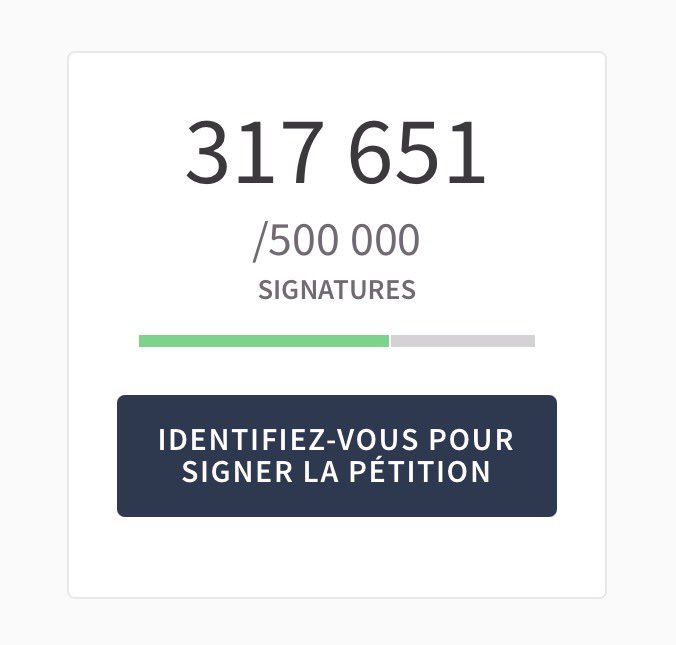
En fait il faut le voir pour le croire : +300 000 en 3 jours complet ! « Ouais mais c’est jamais asseeez » BHA TRÈS BIEN ! Lache ça c’est pas pour toi , tu te sens pas concerné quand on piétine ta liberté d’expression ! Et pour tout les autres : LET’S GOOOOOOOO , 500K ON ARRIVE !
TVR 🔻φ 🐢 tweet media
Français
6
221
523
5.9K
🇵🇸 retweetledi
Syria Justice Archive
Syria Justice Archive@SyJusticeArc·
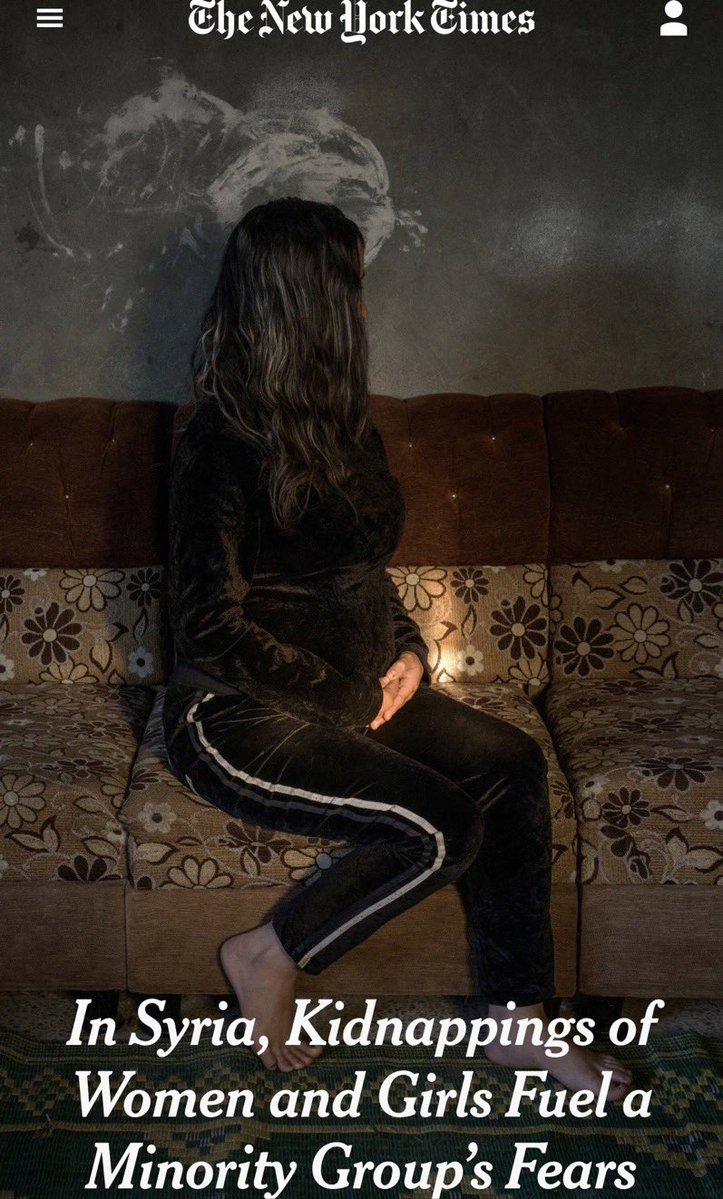
📰 A New York Times investigation found that abductions of women and girls from Syria’s Alawite minority were more common, and more brutal, than the government has acknowledged By @NYTBen A 16-year-old girl left her home in northwest Syria last May to visit a shop and disappeared. Weeks later, an anonymous stranger phoned her distraught family and said that he had the teenager and would let her go if they paid thousands of dollars in ransom, according to four people involved in her case. The family paid the ransom and the girl returned in August, more than 100 days after she had been kidnapped. She told confidants that she had been held in a dank basement and was regularly drugged and raped by strangers, the four people said. A medical exam turned up yet another shock: She came home pregnant. Since rebels ousted the dictator Bashar al-Assad in late 2024, panicked families and activists trying to help have regularly sounded the alarm on social media that women and girls from Syria’s Alawite minority have mysteriously disappeared or been kidnapped. Many fear that their sect is being targeted as retribution for the brutality of Mr. al-Assad, who also belongs to the Alawite sect, an offshoot of Shiite. The government has denied that Alawite women and girls are being targeted by kidnappers, saying that it has confirmed only one such case. But a New York Times investigation based on dozens of interviews with Alawites who say they were kidnapped, their relatives and others involved in their cases found that these abductions have been common and often brutal. The Times verified the kidnappings of 13 Alawite women and girls, in addition to one man and one boy. Five said they had been raped. Two came home pregnant. The family of one woman said it sent $17,000 to kidnappers who never released her, and provided screenshots of ransom demands and the money transfers. A 24-year-old said she had been held for three weeks in a filthy room where men raped her, beat her, shaved her head and eyebrows and cut her with razor blades. Her relatives also paid the kidnappers and in this case secured her release, according to four people involved in her case. Syrian activists say they know of scores of such kidnappings but details are difficult to confirm because victims and their families are too scared to talk. Most people who spoke with the Times did so on condition of anonymity for fear of reprisals from the government or the kidnappers. The Times is not identifying most of those who were kidnapped for the same reason. The Times corroborated accounts from people who had been kidnapped and their relatives, as well as through social media posts announcing when they were taken and returned, ransom messages sent by kidnappers and interviews with medical and aid workers who spoke with the abductees after their release. The kidnappings took place against a backdrop of deep distrust between the Alawites, who make up about one-tenth of Syria’s population, and the new government. Mr. al-Assad relied heavily on his sect in his military and security services while in power. That led many of the Sunni Muslim former rebels who now run Syria to associate the Alawites with the ousted regime. Last March, that anger fueled days of sectarian violence in northwestern Syria that left about 1,400 people dead, according to a U.N. investigation. The inquiry found that some government security forces had participated in the killing, leaving many Alawites afraid of them. Many of the kidnapped women and girls, along with their relatives, said the government had failed to take their cases seriously. nytimes.com/2026/04/03/wor…
Syria Justice Archive tweet media
English
34
626
1.3K
345.4K
🇵🇸 retweetledi
Drop Site
Drop Site@DropSiteNews·
🇸🇾 REPORT | A New York Times investigation found that abductions of women and girls from Syria’s Alawite minority are far more widespread and brutal than authorities have acknowledged. ▫️While the government officially acknowledged only one "real" case, the Times verified the kidnappings of 13 Alawite women and girls and received reports of scores more. ▫️ Survivors reported being grabbed off the street in broad daylight, held in filthy conditions, beaten, and subjected to sexual violence. Five of the verified victims were raped, and two returned home pregnant. ▫️ Captors often explicitly targeted victims for being Alawite, at times citing extremist views that deem the minority "permissible to rob and rape". Other cases involved purely criminal extortion, with one family paying a $17,000 ransom for a relative who was never released.  ▫️Families and rights groups say many cases remain uninvestigated, pointing to a pattern of denial and limited accountability despite mounting evidence.
Drop Site tweet media
Syria Justice Archive@SyJusticeArc

📰 A New York Times investigation found that abductions of women and girls from Syria’s Alawite minority were more common, and more brutal, than the government has acknowledged By @NYTBen A 16-year-old girl left her home in northwest Syria last May to visit a shop and disappeared. Weeks later, an anonymous stranger phoned her distraught family and said that he had the teenager and would let her go if they paid thousands of dollars in ransom, according to four people involved in her case. The family paid the ransom and the girl returned in August, more than 100 days after she had been kidnapped. She told confidants that she had been held in a dank basement and was regularly drugged and raped by strangers, the four people said. A medical exam turned up yet another shock: She came home pregnant. Since rebels ousted the dictator Bashar al-Assad in late 2024, panicked families and activists trying to help have regularly sounded the alarm on social media that women and girls from Syria’s Alawite minority have mysteriously disappeared or been kidnapped. Many fear that their sect is being targeted as retribution for the brutality of Mr. al-Assad, who also belongs to the Alawite sect, an offshoot of Shiite. The government has denied that Alawite women and girls are being targeted by kidnappers, saying that it has confirmed only one such case. But a New York Times investigation based on dozens of interviews with Alawites who say they were kidnapped, their relatives and others involved in their cases found that these abductions have been common and often brutal. The Times verified the kidnappings of 13 Alawite women and girls, in addition to one man and one boy. Five said they had been raped. Two came home pregnant. The family of one woman said it sent $17,000 to kidnappers who never released her, and provided screenshots of ransom demands and the money transfers. A 24-year-old said she had been held for three weeks in a filthy room where men raped her, beat her, shaved her head and eyebrows and cut her with razor blades. Her relatives also paid the kidnappers and in this case secured her release, according to four people involved in her case. Syrian activists say they know of scores of such kidnappings but details are difficult to confirm because victims and their families are too scared to talk. Most people who spoke with the Times did so on condition of anonymity for fear of reprisals from the government or the kidnappers. The Times is not identifying most of those who were kidnapped for the same reason. The Times corroborated accounts from people who had been kidnapped and their relatives, as well as through social media posts announcing when they were taken and returned, ransom messages sent by kidnappers and interviews with medical and aid workers who spoke with the abductees after their release. The kidnappings took place against a backdrop of deep distrust between the Alawites, who make up about one-tenth of Syria’s population, and the new government. Mr. al-Assad relied heavily on his sect in his military and security services while in power. That led many of the Sunni Muslim former rebels who now run Syria to associate the Alawites with the ousted regime. Last March, that anger fueled days of sectarian violence in northwestern Syria that left about 1,400 people dead, according to a U.N. investigation. The inquiry found that some government security forces had participated in the killing, leaving many Alawites afraid of them. Many of the kidnapped women and girls, along with their relatives, said the government had failed to take their cases seriously. nytimes.com/2026/04/03/wor…

English
39
274
849
142.1K