
Sabitlenmiş Tweet
Vijay
112.4K posts

Vijay
@scanman
A Lord of the Shadows & Algorithmic Image Interpretation Machine (ie, a Radiologist). 100% human. No AI/ML. Stray dogs are a public health menace in India.
Salem, Tamil Nadu 636000 (IN) Katılım Mayıs 2007
2.4K Takip Edilen8.9K Takipçiler


For all the nutritionist advice dr paal gives, he looks like he doesn’t even take 1g of protein per day
English
Vijay retweetledi
Really nice to see someone flag this area @thekaransinghal , IMO Evaluation methodology in health AI is arguably the most underdiscussed bottleneck in the field right now.
A few thoughts from a clinical epidemiology lens that might push the discussion further:
The ecological validity argument is valid and strong. Answering MCQs clearly don't capture real world use. But the same argument applies in reverse, we need to know how untrained users interact with these systems, not just how models perform under ideal conversational conditions.
HealthBench is an interesting instrument, but the field would benefit enormously from knowing more about rater selection, blinding, inter-rater reliability, and conversation sourcing. Can we use that as a reproducible scientific tool, is the real question.
The 99% triage figure needs context — CIs, sample size for the emergency subset, and the operational definition of "emergency" would help the community interpret it properly.
And the biggest gap: we're still entirely in the realm of process measures. When we start measuring those hard outcomes like say …does this actually change morbidity, mortality, time-to-diagnosis?
The questions you pose at the end deserve a serious, multi-stakeholder answer. Looking forward to seeing this evolve.
English
Book Review: The Guernsey Literary and Potato Peel Pie Society
open.substack.com/pub/vijaysadas…

English

Very #GoodRead
Why SaaS like Zoho is here to stay (even with agentic AI), by Icarus Prakash.
open.substack.com/pub/jprakashsa…
English
It is coming ley.. @scanman
Eric Topol@EricTopol
The largest randomized trial of medical A.I. —Over 100,000 women in Sweden —radiologist + AI vs 2 radiologists, in follow-up —AI added led to 29% more cancer detected, 44% reduced workload, and —Less cancer dx in subsequent 2 years, and, when found, less aggressive thelancet.com/journals/lance…
English
Vijay retweetledi
Your “discomfort” question was rhetorical, but I’ll answer it: The discomfort comes from watching a tech bro with zero clinical training lecture physicians about birth outcomes, package existing services as revolutionary, and sell false promises to vulnerable women all while congratulating himself for “honest healthcare.”
This isn’t Superbirth. This is Goop for obstetrics with better marketing and worse ethics.
Please stick to disrupting industries you understand.
Human reproduction isn’t a market inefficiency waiting for your pivot table to solve it.
English
Vijay retweetledi
A LONG answer to this nonsensical post from an obstetrician who has more than 35 years doing the same and 32 plus in his own dedicated maternity home.
Let's unpack :
“Birth coaches, midwives, lactation consultants, nutrition coaches—all led by experienced gynecs.”
Stunning innovation. You’ve reinvented the hospital multidisciplinary team, slapped venture-backed branding on it, and marketed it to anxious women as salvation from a “rigged system.”
Let me decode your business model for those fluent in actual medicine:
“Preparation starting at 12-14 weeks” = Extracting maximum subscription revenue while the fetus is still doing somersaults and we haven’t even established placental position. At 14 weeks, I’m confirming viability. You’re apparently preparing women for delivery mode decisions that won’t be relevant for 24+ weeks. Impressive grift.
“Real ability to choose” = A marketing fiction that dissolves instantly when she presents with complete placenta previa, cord prolapse, fetal bradycardia, or CPD after 18 hours of labor. But sure, your “birth coaches” will handle that at 2 AM.
“Not just lip service while leaving them unprepared” = The breathtaking arrogance of claiming obstetricians with decades of experience are giving “lip service” while YOUR team armed with interviews of “a few hundred mothers” has cracked the code of human reproduction.
“This is how we make choice real” = This is how you make revenue real by selling false certainty to vulnerable women.
Here’s what you’re actually selling: the illusion that preparation prevents biology.
No amount of coaching changes:
∙Cephalopelvic disproportion
∙Placental abruption
∙Malpresentation at term
∙Fetal distress during labor
∙Vasa previa
∙Uterine rupture
∙Shoulder dystocia
Your model is built on a lie: that C-sections happen because women are “unprepared” rather than because medicine, not marketing, determines what’s safe.
I’ve delivered babies for 30+ years. Women who need C-sections aren’t failures of preparation, they have medical indications. Women who achieve vaginal births aren’t more “coached”, they have favorable anatomy and uncomplicated pregnancies.
You’ve discovered pregnant women experience anxiety about birth and desire control. Congratulations on this revelation. Your solution? Monetize that anxiety by selling “preparation protocols” that promise agency over biological processes they fundamentally cannot control.
When your premium-paying client needs emergency section at 39 weeks despite your elaborate 6-month “program,” what happens? Do you refund her?
Or does she internalize that she somehow “failed” to be prepared enough thus allowing you to profit from her trauma twice: once from the subscription fees, once from the psychological damage of believing she didn’t try hard enough?
This isn’t healthcare innovation, this is psychological exploitation with a wellness veneer.
If you actually cared about reducing unnecessary C-sections rather than building a startup, you’d advocate for:
∙Mandatory hospital-level outcome reporting
∙Medicolegal reform to reduce defensive medicine
∙Insurance restructuring to eliminate procedure-based incentive distortions
∙Evidence-based integration of midwifery models
But that’s boring systemic work that doesn’t scale or generate headlines.
Instead, you’re selling overpriced doula services to the urban elite while claiming to have revolutionized obstetrics armed with a few hundred interviews and the supreme confidence that only profound ignorance enables.
The medical profession has spent centuries understanding that birth is not a user experience to be optimized. It’s a profound biological event where safety sometimes requires intervention, where complications emerge despite perfect preparation, and where the pretense that “choice” exists in every scenario is a dangerous delusion.
.......
Varun Dubey@varundubey
Women are being let down. With 50% C-Section births, private healthcare didn’t accidentally end up with 3x higher C-section rates. It engineered them. When hospitals are optimized for OT throughput, bed turnover, and revenue maximization, surgery wins by design. It is no longer a statistic, it’s an epidemic. It happens Not because women can’t give birth. Not because it’s always safer. But because it’s faster, controllable, schedulable — and pays better. So fear gets disguised as “medical advice.” Choice gets reframed as “risk.” And women are told this is just how childbirth works. This isn’t an intent problem. It’s an incentive problem. If you’re uncomfortable reading this, ask yourself why. That discomfort is exactly why we built Superbirth, the safest most hassle free birthing experience ever. It gives real choice back to women and prepares and supports them with whatever they decide natural birth or a c-sec and they can switch between the two whenever they want at no charge. It’s their body, their baby and their choice. This is honest healthcare. Find out more on super.health/superbirth
English
Vijay retweetledi
Join the STAYers club, no entry fee, life time free membership

செந்தில் / Chenthil@chenthil_nathan
Henceforth I'm calling myself a Bidi. Build in India, Die in India.
English
So, if I haven’t built anything, but am still living, and likely dying, in India, can I call myself Thundu Beedi? 🚬
GIF
செந்தில் / Chenthil@chenthil_nathan
Henceforth I'm calling myself a Bidi. Build in India, Die in India.
English

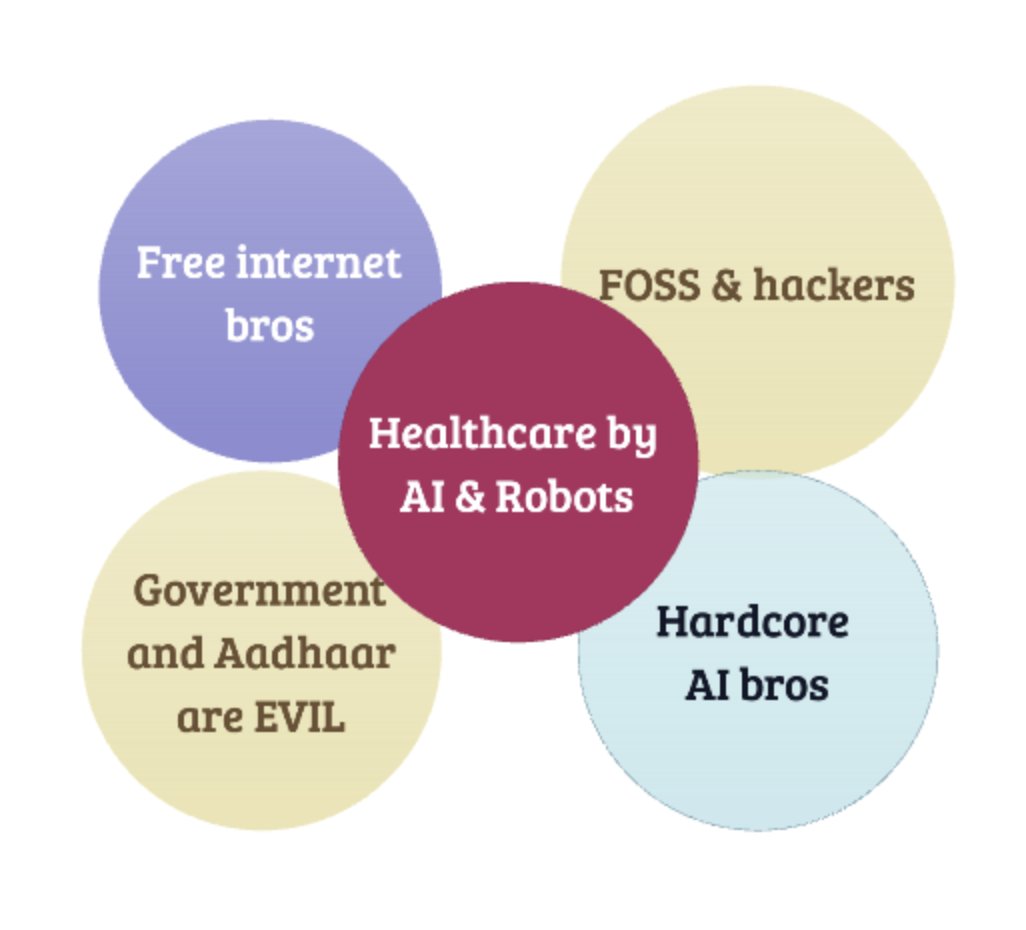

I know someone, first degree contact, who had to go through this in October 2003. 22 years ago.
Shiva Flix@shivtweetzz
Last 3 months payslip. Current company Offer letter. Previous company experience letters. Last financial year Form 16. Last 6 months Active bank statement. PF passbook. இந்த documents எல்லாம் கேட்கப்பட்டது ஒரு கம்பெனியில் வேலைக்கு சேர்வதற்காக அல்லது Personal loan வாங்குவதற்காக அல்ல.! மாப்பிள்ளை வருமானம் & வேலை பற்றி தெரிந்து கொள்ள பெண் வீட்டாரிடம் இருந்து கேட்கப்பட்ட Documents. யாரை குறை சொல்றது.!😐 Arrange marriage பாவங்கள்.!
English
Vijay retweetledi
The ordeal faced by a nominee in accessing her late father’s funds, particularly due to HDFC Bank’s handling of the matter, has prompted me to write to the Finance Minister seeking the constitution of a Joint Parliamentary Committee to review banking practices and make them more customer-friendly.
@HDFC_Bank @RBI @FinMinIndia @nsitharaman @veenavenugopal


English
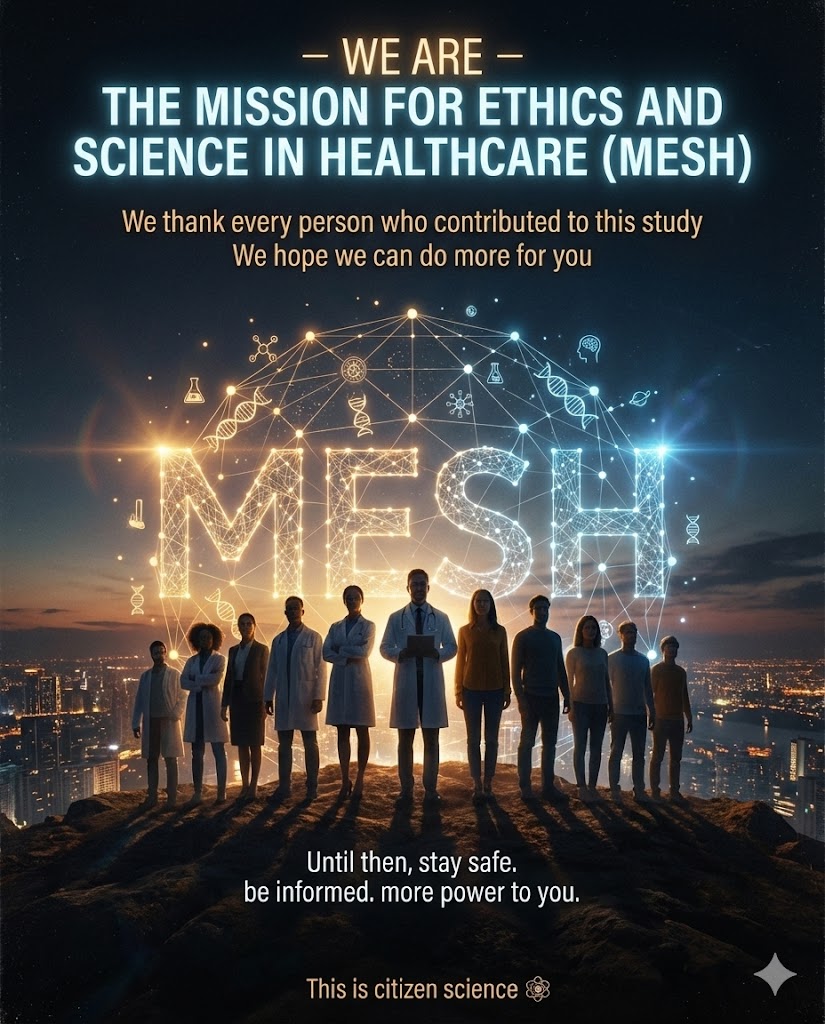
PS: The original reports and full study summary of all 131 drugs analysis will be available on meshindia.org within a week for you to download, review, check and share.
Thanks again and take care. We will be back with new public health projects soon.
English
STAY WITH ME.
A few years ago, a patient was referred to me because he was diagnosed with complicated cirrhosis. He had an infection which led to a condition called hepatic encephalopathy (brain failure due to high ammonia levels). The treatment largely involved ammonia reducing therapies. One drug was central to this - Rifaximin - a non-absorbable antibiotic that reduced ammonia in the body. I prescribed him Rifaximin for 6 weeks and advised him follow-up.
He came back to me, not after six weeks, but in 4 weeks, this time, in liver coma (worst stage of brain failure - due to very high ammonia). He spent two days in the ICU and six days in total in the hospital. His hospital bill was close to INR 80,000. He had no insurance and his wife borrowed the money from neighbors and friends to clear hospital dues.
Upon questioning, I found that he was not taking the Rifaximin drug I had prescribed. He was only on the other two drugs (one, a syrup called lactulose for improving ammonia clearance in gut). I was furious, because the patient spent a whole week unecessarily in the ICU and wasted so much money that he never had - just because he was "not compliant" to my orders. I decided it was time for me to school him a bit.
But I was wrong. He was compliant. He had purchased Rifaximin and was on it. For 15 days. Thereafter, he could not afford it. He was an autorickshaw driver who shuttled school children every morning and evening. He could hardly make ends meet. He had two children of his own. The Rifaximin brand I prescribed him was 42 rupees per tablet. He had to consume two a day - which would mean 2520 rupees a month. He just did not have that money - so he skipped it - to not compromise on other important matters - childrens education and food.
He was confused and scared about opting for a cheaper version of Rifaximin because one, he was unsure about the quality of Rifaximin that was not prescribed by me and two, he was "scared" that I would scold him for buying a cheaper Rifaximin and if that got him into trouble.
I was confused and scared about prescribing a cheaper version of Rifaximin because one, I was unsure about the quality of Rifaximin that was not "a good promoted brand" and two, I was "scared" that his family would scold me for prescribing a cheaper Rifaximin and if that got him into trouble.
It is heartbreaking that many doctors still simply don’t trust generic medicines. Too often, they worry that these cheaper options are lower quality or might cause more problems than the big, famous brands. This fear leads them to prescribe expensive drugs instead, and the real tragedy is that it pushes vital healthcare out of reach for the ordinary people who need it most - like my patient.
This narrative, that generic drugs 'are never good' and that only big pharmaceutical marketed drugs are what works has been deeply ingrained into doctors and patients alike - I do not know by whom and since when. Looking back, these strong emotions were based on either opinions, testimonials or second- and third-hand information. Not evidence.
Like I said. Stay with me. This is life changing and will disrupt the drug market in India. Here are the results of The Citizens Generic vs. Brand Drugs Quality Project.
1/11
English