ShashanK🤺

13.8K posts

ShashanK🤺 banner
ShashanK🤺

ShashanK🤺

@shacrw_

latent space experi(ences/ments)

Katılım Ocak 2018
467 Takip Edilen1K Takipçiler
ShashanK🤺 retweetledi
isabelle 🪐
isabelle 🪐@isabelleboemeke·
Sex is good but have you tried saving California’s only nuclear plant and sticking it to the boomer anti-nuclear environmentalists?

isabelle 🪐 tweet media
English
48
381
6.6K
173.1K
ShashanK🤺
ShashanK🤺@shacrw_·
@tenobrus it's kinda cool that Anthropic might have their own Project Zero team and it's just some agent harness and a few humans. in fact anyone NOT doing this would be dumb and now I'm wondering if Google has done this or not. L if they haven't.
English
0
0
0
132
Tenobrus
Tenobrus@tenobrus·
people keep talking about this like it's not blatantly obvious. anthropic clearly has a system that's auditing open source repos for vulnerabilities using their unreleased higher power models and sending fixes for them without revealing their current level of capabilities.
ℏεsam@Hesamation

this is another thing about Anthropic's Claude Code source that i cannot stop thinking about and it raises some serious questions: why would the internal team need an UNDERCOVER MODE to contribute to public repos and hide the fact that they're using Claude Code?

English
22
60
1.4K
123.5K
ShashanK🤺
ShashanK🤺@shacrw_·
yes but how does AI reduce that apart from software to automate permits, monitoring and other work. afaik the major hurdles are union, nimby and other regulatory issues and all the recent pro-housing changes in many cities was due to years of work by pro-housing groups. for HSR acquiring all the land parcels took >15 years. their viability in other places also depends on housing laws, i.e. permitting density near the rail so that the adjacent real estate can help pay for the rail. i don't think AI is specifically helpful here in making it more viable unless i missed something.
English
0
0
1
14
Saffron Huang
Saffron Huang@saffronhuang·
@shacrw_ afaict compliance costs account for 20-40% of the cost of homebuilding, and also extremely high in public works -- at least half of the California high speed rail project budget
English
1
0
0
120
Saffron Huang
Saffron Huang@saffronhuang·
Here's a plausible positive scenario that doesn't require many further AI advancements. I wanted to clearly paint the path "from here to there" instead of hand-waving so it starts out negative but ends positive (I swear): A recession leads to slowed hiring and a breakdown of the early-career ladder. The political window opens for industrial policy on AI: governments encourage firms to launch apprenticeship programs to bridge the training gap between junior and senior white-collar roles, instilling discernment and judgment of AI outputs. Programs help reshuffle people with clerical jobs into education (especially elementary and middle school 1-1 tutoring) or nursing (and given AI tools to upskill into providing clinical care). Those with a risk-taking or strategic bent become entrepreneurs and executives overseeing AI agents. Industrial policy is important, but AI also helps to decrease regulatory and compliance burdens on construction; this sector expands, and the built environment starts improving (e.g. high speed rail becomes more possible). Later on, material abundance (robot manufacturing) means that goods are cheap and easier to manufacture domestically. Most people's spending is therefore on human-led services, today's luxuries. For example, high quality education: schooling in many places (including the US) has historically been low quality for most, with many knock-on effects. 1-1 personal attention by human teachers (for younger students) + AI personalized tutoring (for older students) bridges this gap. Everyone is healthy: cheap AI triaging of medical issues lowers the barrier to preventative as well as life-saving care. Entrepreneurship is enabled by easy access to AI agents. The bar for customer service is raised all-round (high-end retail and hospitality services, like what you see in Japan). Everyone works 3-4 days a week. Baumol's cost disease is a feature not a bug: the relative expense of human services stops being a budget problem and starts being a labor market solution. That is where the jobs are, and they're jobs worth having.
Ethan Mollick@emollick

The AI labs have actually done a bad job explaining what the future they are building towards will actually look like for most of us. Even “Machines of Loving Grace” has very few well-articulated visions of what Anthropic hopes life will be like if they succeed at their goals.

English
24
35
295
60.7K
ShashanK🤺
ShashanK🤺@shacrw_·
AI and its infra buildout IS a forcing function for a lot of stuff but it also decays quickly and runs into issues. some are assuming a smooth second order effects chain which'll go on for the next 5 years even when it's already not the case. like the urgency which got injected in the energy sector doesn't transfer everywhere else.
English
0
0
0
13
ShashanK🤺
ShashanK🤺@shacrw_·
it's also so bad. no specificity. SV folks just throw around "material abundance" lightly as if it's around the corner for them. forget the Electric Stack or materials/mining layer below it - they literally have a Prez who stops energy projects. > high speed rail becomes more possible WHAT??? how the hell will AI help making land acquisition easier or the economics of HSR better when they got NIMBYs who oppose density around transit which is basically the only way to make money from HSR.
English
0
0
1
118
judah
judah@joodalooped·
always some mf with Anthropic equity talking about “just a little recession, it’ll be fun!”
Saffron Huang@saffronhuang

Here's a plausible positive scenario that doesn't require many further AI advancements. I wanted to clearly paint the path "from here to there" instead of hand-waving so it starts out negative but ends positive (I swear): A recession leads to slowed hiring and a breakdown of the early-career ladder. The political window opens for industrial policy on AI: governments encourage firms to launch apprenticeship programs to bridge the training gap between junior and senior white-collar roles, instilling discernment and judgment of AI outputs. Programs help reshuffle people with clerical jobs into education (especially elementary and middle school 1-1 tutoring) or nursing (and given AI tools to upskill into providing clinical care). Those with a risk-taking or strategic bent become entrepreneurs and executives overseeing AI agents. Industrial policy is important, but AI also helps to decrease regulatory and compliance burdens on construction; this sector expands, and the built environment starts improving (e.g. high speed rail becomes more possible). Later on, material abundance (robot manufacturing) means that goods are cheap and easier to manufacture domestically. Most people's spending is therefore on human-led services, today's luxuries. For example, high quality education: schooling in many places (including the US) has historically been low quality for most, with many knock-on effects. 1-1 personal attention by human teachers (for younger students) + AI personalized tutoring (for older students) bridges this gap. Everyone is healthy: cheap AI triaging of medical issues lowers the barrier to preventative as well as life-saving care. Entrepreneurship is enabled by easy access to AI agents. The bar for customer service is raised all-round (high-end retail and hospitality services, like what you see in Japan). Everyone works 3-4 days a week. Baumol's cost disease is a feature not a bug: the relative expense of human services stops being a budget problem and starts being a labor market solution. That is where the jobs are, and they're jobs worth having.

English
5
0
49
3.9K
ShashanK🤺 retweetledi
Paul Millerd
Paul Millerd@p_millerd·
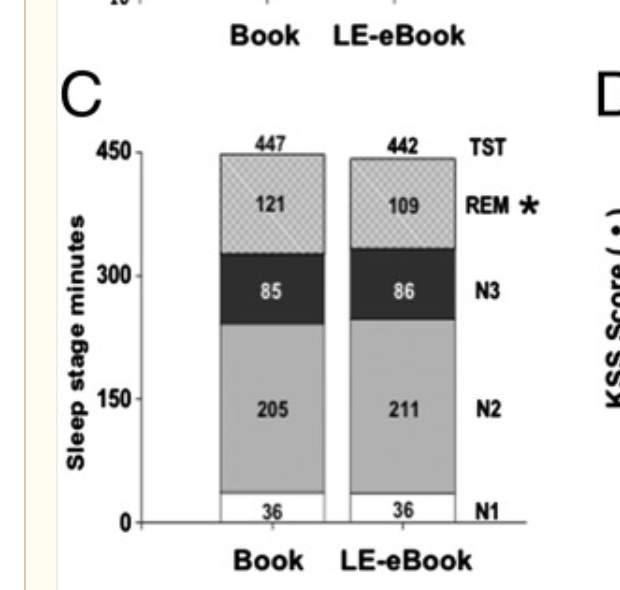
This is not convincing science and the blue blocking fears are probably overblown. This study basically found two things: 1. Melatonin droped 2. People took 10 minutes longer to fall asleep But: 1. It was only 12 people 2. The study had them in a dark room for four hours 3. It hasn't replicated The paper clearly states that almost everything was the same: "There was no difference between conditions in total sleep time, sleep efficiency, or the duration of non-REM sleep (stages 1–3; Fig. 3C) in the sleep episode, which were scheduled for eight hours each." Then, someone tried to replicate this in 2016 and didn't even find a melatonin effect: "There were no differences in sleep parameters and pre-sleep saliva melatonin levels between the tablet reading and physical book reading conditions." But actually an interesting finding (sample size still quite small though): "Bright light exposure during daytime has previously been shown to abolish the inhibitory effects of evening light stimulus on melatonin secretion. Our results could therefore suggest that exposure to bright light during the day – as in the present study – may help combat sleep disturbances associated with the evening use of electronic devices emitting blue light." (source: sciencedirect.com/science/articl…) Then the largest meta study in 2025: "no statistical signifigance" frontiersin.org/journals/neuro…
Paul Millerd tweet mediaPaul Millerd tweet media
English
0
1
7
1.3K
ShashanK🤺 retweetledi
Benjamin Todd
Benjamin Todd@ben_j_todd·
We imagine hunter gatherers living in harmony with nature. But just 5 million of them drove more than half the world's large mammals to extinction.
Benjamin Todd tweet media
English
128
711
3.2K
268.1K
ShashanK🤺 retweetledi
Vincent D. Warmerdam
Vincent D. Warmerdam@fishnets88·
The best April 1st moments are those that aren't merely an announcement, but something that actually works. So yeah, happy to announce that we got DOOM running inside a @marimo_io notebook!
English
1
4
23
2.3K
ShashanK🤺
ShashanK🤺@shacrw_·
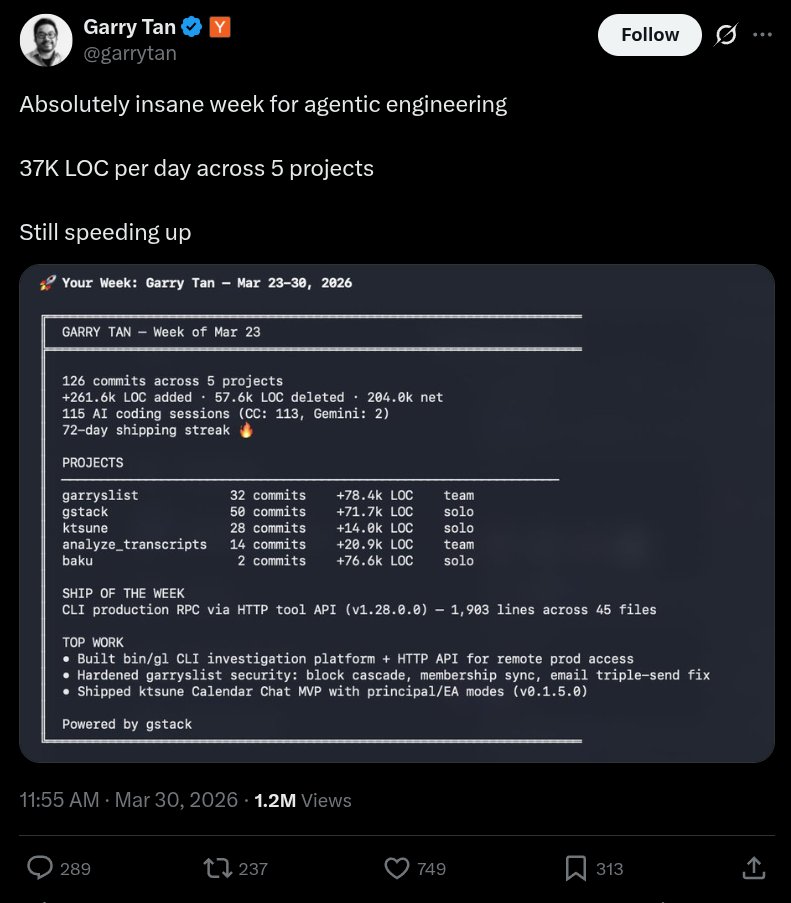
it's so stupid im surprised that he hasn't deleted his account out of shame. or made it private. half of this stupidity was clearly avoidable with good instructions or even good back n forth like asking the llm about areas of improvement, optimization. superrr basic shit. so he doesn't actually know how to use these tools AT ALL. this is not agentic engineering. i never imagined a day would come that a YC president's AI posts would be 10x more irritating than the worst AI influencer accounts here.
English
0
0
5
553
gregorein
gregorein@Gregorein·
so... I audited Garry's website after he bragged about 37K LOC/day and a 72-day shipping streak. here's what 78,400 lines of AI slop code actually looks like in production. a single homepage load of garryslist.org downloads 6.42 MB across 169 requests. for a newsletter-blog-thingy. 1/9🧵
gregorein tweet media
English
335
603
7.5K
2.6M
ShashanK🤺
ShashanK🤺@shacrw_·
im not scared of leopards anymore
English
0
0
0
9
ShashanK🤺
ShashanK🤺@shacrw_·
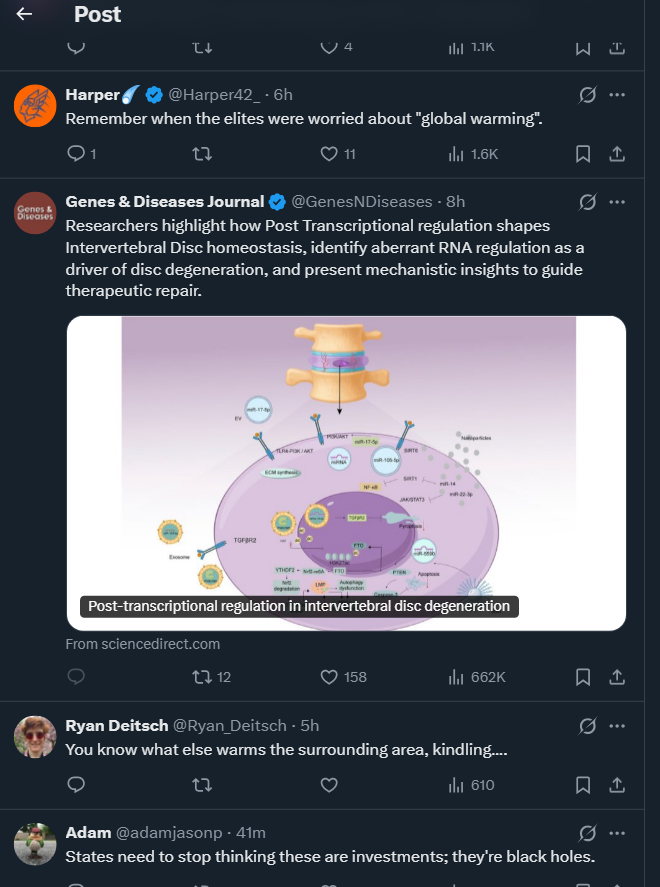
i muted this genius, still no escape Today's News is a stupid feature. in fact the whole right sidebar on web is trash, idk which amateurs they hired to work on this low quality shit. like have you seen how irrelevant and shitty the clustering is in What's happening?
ShashanK🤺 tweet media
English
0
0
1
43
christian
christian@cxgonzalez·
every single one of you who psyoped me into using Obsidian is dead to me
christian tweet media
English
24
0
128
5.6K
ShashanK🤺
ShashanK🤺@shacrw_·
hey @nikitabier i hope this is a bug? unlabelled Ads in the reply section seems new
ShashanK🤺 tweet mediaShashanK🤺 tweet media
English
0
0
1
23
Bhaumik Gowande
Bhaumik Gowande@bhaumikgowande·
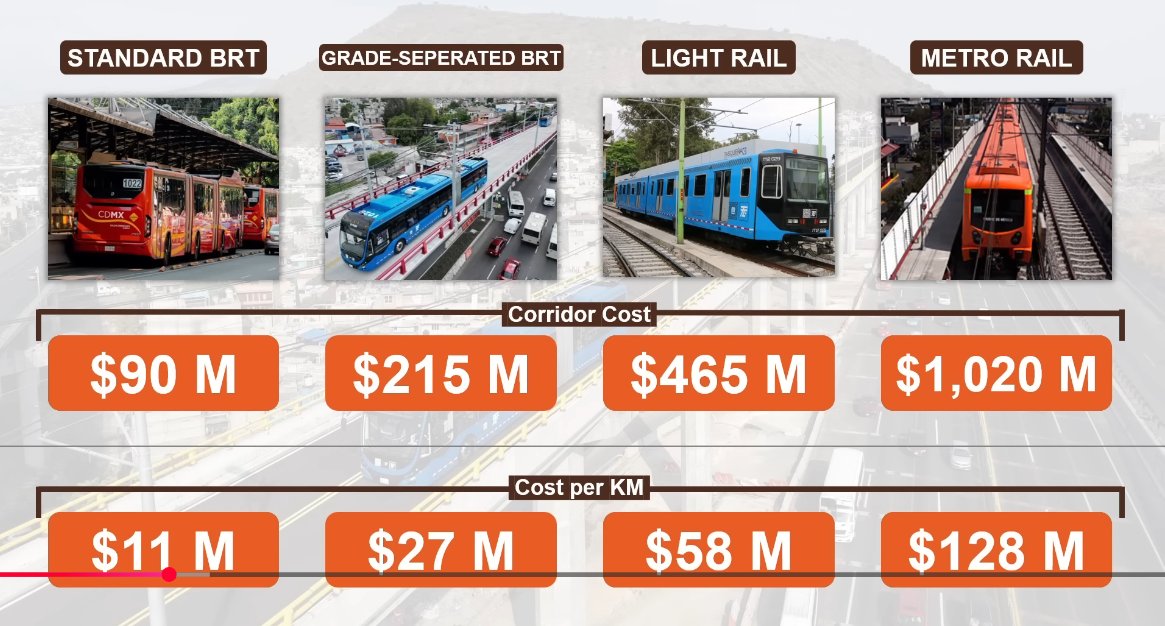
Smart design moves cities, not just steel and tunnels 🚌 Instead of waiting for heavy-rail, cities meanwhile can move same scale of passenger at 1/10th of the cost with dedicated busways, accessible median stations, high-capacity articulated buses 📷 of TransMilenio, Bogotá by Felipe Romero Beltrán
Bhaumik Gowande tweet mediaBhaumik Gowande tweet media
English
28
39
271
62.6K
ellen livia ᯅ 🇺🇸🇮🇩
This week in security: - LiteLLM, backdoored release exfiltrating secrets - Axios, supply chain malware via dependency - Railway, CDN caching leaked user data - OpenAI Codex, command injection via GitHub branch names - Mercor 1TB data leak - Delve, data leak + compliance risk infra is the attack surface now
English
83
511
3.2K
181.4K
ShashanK🤺
ShashanK🤺@shacrw_·
@AndyMasley @CNN i hope u do a thread as well. will spread more easily. nobody's gonna click the link and read it. nobody in the target demo anyway.
English
1
0
14
2.5K
CNN
CNN@CNN·
The vast data centers that power artificial intelligence guzzle huge amounts of energy but they also have another alarming impact, according to new research. They are creating “heat islands,” warming the land around them by up to 16 degrees Fahrenheit, and making life hotter for more than 340 million people. cnn.it/4rZSiG5
CNN tweet media
English
546
4.1K
6.7K
3.2M