Sivanand Mahapatra

2.2K posts

Sivanand Mahapatra banner
Sivanand Mahapatra

Sivanand Mahapatra

@shivanand_

Building Medpiper - enabling health checks infrastructure and insights for India. Writing about business at https://t.co/1MjYoAZcw4.

Bengaluru, India Katılım Temmuz 2009
381 Takip Edilen159 Takipçiler
Sivanand Mahapatra retweetledi

Swarajya
Swarajya@SwarajyaMag·
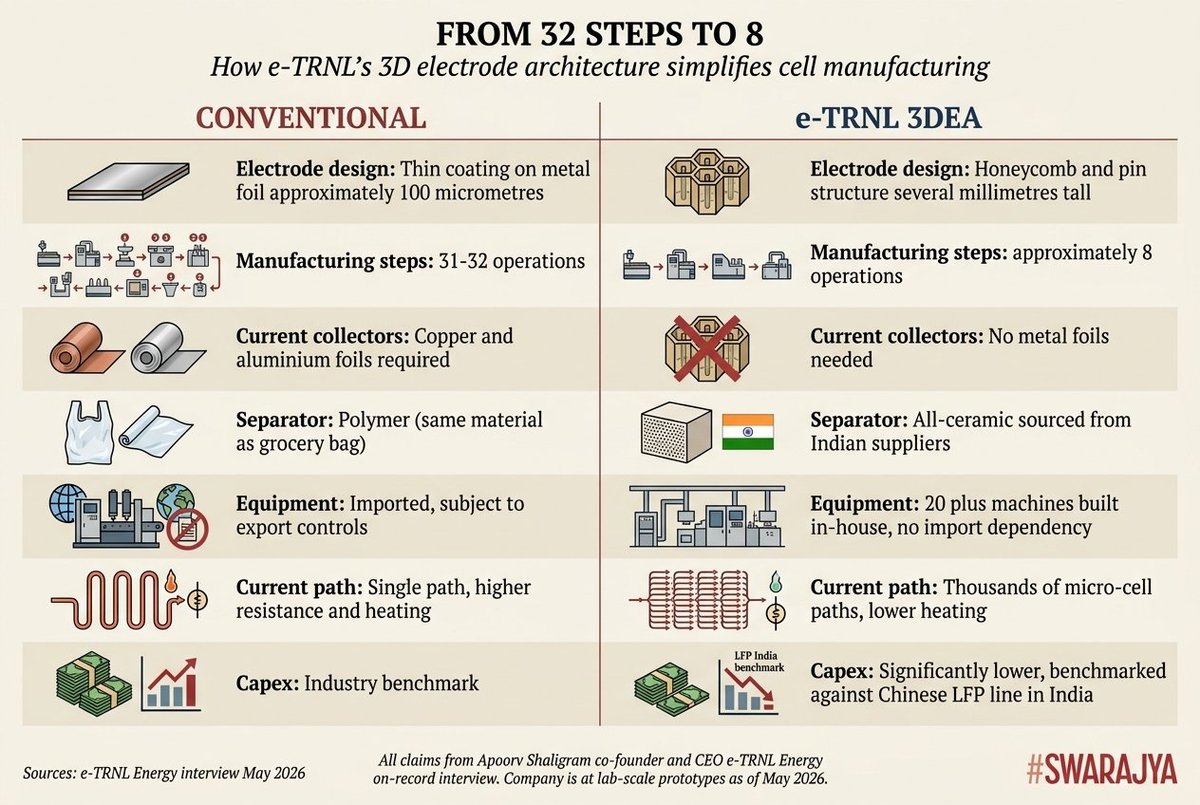
Then there's this startup e-TRNL. They decided that the basic battery design — which hasn't changed since Sony borrowed it from cassette tape manufacturing in the 90s — was the problem. So they redesigned it, and built 20+ machines from scratch to manufacture it.
Swarajya tweet media
English
1
19
87
4.4K
Sachin Gupta 🇮🇳
Sachin Gupta 🇮🇳@guptasachin05·
@shivanand_ @probo_india Too many businesses were not appreciated and well managed both - I realized both me as founders and the other members around cap table could have worked better as a team. The feedback I received always was what I wanted is against VC rule book! Eternal changed that in many ways
English
1
0
0
98
Sachin Gupta 🇮🇳
Sachin Gupta 🇮🇳@guptasachin05·
lol. Or should I say burnol but ok. @probo_india we began this on day 1 with our sports data partner in 2021. By 24 we had 8-10 addtl. working business models in house and 5-7 more CSR/deep business associations externally. Till our own cap-table dynamics turned against us 😅
Vaibhav Domkundwar@vaibhavbetter

This IS going to happen. Once our founders exit, we will see this happen just within Better founders based on numerous conversations over the past few years.

English
1
0
13
7K
Sivanand Mahapatra
Sivanand Mahapatra@shivanand_·
@ActusDei That logo design and placement will trigger any one with a pinch of aesthetic sense.
English
2
1
5
1.5K
Neil Borate
Neil Borate@ActusDei·
IIM Ahmedabad for MBA. IIT Kanpur for engineering. Now IIM Mumbai for wealth management. This will be the gold standard for a massive industry — and the inaugural batch gets in easier than any batch after. Your IIM badge on the CV is permanent.
Neil Borate tweet media
English
33
23
520
67K
Sivanand Mahapatra
Sivanand Mahapatra@shivanand_·
@getpeid Nokia N9, Blackberry Bold, Playstation PSP, iPod Classic, Sony Walkman, Alessandro Grado MS1, Playdate.
English
0
0
0
446
Carl Pei
Carl Pei@getpeid·
name a tech product that has real taste not expensive, not minimal, not pretty actual taste
English
595
30
1.6K
346.9K
olive
olive@based_coded·
Does anyone know if Mira Murati is single?
English
48
12
1.1K
220.4K
Bryan Johnson
Bryan Johnson@bryan_johnson·
Many of you seem to be interested in oral sex. As your unc, let’s make sure you do it safely. Protocol below. Have fun licking, friends. [Before oral sex] + Get tested. List below + Get vaccinated. List below + Wash hands + Brush & floss 60 min before + Avoid cleaning teeth right before + Avoid mouthwash + No active cold sores or ulcers + No gum bleeding + No fresh dental work + No recent oral piercing + Trim fingernails + Check genitals for infection + Learn your partner’s protocol [During oral sex] + Avoid anal to vaginal transitions + If not tested or vaccinated: dental dam (vaginal oral sex) and condom (penile oral sex). + Avoid ejaculation in mouth if STI status isn't fully cleared. [After oral sex] + Rinse mouth with water + Wait 30 min before brushing teeth + Monitor symptoms + Get retested + Abstain until test results return [Tests, male + female] + HIV + Syphilis + Hepatitis B + Hepatitis C + Gonorrhea + Chlamydia + HSV-1 + HSV-2 [Tests, female specific] + Cervical screening (Pap / HPV) + Trichomonas (NAAT test) + Vaginal pH + Bacterial vaginosis panel (vaginal microbiome) [Vaccinations] + HPV (9-valent) + Hepatitis B + Hepatitis A HPV-related mouth and throat cancer is now more common than cervical cancer in the US. Cases roughly tripled from 2000 to 2017, and oral sex is the main way it spreads. About 80 million Americans currently have HPV. Take care of yourself and your loved ones by getting tested.
English
1.4K
484
9.6K
3.1M
Sivanand Mahapatra
Sivanand Mahapatra@shivanand_·
@avataram I think their restraint in launching new designs and not leaning on the current thing helps them a lot. (Unlike Patek).
English
0
0
1
30
Sivanand Mahapatra
Sivanand Mahapatra@shivanand_·
@ravihanda The time it takes to transfer the money >>> the time it takes to trace the owner of the account. So the money is gone in most cases. Also, corrupt bank officials keep generating more mule accounts. A number of managers of small branches are in cahoots.
English
0
0
0
381
Ravi Handa
Ravi Handa@ravihanda·
I have a very basic question about cyber fraud - how does it actually work? These are all transactions that happen in white money. Bank accounts need PAN, Aadhar, Mobile, address proof. If the money is still in accounts, it can be frozen and refunded. They cannot withdraw lakhs and crores in a couple of days via ATMs because of cash withdrawal limits. How is it such a big problem without any solution.
Vivek@Vivek_Investor

67 years old man lost his entire retirement fund to cybercrooks who assured him good returns from share trading. Don't know what to say 😌 Src: Times of India.

English
86
7
102
56.3K
bubble boi
bubble boi@bubbleboi·
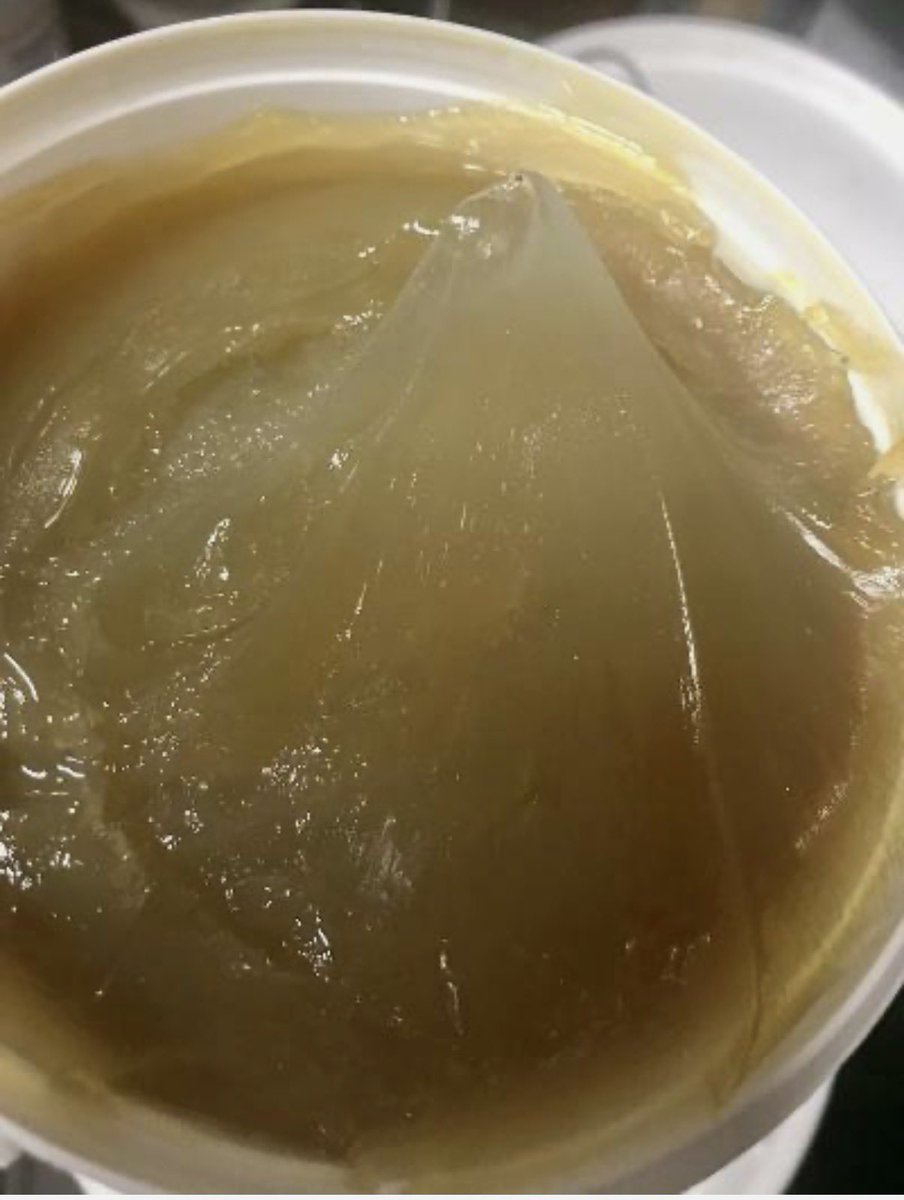
You think the AI bottleneck is HBM. You think it’s CoWoS. You think it’s GB200 cables or 800G optics or the Arizona power grid. You are looking at the wrong layer of the stack…. The REAL bottleneck is epoxy resin paste. Specifically, Liquid Compression Molding compound EME-G, a goopy, beige, photosensitive thermosetting resin that gets squeegeed onto HBM stacks before the mold press comes down and cures it. Without this paste, the silicon dies in an HBM stack delaminate, the TSVs crack, and your $40,000 GPU becomes an expensive paperweight. Sumitomo Bakelite (4203.T) makes roughly 90% of the world’s supply. The other 10% is split between Nagase ChemteX and Hitachi Chemical, both of whom buy precursor chemicals from Sumitomo Bakelite. The moat is vertical. The resin formulation is a trade secret developed over 38 years of iteration. It contains a specific ratio of silica filler to bisphenol-F epoxy with a coefficient of thermal expansion tuned to within 0.3 ppm/°C of silicon. Get the ratio wrong by 2% and the HBM stack warps during reflow. Samsung tried to qualify a domestic Korean alternative in 2022. They failed. SK hynix tried in 2023. They failed. Micron didn’t even try. Sumitomo Bakelite ships approximately $180M of EME-G annually at a gross margin of 74%. Each HBM stack consumes roughly $6 of resin. As Nvidia’s roadmap points to more and more HBM stacks the math is clear. Feynman GPU package has 8 HBM stacks. That’s $48 of Sumitomo Bakelite content in a $70,000 GPU. They are 0.07% of the BOM and 100% of the bottleneck. This is the most asymmetric pricing power in the entire AI supply chain and they are charging like it’s commodity epoxy because the company is run by Japanese chemical engineers who think 8% annual price increases are aggressive. In Q3 of 2026 the Nvidia Rubin Ultra ramp is scheduled and will trigger an EME-G shortage. Sumitomo Bakelite will have to raises prices 35%. The stock will get re-rated from “specialty chemicals” to “AI infrastructure.” Multiple expansion from 14× P/E to 38× P/E. It’s a three-bagger in 18 months and the stock is up >3% YTD.
bubble boi tweet mediabubble boi tweet media
English
75
90
1.8K
668.5K
Sivanand Mahapatra
Sivanand Mahapatra@shivanand_·
@avataram Pretty sure they wore it as badge of honour and were re-hired by other banks. Maybe legends in their circles as well.
English
0
0
1
24
Sivanand Mahapatra retweetledi
Ihtesham Ali
Ihtesham Ali@ihtesham2005·
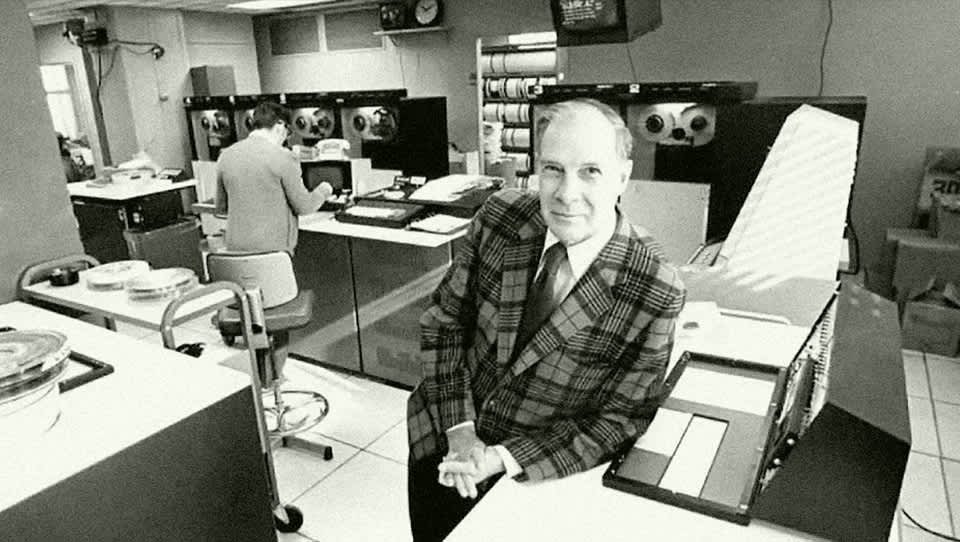
A mathematician who shared an office with Claude Shannon at Bell Labs gave one lecture in 1986 that explains why some people win Nobel Prizes and other equally smart people spend their whole lives doing forgettable work. His name was Richard Hamming. He won the Turing Award. He invented error-correcting codes that made modern computing possible. And he spent 30 years at Bell Labs sitting in a cafeteria at lunch watching which scientists became legendary and which ones faded into nothing. In March 1986, he walked into a Bellcore auditorium in front of 200 researchers and told them exactly what he had seen. Here's the framework that has been quoted by every serious scientist for the last 40 years. His opening line landed like a punch. He said most scientists he worked with at Bell Labs were just as smart as the Nobel Prize winners. Just as hardworking. Just as credentialed. And yet at the end of a 40-year career, one group had changed entire fields and the other group was forgotten by the time they retired. He wanted to know what the difference actually was. And he said it wasn't luck. It wasn't IQ. It was a specific set of habits that almost nobody is willing to follow. The first habit was the one that hurts the most to hear. He said most scientists deliberately avoid the most important problem in their field because the odds of failure are too high. They pick a safe adjacent problem, solve it cleanly, publish it, and move on. And because they never swing at the hard problem, they never hit it. He said if you do not work on an important problem, it is unlikely you will do important work. That is not a motivational line. That is a logical one. The second habit was about doors. Literal doors. He noticed that the scientists at Bell Labs who kept their office doors closed got more done in the short term because they had no interruptions. But the scientists who kept their doors open got more done over a career. The open-door scientists were interrupted constantly. They also absorbed every new idea passing through the hallway. Ten years in, they were working on problems the closed-door scientists did not even know existed. The third habit was inversion. When Bell Labs refused to give him the team of programmers he wanted, Hamming sat with the rejection for weeks. Then he flipped the question. Instead of asking for programmers to write the programs, he asked why machines could not write the programs themselves. That single inversion pushed him into the frontier of computer science. He said the pattern repeats everywhere. What looks like a defect, if you flip it correctly, becomes the exact thing that pushes you ahead of everyone else. The fourth habit was the one that hit me the hardest. He said knowledge and productivity compound like interest. Someone who works 10 percent harder than you does not produce 10 percent more over a career. They produce twice as much. The gap doesn't add. It multiplies. And it compounds silently for years before anyone notices. He finished the lecture with a line I have never been able to shake. He said Pasteur's famous quote is right. Luck favors the prepared mind. But he meant it literally. You don't hope for luck. You engineer the conditions where luck can land on you. Open doors. Important problems. Inverted questions. Compounded hours. Those are not traits. Those are choices you make every single day. The transcript has been sitting on the University of Virginia's computer science website for almost 30 years. The video is free on YouTube. Stripe Press reprinted the full lectures as a book in 2020 and Bret Victor wrote the foreword. Hamming died in 1998. He gave his final lecture a few weeks before. He was 82. The lecture that explains why some careers become legendary and others disappear is still free. Most people who could benefit from it will never open it.
Ihtesham Ali tweet media
English
146
1.9K
8.2K
1.2M
Sivanand Mahapatra retweetledi
Dan Gray
Dan Gray@credistick·
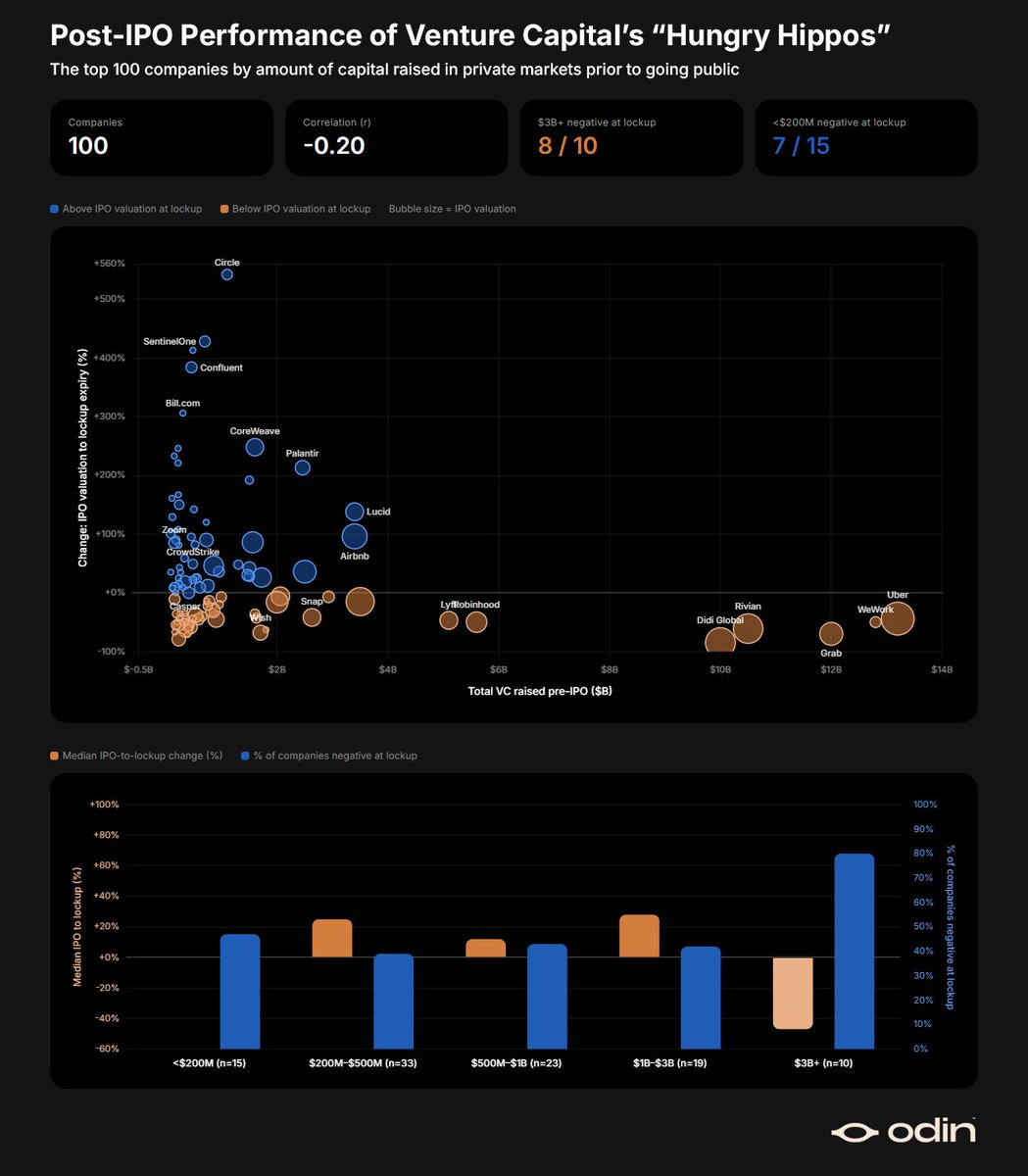
There's not a particularly strong correlation between the amount of venture capital a company has raised and the ultimate post-IPO performance, though it is midly negative. However, if you isolate the top bucket of companies, those that have raised more than $3 billion, the outcomes are much more clearly negative. Those problems are also very clearly persistent. For those 10 companies in the >$3B bucket, the alpha is -63%. Huge value destruction. Only Robinhood, Airbnb and (barely) Uber have positive alpha.
Dan Gray tweet media
English
8
10
45
12.7K
Caleb
Caleb@caleb_friesen·
Currently at Dognosis (@dognosis) in Bengaluru - they're working with dogs to detect cancer early. Their dogs sniff masks containing VOCs from patient breathing. Dognosis dogs have a 90% early-stage cancer detection success rate. What should I ask team Dognosis?
Caleb tweet mediaCaleb tweet media
English
28
36
486
22.9K
Sivanand Mahapatra retweetledi
Andrew Ziperski
Andrew Ziperski@andrewziperski·
Venture capital evolved from featuring savvy research analysts like Mary Meeker and Bill Gurley to people who can’t define FCF because technology companies (for better or worse) generally rewarded the latter over the last few decades. Consider the two big waves where VCs made most of their money in the last 15-20 years: mobile-first consumer social/internet and SaaS. Mobile/social companies operated in largely permissionless markets that inherently favored young founders, who naturally are not particularly financially sophisticated. SaaS markets, while they generally favored slightly older and more mature founders, similarly didn’t reward financial sophistication; product and GTM chops were far more important. Both internet and SaaS businesses ran relatively capital-light business models with high gross margins, which gave companies a lot of wiggle room. Financial optimization was just not a key driver of success. And these companies were all built against the backdrop of an enormous bull run and low interest rates post-GFC. Companies could generally raise cheap equity, and most felt like they just didn’t need to think too deeply about how to properly capitalize their businesses. Silicon Valley became a place where engineering/design/product/sales skills were rewarded and finance was not. “Wall Street” was looked down upon, and people who cared about finance were derided as being slow, bureaucratic, extractive, negative-sum, etc. These dynamics have obviously changed. The frontier AI labs are extraordinarily capital-intensive. Some of the hottest applied AI companies have negative gross margins, where optimization on that front over time will make or break their businesses. The asset-heavy aerospace/defense/industrial companies in El Segundo naturally require capital structure sophistication. Technology as a broad industry has matured, and many winning founders are no longer whimsical Stanford types who spent their summers writing code, but Wharton grads who cut their teeth at banks and buyout firms. And, whether companies will admit it or not, the equity capital markets are essentially shut for all but a very small handful of companies, whose success will now depend on their ability to think even slightly outside the box on capitalization. Finance is now a first-class citizen in Silicon Valley.
Jay Kapoor@JayKapoorNYC

We lost financial literacy in VC with the rise of the “Deal Guy” Deal guy doesn’t concern himself with understanding boring stuff like FCF. He would’ve stayed in banking if that was the case. His job is simple. Find the fire. Get close to the heat. Enjoy the warmth and get out before the fire burns you.

English
10
26
271
56.6K