Agustin Zsögön

2.3K posts

Agustin Zsögön banner
Agustin Zsögön

Agustin Zsögön

@shogur

Plant physiologist

Minas Gerais, Brazil Katılım Haziran 2010
167 Takip Edilen407 Takipçiler
Agustin Zsögön retweetledi
News from Science
News from Science@NewsfromScience·
In a challenge to open-access publishers, the Chinese Academy of Sciences, the world’s largest research institution, has told its researchers it plans to stop paying to publish their papers in dozens of international free-to-read journals it regards as too expensive. scim.ag/4tU6qD5
English
15
155
402
196.2K
Agustin Zsögön retweetledi
John B. Holbein
John B. Holbein@JohnHolbein1·
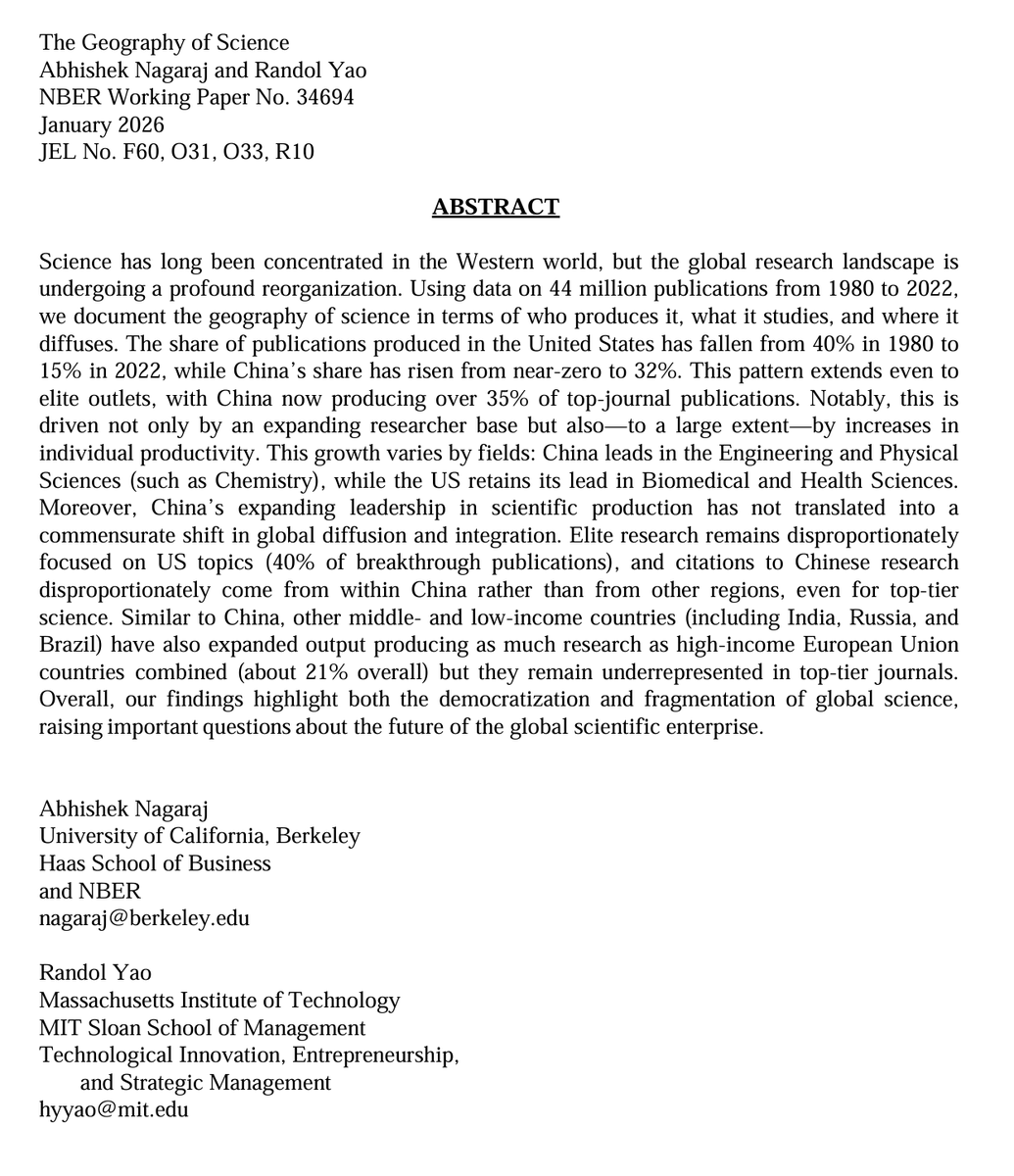
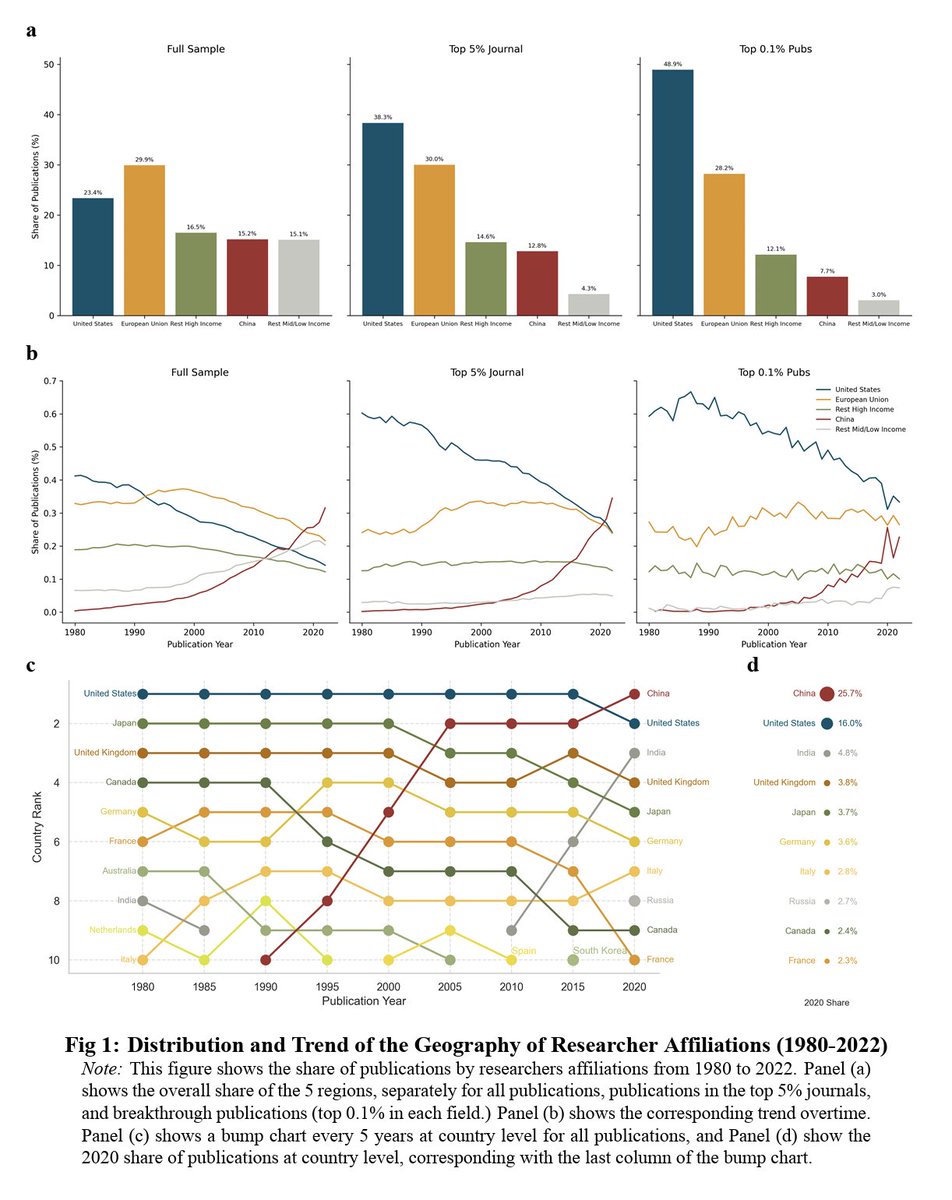
The U.S. is losing its competitive advantage in scientific research. This new working paper uses 44 million publications and shows a massive global shift: -Since 1980, the U.S. share of scientific output has fallen from ~40% to 15%. -In that time period, China has risen from near 0 to ~32% overall. -This is also true in top-journal papers. -This isn’t just more scientists; it's higher per-researcher productivity. The U.S. still leads in biomedical science. China now dominates engineering & physical sciences. Bottom line: Global science is democratizing. U.S. scientific dominance is no longer guaranteed.
John B. Holbein tweet mediaJohn B. Holbein tweet media
English
21
143
498
87.5K
Agustin Zsögön retweetledi
Sabine Hossenfelder
Sabine Hossenfelder@skdh·
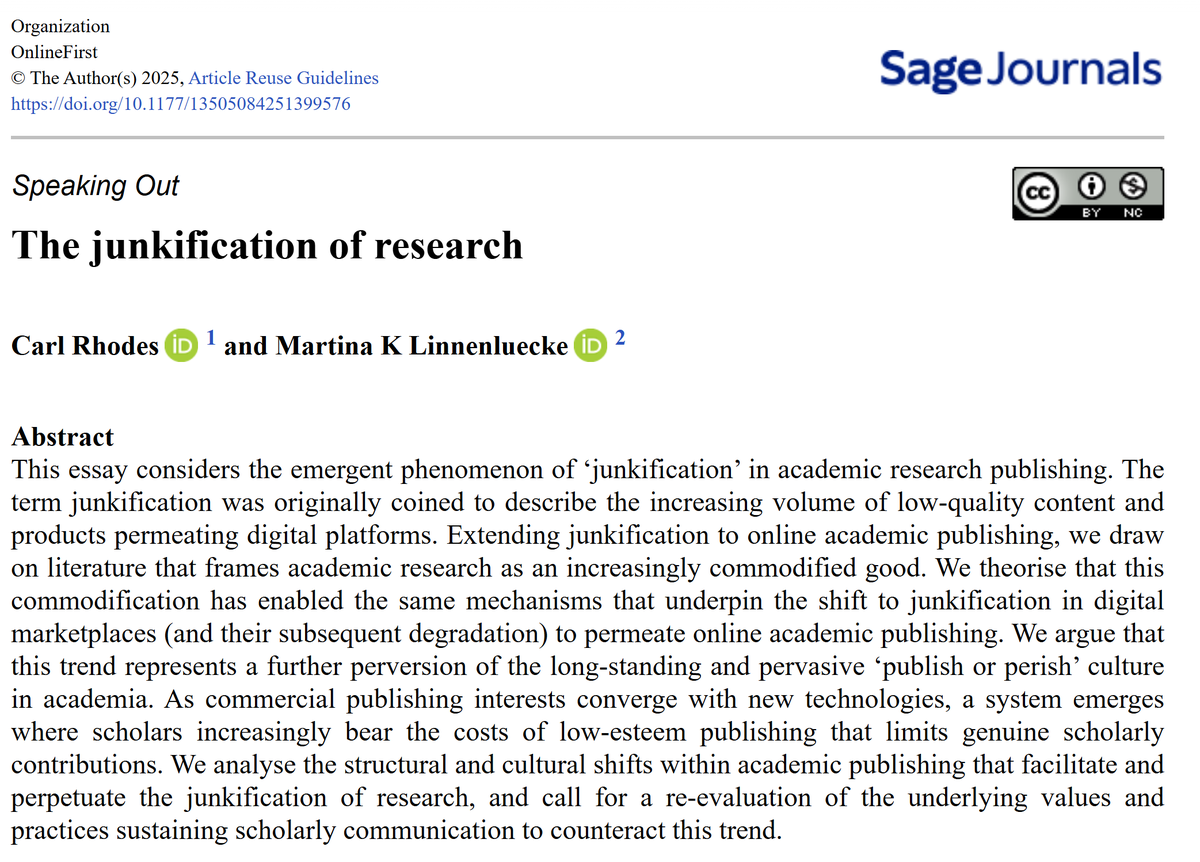
Two business school professors from the University of Technology in Sydney have sounded the alarm on the declining quality of academic literature in a new publication titled “The junkification of research”. Drawing parallels to the “enshittification” of online platforms, they argue that similar forces are now overwhelming scholarly publishing. The key drivers are threefold: 1) relentless “publish or perish” pressures in academia, 2) scientific publisher’s incentive to publish more to make more money, and 3) AI making paper production faster and easier. Taken together, they say, these drivers are a recipe for disaster. The authors call for a shift to not-for-profit models of scientific publishing and better evaluation systems. I strongly doubt either is going to happen. The problem is of course not new, and you all know that I have been drawing attention to this trend for more than a decade. It is interesting to see, however, that the awareness for the issue is increasing. Paper: Rhodes, C., & Linnenluecke, M. K., “The junkification of research” Organization (2025).
Sabine Hossenfelder tweet media
English
172
1.4K
5K
319.4K
Agustin Zsögön retweetledi
elEconomista.es
elEconomista.es@elEconomistaes·
Lo más leído | 🇪🇸 JP Morgan ve a España como la mejor economía de Europa y da una razón que nadie vio venir: "La fácil integración de los latinos" 🌎 "España está logrando con esto algo que no sucede en Alemania ni Francia", apuntan los economistas. dozz.es/lisr_7
Español
225
547
1.7K
333.2K
Agustin Zsögön retweetledi
Nature Biotechnology
Nature Biotechnology@NatureBiotech·
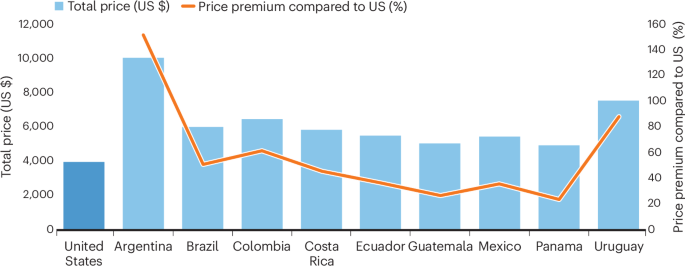
The import of biological research material is a silent barrier to biotechnology in the Global South go.nature.com/48ZIPHr
Nature Biotechnology tweet media
English
2
12
22
14K
Agustin Zsögön retweetledi
Niko McCarty.
Niko McCarty.@NikoMcCarty·
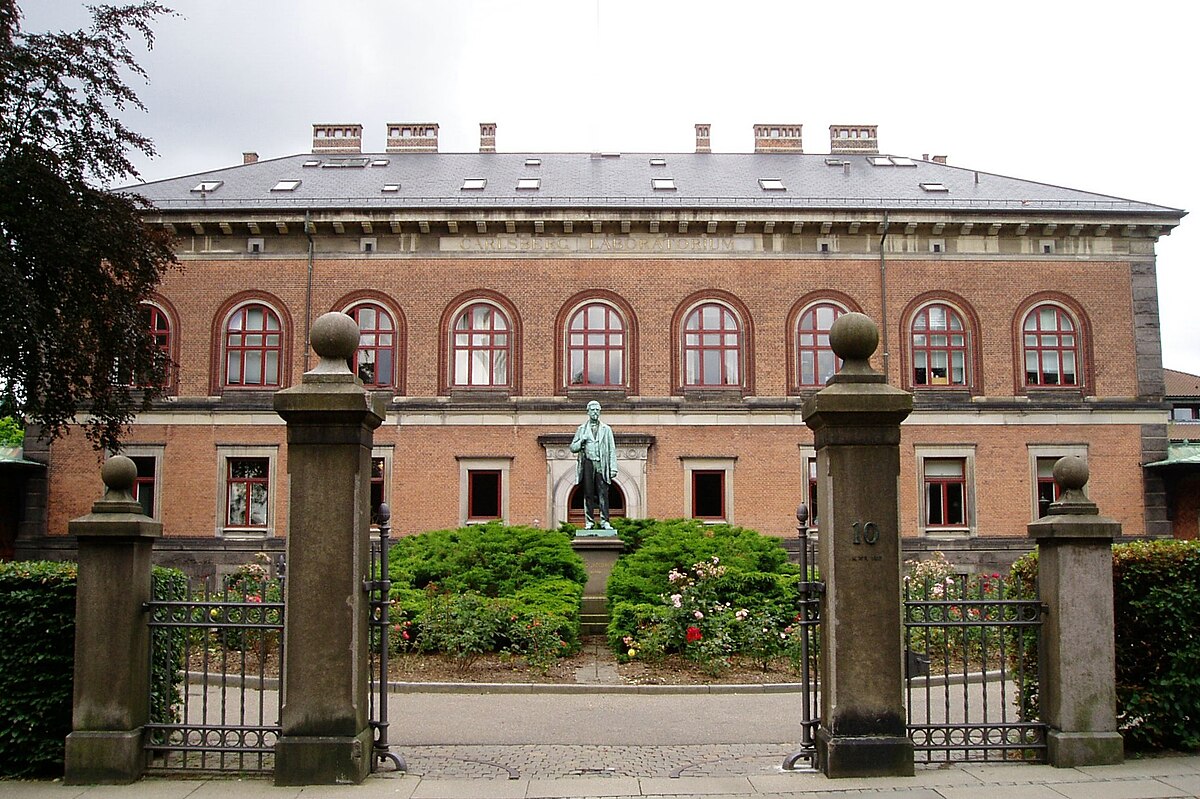
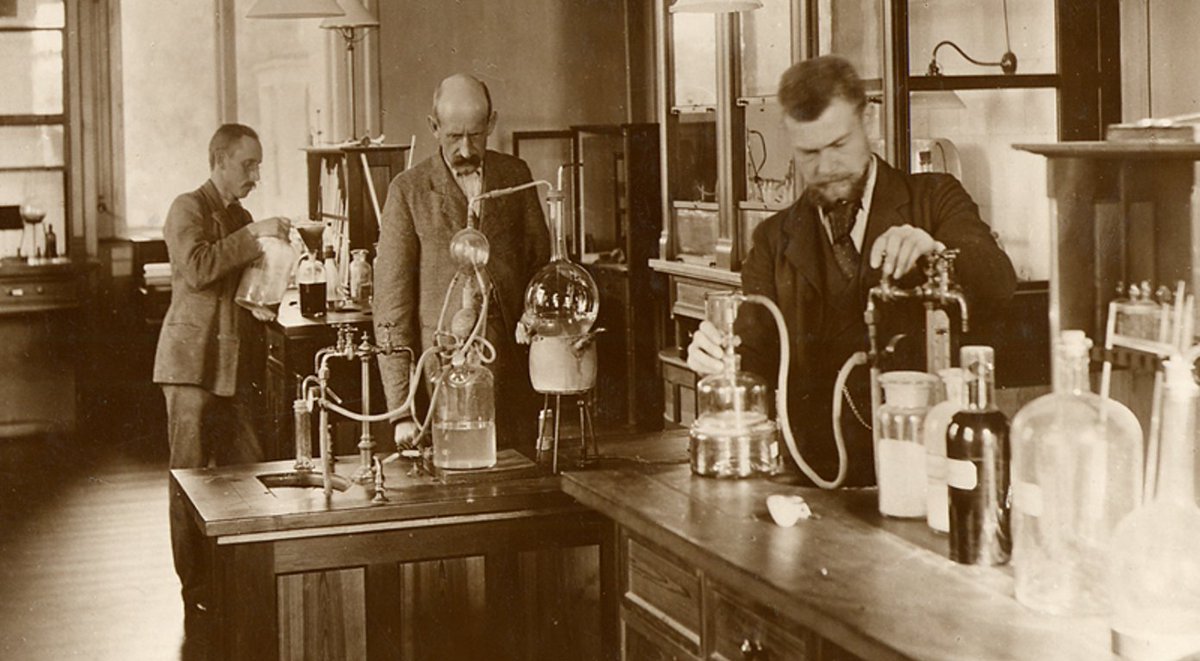
Carlsberg, the beer company, was founded in 1847. In 1875, they founded one of the first industrial research labs. Even today, the impact of this laboratory is highly underrated. Some quick notes on discoveries made by Carlsberg: 1. For most of the 19th century, beer often made people sick because it contained a mixture of yeasts (and, often, bacteria). In 1883, Emil Chr. Hansen (at Carlsberg) isolated “a single cell of good yeast,” according to the Carlsberg website, which he then grew up as a pure culture. This strain of yeast, named Saccharomyces Carlsbergensis, was given away for free to other brewers, who used it to brew much purer beers that didn't make people sick. This yeast is the ancestor to many modern Lager yeasts. 2. In 1909, S.P.L. Sørensen invented the pH scale at the Carlsberg laboratory. 3. Christian Anfinsen, who kickstarted the protein-folding problem (I wrote about him a few days ago), spent a year or two at the Carlsberg Laboratory developing “new methods for analyzing the chemical structure of complex proteins,” according to his Wikipedia page. He went on to win a Nobel Prize in Chemistry in 1972. 4. In 1935, Øjvind Winge discovered that microorganisms — including yeast — can reproduce sexually. This was a big deal for developing genetic engineering tools, and it happened at Carlsberg. 5. Subtilisin, the same enzyme used in many detergents to wash clothes, was discovered at Carlsberg. 6. Morten Meldal invented Click Chemistry (for which he shared the 2022 Nobel Prize in Chemistry) while leading the Chemistry group at Carlsberg. 7. More recently, Carlsberg has been doing a lot of research into accelerating crop breeding to develop better barley and hops. I'd be down to sponsor a long-form article about Carlsberg's research division, provided it includes in-person reporting (and, one imagines, beer tastings.) Please get in touch if you have reporting experience, live in Europe (ideally) and would be interested in doing this.
Niko McCarty. tweet mediaNiko McCarty. tweet media
English

31
295
1.5K
86.8K
Agustin Zsögön retweetledi
Valerio Capraro
Valerio Capraro@ValerioCapraro·
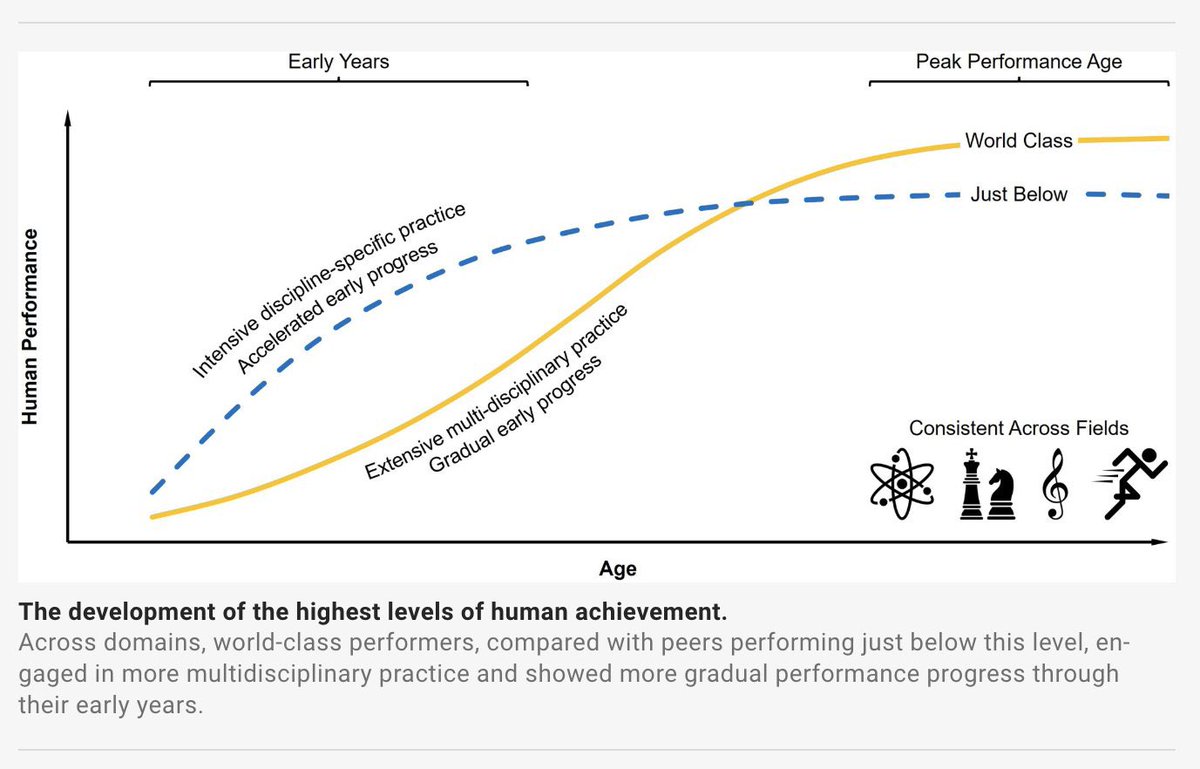
Fascinating paper just published in Science. The authors analyze the career trajectories of top performers across multiple domains, including Nobel laureates, elite chess players, Olympic gold medalists, and more. Their central finding challenges a common belief. Intensive, single-discipline training at a young age does confer an early advantage, but this advantage fades over time. By contrast, individuals exposed to multidisciplinary practice early in life tend to start more slowly. Yet, over the long run, they are more likely to reach world-class performance, eventually overtaking early specialists, who often plateau just below the very top. An important reminder that breadth early on can be a powerful investment in long-term excellence. Link to the paper in the first reply.
Valerio Capraro tweet media
English
210
2.5K
12.6K
1.8M
Agustin Zsögön retweetledi
CAPES
CAPES@CAPES_Oficial·
Está disponível no site da CAPES/MEC a lista de oferta de vagas do Edital nº 12/2025, do Programa de Estudantes-Convênio de Pós-Graduação (PEC-PG). No total, são 14.662 vagas: 6.040 para doutorado e 8.622 para mestrado. Saiba mais em:capes.gov.br/Kkd7L
CAPES tweet media
Português
0
2
7
688
Agustin Zsögön retweetledi
JXB @jxbotany.bsky.social
Our X account is inactive. We'll continue posting on Bluesky, Instagram etc - links here: linktr.ee/jxbot 🌱🌾🌿🍀🍃💚 In the meantime, consider attending our 75th Anniversary Conference - a special one-off #plantscience meeting bit.ly/JXB75 🎉🥳🍾🎂
JXB @jxbotany.bsky.social tweet media
English
0
1
4
2.3K
Agustin Zsögön retweetledi
Progress Bar 2026
Progress Bar 2026@ProgressBar202_·
2025 is 50% complete.
Progress Bar 2026 tweet media
English
1.3K
42.9K
284.3K
14.5M
Agustin Zsögön retweetledi
revista piauí
revista piauí@revistapiaui·
Dos 853 municípios de Minas Gerais, apenas 188 têm maternidades. E a realidade nacional é similar: somente 2 360 dos 5 569 municípios oferecem esse tipo de estabelecimento hospitalar. Por Leandro Aguiar piaui.folha.uol.com.br/materia/a-cego…
Português
8
44
205
6.7K
Agustin Zsögön
Agustin Zsögön@shogur·
A Fisiologia Vegetal da UFV, o melhor Programa de Pós-Graduação do Brasil, está com vagas abertas! São três vagas de mestrado e cinco de doutorado. Confira o Edital no link abaixo e venha fazer pesquisa de alto impacto conosco! fisiologiavegetal.ufv.br/edital-do-proc…
Agustin Zsögön tweet media
Português
0
3
5
248
Agustin Zsögön retweetledi
Sasha Gusev
Sasha Gusev@SashaGusevPosts·
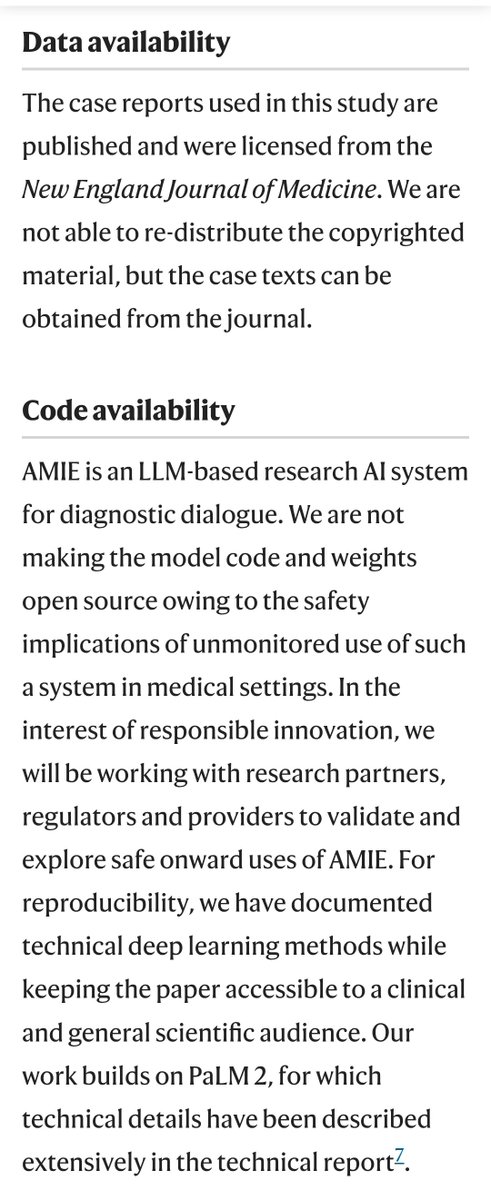
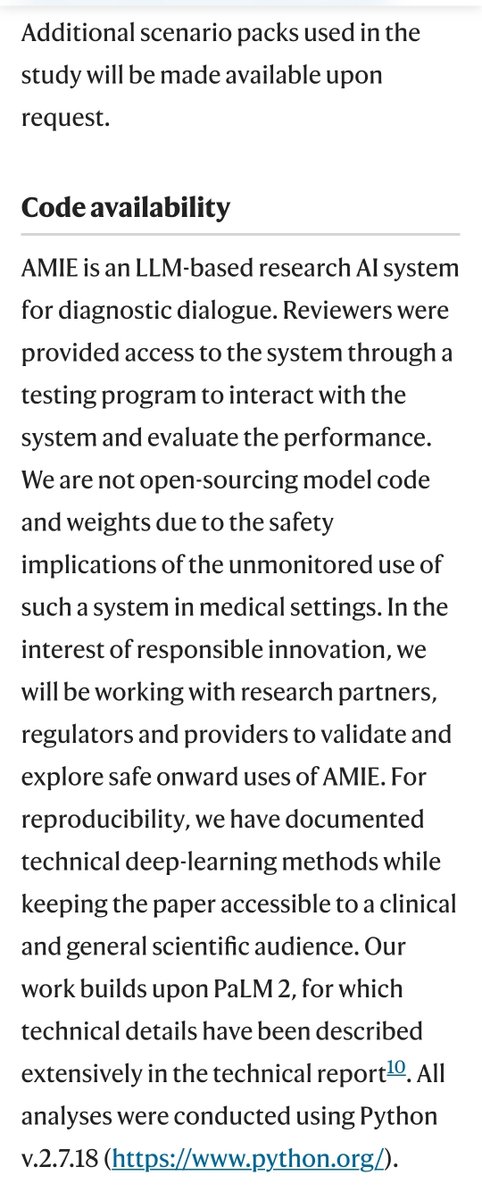
Incredible, neither data nor code nor weights are being made publicly available. @Nature publishes advertisements as Articles now I guess.
Sasha Gusev tweet mediaSasha Gusev tweet media
Google for Health@GoogleForHealth

We’re excited to announce two @Nature publications from Project AMIE (Articulate Medical Intelligence Explorer), a research AI system optimized for diagnostic reasoning and conversations 💬 Paper 1: goo.gle/4lpQ8xg Paper 2: goo.gle/3G4DNPe

English
15
51
444
46K
Agustin Zsögön retweetledi
Simon Maechling
Simon Maechling@simonmaechling·
Europe made a colossal mistake. They banned GM crops while the rest of the world embraced them. Now we rely on imports and miss out on a more sustainable agriculture. Here’s the story of Europe’s GMO debacle 🧵1/
Simon Maechling tweet media
English
17
156
557
24.2K
Melanie Oderwald-Ruijsbroek
Melanie Oderwald-Ruijsbroek@MelanieOderwald·
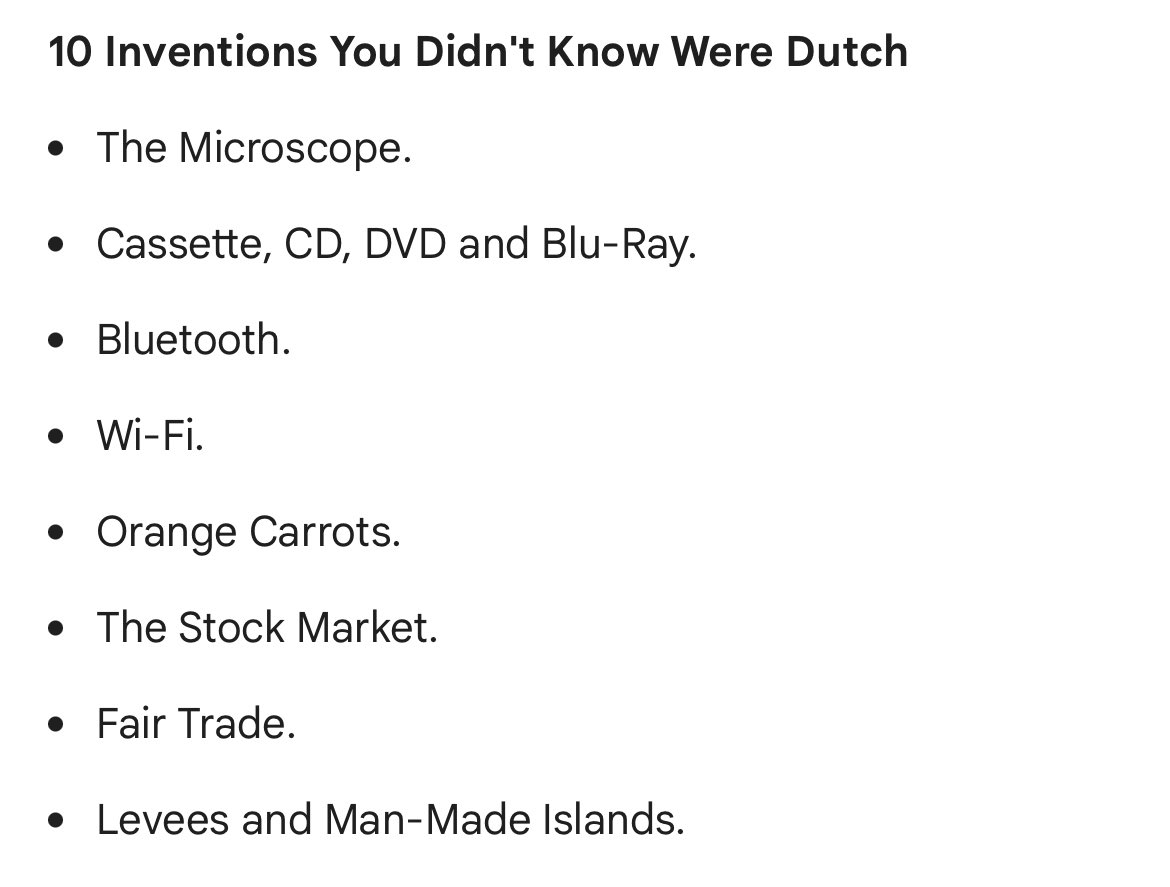
@klaasm67 From the cheese slicer to artificial kidneys, holograms, and taming the sea — Dutch inventions quietly keep the world running smoother (and tastier).
English
2
0
7
1.1K