Anita Orban@_OrbanAnita
According to reports, the Kremlin has deployed a three-person team (as part of a much larger, Moscow-based effort) operating out of the Russian embassy in Budapest to interfere in Hungary’s April 2026 elections on behalf of the GRU, Russia’s military intelligence service.
Their objective is to keep the current Hungarian government in power. The Kremlin official responsible for overseeing Russia’s activities related to Hungary is Sergei Kiriyenko, Putin’s First Deputy Chief of Staff and the architect of Russia’s political influence operations, both domestically and abroad. Under his direction, Russia treats foreign elections as extensions of its broader political management toolkit.
Kiriyenko and his team previously tested these methods in Moldova, where they deployed vote-buying networks, troll farms, and on-the-ground operatives in an attempt to sway elections against pro-European President Maia Sandu. That effort ultimately failed, but the same playbook now appears to be in use in Hungary. There is evidence that Russia-related bot networks, used earlier against Moldova, are already active on the Hungarian internet.
According to reports, Washington shared intelligence with Budapest about the operation.
What stands out in this case is that the Hungarian operation is reportedly being structured not only remotely but also on the ground. The plan is said to involve equipping the three operatives with diplomatic or service passports, granting them immunity from prosecution. Sabotage actions and false flag operations cannot be excluded either.
The above reflects reporting from last week. Since then, the following developments have taken place:
•The U.S. government has not denied sharing the intelligence.
•The Russian embassy issued a statement denying something entirely different, apparently attempting to reframe the discussion - without much success.
•On Monday, during a meeting of the Parliament’s National Security Committee, it was acknowledged that such intelligence had indeed been received, although officials denied that the operatives are already in the country.
In summary:
In 2026, with the consent of the Hungarian government, a team of Russian specialists -directed by a very senior Russian official - apparently concluded that cyber interference alone might not be sufficient to influence the election in favor of the current government and therefore decided to deploy personnel on the ground.
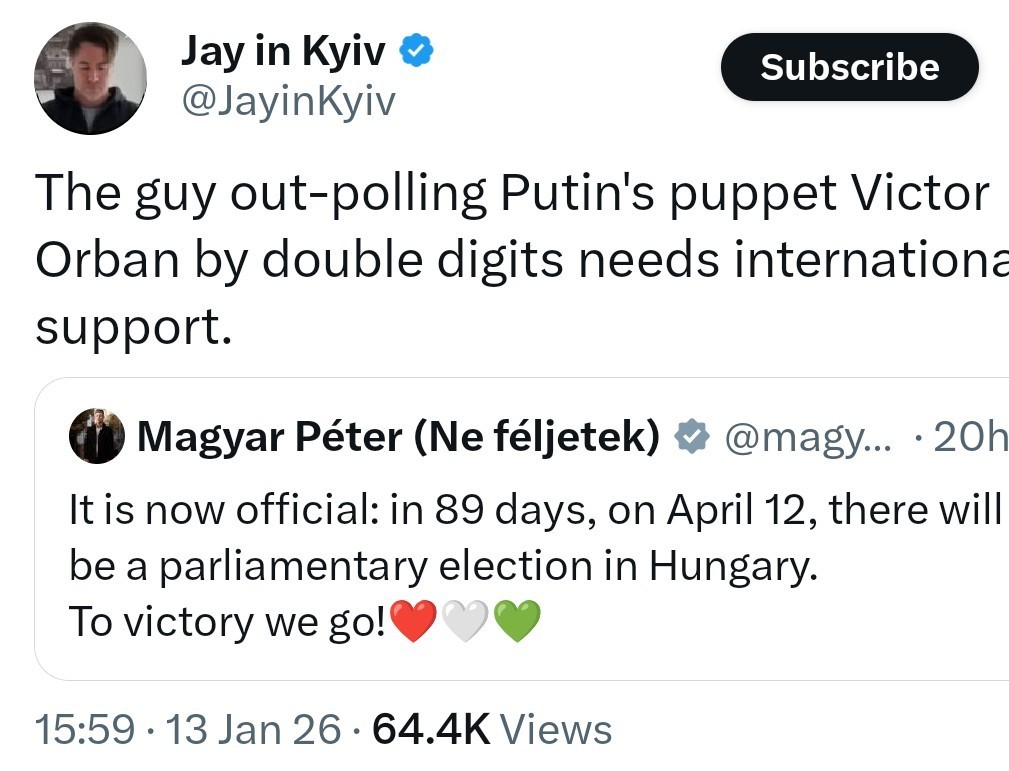
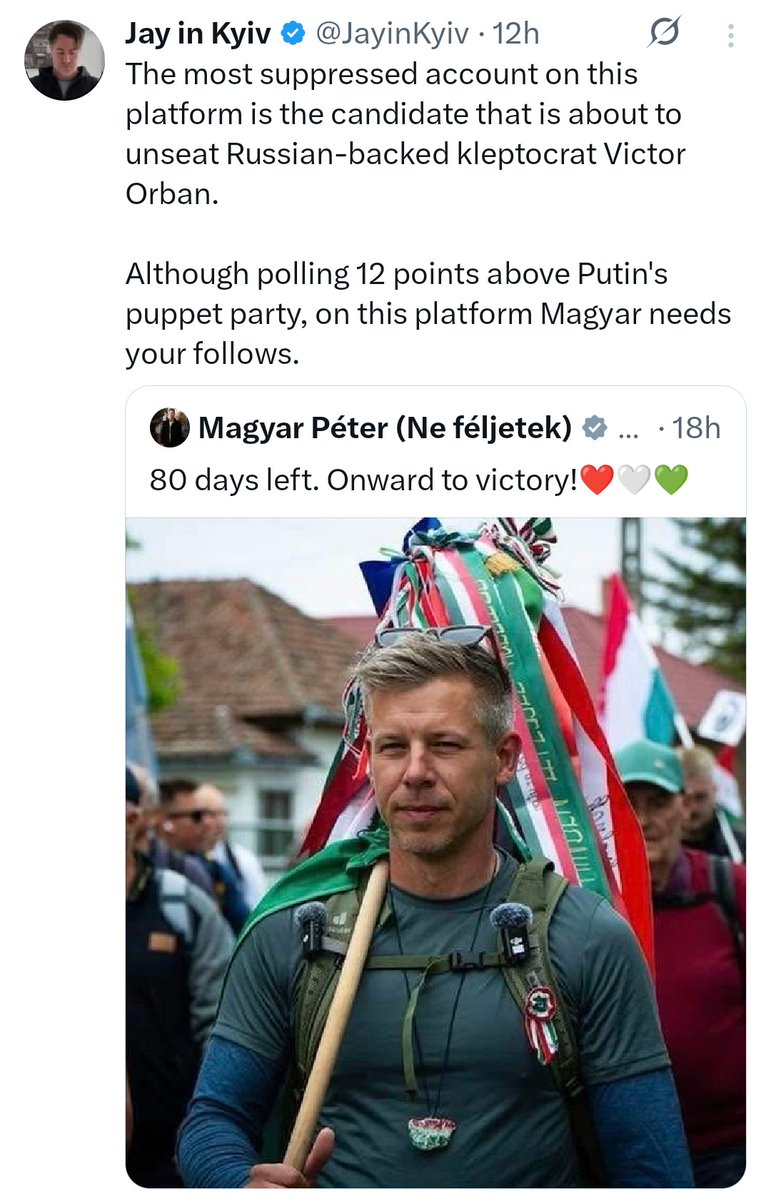
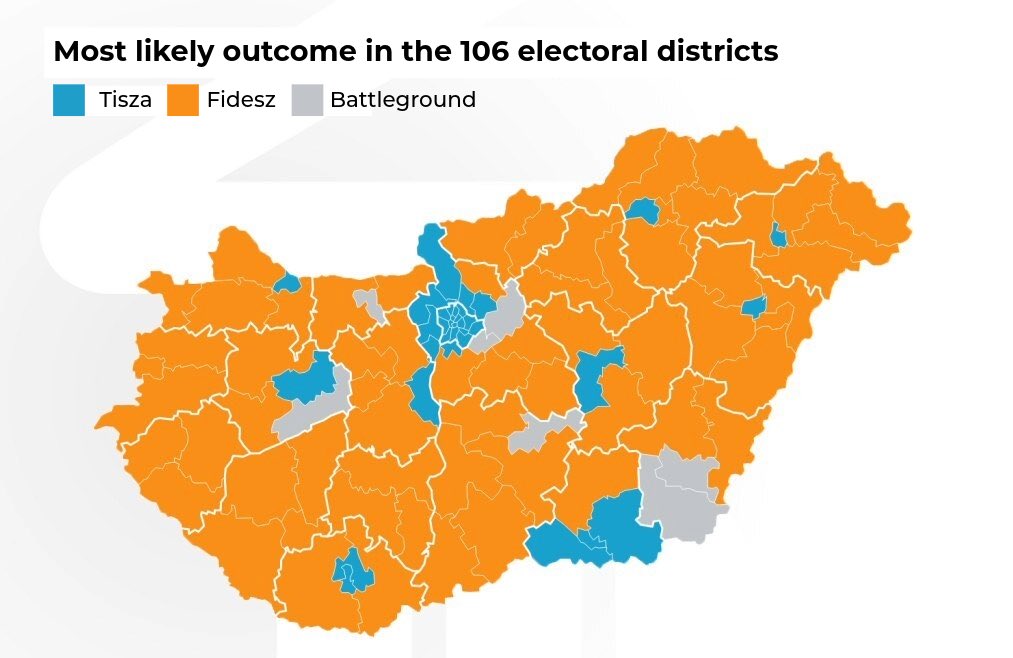
The stakes for the April 12 elections are therefore clear. This is not merely a case of foreign interference in Hungary; it represents a broader attempt to weaken and destabilize both the European Union and NATO. For Hungarians, the question at stake is whether the country will remain truly sovereign after the election or whether its sovereignty will be compromised for good. TISZA rejects every interference into the Hungarian elections by any third country.