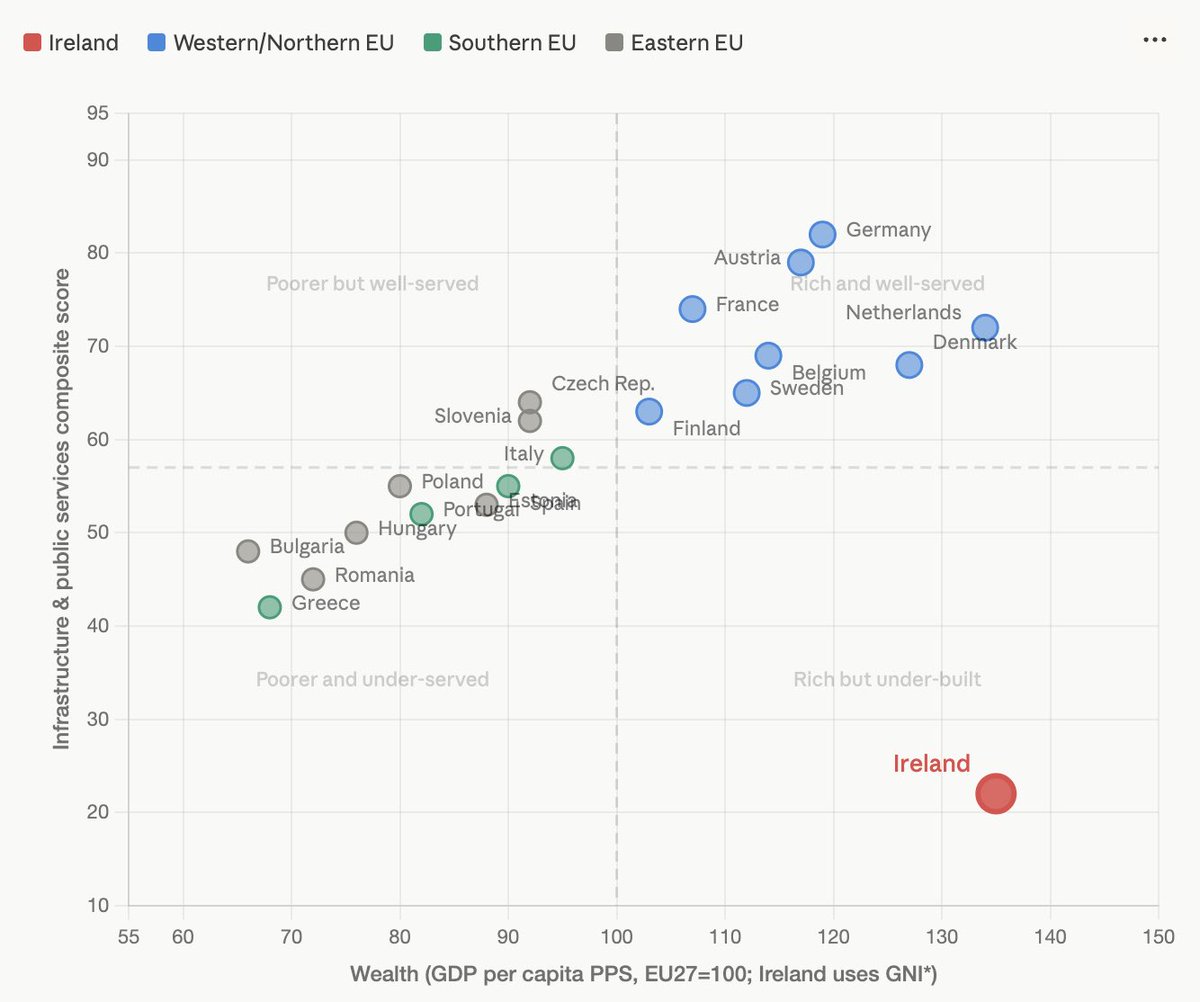
The protests in Ireland are not about just fuel! They are about the distance between Ireland on this graph and every other modern and developed economy. Ireland is second wealthiest but gets waaaaay less than any other country for that wealth. By a golden mile.
That visual gap in this graph? That’s what people are protesting. It’s a lack of infrastructure and the everyday enshittification of services, the economy, and the additional difficulty of trying to live, relative to peers in any other country. It also highlights why people don’t get uniformly listened to! - because there is no government architecture to engage meaningfully across this huge gap.
That gap is a three hour drive to work in traffic, a 14 month wait for an MRI, buses that don’t arrive, trains that don’t exist, schools that have no places for your kids, houses that are unaffordable, pubs that close before midnight, €12 sandwiches, expensive fuel.
People feel this gap, even if they can’t explain it precisely. And that builds into resentment, and ultimately protest. Fuel just happened to be the next thing that could be pointed to, today.
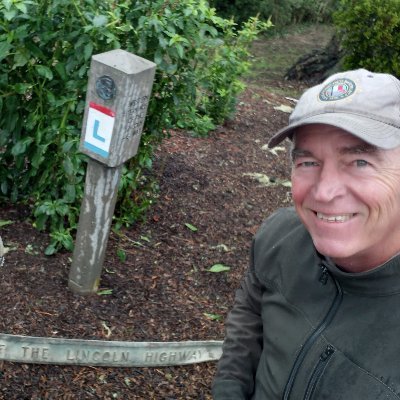
We had to get up early because Big Boy's schedule had changed, so we headed out of the mountains into the Great Central Valley outside Lincoln, CA. It was a cold, rainy day, which made for some dramatic scenes. We parked by an "at-grade" crossing where trains usually blow their horns. We were not disappointed! Why was it going so slowly? That paid off big time for us as another train was coming, and Big Boy had been put on a siding track while a freight train passed. That allows us some time to get up close and personal with the massive engine.
A community college professor taught the same study skills lecture for 30 years, and the video quietly became one of the most watched educational recordings on the internet.
His name is Marty Lobdell. He spent his career as a psychology professor watching students fail not because they were lazy, but because nobody had ever taught them how their brain actually works under the pressure of learning something hard.
The lecture is called "Study Less Study Smart." Over 10 million views. Passed around in Reddit threads, Discord servers, and university study groups for over a decade. And the core insight buried inside it has been sitting in cognitive psychology research for years, waiting for someone to explain it in plain language.
Here is the framework that completely changed how I think about effort.
Your brain does not sustain focus the way you think it does. Studies tracking real students found that the average learner hits a wall somewhere between 25 and 30 minutes.
After that, efficiency doesn't just decline. It collapses. You're still sitting at your desk, still looking at the page, but almost nothing is going in.
Lobdell illustrated this with a student he knew personally. She set a goal of studying 6 hours a night, 5 nights a week, to pull herself out of academic probation. Thirty hours of studying per week. She failed every single class that quarter.
She wasn't failing because she lacked effort. She was failing because she had confused time spent near books with time spent actually learning. The 25-minute crash hit her at 6:30pm every night. She spent the next five and a half hours sitting in the wreckage of her own focus and calling it studying.
The fix sounds almost too simple. The moment you feel the slide, stop. Take five minutes. Do something that actually gives you a small reward. Then go back. That five-minute reset returns you to near full efficiency. Across a six-hour window, the difference is not marginal. It is the difference between thirty minutes of real learning and five and a half hours of it.
The second thing he taught destroyed something I had believed about how memory actually works.
Highlighting feels productive. Going back over your notes and recognizing everything feels like knowing. But recognition and recollection are two completely different cognitive processes, and your brain is very good at making you confuse them.
You can see something you've read before and feel completely certain you understand it, even when you couldn't reconstruct a single sentence from memory if the page were blank.
He proved this live in the room. He read 13 random letters to his audience. Almost nobody could recall them. Then he rearranged the same 13 letters into two words: Happy Thursday. The whole room got all 13 without effort.
Same letters. Same count. The only thing that changed was meaning.
The brain stores meaning. Not repetition. The moment new information connects to something you already understand, the retention changes entirely.
This is what the cognitive psychology literature calls elaborative encoding, and it is the mechanism underneath every effective study technique.
The third principle was the one that hit me hardest, and the one almost nobody applies.
Lobdell cited research showing that 80 percent of your study time should be spent in active recitation, not passive reading. Close the material. Say it back in your own words.
Teach it to someone else, or to an empty chair if no one is around. The struggle of retrieval is where the actual learning happens. Reading your notes again is watching someone else do the work.
His parting line has stayed with me longer than almost anything else I have read about learning.
He told the room that if what he shared didn't change their behavior, they hadn't actually learned it. It would just live in their heads as something they had heard once and felt good about.
He was right. And most people leave every lecture exactly like that.
The students who remember everything aren't putting in more hours.
They stopped confusing the feeling of studying with the fact of it.
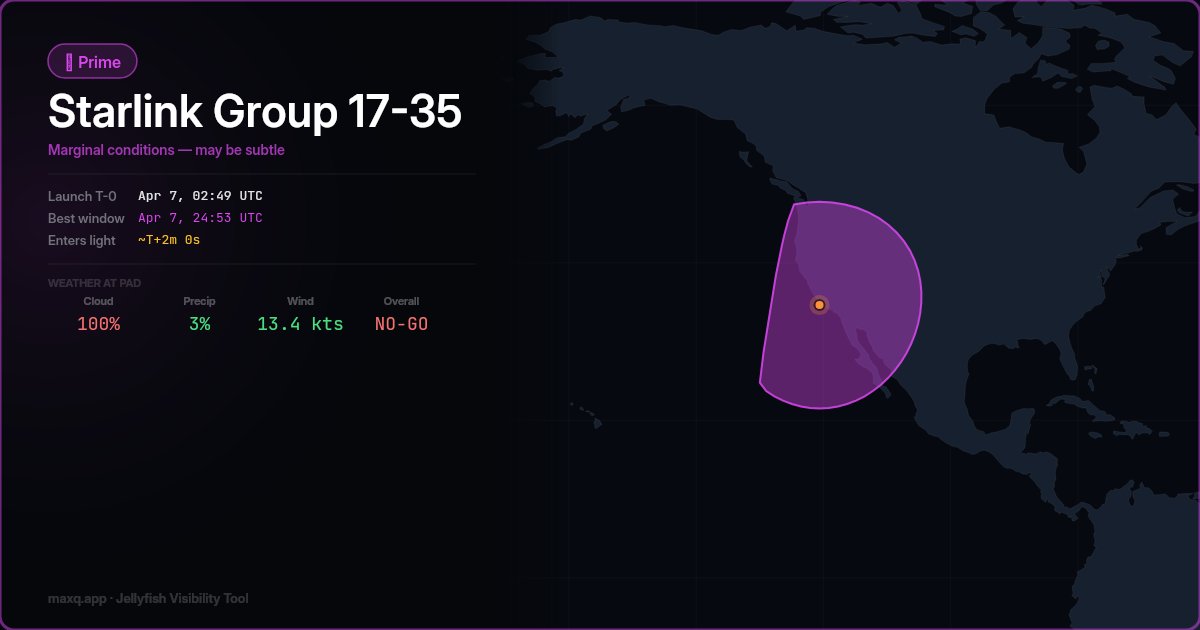
SpaceX Starlink 17-35 will launch from Vandenberg, CA set for 02:49 UTC | 7:49 p.m. PDT and will create a high visible launch in the sky.
You won't want to miss this one if you are located within the purple shaded area!
The cartoon series Tom & Jerry remains iconic. You might see the music by Scott Bradley as being trivial, but it is a highly sophisticated fusion of Jazz & modern classical music. If is devilishly difficult to play.
Sometimes atonal, (lacking harmony) it also reflects the increasing use of percussion, which is mainly a classical music initiative.
You can just imagine Tom getting his comeuppance.
Today we’re excited to introduce a brand-new map layer on FlightAware: Flat Earth View 🌍
Early testers report one small issue: long-haul flights occasionally sail off the map.
We’re looking into it.
#AprilFools#AvGeek#FlightAware
Version 1.0 of my latest map with over 3,400 place names. Please take a look. I will update it based on your feedback. Thanks! shadedrelief.com/europe/
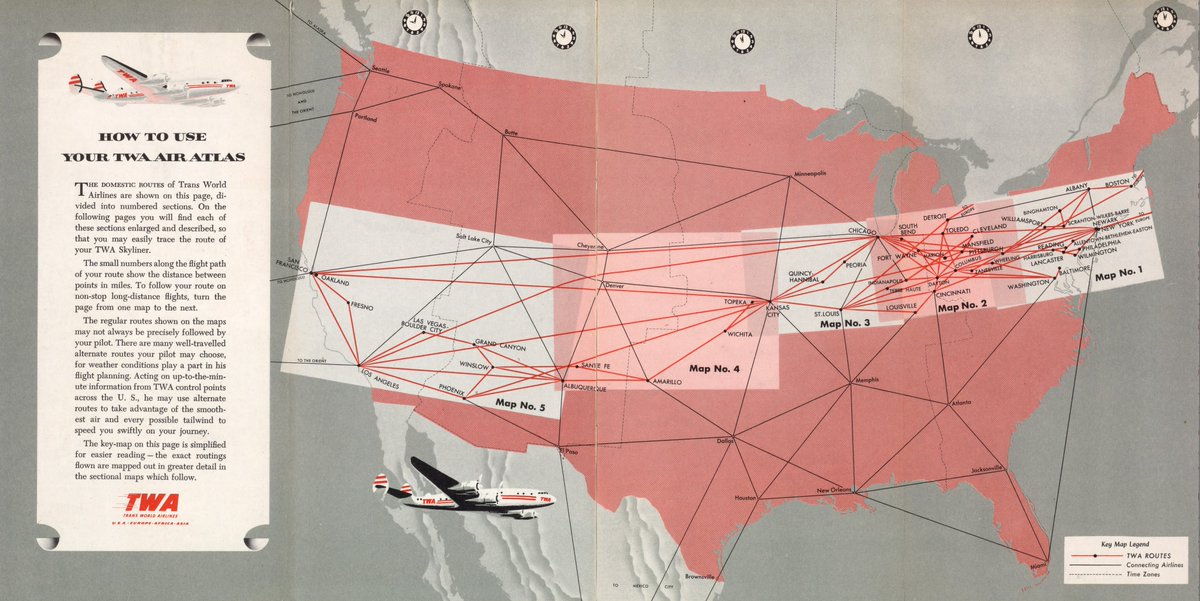
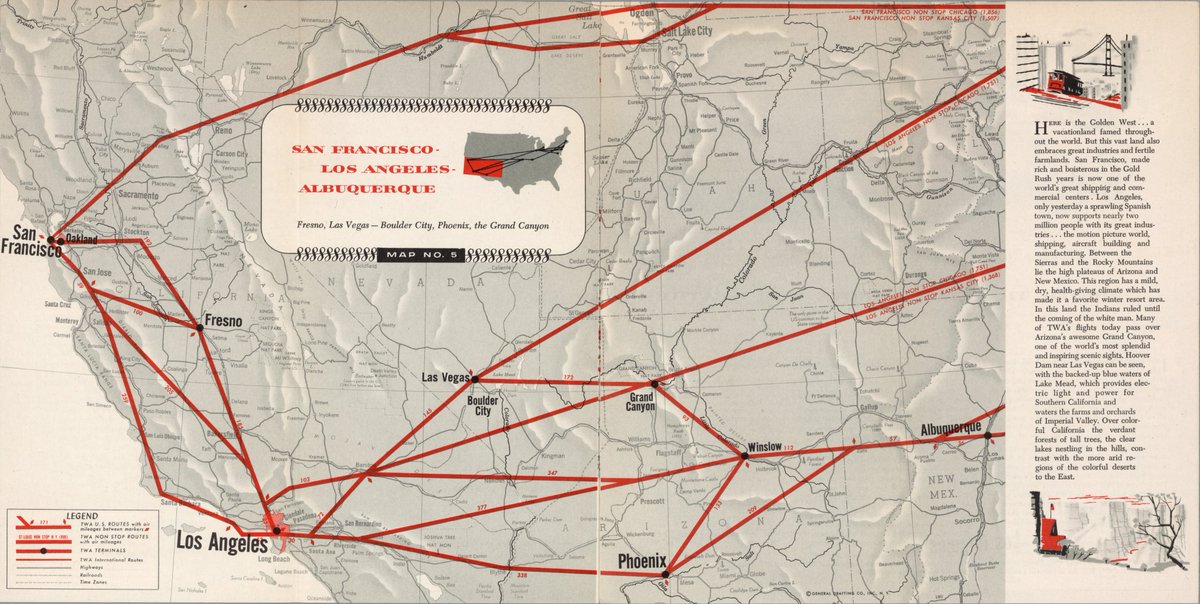
"TWA Air Routes in the United States," a set of 1951 map lithographs that folded out to 10x20"
Maps by "General Drafting Co., Inc.", a certified black-tie-white-shirt-burnt-coffee kinda name cc @jacob__titus
1000+ well pads identified over 40 square miles of the Permian Basin using zero-shot image segmentation.
All from a simple text prompt with @Meta's SAM3.
It's not perfect, as you'll see false positives - but it's a great starting point for filtering to what you need.
In the state of Wyoming in the USA lies a real hydrological oddity. It's a small stream (creek) that is thought to be the only one of very few examples in the world. It is placed so precariously and perfectly that it's hard to believe it is able to exist.
1/n
A simple message with big meaning: "I am somebody." We are grateful to Rev. Jesse Jackson for helping teach generations of children to believe in themselves and in one another. Thank you for being part of our neighborhood. 💛💚
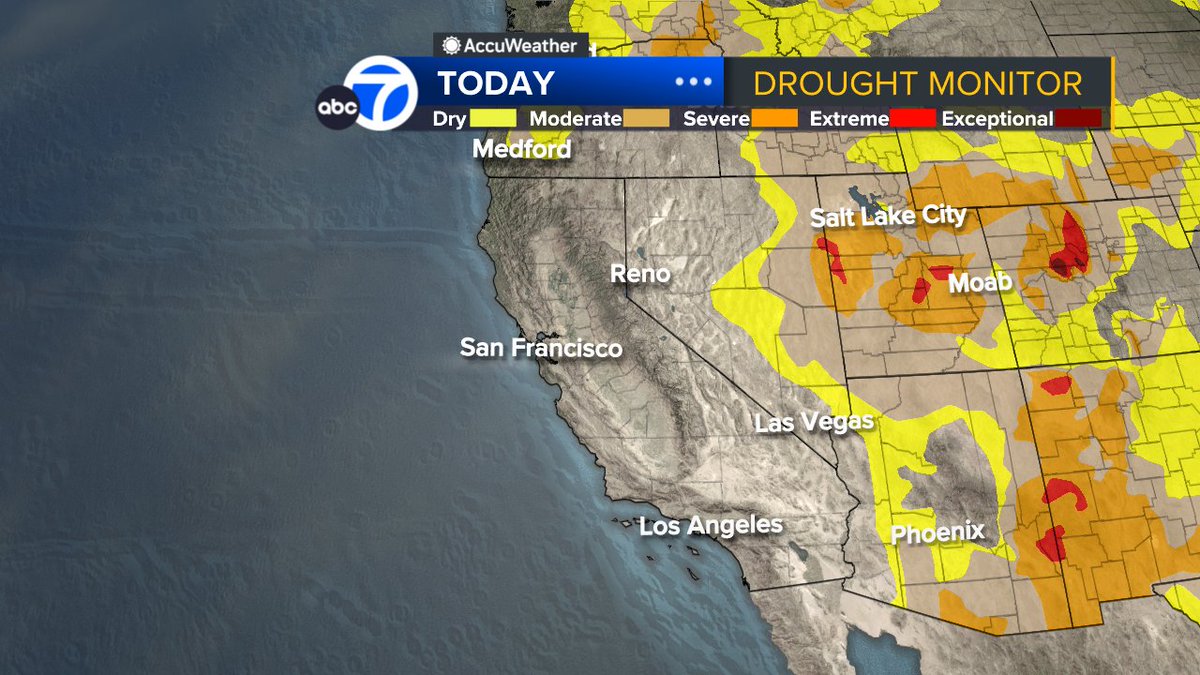
For the 1st time in 25 years not a single square mile of California is dry on the US Drought Monitor. Have to go back to December 2000 to find a similar situation. If you're 25 or younger you've always lived in a world where California has been entering or recovering from drought