

@St3v0m
4.8K posts

Listening to Salah with Gerrard and Schwarzer its absolutely clear he is leaving because of a breakdown in his relationship with Slot. And its baffling the club has chose a manager that has failed to get the team performing for 12 months now.
English

Irish Racing avoid punting on it as a daily as it will cost you a fortune long term 🇮🇪
Who agrees?
English

Kenny Cunningham remembers calling Roy Keane "Roy" instead of "gaffer" while playing under him at Sunderland 😂
"I got the old curly finger into the manager's office one day!" 🗣️
English
@SnapManCity It’s funny that as I’ve just got of the phone with him and he’s said the opposite
English

@Tap_A_Taxi heard a fella on the radio talking about how good tapataxi and the meter reading is the price u pay. Well I left the taxi at €12 and when I got into my house it was €15 with extras. First and last time I use them. 5m 40sec journey. Con artists
English


Joe Rogan explains to John Fogerty how record labels took most of his money:
FOGERTY: “We sold 100 million records and made $8 million dollars.”
ROGAN: “How much was a record?”
FOGERTY: “Four bucks.”
ROGAN: “You guys made $400 million dollars and only got to see $8 million.”
English
@St3v0m retweetledi
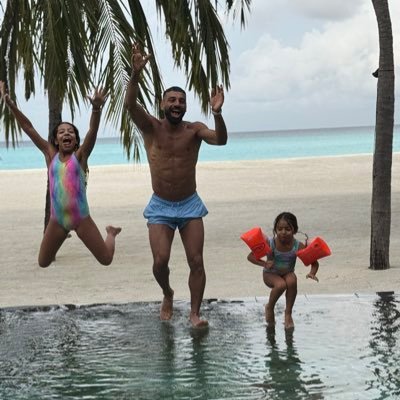
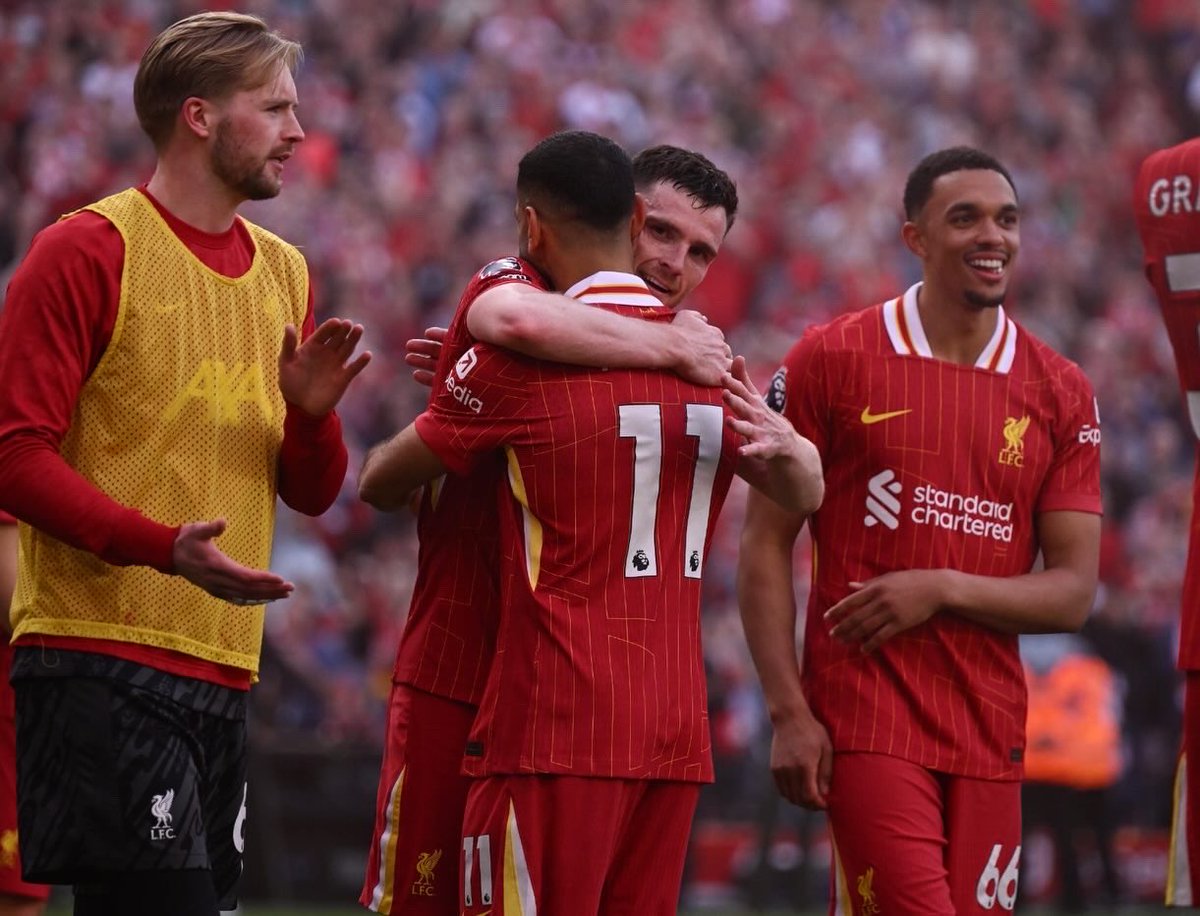
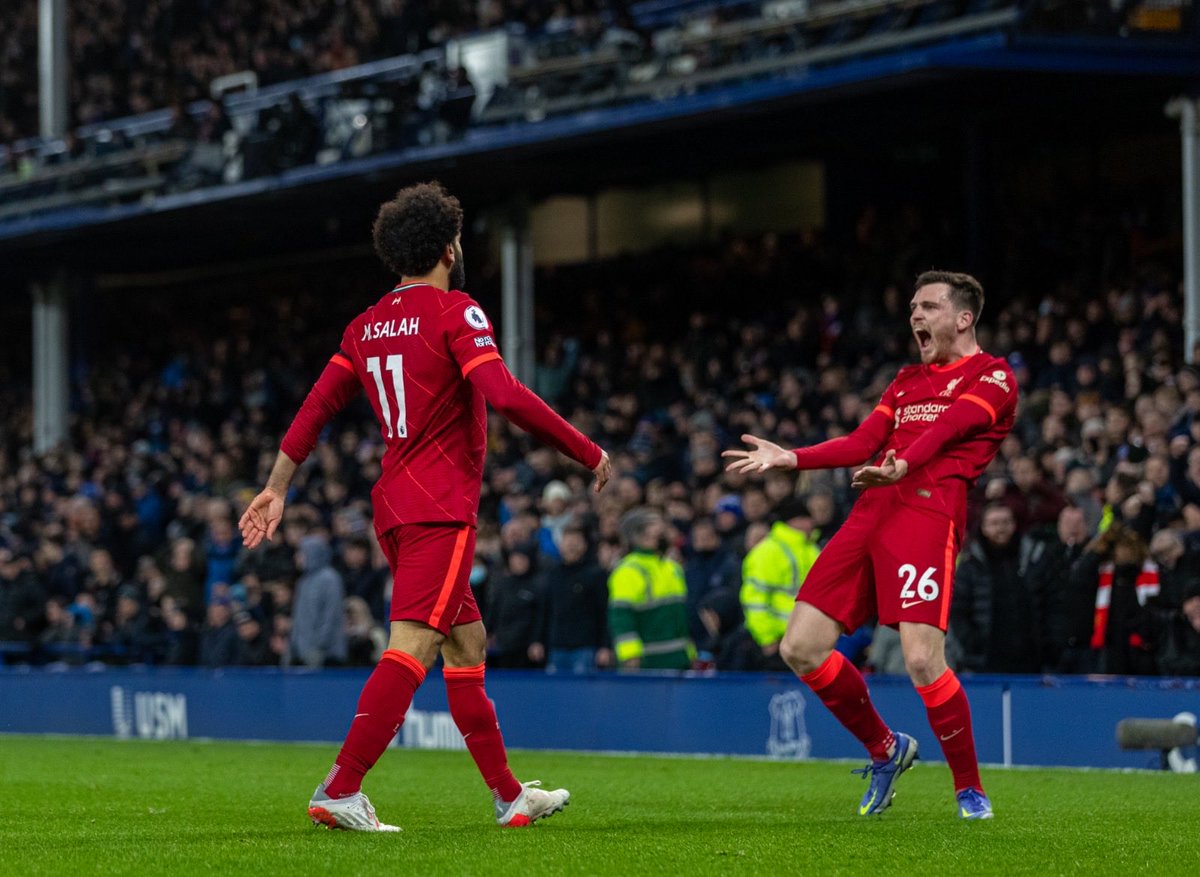
With these pictures showing the bond we shared, I almost felt I could get away with saying nothing about you leaving. It’s been an honour to be your teammate and your friend. You’ve won it all and you leave as a legend. I’m sure we will meet again.


English
@MilestoneItaly What a shit game it’s already dead 70 euro for the standard edition good luck it will be on sale very very soon

English

Hey Screamers, it's time to hit the track!
The #SCREAMERVideogame Tournament is live. Take your place on the grid with 7 game modes, 4 multiplayer experiences and endless ways to race.
milestone.it/news/screamer/…
English

Rory and Adam build a combined Man United & Chelsea XI 🤝
What would you change? 💭
English

🚨 | Lewis Hamilton: “Not really a great battle, I mean even somehow Charles had more power than me today, so you know, same car, so I need to understand why that is.”
“So he did a good job to get to third place, but yes, lacking power from somewhere.”
English

Who knew "blacking out" (covering tattoos with solid black ink) has grown in popularity as a bold cover-up method?!
Especially among heavily inked people ditching old designs, regrets, or past chapters—like sobriety journeys. @thekatvond recently stunned @TheoVon on his podcast by detailing her full-body blackout process (dozens of hours with artist Hoode215), saying it feels like reclaiming a "clean slate" and even drew fresh hate, making her feel like tattoos were stigmatized again.
It's controversial for a few reasons: critics call large blackouts cultural appropriation, likening them to "blackface" by a non-Black person darkening skin—insensitive given historical racism against dark skin—though defenders note its roots in Polynesian/Samoan traditions, not mockery, and many use it purely for practical cover-ups.
Others slam it as ugly, irreversible "destruction" of art, risky (heavy pain, swelling, infection, keloid scarring, obscured skin cancer checks, toxic ink concerns), or a lazy trend vs. laser removal. Von D embraces the chaos, but it sparks heated debates on intent, aesthetics, and identity.
English
@XboxSupport Sort it out fuck sake billon dollar company the weekend and you shit the bed
English

We’re receiving reports that some members are having issues joining/starting a party and messaging friends. Our teams are investigating and will share updates here as they become available. For the latest status, visit xbox.com/status.
English
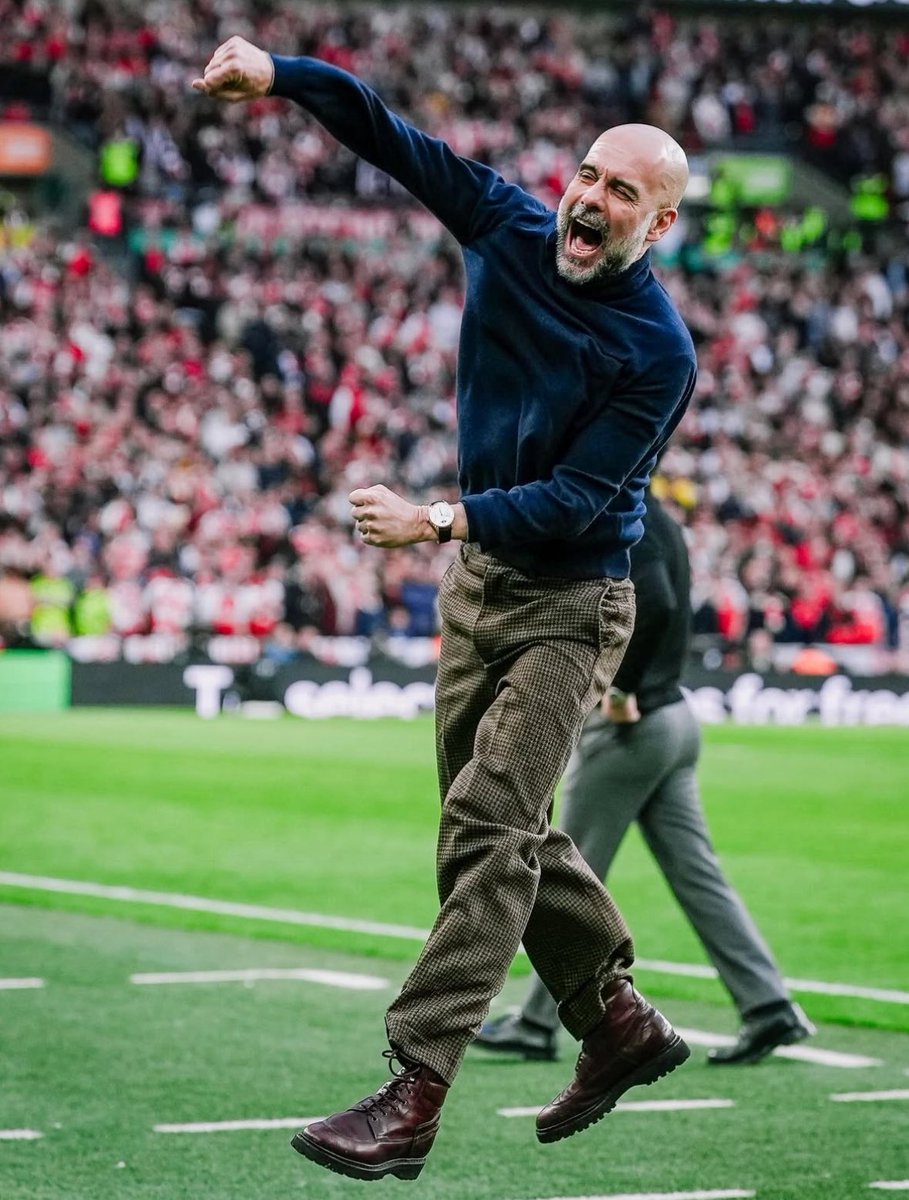
🚨🏆 Pep Guardiola has now won 40 trophies in his coaching career. 4️⃣0️⃣✨
🏆🏆🏆🏆🏆🏆 Premier League x6
🏆🏆🏆🏆🏆 Carabao Cup x5
🏆🏆🏆🏆 Club World Cup x4
🏆🏆🏆🏆 UEFA Super Cup x4
🏆🏆🏆 Champions League x3
🏆🏆🏆 La Liga x3
🏆🏆🏆 Bundesliga x3
🏆🏆🏆 Spanish Super Cup x3
🏆🏆🏆 Community Shield x3
🏆🏆 Copa del Rey x2
🏆🏆 DFB Pokal x2
🏆🏆 FA Cup x2
English

Liverpool have a duty to protect the club's interests.
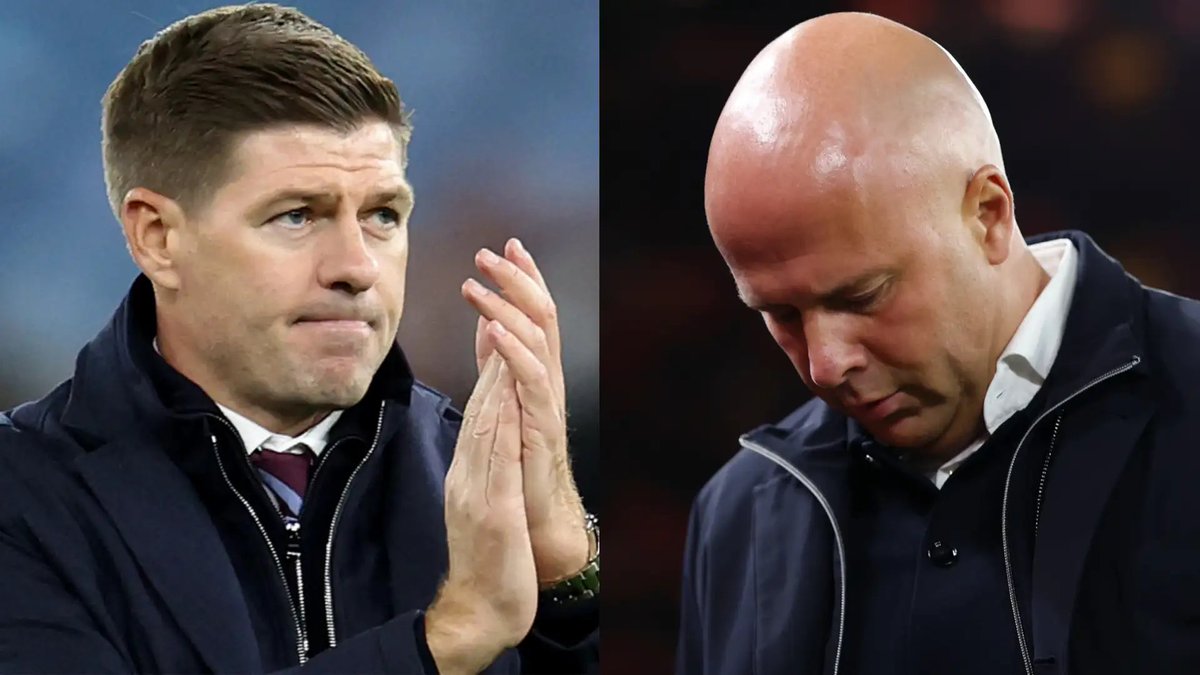
A decision needs to be made on Arne Slot's future and Steven Gerrard as temporary manager until the end of the season.
The current situation is disgraceful.
English

Liverpool’s season fell apart before it even began. They thought they could replace Trent Alexander-Arnold’s qualities with Jeremie Frimpong, and also believed they could change the entire shape that won them the league into something completely different. Add the loss of Luis Díaz for Cody Gakpo as a starter, and the problems became obvious.
They thought they could replace Trent’s qualities with Frimpong, but Trent wasn’t just a right-back, he was a system.
He dictated build-up, controlled tempo, and functioned as a deep playmaker. Replacing that with a profile that thrives in transition and wide attacking spaces was never a like-for-like change, it was a complete shift in identity.
And that’s where it started to fall apart.
Trent wasn’t just creating for Liverpool, he was progressing the ball, breaking press structures, and acting as a midfield controller from deep. Without him this season, their attacks rely more on individuals than structure.
Then there’s the loss of Diaz to Gakpo. That changes the entire left-side dynamic, less vertical threat, more static build-up, making it easier to defend against.
Then the system change.
Last season’s base shape was 4-2-3-1, with a double pivot of Mac Allister + Gravenberch, which gave defensive stability and control of central spaces.
In possession, the shape often became a 3-2 build-up or even 4-2-4.
Trent acted as the deep playmaker and tempo controller. Play flowed through midfield, not just wide areas. They were more controlled and less exposed in transitions.
Out of possession, they had a compact structure (often a 4-4-2 press), with the double pivot screening central zones.
Salah’s role last season was that of an inside attacker. He stayed high and narrow and had minimal defensive responsibility. With Trent behind him, that partnership created overloads, underlaps, and passing angles. Salah attacked inside channels, combined with Szoboszlai and Trent, and became a final-third killer.
The result: 34 goals, 23 assists.
This season, everything has changed from control to runs and width.
It’s a total identity shift from what Liverpool are used to, both in build-up and overall structure.
Without Trent, there’s no natural inverted playmaker from right-back. Full-backs now have to stay wider and carry the ball instead of dictating play.
It’s still nominally a 4-2-3-1, but functionally very different. A No.10 (a Wirtz-type role) is now central, full-backs push high and wide, with less inversion and more width. This has already caused imbalance.
This is where the biggest damage shows.
With full-backs now pushing high and wide, Liverpool often lose rest defense structure. Last season, Trent’s inversion created a back three in build-up, which naturally protected against counter-attacks. Rest defense
Now, that protection is gone. When possession is lost, the team is more stretched horizontally, and the double pivot is exposed. Mac Allister and Gravenberch are forced to cover larger spaces, especially in transitions.
This create bigger gaps between midfield and defense, More direct access for opponents through central zones and prone to Counter.
The press has also become less compact.
Previously, the 4-4-2 shape allowed Liverpool to close central passing lanes and force play wide. Now, with a more attacking structure and wider full-backs, the distances between players are larger.
This makes it easier for opponents to, Play through the press, Switch play quickly into open spaces, Isolate Liverpool’s center-backs in transition
There’s also a lack of counter-press control.
Before, because Liverpool were more compact and centrally oriented, they could immediately swarm the ball after losing it. Now, with more players positioned high and wide, the counter-press is slower and less coordinated.
So instead of suffocating transitions, they’re reacting to them.
Salah has moved from “final phase” to “creator.”
Last season, he was the end product.
This season, he’s forced to drop deeper, receive earlier, and create more.
There are no consistent right-side triangles anymore, so he becomes isolated and easier to defend.
And when Salah doesn’t deliver, Liverpool struggle.
English