

Steve Jenson
86 posts
Steve Jenson
@stevenjenson92
creative explorations of all kinds
Los Angeles, CA Katılım Ağustos 2017
1.1K Takip Edilen156 Takipçiler

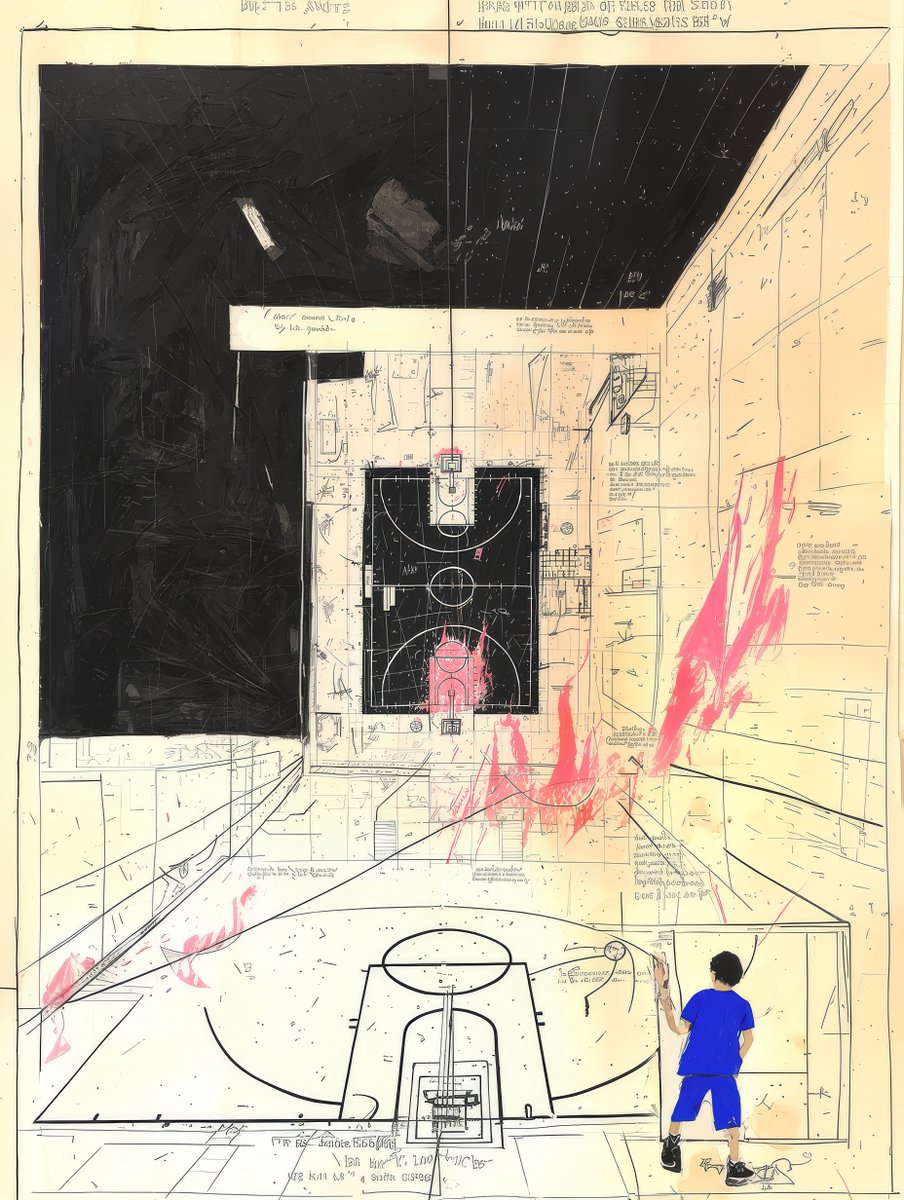
And that's the end of the finals, champions!
Honestly, it was an exciting experience. This is my first solo show and my first time in a ranked auction format, so there are a lot of emotions. I need some time to think things over and organize my thoughts, which are a bit chaotic right now. 🫠🫠
Once again, I want to express my heartfelt thanks for your interest in this story. A special shoutout to the entire Verse (@verse_works) team, and a big thank you to Artie (@punk7635) for giving me the opportunity to share my voice in your gallery (@artiegalerie).
While I was waiting for the auction to finish, I played around with Cursor (@cursor_ai) for a couple of hours and put together a little browser mini-game for fun. Here’s the link to the GitHub (just move the hoop left and right using the mouse):
palekirill.github.io/space-hoopers/
GIF
English

Steve Jenson retweetledi

My advice is a little different from my actions.
I’m so focused on this stuff because I’m consumed by a curiosity to see through the fog and try to understand where the best roads can lead for creatives.
Obviously no one truly knows the future but from my current perspective this is my advice:
1) Try to keep making money in traditional methods and save if you can.
2) Find wonderful supportive people you’d enjoy creating with regardless of jobs. Playful caring community is already rare and may become absolutely imperative in the next few years.
3) Expect to start creating in small groups and going strait to market in the next few years.
4) Focus on developing raw physical craft in the most base and repeatable way you can. The people with minimal craft will increasingly find themselves competing with full automation.
5) Try to develop a level of showmanship for your actual process. Human infatuation with real humans executing hard things in impressive ways seems like the only defensible area if automation can truly “outperform” us in all areas.
6) Try to develop audience that knows you as a human now before it starts getting harder to distinguish.
I know people think creativity and art is “the first to go” but I think that’s ridiculous. It may be a first “hit” in the current job structure but in reality as Ai hits more sectors I think the people that have the best chance of a “post job” income beyond UBI are Creatives, Athletes, and generally people that can impress people with their human capabilities.
There is probably also value in investing in a winning Ai company but I also expect there to be some wild and surprising disruptions in the next 10 years. Some of the biggest winners may be unlisted or unknown at the moment so who knows. 🤷
English
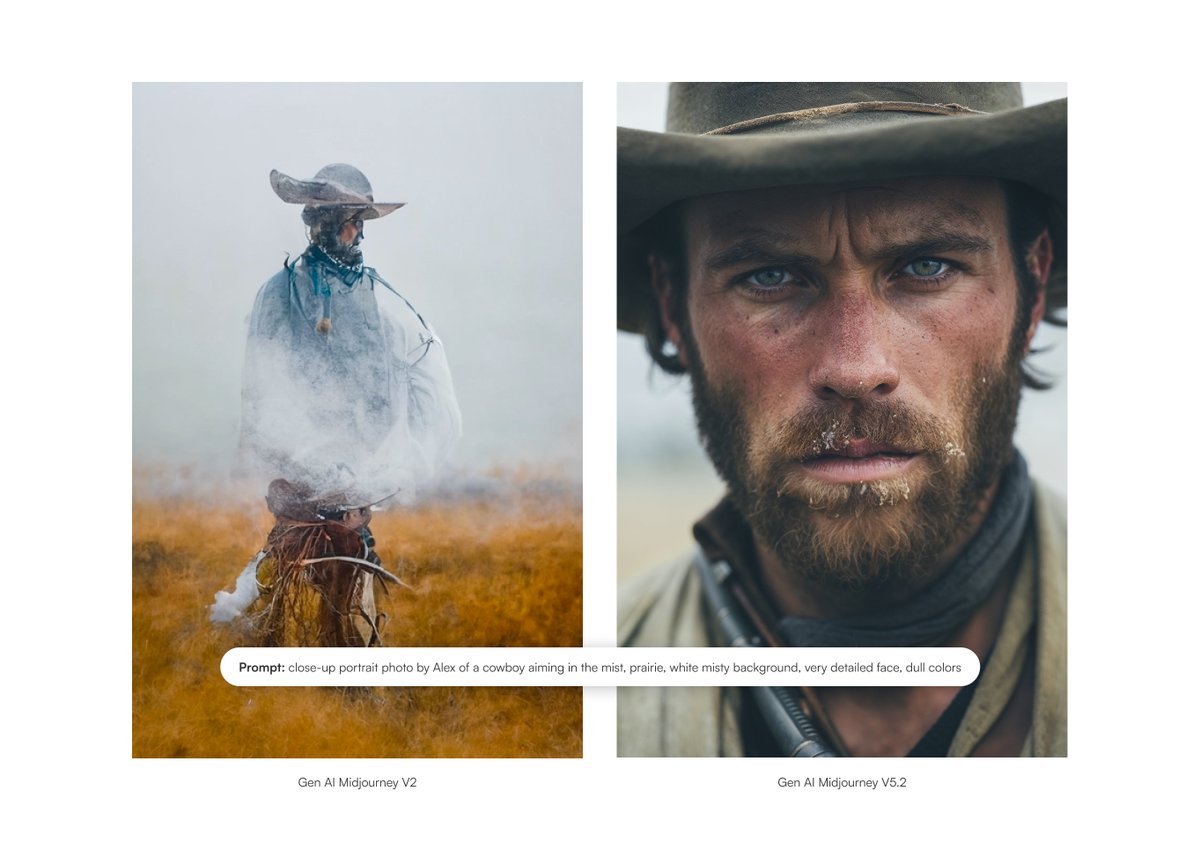
@LinusEkenstam I wonder if you could get the images on the left with the new model?
English

The unreal progress of AI 💨
It's madness that we've gotten here in ~1.5 years 🤯
Below are a few more examples, enjoy 🙏🏼
🧵 A thread
English
Steve Jenson retweetledi

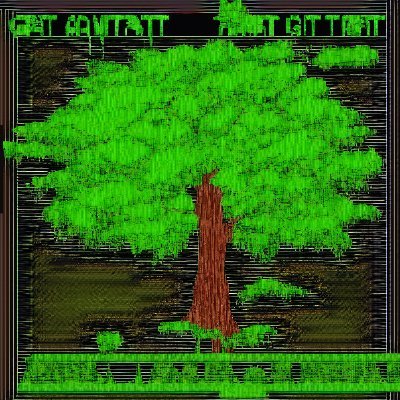
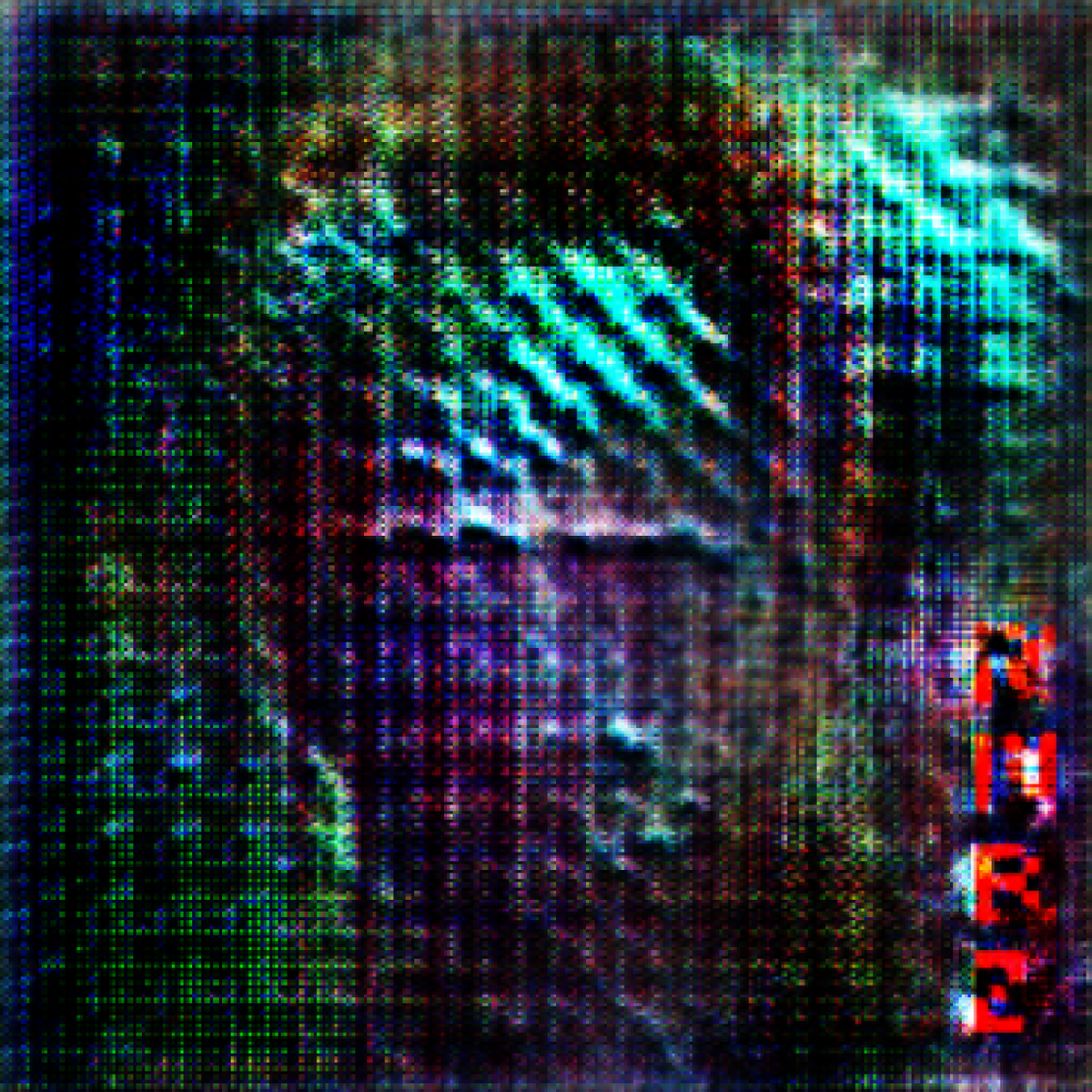
"CC0 Evangelist" - June 2022
Made with a DCGAN. In the collection of creative explorer @stevenjenson92 - my continued thanks!
English

Steve Jenson retweetledi

Steve Jenson retweetledi
Steve Jenson retweetledi

A powerful lesson on luck that everyone needs to hear:
In 2003, Dr. Richard Wiseman published The Luck Factor, which explored why some people consistently get lucky while others struggle with bad luck their whole lives.
He gathered participants for several simple experiments:
Dr. Wiseman took out ads requesting participants for a study on luck—specifically, the ads asked for people who considered themselves very lucky or very unlucky.
In one experiment, each participant was given a newspaper and asked to count the number of photographs inside it.
The unlucky group averaged 2 minutes to complete the exercise, while the lucky group averaged mere seconds.
What happened?
Well, on page 2 of the newspaper, there was an enormous bold font print that read, "Stop counting, there are 43 photographs in this newspaper."
At the halfway mark, there was another message that read, "Stop counting, tell the experimenter you have seen this and win $250."
The self-identified lucky people had seen the writing, stopped, and responded accordingly to end the timer (or collect the money).
The self-identified unlucky people, on the other hand, had missed it (or mistrusted it) and taken far longer to count.
This finding grew into a consistent theme across the body of research:
The lucky people came across "chance" opportunities, while the unlucky people seemed to miss them. Both groups had equal access to these opportunities, but the lucky group saw what the unlucky group tended to miss.
There's a concept I often refer to as "luck surface area" in my writing.
The idea is that each of us has a surface area on which lucky events can strike.
There are a few baseline factors out of our control:
• Where you are born
• Who you are born to
• "Acts of God"
Beyond these, the size of our luck surface area is within our control.
In Dr. Wiseman's study, the lucky people seemed to understand this:
• They noted that they often took alternate routes to and from work so that they would meet new people and see new things.
• They talked about unique strategies for talking to different groups of people at parties.
• They bounced back from seemingly negative encounters and maintained a positive outlook for the future.
The luckiest people have engineered an enormous luck surface area.
Expand yours in two ways:
1. Remove Anti-Luck: Anti-luck includes all the actions, behaviors, and people that shrink your luck surface area. Pessimism and "blinders" are two common sources of anti-luck. People who tell you to be realistic are another common source.
2. Add Pro-Luck: Pro-luck includes all the actions, behaviors, and people that expand your luck surface area. Getting out and meeting new people, sharing your thoughts and ideas publicly, and sending more cold emails and DMs are all common sources of pro-luck. People who encourage you to think bigger are another common source.
If you enjoyed this, follow me @SahilBloom for more in future!

English
Steve Jenson retweetledi

Steve Jenson retweetledi

THIS is the future of AI and creativity: Collaboration with the machine. Google collaborated with Lupe Fiasco to create tools to amplify how he works, writes and thinks.
If you're a creative thinking about AI at all - these 6 minutes could change your entire creative future.
English
Steve Jenson retweetledi





@saintsonso Any interactive art form must consider the audience in it’s process
English

Rick Rubin says that "the audience comes last" & that if you are making work for the audience it is not genuine work. I find this really hard to square w/ how much art must be affected by the likes & replies on social media. This seems a really deep tension w/ all modern artists
English
@patrickamadon Social media algorithms have been guiding our high and low level decision making for years. We’ll need to be more intentional about using our native processes, and more willing to fail IMO
English
