STL Astro Society

8.2K posts

STL Astro Society

STL Astro Society

@stlastro

The official page for the St. Louis Astronomical Society

St Louis, MO Katılım Eylül 2016
170 Takip Edilen188 Takipçiler
Sabitlenmiş Tweet
STL Astro Society
STL Astro Society@stlastro·
St. Louis Astronomical Society: Devoted to the Interest and Advancement of the Science of Astronomy. Please follow and retweet! @stlastro
English
0
1
7
0
STL Astro Society retweetledi
Uzay ve Bilim
Uzay ve Bilim@uzayvebilimtr·
Bir galaktik yıl, yaklaşık 250 milyon Dünya yılıdır. Kitlesel yok oluşlardan… dinozorlara… oradan da insanlara. Güneş’in galaksi etrafındaki tek bir turu sırasında yaşananlar işte bunlar.
Türkçe
1
13
40
4K
STL Astro Society retweetledi
World and Science
World and Science@WorldAndScience·
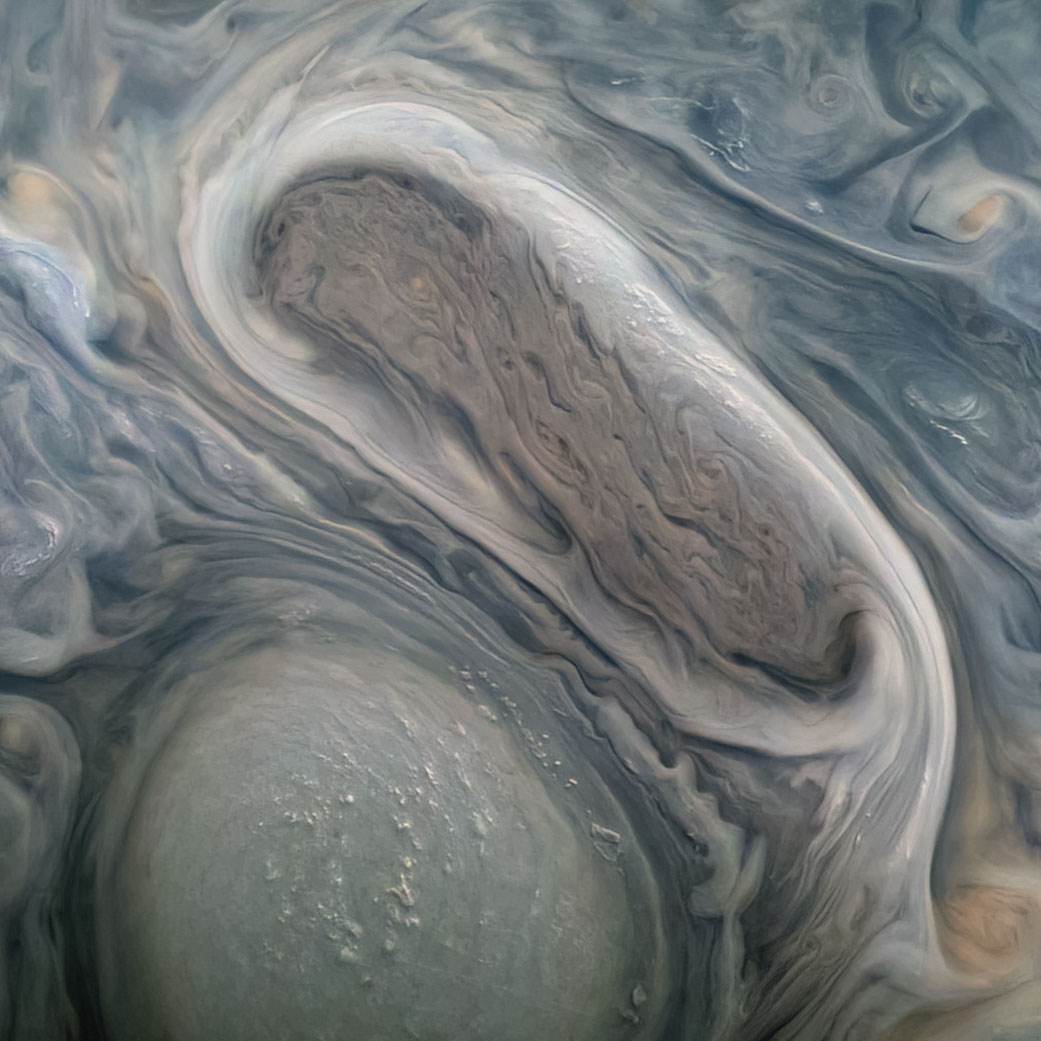
Incredible: Two of Jupiter’s massive rotating storms! Bright “pop-up” clouds rise above the lower storm, casting shadows on the cloud layer beneath. Though they may look tiny, each of them spans an incredible 31 miles across (Credit: NASA/JPL-Caltech/SwRI/MSSS, Kevin M. Gill)
World and Science tweet media
English
0
17
43
5.5K
STL Astro Society retweetledi
Astropics
Astropics@astropics·
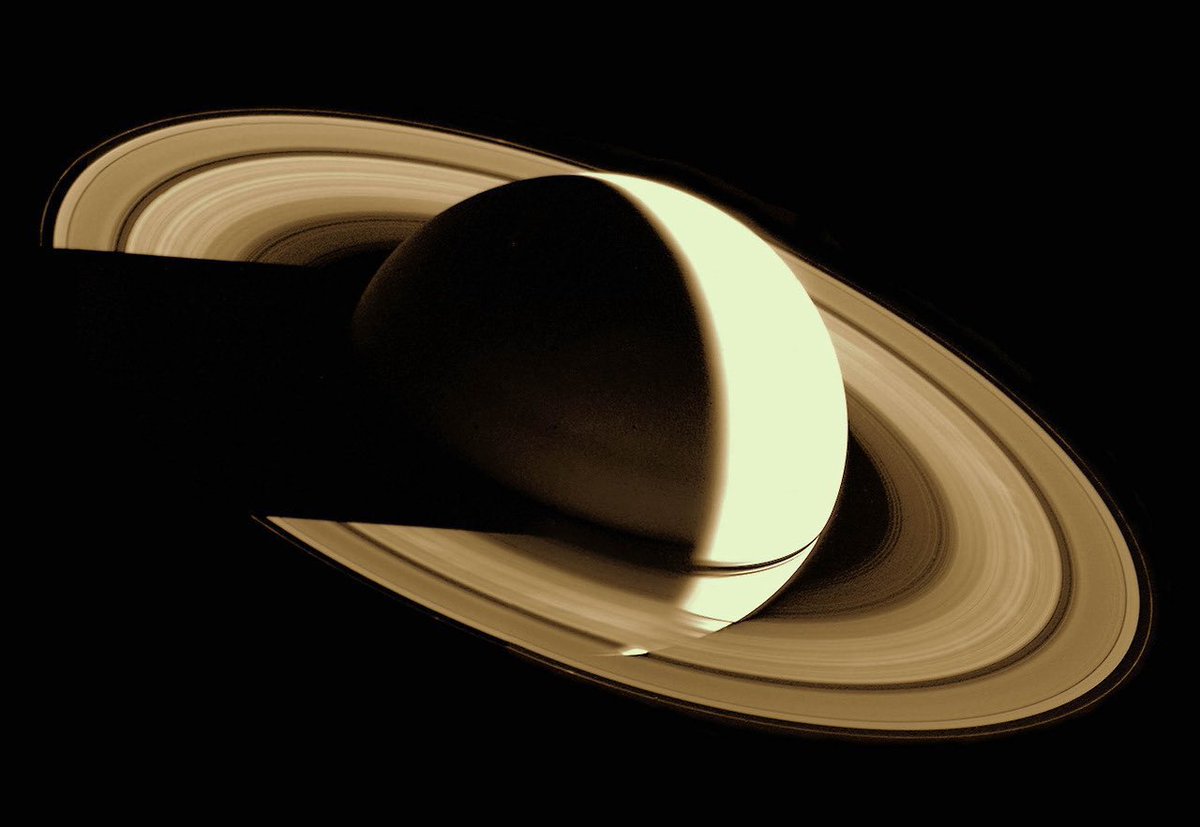
On November 16, 1980, Voyager 1 captured this breathtaking view as it flew past Saturn at an astonishing distance of approximately 5.3 million kilometers from the planet. Camera was directed back toward Sun, resulting in dramatic shadows and a unique perspective that highlighted immense scale of Saturn's rings and those intriguing spoke-like features.
Astropics tweet media
English
5
75
349
10.2K
STL Astro Society retweetledi
Physics & Astronomy Zone
Physics & Astronomy Zone@zone_astronomy·
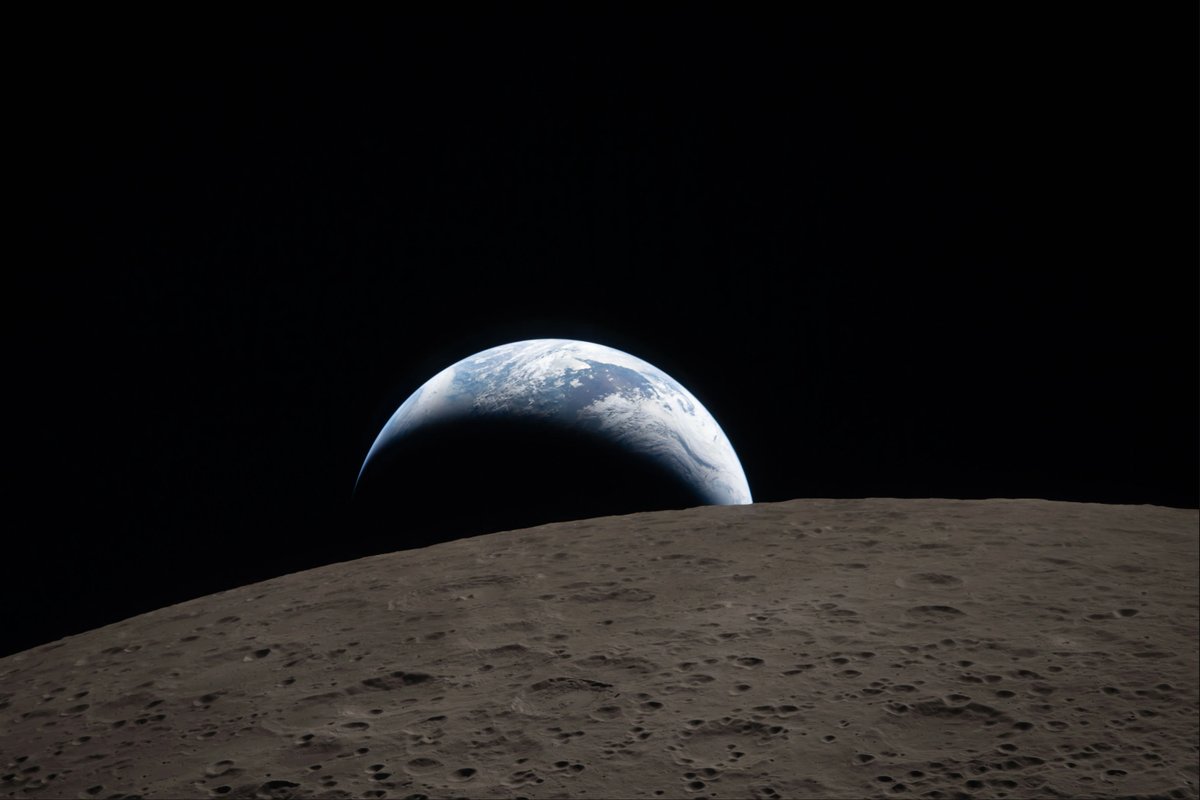
“The Distance That Defines Us” 🌍🌑 April 23, 2026 — A horizon that isn’t a horizon at all. From the silent, ash-gray surface of the Moon, Earth doesn’t just rise… it reminds. No borders. No chaos. No noise. Just a fragile blue glow holding every dream, every life, every story we’ve ever known. Inspired by the stunning views from Artemis II and the iconic Earthrise, this perspective changes everything. The Moon stands still—ancient, lifeless, untouched. But that distant blue light? It’s alive with oceans, storms, laughter, love, and billions of moments happening all at once. From this distance, Earth looks small… But it has never meant more. Sometimes, you need to step away from everything… just to understand what truly matters. ✨ If you could see Earth from the Moon, what would you feel? #
Physics & Astronomy Zone tweet media
English
15
41
237
3.9K
STL Astro Society retweetledi
Erika 
Erika @ExploreCosmos_·
Why does empty space have energy? Empty space sounds like the simplest thing in the universe. Remove the planets, stars, gas, dust, radiation and particles, and what should remain is nothing. A perfect absence. A blank stage. But modern physics says that “nothing” is not really nothing. In quantum field theory, the vacuum is not an empty container. It is the lowest energy state of the fields that fill the universe. Even when there are no particles present, those fields still exist. They fluctuate. They carry structure. They can produce measurable effects. Empty space, in this view, is not dead. It is physically active. This is one of the strangest ideas in modern physics, but it is not just speculation. Effects associated with the quantum vacuum appear in real experiments, such as the Casimir effect, where two very closely spaced conducting plates experience a tiny force because the allowed vacuum fluctuations between them differ from those outside. The effect is subtle, but it shows that the vacuum has physical consequences. Then cosmology makes the problem much bigger. In Einstein’s general relativity, energy does not just sit passively inside the universe. Energy gravitates. It affects the geometry of spacetime. So if empty space has energy, that energy should influence the expansion of the universe. And this is where dark energy enters the story. In the standard cosmological model, the accelerated expansion of the universe is usually described by the cosmological constant, Lambda. It behaves like a fixed energy density of space itself. Unlike matter, which becomes more diluted as the universe expands, this energy density remains constant. As space grows, there is more space, and therefore more of this vacuum-like energy. That sounds almost absurd. But observationally, something like it is required. Measurements of distant supernovae in the late 1990s showed that the expansion of the universe is accelerating. Later observations of the cosmic microwave background, galaxy clustering and baryon acoustic oscillations built a consistent picture in which dark energy dominates the present universe. So the vacuum might not be empty. It might be part of what drives cosmic acceleration. But here is the problem: when physicists try to estimate the vacuum energy using quantum field theory, the result is catastrophically wrong. In the most naive calculations, it can be about 10^120 times larger than the value inferred from cosmology. That is not just a small mismatch. This isn’t just a math error. It’s a crisis. This is known as the cosmological constant problem, and it remains one of the deepest unresolved problems in modern physics. The real mystery is not simply that empty space has energy. The deeper question is why it has so little. If quantum fields contribute vacuum energy, why does almost all of it not gravitate in the way naive calculations suggest? Is there a cancellation mechanism we do not understand? Is the cosmological constant not really vacuum energy? Are we missing something about quantum gravity? Or is dark energy something dynamic rather than a true constant? This last possibility has become especially interesting recently. The simplest model says dark energy is constant, with an equation-of-state parameter w = -1. But newer cosmological data, especially from DESI, have raised hints that dark energy might evolve with time rather than remain perfectly constant. These results are not yet a discovery. More data are needed. If dark energy changes over time, then it may not be vacuum energy in the simple cosmological constant sense. It could be a field, sometimes called quintessence, slowly evolving as the universe expands. That would be a major shift. It would mean the acceleration of the universe is not caused by a static property of space, but by something dynamical. Still, the cosmological constant remains the simplest explanation. It fits a huge range of observations remarkably well. Even the current hints from DESI are not a clean rejection of Lambda. They are a hint, not a verdict. This is why the vacuum energy problem is so important. It sits at the intersection of two extraordinarily successful theories that do not yet fit together: quantum field theory and general relativity. Quantum theory tells us that empty space should have structure. Gravity tells us that energy curves spacetime. Cosmology tells us that the universe is accelerating. But when we try to combine all of this into one clean picture, the numbers do not make sense. This isn’t a small technical issue. It may be telling us that we still do not understand what the vacuum really is. Maybe empty space is not a passive background. Maybe it has hidden degrees of freedom. Maybe the energy we call dark energy is not the vacuum energy predicted by quantum fields, but a separate phenomenon. Maybe the solution requires quantum gravity. Or maybe the answer will be something we have not yet imagined. What makes this question so powerful is that it turns “nothing” into one of the deepest physical problems we have. The vacuum is not just emptiness. It may be where quantum physics, gravity and cosmology collide most sharply. And until we understand why empty space has energy, or why it appears to have so little, we probably do not fully understand the universe itself.
Erika  tweet media
English
28
47
208
4.2K
STL Astro Society retweetledi
Black Hole
Black Hole@konstructivizm·
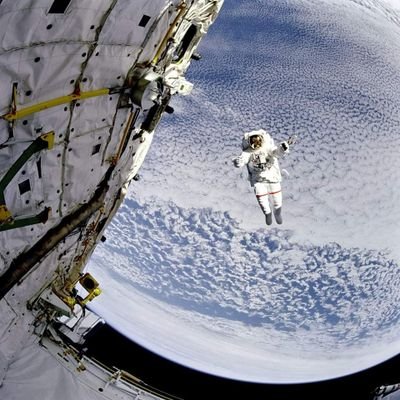
The curvature of the Earth captured during a spacewalk ISS
English
119
297
2.4K
57K
STL Astro Society retweetledi
Stefan Burns
Stefan Burns@StefanBurnsGeo·
Boomshakalaka! Solar storm inbound with impact most likely in 3-4 days from a giant filament eruption! It looks like the aim is directly behind Earth's orbit, but keep in mind plasma moves around in weird ways!
English
14
105
501
9.5K
STL Astro Society retweetledi
Dailyscienceinfo
Dailyscienceinfo@NatureScienceA1·
Mount Everest photographed from the ISS crew.
Dailyscienceinfo tweet media
English
3
29
161
2.8K
STL Astro Society retweetledi
Damian Peach🔭🪐
Damian Peach🔭🪐@peachastro·
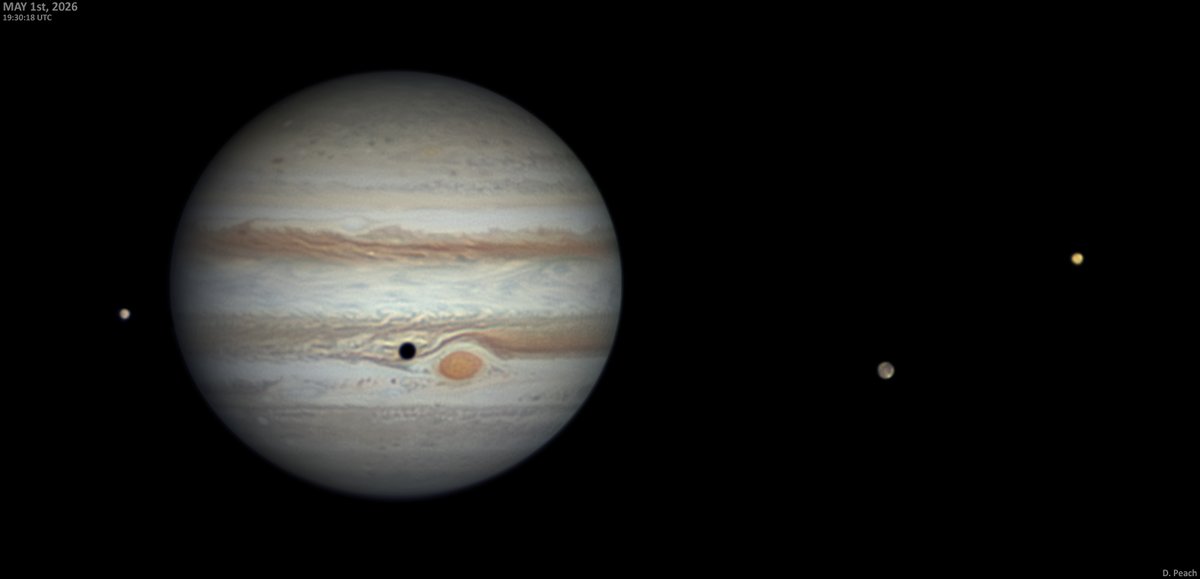
Jupiter with GRS and three moons on May 1st Before the drawing i spent about 40mins imaging the planet. Seeing was very good at times. Europa at left with Ganymede and Io at right. Ganymede's shadow is cast onto the planet. This is likely my final image of this apparition as the planet is now getting low in the evening twilight. After 52 nights of imaging and my 28th straight apparition imaging the planet it was a great note to end on.
Damian Peach🔭🪐 tweet media
English
3
27
127
1.9K
STL Astro Society retweetledi
The Scientific Lens
The Scientific Lens@LensScientific·
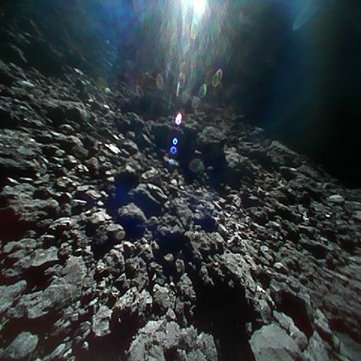
This photo was taken by a robot ON THE SURFACE OF AN ASTEROID Here's what you are looking at:
The Scientific Lens tweet media
English
11
52
1K
25.6K
STL Astro Society retweetledi
NASA Science
NASA Science@NASAScience_·
You don’t have to go to space to help humans thrive there. NASA citizen science volunteers support research on astronaut health, space weather, and even growing food for future missions. No experience needed, just curiosity. Learn more: go.nasa.gov/4sYSuG8
NASA Science tweet media
English
50
216
1.1K
33.2K
STL Astro Society retweetledi
Uzay ve Bilim
Uzay ve Bilim@uzayvebilimtr·
Mars'taki Victoria Krateri... Meridiani Planum bölgesinde yer alan belirgin bir çarpma krateridir. ~750 metre çapa ve ~70 metre derinliğe sahiptir. Mars Reconnaissance Orbiter üzerindeki HiRISE kamerası tarafından görüntülendi. 📸 NASA/JPL
Türkçe
0
12
123
11.3K
STL Astro Society retweetledi
Astronomy Today
Astronomy Today@astronomytodayy·
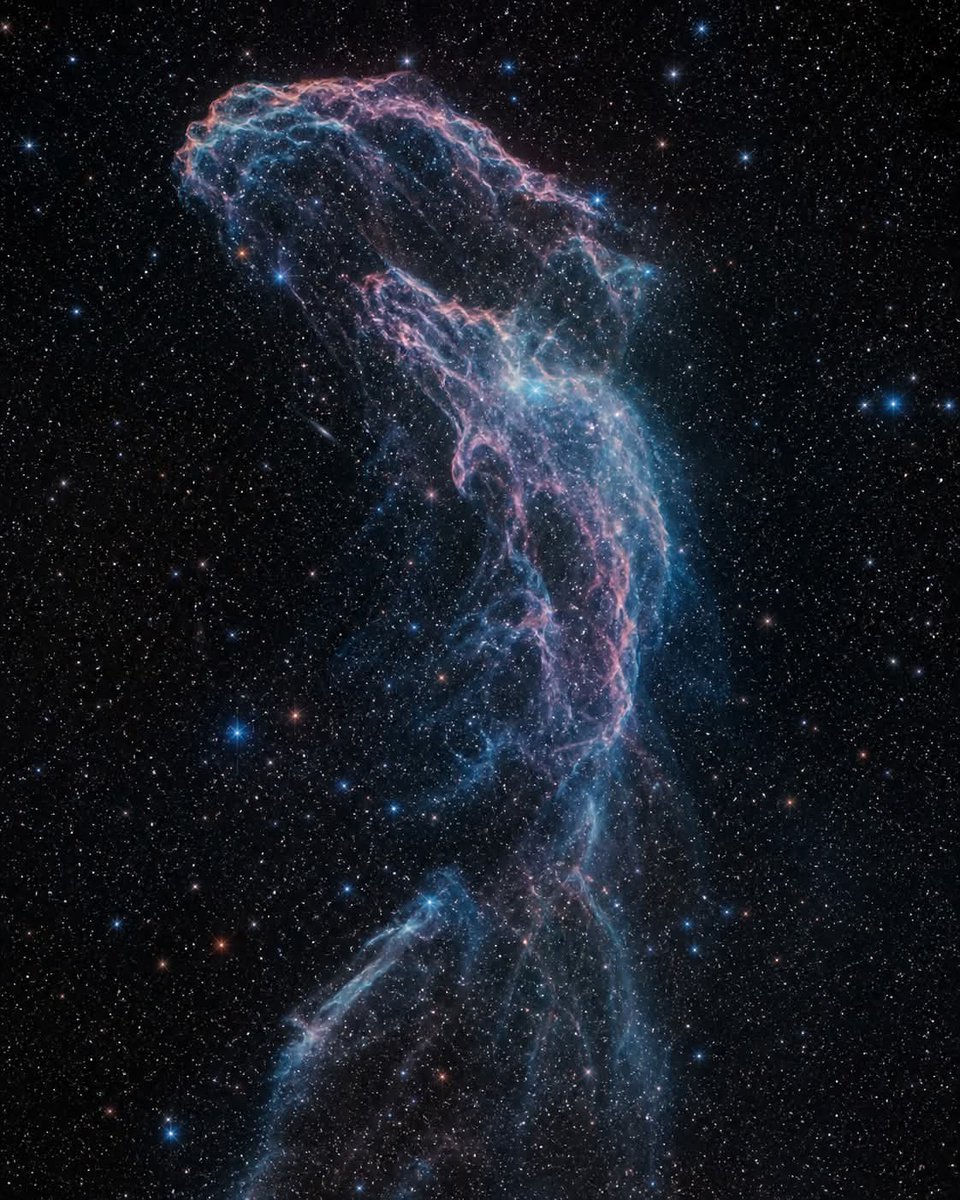
The Mermaid Nebula (ESO 217-25): A Ghostly Echo of Stellar Death Drifting silently through the darkness of space lies one of the cosmos’s most hauntingly beautiful creations — the Mermaid Nebula.Captured in stunning detail by astrophotographer Marshall Huang, this ethereal veil of gas and dust marks the dramatic final act of a massive star that exploded in a ferocious supernova roughly 14,000 years ago.Nestled in the constellation Centaurus, about 4,500 light-years from Earth, the nebula unfurls like flowing cosmic silk. Its delicate, wispy filaments and glowing clouds shimmer in soft blues and delicate pinks — the lingering fingerprints of titanic shockwaves still rippling outward across the void.britannica.com This isn’t just pretty stardust. It’s a living testament to stellar death and rebirth. Those shimmering tendrils are rich with heavy elements forged in the star’s explosive heart — carbon, oxygen, iron — the very building blocks of new stars, planets… and perhaps even life itself.What we’re witnessing is the universe in its most poetic cycle: destruction giving birth to creation.
Astronomy Today tweet media
English
1
31
118
1.1K
STL Astro Society retweetledi
Cosmos Archive
Cosmos Archive@cosmosarcive·
You are never truly standing still. Even when everything feels motionless, you are carried by Earth’s rotation, swept along as it orbits the Sun, and pulled through the Milky Way along with billions of other stars. From a cosmic perspective, stillness is an illusion created by our limited human scale of perception, too small to notice the vast layers of motion we are part of. Taken together, these motions place us in constant transit through space at speeds far beyond anything we can feel. Yet there is no wind, no vibration, and no sense of rushing. We do not experience this journey because everything around us shares it, locked into the same immense and silent choreography of the universe. Credit: physicsj
English
11
59
209
12.3K
STL Astro Society retweetledi
Alex Boge
Alex Boge@alexboge·
A universe in motion from the ISS during a night pass over Earth with Airglow Watch the station glide above our planet’s night side: city lights streak like embers below, the Milky Way shines in the void, and a vivid green ribbon hugs the curve of the globe. That’s airglow! Solar UV radiation dissociates O₂ molecules high in the atmosphere (~90–100 km altitude in the mesosphere/lower thermosphere). The freed oxygen atoms collide and recombine (O + O + M → O₂* + M, where M is a third body like N₂), exciting atomic oxygen to the O(¹S) state. As these atoms relax back to the ground state, they emit the characteristic green 557.7 nm photon - the same wavelength that dominates many auroras. This chemiluminescent glow happens globally every night, though it’s usually too faint to see from the ground without dark skies. Later you even see the ISS solar arrays and structure sliding into frame. Pure orbital magic. (Credit: NASA)
English
4
14
62
1.5K
STL Astro Society retweetledi
Curiosity
Curiosity@CuriosityonX·
This is what the birth of a sun actually looks like. James Webb captured this "cosmic hourglass," featuring a protostar only 100,000 years old—a mere blink of an eye in the life of a star. Hidden in the dark "neck" is an infant star gathering mass from a disk of dust the size of our entire solar system. We are looking at our own past. This is likely exactly how our Sun looked 4.6 billion years ago. 🌌✨
Curiosity tweet media
English
36
266
1.4K
49.5K
STL Astro Society retweetledi
Amazing Physics
Amazing Physics@amazing_physics·
classy shot from Artemis II so far—absolutely stunning
Amazing Physics tweet media
English
34
172
1.2K
22.3K
STL Astro Society retweetledi
Saganism
Saganism@Saganismm·
“The nitrogen in our DNA, the calcium in our teeth, the iron in our blood, the carbon in our apple pies were made in the interiors of collapsing stars. We are made of starstuff.” ― Carl Sagan
Saganism tweet media
English
23
361
1.2K
27.3K
STL Astro Society retweetledi
Arcturus
Arcturus@arcturus_36·
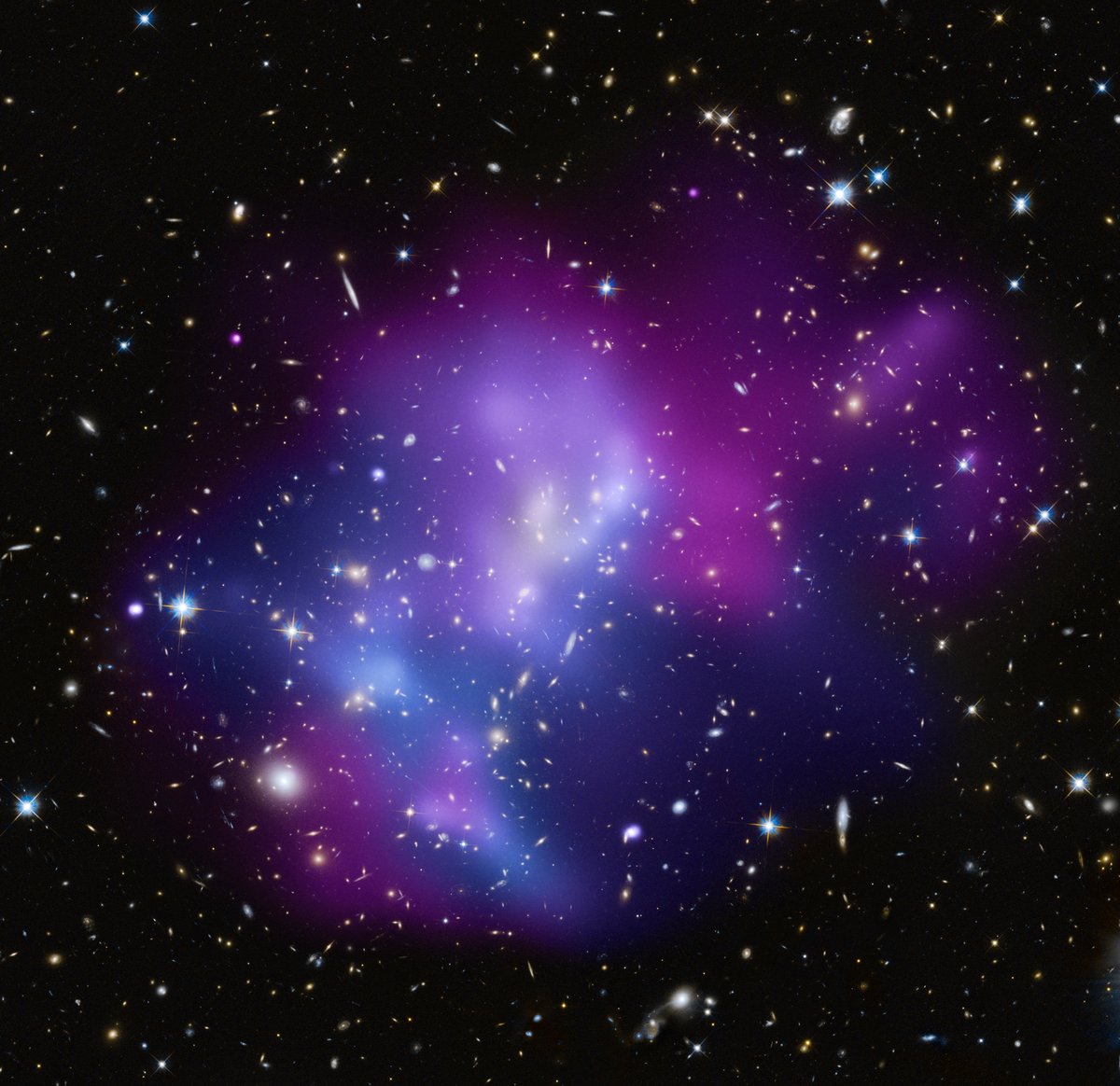
A place where chaos creates beauty Galaxy cluster MACS J0717
Arcturus tweet media
English
2
32
110
1.2K
STL Astro Society retweetledi
AstroScroll
AstroScroll@astroscroll·
It took 9 years and 3 billion miles to get this shot. Pluto’s icy Mountains. But how exactly did we get it? A story of one of NASA’s greatest missions:
English
1
11
26
467