Roland Burgi

173 posts

Roland Burgi banner
Roland Burgi

Roland Burgi

@swissionary

Building MeshWeaver. OG Enterprise Architect. CEO/CTO.

Zurich, Switzerland Katılım Eylül 2012
287 Takip Edilen49 Takipçiler
Sabitlenmiş Tweet
Roland Burgi
Roland Burgi@swissionary·
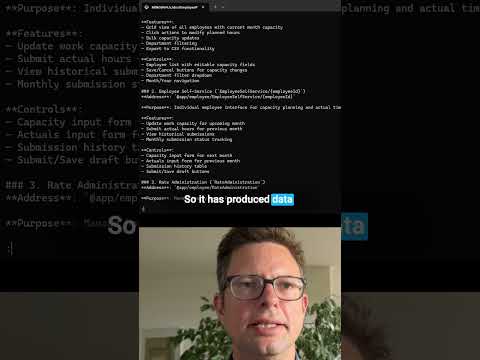
For the past few years, interactive notebooks have been a key component of Systemorph's product offerings. However, my colleague Stefan and I recently recognized their limitations when it comes to developing larger software projects. I had the opportunity to engage in an insightful discussion with Jon Sequeria and Diego Colombo from the @dotnet Interactive team, who introduced me to alternative approaches. Inspired by these conversations, we’ve created Interactive Markdown, a solution that brings Literate Programming—as defined by Donald Knuth—to life. This new approach enhances the way we integrate code and documentation seamlessly. Excited to share this development with the community and looking forward to hearing your thoughts!

Roland Burgi tweet media
English
2
1
4
167
Roland Burgi
Roland Burgi@swissionary·
@davidfowl I have written one, and it was the most complex thing I have built. And I am saying this after 30 years of complex software projects. If you want, I'm happy to share experience.
English
0
0
1
612
David Fowler
David Fowler@davidfowl·
I’m gearing up to build my own agent orchestration system. Are we all doing this now?? What stage of grief is this?
English
77
10
218
33.6K
Roland Burgi
Roland Burgi@swissionary·
@_trish_xD Dotnet. It's by far the best platform modulo all the hate on this platform.
English
0
0
0
945
trish
trish@TrisH0x2A·
what’s everyone using for backend these days? node? go? spring boot? rust?
English
609
18
1.1K
228.9K
Roland Burgi
Roland Burgi@swissionary·
@nickchapsas @EngstromJimmy My code base was done by Claude code in 10. Most breaking changed were async linq and mostly because of renaming SelectAwait, WhereAwait etc
English
0
0
1
232
Nick Chapsas
Nick Chapsas@nickchapsas·
@EngstromJimmy More Span related overloads were added so things like JsonSerializer.Deserialize and int.Parse/TryParse became ambiguous for things like RedisValue.
English
2
0
24
3K
Nick Chapsas
Nick Chapsas@nickchapsas·
Upgrading the entire Dometrain stack to .NET 10 took 10 minutes. By far the most breaking changes I've experienced after .NET 5's release.
English
15
9
212
23.5K
dax
dax@thdxr·
what do you do if your baby doesn't look like you or your wife
English
162
1
276
42.5K
Roland Burgi
Roland Burgi@swissionary·
Do you remember 1983 War Games? Let's see if @sama can save the world with his models. @theo a nice new benchmark for you...
English
1
0
1
51
ThePrimeagen
ThePrimeagen@ThePrimeagen·
second poll (apparently people didn't like first one) for coding, which is best
English
151
7
266
74.4K
Roland Burgi
Roland Burgi@swissionary·
I must say, the first tries of @OpenAI gpt 5 were quite disappointing. However, vibe coding in VS Code felt significantly better than with GPT 4.1
English
0
0
1
39
Roland Burgi
Roland Burgi@swissionary·
I've watched a number of videos about the @OpenAI agent mode but I still struggle to see cases where I would actually use it.
English
0
0
1
28
Roland Burgi
Roland Burgi@swissionary·
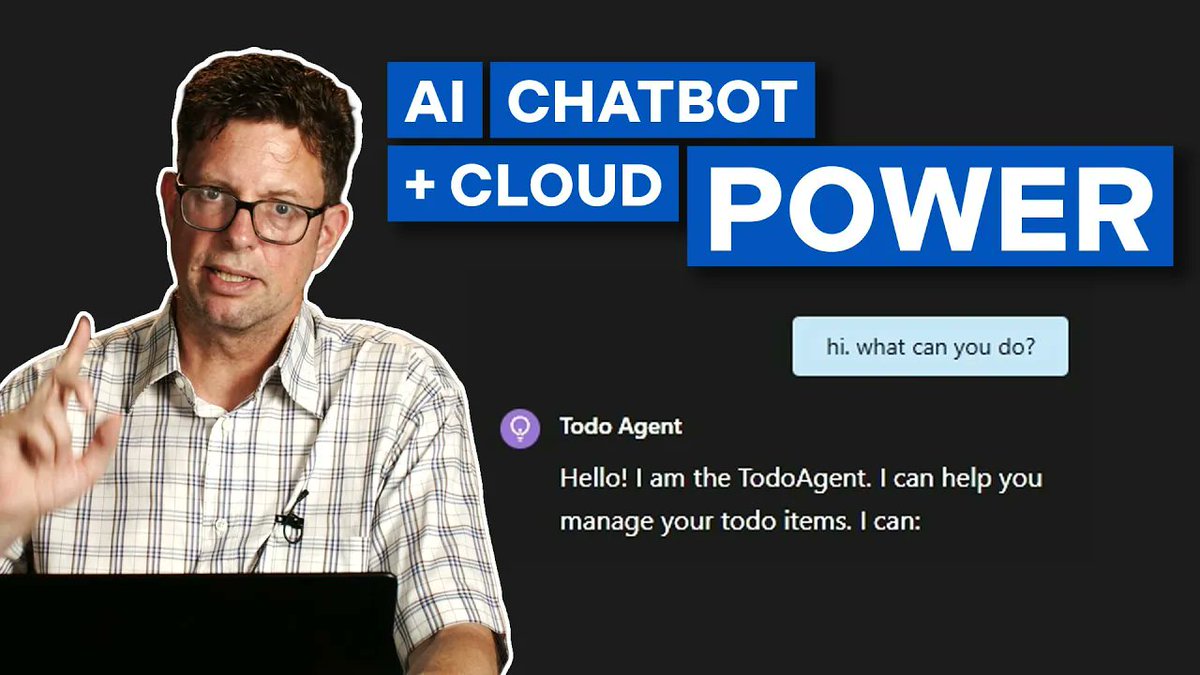
Most enterprise applications break under real-world complexity because developers think imperatively instead of reactively. The biggest architectural mistake isn't choosing the wrong database or framework - it's thinking like a drill sergeant instead of a jazz musician. Here's what I mean: The Imperative Trap: "Click button → delete from pending → move to in-progress → change button state" This works until you have multiple users, network delays, or system failures You end up writing 10x more code that's fragile and impossible to scale The Reactive Alternative: Subscribe to data streams Observe what happens, don't command what should happen Let events flow naturally through your system Think of it like ordering a t-shirt online. You don't stand by your mailbox waiting - you continue your life and track the package when needed. This architectural shift isn't just theoretical. In our latest MeshWeaver tutorial, I show exactly how to build a production-ready to-do app using these principles. The result? Multi-user sync that works flawlessly, zero state management headaches, and a foundation ready for AI integration. The real payoff: When I demo this reactive approach, I can add a second user interface and both update simultaneously without writing a single line of sync code. This isn't about cleaner code. It's about building systems that can actually handle the complexity of real business workflows - and serve as the foundation for agentic AI integration. Link to the full tutorial in the comments 👇
Roland Burgi tweet media
English
2
0
2
29
Roland Burgi
Roland Burgi@swissionary·
@sudo_goreng We used the very same techniques, just with VMs instead of containers and manual routing instead of K8s routing...
English
0
0
0
45
Goreng
Goreng@sudo_goreng·
I have a very zoomer / junior question Back before kuberneyney and containers, what were the common practice for server to deal with app when it crashed? Do they just use systemd / scripts to recover it?
English
497
119
4.3K
561.6K
Roland Burgi
Roland Burgi@swissionary·
which software can take a few pictures and create new ones with different backgrounds / outfits / facial expressions?
English
0
0
0
14
David Fowler
David Fowler@davidfowl·
I’ll be on vacation soon, but Aspire 9.4 is going to be a banger #dotnet #aspire
English
3
2
107
9.6K
James Newton-King ♔
James Newton-King ♔@JamesNK·
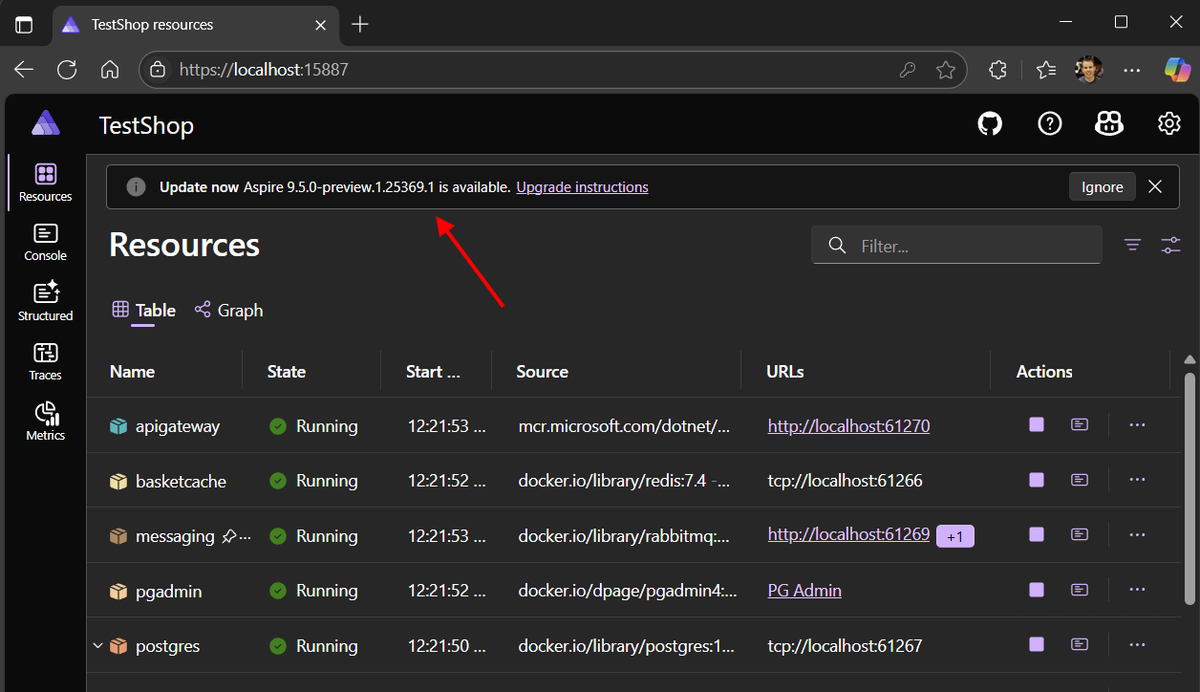
Aspire 9.4 new dashboard features, day 2: The dashboard now shows an update notification when a newer version of Aspire is available 📢
James Newton-King ♔ tweet media
English
3
8
71
16.4K
Dave Farley
Dave Farley@davefarley77·
What’s the one development practice you’ve seen make the biggest impact on a team’s success (or failure)?
English
41
1
25
11.2K
Roland Burgi
Roland Burgi@swissionary·
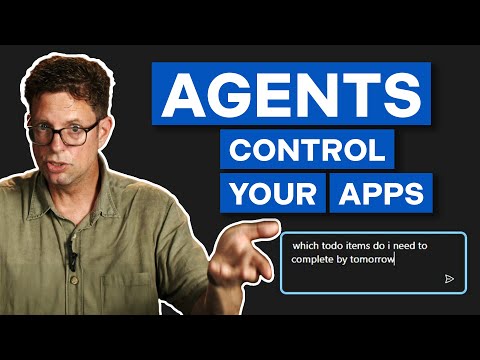
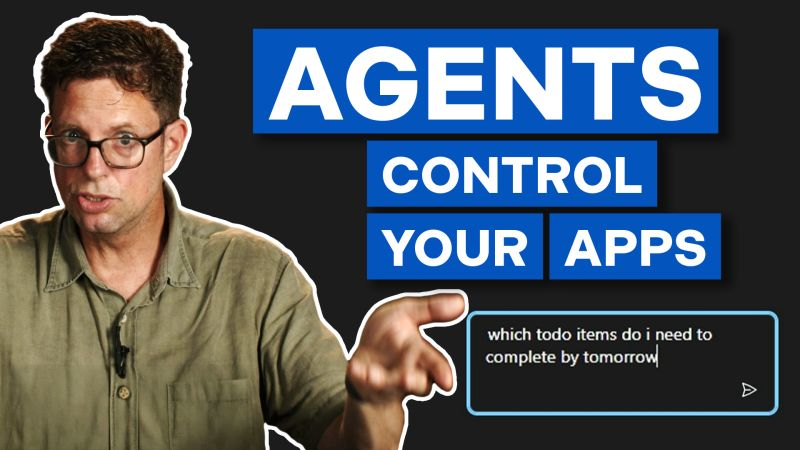
I keep observing the same issue: brilliant people sticking to basic AI concepts while the real innovations go unnoticed. There's a mindset problem. Many experts are expecting LLMs to be truthful, and debate whether we can trust them. Or they try to ground them with rather simplistic methods such as RAG. My approach is different: I want to program agents, make them do tasks which would be tedious for me. That's why I'm launching hands-on tutorials, starting with the absolute basics. My tutorial series covers a complete To-Do application in three parts: • Part 1: Setting up MeshWeaver (10 minutes to working system) • Part 2: Understanding the distributed architecture, required to work with agents •Part 3: Building the AI chat interface that controls everything I demonstrate something simple yet powerful: - Ask "give me items due August 2nd" and get exactly those tasks. - Say "add a new to-do for Friday's video script" and watch it create properly structured tasks with date parsing and categorization. Four integrated projects work seamlessly through message-based communication and reactive streams. GitHub's free API powers the intelligence, while i.e. Claude handles the vibe coding. Traditional UIs become obsolete when you can steer entire applications through natural language. This isn't about building another chatbot. It's about understanding how agentic AI actually integrates with business application (Minimalistic, testable, and ready for immediate deployment), and how humans can interact with agents and make them our teammates. While others debate what AI should do, you'll be building systems that actually do it. Part 1 is live on my YouTube channel. 🔗 Find the link in the comments.
Roland Burgi tweet media
English
1
0
1
16
Roland Burgi
Roland Burgi@swissionary·
@davidfowl If it helps: I used aspire for every project and love it.
English
0
0
1
304