tacksamt
281 posts

To start with Machine Learning:
1. Learn Python
2. Practice using Google Colab
Take these 2 free courses:
• Introduction to Python Programming (Udacity)
• Machine Learning Crash Course (Google)
If you need a bit more time before diving deeper, finish the following Kaggle tutorials:
• Intro to Machine Learning
• Intermediate Machine Learning
At this point, you are ready to finish your first project: The Titanic Challenge on Kaggle.
If Math is not your strong suit, don't worry. I don't recommend you spend too much time learning Math before writing code. Instead, learn the concepts on-demand: Find what you need when needed.
From here, take the Machine Learning specialization in Coursera. It's more advanced, and it will stretch you out a bit.
The top universities worldwide have published their Machine Learning and Deep Learning classes online. Here are some of them:
• MIT 6.S191 Introduction to Deep Learning
• DS-GA 1008 Deep Learning
• UC Berkeley Full Stack Deep Learning
• UC Berkeley CS 182 Deep Learning
• Cornell Tech CS 5787 Applied Machine Learning
Many different books will help you. The attached image will give you an idea of my favorite ones.
Finally, keep these three ideas in mind:
1. Start by working on solved problems so you can find help whenever you get stuck.
2. ChatGPT will help you make progress. Use it to summarize complex concepts and generate questions you can answer to practice.
3. Find a community here on 𝕏 and share your work. Ask questions, and help others.
During this time, you'll deal with a lot. Sometimes, you will feel it's impossible to keep up with everything happening, and you'll be right.
Here are the good news:
Most people understand a tiny fraction of the world of Machine Learning. You don't need more to build a fantastic career in the space.
Focus on finding your path, and Write. More. Code.
That's how you win.

English

I helped a guy quit his 9-5 job. Now he makes a full-time income from his online business.
No logo
No coding
No website
No complex funnels.
No online business experience
Just a Twitter (X) account and an email list.
Here's everything we did step by step:
English

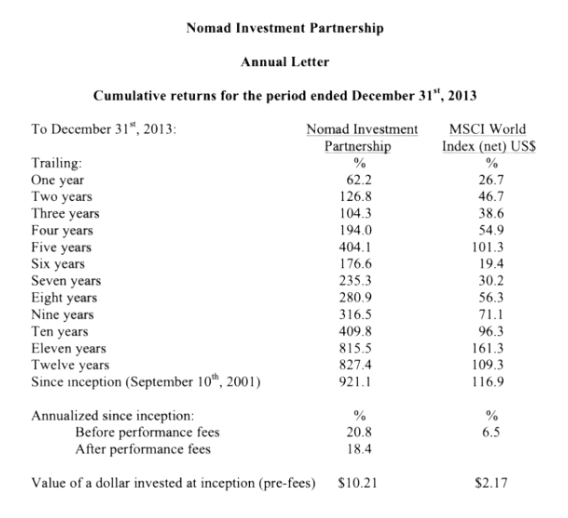
Nick Sleep is one of the most successful yet little-known investors in the world.
He achieved a CAGR of 20.8%.
His Shareholder Letters are an investing gem.
Here are 8 key aspects:
1. Stop Collecting, Start Thinking
“We think far less than we think we think.”
There’s so much information that we are busy collecting.
Instead, take more time thinking about information.
We can’t come up with different conclusions by only collecting.
2. Scaling Laws
Scaling Laws turn the size of a company into an asset instead of a burden.
The two important tenets:
1. The ability to self-fund growth
2. Increasing Barriers of Entry with increasing size Such businesses support growth with little re-engineering necessary.
3. Micro vs. Macro
Macroeconomics acts as a call to action.
Always something seemingly important happens, and you feel the urge to act on that news.
This is a negative killing your long-term success. Your success stems from inaction.
4. Destination
Where will the company be when it exits the growth phase?
You want to know:
- The markets it operates in
- The size of those markets
- The position in those markets
Of course, you can’t know specific numbers. Being vaguely right is better than precisely wrong.
5. Thesis
In hindsight, it’s easy to assess what information mattered and what didn’t.
At the moment, it’s not.
The biggest mistakes are made when selling a great investment because of short-term noise.
Only act on information that directly influences your investment thesis.
6. Lollapalooza Moats
Lollapalooza Moats consist of many small competitive advantages.
Those add up and create a strong and well-diversified competitive advantage.
Due to their diversification, these are the most durable moats and found at any great compounder.
7. Spawner
Spawners have one big and profitable business, which is responsible for the cash flows.
Simultaneously, it invests in many small, low-cost ventures with huge potential.
Most of them will fail. But the ones who succeed become huge and profitable new businesses.
8. Scale Economics Shared
A win-win value proposition between companies and customers.
As the firm grows in size, scale savings are given back to customers through lower prices.
Those prices attract new customers who, in turn, increase scale economics even more.
What do you think of his strategy?
English

In his book, One Up On Wall Street by Peter Lynch
He explains that there are 6 categories that stocks can fit into.
When to buy & when to sell.
And their varying potential returns.
Let's break it down:
English

Reasons that, despite its popularity, I dislike CAC Payback Period as a SaaS metric. A short 🧵
English

2023 will see a 10 year high in business bankruptcies.
Wartime leaders will be the winners in this tough market.
The problem is you won’t learn these skills in business school.
Here are 3 mindset shifts you need to make to lead a failing business:
English
What is the difference between accounting and finance?
Accounting = Reading the news.
Finance = Making the news
And good finance is built on the Financial Planning and Analysis (FP&A) cycle.
FP&A is the set of processes that work together to improve future business financial performance.
The five key processes are:
1. Long Range Strategic Plan
2. Annual Budget
3. Monthly Management Reporting
4. Monthly Performance Reviews
5. Re-forecasts
The most important thing, though, is how the five processes interact with each other.
They need to work like unbroken links in a chain.
The picture (hand-drawn with my kids pens) shows how this works.
Execution > strategy.
But great businesses nail both.
The FP&A cycle is how you make sure one connects to the other.
In the Long Range Strategic Plan you have a high level financial model that sets the goals for the next 3-7 years by year. Think of it like a financialized version of the strategy.
Year 1 of that plan becomes the start point for the Annual Budget. This is a detailed financial plan for one year that shows who needs to do what and when (in the language of $$$).
In the Monthly Management Reporting you review the delivery of that plan. Did you do what you said you would do? If not, why not?
This feeds the Monthly Performance Reviews where you put tension back into the business to drive better performance. It's the feedback loop.
Then Forecast based on what you have learned during the year to understand whether you will get vs budget by the end of the year
Finally, we use the learnings from the last twelve months to update the next Long Range Strategic Plan, and the cycle continues.
You don’t need these steps in place for a startup. But you will as your business grows to the point when you have to distribute decision making. This cycle helps you control how those micro decisions add up to the big financial picture.
Any questions on this?
I’ve got an hour spare now, hit me below

English
Wanna know how the books get cooked? 🧑🍳📚
Silly question. Of course you do…
Here’s how: 👇👇👇

English

What's the biggest Ponzi scheme that almost nobody wants to admit? 🤔
English
@Aktiepappa Minuter?? Sekunder, va inne 10:09:58 uppdatera och kom in 10:10:03 och alla va slut
Svenska

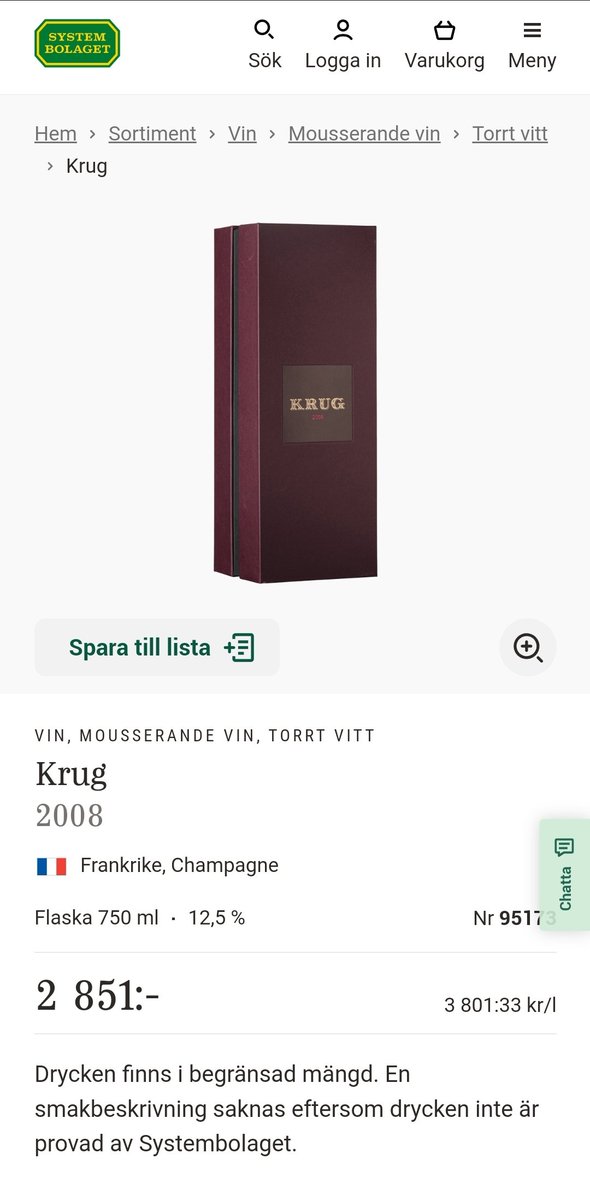
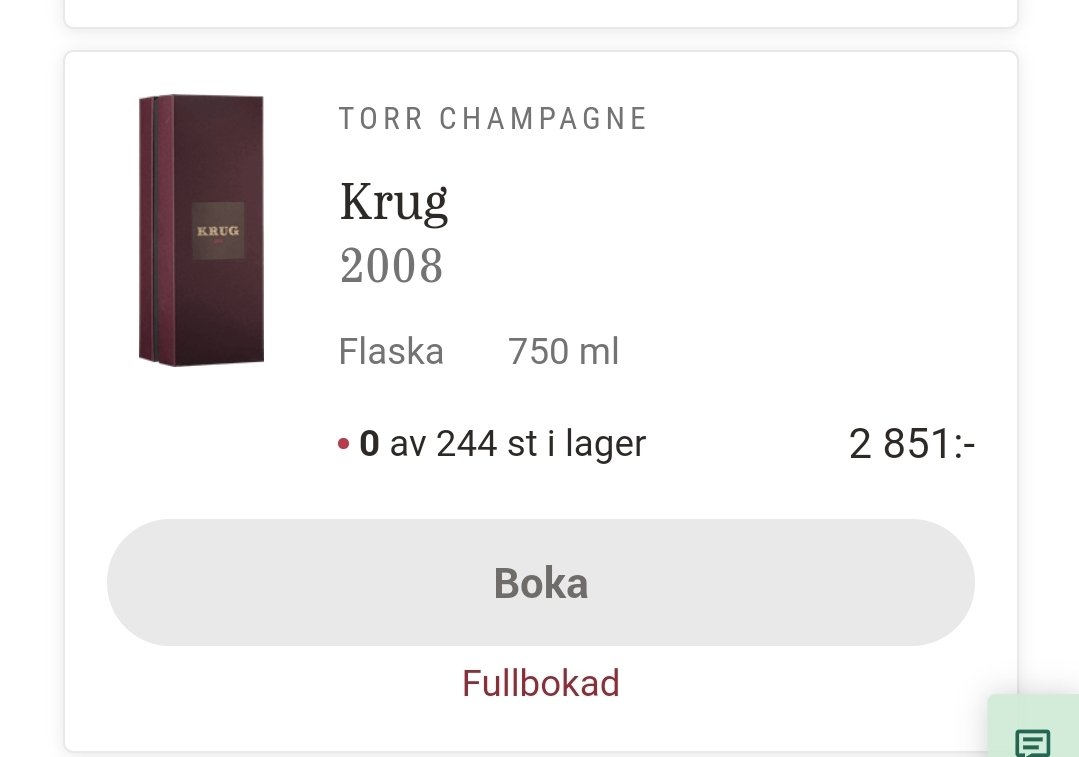
Vad hände med lågkonjunkturen?! Krug 2008 släpptes kl 10.00 idag. 2.851 kr för en flaska. Slut inom några minuter.
Svenska
@JosephKluda @dbennett005 @red_right_88_ @vincent_pp4806 5 year old would still not understand this.
English
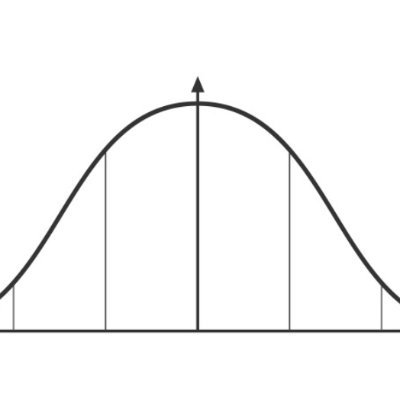
@dbennett005 @red_right_88_ @vincent_pp4806 Simple terms....as the price declines, people/MMs that sold puts which are becoming ITM are forced to sell short the stock to minimize losses and hedge risk. This creates a positive feedback loop that causes the price to decline even further. Works in both directions...
English


Svenska




Kliar sjukt i ändan. Vill se. Jobbtoan har stor spegel. Knäpper upp, ställer mig bredbent och lutar mig framåt med huvudet mellan benen. Låset lyser grönt. Dörrvredet trycks hastigt nedåt.
Trevlig helg på er
Svenska

@Lou_Mannheim Från ett förhör med en skolskjutare i USA. Videon handlar om hur "criminally insane" kan se ut men just denna spelar så bara in i bomben.
youtu.be/Mwt35SEeR9w

YouTube
Svenska


tacksamt retweetledi

TIN Fonders AGM 2022 ✔️
Finns att se i efterhand här:
youtu.be/OS1-5iUox_4
Jag tog även med mig 5 mössor hem, vill ni ha en? Follow or RT så väljer jag ut fem som får de på posten 📩

YouTube

Svenska
@Share_Leaks Riedel veritas hela serie är perfekt, olika glas för olika druvor samt att deras tulip bubbel glas är riktigt snygga.
Svenska