

Tapasya Datta
36 posts

Excited to see our research featured by UCD News Service. The full story is published across two PNAS articles, highlighting our work on plant–pathogen interactions and gray mold biology. 🌱
UCDavis News Service@UCDavisNews
The Fungus That Spoils Nearly Everything: Researchers Discover the Secret Behind Gray Mold’s Unstoppable Spread @UCDavisPlants ucdavis.edu/food/news/fung…
English

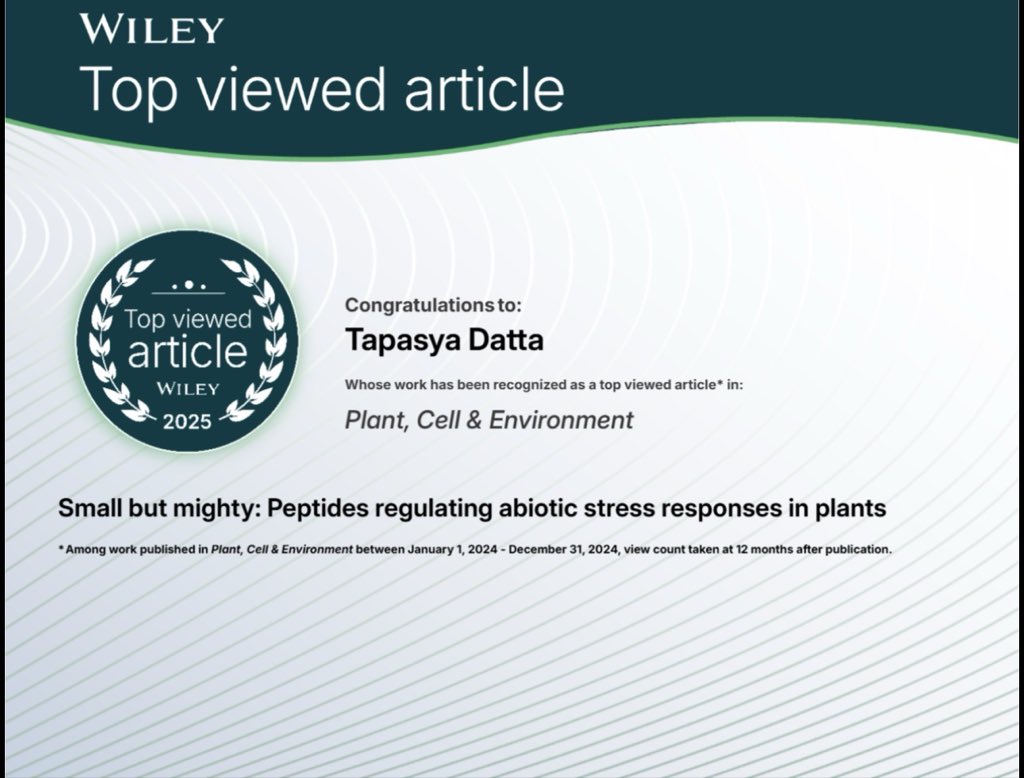
My review article on small peptides, has been listed among the top 10% of most-viewed papers published by the journal in 2024 in Plant, Cell & Environment. Thanks to Prabodh Sir 🙏🙏@PrabodhTrivedi, for having shown me the way all through. Feeling extremely blessed. 😇😇
English
Tapasya Datta retweetledi

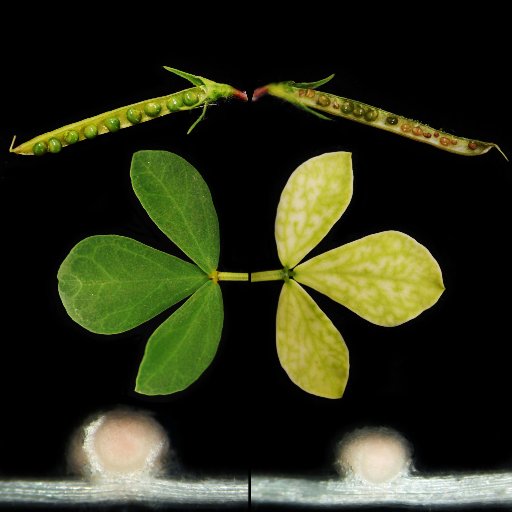
One highlight from our review: peptide signals can be copied or rerouted to redirect plant responses. 🌱
Bacteria, fungi and nematodes tap into phytocytokine pathways via mimics or altered release - steering infection, colonization and symbiosis.
Review:
doi.org/10.1111/tpj.70…
English
Tapasya Datta retweetledi

Streptomyces enrichment in roots during drought is uncoupled from plant benefit and is driven by host suppression of iron uptake and immunity: Cell cell.com/cell/fulltext/…
English
Tapasya Datta retweetledi
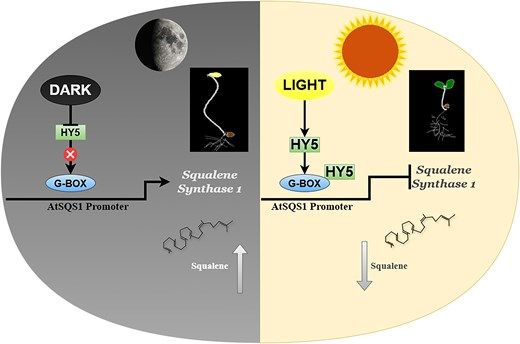
Regulation of squalene biosynthesis and plant development by ELONGATED HYPOCOTYL 5 in response to light in Arabidopsis thaliana (Pranshu Kumar Pathak et al) doi.org/10.1093/plphys… @PranshuKumarPa2 @ShrutiT45271552 @Aruba_24 @Gurpreett511 @PrabodhTrivedi @prabodhslab @ASPB
English
Tapasya Datta retweetledi


Delighted to join the Advisory Board of @NewPhyt. Grateful for the invitation and opportunity to contribute to one of the world’s leading plant science journals. Looking forward to supporting its legacy of scientific excellence. @prabodhslab @CSIRCIMAP @CSIR_IND
English
Tapasya Datta retweetledi

Congratulations to Dr. Prabodh Kumar Trivedi on assuming the charge of Director at CSIR-Central Institute of Medicinal and Aromatic Plants (CIMAP), Lucknow, w.e.f. 07.05.2026. A Fellow of all four premier science academies in India (INSA, IAS, NASI, and NAAS), Dr. Trivedi brings decades of expertise in plant molecular biology to drive the institute toward new frontiers of innovation.
@PrabodhTrivedi @DrNKalaiselvi @CSIR_IND @DrJitendraSingh

English
English
English
Preprint! How BBX regulates anthocyanin biosynthesis at transcriptional and epigenetic levels
@Ashutos70840656 @ChhatwalHimani @Jogindra_95
bioRxiv Plant Bio@biorxiv_plants
A MaBBX21-MaGCN5 Histone Acetyltransferase Module Regulates Flavonoid Biosynthesis to Improve Heat and UV B Stress Tolerance in ... biorxiv.org/content/10.648… #biorxiv_plants
English
@Akanksha_CIMAP @DeepaNikky @PlantCellEnvir @PrabodhTrivedi @DrNKalaiselvi @CSIR_IND Congratulations Maam and the entire team 💐💐
English

Plants + microbes = magic! ✨🌱 Congrats @DeepaNikky on the @PlantCellEnvir paper showing how endophytes supercharge photosynthesis with lipid reprogramming. @PrabodhTrivedi @DrNKalaiselvi @CSIR_IND
CSIR-CIMAP@CSIRCIMAP
Congratulations Dr.Akanksha Singh & team for research paper entitled"Endophytic Pseudomonas oryzihabitans CB24 boosts photosynthesis through monogalactosyldiacylglycerol driven lipid reprogramming published in @PlantCellEnvir @CSIR_IND @PrabodhTrivedi doi.org/10.1111/pce.70…
English
Français

Integrative Plant AdaptOmics Lab Dr. Gaurav Zinta@PlantAdaptOme
Exciting News! Lab PostDoc (CSIR-RA) Dr. Avriti Ranjan @Avr86118555 will deliver a talk at the Keystone Symposia on Plant Epigenetics & Epigenome Engineering, USA, on how heat signaling pathways & epigenetic machinery intertwine. Grateful to ANRF-ITS for the travel award !🙏
English
@AnweshaAnyatama @PrabodhTrivedi @AshishS96324887 @CSIRCIMAP Heartiest Congratulations to all the authors💐💐
English

Extremely happy to share my first-author publication in BBRC @elsebiomedchem
Our study uncovers light-responsive TFs HY5 and PIF3 negatively regulate MYB3 expression. I am grateful to my supervisor @PrabodhTrivedi sir for his guidance and my co-author @AshishS96324887 @CSIRCIMAP
Prabodh Trivedi@PrabodhTrivedi
Congrats @AnweshaAnyatama & @AshishS96324887 from @prabodhslab for publication in BBRC @elsbiomedchem. A light-responsive transcriptional network involving HY5 and PIF3 negatively regulates MYB3 Expression. @CSIRCIMAP @AcSIR_India @CSIR_IND sciencedirect.com/science/articl…
English
@SamarSi13111240 @AshutoshNIPGR @plant_met_engg Many congratulations to you Samar and to the whole team💐💐
English
Our preprint on how trichome morphogenesis and flavonol biosynthesis controlled by MYB-HDZIP-JAZ module in banana
@AshutoshNIPGR @plant_met_engg
bioRxiv Plant Bio@biorxiv_plants
Coordinated regulation of trichome morphogenesis and flavonoid pathway by a MYB HDZIP JAZ module in banana (Musa sp.) biorxiv.org/content/10.110… #biorxiv_plants
English
@trivedi_ira Heartiest Congratulations on this extensive work👏💐💐
English

I'm excited to share our newly published article, and my first co-author paper in the PNAS!
TCP3 is a substrate of the COP1/SPA ubiquitin ligase to regulate anthocyanin accumulation and flowering time in Arabidopsis 🌿
pnas.org/doi/10.1073/pn…
Congratulations to all the authors!
English
@PrabodhTrivedi @Gurpreett511 @Aruba_24 @prabodhslab @CSIRCIMAP @AcSIR_India @csirnbrilko Congratulations to Sir and the entire team💐💐
English
Congrats @gurpreett511 and @Aruba_24 from @prabodhslab for publication of review article "Transport channels enabling uptake, translocation and detoxification of arsenic in plants" in Plant Physiology and Biochemistry. @CSIRCIMAP @AcSIR_India @csirnbrilko
sciencedirect.com/science/articl…
English
Tapasya Datta retweetledi

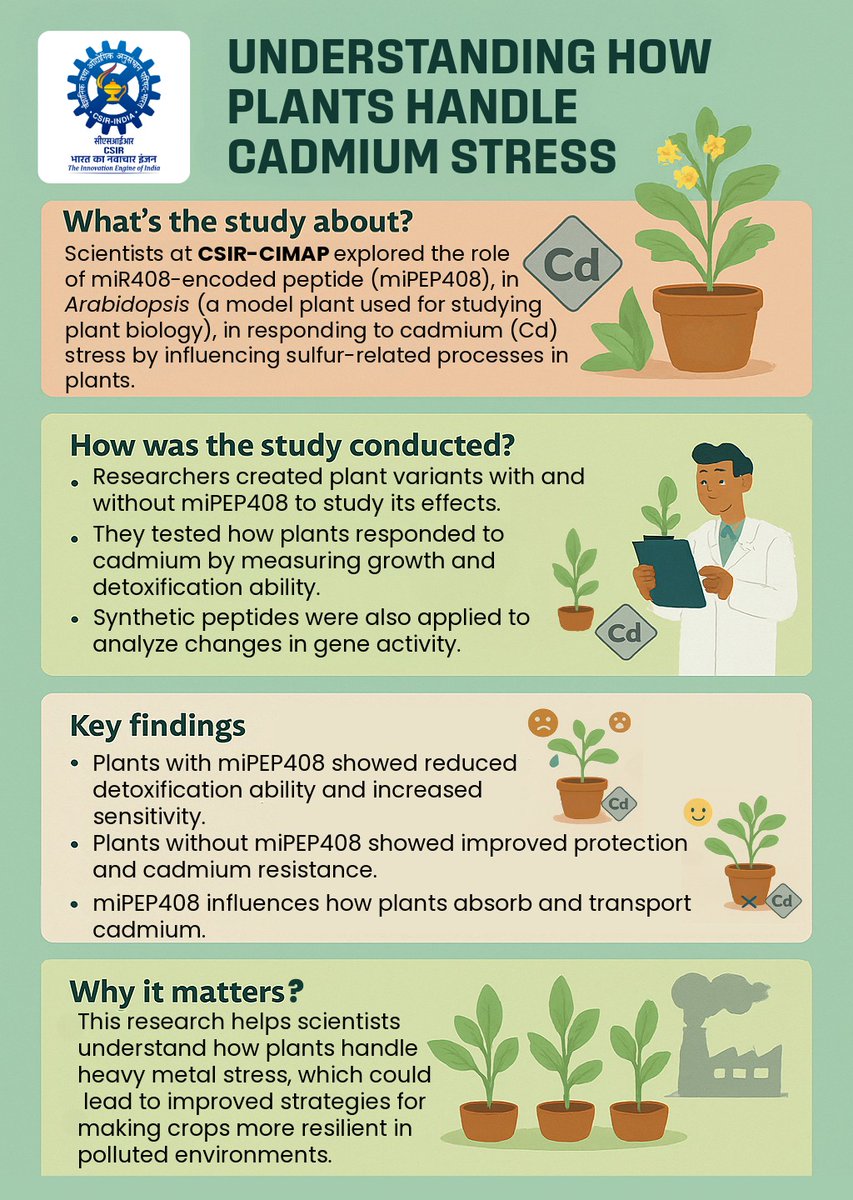
How do #plants cope with heavy metal stress?
@CSIRCIMAP scientists found that removing a small #peptide, miPEP408, helps plants resist toxic #cadmium by boosting detox abilities! This could aid #pollution-resilient #crops.
doi.org/10.1016/j.jhaz…
English
@PrabodhTrivedi @RAVIKUM36255513 @HiteshwariSinha @prabodhslab @HAZMAT_journal @CSIRCIMAP @CSIR_IND @micropep Thankyou so much Sir for you relentless support and guidance that keeps us motivated.🙏🙏
English
Congrats @RAVIKUM36255513 @tapasya_datta @HiteshwariSinha @prabodhslab for publication on role of miR408-encoded peptide (miPEP408) in Cd stress response Nice work through #CRISPR based mutant & OX plants. @HAZMAT_journal @CSIRCIMAP @CSIR_IND @micropep sciencedirect.com/science/articl…
English