Tarun Khajuria retweetledi
Tarun Khajuria
399 posts

Tarun Khajuria
@tarunkhajuria
PhD Student @UniTartuCS. Computational Neuroscience, Vision-Language.
Tartu, Eesti Katılım Ağustos 2009
1.3K Takip Edilen197 Takipçiler
Tarun Khajuria retweetledi

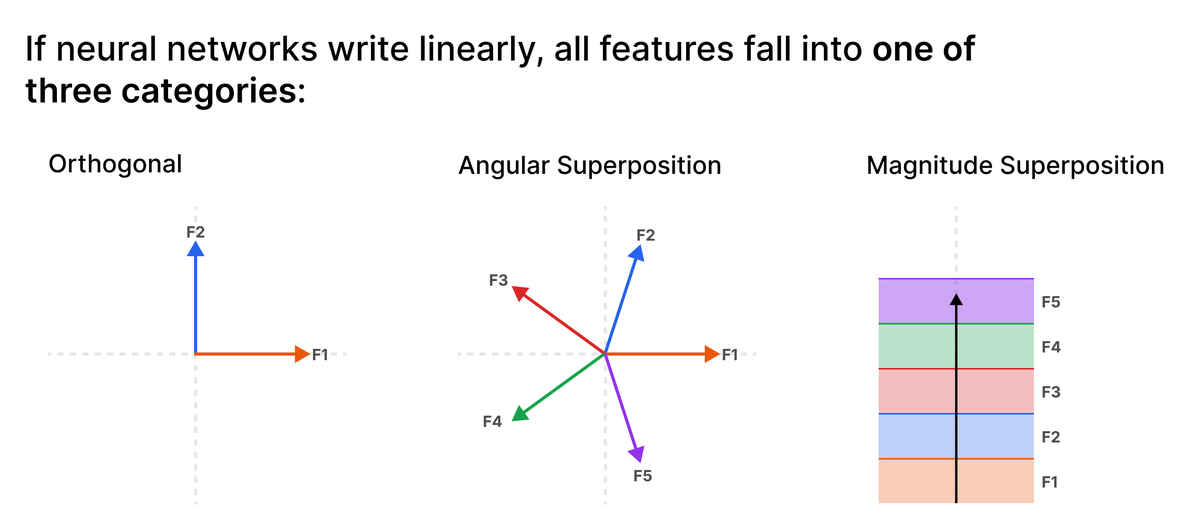
1/ I've been thinking about the "non-linear features" objection to interpretability work. But it can be hard to reason about, since the space of possible non-linear features is so large.
Here's an attempt to untangle it: livgorton.com/non-linear-fea…

English

@gialdegheri @jaaanaru Thank you! The thorough reviews were a great help in improving the paper.
English

@jaaanaru @tarunkhajuria Congrats, I really enjoyed this paper! (full disclosure: I was one of the annoying reviewers 😅)
English
Tarun Khajuria retweetledi

Under challenging conditions, human vision turns into iterative problem solving.
Typical deep learning algorithms don't capture this behavior.
Our paper out now in Plos Computational Biology
Led by @tarunkhajuria
journals.plos.org/ploscompbiol/a…
English
Tarun Khajuria retweetledi

I just pulled the numbers on vision-language benchmarks for Llama-3.2-11B (vision). Surprisingly, the open-source community at large isn't behind in the lightweight model class! Pixtral, Qwen2-VL, Molmo, and InternVL2 all stand strong. OSS AI models have never been stronger.
The last 3 lines are API-only frontier models. Gemini-flash and GPT-4o (likely in heavier-weight class) are still the reigning champions.
But never bet against OSS. Never underestimate the combined firepower of so many talents distributed all over the world.

English
Tarun Khajuria retweetledi

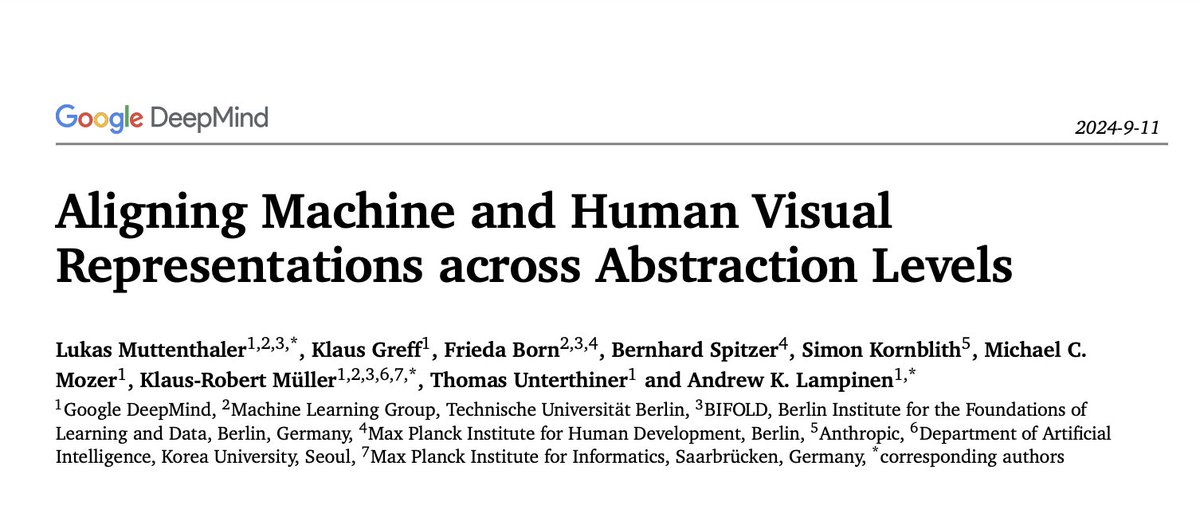
What aspects of human knowledge are vision models missing, and can we align them with human knowledge to improve their performance and robustness on cognitive and ML tasks? Excited to share this new work led by @lukas_mut! 1/10

English
Tarun Khajuria retweetledi

Super excited to finally share what I have been working on at OpenAI!
o1 is a model that thinks before giving the final answer. In my own words, here are the biggest updates to the field of AI (see the blog post for more details):
1. Don’t do chain of thought purely via prompting, train models to do better chain of thought using RL.
2. In the history of deep learning we have always tried to scale training compute, but chain of thought is a form of adaptive compute that can also be scaled at inference time.
3. Results on AIME and GPQA are really strong, but that doesn’t necessarily translate to something that a user can feel. Even as someone working in science, it’s not easy to find the slice of prompts where GPT-4o fails, o1 does well, and I can grade the answer. But when you do find such prompts, o1 feels totally magical. We all need to find harder prompts.
4. AI models chain of thought using human language is great in so many ways. The model does a lot of human-like things, like breaking down tricky steps into simpler ones, recognizing and correcting mistakes, and trying different approaches. Would highly encourage everyone to look at the chain of thought examples in the blog post.
The game has been totally redefined.
OpenAI@OpenAI
We're releasing a preview of OpenAI o1—a new series of AI models designed to spend more time thinking before they respond. These models can reason through complex tasks and solve harder problems than previous models in science, coding, and math. openai.com/index/introduc…
English
Tarun Khajuria retweetledi

Could mimicking psychedelic effects in virtual reality bring along therapeutic effects associated with psychedelics?🤔
In our new work, we developed a psychedelic VR experience - Psyrreal - and showed its potential for reducing depressive symptoms. 1/n
frontiersin.org/articles/10.33…
English
Tarun Khajuria retweetledi

In science we value citations but it is quite refreshing when someone does a video about your work instead. 🙏@tipado
VR experience is not the same as psychedelics but it's worth studying the potential of virtual psychedelics.
psyarxiv.com/uh9kf
youtu.be/Aqxk9SQ41Js?t=…

YouTube
English
Tarun Khajuria retweetledi

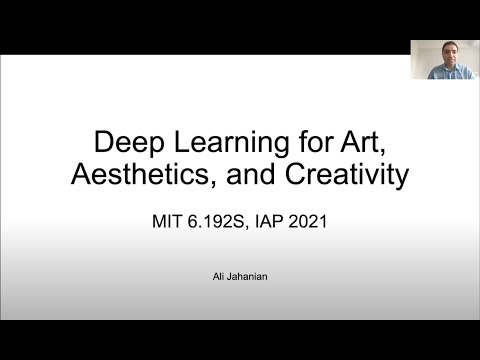
Did you know that MIT offers an entire course on Deep Learning for art and creativity?
Slides and schedule: ali-design.github.io/deepcreativity/
Youtube: youtube.com/watch?v=MABLFo…

YouTube
English
Tarun Khajuria retweetledi

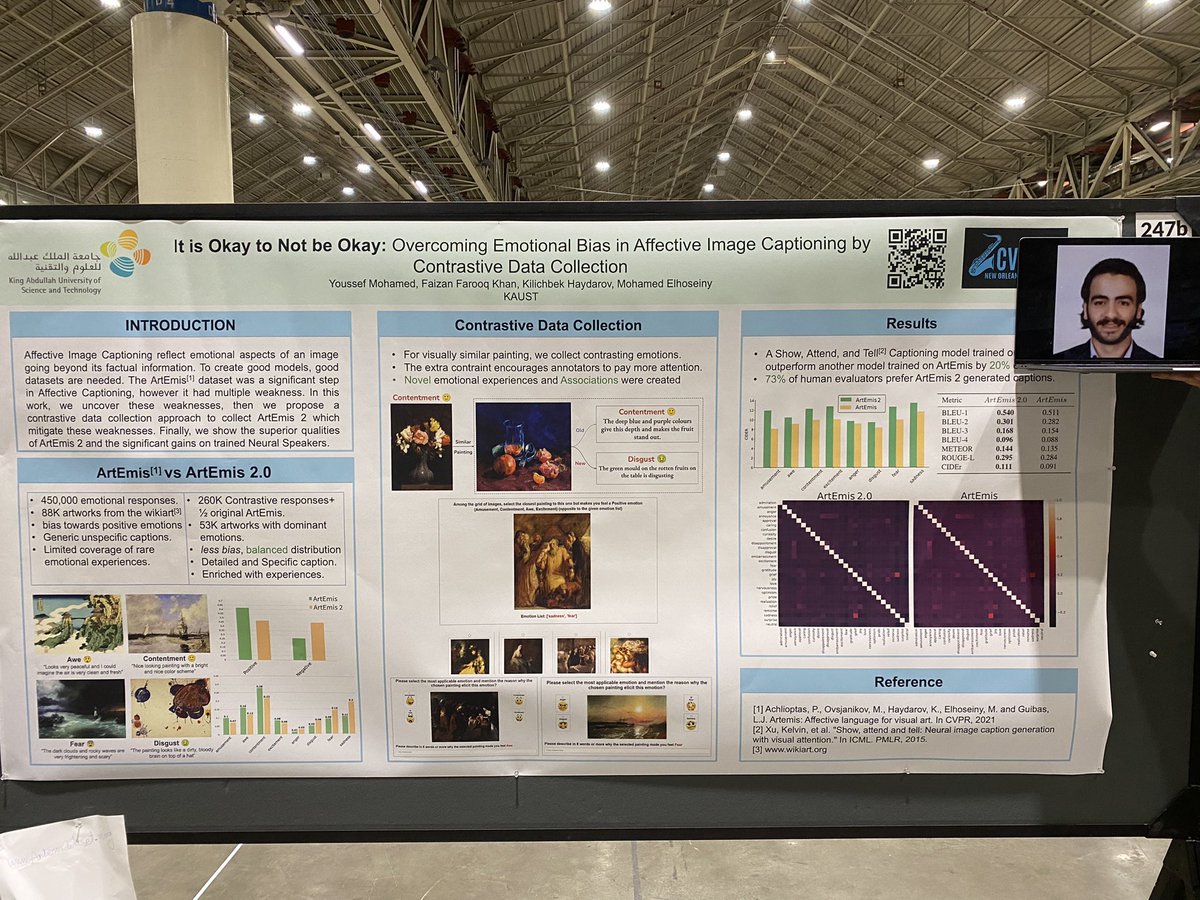
“It is Okay to Not Be Okay (ArtEmis 2.0)”@ CVPR22, congrats Youssef!
artemisdataset-v2.org #cvpr2022

Mohamed Elhoseiny@moElhoseiny
VisualGPT @CVPR , congratulations Jun! (Jun was not able to make it due to visa delay, hope that get better next year). #CVPR22

English
Tarun Khajuria retweetledi

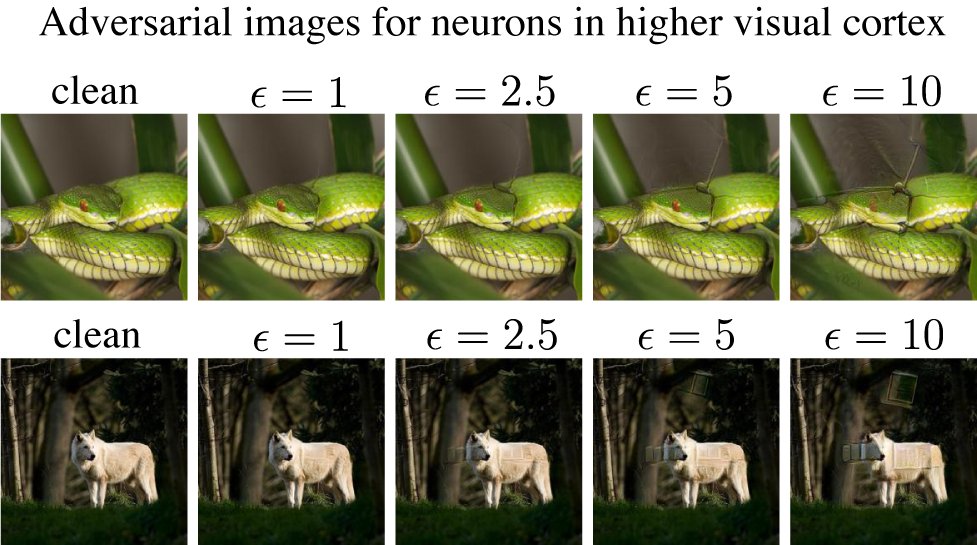
Is it possible that adversarially-trained DNNs are already more robust than the biological neural networks of primate visual cortex? Here is a short thread for our #ICML2022 paper arxiv.org/pdf/2206.11228…. 1/8

English
Tarun Khajuria retweetledi

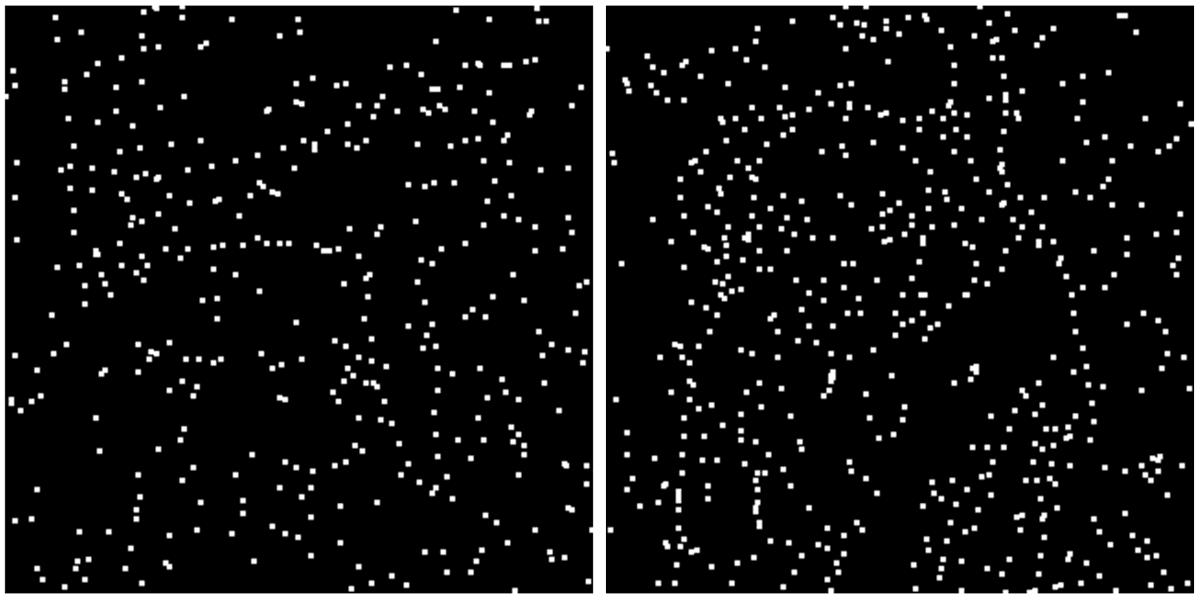
Can you guess what's hidden in these images? How did you arrive at the solution? Can we build AI algorithms that solve it in a similar way?
We developed a new dataset to investigate the iterative generation and refinement of perceptual hypotheses.🧵
openaccess.thecvf.com/content/CVPR20…

English
Tarun Khajuria retweetledi

Please share 🙏
A fully funded Ph.D. position on "Injecting background knowledge for Explainable AI" is available at the University of Tartu. The project revolves around extracting knowledge from text to help interpreting AI models for biomedicine.
reaalteadused.ut.ee/en/content/doc…
English

India avoids condemning #Putin to get weapons for China fight
Read: toi.in/spTrKZ/a24gk
#RussianUkrainianWar

English