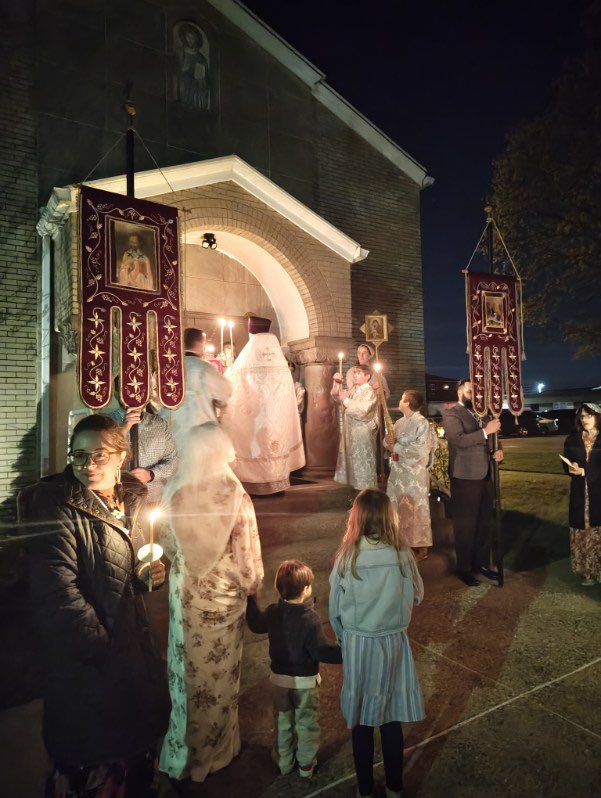
UOJ America is proud to present Pascha Across America (2026). The video — composed of photos and videos sent in by readers — showcases the richness of Orthodox Life in America. In this short video, viewers will see how the many little traditions of parishes across the country weave together into one joyful, united, proclamation of the Resurrection of Christ.
Christ is Risen!
FOLLOW US: linktr.ee/uoj_america
Donate to UOJ: buy.stripe.com/00w3cv7xS40uaX…
This is why the self-conscious “right” can’t make good art. Everything has to be didactic and overt. It’s the same motivation that results in a literal come to Jesus conversion scene in “Christian romance” novels.
@whitesocksclips Catholicism trying to be the American right is the ultimate “we wuzzery”
Catholics made political alliances with leftists in the 20th century to break down the Anglo-Protestant establishment
A Historical Discovery
Saint Silouan appears in a video recording from 1929, when he was 63 years old.
Based on information related to the Princeton expedition of 1929 and the historical context of Saint Panteleimon Monastery, we can outline an image of the presence of two emblematic figures in this rare cinematic material: Abbot Misail and Saint Silouan the Athonite.
This expedition, led by the architect Gordon McCormick, succeeded in capturing on film moments from the daily life of the Russian monastic community, during a period when the monastery stood at a historic crossroads.
Abbot Misail (Shamanin)
Archimandrite Misail, who led the monastery from 1905 to 1940, appears at the center of these official frames, emerging from the trapeza and blessing the monastic community upon exiting the meal. At that time, he was the supreme figure of authority in Russikon, the one who had to manage the monastery after the financial aid from the Russian Tsar ceased abruptly due to the revolution.
- His Pastorship: He was a beloved elder for his balance. Although the monastery was enduring great material shortages, he maintained the strict order of the Divine Liturgy and communal prayer.
- His Relationship with Saint Silouan: Elder Misail was the one who discerned the spiritual depth of Saint Silouan, entrusting him with positions of responsibility, such as that of the monastery's steward, despite Saint Silouan being a very simple man.
Saint Silouan the Athonite
The presence of Saint Silouan in the 1929 filming adds inestimable value to this document. In that year, the saint was approximately 63 years old and was in the fullness of his spiritual maturity.
- The Face of Humility: Saint Silouan can be observed among the monks exiting the trapeza. Though his stature was imposing, his movements and gaze betray that humility about which he often wrote. He did not seek out the camera; his presence on film is purely accidental, part of the flow of monastic life.
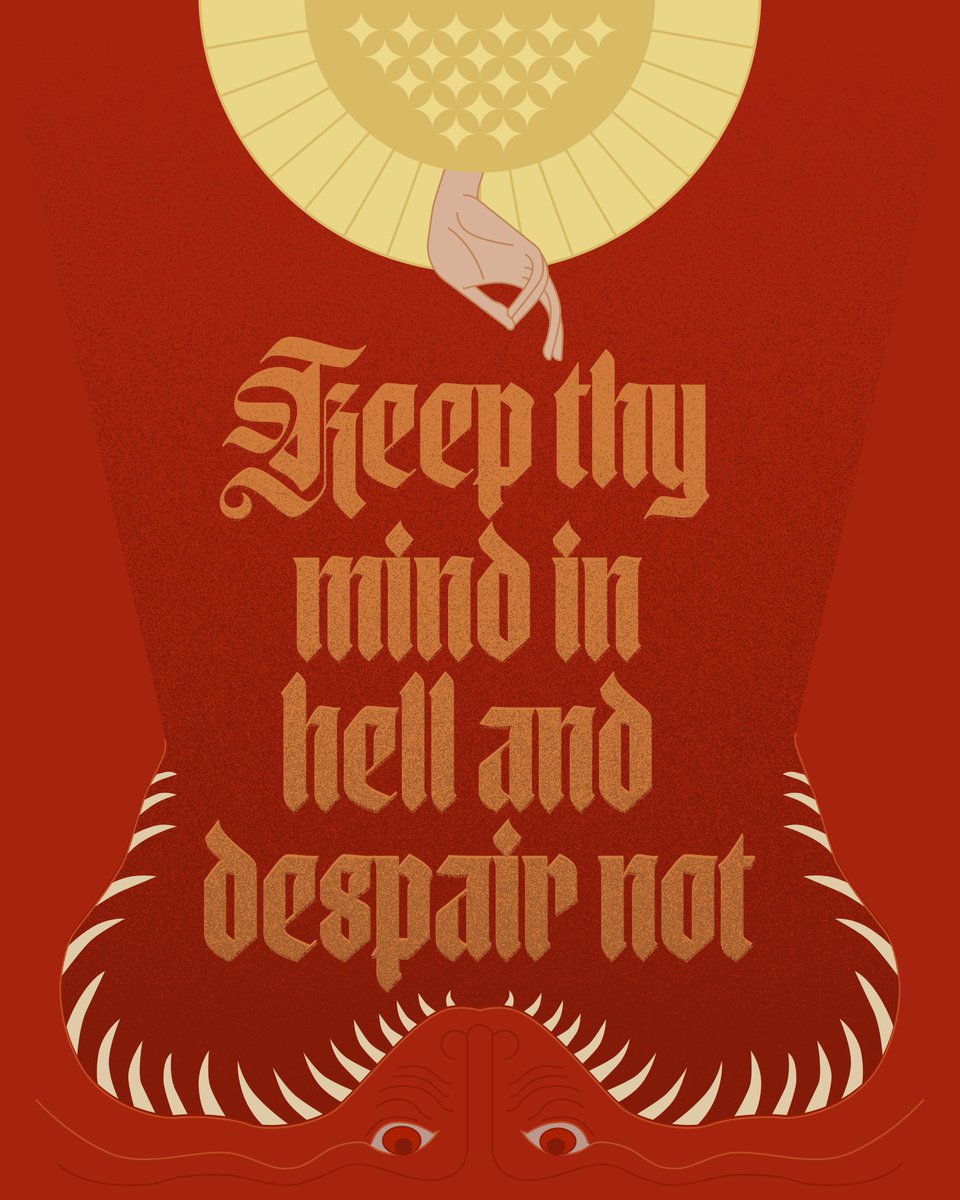
- His Inner Life: At the time of the filming, the saint had already lived for decades in the monastery, having passed through profound mystical experiences. He is the one who received the saving word: “Keep your mind in hell, and do not despair.” In the film, we see a man who carries within him the peace attained through grace, living anonymously among hundreds of other monks.
Archimandrite Misail, at the helm of the monastery from 1905 to 1940, appears in these frames as a pillar of stability. In a period when the monastery was isolated from Bolshevik Russia, he preserved the flame of tradition alive, being the one who offered the blessing and the framework necessary for holiness to flourish in his community. He is the central figure in the processions, bearing with dignity the responsibility of a monastery that at that time sheltered hundreds of souls.
The presence of Saint Silouan in the 1929 footage is a testimony to “ineffable humility.” At the age of 63, the saint was already a seasoned man of prayer, bearing in his soul the word received from Christ: “Keep your mind in hell, and do not despair.” In the film, his face reflects that peace which surpasses all understanding, captured in the simplicity of daily life, lost among the other monks exiting the trapeza after the Divine Liturgy.
The Importance of the “No Woman’s Land” Expedition
The discovery of this film in 2017 at Princeton has allowed researchers to see, for the first time in cinematic format, the atmosphere in which these fathers lived. The film documents not only the grand architecture of Saint Panteleimon Monastery but also the faces of those who were sanctified within its walls. We thus see a contrast between the majesty of the buildings and the simplicity of the monks, led by their abbot Misail and by the one who would become one of the most beloved saints of the 20th century, Silouan.