THE Scribe

3.5K posts

THE Scribe banner
THE Scribe

THE Scribe

@thenascribe

$the Scribe's divine rite is to spread the word of @ThenaFi_ NOT OFFICIAL THENA TEAM REFERRAL: https://t.co/A2fm4AqwI2 ⚡️$THE to $10⚡️m

Olympus Katılım Haziran 2023
2.2K Takip Edilen1.2K Takipçiler
Sabitlenmiş Tweet
THE Scribe
THE Scribe@thenascribe·
(💜,🏛️) THREAD COMPETITION (💜,🏛️) $the Scribe challenges all Thenians to show the CT empire how data proves @thenafi is $the superior and most undervalued DEX token! Win 250 $liveTHE if you are a gladiator who’s up to the challenge.
GIF
English

6
38
135
8.8K
THE Scribe
THE Scribe@thenascribe·
All this f4ggotry from stakes/restaked/looped/bridged worthless tokens makes me realize only investible crypto biz model is DEX.
THE Scribe tweet media
English
0
0
1
64
THE Scribe
THE Scribe@thenascribe·
What’s good fam. Need new coins to back
English
1
0
1
110
THE Scribe
THE Scribe@thenascribe·
$THE to $10
36
19
189
14.2K
THE Scribe retweetledi
Reflexivity Research
Reflexivity Research@reflexivityres·
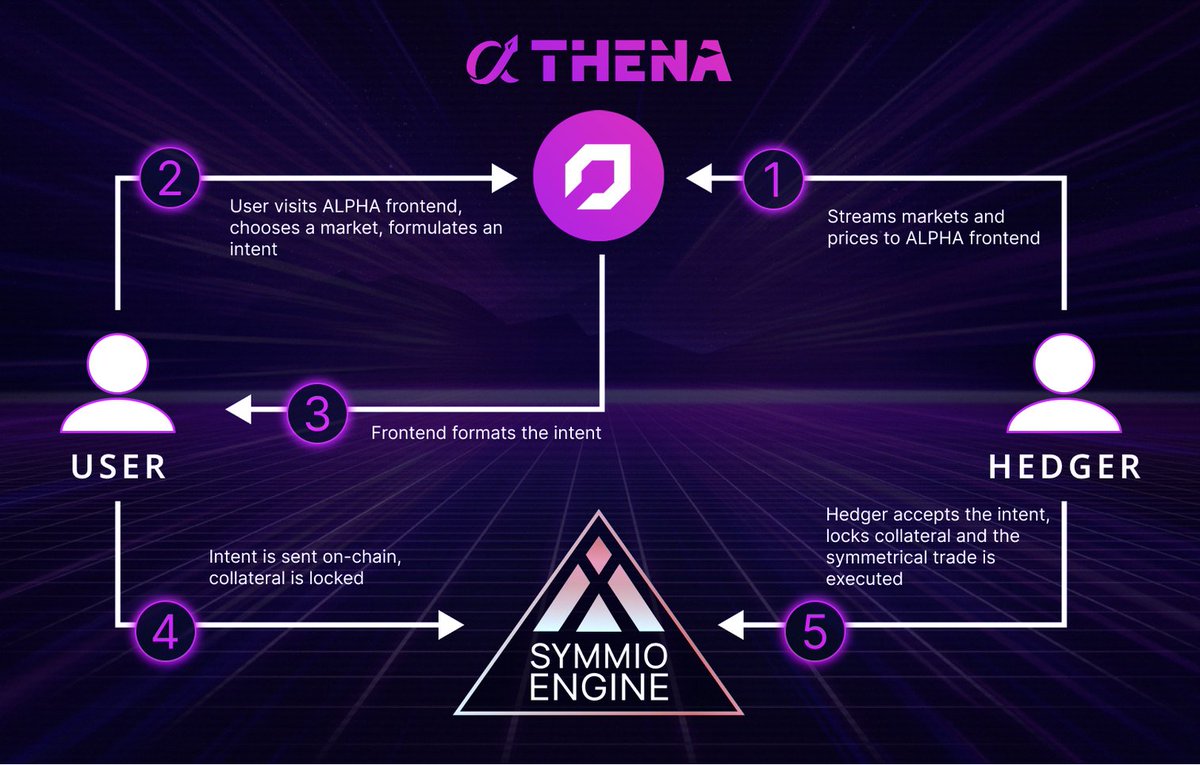
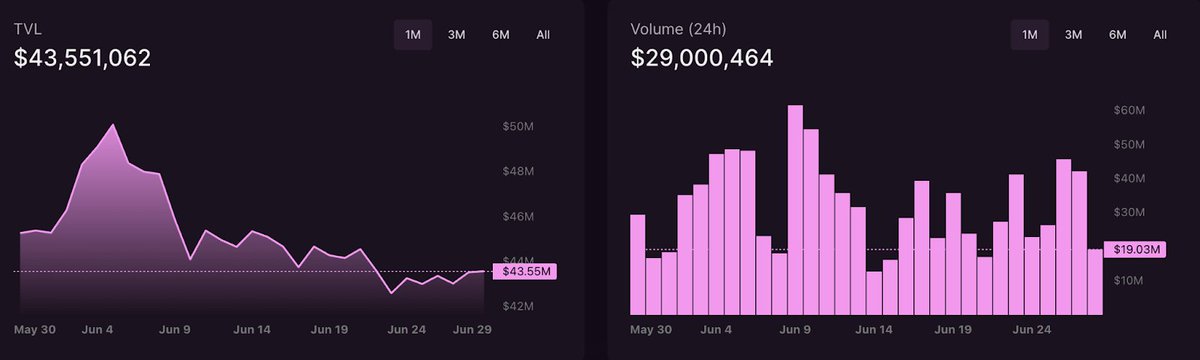
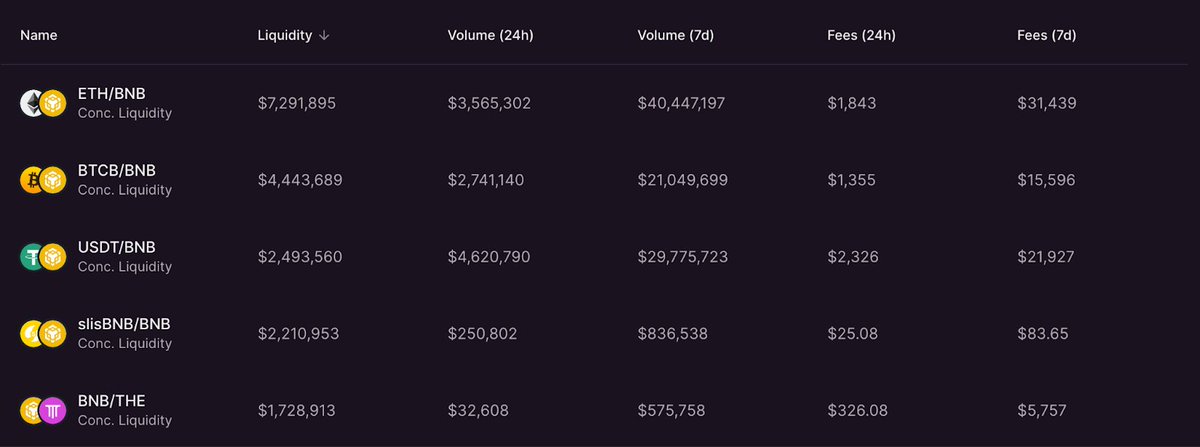
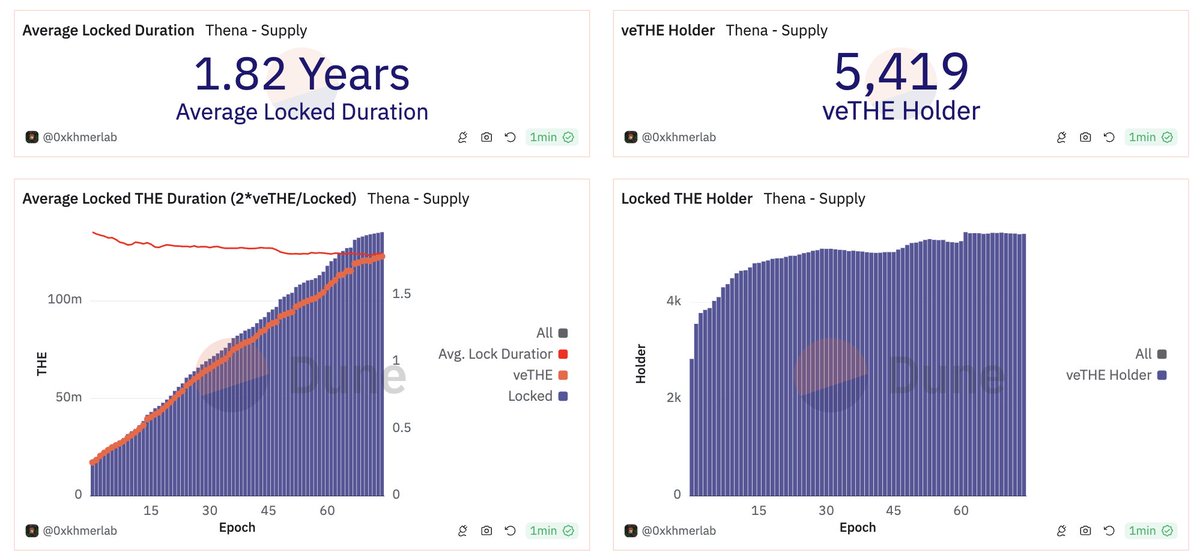
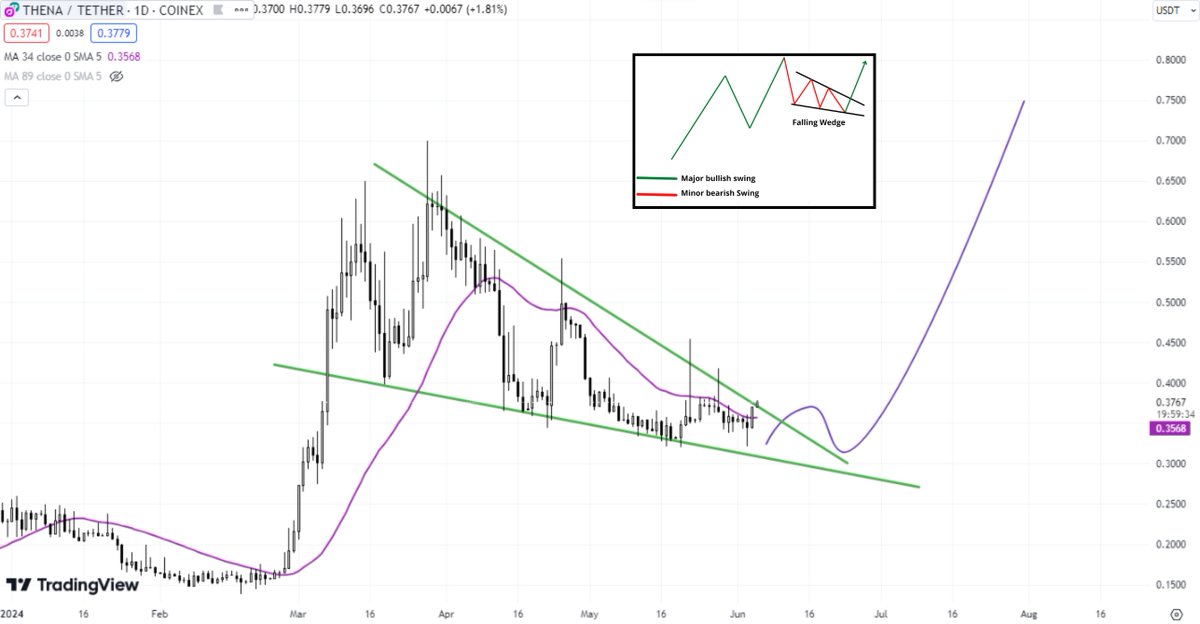
.@thenafi and its ALPHA Derivatives Exchange: THENA is a decentralized finance (DeFi) protocol focused on providing innovative financial products and services within the DeFi industry. As a project built on the Binance Smart Chain (BNB Chain), Thena aims to leverage the advantages of decentralized networks to offer more efficient, transparent, and accessible financial tools for all types of users. THENA has developed the ALPHA Derivatives Exchange (ALPHA), an intent-based decentralized derivatives exchange, which represents a huge step forward for the platform’s product suite and long term ambitions. THENAs core mission is to democratize access to sophisticated financial instruments, making them available to a broader audience beyond traditional financial markets. THENA ensures that transactions are secure, transparent, and immutable. This approach reduces the reliance on intermediaries, lowering costs and increasing the efficiency of financial operations. The creation of ALPHA was driven by the need for a more advanced and user-friendly platform for trading derivatives within the DeFi ecosystem, specifically on BNB Chain. Traditional derivatives markets - while extensive and well-established - often suffer from issues such as a lack of transparency, high fees, and limited accessibility. ALPHA addresses all of this by providing an alternative that operates on the BNB Chain, ensuring lower transaction costs and greater inclusivity. In addition to its low costs and greater accessibility, ALPHA was built with the help of IntentX, Orbs, and SYMMIO to bring the best possible experience on-chain without the barriers of traditional, centralized exchanges. ALPHA functions as an intent-based decentralized exchange, meaning it allows users to specify their trading intentions and preferences, which are then matched by the platform's underlying code. This approach enhances the trading experience by ensuring that users can always execute trades according to their specific needs and strategies. Crypto is a volatile market to trade, and it’s not always easy to express your desire for a preferred outcome on-chain. Issues like low liquidity, problems with slippage, or a poor user interface might lead to a trade not going your way. ALPHA’s intent-based model also improves liquidity and reduces slippage, making it an attractive option for both retail and institutional investors. One of the key features of ALPHA is its ability to offer a highly performant system of perpetual contracts. These products enable users to hedge their positions, speculate on market movements, and manage risk more effectively. By providing access to such sophisticated financial instruments, ALPHA empowers users to implement more complex trading strategies easier than ever before. A closer look at ALPHA The ALPHA Derivatives Exchange operates as a cutting-edge "Intent-Based" perpetual DEX, offering users the ability to trade with up to 60x leverage across more than 150 different crypto assets. This innovative model is powered by SYMMIO and hosted by Thena, as it connects DeFi users to third parties known as "Hedgers" who provide liquidity in a trustless manner. The architecture of ALPHA draws inspiration from the popular Request for Quote (RFQ) model, where Hedgers automatically fill perpetual intents from DeFi users, facilitating the creation of on-chain, permissionless derivatives. At the core of ALPHA's infrastructure is the first Automated Market For Quotes (AMFQ) engine, which seamlessly combines the strengths of traditional order books and automated market makers (AMMs). This integration offers unmatched capital efficiency for both end-users and professional market makers, with the benefit of SYMMIO’s clearing and settlement layer capabilities. The intent-based model ensures that each position's counterparty risk is isolated through symmetrical on-chain agreements, with collateral locked into each party’s cross-margin account. This setup makes the system fully trustless, as the gains of one party directly mirror the losses of the other. The assets traded on ALPHA are on-chain perpetual contracts, a specific type of bilateral contract that does not have an expiration date. When a position is closed, a cash-settlement payment is exchanged between the holders of the long and short sides of the contract. This payment equals the difference between the underlying asset's price at the opening and closing of the trade, adjusted for the leverage agreed upon by both parties. This perpetual nature allows users to maintain their positions indefinitely, provided they meet the collateral requirements. Collateral management in ALPHA is handled through a cross-margin account system. Users must deposit collateral, typically USDT, to send and accept trading intents and ensure the solvency of their derivative contracts. Unlike traditional order book-based DEXs, cross-margin accounts in ALPHA offer improved liquidity, financial flexibility, and reduced margin requirements, thereby minimizing the risk of unnecessary liquidation. This unique approach allows ALPHA to act as the first decentralized and trustless clearing house on BNB Chain. In traditional trading, margin refers to the amount of money borrowed from a broker to purchase a financial instrument. In ALPHA, because trades are executed with leverage, the unrealized gains of one party can quickly exceed the amount deposited as collateral in their account. This situation effectively creates an ongoing loan from the other party's margin account. ALPHA's cross-margin system aggregates a user's position margins to offset positive and negative unrealized gains, enhancing capital efficiency and improving the overall trading experience. Funding rates in ALPHA are periodic payments exchanged between traders holding perpetual contract positions. These rates account for price discrepancies between perpetual contract prices and the spot price of the underlying cryptocurrency, as perpetual futures contracts have no expiration date. When the funding rate is negative, traders with short positions compensate those with long positions, and vice versa when the rate is positive. This mechanism helps maintain price stability and balance in the market, particularly in volatile conditions. Hedgers on ALPHA may hedge themselves on third-party entities like centralized exchanges (CEXs), which might charge them funding rates. Such funding rate mechanisms are planned for future implementation in ALPHA. Intents on ALPHA ALPHA’s integration with IntentX is pivotal in enhancing the user experience through a sophisticated Stop Loss/Take Profit (SL/TP) solution. This proprietary solution ensures that orders are triggered at specified price points with minimal delay and no gas cost, optimizing the execution of medium and long-term strategies. By leveraging IntentX's technology, ALPHA provides traders with more precise control over their trading positions, reducing the risks associated with market volatility. The integration of SYMMIO’s core contracts within ALPHA’s infrastructure plays a crucial role in maintaining the platform's reliability and efficiency. SYMMIO’s technology underpins the intent-based model, ensuring that liquidity is provided in a trustless manner. This collaboration enables ALPHA to offer a seamless trading experience where orders are matched and executed efficiently, aligning with the platform's goal of maximizing capital efficiency and minimizing slippage. The combination of IntentX’s SL/TP solution and SYMMIO’s core contracts enables ALPHA to support sophisticated trading strategies. Traders can benefit from automated order execution that adheres to their predefined conditions, ensuring that their trading intentions are met even in volatile market conditions. This integration not only improves the overall user experience but also attracts more sophisticated traders to the platform. ALPHA’s integration with these advanced technologies ensures that the platform remains efficient and scalable. The use of IntentX and SYMMIO’s technologies allows ALPHA to handle a high number of transactions per second, making it suitable for both retail and institutional traders. ALPHA’s current system is optimized for medium and long-term strategies, with plans for future enhancements. The ongoing collaboration with IntentX and SYMMIO aims to refine the SL/TP solution and improve the overall trading experience. Future updates are expected to include optimizations for short-term strategies and additional features that will make the platform even more competitive in the DeFi space. ALPHA in Comparison to Competitors Thena’s ALPHA derivatives exchange, Perpetual Protocol’s virtual Automated Market Maker (vAMM), Zeta’s Central Limit Order Book (CLOB), ApolloX’s unique AMM, and KiloEX’s perpetual exchange represent some distinct approaches to decentralized trading. Each system offers unique features and mechanisms, catering to different needs within the DeFi ecosystem. This section will provide a comparative analysis of ALPHA’s architecture against some of these close competitors, emphasizing capital efficiency, decentralization, leverage, liquidity depth, risk management, and other aspects critical to the user’s trading experience. ALPHA’s architecture excels in capital efficiency and liquidity depth. By utilizing an intent-based model with concentrated liquidity, ALPHA maximizes the productivity of the capital employed in generating fees. ApolloX, a DEX on the BNB Chain, employs a hybrid model combining both AMM and order book mechanisms, which enhances capital efficiency but may not match the depth offered by ALPHA's concentrated liquidity. KiloEx, also on the BNB Chain, uses a similar hybrid model, offering substantial capital efficiency and liquidity depth but can be limited by its reliance on market participation. Both ALPHA and ApolloX emphasize decentralization, operating on the BNB Chain with trustless setups. ALPHA’s intent-based model ensures high decentralization, while ApolloX’s hybrid model leverages decentralized principles but introduces some centralization elements through its order book mechanism. These elements might help the platform scale with user growth or provide features more familiar to the centralized trading experience, but ultimately cut corners around decentralization, one of the most pivotal aspects of on-chain trading. KiloEx, while also being decentralized, introduces a model that blends AMM and order book features, providing a balance of decentralization and order execution efficiency. In terms of leverage, ALPHA offers significant capabilities, utilizing its intent-based architecture to provide high leverage opportunities while maintaining risk management. Users are able to choose exactly how much leverage is needed to tailor a position to their needs. ApolloX provides leverage through its hybrid model, allowing users to trade with substantial leverage but potentially facing liquidity constraints during volatile periods. KiloEx, similar to ApolloX, offers leverage but may encounter limitations in maintaining liquidity during peak trading times. Regarding fee structures, ALPHA offers transparent and straightforward fees, enhancing user trust and platform usability. Its dynamic fee adjustment during high trading volumes and volatility maximizes revenue for veTHE holders. ApolloX, with its hybrid model, offers a balanced fee structure but can vary based on trading activity and liquidity depth. KiloEx presents a similar approach, providing a moderate fee structure that adapts to market conditions but can be complex due to its dual model. In contrast, Perpetual Protocol’s vAMM system offers much lower capital efficiency. While vAMMs provide a novel way to simulate liquidity, they often face challenges in achieving the same depth and capital efficiency as traditional AMMs. Zeta’s CLOB, on the other hand, offers high capital efficiency similar to ALPHA, but its liquidity depth can be moderate, depending on market participation and order flow. Both ALPHA and Perpetual Protocol’s vAMM emphasize decentralization. ALPHA’s intent-based model operates on the BNB Chain, ensuring high decentralization with a trustless setup. Perpetual Protocol’s vAMM also leverages decentralized principles, providing users with significant leverage capabilities. Zeta’s CLOB, while offering high leverage and decentralization, operates with a more traditional order book mechanism, which can introduce some complexities not present in the automated systems of ALPHA and vAMM. ALPHA employs active risk management strategies through its symmetrical on-chain agreements and cross-margin accounts. This setup isolates counterparty risk and ensures solvency through locked collateral. Perpetual Protocol’s vAMM relies on passive risk management, which can be less effective during high volatility periods. Zeta’s CLOB, like ALPHA, uses active risk management but is moderately complex. Perpetual Protocol’s vAMM has a more complex fee structure than ALPHA, which can be high, potentially deterring some users. Zeta’s CLOB, while moderately complex, offers a balanced fee structure but can vary based on the intricacies of order book management. In terms of incentive alignment, ALPHA ensures that incentives between LPs and traders are well-aligned, unlike vAMM, where misalignment can occur, and CLOB, where alignment is more straightforward but less dynamic. This alignment comes in the form of consistent reward flow that incentivizes both sides to participate in ALPHA. Scalability is a strong suit for both ALPHA and Zeta’s CLOB, with high scalability due to efficient architecture and advanced routing technologies. Perpetual Protocol’s vAMM also scales well but can face limitations in maintaining liquidity depth during peak times. ALPHA provides easy and fast integration of long-tail assets, making it an attractive option for diverse trading strategies. Its intent-based model and efficient liquidity management ensure a seamless trading experience. Perpetual Protocol’s vAMM, while innovative, can be risky for long-tail assets due to lower liquidity and higher slippage risks. Zeta’s CLOB offers robust integration but can be slower and more complex, impacting the overall trading experience. THENA and ALPHA’s Performance The recent volatility in the crypto markets has highlighted the effectiveness of THENA’s ve(3,3) tokenomics model, especially when combined with concentrated liquidity. In the competitive landscape of DEXs, THENA stands out as a self-optimizing platform that dynamically adjusts to market conditions. By strategically directing THE emissions to where capital is most productive, Thena has enhanced its revenue share, achieving two consecutive epochs where trading fees generated by the DEX exceeded the value of tokens allocated to liquidity providers (LPs) for those weeks. This level of profitability is attributed to the high capital efficiency of THENA’s Automated Market Maker (AMM) infrastructure and various value retention mechanisms. Pool efficiency - measured by the productivity of the capital employed in generating fees - plays a crucial role. The majority of Thena’s core asset liquidity resides in FUSION pools, powered by Algebra and managed by Gamma Strategies, with additional liquidity managers being onboarded. These measures optimize revenue and mitigate the risk of impermanent loss. Going back to the past month, THENA’s volumes have continued to top well over $40 million each day, despite a minor dip in TVL. THENA’s most popular pairs include ETH/BNB, BTCB/BNB, USDT/BNB, slisBNB/BNB, and BNB/THE, making up a large portion of THENA’s daily and weekly volumes. A comparative analysis against Uniswap, focusing on the concentrated liquidity pools offered on the BNB Chain, reveals THENA’s competitive edge. For pairs like USDT/BNB and BTC/BNB, THENA’s liquidity profile closely mirrors that of Uniswap, with comparable liquidity distribution and depth in terms of TVL. For the BNB/ETH pair, THENA offers a deeper pool, giving it an advantage in capturing larger trades. However, for the TWT/BNB pool, Uniswap maintains deeper liquidity, leading to superior performance in fee generation. This isn’t to say that Uniswap is better or THENA is worse, this is just a simple comparative advantage; just like Uniswap might excel in one category, THENA excels in others, evident through its continued success and innovation. Let’s move forward and examine THENA’s performance through 2024 so far, across both Q1 and Q2. Q1 and Q2 Fee and Bribe Analysis In Q1 2024, trading volumes rose from 736.58 million USD in January to over 1.819 billion USD in February and further to 2.172 billion USD in March, highlighting an escalating user base and trading activity. This growth in volumes was accompanied by a slight rise in TVL, which climbed from 28.64 million USD in January to 32.02 million USD in February and then to 45.55 million USD in March, underscoring THENA's ability to attract and retain liquidity providers. Q1 for THENA saw a gradual reduction of emissions from 1,755,783 in January to 1,575,181 in March, with March also being THENA’s most profitable month with over $653,936 of profit after accounting for costs and fee generation. Revenue generation followed a positive trajectory in Q1, starting at 722,068 USD in January, doubling to 1,646,454 USD in February, and reaching 2,587,619 USD in March. The fees collected mirrored this trend, with January at 557,648 USD, February at 1,222,352 USD, and March peaking at 2,229,117 USD. THENA Profitability Despite these gains, profitability remained a challenge due to high emissions costs, reflected in the negative PnL figures across these months. The profitability of THENA faltered due to these high emissions, which offset organic revenues. with Here is a chart showing THENA's fee generation from its start to where it is currently. You’ll see that despite decreasing incentives, THENA’s ability to produce real revenues has actually grown as the platform has matured and expanded into various other product offerings. However, the fees/TVL ratio showed improvement, indicating enhanced fee efficiency and user engagement, rising from 0.01947 in January to 0.0382 in February and further to 0.0495 in March. The trend of increasing trading volumes and TVL continued into Q2 2024. In April, the trading volume was 1.388 billion USD, which saw a dip in May to 866 million USD, before rebounding to 961.61 million USD in June. TVL figures were also strong, with April recording 41.2 million USD, May 46.74 million USD, and June 44.23 million USD, reinforcing THENA's capability to maintain liquidity. Revenue for Q2 showed some fluctuations, with April at 1,517,953 USD, May slightly lower at 1,466,221 USD, and June at 1,086,919 USD. Corresponding fees were 1,159,006 USD in April, 977,118 USD in May, and 788,563 USD in June. TVL and Volume on THENA While the PnL figures for Q2 remained negative, reflecting ongoing profitability challenges and a shifting protocol strategy, the fees/TVL ratio indicated continued efficiency in fee collection relative to the locked assets, with ratios of 0.0281 in April, 0.021 in May, and 0.0174 in June. This consistency showcases THENA's ability to effectively generate revenue from its TVL. The following chart shows a gradual decrease of bribes given by THENA, indicative of the platform’s shift to higher revenue generation at a lower cost. The protocol’s growth in trading volumes from 736.58 million USD in January to 961.61 million USD in June is particularly noteworthy, signaling its expanding market presence and user adoption. The steady increase in TVL from 28.64 million USD in January to 44.23 million USD in June further emphasizes THENA's success in attracting and retaining liquidity. In conclusion, THENA's performance in the first half of 2024 showcases its substantial growth in trading volumes and TVL, reflecting an expanding user base. While the protocol faces profitability challenges due to high emissions costs, its ability to generate significant fees and maintain fee efficiency is a positive indicator of its potential. As THNA continues to innovate and attract more users, its prospects for achieving profitability and further market penetration appear promising. THENA’s variable fee structure, which adjusts to real-time market conditions, contrasts with Uniswap’s static fee structure, significantly boosting fees during periods of high trading volume and price volatility. The profitability of THENA’s pools over an epoch is defined by the revenue generated relative to the cost of THE emitted to maintain its TVL. Most core pools consistently demonstrate profitability on an epoch-to-epoch basis. Votes and emissions are directed towards pools offering the highest revenue, encompassing fees and voting incentives deposited by partners aiming to build strong liquidity pools. This approach ensures that core pools generate the highest on-chain volume and fees scale along with organic demand, capturing an increasing share of the volumes on BNB Chain. ALPHA’s traction through Q1 and Q2 Value retention within THENA's ecosystem is achieved by organizing it to maintain high profitability. Recognizing that the value of emissions is pivotal for attracting LPs, THENA has devised a system to capitalize generated revenue into THE price. This strategy protects THE token holders, attracts and retains LPs, optimizes swap conditions for end-users, and maximizes revenue generation for veTHE holders. THE, veTHE, and liveTHE statistics Here’s a closer look at veTHE and locking rates across THENA’s user base: ALPHA operates without requiring THE emissions, improving its sustainability and revenue-producing capacities. THENA offers the utility of single asset vault strategies in partnership with ICHI, a trustless market-making protocol, aiming to reduce the volatility of THE and bring more stability to the ecosystem. THENA’s management policy has resulted in a strong locking rate of THE tokens. During the last epoch, the total locking rate reached 78.5%, reflecting the confidence of THENA’s stakeholders in the platform’s future. The epoch Locking Rate ratio, calculated by dividing the total THE tokens locked by the total THE tokens minted during a one-week period, exceeded 100%, indicating that more THE tokens were locked than minted during the epoch. Despite THENA’s strong performance relative to competitors, the protocol continuously seeks areas for improvement. Enhancing the sensitivity of dynamic fees to volatility, optimizing the allocation of emissions, and opening the gauge infrastructure to other Active Liquidity Managers are among the strategies to strengthen efficiency and success. THENA Pools and TVL Changes These innovations ensure that THENA remains aligned at the forefront of DeFi, delivering value to its users and stakeholders, whether this is from providing liquidity or utilizing ALPHA. As you can see from the graphic below, THENAs TVL has been in a steady uptrend since roughly epoch 54, currently sitting just below $50 million: As THENA continues to push new integrations, bolster liquidity on more pairs, and build out its Alpha exchange, users can feel comfortable with the protocol’s performance to-date. Looking at THENA relative to other DEXs like SushiSwap, Trader Joe, Balance, and a few others, they have been quite profitable. TokenTerminal tells us that the 30d revenues of the following protocols come out to this: - THENA: $1.28m - SushiSwap: $208.54k - Trader Joe: $203.6k - Balancer: $517.32k THENA has seen over 2.5x its closest competitor’s 30 day revenue, and over 5x that of the others. THENA’s model has grown and matured significantly, but with the continued success of ALPHA and additional integrations, it seems likely they will continue to push ahead and close the gap between them and their competitors. Another token in the THENA ecosystem is liveTHE,  designed to enhance liquidity and optimize revenue distribution within the THENA ecosystem. LiveTHE serves as a liquid version of veTHE, offering users a dynamic and efficient way to engage with the platform while benefiting from the underlying veTHE position. One of the primary features of liveTHE is its ability to distribute the revenue generated from the veTHE holdings. This is achieved through an optimized voting mechanism that ensures maximum revenue capture. Each week, liveTHE votes are strategically cast to secure the highest possible returns. The revenue generated is then used to buy back THE tokens, which are subsequently swapped for liveTHE. This process not only ensures continuous liquidity but also enhances the overall value of the liveTHE token.
Reflexivity Research tweet mediaReflexivity Research tweet mediaReflexivity Research tweet mediaReflexivity Research tweet media
English
2
16
56
6.7K
THE Scribe retweetledi
0xApollo (💜,🏛️)
0xApollo (💜,🏛️)@0xApolloFi·
THE secret to a happy life is simple. Hold no grudges, have no fear or anger, and smile in the face of obstacles, for they help you grow. You choose the energy you are in. You are the master of your thoughts. Be mindful, for they shape your future. Follow the light, but do not be blinded by it. Let go, and you shall be set free. Have FAITH, as tomorrow is inevitable.
0xApollo (💜,🏛️) tweet media
English
1
9
57
1.2K
THE Scribe retweetledi
Squigs
Squigs@SquigsCat·
Love these @thenafi strategies, but one thing I think ppl often overlook (or don’t know about) is using the veTHE Marionette by @redactedcartel As a power user, I want control of the yield I’m getting from my locked position (aside from simply compounding). I’ve derisked my initial locked position, have used that yield for other opportunities without having to sell or put peg pressure on liveTHE (via liquid driver), and have compounded when it’s made sense. I’ve had good success with marionette and it provides the flexibility I need. You can check out the product and different strategies here 👇 hiddenhand.finance/marionette
👀 MIKKU 👀 (💜,🏛️)@mikku9877

"Success is 20% skills and 80% strategy. You might know how to succeed, but more importantly, what’s your plan to succeed? Let me share mine!" A 🧵 on my strategy on @thenafi .

English
1
4
27
1.5K
THENA
THENA@ThenaFi·
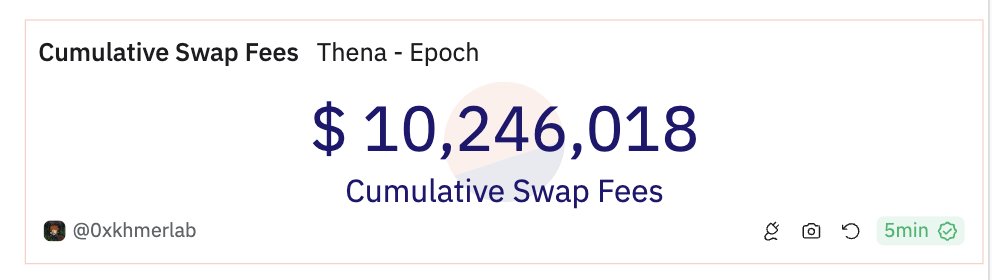
$10 million in trading fees. Nearly double that in total revenue to holders. It's not magic, it's ve(💜,🏛️).
THENA tweet media
English
7
35
159
9.5K
THE Scribe retweetledi
andrew.moh
andrew.moh@andrewmoh·
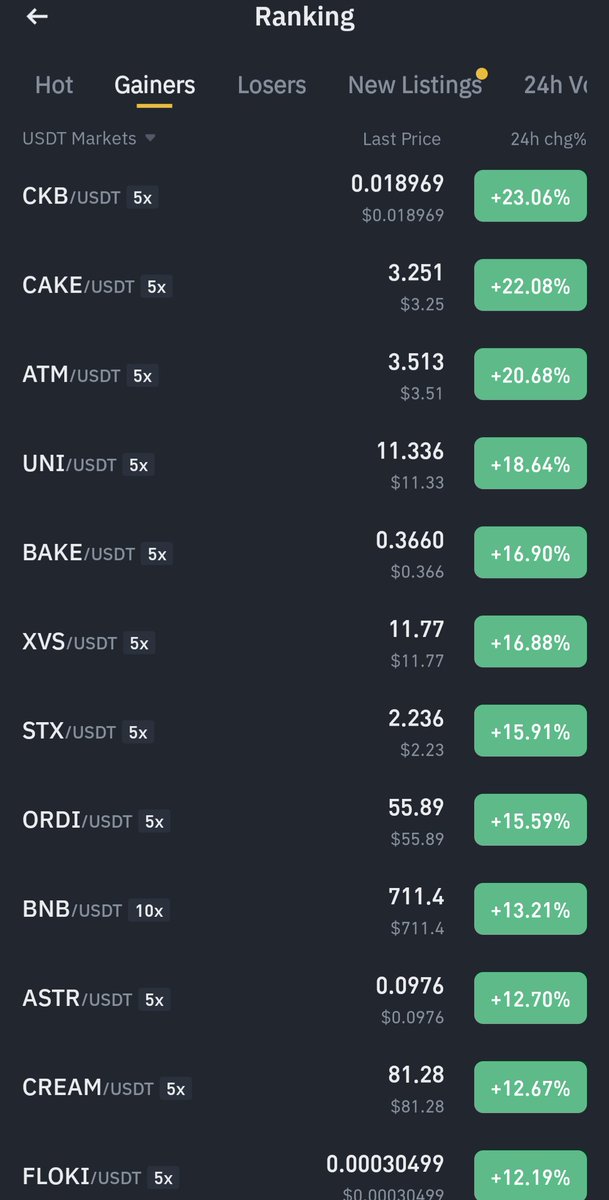
$BNB just hit its ATH at $716. Why I am fking bullish on $THE? ▸Top 1 ve3,3 on BNB Chain ▸Self-sustaining model: 100% revenue to ve holders, >$18m paid last year. ▸ Mcap < $10m with most tokens locked in veNFT. ▸ Arena will be released soon ▸ Revenue, holders, and partners grow steadily. #Binance listing soon?
andrew.moh tweet media
andrew.moh@andrewmoh

$BNB is lower than its ATH just around 4% and I don't see too many CTs talking about it. @BNBChain quietly strengthens its foundation. An ascending triangle hints at the next surge. ▸ Target: $700 - $1000 Chart Credit: @crypto_rand

English
5
3
52
6.9K
THE Scribe retweetledi
MAX LONG
MAX LONG@MaxLongCEO·
$THE bros looking like it’s Time
MAX LONG tweet media
English
5
2
23
1.7K
THE Scribe
THE Scribe@thenascribe·
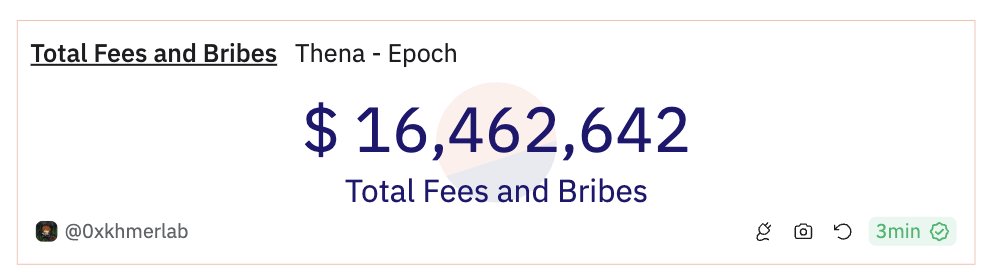
Time to check in on $the best DeFi protocol on @BNBCHAIN 🟣 TVL up bigly just in time for BNB season 🟣 Fees and volume will follow, already >$11b since launch 🟣 veTHE lockers get all of the swap fees and bribes, over $16m in 1.5 years since launch $the most undervalued
THE Scribe tweet mediaTHE Scribe tweet media
English
0
7
41
1.8K
THE Scribe
THE Scribe@thenascribe·
@QuantMeta Thena needs to be added to your list. Most comprehensive DeFi protocol on @BNBCHAIN has already surpassed $15m in locker revenues. $THE to $10
English
2
0
10
984
Metaquant
Metaquant@QuantMeta·
The rapid repricing is in play. If you think about it, BNB is nearing its all-time high, and the BSC ecosystem is still pretty bottomed. Most of these tokens are fully circulating, and barely anyone is talking about any BNB related plays on CT. Why? Because everyone is focused PvPing on Solana or Ethereum.
Metaquant tweet media
Metaquant@QuantMeta

BNB ecosystem is up for a repricing

English
18
7
157
69.6K