Andrew Fazekas

9.5K posts

Andrew Fazekas banner
Andrew Fazekas

Andrew Fazekas

@thenightskyguy

Science columnist with National Geographic, CBC Radio & CTV News. 30+yrs of stargazing experience. Author of Star Trek: The Official Guide to Our Universe

Montreal, Canada Katılım Mayıs 2009
616 Takip Edilen6.1K Takipçiler
Andrew Fazekas retweetledi
William Shatner
William Shatner@WilliamShatner·
To the moon 🌕, Artemis II! God speed and have a wonderful flight! 🚀🙌🏻
English
445
3.1K
38.3K
424.6K
Andrew Fazekas
Andrew Fazekas@thenightskyguy·
If you’ve been looking up at the evening sky lately, you’ve definitely seen Jupiter. It glows brilliantly right next to Castor and Pollux, the "Twin Stars" of Gemini constellation high in the south early evening..
Andrew Fazekas tweet media
English
0
1
2
107
Andrew Fazekas retweetledi
Alan Dyer
Alan Dyer@amazingskyguy·
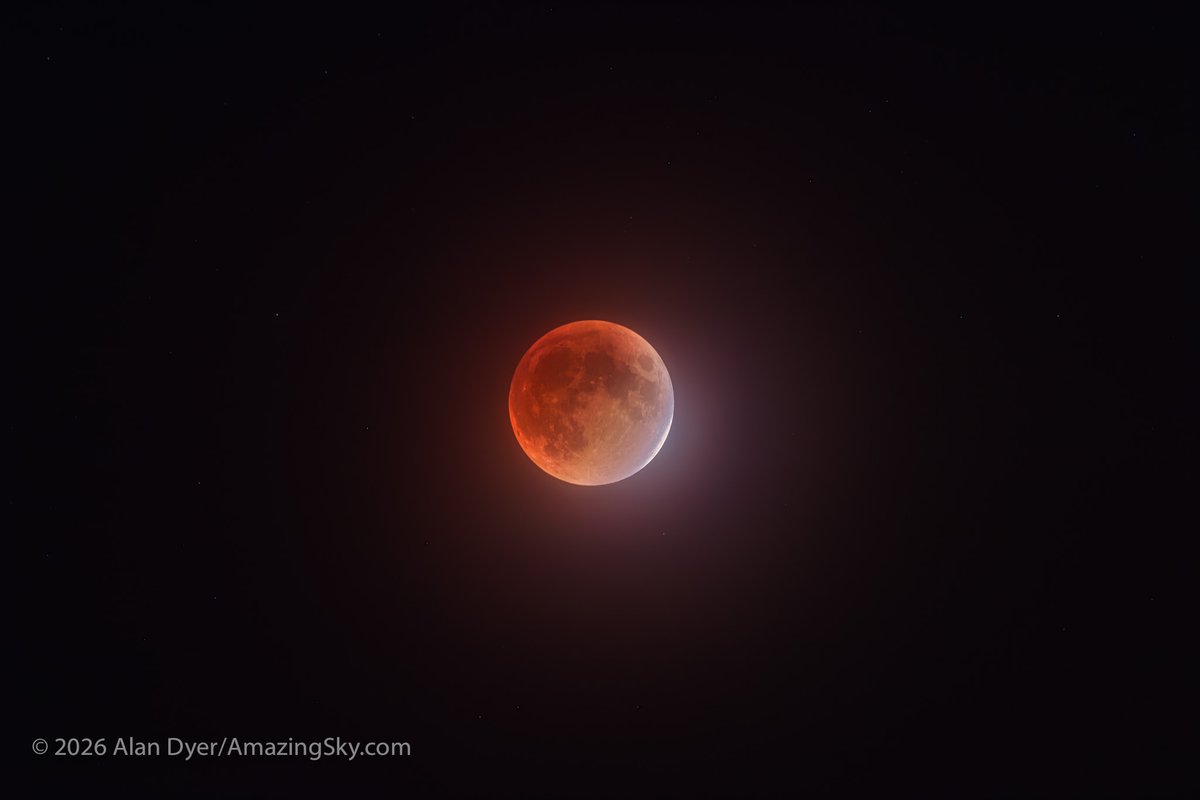
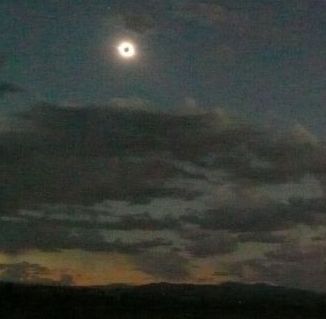
Two views of the total eclipse of the Moon in the early morning at 4:04 am MST March 3, 2026, with a selfie with the gear taking the close-up image through the telescope as totality began. And clouds rolled in! This was from home in southern Alberta. Details in Alt Text.
Alan Dyer tweet mediaAlan Dyer tweet media
English
4
15
111
1.8K
Andrew Fazekas retweetledi
SkySafari
SkySafari@skysafariastro·
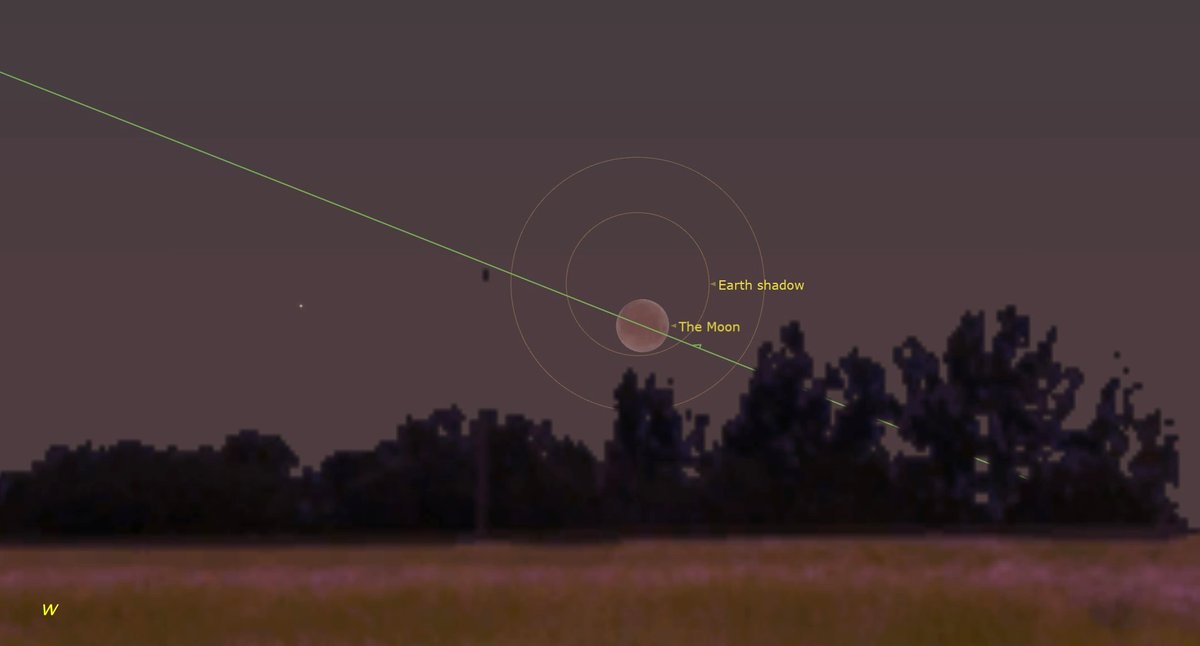
Full Crow Moon and Total Lunar Eclipse In the Americas, the moon will formally reach its full phase on Tuesday morning, March 3 at 7:38 a.m. EST, 4:38 a.m. PST, or 11:38 UT. At a glance the moon will appear to be full on both Monday and Tuesday night. The March full moon, known as the Worm Moon, Crow Moon, Sap Moon or Lenten Moon, always shines in or near the stars of Leo or Virgo. This full moon will pass through Earth’s umbral shadow, producing a total lunar eclipse visible across western North America, the Pacific Ocean, New Zealand, eastern Australasia, Japan, and most of Russia. For South America and eastern North America, the moon will set on Tuesday morning while the eclipse in underway. In most of Asia the eclipse will have begun when the moon rises on Tuesday evening. For North America the left-hand (western) rim of the full moon will be very slightly darkened when it starts its trip through the weaker outer penumbral shadow at 2:44 a.m. CST (or 08:44 UT). The first “bite” out the moon will appear when that edge contacts the central umbra at 3:49 a.m. CST (or 09:49 UT). The moon will fully darken into a reddened, so-called “Blood Moon” between 5:04 a.m. and 6:04 a.m. CST (11:04 to 12:03 UT). Because the moon’s path will carry it well south of the center of the umbra, the upper portion of the moon will be noticeably darker than the lower portion during maximum eclipse at 5:35 a.m. CST (or 11:35 UT). The moon will move clear of the Earth’s umbral shadow at the final “bite” time of at 7:17 a.m. CST (13:17 UT).
SkySafari tweet media
English
0
4
11
515
Andrew Fazekas retweetledi
Peter Anthony Holder
Peter Anthony Holder@PAHolder·
I noticed that Premium X is now 50% off . . . please contact me when the other 50% is off!
English
0
1
5
186
Andrew Fazekas
Andrew Fazekas@thenightskyguy·
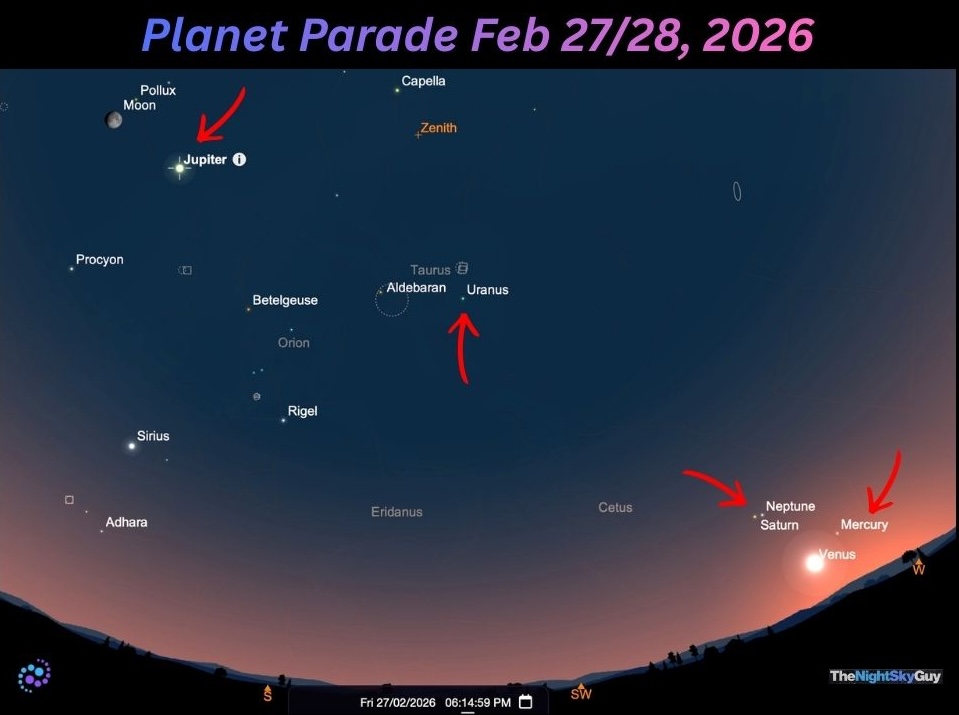
@skysafariastro @nightskynetwork @rasc How many can you catch? 2 is easy (Jupiter + Venus) 4 is a solid win (add Saturn + Mercury) 5 is brag-worthy (add Uranus) 6 is “planet parade champion” territory (Neptune)
English
0
0
0
69
Andrew Fazekas
Andrew Fazekas@thenightskyguy·
Six-Planet Parade: How many can you spot before they set? Last couple of days of February brings a fun challenge: Mercury, Venus, Jupiter, Saturn, Uranus & Neptune can all be above the horizon at the same time, with Feb 28, 2026 often billed as the “best” night.
Andrew Fazekas tweet media
English
7
1
3
157
Andrew Fazekas
Andrew Fazekas@thenightskyguy·
@skysafariastro @nightskynetwork @rasc 4) Neptune = advanced level Neptune sits low near Saturn and always needs a telescope. Because it’s so close to the sunset zone, this is one I’d call optional for most beginners. If you attempt it, do it only after full sunset with extreme care.
English
0
0
0
40
Andrew Fazekas
Andrew Fazekas@thenightskyguy·
@skysafariastro @nightskynetwork @rasc 3. Now the hard part: the western horizon trio Low in the west just after sunset you’ll be hunting: Venus (brightest beacon, use it as your anchor) Saturn (faint-ish, low, easily lost in twilight) Mercury (tricky, and by late month it’s farther from the Sun but also dimmer)
English
1
0
1
41
Andrew Fazekas
Andrew Fazekas@thenightskyguy·
@skysafariastro @nightskynetwork @rasc Step-by-step plan 1) Find Jupiter first (confidence booster!) Jupiter is the “no-brainer” — bright, and high in the eastern/southeastern sky after sunset, near Castor & Pollux in Gemini (and not far from Orion). If you only find ONE planet tonight… it’ll be Jupiter.
English
0
1
2
31
Andrew Fazekas
Andrew Fazekas@thenightskyguy·
What you’ll need Naked eyes: great for Venus + Jupiter, and maybe Saturn + Mercury Binoculars (7x50 or 10x50): strongly recommended for Uranus Telescope: required for Neptune (and it’s the riskiest one because it’s low near twilight)
English
0
1
1
34
Andrew Fazekas
Andrew Fazekas@thenightskyguy·
Here’s how beginners can actually DO this: When to look Start ~20–40 minutes after sunset. You’ve got roughly 30–60 minutes before the lowest planets sink into the hazy horizon
English
0
1
2
28
Daniel Fischer @cosmos4u@scicomm.xyz
@thenightskyguy The third line is not right: at the very beginning of the press conference Isaacman stated that under the *old* plan the landing would not have been possible before 2029, now it would move forward a year - if all the program changes actually have the desired effects (a big if).
English
1
0
1
60
Andrew Fazekas
Andrew Fazekas@thenightskyguy·
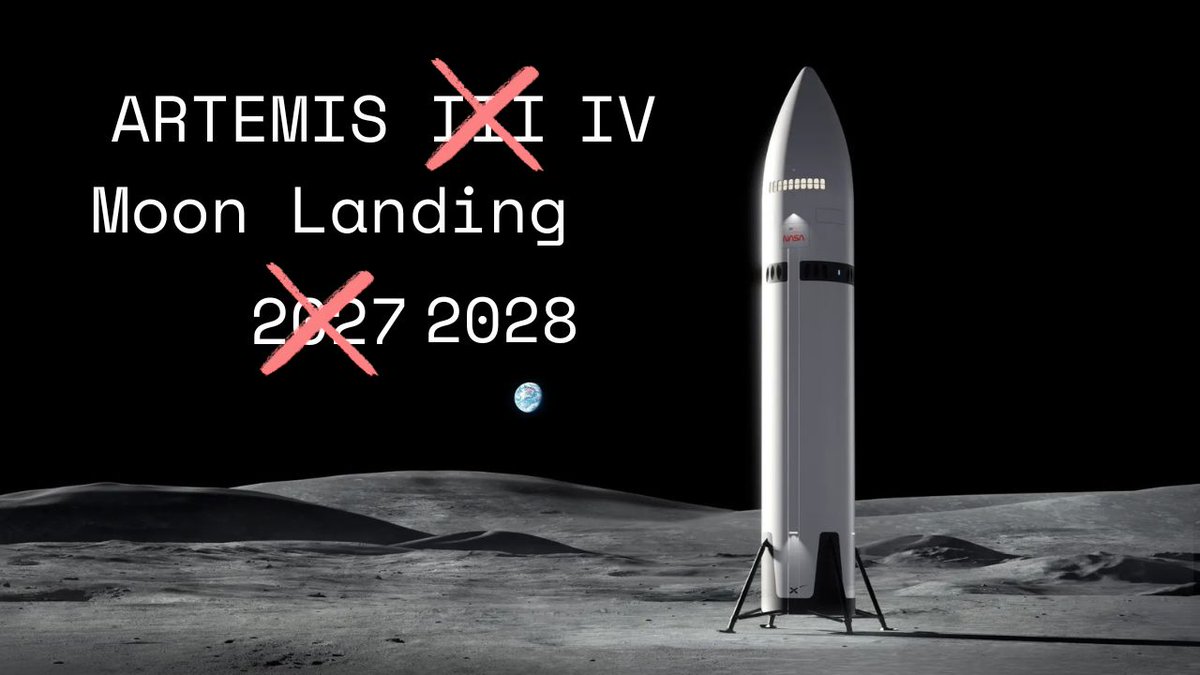
Just In: Big shakeup for NASA’s Moon plans: Artemis 3 is now a crewed test flight in low Earth orbit in 2027. lMoon landings now shift to Artemis 4 and 5, currently targeted for 2028. Q: Would you rather NASA move slower & test first, or push harder for a quicker Moon landing?
Andrew Fazekas tweet media
English
3
1
1
225
Andrew Fazekas
Andrew Fazekas@thenightskyguy·
@MYSTARQUEST While safety/engineering obviously makes the final call, public support helps drive funding and priorities.
English
0
0
0
11