Thiogenesis Therapeutics

46 posts

Thiogenesis Therapeutics banner
Thiogenesis Therapeutics

Thiogenesis Therapeutics

@thiogenesis

Developing thiol compounds that are strong antioxidants for inherited mitochondrial diseases & related metabolic conditions like fatty liver disease etc. $TTI.v

Katılım Temmuz 2022
77 Takip Edilen92 Takipçiler
Thiogenesis Therapeutics retweetledi
Dalton (Analyze & Optimize)
Dalton (Analyze & Optimize)@Outdoctrination·
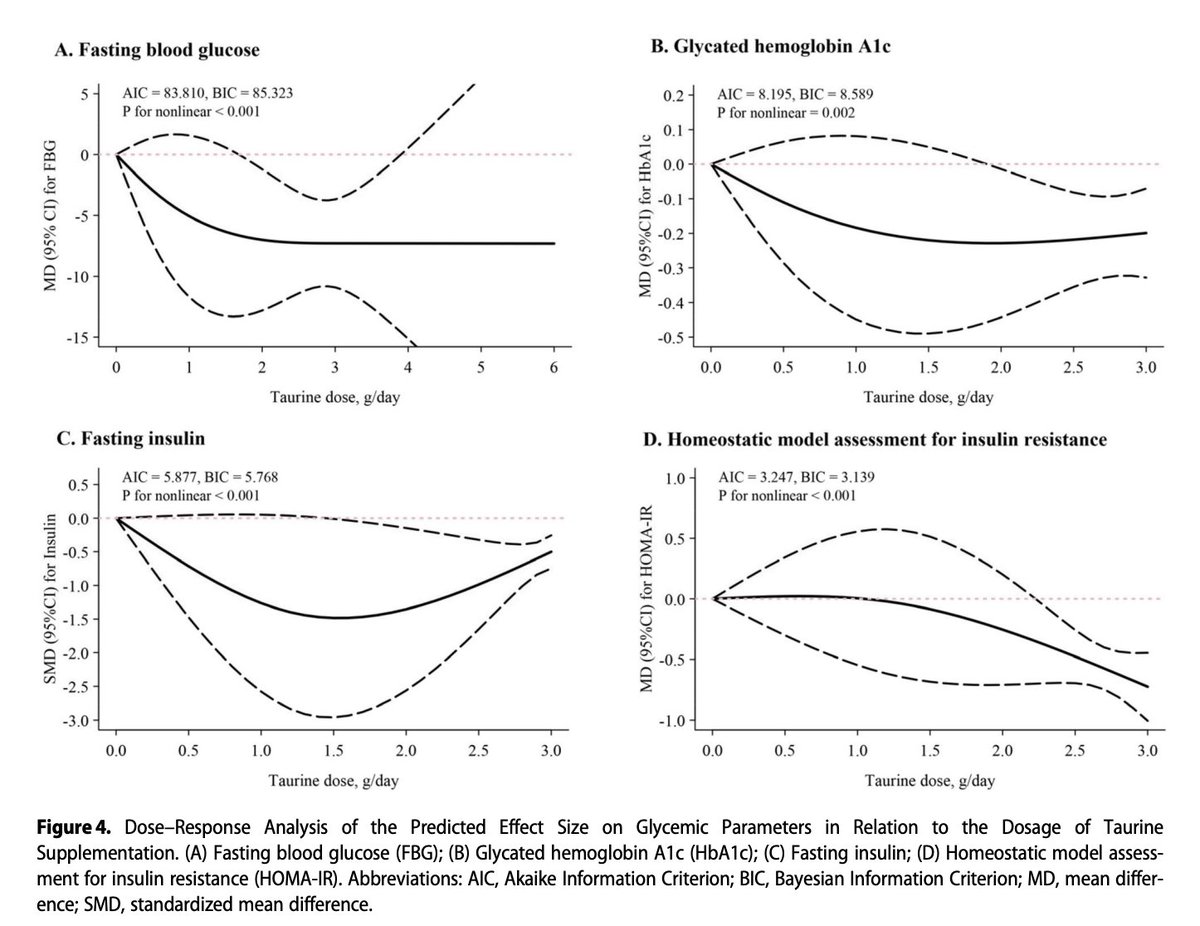
Taurine improves literally every metric of insulin resistance. New review, finding taurine supplementation: ↓ Fasting blood glucose: −5.90 mg/dL ↓ HbA1c: −0.21% ↓ Fasting insulin: ~10-20% ↓ HOMA-IR: −0.57 ↓ Triglycerides: −14.42 mg/dL ↓ Total cholesterol: −12.41 mg/dL ↓ LDL-C: −5.08 mg/dL ↓ Systolic BP: −4.38 mmHg ↓ Diastolic BP: −2.54 mmHg ↓ AST: −9.65 U/L ↓ ALT: −8.26 U/L ↓ CRP: 2-5 mg/L ↓ TNF-α: −0.35 pg/mL Below I cover its protective mechanisms, other benefits and how to get enough in food + supps.
Dalton (Analyze & Optimize) tweet media
Dalton (Analyze & Optimize)@Outdoctrination

TAURINE: An anti-aging, anti-inflammatory, stress reducing and brain protective nutrient. Let's talk about its numerous benefits, the science behind it, and how you can incorporate it to maximize your health:

English
16
105
1K
78.3K
Thiogenesis Therapeutics retweetledi
ActiveVibes
ActiveVibes@ActiveVibes_·
Inflammation is behind nearly every chronic disease— From stubborn belly fat to heart attacks. But no one talks about how to actually fix it. Here are 10 underrated anti-inflammatory cheat codes your doctor won't mention:🧵
English
10
63
466
534.4K
Thiogenesis Therapeutics
Thiogenesis Therapeutics@thiogenesis·
TTI-0102 is a precursor to hypotaurine which is oxidized into Taurine -- excellent summary below $TTI.v $TTIPF #taurine #mitochondria #MELAS #Leighsyndrome
William A. Wallace, Ph.D.@WilliamWallace

Taurine is a sulfur-containing amino acid known for its critical involvement in skeletal muscle, heart and brain function. With high concentrations found in excitable tissues such as muscle, brain, and heart, taurine is essential for maintaining cellular homeostasis. It stabilizes cell membranes, acts as an osmolyte, and plays a central role in modulating intracellular calcium levels and ion channel activity. Taurine also exhibits significant antioxidant and anti-inflammatory properties, enhancing cellular resilience against oxidative stress and inflammation. Taurine's actions span across multiple tissues and systems, including the central nervous system (CNS), heart, vascular system, immune system, liver, skeletal muscle, and pancreas: *️⃣CNS: Taurine exhibits inhibitory actions, modulating neurotransmission and supporting neuroprotection. *️⃣Heart: It enhances inotropy (heart muscle contractility) and provides anti-arrhythmic effects. *️⃣Vascular System: Taurine contributes to vasorelaxation, blood pressure regulation, and the prevention of atherosclerosis. *️⃣Immune System: It acts as an immunostimulant, supporting the body's defense mechanisms. *️⃣Liver: Taurine aids in bile salt synthesis, essential for lipid digestion and absorption. *️⃣Skeletal Muscle: Taurine enhances muscle performance by regulating calcium homeostasis, membrane excitability, and maintaining muscle phenotype. *️⃣Pancreas: Taurine promotes insulin secretion, contributing to glucose regulation. *️⃣Genitourinary System: It may also act as a fertility stimulant, reinforcing its wide-ranging biological importance. Dosage recommendations, as depicted, range from 1-6 grams per day in clinical studies, with common supplementation protocols using 3-6 grams per day, typically split into two doses. Taurine's toxicity is remarkably low, with human clinical trials supporting its safety even at high doses. Studies have highlighted taurine’s role in various pathological conditions, including cardiovascular and neurological diseases, making it an amino acid of great interest for its broad therapeutic applications and safety profile

English
0
2
11
595
Thiogenesis Therapeutics retweetledi
Jack
Jack@jack_schroder_·
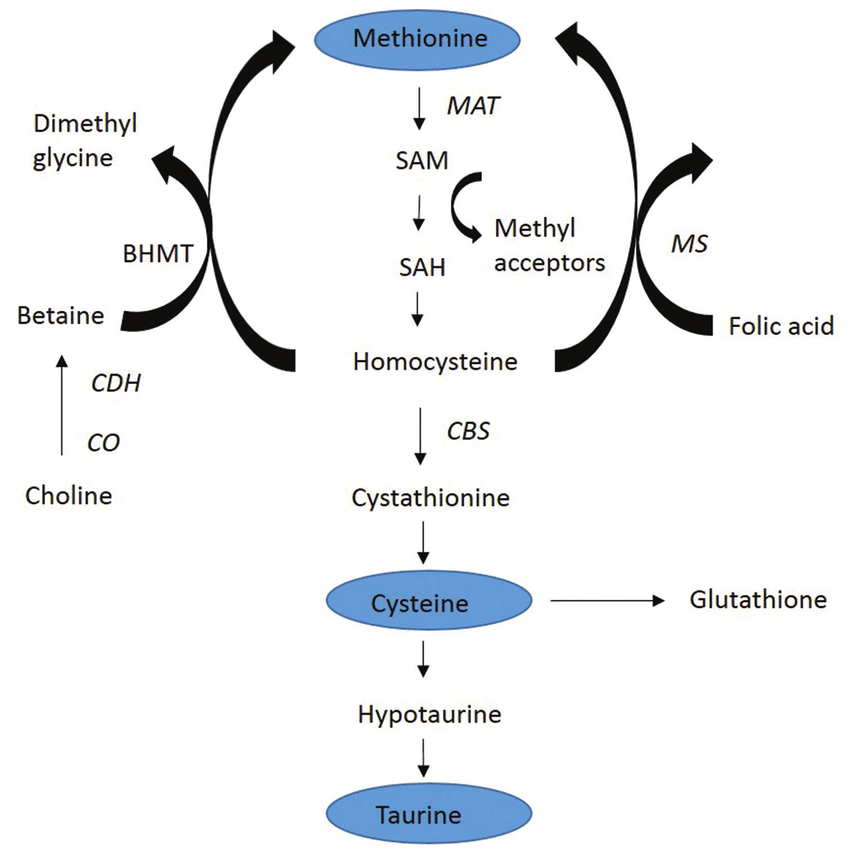
The beauty of taurine beyond everything mentioned here is the fact that it has a sparing effect on nutrients tied to methylation (especially when saturated with all methylation nutrients) due to cysteine's metabolism down the transsulfuration pathway. This means higher doses of taurine can not only spare magnesium—GABA—inhibitory effects in the central nervous system, but also spare small amounts of glutathione, methionine, choline/betaine, vitamin B2/B3/B9/B12, and glycine. Not to mention that taurine is also greatly connected to supporting mitochondrial function and redox support. Thus, having an even further effect on this pathway.
Jack tweet media
Jack@jack_schroder_

Taurine appreciation post. - It spares magnesium. - Improves glutamate/GABA balance, shifting neurochemistry towards inhibitory tone - unlocking a calm/zen state. - Huge benefits in mitochondrial function + redox. - Supports bile flow (fat-soluble vitamins, fatty acids, detoxification) - Supports glutathione production (indirectly via the transsulfuration pathway) - Enhances neurogenesis via BDNF - Increases blood flow via eNOS - Organizes water/protein structures - Optimizes glucose/fatty acid utilization towards a fat-burning/pro-metabolic state - Reduces effects of blue light toxicity - Buffers deuterium levels in mitochondrial matrix 3—5 grams, daily.

English
12
52
531
42.6K
Thiogenesis Therapeutics retweetledi
FierceBiotech
FierceBiotech@FierceBiotech·
The FDA has accepted Stealth BioTherapeutics’ third new drug application for its ultrarare disease candidate, providing a planned decision date of Sept. 26. fiercebiotech.com/biotech/fda-ac…
English
2
1
8
2.4K
Thiogenesis Therapeutics retweetledi
Biotechnology Innovation Organization
The ORPHAN Cures Act will enable more options for Americans living with rare disease. Congress must pass the #ORPHANCuresAct to ensure continued investment in lifesaving treatments and to protect U.S. #biotech leadership.
Biotechnology Innovation Organization tweet media
English
2
1
6
1.3K
Marcos Arrut
Marcos Arrut@MarcosArrut·
Is Aging caused by DNA damage? No. And I’ll explain why. In a previous post, I explained why mitochondrial damage does not cause aging. Now it's DNA damage's turn. For decades, one of the most accepted theories held that aging was the result of accumulated damage to DNA. This idea, born after Watson and Crick’s discovery of the double helix, seemed intuitive: if DNA contains the instructions to build and maintain the organism, then the deterioration of those instructions should lead to the progressive collapse of the biological system. In theory, it made sense. In practice, it doesn't. Today we know that this explanation is imprecise and, in many ways, outdated. First, only 2% of the human genome is coding. The remaining 98% corresponds to non-coding regions. While there are regulatory elements in those non-coding regions (such as microRNA zones), there are also large amounts of sequences that are functionally dispensable—or even useless. Now, if aging were caused by random DNA damage, we would expect to observe a chaotic and asymmetric phenomenon across cells and tissues, since not all cells would be damaged in the same way or at the same time. However, what we actually see is the opposite: aging is surprisingly homogeneous, synchronous, and predictable. The cells of a given tissue age in a coordinated fashion, as if obeying a common program. The odds of all cells accumulating the same damage, in the same DNA regions, at the same time, across the same tissues and species, are zero. Chance does not orchestrate symphonies. This brings us to a fundamental distinction: not all DNA damage carries the same biological meaning. Cancer, for example, is caused by mutations. But cancer and aging are completely different phenomena. Cancer arises from a single cell with mutations. Aging, on the other hand, is a systemic process: all cells in the body participate, and they do so in an orderly way, following specific temporal patterns that are even conserved across species. It’s also true that if we deliberately damage an organism's DNA, we can accelerate its deterioration. But that doesn’t mean DNA damage is the natural cause of aging. Let me explain it simply: Think of a smartphone with a built-in programmed obsolescence system. If we throw it into water, it will start malfunctioning prematurely. But not because the water accelerated the obsolescence program, or because the water is that program. We simply added entropy. In the same way, damaging DNA introduces entropy into a system that already had its own internal biological clock. It would age anyway—only now it does so under worse conditions. Aging does not require that external entropy to occur. It’s already programmed to happen, even in organisms kept under optimal conditions. In an aged organism, we observe DNA damage, but that damage is a consequence of aging—not its cause. The same goes for mitochondrial dysfunction, loss of proteostasis, or even epigenetic damage (we'll talk about this in a future post)—all of these are symptoms of the process, not its engine. The key is to understand that aging is not biological entropy. It is an active, regulated, genetically programmed process. It’s not disorder. It’s the architecture of decline. And that detail is not minor. It gives us a strong clue about how we should act. We must intervene in the biological algorithm that activates decline. We must turn off the aging genes, restore youthful epigenetics, and reset the cellular timeline. That's not futurism. It's engineering. And we're heading straight for it. That's all.
Marcos Arrut tweet media
English
70
105
587
45.1K