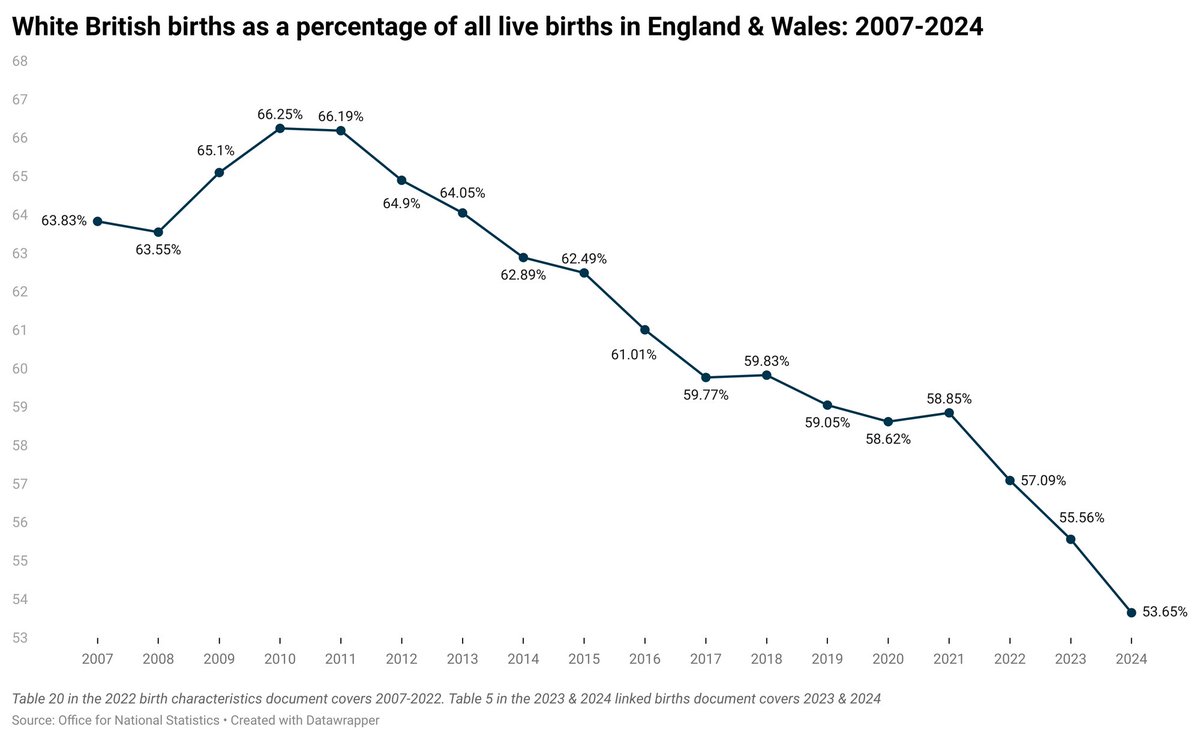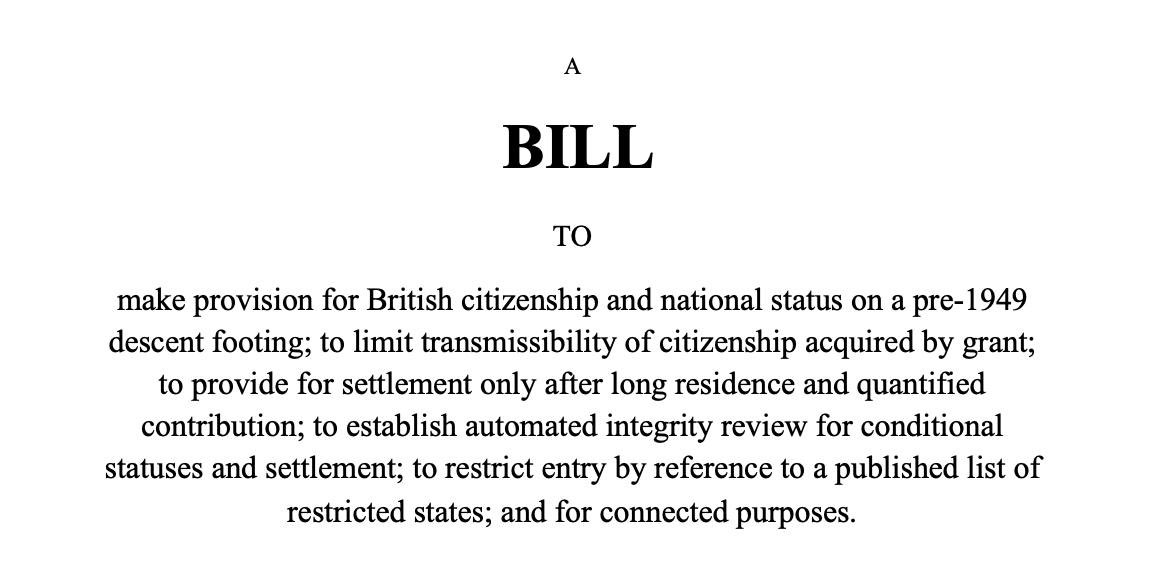

Really interesting proposal, we urgently need more rigorous constitutional planning so I hope Restore gets you on board.
That said, I doubt a genetic conception of citizenship could ever win over a majority of the British electorate. Any serious programme to restore demographic security must balance ideological clarity with political pragmatism. Ultimately, the policies need to be sellable to the public.
A purely genetic definition of citizenship runs against deeply embedded English cultural instincts and is unlikely to build the broad coalition required. Restore Britain’s programme needs to feel authentically English. Luckily for us, we have an enormous wealth of historical material we can leverage to build such a formation of identity.
Historical context for “British” identity
Britishness was fundamentally an imperial identity, which can be conceptualised in 3 different ways:
Settler Colonies
In the White settler colonies (Canada, Australia, New Zealand, South Africa, Rhodesia), local identities hybridised with a shared sense of belonging to a global Britannic civilisation. "Britishness" remained the cultural core that attached the colonial peripheral to the metropole. This version was implicitly and explicitly White, and describes the Hereditary Citizenship you propose.
Dependent Colonies
A competing legal tradition, rooted in English common law, held that anyone born within the sovereign’s realms was a subject. This was deliberately used to bind colonial populations to the Empire and provide them a narrative of belonging. The 1948 British Nationality Act was the product of this discourse, then leading to Windrush. It cannot be ignored, though, that many colonial subjects did feel an attachment and loyalty to Britain when they arrived in the Isles.
Global Britishness
Since the cultural turn of the 1960s, postcolonial narratives and mass immigration have hollowed out British identity. It has become purely civic and vacuous: anyone who lives here for five years can claim to be as British as anyone else.
A major reason we are in this mess is that Britain never properly marked the end of the Empire. We have continued pretending it lives on through the New Commonwealth.
We therefore need a coherent revisionist history that we can integrate into our political-constitutional programme and citizenship laws. This requires pragmatically rehabilitating the second, "dependent" form of Britishness: the imperial subjecthood that non-White colonial peoples legitimately claimed as we did knowingly extend it to them.
Clear periodisation is essential. Anyone who arrived while the Empire still had tangible reality holds a fair historical claim to British citizenship. That period ended with the 1981 British Nationality Act. Those who arrived afterwards have no such lineage to the British imperial civilisation and therefore cannot claim continuity with our historical identity.
Though purists may dislike it, this approach is far more effective for normalising remigration and Restore Britain. It offers several key advantages:
(a) Wider appeal
Granting firm citizenship rights to pre-1981 New Commonwealth arrivals delegitimises accusations of ethnopuritanism. The policy frames the issue as one of history, ancestry, and belonging rather than race. This pragmatism and fairness could persuade many more people, including moderate Labour, Lib-Dem, and Conservative voters. Fairness is a core value of the English, it's just been bastardised in recent years.
(b) Academic legitimacy
The distinction between the two forms of Britishness (Old Commonwealth hybrid nationalism vs. New Commonwealth imperial subjecthood) is already well-established in scholarly literature. This academic scaffolding helps us reclaim our history from the Left’s political rewriting, and rigorously academically legitimise and articulate our claims on a national-level.
(c) Cultural authenticity
The Britain we seek to restore must feel genuinely English. The English have historically been a tolerant, open-minded, and gentle people; this history has simply been weaponised and occupied by the Liberal-Left; we must reclaim it. A purely genetic/materialist justification for citizenship feels and is alien to the English spirit and is unlikely to gain broad traction. Basing restoration on a more historically grounded, civic-imperial conception is both more authentic and more electorally viable.
(d) Imperial rehabilitation
The Empire is central to our national story. By allowing the Left to portray it as purely evil, we have been cut off from centuries of our own history. Presenting it instead as a tolerant yet ordered and firm civilisational project (which is the historical truth of it) enables us to reintegrate those centuries into the popular imagination, tying the people of the British Isles more firmly to the noble project we once commonly participated in and shared to the world.
There's lots of other details I want to add, but I thought I would leave it there with the general architecture. What do you think?
English