Sabitlenmiş Tweet

Unser neues Buch ist raus! Für Chinaenthusiasten und Chinaneulinge! // Our new book is out! For China enthusiasts and China newcomers!
#SoSchafftManChina #China @Springer_Gabler GET IT HERE: bit.ly/2PbNZGn

Deutsch
Thomas König
4.6K posts
@thomasokoenig
The views expressed here are mine | RT ≠ Endorsement




We cannot all be trying to head home at 5:00PM. We have to start going home in groups

Wow, Michael Jackson x Michael Jackson would’ve been lit, if only they’d met 😔👊🏽
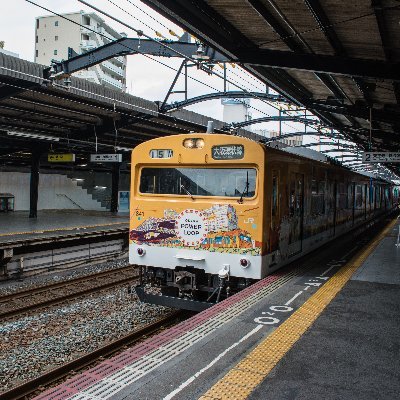





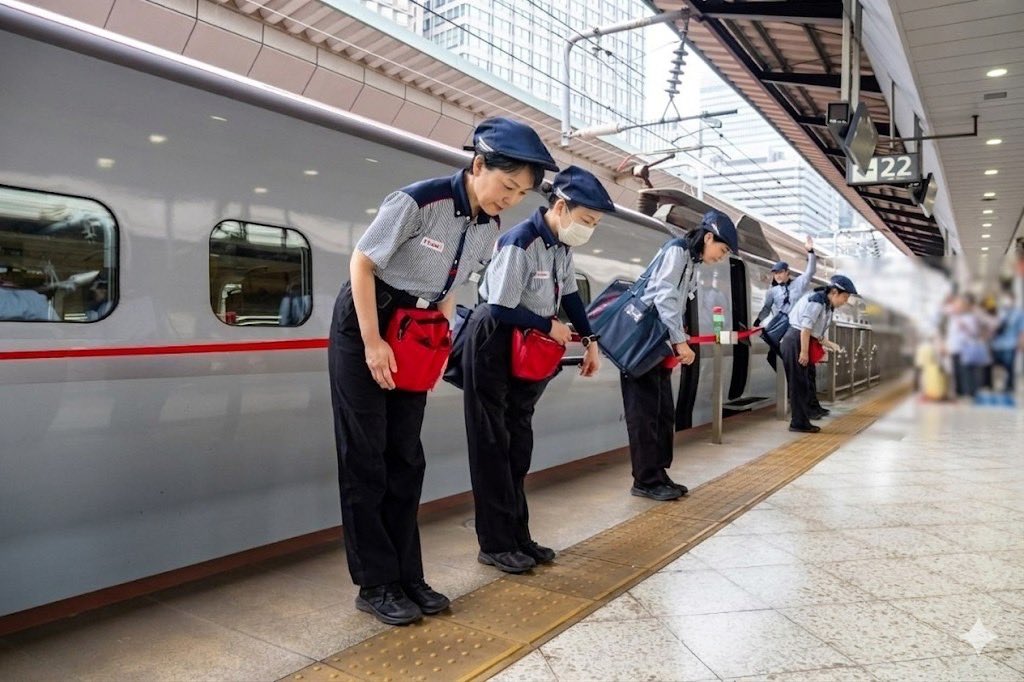
The Japanese railway privatization of 1987 stands as one of the most devastating defeats ever dealt to statist transportation mythology. The government split the bloated Japan National Railways into seven regional companies, sold them off, and watched private ownership transform a bankruptcy-bound disaster into the world's most efficient rail system. JNR hemorrhaged money for decades before privatization. By 1987, the state railway carried debt equivalent to $200 billion in today's money while delivering mediocre service plagued by strikes and inefficiency. Politicians treated it as a jobs program rather than a transportation service. The predictable result: chronic losses, deteriorating infrastructure, and customer service that reflected government monopoly arrogance. Private ownership changed everything overnight. The new JR companies slashed operating costs by 40% within five years while dramatically improving service quality. JR East alone now generates annual profits exceeding $3 billion. These companies invest billions in cutting-edge technology, maintain punctuality rates above 99%, and operate the world's most advanced high-speed rail networks. They achieved this without a single yen of operational subsidies. The transformation reveals a core dynamic of transportation infrastructure: private companies must satisfy customers to survive, while government monopolies need only satisfy politicians. JR companies diversified into real estate, retail, and hospitality around their stations, creating integrated profit centers that cross-subsidize rail operations. Government railways never innovate this way because bureaucrats face no market pressure to generate returns. Meanwhile, Amtrak burns through $2 billion in annual subsidies while delivering third-world service across most routes, and European state railways require massive taxpayer bailouts every few years to stay solvent.


'Marijuana' is the only English word in which the 'j' is silent.


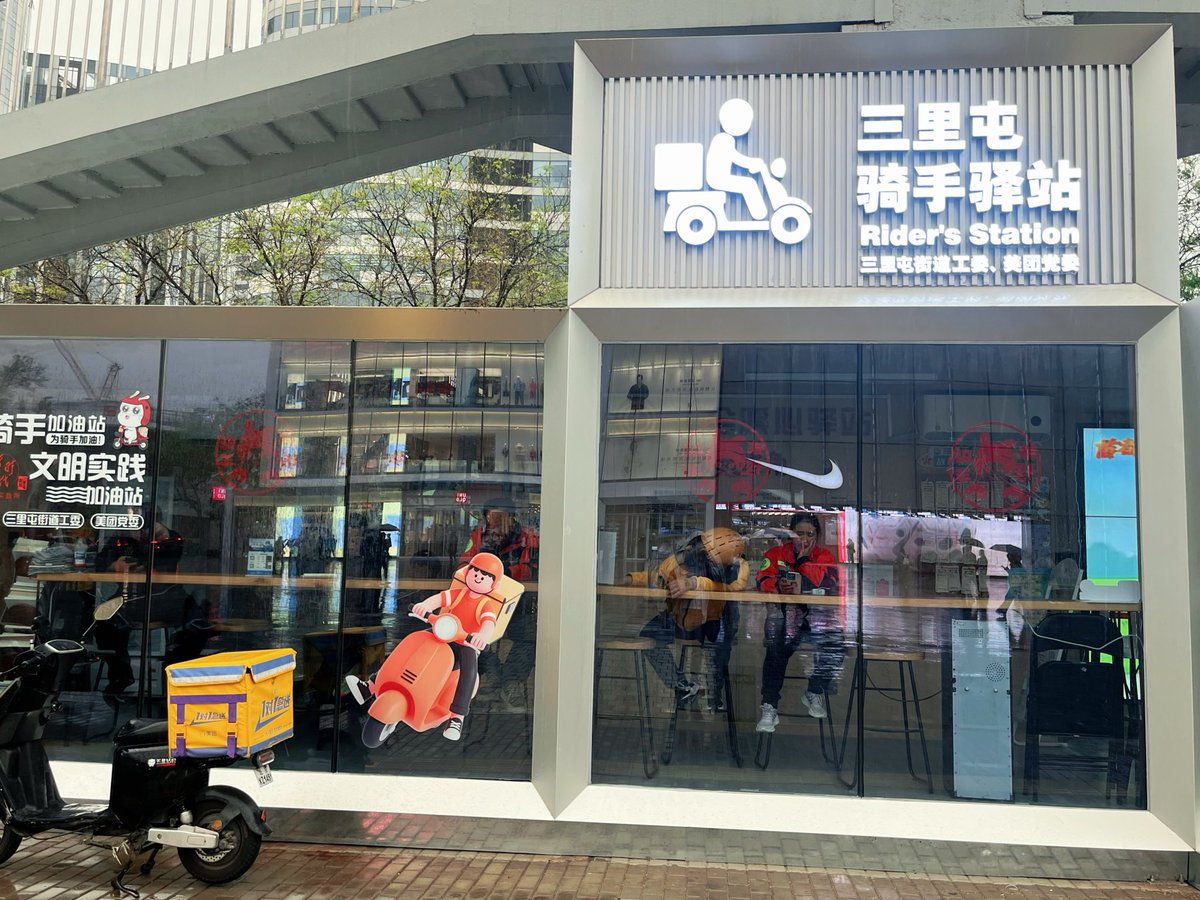
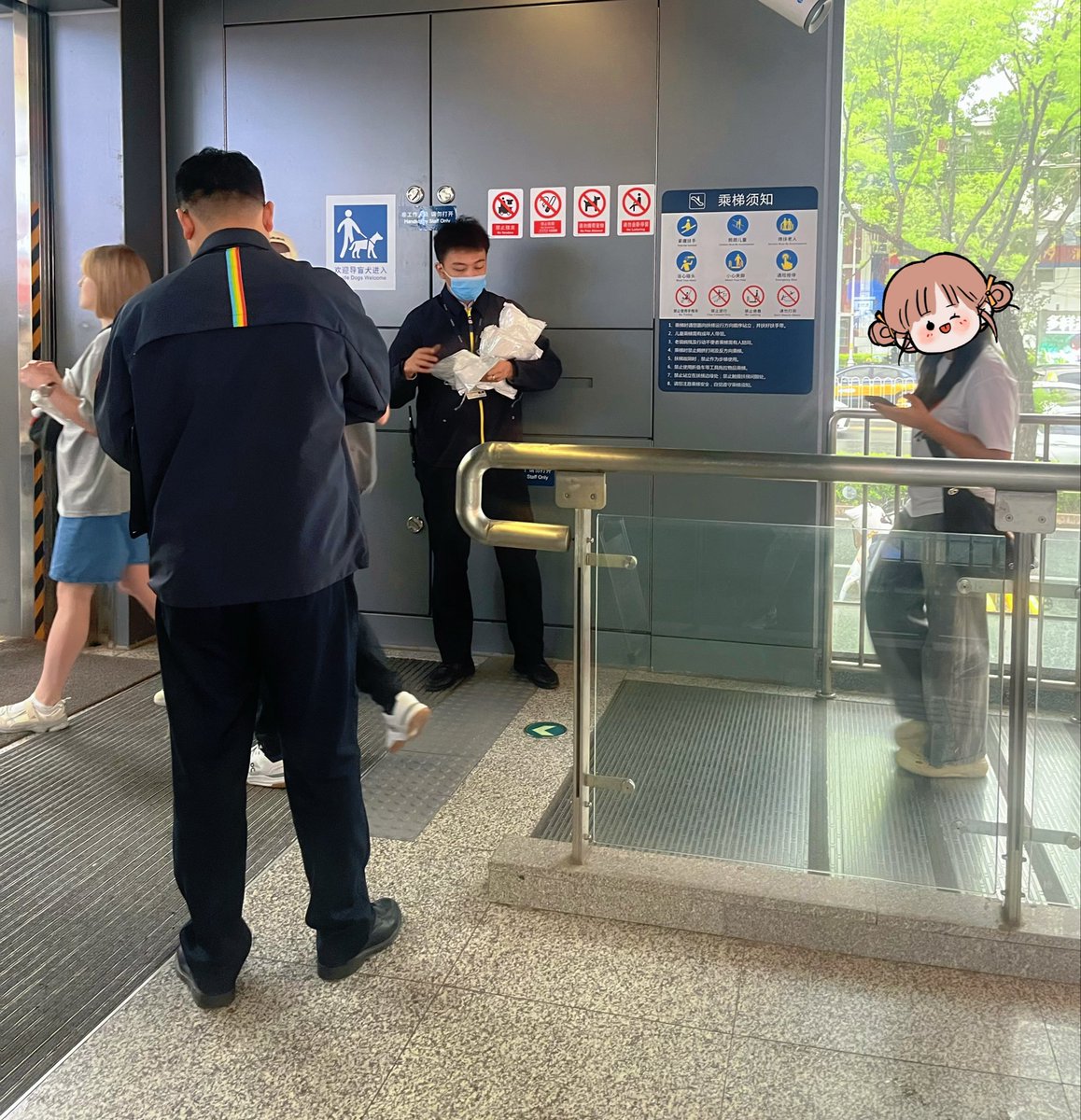
I came across an unexpected sight today while walking through Beijing's CBD: a "rest station" catering specifically to delivery riders and sanitation workers. (Picture 1) Outside the station is a sign, "𝕨𝕖 𝕨𝕖𝕝𝕔𝕠𝕞𝕖 𝕠𝕦𝕥𝕕𝕠𝕠𝕣 𝕨𝕠𝕣𝕜𝕖𝕣𝕤 𝕤𝕦𝕔𝕙 𝕒𝕤 𝕕𝕖𝕝𝕚𝕧𝕖𝕣𝕪 𝕣𝕚𝕕𝕖𝕣𝕤 𝕒𝕟𝕕 𝕤𝕒𝕟𝕚𝕥𝕒𝕥𝕚𝕠𝕟 𝕨𝕠𝕣𝕜𝕖𝕣𝕤 𝕥𝕠 𝕤𝕥𝕠𝕡 𝕓𝕪 𝕒𝕟𝕕 𝕣𝕖𝕤𝕥 𝕒 𝕨𝕙𝕚𝕝𝕖. 𝔽𝕖𝕖𝕝 𝕗𝕣𝕖𝕖 𝕥𝕠 𝕦𝕤𝕖 𝕥𝕙𝕚𝕤 𝕤𝕡𝕒𝕔𝕖 𝕥𝕠 𝕙𝕪𝕕𝕣𝕒𝕥𝕖, 𝕔𝕠𝕠𝕝 𝕠𝕗𝕗, 𝕣𝕖𝕙𝕖𝕒𝕥 𝕗𝕠𝕠𝕕, 𝕔𝕙𝕒𝕣𝕘𝕖 𝕖𝕝𝕖𝕔𝕥𝕣𝕠𝕟𝕚𝕔𝕤, 𝕣𝕖𝕒𝕕 𝕒 𝕓𝕠𝕠𝕜, 𝕠𝕣 𝕖𝕧𝕖𝕟 𝕥𝕒𝕜𝕖 𝕒 𝕟𝕒𝕡." (Picture 2) This discovery makes my heart sing. Unlike those in certain nations whose urban cores are overrun by the homeless, Chinese cities increasingly offer services and care for outdoor workers. With this "rest station" located in the heart of Beijing's commercial district, society has demonstrated its concern for the grassroots working class. The grassroots working class have never been forgotten in this country. In 2019, delivery riders took centre stage during a massive celebration in Beijing's Tian'anmen Square to commemorate the country's 70th anniversary. The food delivery riders, riding baby blue e-scooters and wearing bright orange jackets and yellow helmets, stood in stark contrast to the camouflaged tanks and troops that had rolled and marched down the same road only minutes earlier during the country's largest military parade in decades. (Picture 3) A country that has never abandoned its poor people gives the people hope.

Map of Chongqing's metro system in 3D. Chongqing is called the "mountain city". Building metro here is more difficult than in plain cities. Chongqing’s metro total length ranks 7th in the world, with over 550 km.