tim carter

39.2K posts

tim carter banner
tim carter

tim carter

@timallencarter

Worked at Middle Earth Records for 27 years. Owned it the last 13.

downey ca. Katılım Kasım 2011
5.4K Takip Edilen1.5K Takipçiler
tim carter
tim carter@timallencarter·
@DefiantLs Is she the most disgusting and vile woman on earth? Yes she is!
English
0
0
0
16
Defiant L’s
Defiant L’s@DefiantLs·
Jennifer Welch: "We have to go after these MAGA men. One example would be Jesse Watters. This man talks incessantly about masculinity… and that's a part of fascism..."
English
153
26
166
16.4K
🇺🇸Lady Vet
🇺🇸Lady Vet@CoVet_81·
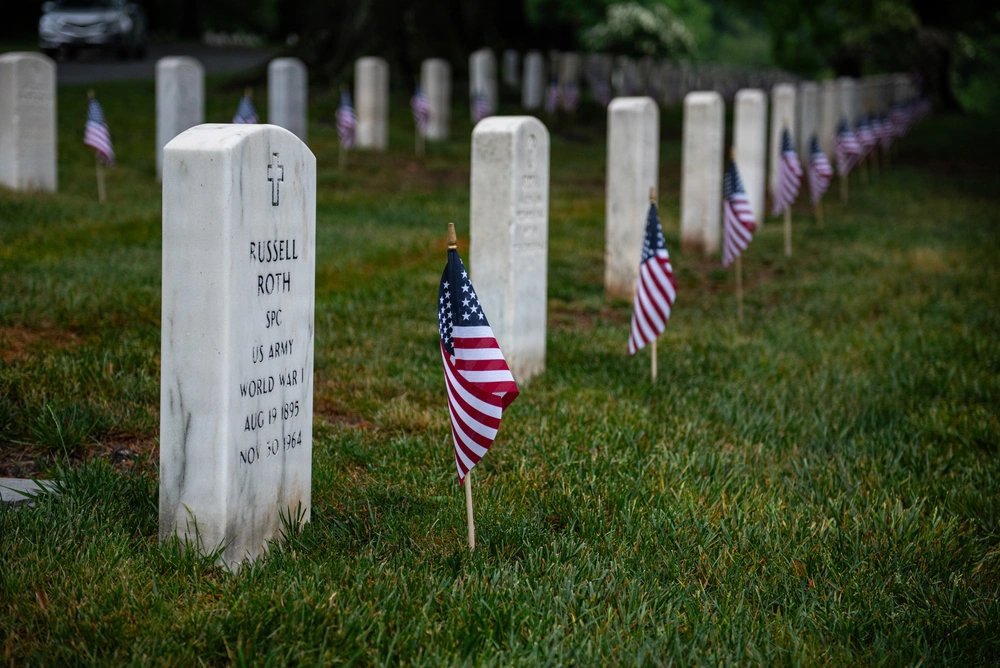
Memorial Day is not about George Floyd. Today we honor the brave American service members, the men and women who died in uniform defending our freedom. George Floyd was a career criminal who was never in the military. Memorial Day is not the day to make him the focus. Using the sacrifice of our fallen troops to push this narrative is disgusting. Our fallen heroes deserve better. We remember. We honor. We will never forget. 🇺🇸
🇺🇸Lady Vet tweet media
Mayor Jacob Frey@MayorFrey

Today, we remember George Floyd, who was murdered by a former Minneapolis police officer six years ago.   That moment changed our city forever.

English
25
174
210
10.5K
tim carter retweetledi
MP10
MP10@MusicPills10·
New Order - Blue Monday
English
2
53
225
5.5K
tim carter retweetledi
MP10
MP10@MusicPills10·
The Animals - The House of the Rising Sun
English
9
125
465
9K
tim carter retweetledi
Martin's Music
Martin's Music@XMartinsMusicX·
Happy 85th Birthday Bob Dylan 🎂 She Belongs To Me (Birmingham 1965) ▶️
English
0
74
309
6.4K
tim carter retweetledi
Cosmos Archive
Cosmos Archive@cosmosarcive·
“Two possibilities exist: either we are alone in the Universe or we are not. Both are equally terrifying.” — Arthur C. Clarke
Cosmos Archive tweet media
English
17
22
95
2.9K
tim carter retweetledi
Crazy Vibes
Crazy Vibes@CrazyVibes_1·
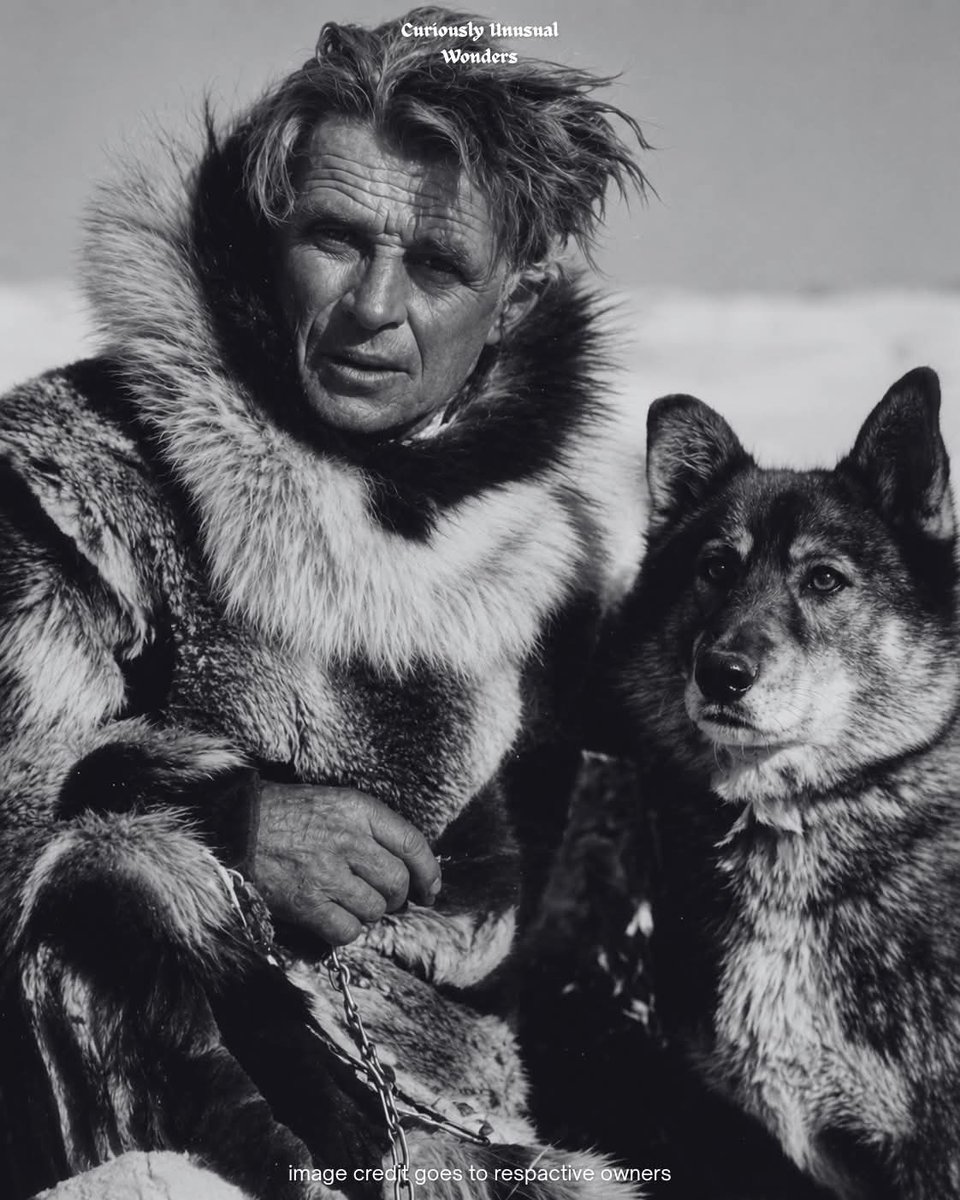
They threw away the puppy because he was too small and too sickly to ever pull a sled. Twelve years later, that same little dog ran 261 miles through a -85°F blizzard and saved the lives of an entire town's children. His name was Togo. He was born in 1913 in the kennel of a Norwegian-born musher named Leonhard Seppala, in the gold-rush town of Nome, Alaska. He was small. He was sickly. He had a swollen throat. Seppala took one look at the runt and decided this dog would never make it on the trail. So he did what mushers did in those days — he gave the puppy away as a house pet to a woman in town. Some woman wants a small dog, he reasoned. This one will do. But Togo had other plans. He escaped his new home almost immediately. He smashed through a window. He ran the long miles back to Seppala's kennel through the snow. He sat outside the gate until they let him in. Seppala, defeated, took him back. Togo grew up causing trouble. He nipped at the lead dogs. He tugged on traces. He picked fights. He was, in Seppala's exhausted words, a holy terror. Then one day, when Togo was eight months old, Seppala tried something different. He put the misbehaving puppy in a harness and added him to the sled team — just to see what would happen. By the end of that first day, Togo had run 75 miles. By nightfall, Seppala had moved him from the back of the team to share the lead position with the lead dog. Seppala stared at the small, scrappy puppy panting in the snow and said, quietly, the words that would change both their lives: "I had found a natural-born leader. Something I had tried for years to breed." Twelve years passed. By the winter of 1925, Togo was 12 years old — ancient for a sled dog — and he had become Seppala's lead dog on thousands of miles of Alaskan trail. He weighed just 48 pounds. His muzzle had begun to gray. And then came the worst news a remote Alaskan town could hear. Nome was dying. In late January 1925, the only doctor in town, Curtis Welch, identified the symptoms in his young patients with cold horror. Diphtheria. A bacterial infection so deadly that it could choke a child to death within days. The town's small supply of antitoxin had expired. Children were already getting sick. And Nome — frozen in by sea ice, cut off by storms, hundreds of miles from the nearest railroad — had no way out. The closest fresh batch of antitoxin was 674 miles away, in a hospital in Anchorage. Officials raced it by train as far as the rails went — to a tiny town called Nenana. From there, the serum had to cross 674 miles of brutal Alaskan wilderness in the coldest winter in twenty years. There were no working planes. The two open-cockpit biplanes available were unreliable in the cold. Ships were locked in the ice. The only living things on Earth that could possibly make the journey through what was coming were dogs. A relay was assembled. Twenty mushers. About 150 dogs. They would hand the package of serum from team to team like a pharmaceutical baton across some of the most punishing terrain on the planet. The most dangerous stretch — through the heart of the storm, including a deadly shortcut across the frozen surface of Norton Sound — was given to the best musher in Alaska. Seppala. With Togo in the lead. Seppala set out from Nome on January 28, 1925. He did not yet have the serum. He had been ordered to ride east for hundreds of miles to meet the incoming team in the middle. Then he would turn around and bring the serum home. The conditions were beyond imagination. Wind speeds reached 80 to 110 miles per hour. At one point during the run, the windchill on Norton Sound was measured at −85°F. In some accounts, even worse — calculations have placed it as low as −116°F. The kind of cold where exposed skin freezes in under a minute. Where every breath is a small razor. Seppala couldn't see the trail. He couldn't hear anything but the wind. He was completely dependent on the senses of one small graying dog ahead of him in the dark. After racing nearly 170 miles east from Nome, Seppala found another musher named Henry Ivanoff fighting his lead dog through a snowdrift. Ivanoff was waving his arms, screaming through the wind: "The serum! I have the serum!" Seppala took the package, turned his team around, and now had to run another 91 miles west — back across Norton Sound — through worsening storms, in failing daylight, with the sea ice cracking beneath him. The shortcut across the Sound could save a full day. Going around it would mean children dying. Seppala chose the shortcut. He let Togo lead. It was on this return crossing that something happened that almost no one outside Alaska has ever heard of — and it is, by any measure, one of the most extraordinary acts ever performed by an animal in the history of the human race. The team became stranded on an ice floe — a chunk of ice broken off from the rest, drifting on freezing seawater. There was no way for the dogs to pull the sled across to safety. The team was about to die. Seppala did the only thing he could think of. He tied a long rope to Togo's harness and hurled the small dog across five feet of open black water. Togo landed on the safe ice. He pulled. He braced his small frame against the line and tried to drag the sled and the rest of his teammates back. The line snapped. Most dogs, at this point, would have run. Most dogs would have stayed safe. Togo did not. He saw the loose end of the broken rope drifting in the icy water. He jumped back into the freezing sea, swam to the line, took it in his teeth, and pulled it back to the floe. Seppala tied it to his harness again. Togo dug in. Slowly, agonizingly, the small graying dog dragged the entire ice floe — with Seppala, the sled, the team, and the precious wooden box of antitoxin — close enough that they could leap to safety. Three hours later, the entire shelf of ice they had just been standing on broke up and floated out to sea. Seppala and Togo finished their leg of the relay at Golovin. Then handed the serum to the next team. They had run, in total, over 261 miles — almost five times the distance of any other team in the relay. They had crossed Norton Sound twice. They had somehow stayed alive. Five days later, the final 53 miles was carried into Nome by a backup team led by another of Seppala's dogs — a dog named Balto. The serum arrived in Nome in time. Not a single child who received the antitoxin died. The town was saved. But here is the part that breaks your heart. When the newspapers caught wind of the rescue, they couldn't tell the public about a 20-team relay. They needed one hero. They picked the dog who had crossed the finish line. Balto got the headlines. Balto got the statue in Central Park (still there, today). Balto got the parades, the radio specials, the cigarette ads, the fame. Togo got nothing. The dog who had run almost five times farther — who had crossed the deadliest part of the route, who had jumped into freezing seawater to save his entire team — was barely mentioned. Seppala spent the rest of his life quietly telling anyone who would listen that the wrong dog had been honored. "I never had a better dog than Togo," he said many years later. "His stamina, loyalty, and intelligence could not be improved upon. Togo was the best dog that ever traveled the Alaska trail." Togo lived out his retirement at a kennel in Poland Spring, Maine, fathering generations of Siberian Huskies. He was awarded a gold medal personally by Roald Amundsen, the legendary explorer who had been first to reach the South Pole. He even appeared at Madison Square Garden. But he never got the statue. Not in his lifetime. Not for almost a century. On December 5, 1929, at 16 years old, his joints failing and his eyesight nearly gone, Togo was put to sleep. Seppala held him in his arms. The next morning, the New York Sun Times ran a small headline: "Dog Hero Rides to His Death." In 2001, more than 70 years later, a statue of Togo was finally erected in Seward Park in New York City. In 2011, Time Magazine named him the most heroic animal of all time. In 2019, Disney finally told his real story in a film starring Willem Dafoe — and one of Togo's own descendants, a Siberian Husky named Diesel, played the title role. It was, perhaps, what Seppala himself had said best, in the years after the run, when reporters tried to give him credit: "Afterward, I thought of the ice and the darkness and the terrible wind, and the irony that men could build planes and ships. But when Nome needed life in little packages of serum — it took dog teams to bring it through." A puppy once thrown out for being too weak. The dog who carried the lives of an entire town in his teeth. Sometimes the greatest heroes are the smallest ones — and history just takes a hundred years to notice. Follow us Lost in Yesterday
Crazy Vibes tweet media
English
7
62
208
2K
tim carter retweetledi
David Bowie News
David Bowie News@davidbowie_news·
David Bowie's Diamond Dogs album was released 52 years ago today in 1974.
David Bowie News tweet media
English
5
54
321
5.1K
New York Post
New York Post@nypost·
California congressional candidate refuses to say Pledge of Allegiance, turns back on US flag trib.al/0DVZTBp
New York Post tweet media
English
2.5K
4.7K
11K
1.6M
russ 💙
russ 💙@dirk7890·
Is this the best American punk album ever 👌
russ 💙 tweet media
English
78
23
264
27.4K
Gunther Eagleman™
Gunther Eagleman™@GuntherEagleman·
🚨 LEFT EATS ITSELF: Radical transgender activists are now turning on Seattle Mayor Katie Wilson, aggressively chanting “Katie Wilson you can’t hide, end the trans genocide.” Even their own progressive allies aren’t radical enough anymore.
English
253
1.2K
7.6K
158K