Financial Pulse ~ Damjan

2.9K posts

Financial Pulse ~ Damjan banner
Financial Pulse ~ Damjan

Financial Pulse ~ Damjan

@time24trader

Stock & crypto market Enthusiast. ✍️ https://t.co/f63R9zUy6Y ✍️ Educational - not financial advice. Always DYOR. Master's in chemistry. 🧪

Between ORDER and CHAOS Katılım Şubat 2024
389 Takip Edilen402 Takipçiler
Sabitlenmiş Tweet
Financial Pulse ~ Damjan
Financial Pulse ~ Damjan@time24trader·
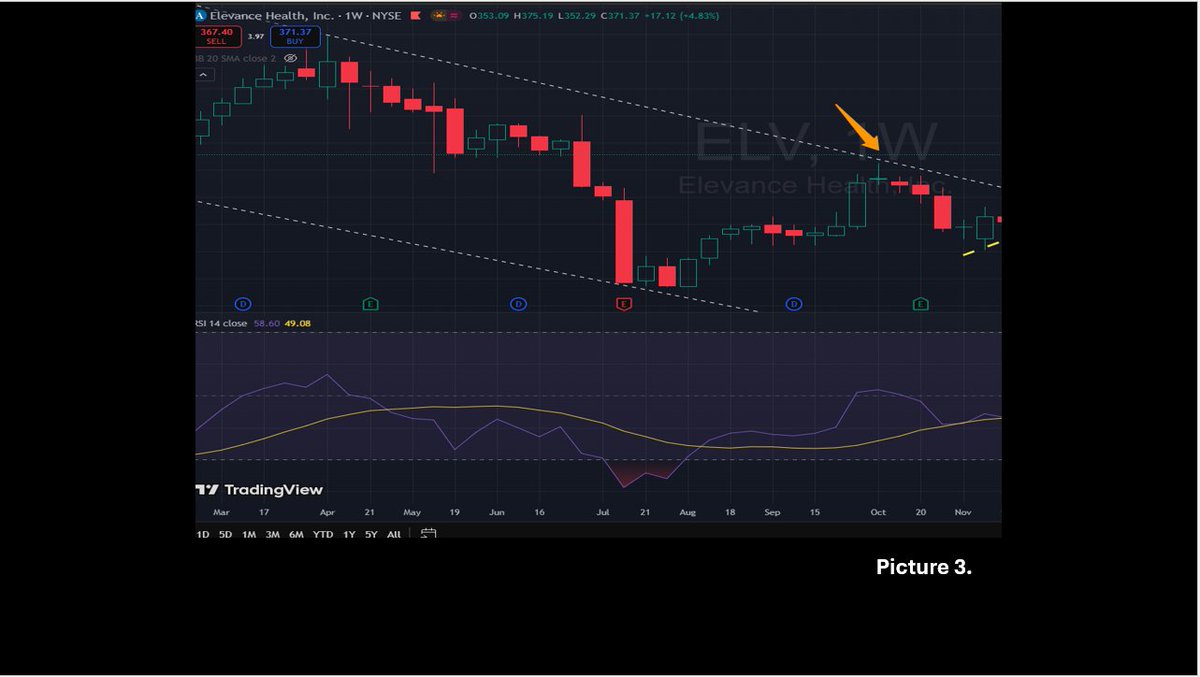
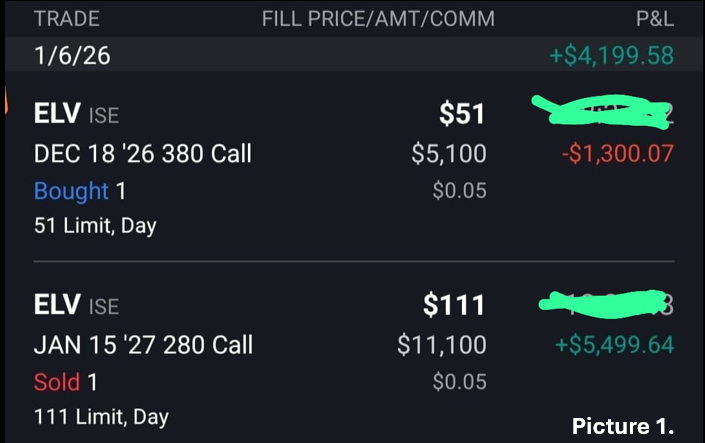
FINDING WINNING INVESTMENTS 🔍 A real example using options on Elevance Health (Picture 1) After closing my option trade on Elevance Health, I wanted to step back and review my decision-making process: ♦️What I did well ♦️Where I made mistakes ♦️ What can be improved next time? The goal of this breakdown is education. Bookmark it so you can return to it later. If you are new to investing or still learning, this is an example of how a full investment thesis can look in practice, from: idea ➡️execution ➡️ mistakes ➡️lessons Elevance Health is part of the healthcare insurance group, together with names like UnitedHealth Group and Humana. WHY DO I USE OPTIONS (ESPECIALLY LEAPS)? I primarily use long-dated options (LEAPS, 1+ year to expiration) because they offer leverage. Example from this trade: ♦️Capital invested: $5,600 ♦️Profit realized: $4,200 ♦️Return: ~75% ♦️Stock price move: ~36% (from ~$275 to ~$375) If I had bought shares instead: ♦️Same capital ➡️ ~20 shares ♦️Profit on the same move: ~$2,000 Why options can make sense: ♦️You control more shares with less capital ♦️Returns are magnified when the thesis plays out Key risk (important): ♦️Options have a time limit ♦️If price moves against you, losses can also accelerate 👉 Lesson for readers: options are powerful tools, but only when paired with a strong thesis and risk control. MY FILTER: WHEN DOES A STOCK BECOME INTERESTING? A company must pass multiple filters. 1. Technical setup (weekly chart only) I want: ♦️Price trading at multi-year lows; 🏹Minimum: 2 years 🏹Better: 4+ years (ELV met this) ♦️RSI oversold at the same time ♦️All signals confirmed on the weekly timeframe 👉 This tells me pessimism is already priced in. 2. Fundamentals vs price Next, I compare operating performance vs market value (Picture 2) What I check: ♦️Revenue growth ♦️Operating income ♦️Net income ♦️Market cap at each year’s closing price What I want to see: ♦️Business metrics are higher than several years ago ♦️Valuations below historical averages 👉 If fundamentals improve but price collapses, something is mispriced. 3. Sector logic (big picture) Every sector has its own drivers. For healthcare insurance, my thinking was simple: ♦️Healthcare demand is a necessity, not an option ♦️An aging population = rising healthcare costs I did a deeper TAM (Total Addressable Market) analysis (can be found on my free Substack, link is in my bio). TLDR ➡️ The long-term demand is structurally strong. 👉 This reduces the risk of a broken thesis. CHOOSING THE BEST COMPANY IN THE SECTOR Once the sector passed my filter, I compared companies side by side: What I looked at: ♦️Valuation ratios ♦️Cash vs debt ♦️Operating margins ♦️Stock-based compensation Why I chose Elevance Health: ♦️Fewer regulatory concerns than UnitedHealth ♦️Better operating margins than Humana ♦️Cleaner balance-sheet profile overall Important insight (in hindsight): ♦️UNH, ELV, or HUM would all have worked As the saying goes: a rising tide lifts all boats, the tide here being the sector, and the boats being individual companies. 👉 Sometimes being “right on the sector” matters more than picking the perfect name. DEFINING A REALISTIC PRICE TARGET Before entering, I checked if my expectations were reasonable. ♦️Entry zone: ~$275 ♦️Target: $375 ♦️Required move: ~36% ♦️Timeframe: ~1.5 years (option expiry) ♦️Break-even at expiration: ~18% Even at $375: The stock would still be ~30% below all-time highs 👉 This told me the target was realistic, just personal preference. WHAT WENT WRONG ( AND WHY IT MATTERS) The stock rallied sharply to $360+ by October. Drivers included: ♦️Rotation into defensive stocks ♦️AI bubble fears ♦️Government shutdown rumors benefiting healthcare My first mistake (Picture 3) I did not hedge near resistance. ♦️The weekly chart printed a bearish doji ♦️Price hit upper resistance ♦️I ignored it, thinking: “just a bit more.” Result: ♦️Drop from ~$360 to nearly $300 ♦️Textbook pullback to 0.618 Fibonacci 👉 Lesson: strong conviction does not replace risk management. WHAT I DID RIGHT ♦️I did not panic ♦️I reassessed the thesis ♦️Fundamentals and sector logic were unchanged ♦️I stayed in the position The uptrend resumed in December. HEDGING: RIGHT IDEA, WRONG TIMING When the price approached $360 again: ♦️Resistance was broken and held ♦️Political uncertainty (midterms) increased ♦️I decided to hedge the position One week later: ♦️The target of $375 was hit ♦️The hedge reduced my final profit 👉 Final lesson: Hedging is not about being safe, but about timing and structure, something I still need to improve. KEY TAKEAWAYS FOR READERS ♦️A good investment starts before the trade ♦️Combine technical + fundamentals + sector logic ♦️Options amplify both gains and mistakes ♦️Have a plan for entries, exits, and risk ♦️Mistakes are part of the process; reviewing them is the edge This is how my Elevance Health thesis was built, tested, challenged, and ultimately closed. Congrats if you made it to the end. 🎊 If this breakdown helped you understand how an investment thesis is built, a retweet helps others learn too. DISCLAIMER: This post is an educational breakdown based on my own experience, not financial advice.
Financial Pulse ~ Damjan tweet mediaFinancial Pulse ~ Damjan tweet mediaFinancial Pulse ~ Damjan tweet media
English
0
0
21
1.2K
Inversor Amateur
Inversor Amateur@invertiramateur·
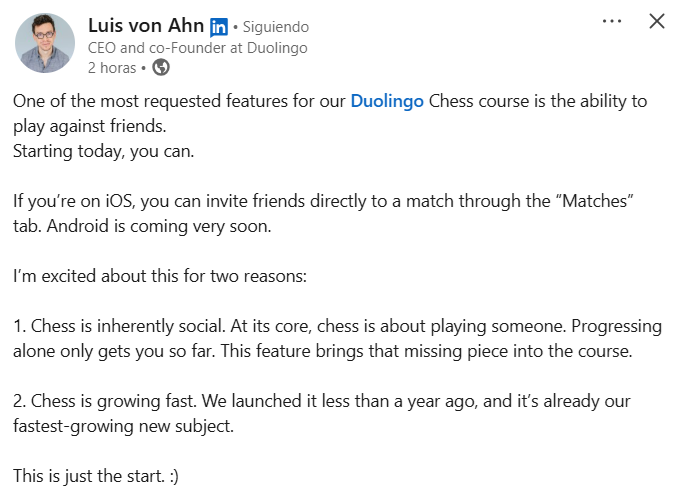
Luis Von Ahn about Chess, on LinkedIn: "We launched it less than a year ago, and it’s already our fastest-growing new subject." $DUOL is not just a language app.
Inversor Amateur tweet media
English
2
0
6
1.4K
Main Street Trader
Main Street Trader@MStreetTrader·
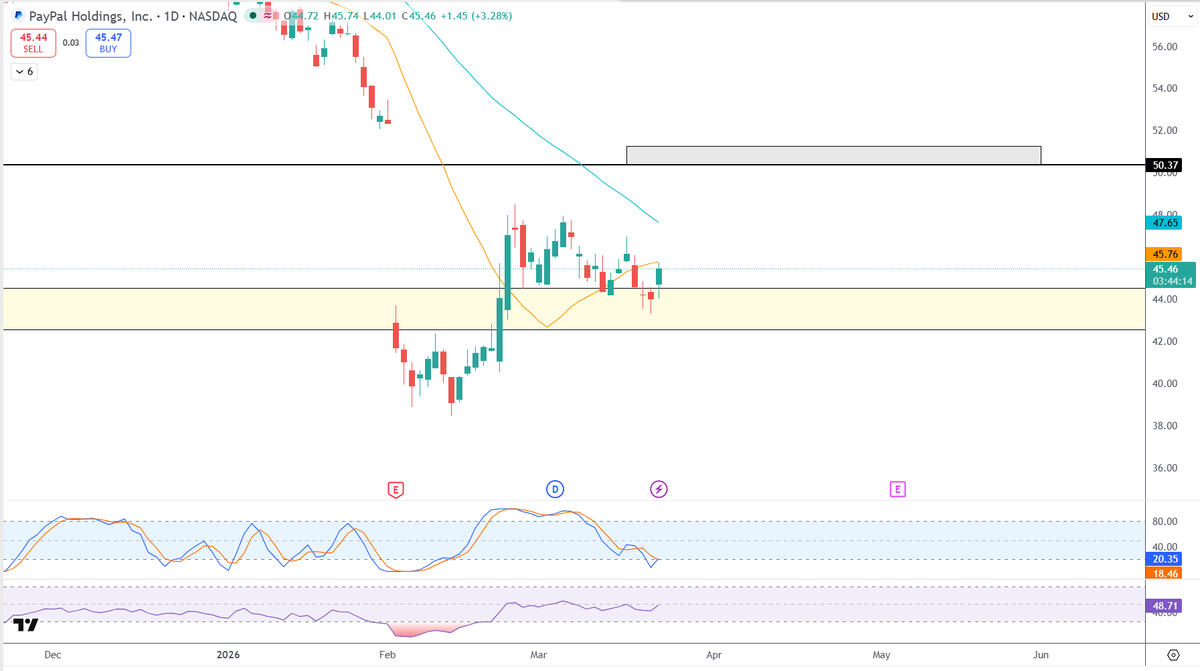
$PYPL is looking pretty good in my opinion. I'm looking for 50.37.
Main Street Trader tweet media
English
1
0
3
95
Stocker-Man
Stocker-Man@TheStockerMan·
$DUOL A lot of people are missing the bigger point… so let me clarify, because there’s also a very important point here: This selloff happened because the market wanted near-term optimization. Higher bookings now. Better margins now. More immediate monetization now. But management chose the harder path: Invest in product, expand the free tier, push engagement, and go after much bigger long-term user growth. That kind of decision usually looks ugly in the short run. But some of the BEST founder-led visionary-led companies did the exact same thing: $AMZN spent years choosing growth, infrastructure, and customer value over short-term profits. The market doubted it constantly. That decision built one of the biggest moats in the world. $META got crushed when they leaned hard into Reels and AI while monetization looked messy. Why? Because they knew user attention had to be won first and monetization came later. $SPOT spent years being criticized for margins while focusing on global scale, product improvement, and user growth. Now the market is finally rewarding the operating leverage. That is how I see $DUOL. They are not trying to squeeze the platform for the next 2 quarters. They are trying to make the platform bigger, more useful, and more embedded in daily life over the next 5+ years. The market hates that when numbers get pushed out. Long-term investors should pay attention when management is willing to take short-term pain to build a much larger business. That is usually where the real money is made.
English
7
2
31
1.6K
Montana Matos
Montana Matos@MontanaMatos·
What a perfect day to post this 👀 “I would still hold stocks even if I knew that World War III would happen.” — Warren Buffett The best stay invested.
English
1
0
5
378
Financial Pulse ~ Damjan
Financial Pulse ~ Damjan@time24trader·
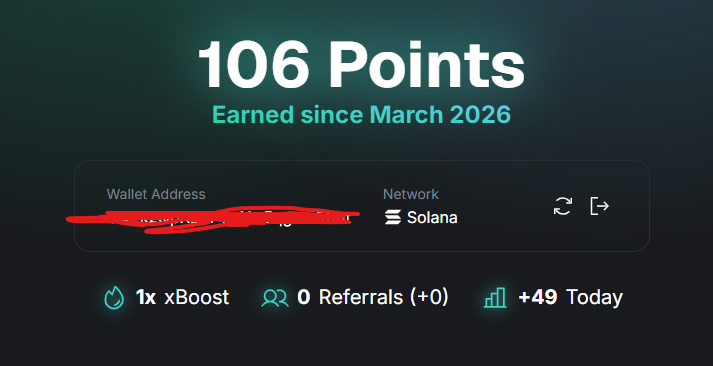
Testing out the xStocks as they launched xPoints. This one is interesting to me as I am first mostly oriented toward equities. Bought some SPY during last Friday's carnage and lent it on Piggybank, so this way I am getting points on two sides. If you want to test the waters also 👇: defi.xstocks.fi/points?ref=KCT…
Financial Pulse ~ Damjan tweet media
English
1
0
1
33
Financial Pulse ~ Damjan
Financial Pulse ~ Damjan@time24trader·
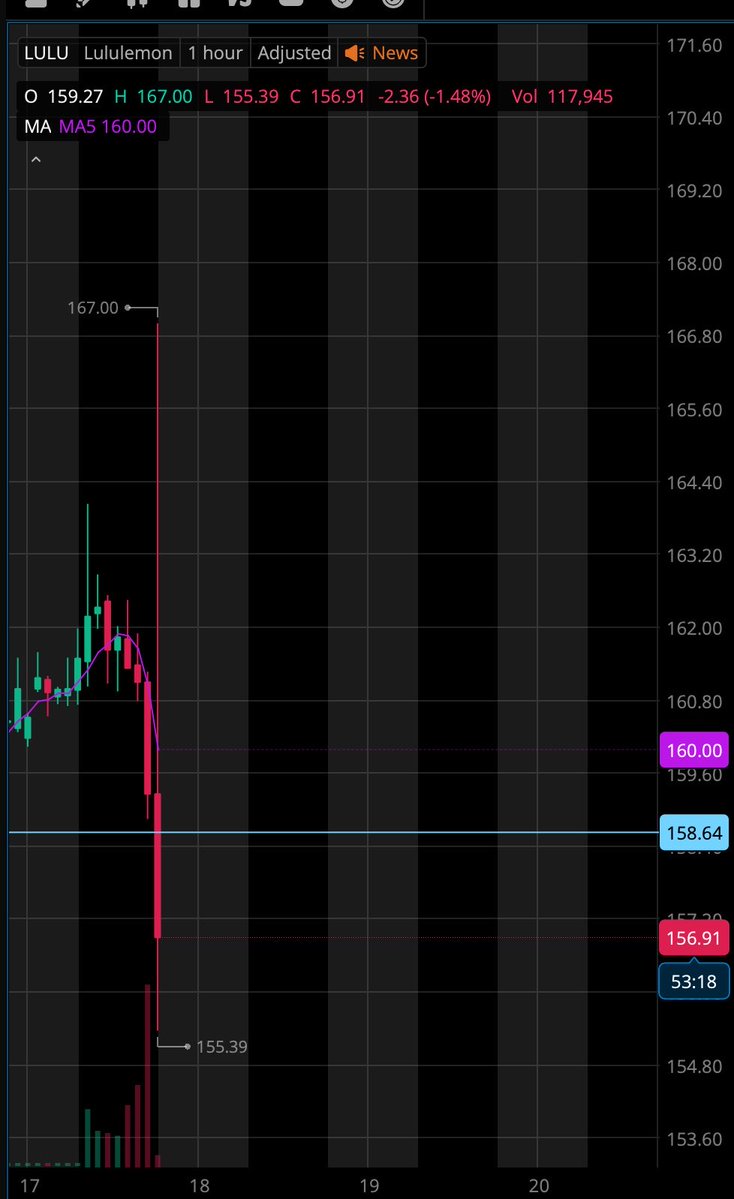
Lululemon is rising together with the broader market. Is it rising just because of the broader market strength, or is there some catalyst that could result in renewed strength in the coming months? Check it out in my latest piece on Substack (link in my bio). $LULU
Financial Pulse ~ Damjan tweet media
English
0
0
1
79
Financial Pulse ~ Damjan
Financial Pulse ~ Damjan@time24trader·
@TheTranscript_ This fact that he was on a board before is a two edged sword; from one side it benefits as he can execute faste; on another side he obvisously was part of the problem at least partially.
English
1
0
4
146
The Transcript
The Transcript@TheTranscript_·
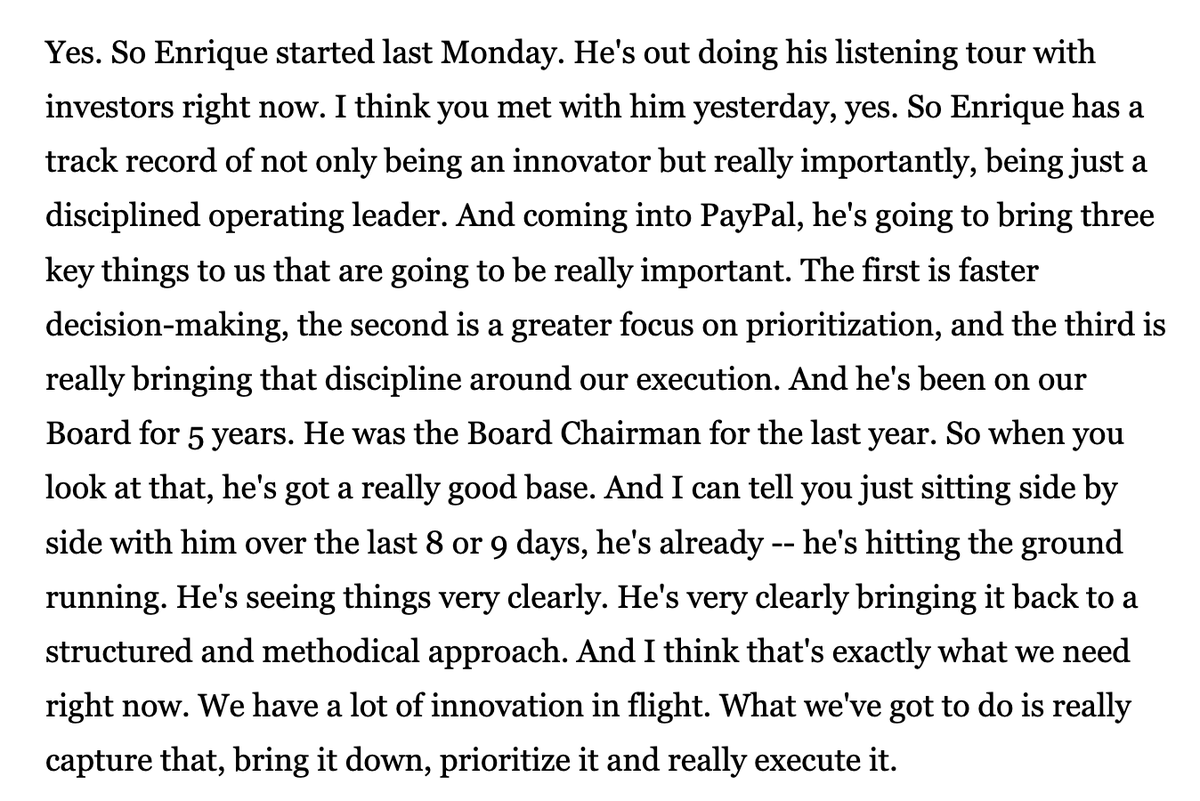
$PYPL CFO: New CEO Enrique Lores is expected to focus on operational discipline. “He’s going to bring faster decision-making, greater prioritization, and stronger execution discipline.”
The Transcript tweet media
English
12
5
73
14K
Financial Pulse ~ Damjan
Financial Pulse ~ Damjan@time24trader·
As Q1 is nearing its end, here is my latest update regarding the protocols I'm using on Solana: ♦️xStocks: used yesterday's dip to open a small position in SPY (7% down from ATHs), to get myself to explore more about it. Thanks @jukitCrypto for bringing this to my eyes. ♦️Solstice: sitting at ~30M flares; TVL got so close to 375M, which would have led to the new increase in the initial token distribution, but ultimately felt short; initial plans were TGE in Q1, also what will they do with their social campaign which reserved 1% of total supply before eventually X decided to change it's policy. Let's see what happens in the next few days. ♦️Lince Finance: season 1 is coming to an end soon. They refreshed their UI, which looks more organized. Here I am closing to ~500; pretty decent development considering I missed all the early bonus tasks (the last 10K points I thankfully managed to capitalize on). I just like their approach for automated strategies, also one interesting take, while most protocols made it possible to farm points aggressively via Exponent and RateX they didn't, at least in Season 1. ♦️OnRe Finance: remains one of my favorites as it keeps proving itself during this market conditions; my ranking fell to ~1500, might consider opening some YT on Exponent soon to boost the rankings. ♦️Loopscale: holding a small position of xSOL there (now even smaller considering it has lost ~65% of the value), having 100K points; don't expect a lot from it as I wasn't involved early but wanted to have some digital trail there as you never know. ♦️Piggybank: sitting at ~800. Season 0 is ending in 10 days. ♦️Hylo: sitting at ~1500. xSOL buying in these conditions proved to be a losing strategy, one gem would be staked HYUSD as its yield gets spiked up during SOL drawdown, part of it get's converted to xSOL but as SOL recovers that xSOL get's converted back hyUSD. The mechanisms are working, but for leveraged products to shine, we need a strong market. Recently added YTs of hyUSD on Exponent to try to get to 8 - 10 million points. ♦️Exponent: providing liquidity for BulkSOL and ONyc, having small position for Reflect Money on YT, opened also for hyUSD and planning to add ONyc YT. Lastly, I use Titan Exchange for most of my swaps because it also has a leaderboard. Here you have it my whole spider web on Solana. Until the next update 🤜🤛
English
2
0
6
104
Financial Pulse ~ Damjan
Financial Pulse ~ Damjan@time24trader·
@ArtueroY Definitely ONRE rules, especially in these conditions when everywhere you look at money is bleeding.
English
0
0
1
12
Kendrick Perkins
Kendrick Perkins@KendrickPerkins·
The Lakers got into Miami at 4 this morning and Luka decides to drop a 60 piece all Flats???? Imma have to drop somebody but he’s definitely got me rethinking who’s going to be my 5 players for First Team All NBA. God Bless America
English
485
353
4.8K
822.4K
Evan | Investments
Evan | Investments@NotA_Bull·
Two stocks I wouldn’t touch right now even if you paid me, $DUOL and $PYPL. What stocks are you staying away from?
Evan | Investments tweet mediaEvan | Investments tweet media
English
29
0
52
8.1K
Financial Pulse ~ Damjan
Financial Pulse ~ Damjan@time24trader·
@rdd147 And Lululemon has still a space to expand its growth in China with Americas revenue standing at ~71% so growth story is still here even if not as strong as couple of years ago, Nike on the other hand looks much more saturated.
English
0
0
1
75
Roger
Roger@rdd147·
$NKE PE 30 $LULU PE 11 Lulu is growing, Nike is selling brands and taking on $13 billion debt to survive falling sales. When you think $53 is cheap, think again. Nike at $18 would have PE near Lulu and still be in worse shape.
English
2
0
5
1.5K
Financial Pulse ~ Damjan
Financial Pulse ~ Damjan@time24trader·
@hataf_capital Exactly their FCF is only one point which suggest that this pricing is ridiculous, they can literally buy the whole company in 4-5 years if they would stay at these valuations; forbid management actually delivers on ads or agentic e-commerce
English
0
0
1
35
Hataf Capital
Hataf Capital@hataf_capital·
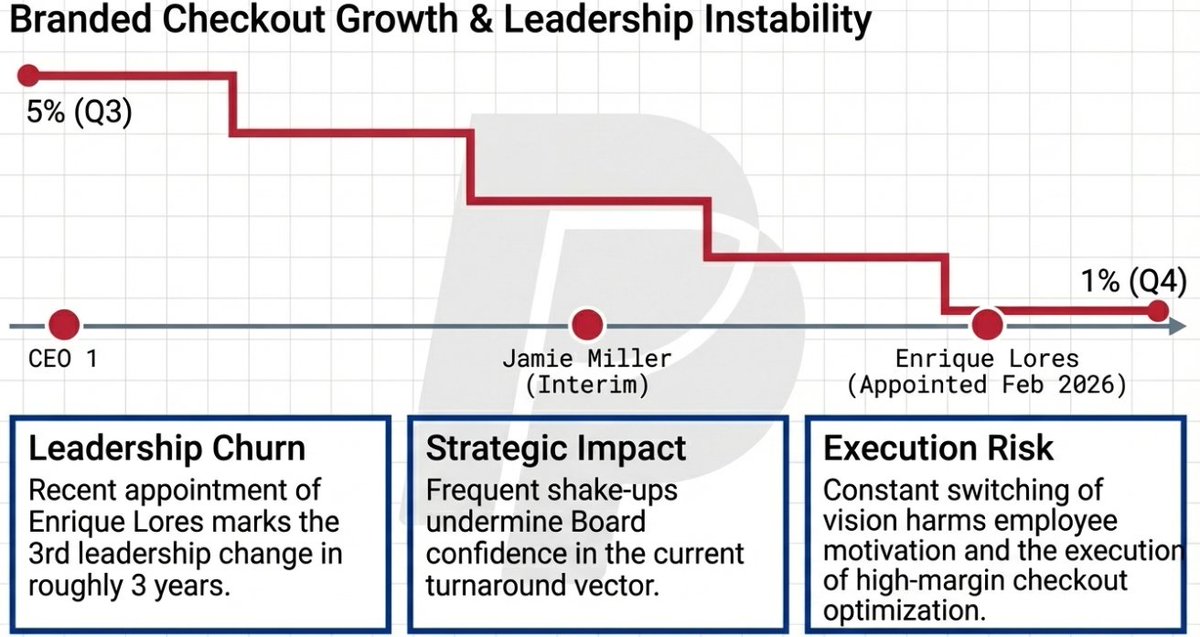
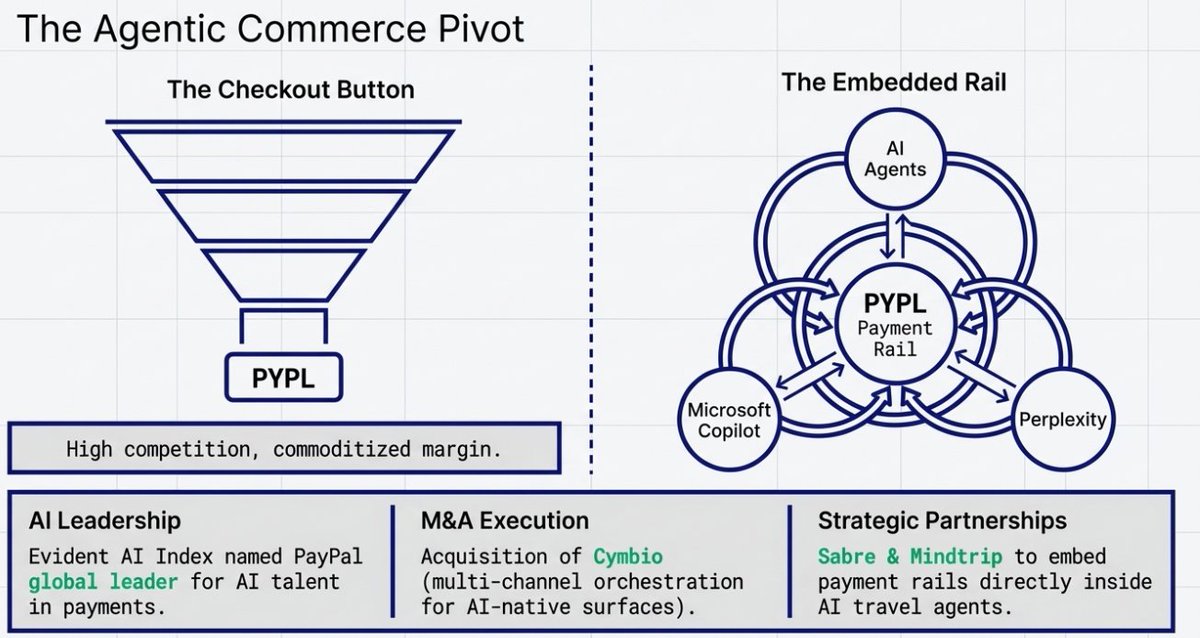
PayPal: Not Broken Enough To Sell At This Valuation I’ll admit it my December 2025 call on PayPal $PYPL was a bit of a mistimed pivot. The stock has shed another 25%, leaving the position at a deep loss. With a P/E ratio dipping below 10 and expected to compress even more, the market is pricing PayPal as if the business is entering a terminal decline. I don't think that’s the reality. While the turnaround isn’t exactly a smooth ride, the underlying numbers suggest there is still a clear path to a comeback. I am maintaining my Hold rating because, at these levels, the risk/reward is skewed too heavily in favor of a recovery. Pricing In A Worst-Case Scenario When you look at PayPal’s current multiples, it’s clear the market has completely decoupled the stock from its fundamental profitability. Comparing it to its "darling" status five years ago is a waste of time, but comparing it to the current sector median reveals a massive mispricing. PYPL is trading at a forward P/S ratio of just 1.2. In my view, that kind of multiple is usually reserved for companies with crumbling balance sheets or non-existent returns. Yet, PayPal’s ROE and ROIC are actually trending higher than their historical averages. We are talking about a company that still generates billions in free cash flow every year. Wall Street expects the P/E to compress to below 6 over the next few years, which tells me the sentiment has hit rock bottom while the earnings power remains intact. Venmo and BNPL While the headlines focus on the "problem child" perception of PayPal, the actual execution in its sub-franchises tells a different story. Venmo remains the crown where the turnaround ambitions are actually meeting reality. Seeing 20% revenue growth in FY2025 and a 50% surge in debit card TPV in the final quarter isn't the sign of a dying platform; it’s the sign of a growth engine that has achieved critical mass. Then you have the Buy-Now-Pay-Later (BNPL) segment, which just cleared $40 billion in annual TPV with 20%+ growth. Shifting From Checkout To Agentic Commerce The recent acquisition of Cymbio is a smart move that positions PayPal to move beyond just being a button on a website. By integrating into platforms like Microsoft Copilot or Perplexity, PayPal is trying to become the invisible plumbing for AI-native shopping. instead of competing for a spot in a traditional checkout line, they are embedding their rails directly into the AI agents that will soon be doing the shopping for us. The partnerships with Sabre and Mindtrip in the travel vertical show that management isn't just talking about AI; they are actively plugging their payment offerings into the next generation of commerce. The Bumpy Road And Management Fatigue I’m not going to sugarcoat it the road to recovery has been incredibly bumpy. The fact that the branded checkout business, which used to be the primary engine, saw growth collapse to just 1% in Q4 is a major red flag. I am not selling my PYPL shares because, at these prices, the market is already treating the turnaround as a failure. But as I’ve said before, turnarounds are rarely linear.
Hataf Capital tweet mediaHataf Capital tweet mediaHataf Capital tweet mediaHataf Capital tweet media
English
4
1
5
1.1K
Financial Pulse ~ Damjan
Financial Pulse ~ Damjan@time24trader·
@TheStockerMan My biggest concern around theđ was competition, I can say that this announcement gives me a feeling of ease as it shows they are building something not easily replicable.
English
1
0
1
99
Stocker-Man
Stocker-Man@TheStockerMan·
$PATH Sorry for only commenting on this later… it’s been a hectic day for me. But here’s my breakdown of today’s news. This morning, $PATH announced a new partnership with $MSFT focused on accelerating security and confidence for automated workflows. The solution connects $PATH automation platform with Microsoft Defender for Cloud, Microsoft Sentinel, Microsoft threat intelligence, and Security Copilot to automate threat detection, enrichment, and response workflows. It’s also expected to be available through the UiPath Solutions Marketplace. This matters a lot more than people think. After earnings, one of the biggest concerns around $PATH was obvious: “What stops Microsoft from just replacing UiPath?” “What if Copilot does the automation layer too?” “What if AI agents make UiPath irrelevant?” Today’s announcement is a very important answer to that. Microsoft did not announce a competing rip-and-replace solution here. They partnered with $PATH. And to me that says a lot. Microsoft clearly sees value in UiPath being the orchestration and automation layer that sits across real enterprise workflows, while Microsoft’s own security stack provides the underlying security, monitoring, and intelligence capabilities. That is the key point investors need to understand: Copilot can help generate. Security tools can detect. But enterprises still need something that actually connects systems, routes tasks, embeds controls into workflows, keeps humans in the loop, and makes the whole thing operational at scale. That is where $PATH fits. UiPath has been leaning hard into this exact idea for a while now: agents are useful, but they need orchestration, governance, reliability, and business context to work inside large organizations. UiPath has explicitly argued that orchestration is what turns AI agents from demos into production systems. So when people say “won’t AI just replace $PATH?” I think today’s partnership gives the opposite signal. It suggests Microsoft is willing to plug UiPath into its ecosystem because UiPath solves a real enterprise problem: How to make AI, automation, security, and human decision-making all work together inside actual business processes. I’m not in $PATH because I think it wins by competing head-on with every AI model. I’m in $PATH because I think it becomes the orchestration layer that helps enterprises use all of these tools together. And if that plays out, $PATH being in every major company’s toolbox by 2030 does not sound crazy to me at all.
English
2
2
52
2.8K
Financial Pulse ~ Damjan
Financial Pulse ~ Damjan@time24trader·
Lululemon is up 3% after the market opened; need to catch time to go through earnings in detail; but on the first the beats of their own guidances in EPS and revenue, change in the board (which looks like at least partially is going in the direction of the activists) are all positives. China growth is strong; and has strong potential to keep growing in the upcoming years if execution remains on point. We need inflection in north America, margins stabilization (still leader amongst competition) and guidance needs to be stronger (probably sandbagged; it's becoming practice at least within companies I am following). $LULU
English
0
0
0
24
Nicholas Mugalli
Nicholas Mugalli@RealNickMugalli·
As Lululemon Athletica $LULU reports earnings today it is flexing its muscles as a global powerhouse, demonstrating remarkable resilience and a clear path to multiyear expansion. We are setting a December 2026 price target of $250—reflecting high conviction in the brand's pricing power and its ability to scale into new high growth verticals. The real "human" story is the "China-led" breakout—Lululemon is projected to achieve a total sales increase of approximately 5% year-over-year to ~$11.51 billion, fueled by explosive growth in the China market where revenue is anticipated to surge 26%–27% for FY25. Strategic momentum for 2026 is anchored by a sophisticated "omni guest" strategy, reengaging core customers through enhanced store experiences and supporting an expected comp growth of 1.0% in Q4.We must be clear—while some cite domestic saturation, the reality is a "market share grab." We believe the business model is structurally superior to traditional retail—by maintaining an elite community led brand presence, Lululemon is outperforming the broader US activewear market even as peers struggle. While the company manages a forecasted 680-basis-point margin compression, this is a strategic "investment year" geared toward enterprise efficiencies that will drive a highly profitable 22.1% operating margin floor. We remain High Conviction Bullish on the long term outlook as Lululemon is projected to achieve an EPS of $12.56, outperforming last year’s growth trajectory. The narrative of "competitive intensity" ignores the brand’s deep psychological moat and its status as a permanent fixture in the premium lifestyle category. Ultimately, Lululemon is the "secular winner" of the athleisure era—its path to $250 is paved by high velocity growth in the East and a disciplined, dominant presence in the West
Nicholas Mugalli tweet media
The Earnings Correspondent@earnings_guy

$LULU (lululemon athletica) #earnings are out:

English
3
0
10
4.2K