
Tim Woelfle
130 posts

@timwoelfle
Neurology resident interested in the intersection of health and artificial intelligence: digital biomarkers, pragmatic trials, wearables, reproducible research


Check out our work on LLMs for systematic reviews of medical literature: Benchmarking Human-AI Collaboration for Common Evidence Appraisal Tools. We used @AnthropicAI's Claude-3-Opus, @OpenAI's GPT-4, @MistralAI's open-source Mixtral-8x22B: medrxiv.org/content/10.110… @LGHemkens 1/6


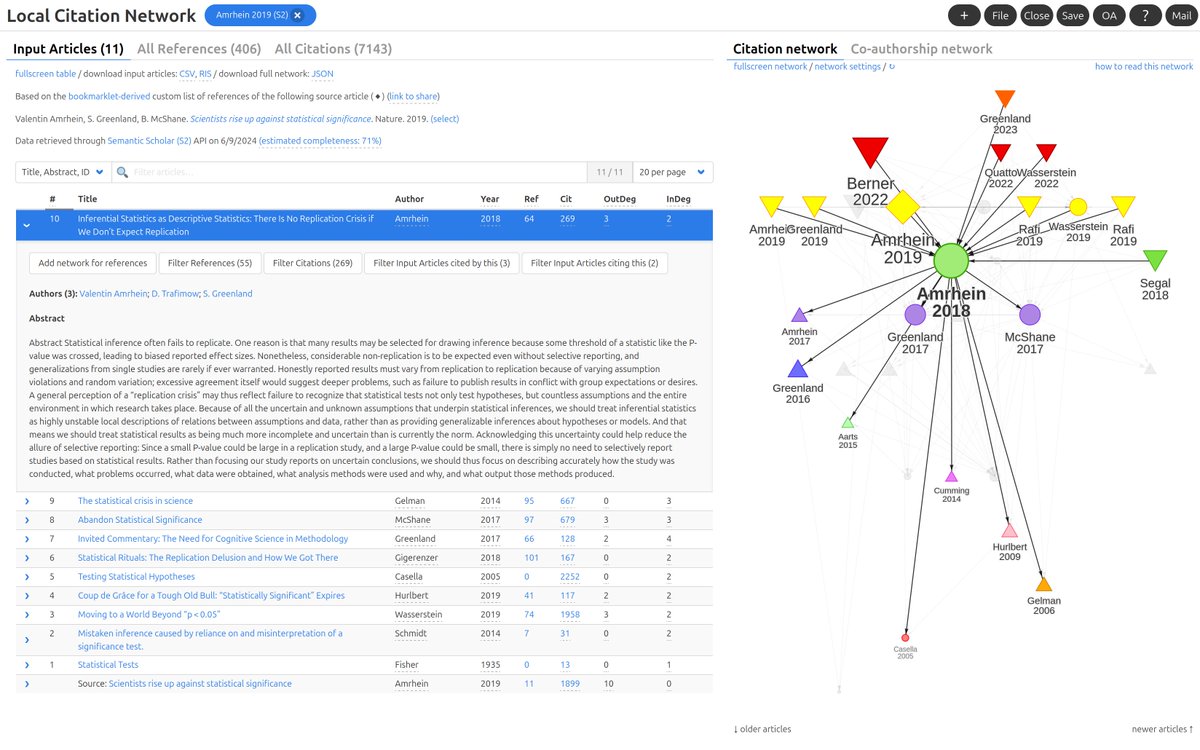
#LocalCitationNetwork will always remain free & open source, meaning 100% transparency! There are many other great literature mapping tools like @Inciteful_xyz (also open source), but most are closed source: @RsrchRabbit, @LitmapsApp, @ConnectedPapers 6/ twitter.com/RaziaAliani/st…


Just finished reading Aschenbrenner's manifesto (165p) about the impending intelligence explosion. I'm now rethinking my life plans. (Summary to follow on YT) situational-awareness.ai

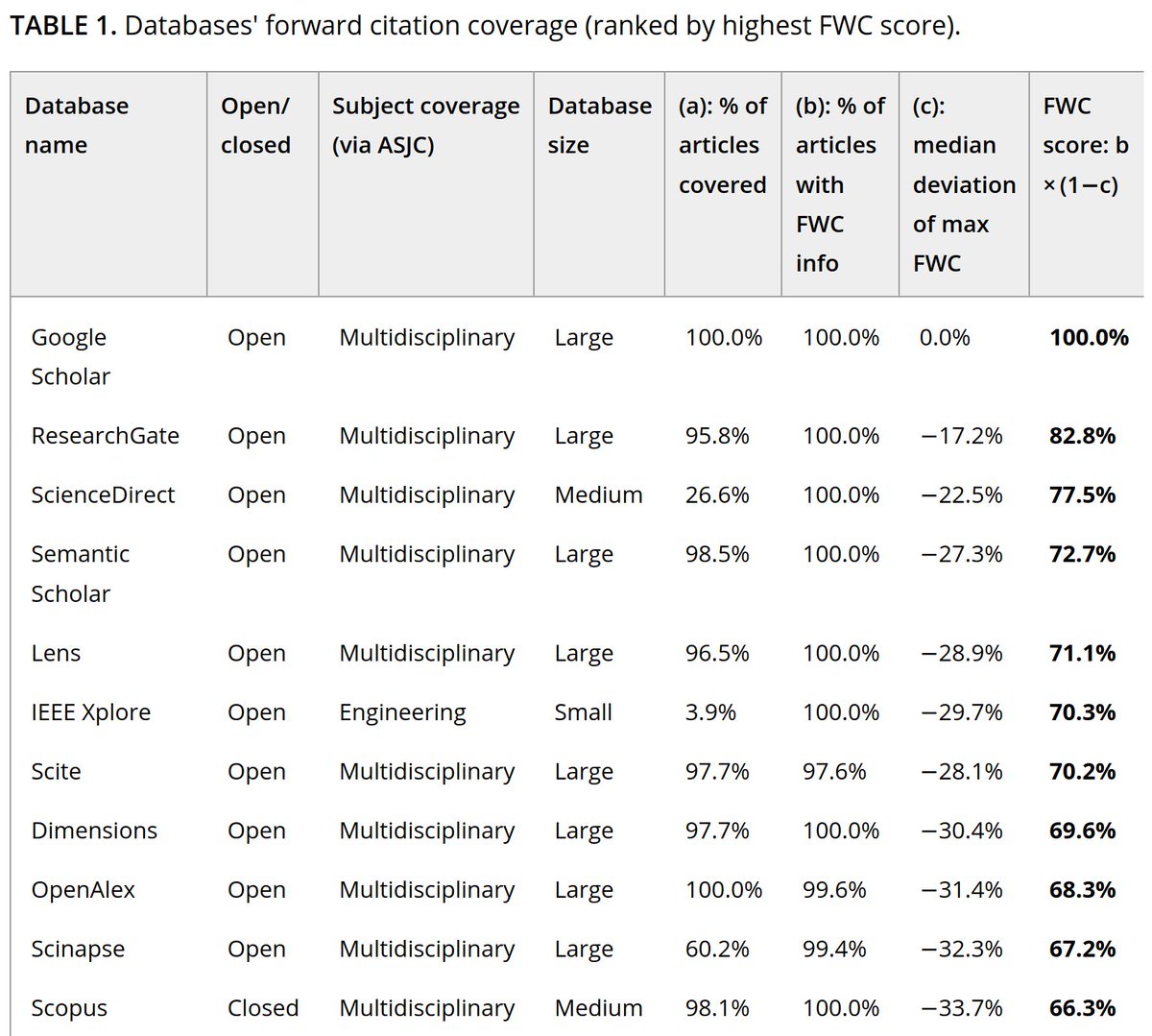
Semantic scholar.org website has more than the API! This has implications as many "AI tools" eg Elicit use semantic Scholar data.. I wonder what % diff this makes and nature of exclusions


You enter keywords on Google Scholar. Then bam! Thousands of hits. Instead, use AI literature mapping tools! SAVE this guide to choose the right one for you ⤵ Sifting through the Google Scholar/ PubMed noise takes hours. DAYS even. And don't get me started on the compilations. Endless datasheets. Do yourself a favor and Use AI literature mapping tools They analyze and visualize scientific literature for you. Just input your seed paper or collection. The AI recommends similar papers. Ones ACTUALLY relevant to your search. You can see it all on an interactive map or graph. BUT.. How to decide the right tool for your use case? ⤴ That's why I created this comparison table for you --------------------------------------------------------- #aiinresearch #literaturereview #ai #literaturemapping @RsrchRabbit @LitmapsApp @Inciteful_xyz