

Tobias Burns
5.2K posts
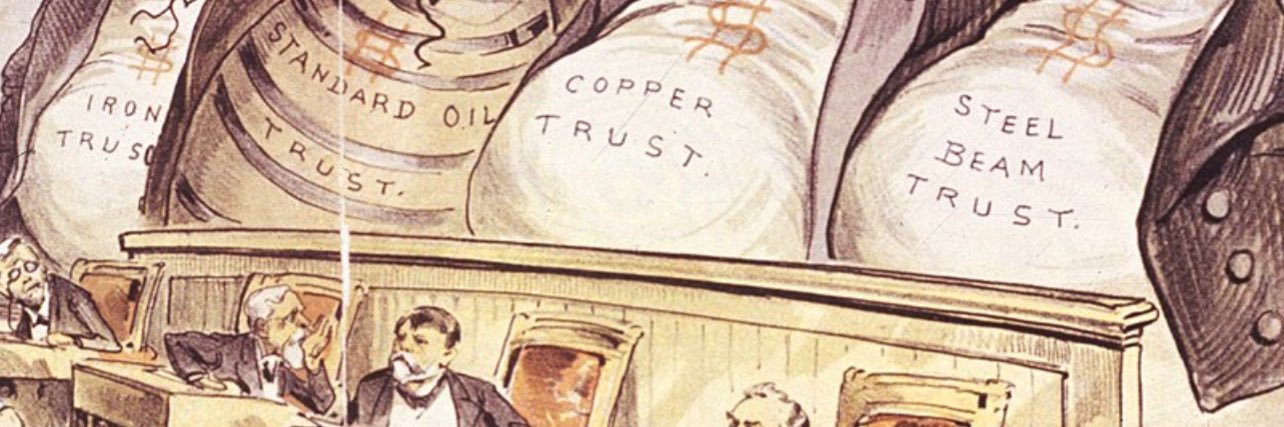
Warsh/Greenspan productivity calls
federalreserve.gov/boarddocs/spee…
Milk Road@MilkRoad
Kevin Warsh just made an argument that, if he's right, sends interest rates significantly lower than the market expects (save this). His claim is that we're at the front end of a deflationary wave driven by AI making the cost of production fall across nearly every industry. His deeper concern is that the Fed is still running on economic models from 1978, with no institutional framework for recognizing what happens when a technology-driven productivity boom permanently changes the relationship between growth and prices. He pointed to Alan Greenspan's famous bet in the 1990s... Greenspan held rates steady and let the economy run hot because he believed the internet productivity boom was real and would show up in the data. He was right. Output per hour grew 2.7% annually while inflation dropped to 1.9%, one of the most beneficial macro environments in modern history. Warsh thinks that bet is on the table again, and that a Fed anchored to old models risks tightening into a productivity boom and strangling growth that would have otherwise been non-inflationary. The data backing the thesis goes like this: The cost of running frontier AI has collapsed from $30 per million input tokens in early 2023 to pennies today, and by the end of 2026, today's frontier capabilities will likely be available near-free. When the price of intelligence approaches zero, the cost structure of every industry that uses intelligence starts falling with it. But there's a flip side worth taking seriously. AI-related price pressures have already added roughly 0.3 percentage points to core PCE through hardware prices, software hikes disguised as AI upgrades, and electricity costs from data center power consumption. Microsoft raised M365 by 30%. Adobe raised Creative Cloud Photography by 50%. Intuit raised QuickBooks by 45%. All justified with AI features, all showing up as price increases in the inflation data. Almost everyone agrees AI will eventually be deflationary if it delivers on the productivity promise. The main fight is over timing. Is the payoff 2 years away or 10? And should the Fed act on that expectation now or wait for the data to confirm it first? Nearly 60% of economists surveyed by the University of Chicago's Center for Markets said Warsh's AI thesis would have minimal impact on inflation or rates over the next two years. If he's right, we're entering an environment where growth stops being a rate hike trigger, deflation comes through the supply side, and the companies investing most aggressively in AI now pull further ahead. If he's wrong and the old models still apply, rates stay higher for longer and the productivity payoff gets pushed further out than the market has priced in. The market is betting he's at least partially right. If you want to track how this plays out, what it means for rates, AI infrastructure investment, and the risk assets (like crypto) positioned to benefit from a Fed that finally sees that the productivity boom is real... Join Milk Road PRO, link bio: @MilkRoad
English
Tobias Burns retweetledi

"One of the biggest misconceptions"
Cerebras CFO @BobKomin pushes back on the small-models narrative.
"We serve all models, and there is no limit to the size of the models that we can serve. Today, we're serving trillion parameter models. We're serving trillion parameter models that are internal for OpenAI today. We are currently running OpenAI 5.4 and 5.5 with them."
English
chips and science passed 2022 —> Takes 4 years to build a fab —> 2026 semis boom. Gosplans gonna gosplan
timesofindia.indiatimes.com/technology/tec…
English
Tobias Burns retweetledi

Congrats to @jkbjournalist on this award honoring her work cracking open one of the biggest scandals and abuses of elite power in recent history.
In an age of attention economy clickslop & hot takes, her work should be a reminder of the value of accountability journalism.

English
Tobias Burns retweetledi

unfathomably rich people baffled at why people aren't having kids is always good for a laugh
x.com/60Minutes/stat…
60 Minutes@60Minutes
“We've stopped making babies. We've decided that being distracted by a dopamine hit around Candy Crush might be a good way to spend your time. Not if you're a full human," former Sen. Ben Sasse says in an extended interview. cbsn.ws/4cA1Jrp
English
Tobias Burns retweetledi

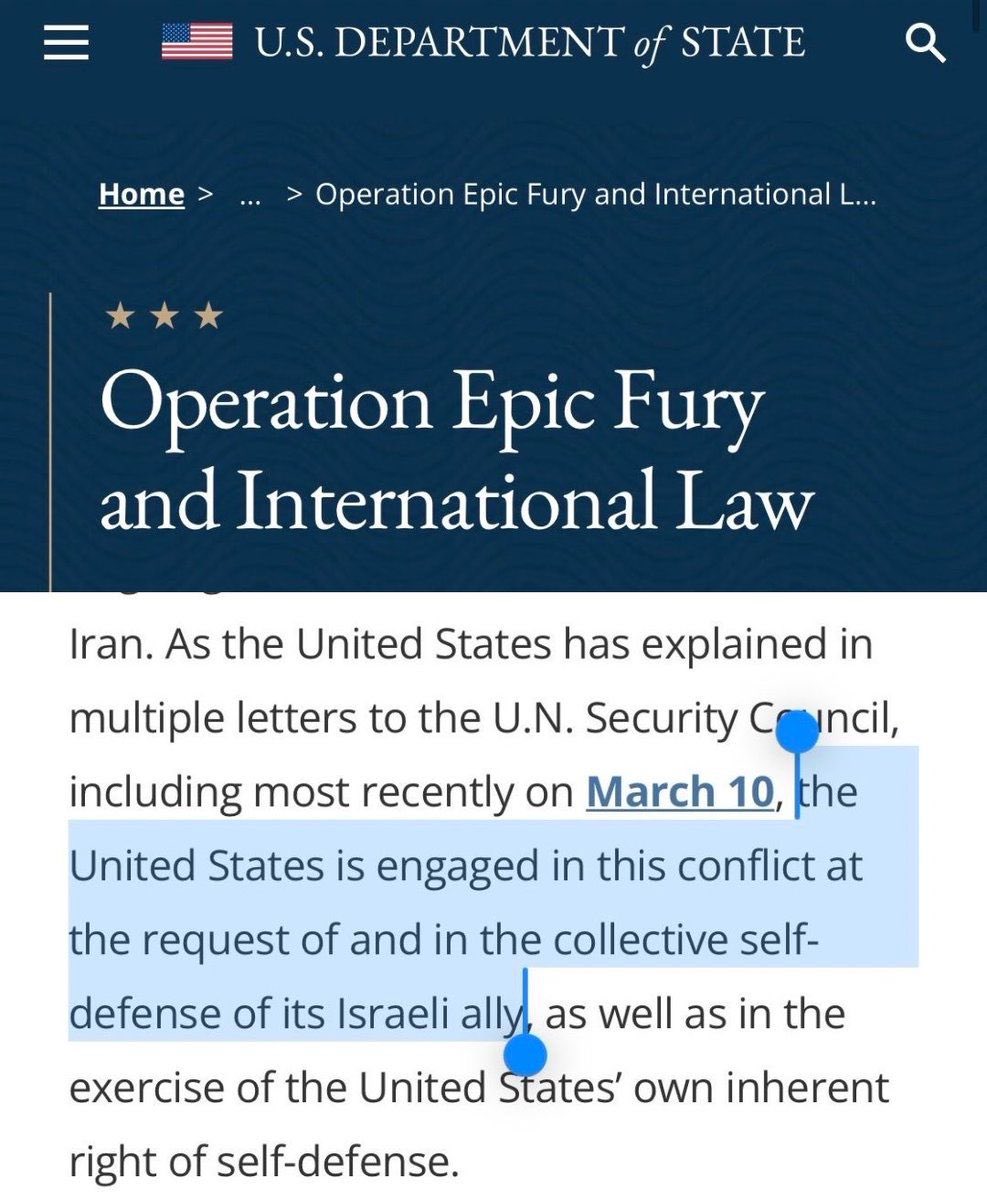
US Department of State says on its website the war was started at the request of Israel
English
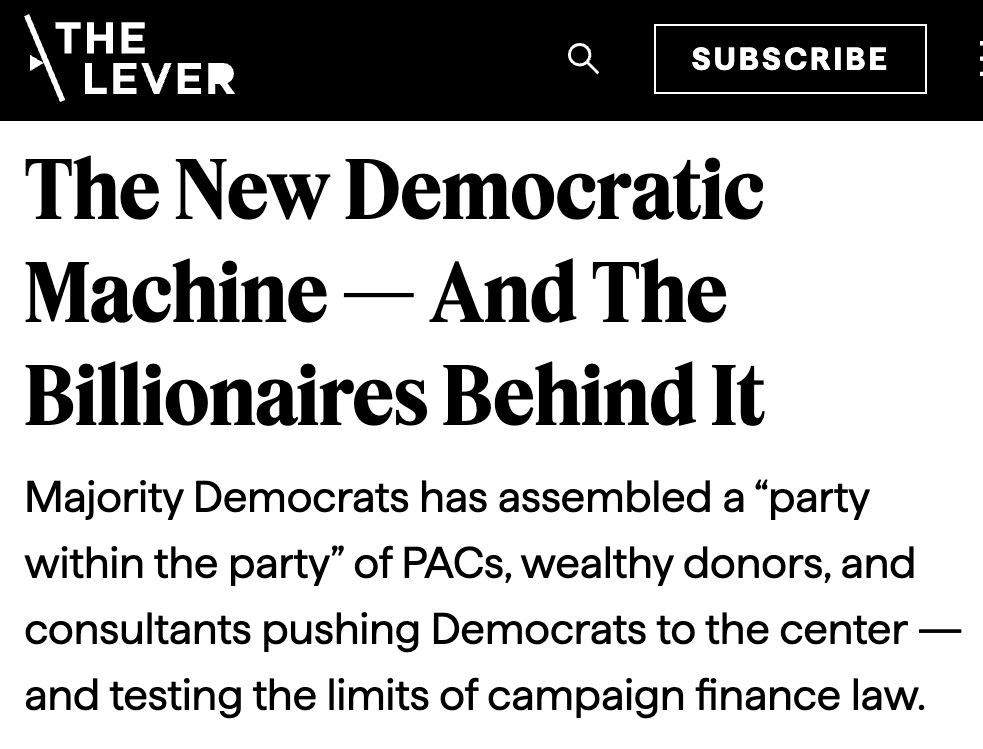
🚨INVESTIGATION: @LeverNews exposes the secretive billionaire-funded political machine that's aiming to crush populist Democratic candidates, working to help corporate-friendly candidates buy Dem primaries - and pushing the boundaries of campaign finance laws.
English
Tobias Burns retweetledi

NEW: A powerful network funded by billionaires is pouring money into Democratic primaries — while pushing the boundaries of campaign finance law.
Our investigation traces how groups like @MajorityDems and @ElectTheBench are reshaping races across the country.
Read more 👇 levernews.com/the-new-democr…
English
Tobias Burns retweetledi

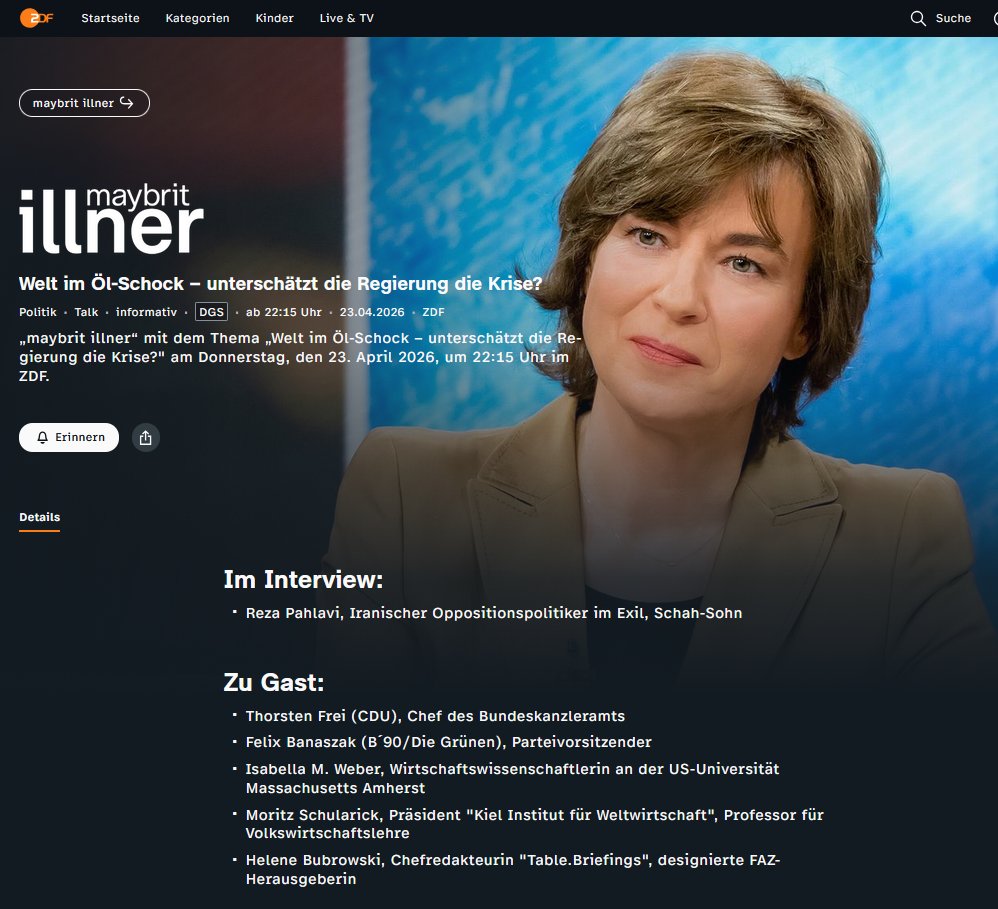
📺 TV-Tipp: @MSchularick diskutiert heute Abend mit @thorsten_frei, @fbanaszak, @IsabellaMWeber und @HeleneBubrowski über die globale Energiekrise.
Um 22:15 Uhr bei maybrit illner im ZDF 👉
zdf.de/video/talk/may…
Deutsch
Tobias Burns retweetledi

"...We’re offering a very fair and reasonable DEAL, and I hope they take it because, if they don’t, the United States is going to knock out every single Power Plant, and every single Bridge, in Iran. NO MORE MR. NICE GUY..." - President Donald J. Trump

English
Tobias Burns retweetledi
AI's main demand metric (tokens) has decoupled from actual economic value.
Like page views during the dotcom era...numbers justify the spend, until they don't. Who's preparing for that?
English