
Sabitlenmiş Tweet
hu🌻sa
13.3K posts
hu🌻sa
@ueuMaroc
MCP, MCSE (old school), emigrated. Windows Insider. Do not take everything seriously. In use: Nokia N8, N9(64GB), Lumia 800 930 XA2-Sailfish ☕️🥁🎸🎻🎧🎱🏝️🐆
Am Geisse hüete Katılım Mart 2014
833 Takip Edilen238 Takipçiler



If I am not following you, and you would like to comment on anything I post, let me know and I will follow! I do not have 18,000 followers, as thousands of them are sock-puppet accounts and bots. In fact I think > 75% of my followers are not real humans, so I never know. 🇺🇦
English
@Ludwig64747662 @GrafKorina Der ist noch kein Grund um Schwanensee zu bringen.
Aber glaube mir, ich bin nicht der einzige der gerne drei Tage lang Schwanensee auf einem ru Kanal sehen würde.
Deutsch

@GrafKorina Läuft schon "Schwanensee" auf allen russischen TV-Kanälen?
Deutsch

Wenn diese Meldung auch nur teilweise zutrifft, dann:
• verliert Putin einen seiner brutalsten, aber effektivsten Machtpfeiler
• droht eine destabilisierende Nachfolgekrise
• und Russland wird innerlich verletzlicher
Für die Ukraine und Europas Sicherheit ist das nicht automatisch „gut“ – aber es schwächt Moskaus strategische Handlungsfähigkeit spürbar

Deutsch
hu🌻sa retweetledi

Scende giù la neve
Guarda come viene
Sto pensando a te
E tutto intorno a me
Vedo scintille
#Scintille #ZuccheroFornaciari
Italiano
hu🌻sa retweetledi
Italiano
hu🌻sa retweetledi

Raise your hand if you never supported Donald Trump and you never will! ✋
I want everyone to follow you! 💙🌊
Drop a 💙
Repost 🔂
You will get MORE Followers! 💯
5 MEGABOOSTS dropping in the comments 👀

English
hu🌻sa retweetledi

Wenn man es nicht einmal schafft,
Glasfaser zu verlegen,
warum sollte man es dann schaffen, Abschreckung zu organisieren?
Die Experten warnen seit Jahren.
Erst hieß es: 2030.
Dann: 2028.
Dann: 2026.
Und jetzt ist 2026 in nicht mehr sieben Stunden.
Gehandelt wurde trotzdem kaum.
Stattdessen Symbolpolitik, Gipfelfotos, wohlformulierte Erklärungen.
Und die tröstliche Annahme, dass es schon nicht so schlimm kommen werde.
Vielleicht liegt unser letzter Sommer im Frieden bereits hinter uns.
Deutschland fährt weiter im Standgas – mit Warnblinker, aber ohne Richtung.
Sorry.
Kein frohes neues Jahr.
Nur ein ehrliches.
Passt auf euch auf. 🥂
P.S. Und nein, ich bin nicht depressiv, nur fassungslos. Und wütend.
Deutsch
@GrafKorina Und warte, sowieso steht das nächste Telefonat mit dem kleinen mit Haftbefehl noch aus…
Deutsch
Dass Trump einen Putin-kritischen Artikel teilt, heißt nicht automatisch, dass sich seine Russland-Politik verändert spiegel.de/ausland/donald…
Deutsch
@CatDylanNews Wait, the next phone call with the little one with the arrest warrant is still pending...
English


hu🌻sa retweetledi

15 Decembre ,je suis et resterai aux côtés de L'UKRAINE jusqu'à la VICTOIRE !!!!
💙💛💙💛💙💛💙💛💙💛💙💛
#StandWithUkraine🇺🇦
#SkyShieldNow
#WeAreAllUkrainians
Français

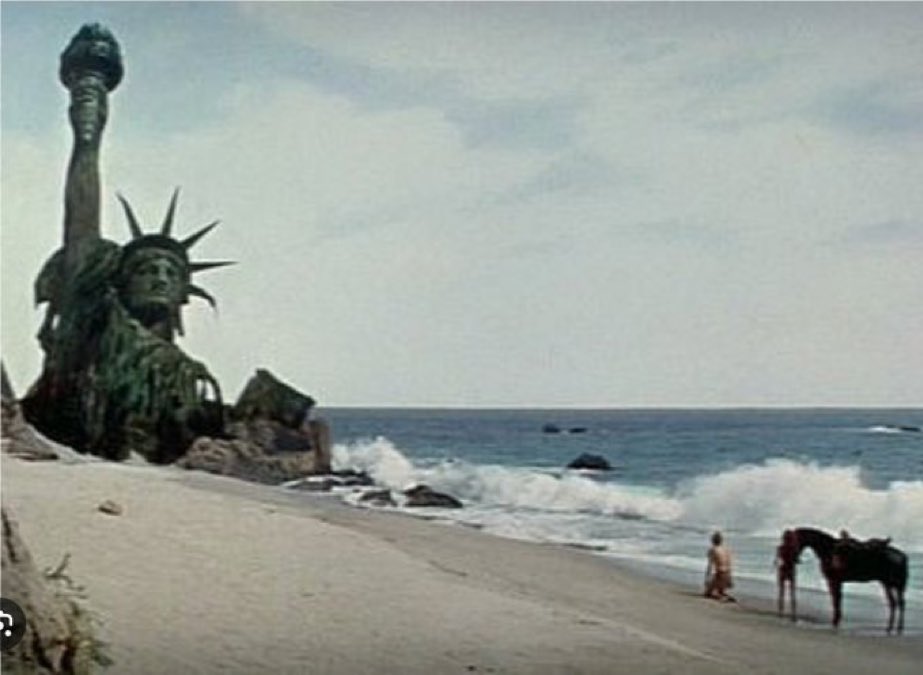
Rührend, wie immer noch jedes "fuck" im Free-Speech-Amerika mit einem schamhaften Piepston zensuriert wird.
Deutsch
@Gerashchenko_en I gather 20 or 30 people around your house, and a little later we break in and ransack your flat.
Then I say, "We didn't do anything, nor did we start anything. But your peaceful house provoked me, so you're the one who started it. That's why you have to leave the house."
English

Putin to India Today:
Let me remind you, we were not the ones to start this war. The West egged Ukraine on and supported the events, orchestrated the coup d'etat. We've tried to resolve these issues peacefully for 8 years, signed the Minsk agreements, hoping that they could be resolved through peaceful means.
Our special military operation isn't the start of a war, but rather an attempt to end one that the West ignited using Ukrainian nationalists. That's what is really happening right now. That's the crux of the problem.
English
@Adrian11192493 Bau doch einen Zaun um dein Haus, zusammen mit deinen anderen Nachbarn. Dann wird er sagen, dass du mit den anderen zum Krieg gegen ihn aufrüstest….
Deutsch

Mein Nachbar hat mir grad absichtlich die Wärmepumpe kaputtgeschlagen, weil ich ihm mein Auto nicht schenken wollte... Zudem drohte er, auch die Fenster einzuwerfen. Ist ein übler Typ. War er schon immer.
Das Gemeinderatsmitglied, das in unserer Strasse wohnt, meinte dann, ich solle ihm doch einfach das Auto geben - um des Friedens willen und weil der Lärm halt alle nerve, falls mein Nachbar nun noch weitere Dinge kaputtschlage.
Ich habe dann noch zwei Nachbarn auf der anderen Seite gefragt, ob sie mir helfen würden - die meinten zwar, ich sei ja schon im Recht, aber sie wollten sie nicht zu sehr einmischen.
Ist halt jetzt blöd im Winter mit der zerdepperten Wärmepumpe. Wenn der jetzt noch die Fenster einwirft...
#Ukraine
Deutsch
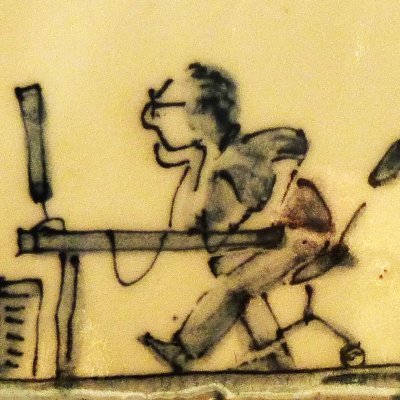
Ganz unabhängig vom Inhalt: mir fallen in allerletzter Zeit solche Bilder von Trump auf, wo er auch körperlich zunehmend gebrechlich wirkt, von seinen Konzentrationsproblemen nicht zu reden
Der hält nicht bis 2028 durch
Aaron Rupar@atrupar
check out the paint on the back of Trump's right hand
Deutsch
@GrafKorina @ueuMaroc @moritz_gathmann Das Ignorieren sachlicher Kritik ist eigentlich schon entlarvend genug.
Deutsch
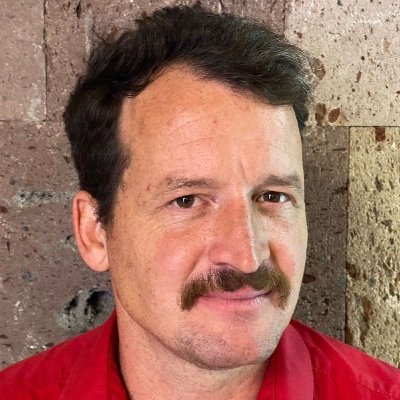
Ah, geht das jetzt wieder los mit diesen Accounts mit KI-generierten Profilbildern, (was ist eigentlich aus "Lena Berger" geworden?) die einen aus dem Schutz der Anonymität heraus irgendwie anschwärzen wollen? Ehrliches Angebot, verehrte "Korina Graf": Schreib mir ne PM, sag mir erstmal, wer du bist, wir treffen uns und ich erzähl dir gerne persönlich etwas mehr über meine Ukraine-Expertise seit 2010. Ми також можемо розмовляти українською.
Korina Graf@GrafKorina
Experte? Für was genau, bitte? @Markus__Lanz @phoenix_de @CarenMiosgaTalk Ganz ehrlich: Warum wird Moritz Gathmann überhaupt in Talkshows eingeladen? Angeblich, weil er „Russland-Experte“ sei. Nur hat das einen Haken: Er liefert keinerlei fundierte Einschätzung zur russischen Bevölkerung, zur Stimmung im Land oder zur Funktionsweise des Regimes. Null. Nichts. Das wäre aber das Minimum, wenn man schon als Russland-Kenner ins Studio gekarrt wird. Stattdessen macht er genau das Gegenteil: Er redet ständig über die Ukraine – ein Land, dessen Sprache er nicht spricht, dessen politische Kultur er nur oberflächlich kennt und dessen gesellschaftliche Stimmung er schlicht nicht einschätzen kann. Und dann verkauft das Fernsehen das auch noch als Expertise. Das ist absurd. Was er dafür zuverlässig abliefert: russische Narrative, hübsch verpackt als „Analyse“. Die Ukraine sei erschöpft, Russland viel stärker, der Westen müsse vorsichtig sein – das ganze Programm. Das hat mit echter Expertise genau gar nichts zu tun, aber bestens mit dem, was der Kreml seit Jahren erzählt. Und das ist genau der Punkt, der mich aufregt: Er wird eingeladen, weil er mal in Russland gelebt hat und ein paar Jahre Korrespondent war – aber er erfüllt diese Rolle überhaupt nicht. Er erklärt Russland nicht. Er erklärt die russische Gesellschaft nicht. Er erklärt die russische Kriegsbereitschaft nicht. Er erklärt gar nichts davon, was ein echter Russland-Experte heute leisten müsste. Stattdessen bekommen wir eine Mischung aus ✔ allgemeinen Phrasen, ✔ schiefen Einschätzungen zur Ukraine und ✔ russlandfreundlichen Deutungen ohne Substanz. Kurz: Er wird als Experte verkauft, erfüllt aber nicht mal im Ansatz die Aufgabe. Und dass man so jemanden dann zu militärischen oder strategischen Fragen befragt, ist einfach nur grotesk
Deutsch
@voltigierdvd @moritz_gathmann @GrafKorina Moritz bittet lieber grok um Hilfe um die Authentität eines x-Account zu bewerten, da muss ich in diesem Fall wirklich lachen. Dieser Account ist tatsächlich ein normaler, richtiger und sogar ein guter Mensch dahinter.
Aber eben, deine Kritik wird wohl nie beantwortet werden.
Deutsch
@moritz_gathmann @GrafKorina Ich warte übrigens noch immer auf Antwort auf meine konsttruktive Kritik:
x.com/voltigierdvd/s…
Marc Schuirmann 📯@voltigierdvd
@moritz_gathmann Kein Wort dazu, dass auch russland Probleme hat, den Krieg fortzuführen. Kein Wort dazu, dass Trump diesen russischen "Plan" mit Erpressung durchsetzen will. Kein Wort dazu, dass dieser "Plan" das Ende des Völkerrechts und Beginn des Faustrechts einleiten würde.
Deutsch
hu🌻sa retweetledi

3 years, 1 month, 2 weeks, 6 days, 18 hours, 24 minutes, and 55 seconds
▓▓▓▓░░░░░░░░░░░░░░░░ 21.5%
English