ulc2020

540 posts

ulc2020 banner
ulc2020

ulc2020

@ulc2020

Focused on COVID-19 for now. Will disappear from Twitter after.

Katılım Mart 2020
1.4K Takip Edilen159 Takipçiler
Nukit
Nukit@NukitToBeSure·
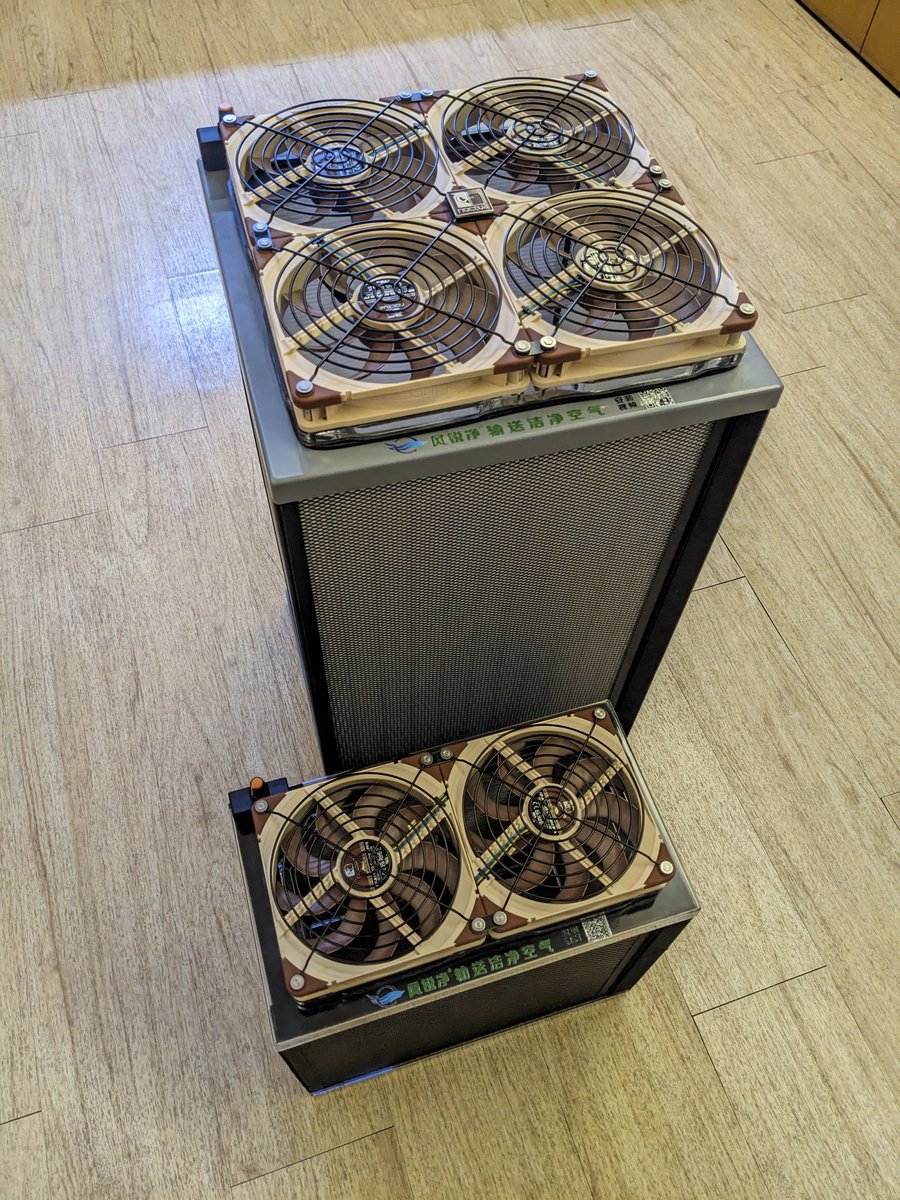
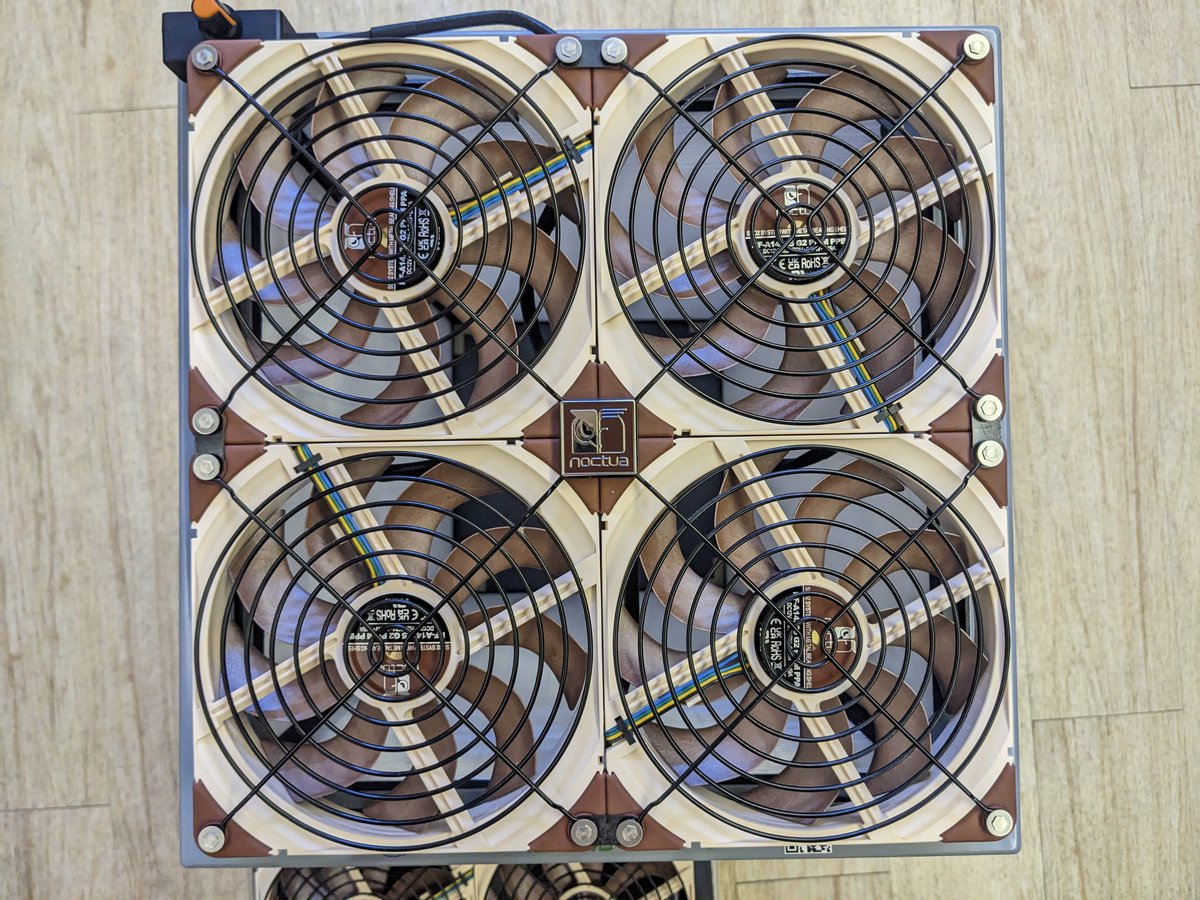
After seeing @eddericu and @Engineer_Wong's work, I've been playing with laminar flow, and I gotta say- air is some bullshit. It's like wood versus aluminum. Take a random piece of 6061- look up your cutting speed and feed on the chart or let the CAM app do it, walk away. Wood? Ooooohhhh this piece of wood just feels like being weird full of knots, it's a little damp, what direction are you cutting it, the moon is in the wrong phase. I demand that air that just stays there and doesn't go all over the place and do weird shit😡
English
12
5
161
12K
Nathalie Ventilation
Nathalie Ventilation@VentiloAngel·
Why do this? I think compact models like the Lago have a place on the market because people often face space and aesthetic constraints. The Lago is narrow and shallow, so it can sit against a wall without leaving space on the sides—only in front of the filter and above. The top space is usually not an issue, making it very practical. Plus, it looks nice and hides the filter. Of course, this comes at a cost: some performance is sacrificed. But in real life, we have to make choices, and space management is one. I’ve seen this firsthand when choosing this model to ventilate a meditation room where the owner rejected other options: visible filters were unacceptable, and large boxes were too big or ugly.
English
1
0
2
76
Nathalie Ventilation
Nathalie Ventilation@VentiloAngel·
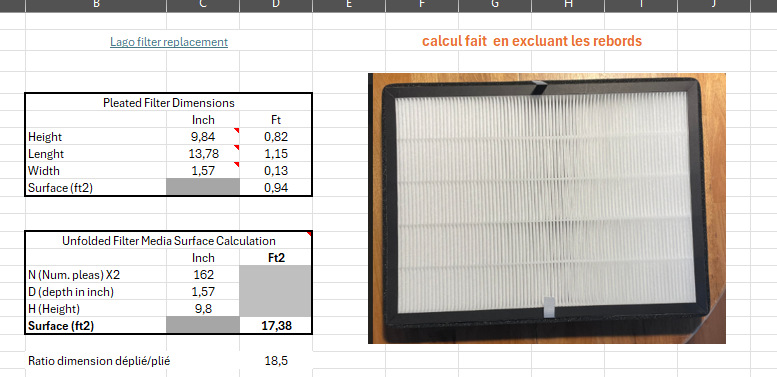
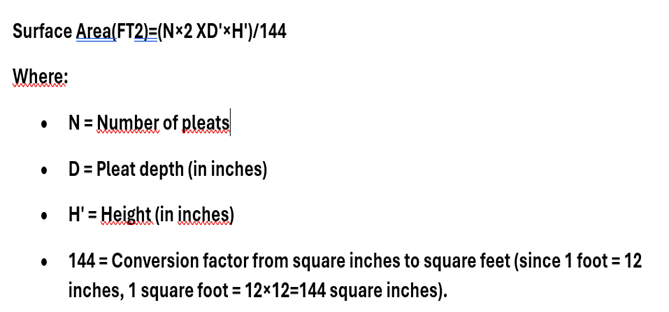
Next week I’ll finally start my test chamber series: 43 air purifiers to evaluate, mostly DIY as previously announced. I’ll test the Lago- LapkJ350GS1WHT (youtube.com/watch?v=HwrAv4…) with a Starvind filter, which fits inside (same thickness, almost same width, slightly shorter). Lago filter surface area: 17.4 ft² Starvind surface area: 23.5 ft² Hypothesis: CADR could be higher with Starvind, because Surface Area higher. If confirmed, people might choose between Starvind or Lago replacement filters. Note1. Lago-LapkJ350GS1BLK and Lago-LapkJ350GS1WHT are the same except the color black or white Note 2. Lago filter also contains carbon, unlike the Starvind. I am only comparing PM CADR, not TVOC CADR.
YouTube video
YouTube
Nathalie Ventilation tweet mediaNathalie Ventilation tweet mediaNathalie Ventilation tweet mediaNathalie Ventilation tweet media
English
4
3
39
1.6K
ulc2020
ulc2020@ulc2020·
Ford's emergency PAPR re-purposed seat blower fans from F-150s and was much quieter externally. (It still was not that quiet for the user wearing a hood, however, IIRC. I looked into modifying it with a half-respirator like a North 7700 so that the noise coming through the hose was isolated from the user.) I had hoped that the use of high volume off-the-shelf parts (Dewalt batteries, etc.) might lead to progress -- something that folks could maintain and use for a long period, but obviously that did not happen.
English
0
0
1
67
Nukit
Nukit@NukitToBeSure·
The CleanSpace HALO is a good start for that. But again, if the community wants better engineering- they need to stop burning engineers at the stake for heresy. Almost all who were or could have worked on this have left or stopped engaging. Anyone who focused on PAPR cost and noise right now would be attacked for working on a solution not everyone could afford right at this instant, and that the only acceptable answer to the issue is N95s. The refusal to, as you so aptly put it, "pay attention to the gulf between 'What the world should be like' and 'What the world is actually like”.
English
2
1
20
488
Nukit
Nukit@NukitToBeSure·
I would pair this with fundraising for PAPRs and/or fit testing for the most vulnerable. If we can't get more people in respirators- and five years in, it seems we can't, more effort needs to be on equipping immune-compromised people with protection good enough that it is less relevant if other people mask (since they won't). People being unable to organize or attend events because others won't mask is terrible, but of we can't change that, we can try to mitigate by ensuring they have better protection available to them. It's an accessibility issue, and many accessibility issues can be addressed with specialized equipment. It would also be good to see Far-UVC loaner kits for people visiting hospitals- that's one of the few places we really can't overcome other people's bad PPE decisions by wearing better masks of our own since we are often asked to remove them.
Vivian@suchnerve

I actually think masking could make a comeback if: 1. It were only required in high-risk areas like healthcare & public transit 2. Respirators were handed out for free 3. The free respirators were actually comfortable, stylish, and easy to accessorize, like the black Zimi Air

English
11
27
223
7.8K
ulc2020
ulc2020@ulc2020·
@NukitToBeSure @ThisHouseFresh I could not find anyone who ever tested it this way, but I would assume the Blast would also serve well as a large laminar air purifier, with more "reach" than the smaller ones typically marketed for that purpose.
English
0
0
0
28
Nukit
Nukit@NukitToBeSure·
@ThisHouseFresh The area is so large the breeze is really quite gentle.
English
3
0
7
209
HouseFresh
HouseFresh@ThisHouseFresh·
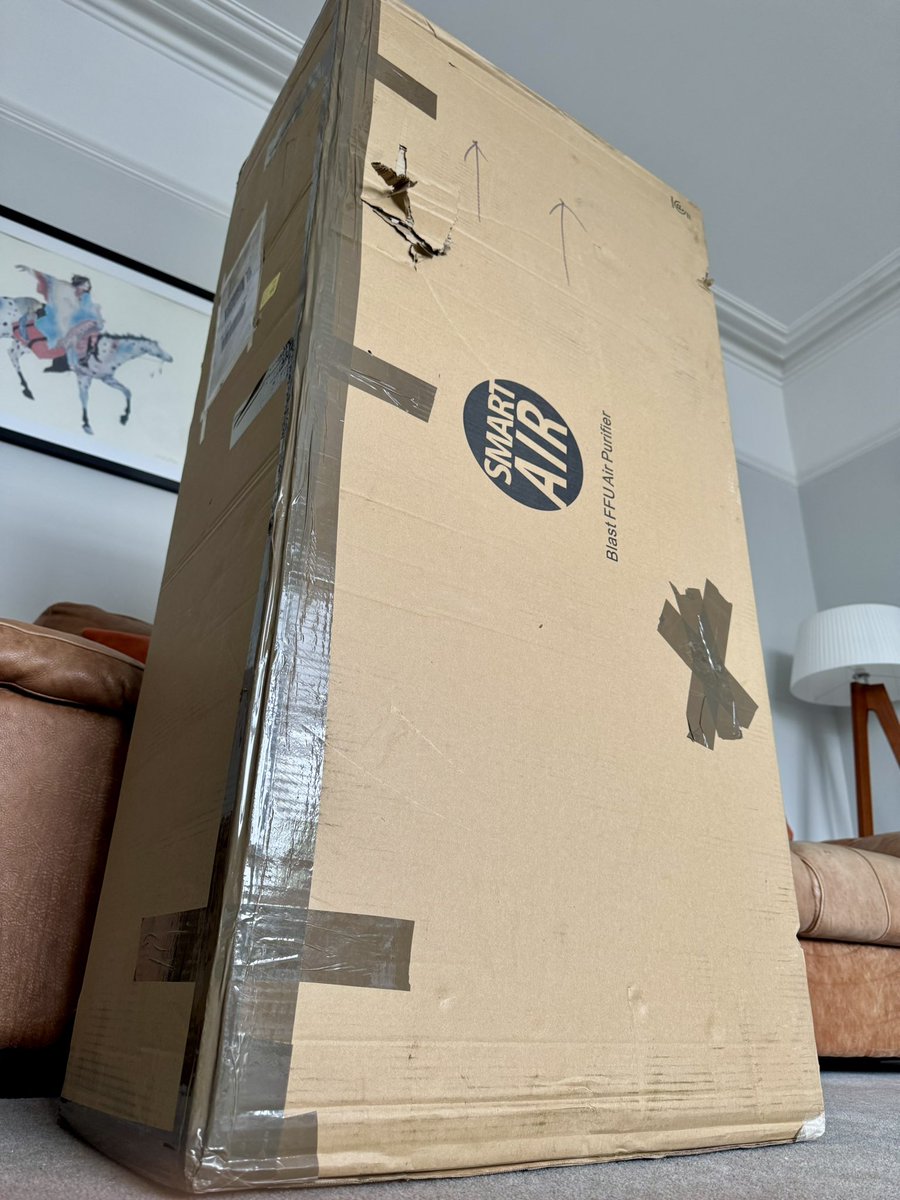
The Blast has entered the chat.
HouseFresh tweet media
English
3
0
52
1.8K
ulc2020
ulc2020@ulc2020·
@NorthBoxSystems I have considered the same (see older thread below). I concluded that the configuration likely would not help much with PC fans (given their size/power), but the configuration would be helpful with a larger/stronger fan (reducing footprint). x.com/ulc2020/status…
ulc2020@ulc2020

@Stoffel78179983 @JimRosenthal4 The Mann + Hummel filter cubes show the basic idea, except there half of the cube is taken up by the fan, and they use 6 shallower V's (12 filters) to minimize the volume of the cube and still maximize the surface area. twitter.com/ulc2020/status…

English
0
0
6
175
North Box Systems
North Box Systems@NorthBoxSystems·
One of the ideas we are working on is to use extra internal filters to increase performance, this configuration gives you essentially a traditional 4-filter cube design but squeezed into a smaller footprint. Testing a prototype will determine if this is the way to go:
North Box Systems tweet media
English
11
20
148
9.5K
ulc2020
ulc2020@ulc2020·
@Engineer_Wong Are you planning to use the same fan or sets of fans in each?
English
0
0
0
23
Adam Wong
Adam Wong@Engineer_Wong·
I am still designing new air purifiers. There are two ideas. A. Similar to the 3Pro, still portable but with much better aesthetic. About $190. B. Something that is two times taller than A, so not portable anymore. But it has double CADR than 3Pro, Also with much better aesthetic. About $390 Because my finance status only allow me to develop one of them. Which one do you prefer. 1/2 🧵
English
31
23
105
16.6K
ulc2020
ulc2020@ulc2020·
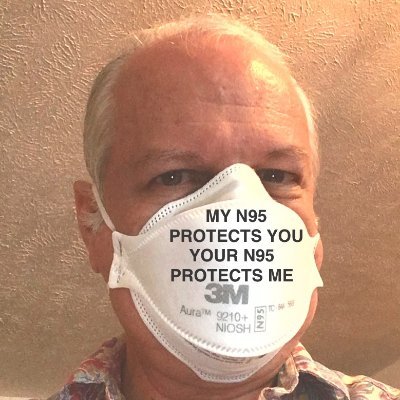
Do you think this person even bothered to license the stock photo they are using to create a fake persona to attack @NukitToBeSure? I bet the answer is no.
ulc2020 tweet media
English
0
0
2
125
ulc2020
ulc2020@ulc2020·
@NukitToBeSure @julieBeeBrown Can you clarify using the room volume versus the floor area? E.g., a room with 107 square feet of floorspace would generally have more than 353 cubic feet of volume. I may be misunderstanding the instructions. Thanks!
English
1
0
1
38
Nukit
Nukit@NukitToBeSure·
👀
Nukit tweet media
QME
17
0
224
3.2K
ulc2020
ulc2020@ulc2020·
@Mx_Reese There is a spreadsheet available for download directly on the product site labeled "Nukit Torch Spectral Data & Safety Assessment - Ewan Eadie".
English
0
0
0
40
ulc2020
ulc2020@ulc2020·
@CleanAirStars @ghhughes For anyone looking to explore a DIY option, the P14 Max or some other higher pressure fan is likely important. This model uses 3000RPM fans (although the best laminar results are at a little less than 50% power).
English
1
0
1
82
ulc2020
ulc2020@ulc2020·
@CleanAirStars @ghhughes In my testing, the H12 filters for this model offered much better numbers (fit factor equivalent) than the H11 filters. The device isn't light; this seller offers 4 fan (and 9 fan and 2 fan) models. The 4 fan might be better for mobile use (with a trade-off in coverage).
English
1
0
1
48
Gerard Hughes ( @ghhughes.bsky.social )
Can a special laminar air purifier protect you where you have to go maskless, or let you take off your respirator where you normally would not? @Engineer_Wong sent me an AIRfanta 4Lite to try out. Tests showed the near field protection to be narrow, and less than mask level.
Gerard Hughes ( @ghhughes.bsky.social ) tweet media
English
23
103
599
108.3K
Critical Aerosol Theory
Critical Aerosol Theory@CriticalAerosol·
Packing for hotel trip. 3Pro air filter, respirators, and what is in case? Hint: it's not the M41 PATS anymore.
Critical Aerosol Theory tweet media
English
1
4
40
2.3K
ulc2020
ulc2020@ulc2020·
@NukitToBeSure @DisabledDoctor Here are the pictures. It's breath-taking that the Peng paper describes this as just "an office" or "real-world setting":
ulc2020 tweet media
English
0
0
7
83
Nukit
Nukit@NukitToBeSure·
>The studies above suggest that Far-UVC devices produce ozone at a rate that exceeds safe levels even in a lab The “lab” in question is a hermetically sealed chamber- a giant plastic bag: A ∼21 m3 Teflon reaction chamber (approximately 3 × 3 × 2 m, L × W × H) is constructed of 50-μm-thick FEP Teflon film So, if you live in a plastic bag, Far-UVC is not for you. Next the "office": ..the windows, gaps around utility penetrations, and supply/return vents were sealed with plastic sheeting or tape.. Is your office sealed with plastic sheeting and tape? So, how is this a realistic experiment and not one configured to achieve a predetermined result? Why have no similar measurements been taken at any of the countless places where Far-UVC is installed in the real world? Next, secondary compounds: ..and via introduction of various components to simulate a realistic indoor environment.. This is the key sentence that should bother people- because they take really important research, and then simply rigged the test to get the result they wanted. We know that many common cleaning compounds break down into harmful secondary compounds on exposure to UV. They introduced similar compounds, knowing they would break down into harmful secondary compounds, and they could say, “Ah ha! Far-UVC bad!”. A lie by omission is still a lie- what they don't tell you is that "Goldilocks" mix of precursor compounds and regular old sunlight has the same effect- Photolysis-Driven Indoor Air Chemistry Following Cleaning of Hospital Wards: sciencedirect.com/science/articl… Of course, they also don’t tell you that the problem is addressed by simply using low VOC materials and cleaning compounds- as industry is moving towards, because the problem isn’t specific to Far-UVC. They are just bad news in general, and Far-UVC has nothing to do with that. A modeling study of the impact of photolysis on indoor air quality onlinelibrary.wiley.com/doi/full/10.11… So if you put *any* UV source, including sunlight, in a room with compounds known to emit VOCs in response to UV, you have a problem. Even with no light and some of those same chemicals, you get VOCs. But they really, really want you to believe that Far-UVC light is the problem that needs to be addressed not the VOC-releasing compounds? Why? Oh, right, because it's a massive potential expenditure that certain parties desperately want to avoid. Unsurprisingly, the same business interests that have been pushing "personal measures" like handwashing so they aren't held liable for failing to pay for filtration and ventilation upgrades also don't want to pay for Far-UVC- and desperately need everyone to know how bad this really expensive intervention is. So, we get well-timed anti-GUV studies like this one to go with the recent anti-filtration studies designed to achieve the same objectives. Participating in this is, unfortunately, sufficiently dishonest to call the author's entire body of work into question.
English
5
4
64
1.9K
Disabled Doctor
Disabled Doctor@DisabledDoctor·
Many of you seemed interested in learning more about the safety of far-UVC devices. Given that it is adjacent to an area of expertise for me, I decided to review the research. Here's what I found: Peng et al. (2023) out of the University of Colorado found that a variety of GUV222 lamps generated "significant amounts of O₃ (ozone)" in lab AND real-world settings (emulating residential ventilation). Specifically, they produced 736 μg of O₃ per hour in a chamber and 459 μg in an office. Previous studies of the same devices reported only 12 to 96 μg, which contributed to these devices being deemed safe in the past. But Peng et al.’s finding suggest that O₃ production in the original studies was dramatically underestimated, and actual rates for O₃ production from these devices are between 4.7 to 61 times higher than previously thought! This is especially alarming considering that the Peng study was conducted >5K ft above sea level which means that levels of O₃ produced would be around 21% higher at sea level due to reduced ambient pressure. It also suggests that past studies were poorly designed (and the authors suggest that prior research used low quality O₃ sensors), yet when there’s potential profit to be made via reducing the perception of risk, I personally think it makes sense to question whether or not the “poor design” of the original studies was intentional (and a money grab) rather than a faux pas (see pharmaceutical industry for ample evidence of this practice). pubs.acs.org/doi/full/10.10… Barber and colleagues (2023) out of MIT looked at GUV222 lamp use impact on indoor air quality, and any cascading effects it might result in, in a controlled environment with various air change per hour (ACH; 1.3 - 3.1), humidity levels (25%-45%), and via introduction of various components to simulate a realistic indoor environment (because our indoor environments have a lot of stuff in them that carefully controlled labs do not!). They found that the ozone production rate was around 324 ppb per hour on average and that it was independent of humidity and inversely related to ventilation rate. They also found GUV222 produced hydroxyl radicals (OH) and a range of oxidation products at levels that have the potential to be harmful to health. The authors state “most importantly, GUV222 disinfection alone is not a safe substitute for ventilation as a means to control levels of indoor airborne pathogens, as it can lead to the buildup of indoor ozone and other pollutants to dangerous levels.” pubs.acs.org/doi/10.1021/ac… Of note, NIOSH states that ozone should not exceed 100 ppb at any time while the WHO says no more than approximately 50 ppb. The studies above suggest that far-UVC devices produce ozone at a rate that exceeds safe levels even in a lab with higher ACH levels (and thus better ventilation) than you will find in nearly every home. Further, in the Peng et al. study with ventilation that more closely approximated a residential setting, the ozone production was even higher! For reference, ASHRAE guidelines recommend a minimum ACH of 0.35 for residential homes while Passive House certification specifies a lower ACH of just 0.3 as acceptable. For reference, an ACH of 0.5 would indicate that half of the air within a home is change every hour while an ACH of 1 would suggest the total volume of air is replaced every hour. Hospitals, for example, are required to have 15 to 20 air changes per hour in procedure and operating rooms in my state (over 30x what homes are required to have), while Here’s an example of how unlikely it is that your house has an ACH at or above one: - our house has an approximate 0.25 ACH without mechanical ventilation and with holes throughout the house in the drywall and some leaky doors - we installed two energy recovery ventilators to improve ventilation (one for upstairs, the other for downstairs) - With both ERVs running at half capacity (what we typically run them at with just us here), our ACH is about 0.65 in the absolute best case scenario. - When others are in the house or there’s some contaminate, we run them at 100% capacity and that brings the ACH up to only 1.05 ACH (at most)! That’s with one of the BIGGEST available residential ERVs on the market (200 CFM). - All in all, you are very unlikely to be able to get your home above 1 ACH, even with the best equipment available for use in a residential setting! - This means that even if you upgrade ventilation (which is expensive and difficult), you are unlikely to even come close to having adequate ventilation to mitigate ozone production from far-UVC devices, suggesting that dangerous levels of ozone will be present in your home if you use a far-UVC device. But why does ozone even matter? Good question. More on that below...
English
12
15
56
13.7K
ulc2020
ulc2020@ulc2020·
@CleanAirStars @akittycommittee @SaferErasTour The Lorell version (Lorell 420) of the Taotronics TT-AP003 purifier is on sale/clearance at a few places (OfficeCrave [.com]; WholeSaleCleaningSupplies [.com]) - around ~$78 w/ shipping. Cheap filters. Set it on level 2; quiet/easy/inexpensive.
English
3
1
2
512
safer eras tour
safer eras tour@SaferErasTour·
You’re supplying a small office, and you need powerful but quiet filters to help combat respiratory illness. What are you picking? (~7 unmasked people, attached to a larger office space, so assuming some leakage from communal areas). Nothing that needs to be built please!
English
3
0
3
510
ulc2020
ulc2020@ulc2020·
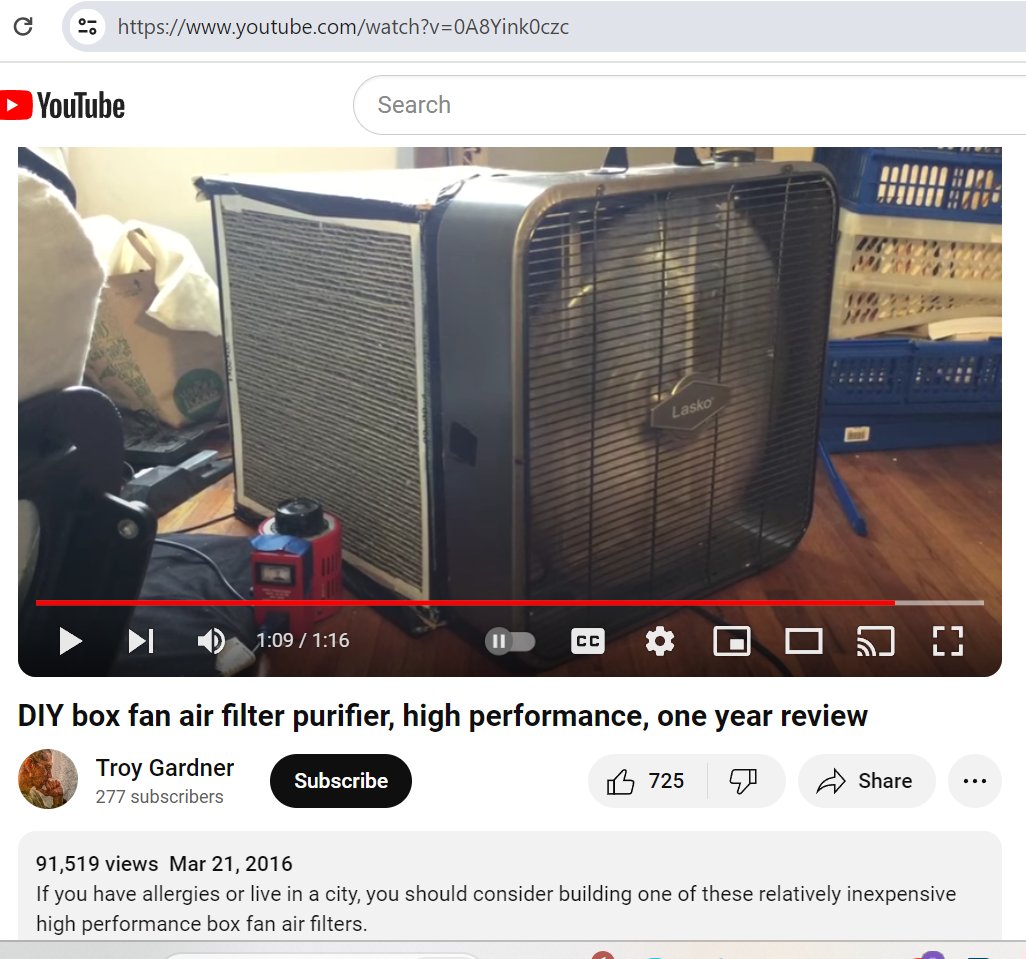
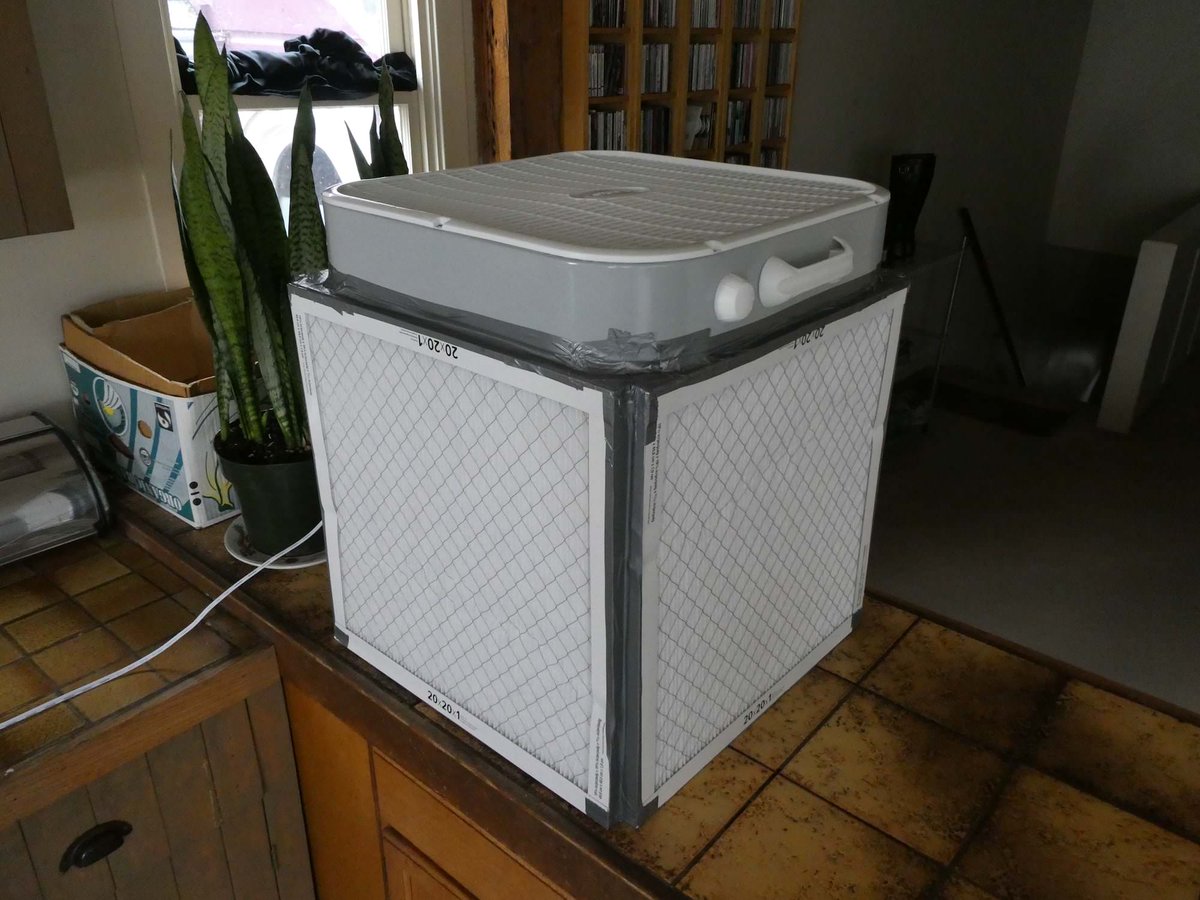
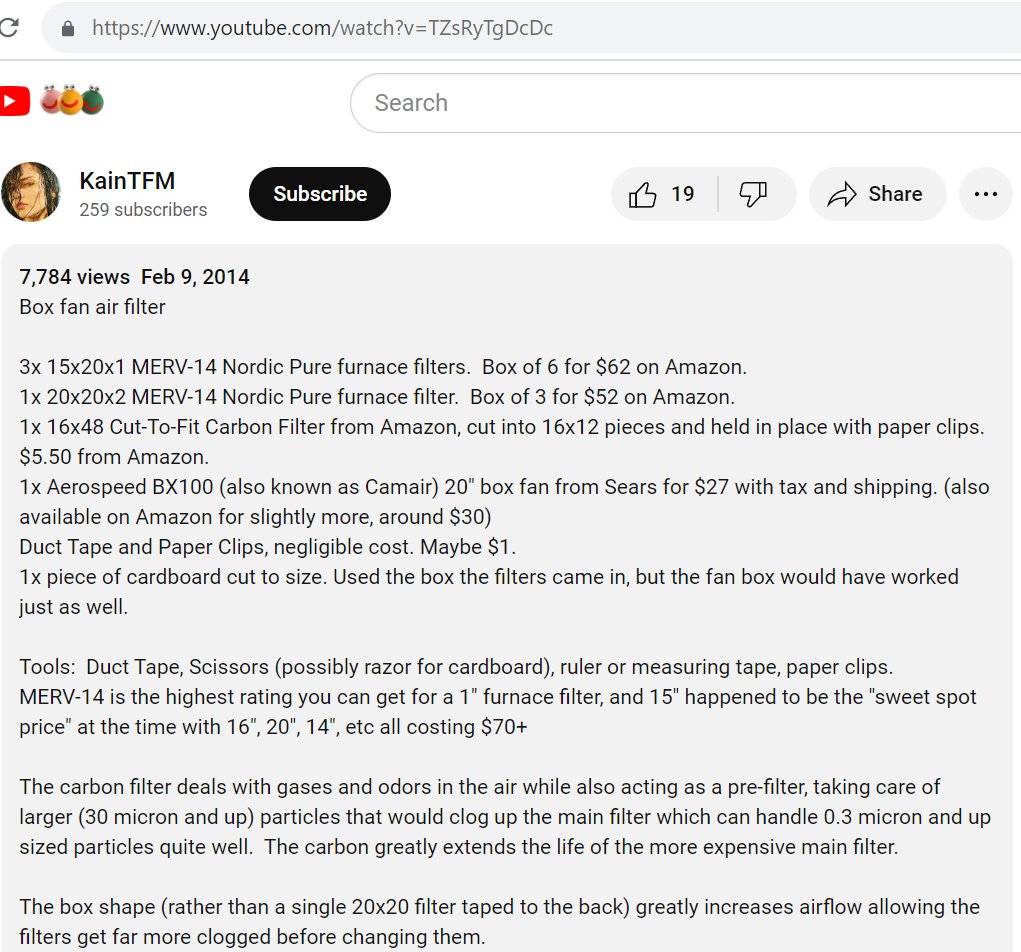
@AltenbergLee @TheFandelier It was less common than single filter DIY Fan, but there were 4 filter box fan configurations, 3 filter box fan configurations, etc. Here is another one from 2016 (3 filters in a box configuration; cardboard on top; filters came in 6 packs):
ulc2020 tweet media
English
0
0
0
35
Lee Altenberg, Ph.D. 🇺🇸
Lee Altenberg, Ph.D. 🇺🇸@AltenbergLee·
@ulc2020 @TheFandelier 2014—well, that's too early to call this one 'foreshadowing'. In 2017 when I was looking at a possible university job in Beijing, I found lots of posts about taping a HEPA filter to a box fan, to deal with the intense pollution. I don't recall seeing any boxes among them.
English
1
0
0
49