
Rachel Edwards
2.5K posts

@underthenettle
Fan of economic growth, theatre, spreadsheets, beautiful places, & parties 🪻 Ops/events for @StripePress & @WorksInProgMag 📚


Would appreciate recs for things to do in London, especially where the good vegan food is

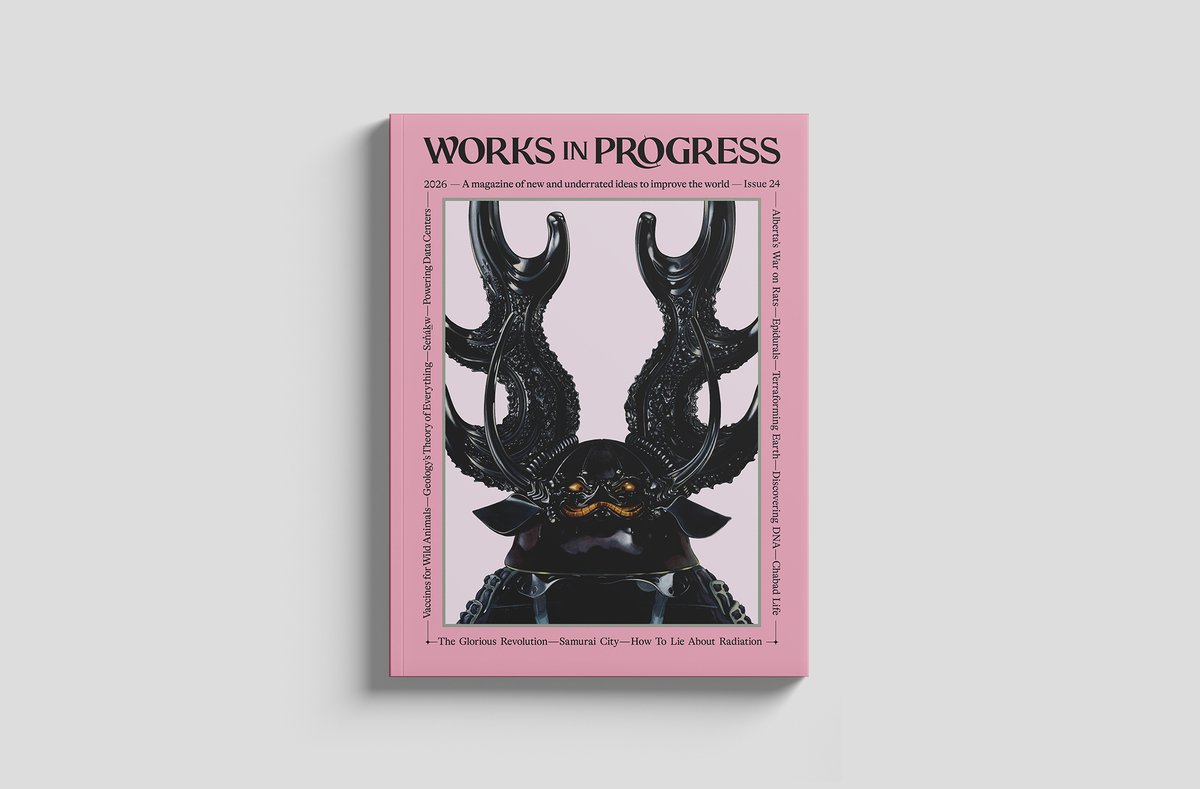
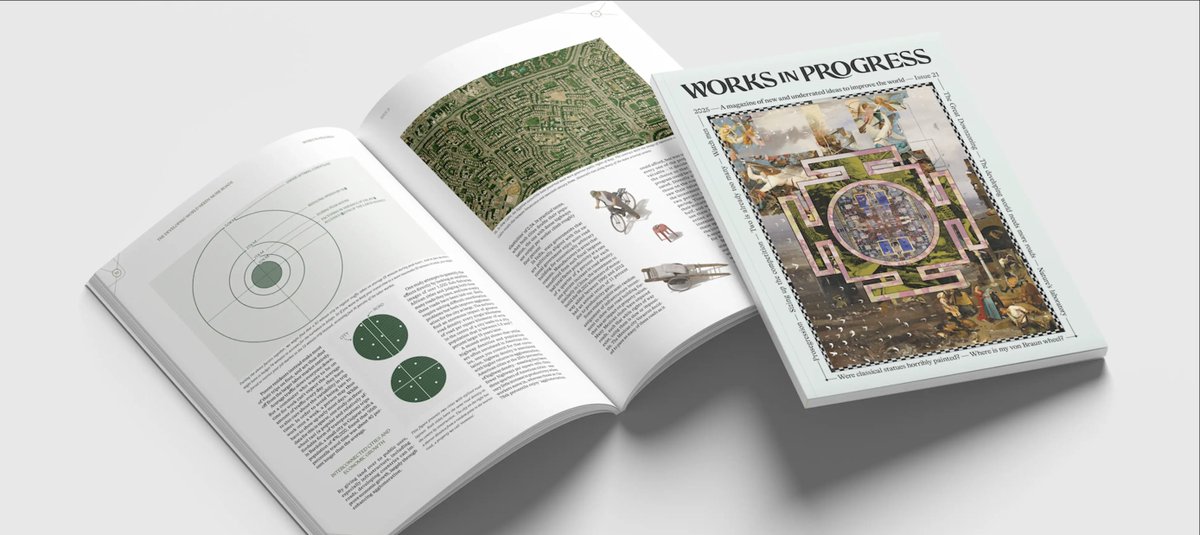
Local government allows more building because it makes it work for locals. In the UK, it has been nearly completely broken, and elections today will often be decided on national issues. In the US, cracks are showing, with property tax revolts like those that slowed the Californian growth machine. Housing, power plants, and data centres get blocked by neighbors who don't share in the upside. When they do share in it, as Loudoun County does with data centres, or as French communes did during the nuclear build-out, local residents become powerful forces in favour of development. I got a lot of my views on this from @judgeglock, so I invited him on the Works in Progress podcast to discuss why local government is the "missing layer" for cheaper housing, more energy, and better infrastructure. We discuss: - Why a northern Virginia county loves data centres - How 1970s school funding reforms made local governments stop wanting nuclear power plants - Why Main Streets died, and whether Business Improvement Districts can bring them back - How American cities cleaned up their water with no help from Washington - How local government built the Golden Gate Bridge in four years - Whether Thatcher was right to gut British local government Spotify: open.spotify.com/episode/46OhzD… Apple Podcasts: podcasts.apple.com/gb/podcast/wha… YouTube: youtube.com/watch?v=UvaHkt…


it would be wiser of the ultra-rich to display their wealth in private; when it is public we can see--literally--how their tax cuts allow them to waste millions of dollars on absurdly extravagant costumes of no benefit to anyone. granted this is a fund-raiser, & without providing a platform for vanity, by keeping the displays private, not so much money would be raised.


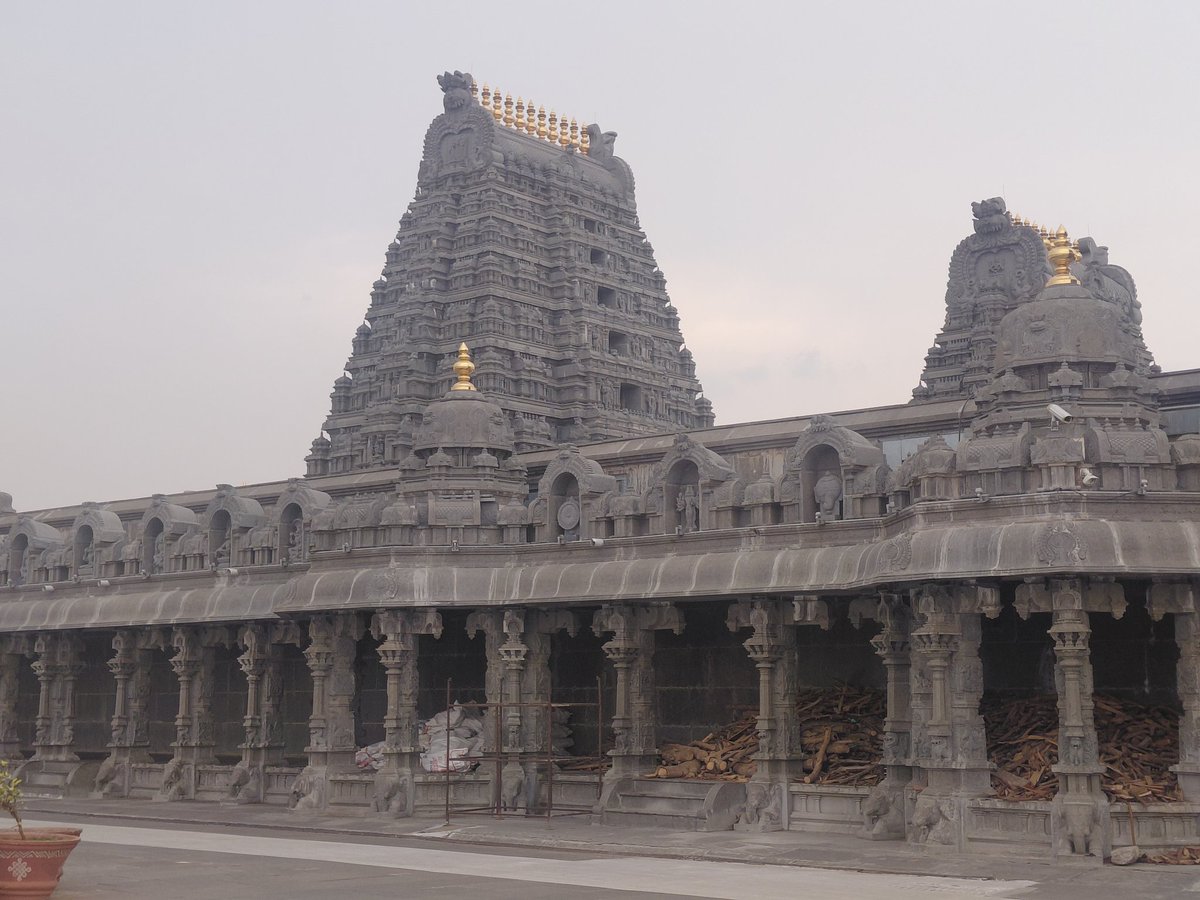
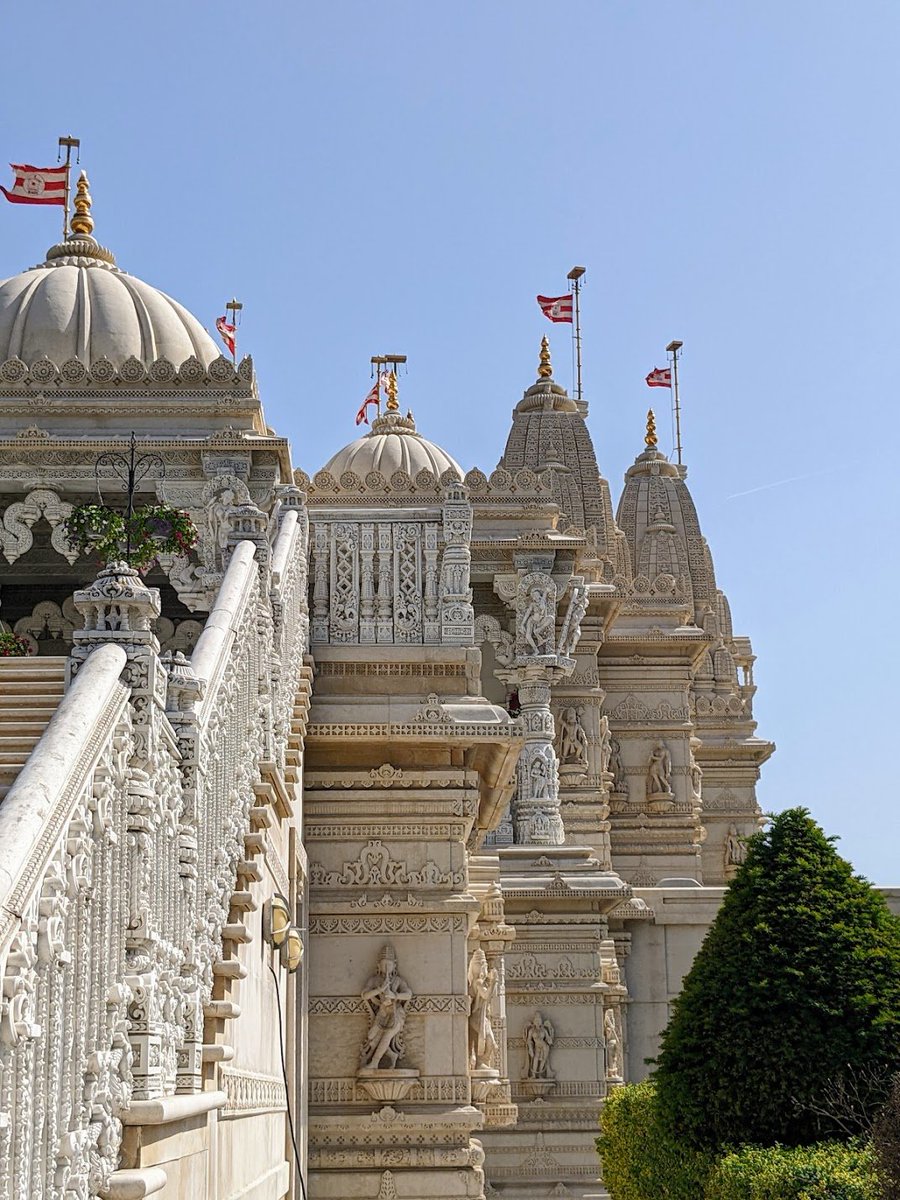
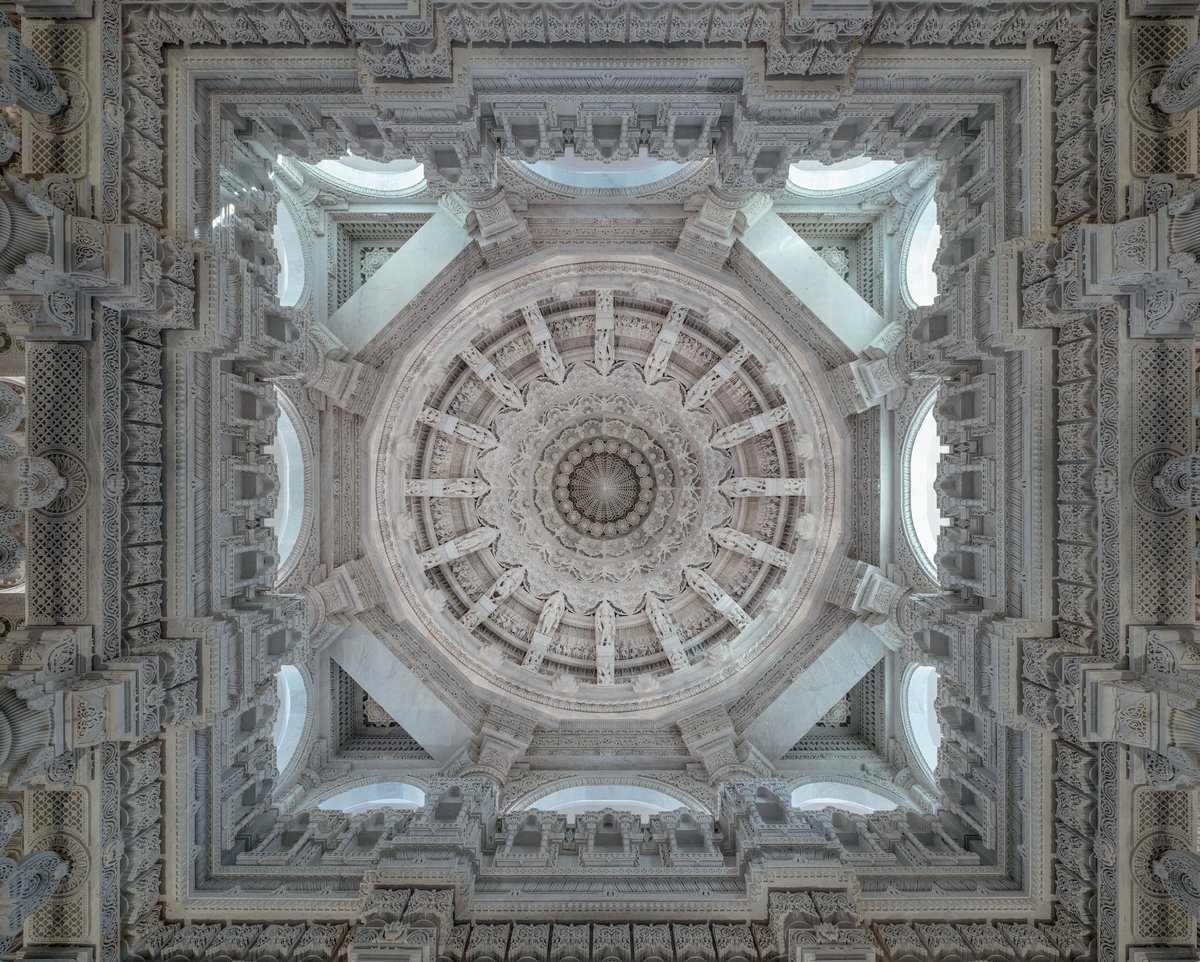
Most of the world's great traditions of ornamental masonry architecture faded away in the twentieth century. But one remained: the Hindu temple. The classical style of Hindu temples never died out, and in recent decades has grown steadily more vibrant and powerful. Much of the best traditional architecture in the world today is in India, or in places around the world where Hindu communities have settled. Temples still make little use of structural steel or even arcuation, relying instead on trabeated masonry like the ancient Egyptians and Greeks. Because stone does not corrode, these buildings will last for many thousands of years with minimal maintenance, far longer than the fabric of the modern cities that surround them. With the help of temple staff around the world, my friend Tilak Parekh has put together a wonderful review of modern Hindu temple architecture, looking at the ingenuity and sacrifice which created these great buildings. worksinprogress.co/issue/modern-h…