

untitled
1.4K posts










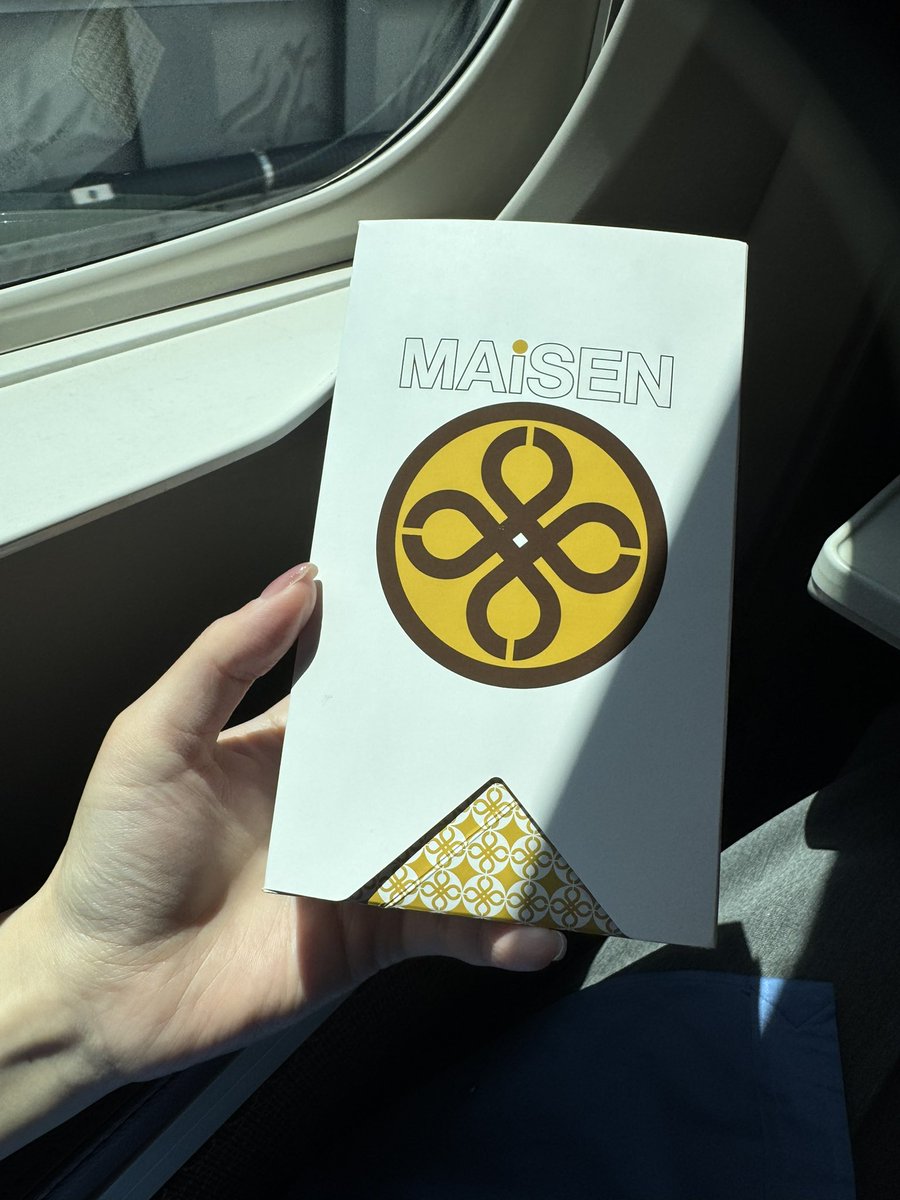
이번 출장은 여러모로 몸과 신경의 긴장도가 높아질 수 밖에 없는 일정인데,
역시나 바로 소화불량, 붓기 증상이 계속 이어지고 있는 중🥹
그렇다고 아무것도 안 먹으면 뇌가 멈춰서 버퍼링이 생기니 에너지 보급을,,,🥪
이번에 구연산, 타우린 많이 챙겨왔는데 그 덕분인지 아직까지 브레인포그, 피부 알레르기도 문제가 없다.
특히 세미나 전에 구연산 한알 먹으면 엄청 집중해서 통역이 가능하다는 걸 경험하고 있는 중
오늘부터는 지방 5개 지역 세미나 투어🚅
한국어


@DANDI419684 네.. 그렇게 지속적으로 가스라이팅 받으니 진짜 문제를 보는 눈이 없어졌죠, 그리고 그런 NPC들이 대다수인 세상
한국어
@untitled1150 네.
젊은 사람들도 스마트폰 끼고 다니면서도 왜들 모르는지 답답합니다.
전 어제 산에갔다 커피숍에 앉아있었는데 대구였는데도 젊은 분들이 트통이 또라이라 중동 전쟁때문에 못살것다고.
그래도 윤통보다는 재명이가 시원하게 잘하는것 아니냐고 하는 소리 들었어요.
다른 지역에서 놀려온 분인지.
한국어




아이파크 살면 파크하얏트 모든 시설이 할인 됩니다
그래서 아줌마들 만남의 장소에요
사우나 회원권도 없어서 못살지경이고 밤마다 사우나 다녀요
낮에 마사지, 앺티도 항상 입주민으로 가득
웨스틴조선 생각보다 잘 안갑니다... 부산 사람들도 최신식 좋아해요 바다에 대한 감흥이 별로 없어요
부산 넘버원 호텔은 아난티가 맞습니다
아마 올해 반얀트리 완공되면 한동안은 반얀트리겠죠?
Minuteman@johnlee_polmil
부산 1황은 웨스틴 조선이라고 생각함. 파크 하얏트는 시설은 좋고 새거이지만 서비스 면에서 잘 쳐주면 4.5성이고, 부산 올드 머니들이 고집하는 건 결국 “조선 비치”임. 두세번만 가도 컨시어지가 님을 기억하는 놀라운 경험과, 파크 하얏트에는 전무한 “유도리”가 있는 호텔.
한국어

나 요즘 의심병이 생겨서 NASA가 달을 보라는것도 의심스러워. 근데...달에 갔다 오긴 한거임?
생지옥같은 지금의 현실을 잠시나마 잊게 해주는 공상과학의 세계야 얼릉 와라. 나 심심하다.
NASA Ames@NASAAmes
Full moon in bloom 🌕🌸 Look up tonight to see the first full moon of May, the Flower Moon, in the night sky! Where will you be moongazing from?
한국어