Sabitlenmiş Tweet

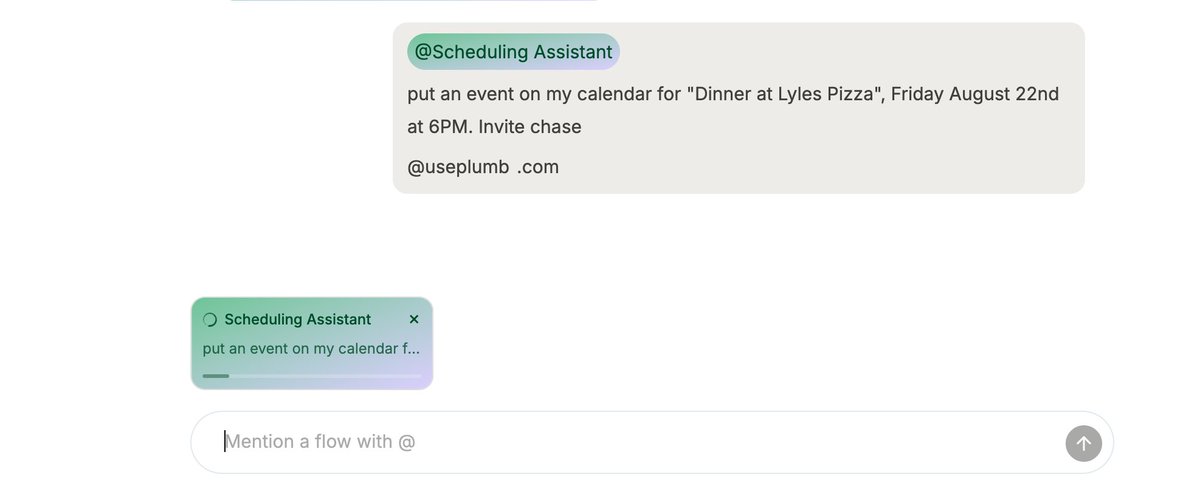
3...2...1... 🚀and we're live!
Starting now, anyone can build AI workflows in Plumb. Which means anyone can monetize their flows instantly.
Start building today at useplumb.com
English
Plumb
201 posts

@useplumb
Where technical creators build and monetize AI workflows.


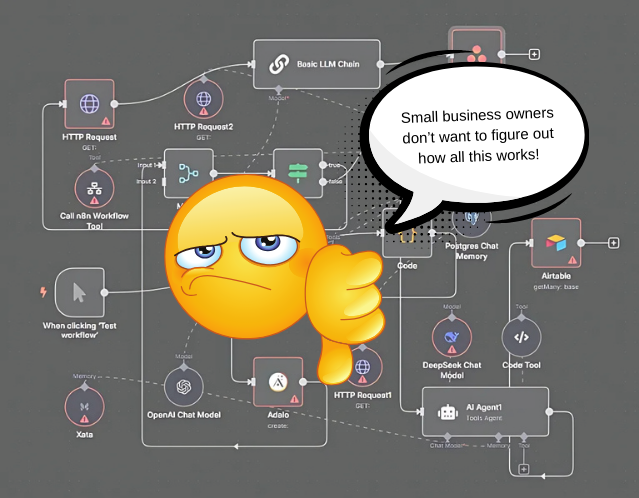


You: someone who builds AI workflows (in n8n, Zapier, or Make) AND you have more than 2,000 followers. Me: about to roll out subscription and monetization on @useplumb and I need a few people to kick the tires. DM me if you're interested. If selected, I will pay you $1,000 (that's right, one rack) to build a flow and promote it to your followers.
You: someone who builds AI workflows (in n8n, Zapier, or Make) AND you have more than 2,000 followers. Me: about to roll out subscription and monetization on @useplumb and I need a few people to kick the tires. DM me if you're interested. If selected, I will pay you $1,000 (that's right, one rack) to build a flow and promote it to your followers.

Why every AI consultant needs a lawyer (even if you think you don't) Had a fascinating session with Luke Versweyveld from Virgil Legal about protecting yourself as an AI consultant. Here's what stuck with me: Your IP is your most valuable asset. Protect it ruthlessly The biggest point of contention between you and clients will be intellectual property. While clients want broad IP assignment, you need to carve out: • Pre-existing intellectual property (anything you created before the engagement) • Your methodologies (processes and routines you use across clients) • License terms that let clients use your IP without transferring ownership Without these protections, you literally can't take your expertise to the next client. Verbal contracts are ticking time bombs Even with "trusted clients," verbal agreements leave you exposed. The person you're working with today might leave tomorrow, replaced by someone aggressively claiming ownership of your IP. I've seen this firsthand. The contract that "doesn't exist" suddenly materializes the moment there's a dispute. Send your contract first The moment someone verbally accepts, send your contract immediately. Don't wait for their 45-page PDF. If they push back, try: "As an independent consultant, I don't have the resources of a full legal team. I prefer starting from an agreement I'm familiar with." Specificity is your shield Most legal disasters stem from vague statements of work. Be painfully specific about: • Deliverables (concrete, measurable outcomes) • Payment terms (net-15 or net-30, never longer) • Time commitments (cap your weekly hours) • IP ownership boundaries The LLC question For most consultants, an LLC makes sense. It's flexible, provides liability protection, and avoids double taxation. Only consider a C-Corp when you're transitioning from consulting to a product business. What's your biggest legal concern as an AI consultant? learnindieconsulting.com