

visualiselondon
804 posts

visualiselondon
@visualiselondon
Then and Now 🇬🇧 [email protected].
Katılım Aralık 2020
80 Takip Edilen607 Takipçiler


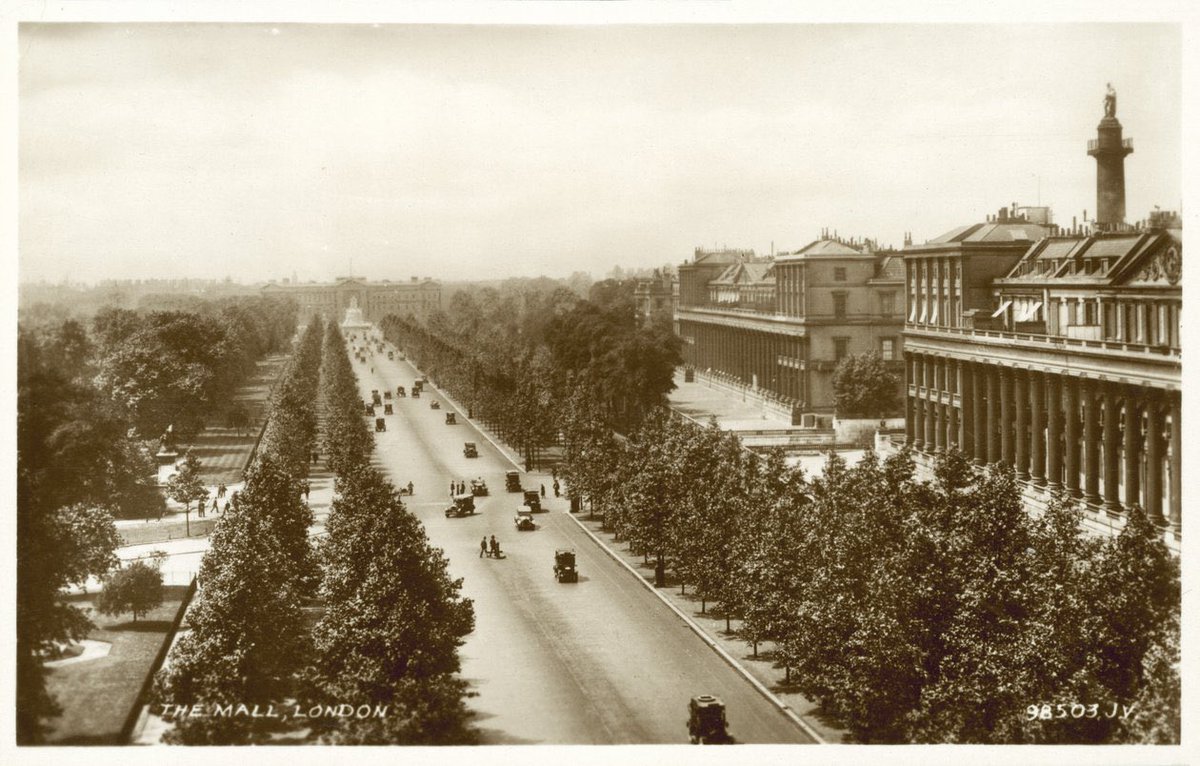
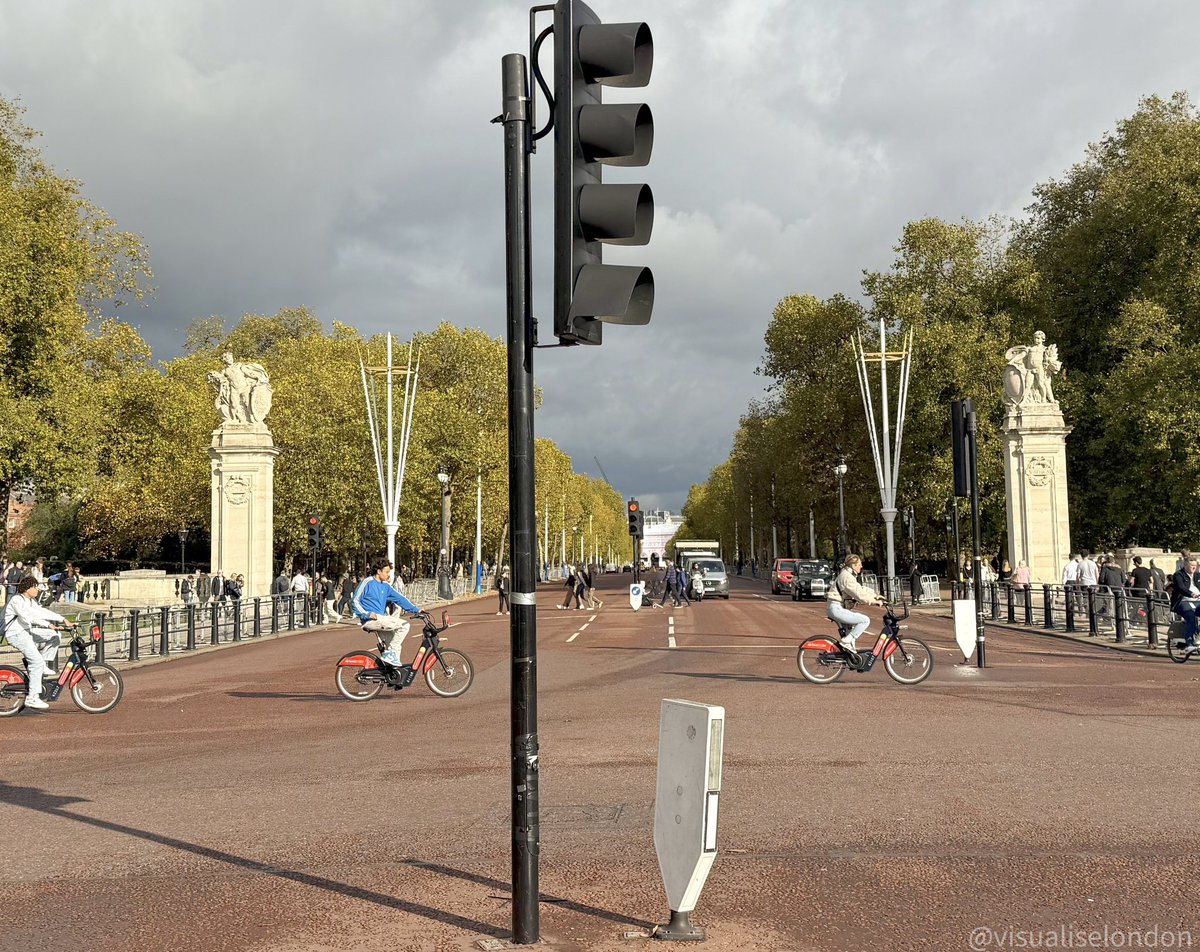
In the Edwardian period, The Mall was paved with its red surface to mimic a red carpet and emphasize its ceremonial role. Lined with Union Jack flags and historic buildings, it became the main route for royal parades and state ceremonies, like coronations and weddings.
English
Conceived in the late 17th century under Charles II as a promenade for a croquet-like game called “pall-mall,” The Mall became a ceremonial route. Redesigned in the 20th century by Sir Aston Webb, it became a processional path to Buckingham Palace, symbolizing British grandeur.

English

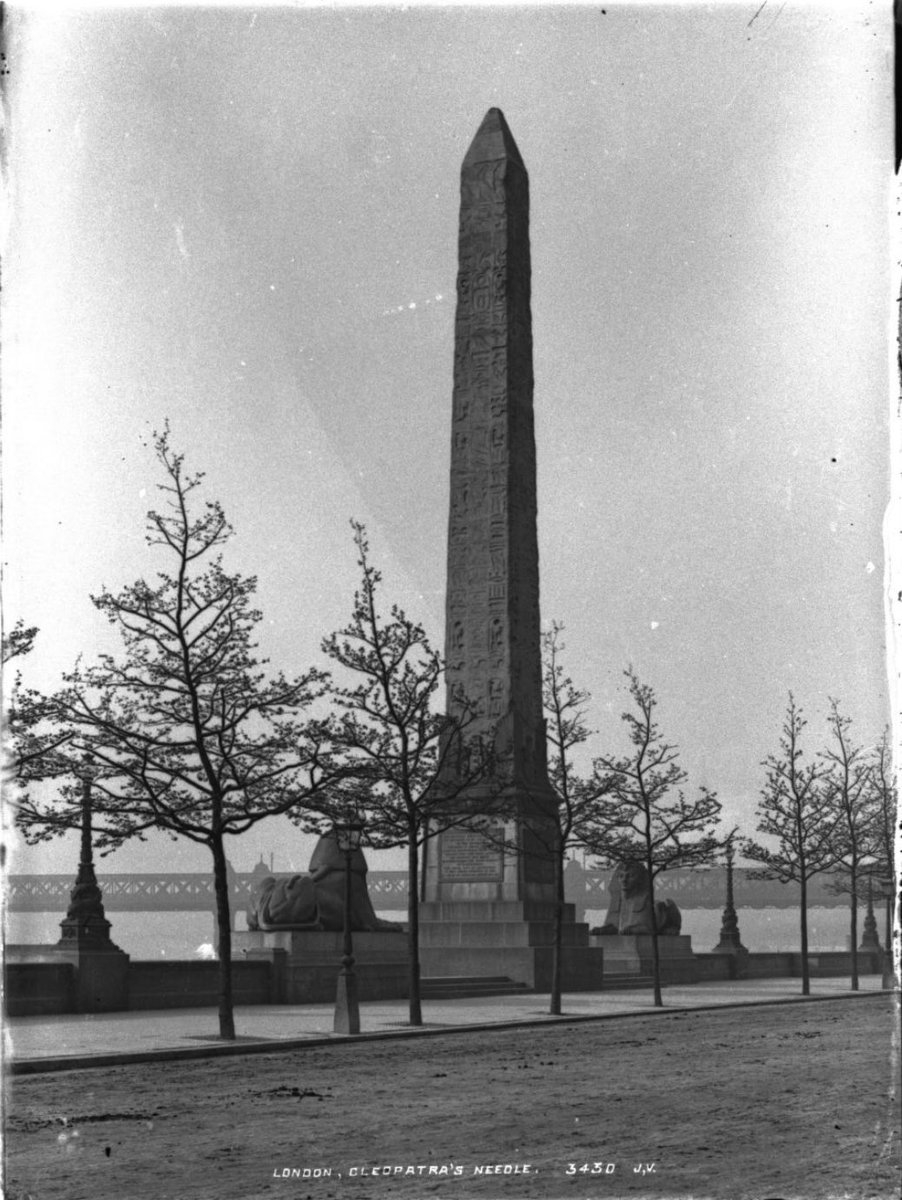
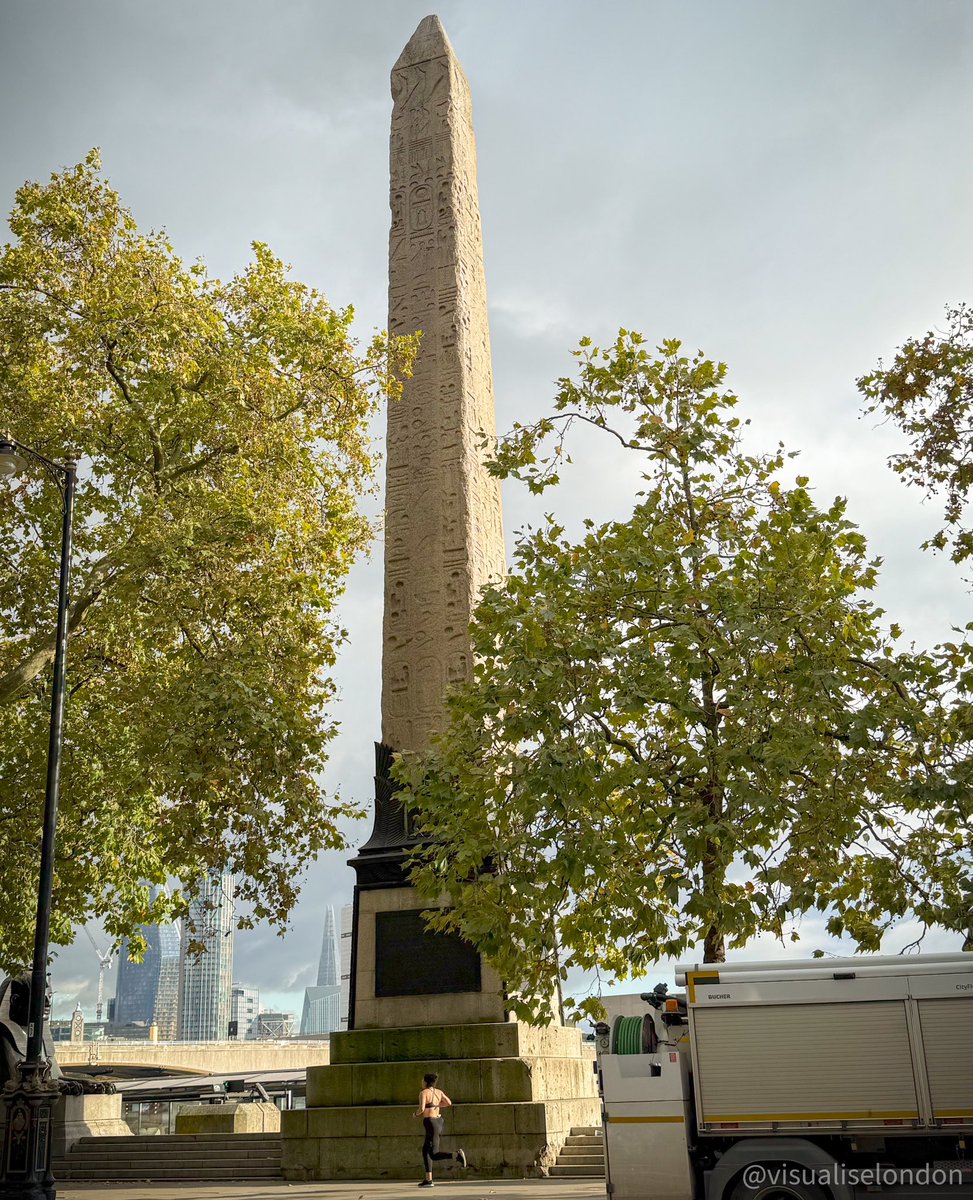
The obelisk was erected on the Victoria Embankment on 12 September 1878. A time capsule in its pedestal included photos of prominent English women, cigars, pipes, and imperial weights.

English
The obelisk stayed in Alexandria until 1877, when Sir William Wilson funded its move to London for £10,000 (over £1.46M today). It had been buried in sand for nearly 2,000 years.
English
📍Cleopatra's Needle, Victoria Embankment, Westminster. 📅 c. 1920
Thread 🧵

English
visualiselondon retweetledi
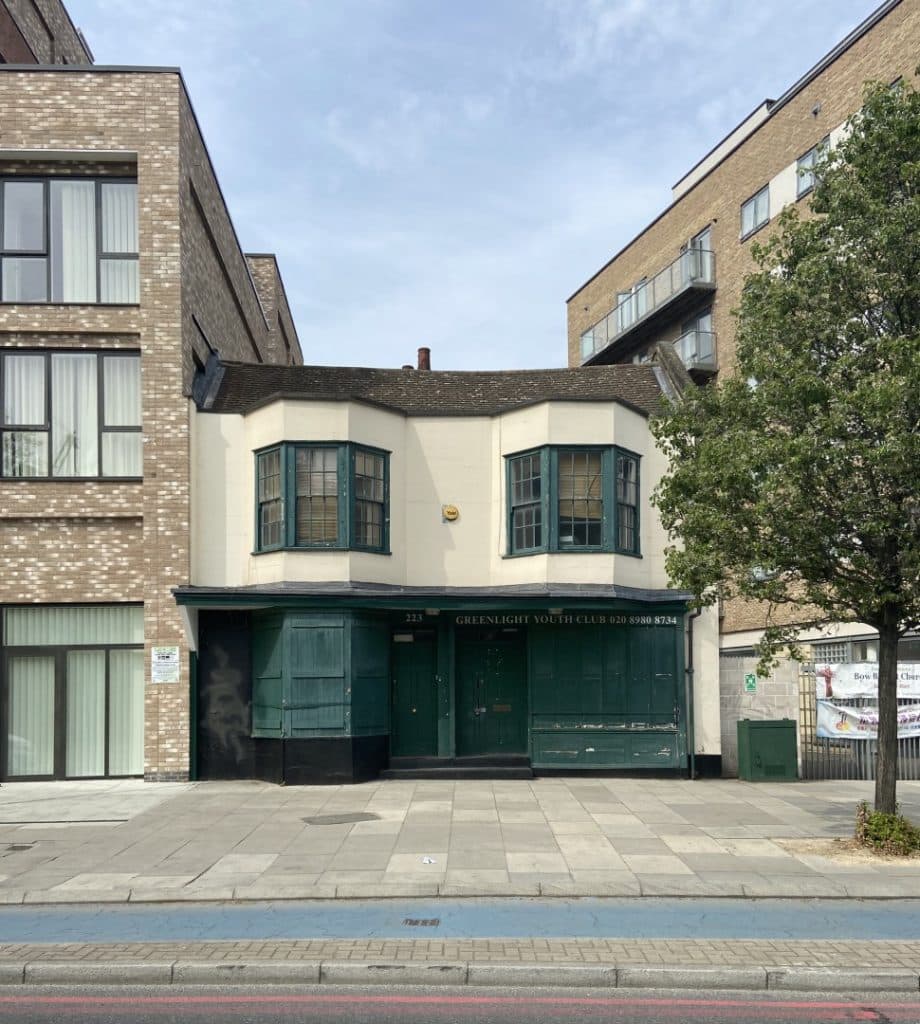
223 BOW ROAD Although the ground floor shop front is a 19th century addition, the fabric of the rest of the building is late 17th century and Grade II listed.



English
visualiselondon retweetledi


English
visualiselondon retweetledi
#OnThisDay in 1941: London & North Eastern Railway trains served East Finchley station for the last time. flickr.com/photos/tetrame… #oldLondon #Londonhistory #OTD
[Top photo © Ben Brooksbank - geograph.org.uk/profile/44502]

English
visualiselondon retweetledi
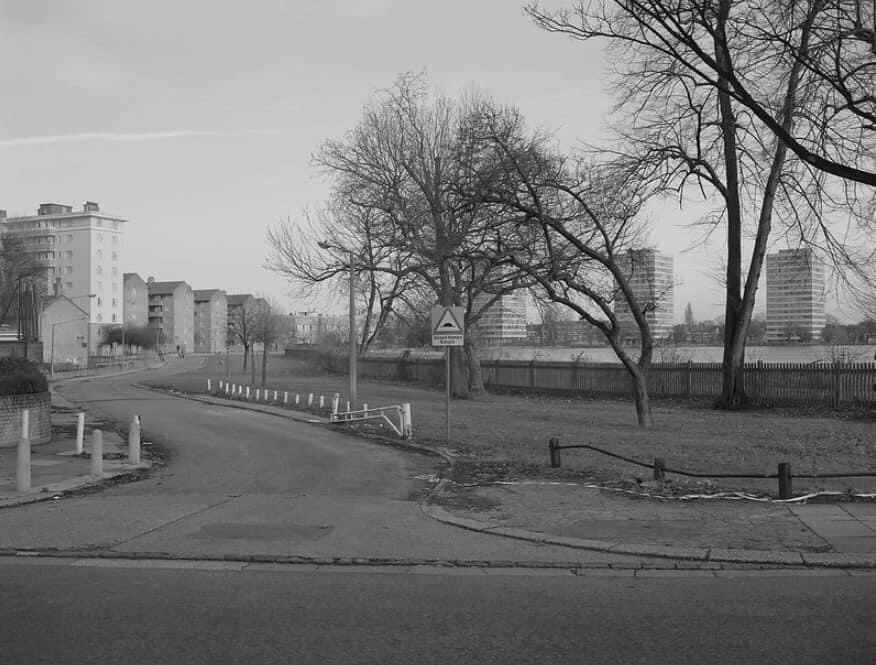
Then & Now: A view from Lordship Road of the Woodberry Down Estate and the East Reservoir in 1987. Photo by Berris Conolly.

English
visualiselondon retweetledi
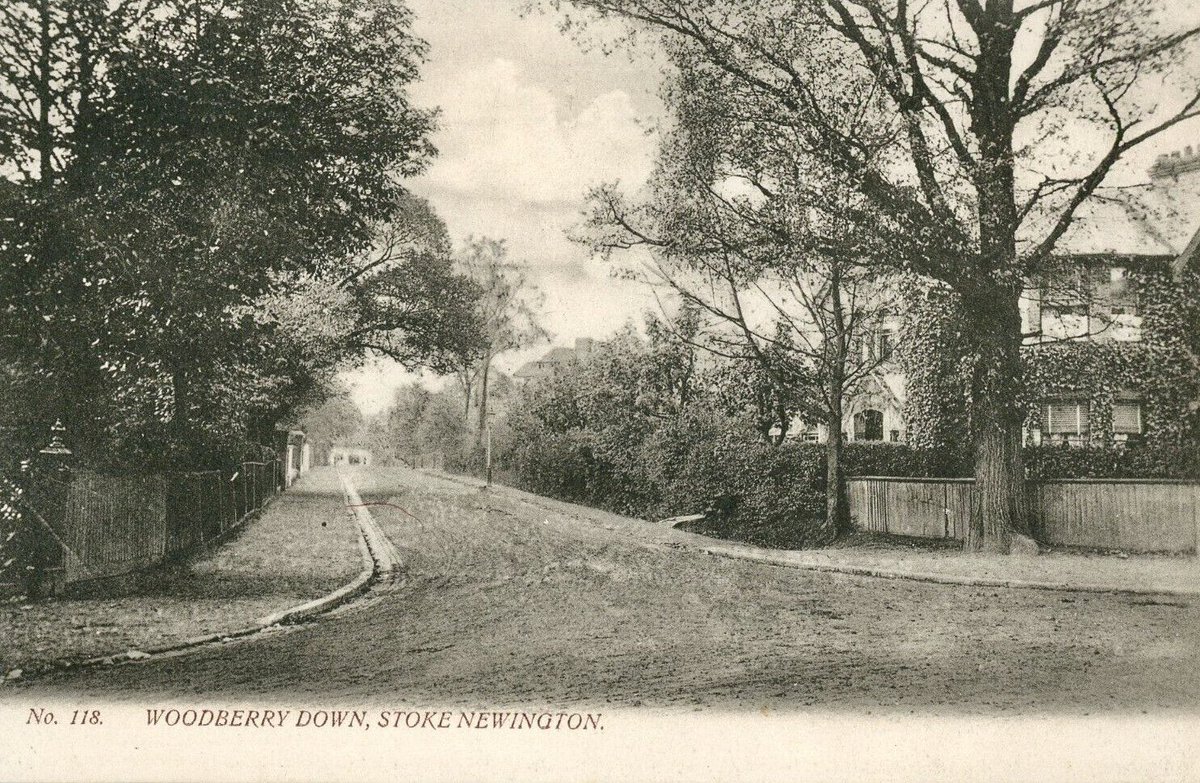
Then & Now: Woodberry Down, Stoke Newington 110 years ago.

English
visualiselondon retweetledi
#OnThisDay in 1915: The Bakerloo line was extended to Queen's Park station. flickr.com/photos/tetrame… #oldLondon #Londonhistory #OTD

English
visualiselondon retweetledi

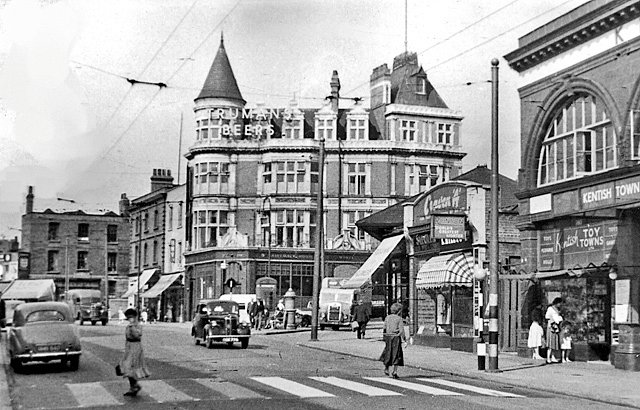
Then & Now
Kentish Town Road, 1955 & again in 2022. Gone is the tobacco shop advertising Craven A cigarettes, leaving a vacant space. The zebra crossing has also gone, but the ornamental lamppost is an improvement, the Assembly House pub is unchanged.

English
visualiselondon retweetledi

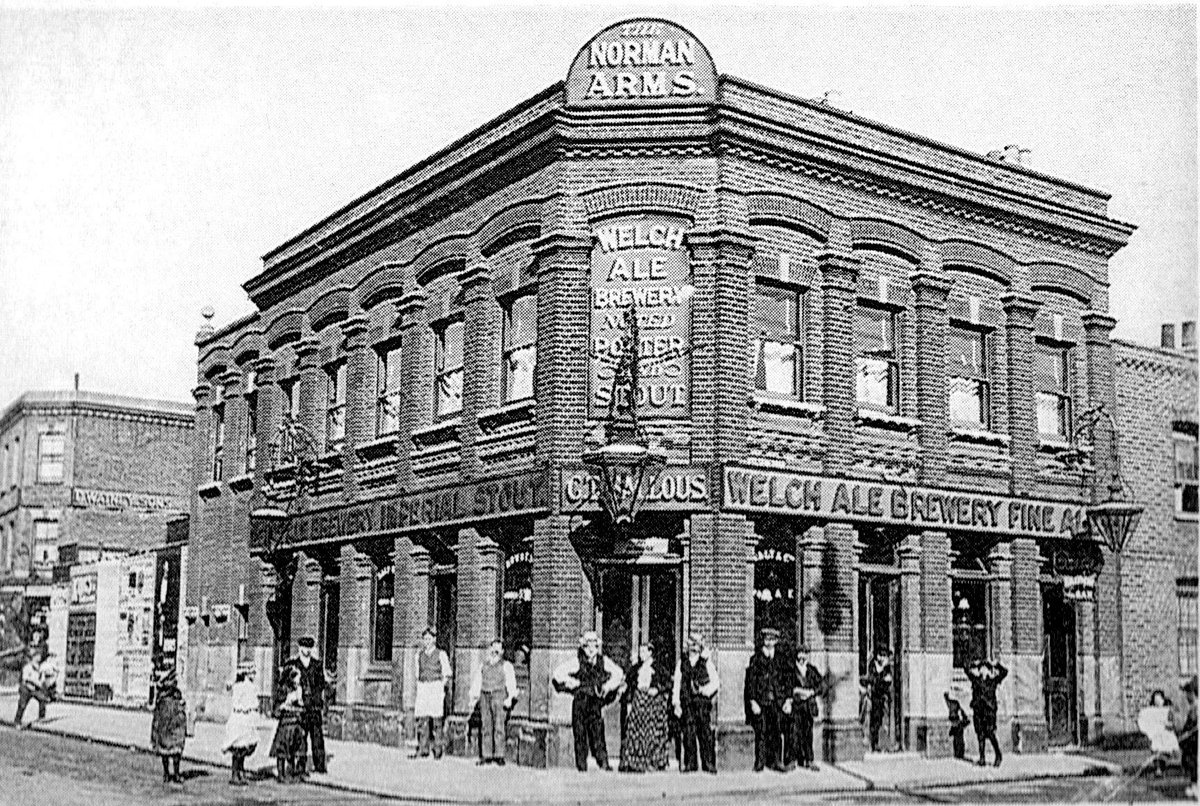
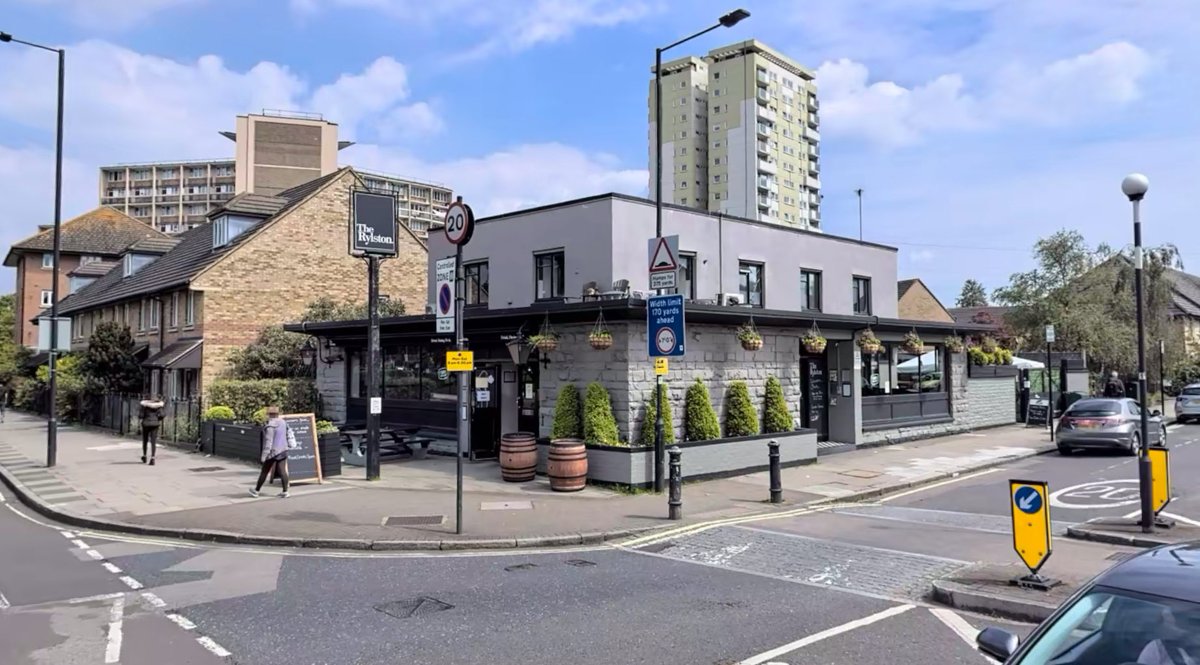
A photo taken in 1910 of The Norman Arms on the corner of Rylston Road & Lillie Road.
The Bedford Arms & Wilton Arms in Dawes Road photographed here in 1906


English
visualiselondon retweetledi
#OnThisDay in 1874: Liverpool Street station was opened by the Great Eastern Railway. flickr.com/photos/tetrame… #oldLondon #Londonhistory #OTD

English