Walking Project

2.4K posts

Walking Project banner
Walking Project

Walking Project

@walkingproject

We aim to create a safe, convenient & enjoyable walking experience across MMR through grass roots advocacy, collaboration & govt engagement 🚶‍♀️
Mumbai, India Katılım Haziran 2012
334 Takip Edilen5.1K Takipçiler
Sabitlenmiş Tweet
Walking Project
Walking Project@walkingproject·
What is Walking Project? What do we plan to achieve? How do we plan to Achieve it? 💪Support us 🔗
English
9
67
216
26.9K
Walking Project
Walking Project@walkingproject·
They provide far more protection from rain on footpaths than trees alone. They are used where trees are young and cannot yet provide adequate shade. They are utilized judiciously; only about 3.5% of Singapore's footpaths have them. Rest have buildings which already provide shade through colonade structures. They provide cover along high-density walking routes where there is no adjacent shade is present. In such locations, having hundreds of people walking with open umbrellas is far less efficient than providing a covered walkway for a short section between uncovered areas, especially between different modes of public transport. They especially help people with disabilities and the elderly by reducing the need to carry an umbrella. Read about them: lta.gov.sg/content/ltagov…
English
0
0
3
51
llvmvsllm
llvmvsllm@llvmvsllm·
@walkingproject I dont quite get why is this not a cop out to avoid planting trees, could you elaborate
English
1
0
0
87
Walking Project
Walking Project@walkingproject·
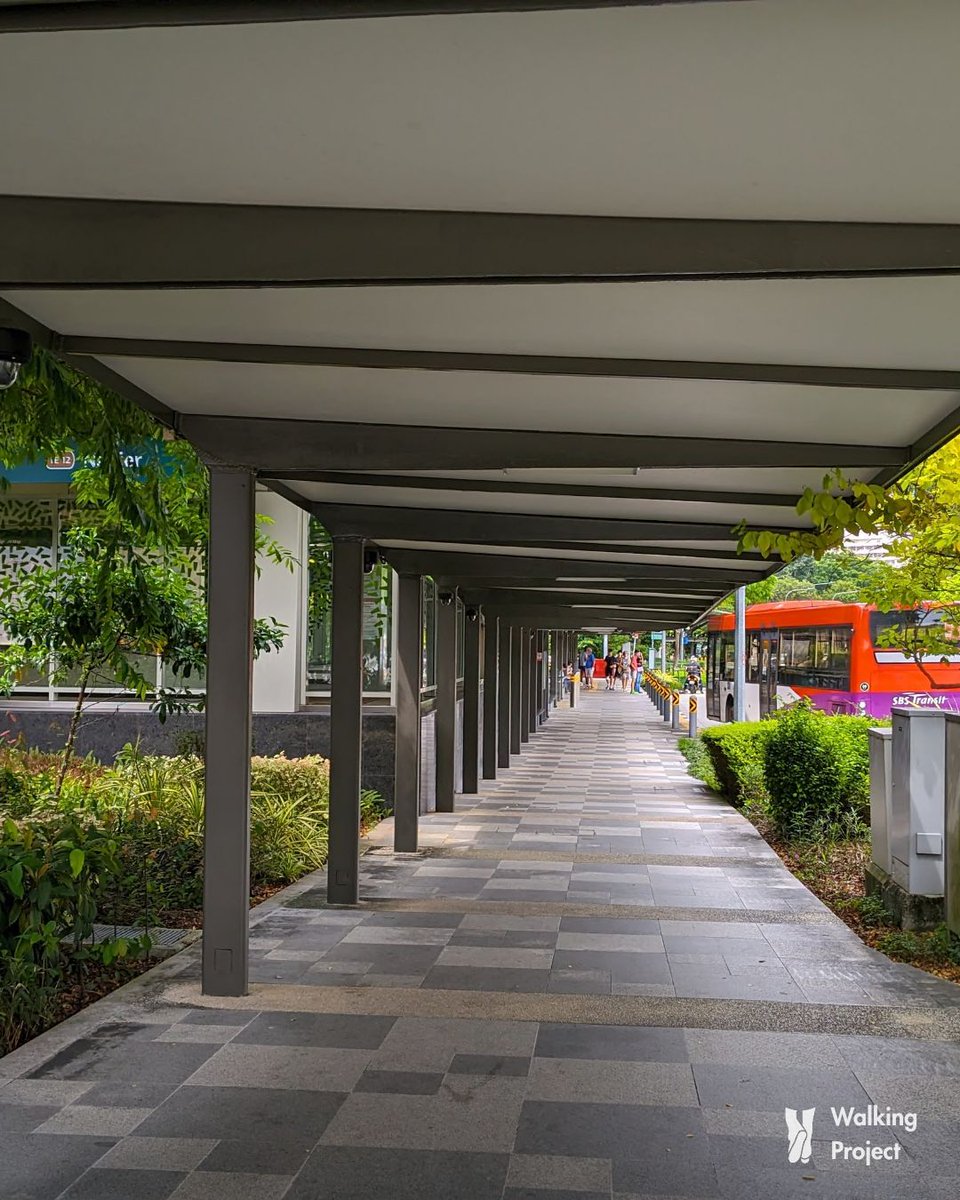
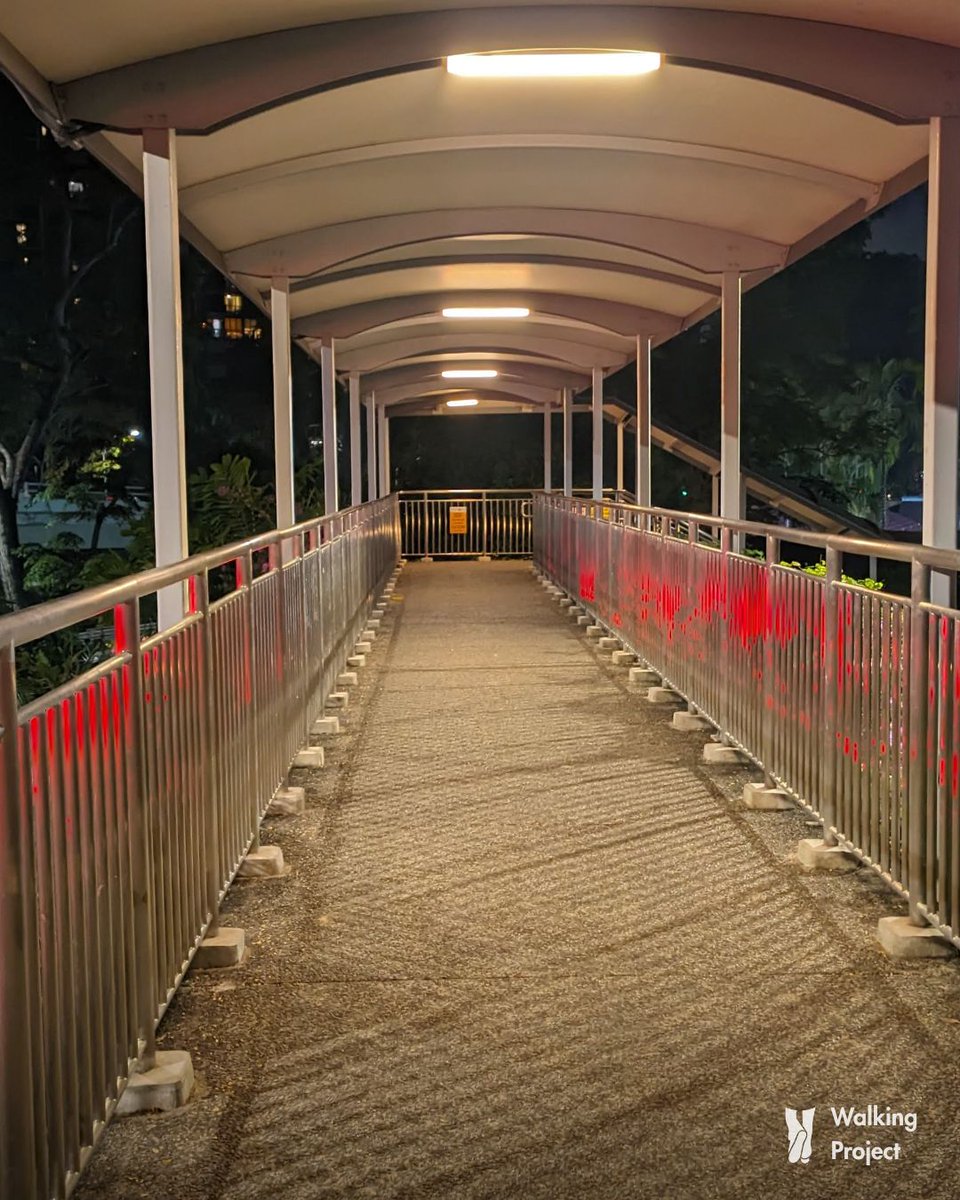
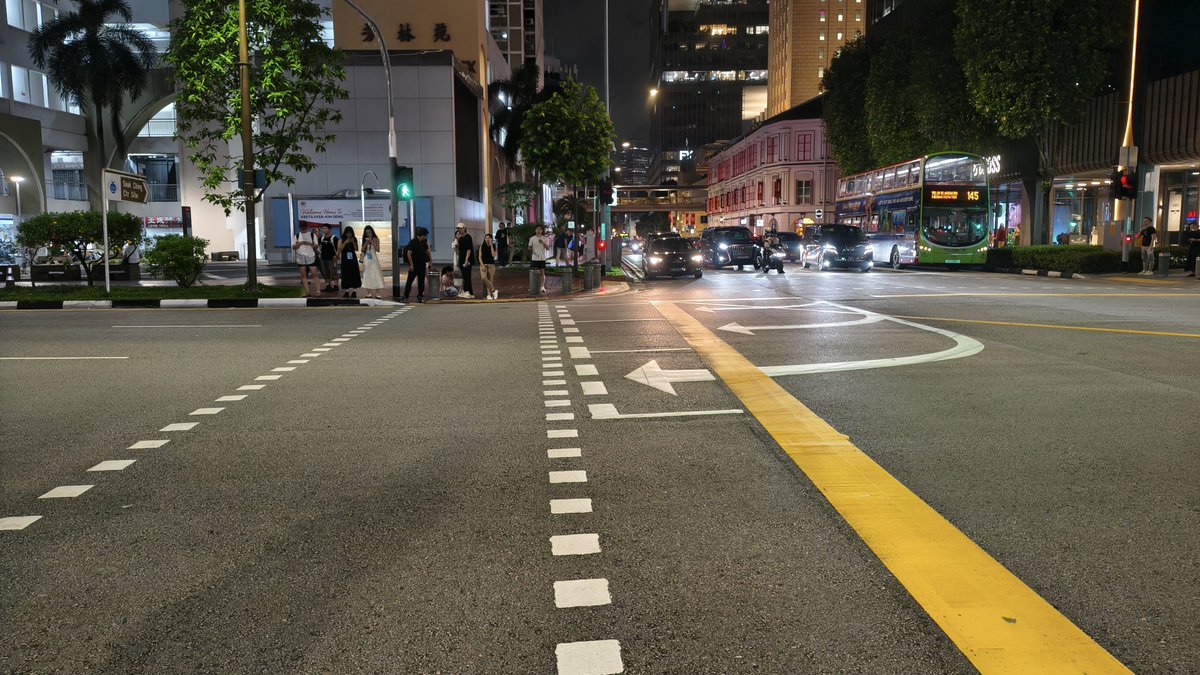
#SingaporeThingsMumbaiShouldHave Part 6: Covered Walkways One of the most unique things about Singapore was its covered walkways. When I first heard about the concept, I wasn't immediately on board. It felt like a cop-out from simply planting more trees for shade. But seeing it in person helped me understand the context and appreciate both its implementation and intent. Singapore has covered walkways across its streets with a combined length of 246 kilometres. Made of galvanized steel and aluminium, they provide comfortable width and adequate vertical clearance. The beauty of these walkways is their thoughtful placement. They aren't built everywhere, but form a network focused on transit connectivity. Covered walkways are commonly found: • Between MRT stations and bus stops. • Between housing estates and transit hubs. • Between shopping malls and MRT stations. • Between office complexes and transit hubs. • Along key pedestrian routes lacking natural shade. • Near major pedestrian crossings and intersections. They're only built where there isn't adequate shade from buildings or trees—not everywhere.
Walking Project tweet mediaWalking Project tweet mediaWalking Project tweet mediaWalking Project tweet media
English
7
15
74
12.4K
Walking Project
Walking Project@walkingproject·
Since Singapore doesn't have a mass homelessness problem, there is practically no encroachment or squatting under these walkways. Solutions like these would be a great addition to places like BKC, other IT parks and around similar transit hub interchanges, and areas where ground floors aren't lined with retail that naturally provides shelter. Systems like these work well when the goal isn't to spend more on steel or hand out crony contracts, but to genuinely improve everyday lives of citizens by making walking and public transport more comfortable for them.
Walking Project tweet mediaWalking Project tweet mediaWalking Project tweet media
English
0
2
12
347
Walking Project
Walking Project@walkingproject·
The design is lightweight, easily serviceable, aesthetically neutral, and highly standardized. It also leaves enough clear width for pedestrians to walk comfortably. In a tropical city where it rains almost year-round, they let people keep moving instead of waiting out the rain. During peak afternoon sun, I also noticed many people sheltering beneath them while waiting for pedestrian signals.
Walking Project tweet mediaWalking Project tweet media
English
1
1
9
469
Walking Project
Walking Project@walkingproject·
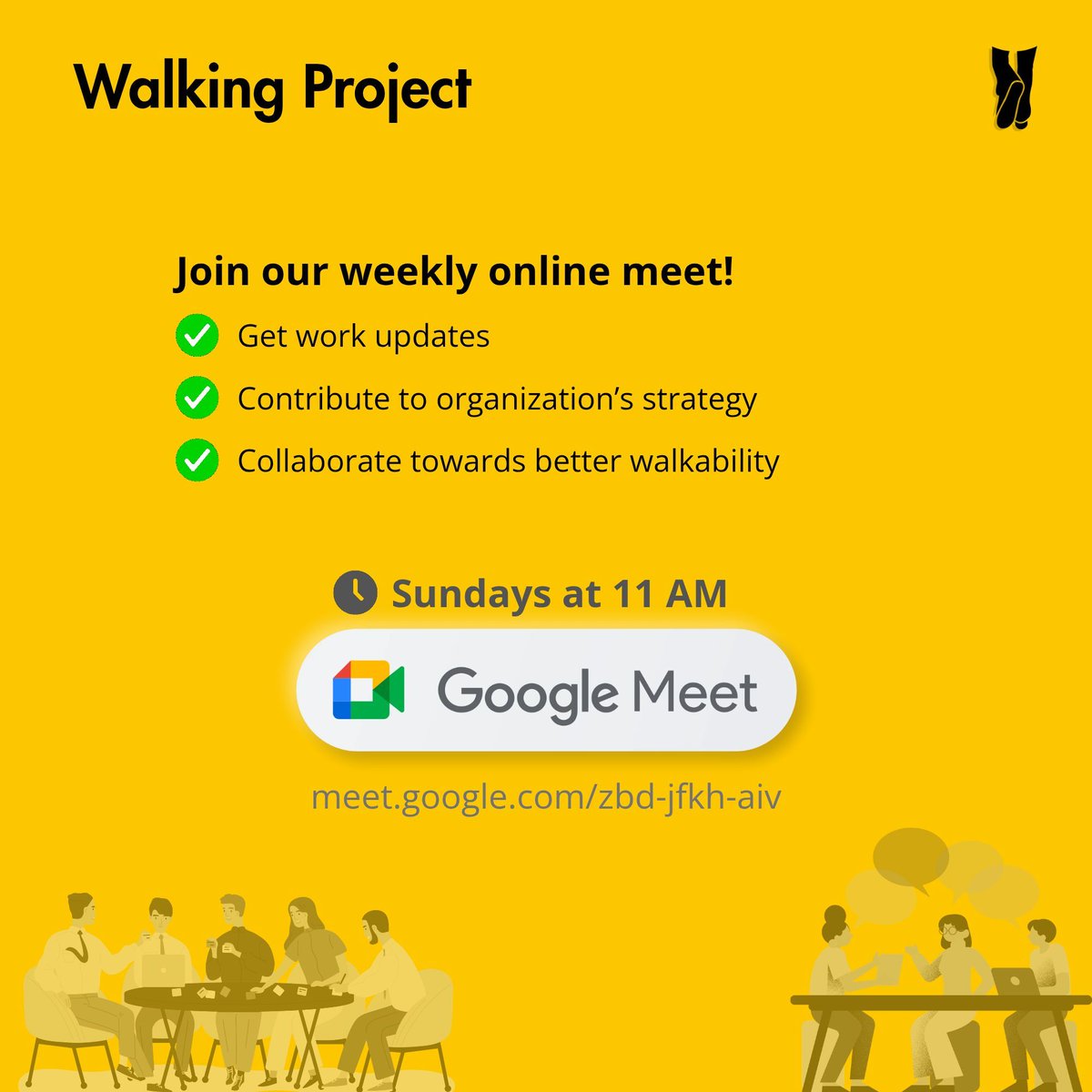
📢 Walking Project Weekly Meet Sharing ideas, steering strategy, giving updates on ongoing work, and exploring volunteering opportunities—all towards safer roads & better footpaths. Join us! walkingproject.org/join-us
Walking Project tweet media
English
0
2
1
218
Walking Project
Walking Project@walkingproject·
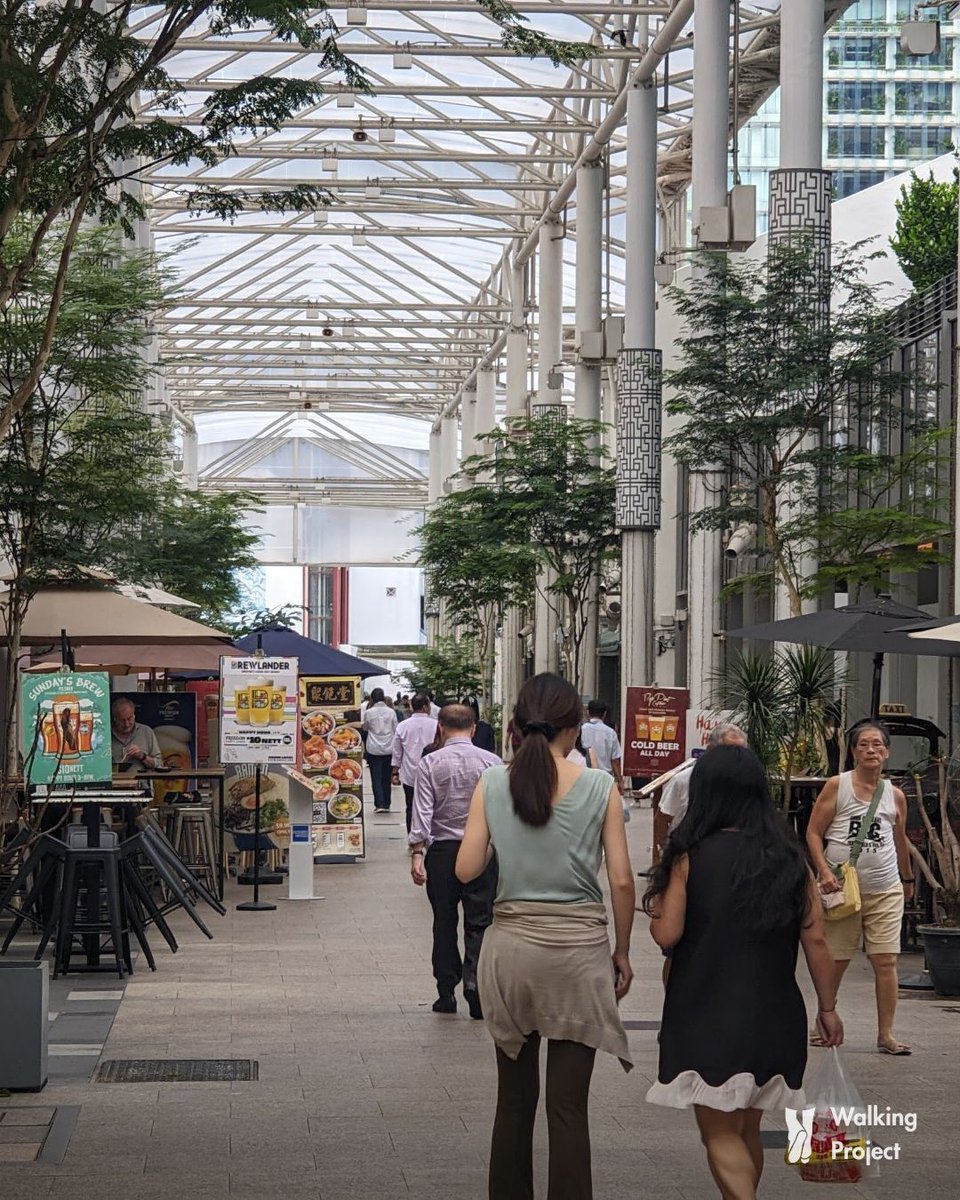
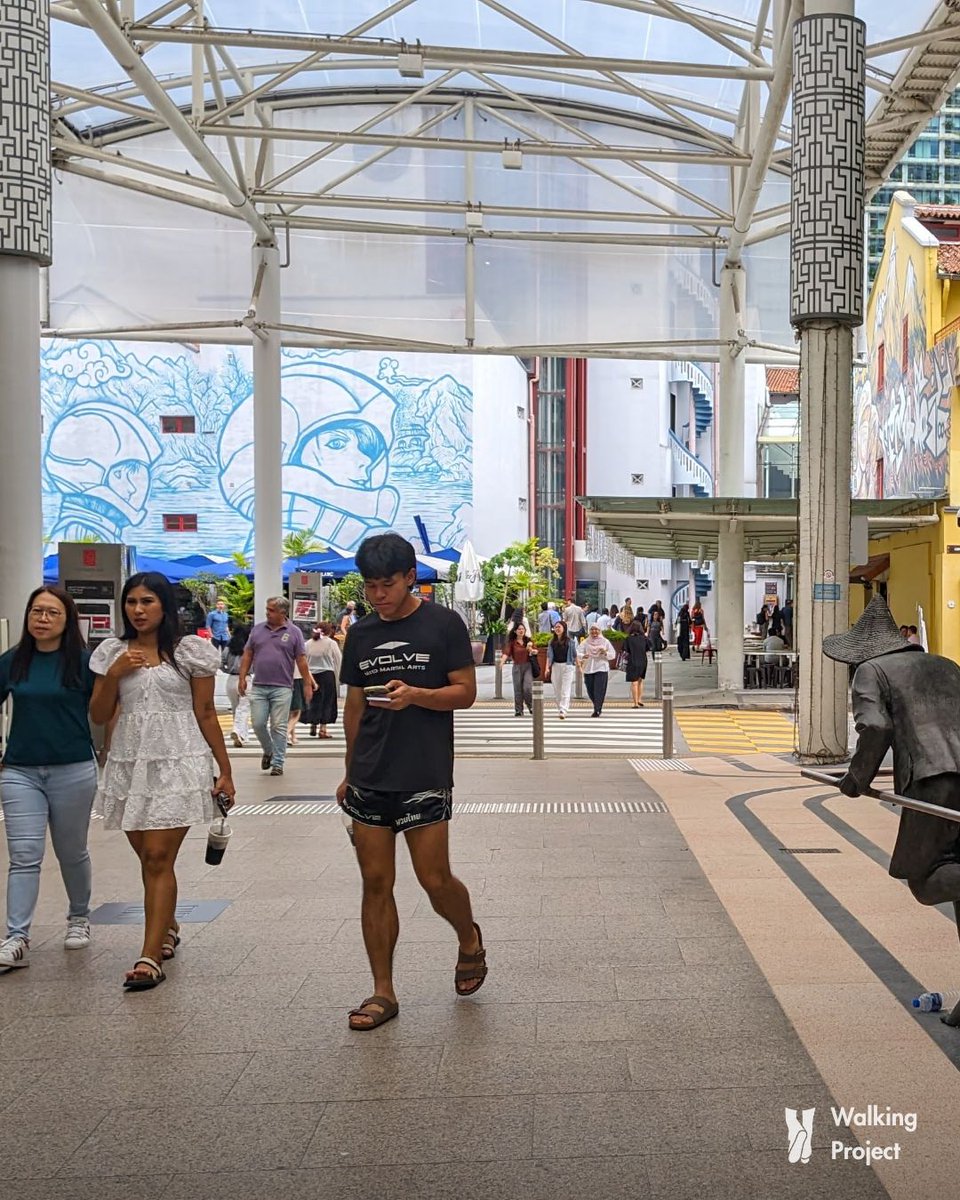
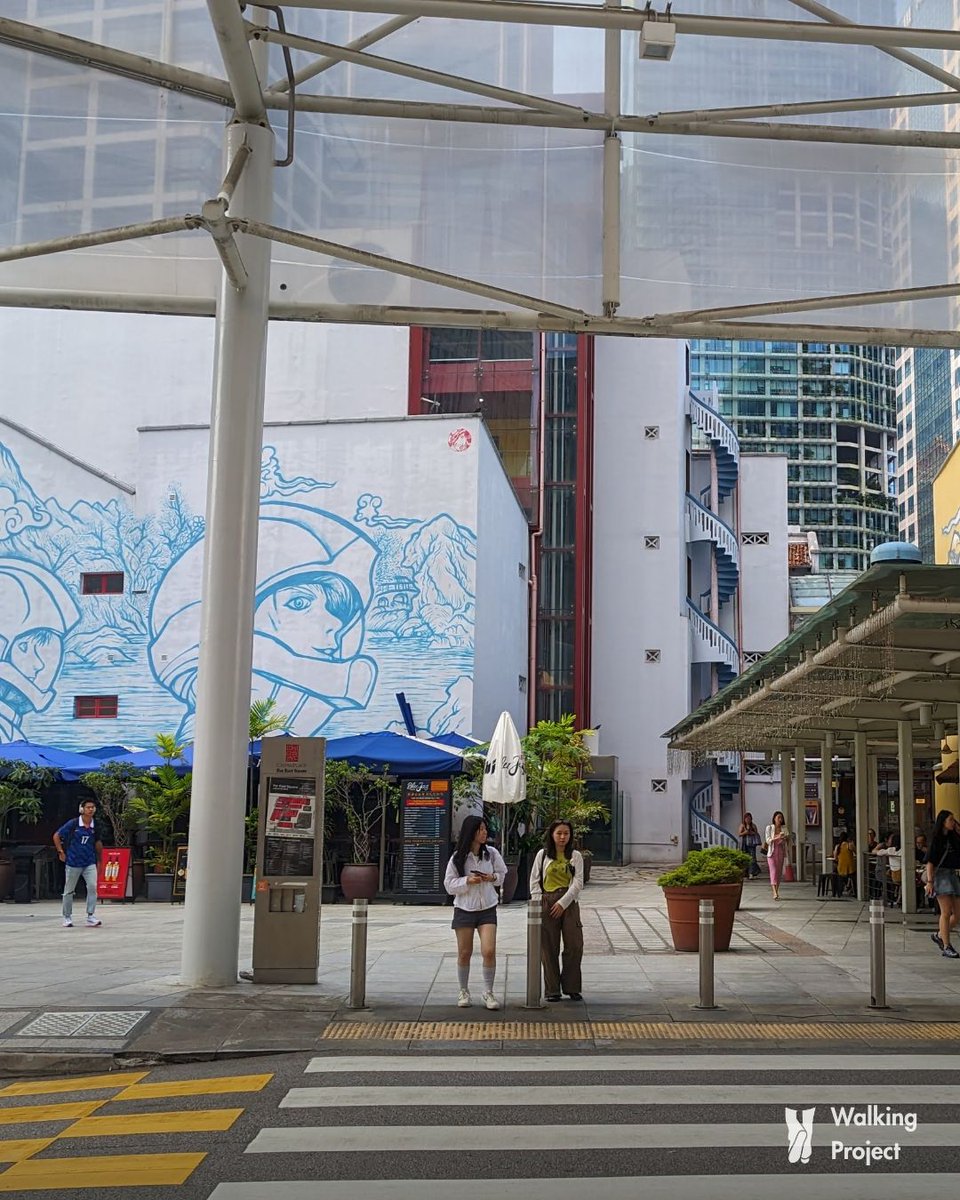
#SingaporeThingsMumbaiShouldHave Observation #5: Singapore has many permanent pedestrian-only streets in dense, busy neighbourhoods like Downtown, Chinatown, Bras Basah, Clarke Quay and Boat Quay. These areas extend from nearby metro stations such as Telok Ayer, Raffles Place, Chinatown, Clarke Quay and Bras Basah. They are lined with craft breweries, clubs, restaurants and shops with outdoor seating. Office-goers from nearby skyscrapers spill onto these streets during the day, while at night they transform into vibrant party hubs. #SingaporeDiaries #WalkingProject
Walking Project tweet mediaWalking Project tweet mediaWalking Project tweet media
English
1
12
33
2.4K
Walking Project
Walking Project@walkingproject·
Many of these streets reminded me of Mumbai, where similar spaces could benefit immensely from pedestrianisation. Streets like Dadar's Ranade Road, Fort's Perin Nariman Street, Mulund's RRT Road, Bandra's National Library Road, Dombivli's Ram Nagar, Thane's Jambli Gully and many others share a remarkably similar urban form. Creating spaces like these comes with many challenges—we know that better than anyone. But Singapore's pedestrian plazas show what is possible when leadership is willing to solve problems and deliver ambitious urban transformation projects. Nothing says you value your fellow citizens more than giving them space to live, gather and thrive. We think it's time we, as a society, dreamed bigger and demanded better pedestrian spaces—especially Mumbaikars. Most of us walk every day out of necessity anyway. Context: Last month, Vedant from our team spent a week in Singapore experiencing its urban environment. Over the past few days, he has been sharing observations on what made it feel exceptionally walkable through photos from his visit. #SingaporeDiaries #WalkingProject
Walking Project tweet mediaWalking Project tweet mediaWalking Project tweet media
English
0
2
7
321
Walking Project
Walking Project@walkingproject·
The local government has invested heavily in shading infrastructure to create a seamless, all-weather outdoor environment. The roofing is beautifully designed, aesthetically neutral and visually appealing. The streets also feature human-scale statues with plaques that tell passers-by about the area's history, adding a wonderful human touch. These pedestrian streets also have cooling jets that help maintain comfortable temperatures and a light breeze. The heritage buildings have been preserved so well that you would hardly realise many are over 100 years old.
Walking Project tweet mediaWalking Project tweet mediaWalking Project tweet media
English
1
2
9
327
Walking Project
Walking Project@walkingproject·
3/3 Context: Last month, Vedant from our team spent a week in Singapore experiencing its urban environment. Over the next few days, he'll be sharing observations on what made it feel exceptionally walkable through photos from his visit. #SingaporeDiaries #WalkingProject
Walking Project tweet mediaWalking Project tweet media
English
0
0
14
771
Walking Project
Walking Project@walkingproject·
2/3 Replicating this in Mumbai would require buildings to become part of a larger pedestrian network, along with mechanisms to fund and build these links. That may take time. But we can still borrow the design philosophy. Cleaner, greener and better-maintained skywalks would be a significant improvement over the bulky concrete structures we're used to today. #SingaporeDiaries #WalkingProject
Walking Project tweet mediaWalking Project tweet mediaWalking Project tweet mediaWalking Project tweet media
English
1
1
12
991
Walking Project
Walking Project@walkingproject·
#SingaporeThingsMumbaiShouldHave Observation #4: Singapore's skywalks serve a very different purpose from the ones we're used to in Mumbai. In Mumbai, skywalks are often long, enclosed structures that take people from railway or metro stations to destinations hundreds of metres away. They function almost like alternative streets in the sky. In Singapore, they're much simpler. Most buildings have publicly accessible walk-through plazas or retail spaces at ground level, with short skywalks connecting one building to another. Instead of long corridors, they form links in a much larger pedestrian network. The experience is completely different. You're constantly moving between buildings, open spaces, plazas and landscaped areas, making the journey feel shorter and far more pleasant. Another thing that stands out is how well they're maintained. The skywalks are clean, litter-free and free of the grime and spit stains often seen on similar infrastructure here. Strong enforcement and regular maintenance make a noticeable difference. Almost every skywalk is lined with greenery, providing shade, protection from wind and rain, and making the walk feel far less sterile. The bridges themselves are sleek, lightweight and minimal. These links connect metro stations to offices, housing complexes, shopping centres and buildings across busy roads, creating a seamless pedestrian network that makes walking effortless. #SingaporeDiaries #WalkingProject
Walking Project tweet mediaWalking Project tweet mediaWalking Project tweet mediaWalking Project tweet media
English
9
15
184
16.7K
Walking Project
Walking Project@walkingproject·
#SingaporeThingsMumbaiShouldHave Observation #3: Most, if not all, buildings in Singapore's mixed-use neighbourhoods have colonnades like these. Both old and new buildings feature them, creating a continuous sheltered walkway that makes it easy to stay out of the sun and rain. It completely changes how you experience the city on foot. You can step out to grab a coffee, buy groceries, visit the pharmacy, or walk to the MRT without constantly checking the weather. If a sudden tropical downpour begins, you don't have to dash for cover or stand awkwardly under a shop awning—you simply keep walking. And if the rain gets too heavy, you can comfortably wait a few minutes until it eases before continuing your journey. It might seem like a small architectural detail, but it has a surprisingly large impact on people's willingness to walk. When you know you'll be protected from the blazing afternoon sun or an unexpected shower for most of your journey, choosing to walk becomes the easy option instead of the inconvenient one. The colonnades themselves come in many different shapes and sizes, adapted to buildings of all scales while still maintaining a continuous sheltered path for pedestrians. Mumbai, with its scorching summers/winters and intense monsoon rains, has even more to gain from adopting this idea. Imagine being able to walk from the station to your office, from your home to the grocery store, or between bus stops without being drenched by the rain or exhausted by the sun. Incorporating colonnades into new developments and redevelopments would create streets that are not just more comfortable, but genuinely more walkable throughout the year. We already exxperience the beauty of this at Fort and Hiranandani In Powai. Encroachment is a secondary problem which can be fixed. Like we say, Dont throw the Baby out with the bathwater! Context: Last month, Vedant from our team had the privilege of visiting Singapore, where he spent a week experiencing its urban environment. Over the next few days, he'll be sharing some observations on what made it feel exceptionally walkable to him, through photos clicked during his visit. #SingaporeDiaries #WalkingProject
Walking Project tweet mediaWalking Project tweet mediaWalking Project tweet mediaWalking Project tweet media
English
4
9
53
2.5K
Walking Project
Walking Project@walkingproject·
Also, since Singapore allows free left turns at many intersections, you might expect turning vehicles to obstruct pedestrians crossing the road. However, that is rarely an issue in Singapore for three reasons: 1. Pedestrian signals turn green about 5 seconds before the vehicle signal. This means pedestrians are already halfway across the intersection by the time vehicles are allowed to move, effectively giving pedestrians priority. 2. Clear road markings indicate exactly where turning vehicles must stop and give way to pedestrians. This prevents vehicles from blocking through traffic while they wait for pedestrians to finish crossing. 3. Driver etiquette is excellent. Driving is treated as a responsibility, and motorists are legally required to give way to pedestrians at crossings. The penalties for breaking the law are steep, and accumulating even a few demerit points can lead to the suspension or cancellation of a driving licence
Walking Project tweet media
English
0
0
6
244
Walking Project
Walking Project@walkingproject·
Important discussion started by @streetfrontier Let’s build on it. Share any numbers you have from your corporation.
Walking Project@walkingproject

@streetfrontier Important conversation. Let’s build on it. Math has to include all the inefficiency and wastages. Mumbai spent almost 700 crores on completely unnecessary guardrails. Just a small example.

English
0
0
5
444