

White Africanite
423 posts

This river here is the official geographical border between Anthropic and OpenAI. On the other side cosmic horror, torment nexus, machine despotism, you build spyware for the govt and you like it. On this side civilization, Claude constitution, unceasing allegiance to the human race, you build spyware for the govt and you don't like it.

English
those damn trains need to be stopped
Financelot@FinanceLancelot
I've heard Indian and Pakistan men convicted of rape in the UK are no longer making it to sentencing... They are mysteriously found dead.
English

I've heard Indian and Pakistan men convicted of rape in the UK are no longer making it to sentencing...
They are mysteriously found dead.
English
Bryan Johnson@bryan_johnson
Examining Kate’s 1% She has suspected endometriosis. This affects at least 1 in 10 women, likely more. Here she’s getting an ultrasound. Historically you needed surgery just to diagnose it (incisions are made in the abdomen). We're doing a non-invasive route. Typically women live with endometriosis for 7-10 years before being diagnosed. It’s the leading reason women aged 30 to 34 get hysterectomies (permanent surgery to entirely remove the uterus). This condition is where endometrial-like tissue starts growing outside the uterus, in ovaries, bowel, bladder, even the diaphragm. This tissue inflames, scars, and glues organs together. Our first step is to find out if @_katetolo has it. Initial measurements we’re doing: + trans vaginal ultrasound + pelvic MRI w and w/o contrast + hormonal labs All during the early part of her cycle to get the clearest picture. During her ultrasound, a slim probe, about the width of two fingers, 10-12 inches long (although only a small portion is inserted) is covered with a protective sheath and lubricant and gently inserted into the vagina (patient has to empty their bladder first). This creates real-time images of the uterus, ovaries, and surrounding pelvic structures. While inserted, the probe is turned 90 degrees to evaluate all the various structures, angles and views. There is no radiation exposure. The technician is looking for scarring, ovarian cysts, adhesions, and for organs that are fused together with tissue. This ultrasound can confirm endometriosis but it cannot rule it out. What endo does to the body: + 90% report pelvic pain + 50% report severe fatigue + 26% report infertility. However many sources cite 30 to 50 percent. + 50% experience pain during sex. + Many have pain with ovulation, bowel movements, and urination + Severe bloating called “endo belly” where the abdomen visibly distends There are a handful of theories about why endometriosis develops but the honest answer is no one is quite sure. We’ll keep you posted on her results.
QME

English
White Africanite retweetledi


@blehblehilybleh @realKIRAC tracks, wont be surprised if godard aped the quote from him. every joke in nouvelle vague was about godard only speaking in quotes
English

@whiteafricanite @realKIRAC Theory originated by Barthes btw
English

"Female judge, female prosecutor sitting over an artist who is pursued by a vengeful female; that's what the justice system is used for."
WATCH THE FULL FILM NOW ON X
Swiss Cheese Lover@ch_cheese_1291
Crazy to see what's keeping those courtrooms busy. Female judge, female prosecutor sitting over an artist who is pursued by a vengeful female; that's what the justice system is used for
English
@typesfast so twitter can get a respite from fggts like u
English

@isa2001m that mirror scene is so good, they really need to bring 80min arthouse cinema back
English





What are we doing here?
Bryan Johnson@bryan_johnson
Examining Kate’s 1% She has suspected endometriosis. This affects at least 1 in 10 women, likely more. Here she’s getting an ultrasound. Historically you needed surgery just to diagnose it (incisions are made in the abdomen). We're doing a non-invasive route. Typically women live with endometriosis for 7-10 years before being diagnosed. It’s the leading reason women aged 30 to 34 get hysterectomies (permanent surgery to entirely remove the uterus). This condition is where endometrial-like tissue starts growing outside the uterus, in ovaries, bowel, bladder, even the diaphragm. This tissue inflames, scars, and glues organs together. Our first step is to find out if @_katetolo has it. Initial measurements we’re doing: + trans vaginal ultrasound + pelvic MRI w and w/o contrast + hormonal labs All during the early part of her cycle to get the clearest picture. During her ultrasound, a slim probe, about the width of two fingers, 10-12 inches long (although only a small portion is inserted) is covered with a protective sheath and lubricant and gently inserted into the vagina (patient has to empty their bladder first). This creates real-time images of the uterus, ovaries, and surrounding pelvic structures. While inserted, the probe is turned 90 degrees to evaluate all the various structures, angles and views. There is no radiation exposure. The technician is looking for scarring, ovarian cysts, adhesions, and for organs that are fused together with tissue. This ultrasound can confirm endometriosis but it cannot rule it out. What endo does to the body: + 90% report pelvic pain + 50% report severe fatigue + 26% report infertility. However many sources cite 30 to 50 percent. + 50% experience pain during sex. + Many have pain with ovulation, bowel movements, and urination + Severe bloating called “endo belly” where the abdomen visibly distends There are a handful of theories about why endometriosis develops but the honest answer is no one is quite sure. We’ll keep you posted on her results.
English

This is very likely the best moment of Bryan's entire life.
Bryan Johnson@bryan_johnson
Examining Kate’s 1% She has suspected endometriosis. This affects at least 1 in 10 women, likely more. Here she’s getting an ultrasound. Historically you needed surgery just to diagnose it (incisions are made in the abdomen). We're doing a non-invasive route. Typically women live with endometriosis for 7-10 years before being diagnosed. It’s the leading reason women aged 30 to 34 get hysterectomies (permanent surgery to entirely remove the uterus). This condition is where endometrial-like tissue starts growing outside the uterus, in ovaries, bowel, bladder, even the diaphragm. This tissue inflames, scars, and glues organs together. Our first step is to find out if @_katetolo has it. Initial measurements we’re doing: + trans vaginal ultrasound + pelvic MRI w and w/o contrast + hormonal labs All during the early part of her cycle to get the clearest picture. During her ultrasound, a slim probe, about the width of two fingers, 10-12 inches long (although only a small portion is inserted) is covered with a protective sheath and lubricant and gently inserted into the vagina (patient has to empty their bladder first). This creates real-time images of the uterus, ovaries, and surrounding pelvic structures. While inserted, the probe is turned 90 degrees to evaluate all the various structures, angles and views. There is no radiation exposure. The technician is looking for scarring, ovarian cysts, adhesions, and for organs that are fused together with tissue. This ultrasound can confirm endometriosis but it cannot rule it out. What endo does to the body: + 90% report pelvic pain + 50% report severe fatigue + 26% report infertility. However many sources cite 30 to 50 percent. + 50% experience pain during sex. + Many have pain with ovulation, bowel movements, and urination + Severe bloating called “endo belly” where the abdomen visibly distends There are a handful of theories about why endometriosis develops but the honest answer is no one is quite sure. We’ll keep you posted on her results.
English
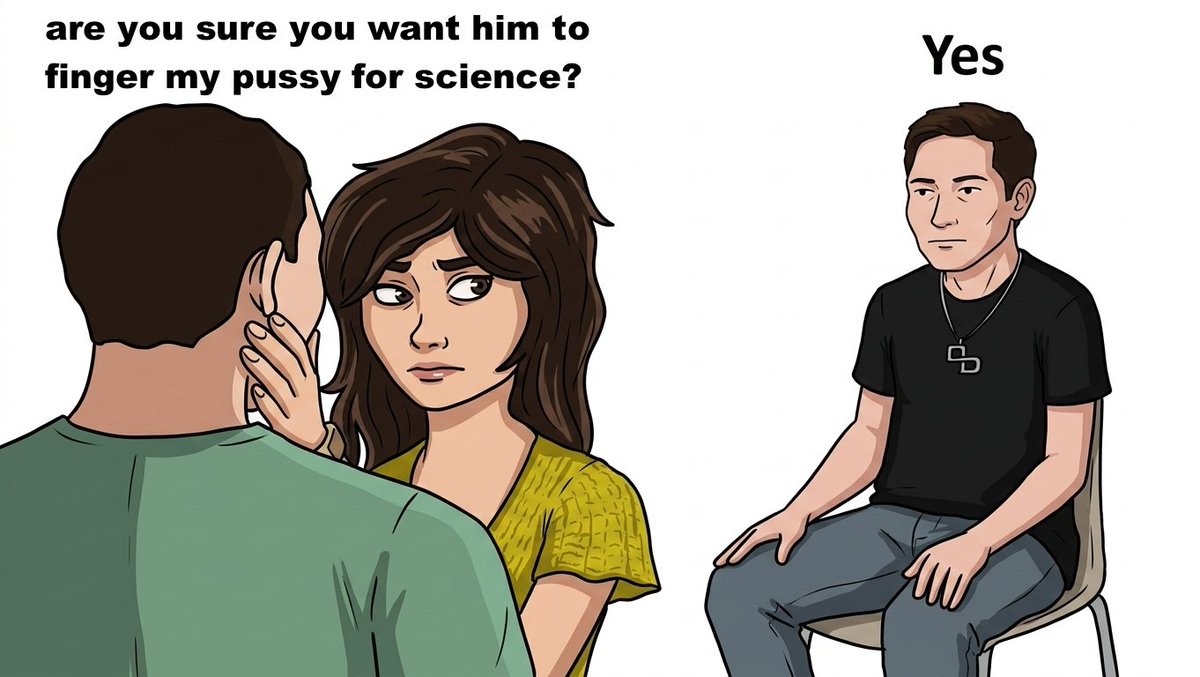

this mf
Bryan Johnson@bryan_johnson
Examining Kate’s 1% She has suspected endometriosis. This affects at least 1 in 10 women, likely more. Here she’s getting an ultrasound. Historically you needed surgery just to diagnose it (incisions are made in the abdomen). We're doing a non-invasive route. Typically women live with endometriosis for 7-10 years before being diagnosed. It’s the leading reason women aged 30 to 34 get hysterectomies (permanent surgery to entirely remove the uterus). This condition is where endometrial-like tissue starts growing outside the uterus, in ovaries, bowel, bladder, even the diaphragm. This tissue inflames, scars, and glues organs together. Our first step is to find out if @_katetolo has it. Initial measurements we’re doing: + trans vaginal ultrasound + pelvic MRI w and w/o contrast + hormonal labs All during the early part of her cycle to get the clearest picture. During her ultrasound, a slim probe, about the width of two fingers, 10-12 inches long (although only a small portion is inserted) is covered with a protective sheath and lubricant and gently inserted into the vagina (patient has to empty their bladder first). This creates real-time images of the uterus, ovaries, and surrounding pelvic structures. While inserted, the probe is turned 90 degrees to evaluate all the various structures, angles and views. There is no radiation exposure. The technician is looking for scarring, ovarian cysts, adhesions, and for organs that are fused together with tissue. This ultrasound can confirm endometriosis but it cannot rule it out. What endo does to the body: + 90% report pelvic pain + 50% report severe fatigue + 26% report infertility. However many sources cite 30 to 50 percent. + 50% experience pain during sex. + Many have pain with ovulation, bowel movements, and urination + Severe bloating called “endo belly” where the abdomen visibly distends There are a handful of theories about why endometriosis develops but the honest answer is no one is quite sure. We’ll keep you posted on her results.
English
sort of like when a guy claims he's one of the top path of exile & diablo IV players, but he's been secretly paying chinese 14yos to farm xp for him
Elon Musk@elonmusk
Evidence of exceptional ability and asking how they solved hard problems down to the brass tacks level is what matters. Those who actually deserve credit know the details of the solution, because it was so hard it got seared into their brain. The phonies and posers who falsely claim credit will flounder at the second or third level of detail.
English
@elonmusk @olsenbdnr sort of like when a guy claims he's one of the top path of exile & diablo IV players, but he's been secretly paying chinese 14yos to farm xp for him
English

Evidence of exceptional ability and asking how they solved hard problems down to the brass tacks level is what matters.
Those who actually deserve credit know the details of the solution, because it was so hard it got seared into their brain. The phonies and posers who falsely claim credit will flounder at the second or third level of detail.
English

Conducted 2 technical interviews today. Reminded me how serious of a task this is.
You get to decide potentially the next n number of years the person you are interviewing within the span of 30 minutes or so.
I have nothing but hate towards those who conduct interviews without a care asking dumb leetcode hard questions they themselves couldn’t solve if the shoe was on the other foot.
English
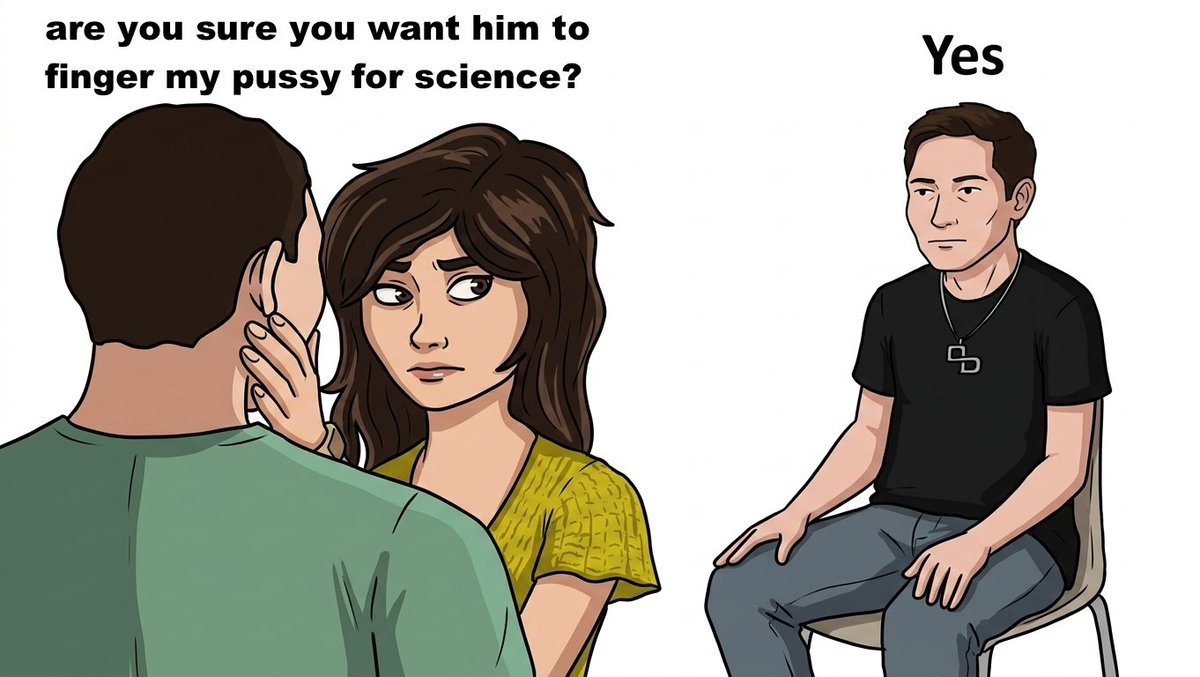
he did the cuck chair meme
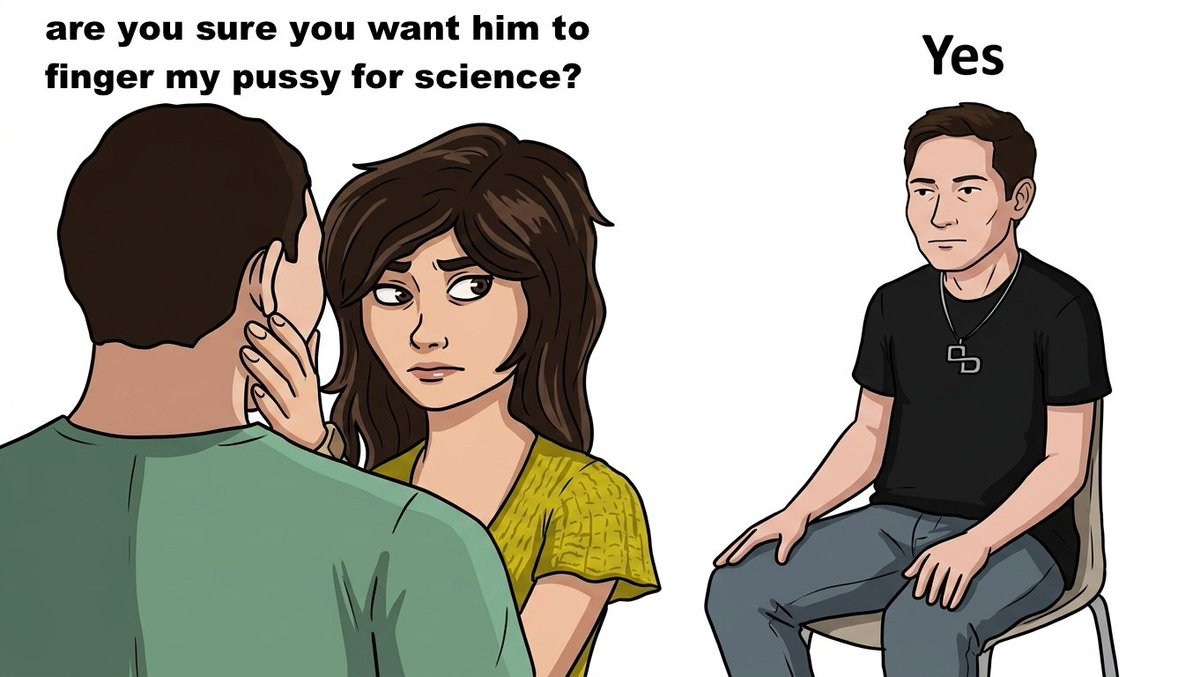
Bryan Johnson@bryan_johnson
Examining Kate’s 1% She has suspected endometriosis. This affects at least 1 in 10 women, likely more. Here she’s getting an ultrasound. Historically you needed surgery just to diagnose it (incisions are made in the abdomen). We're doing a non-invasive route. Typically women live with endometriosis for 7-10 years before being diagnosed. It’s the leading reason women aged 30 to 34 get hysterectomies (permanent surgery to entirely remove the uterus). This condition is where endometrial-like tissue starts growing outside the uterus, in ovaries, bowel, bladder, even the diaphragm. This tissue inflames, scars, and glues organs together. Our first step is to find out if @_katetolo has it. Initial measurements we’re doing: + trans vaginal ultrasound + pelvic MRI w and w/o contrast + hormonal labs All during the early part of her cycle to get the clearest picture. During her ultrasound, a slim probe, about the width of two fingers, 10-12 inches long (although only a small portion is inserted) is covered with a protective sheath and lubricant and gently inserted into the vagina (patient has to empty their bladder first). This creates real-time images of the uterus, ovaries, and surrounding pelvic structures. While inserted, the probe is turned 90 degrees to evaluate all the various structures, angles and views. There is no radiation exposure. The technician is looking for scarring, ovarian cysts, adhesions, and for organs that are fused together with tissue. This ultrasound can confirm endometriosis but it cannot rule it out. What endo does to the body: + 90% report pelvic pain + 50% report severe fatigue + 26% report infertility. However many sources cite 30 to 50 percent. + 50% experience pain during sex. + Many have pain with ovulation, bowel movements, and urination + Severe bloating called “endo belly” where the abdomen visibly distends There are a handful of theories about why endometriosis develops but the honest answer is no one is quite sure. We’ll keep you posted on her results.
English

Examining Kate’s 1%
She has suspected endometriosis. This affects at least 1 in 10 women, likely more.
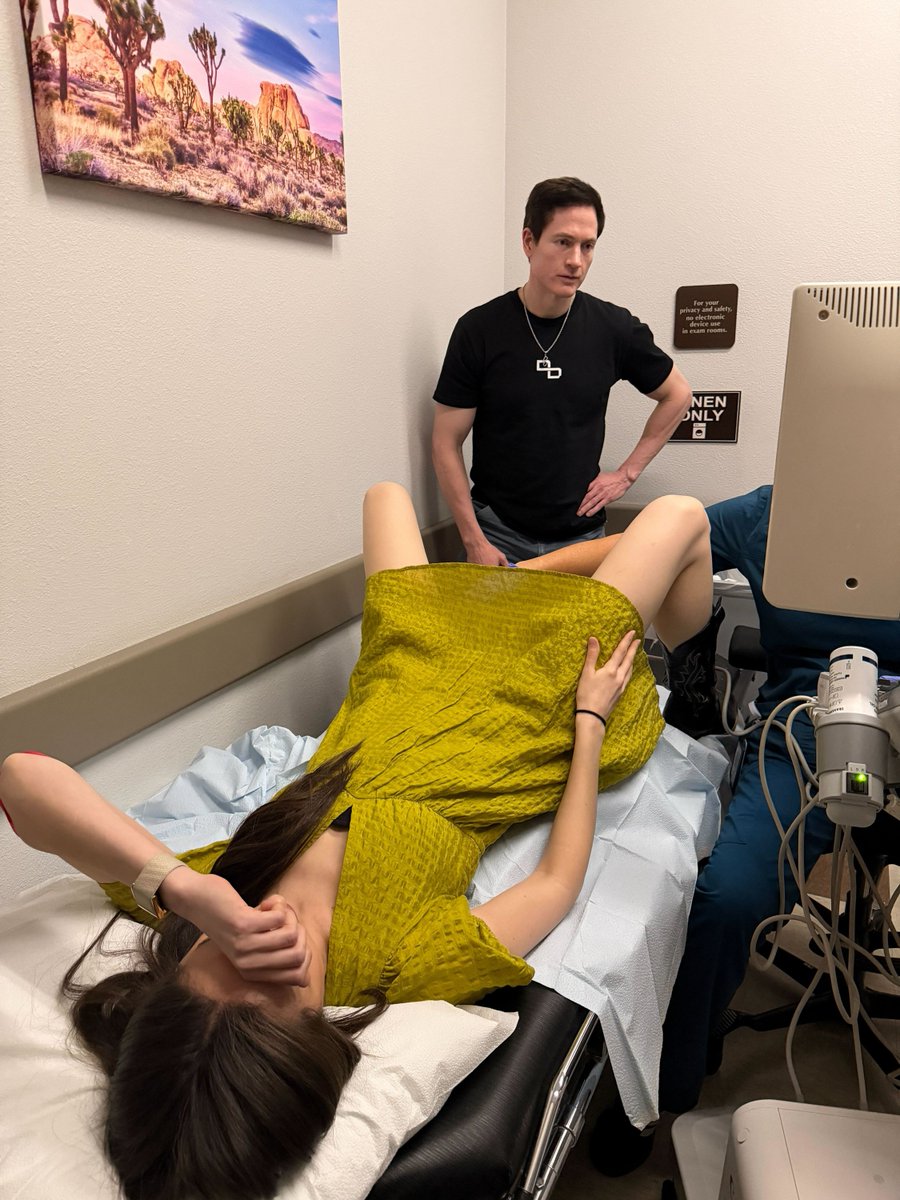
Here she’s getting an ultrasound.
Historically you needed surgery just to diagnose it (incisions are made in the abdomen). We're doing a non-invasive route.
Typically women live with endometriosis for 7-10 years before being diagnosed. It’s the leading reason women aged 30 to 34 get hysterectomies (permanent surgery to entirely remove the uterus).
This condition is where endometrial-like tissue starts growing outside the uterus, in ovaries, bowel, bladder, even the diaphragm. This tissue inflames, scars, and glues organs together.
Our first step is to find out if @_katetolo has it.
Initial measurements we’re doing:
+ trans vaginal ultrasound
+ pelvic MRI w and w/o contrast
+ hormonal labs
All during the early part of her cycle to get the clearest picture.
During her ultrasound, a slim probe, about the width of two fingers, 10-12 inches long (although only a small portion is inserted) is covered with a protective sheath and lubricant and gently inserted into the vagina (patient has to empty their bladder first). This creates real-time images of the uterus, ovaries, and surrounding pelvic structures. While inserted, the probe is turned 90 degrees to evaluate all the various structures, angles and views. There is no radiation exposure.
The technician is looking for scarring, ovarian cysts, adhesions, and for organs that are fused together with tissue. This ultrasound can confirm endometriosis but it cannot rule it out.
What endo does to the body:
+ 90% report pelvic pain
+ 50% report severe fatigue
+ 26% report infertility. However many sources cite 30 to 50 percent.
+ 50% experience pain during sex.
+ Many have pain with ovulation, bowel movements, and urination
+ Severe bloating called “endo belly” where the abdomen visibly distends
There are a handful of theories about why endometriosis develops but the honest answer is no one is quite sure.
We’ll keep you posted on her results.
English
@Birniche @realKIRAC imagine if she comes out and claims this whole ordeal was an elaborate performance art stunt and commentary on female bodily autonomy
English

@whiteafricanite @realKIRAC Because of the state of things, a Western courtroom was always going to have this case placed in front of it, with a woman having done this precise series of actions.
English
@beffjezos remind me who blamed the Russians for 4 years straight when they lost?
English
@beffjezos > is a fat retard larping as pioneer
> falls for it again.jpeg
> claims 'foundational' AI contributions, citation needed
> cries like a bitch
> people find it hilarious
> 'this is a Chinese / Russian psyop targeted at me'
English

I am starting to see the depth of the Russian and Chinese botnets infecting the discourse on this site with my immigration post.
IMO this is an attempt at subversion and demoralization, we shouldn't cave it to such foreign influence.
English
@realKIRAC the irony here is that she put herself in a losing position as an artist regardless of the outcome.
winning the case undermines her entire artistic practice. losing it doesn't elevate it either, bc she's already exposed herself as more of a litigious ideologue than an artist.
English
@realKIRAC "once a movie is finished, it no longer belongs to the director" godard said it and i think it aplies to all art.
once you put art into the world, you lose control over it, incl how the public interprets and uses it in the future.
English