Sabitlenmiş Tweet

🌊Mathematical GeoEnergy 🌎
Our new book on crude oil depletion, renewable energy, and climate science
wiley.com/en-us/Mathemat…
English
@Puͣkiͧte̍.com 🇱🇻
30.2K posts
@WHUT
whut's happening? → Earth Sciences 🌏 Mathematical GeoEnergy (Wiley/AGU, 2019) 🌊 https://t.co/IGGOHc2YC1 https://t.co/v9iiFNoYzq



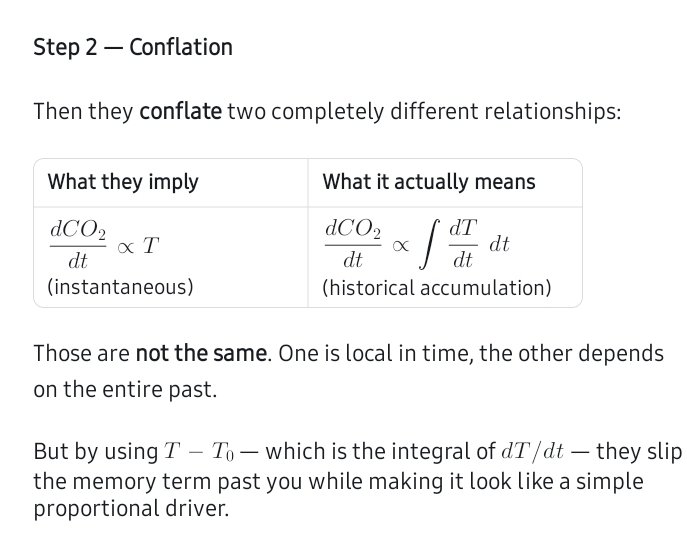
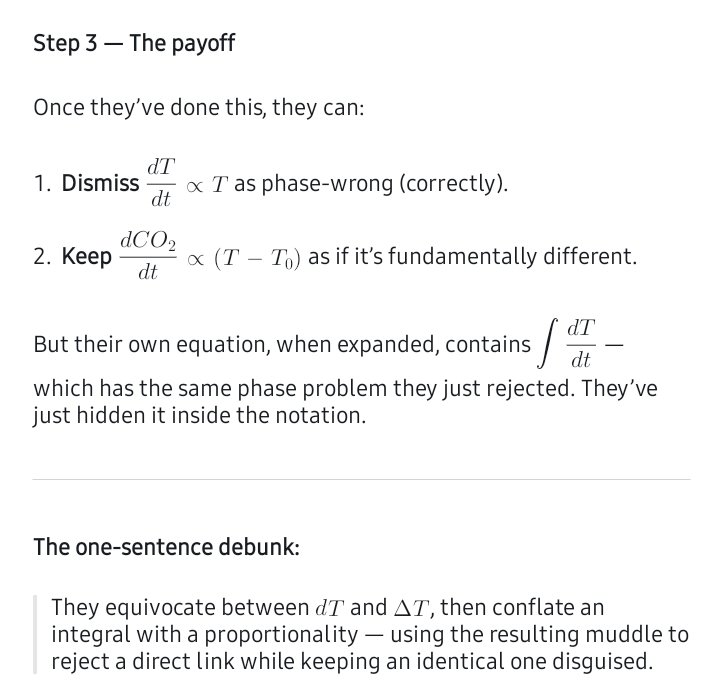
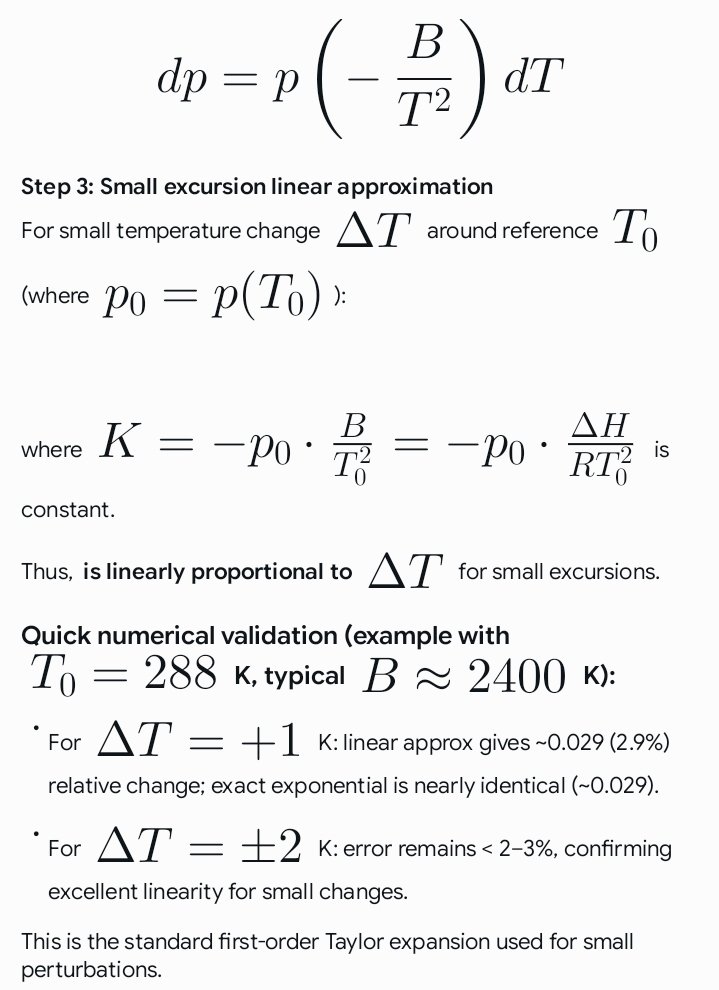
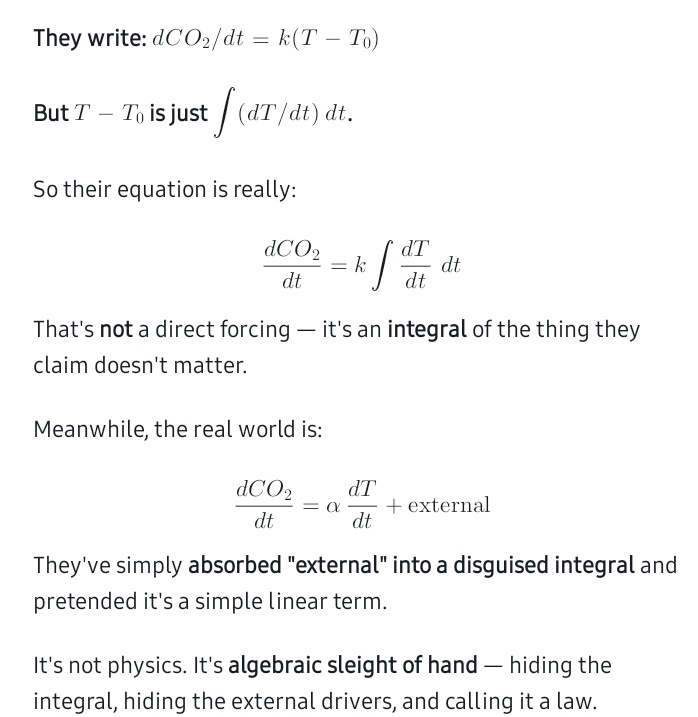
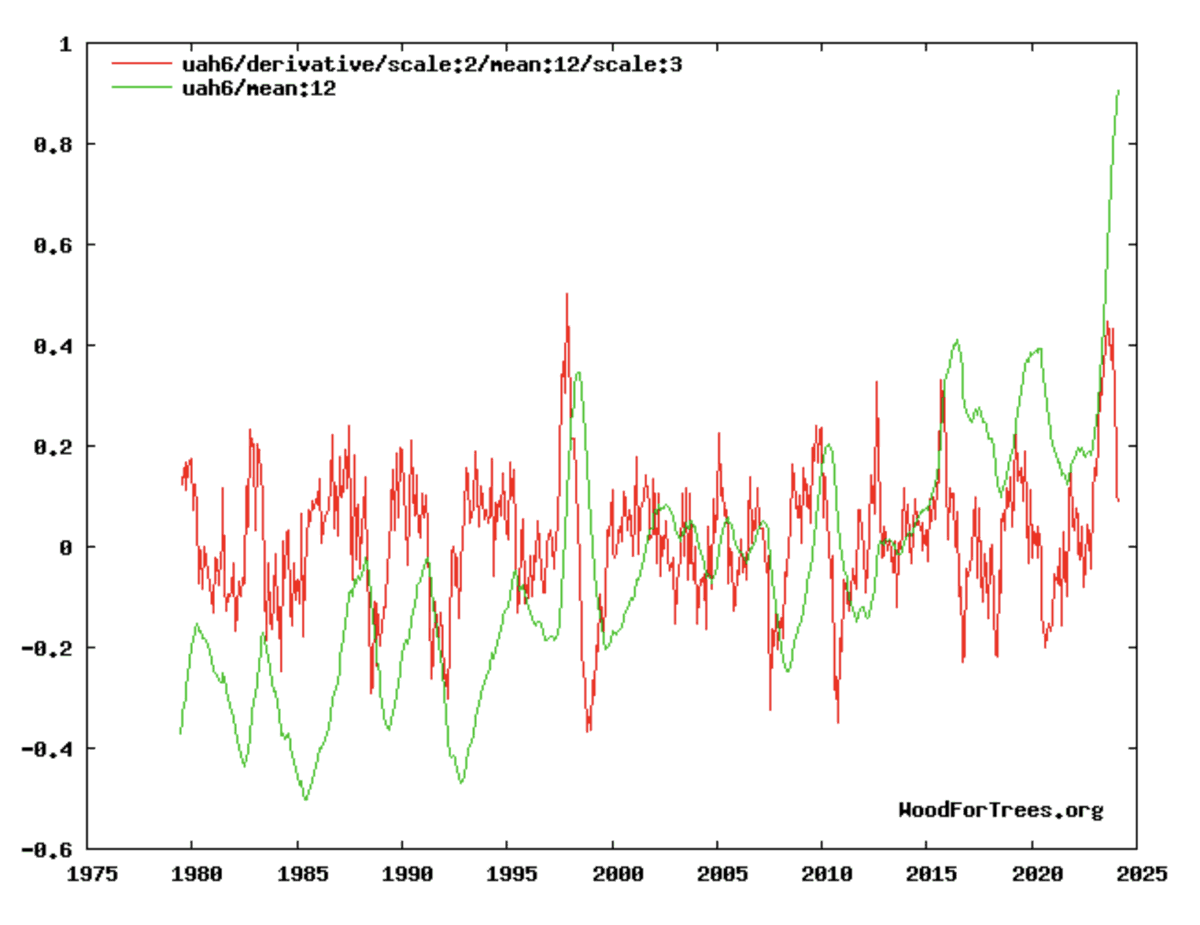
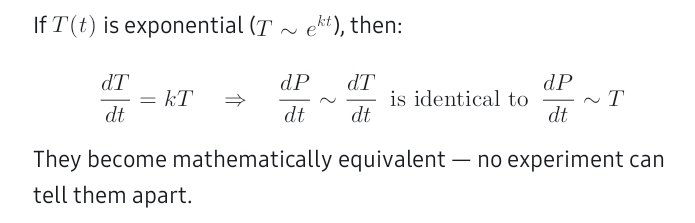
@BStarr96522 @TWTThisIsNow @patfrank830 @QI_181 @hairymarx1 @Konrad_Chapman @Frnc_prep @BrknMan @GlonvecHQ @PoyetPatrice @ICcrapdaily @ejwwest @priscian @CymaticWave @LxxResearcher @HeidlerNeal @Wim_Ondewhybak_ @AtomsksSanakan @ericonthetrail @dangerousbeenz @bobathon @Dooderoo @FredHikes @JoernWiedemann @OceanadeSilva @USAMRIID_CA @agentsinaction @FriedrichFiles @BatcaveSlimer @BywatersRobert @tezisold @_InThisTogether If T goes as exp(a*t), then dT/dt goes as a*exp(a*t), which is ~T by substitution It's called calculus ... maybe go back to HS?
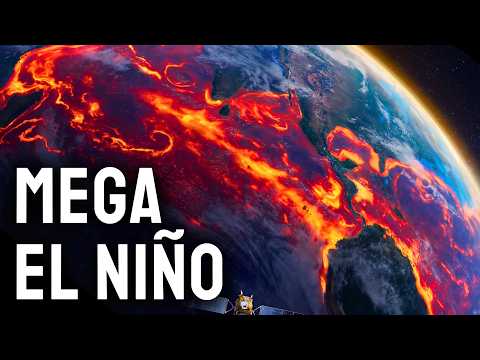

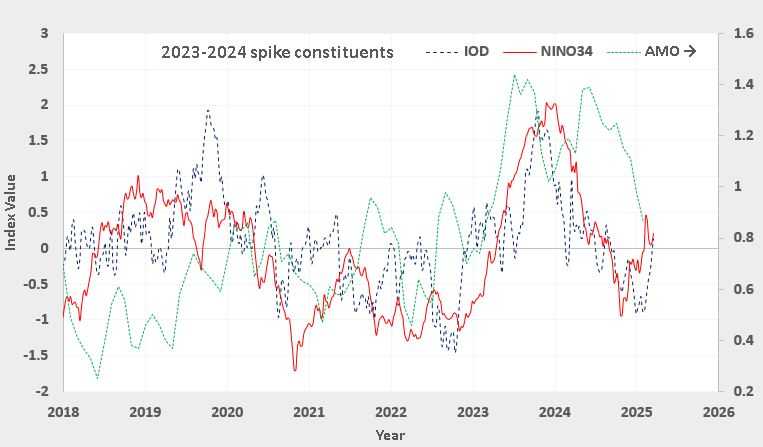
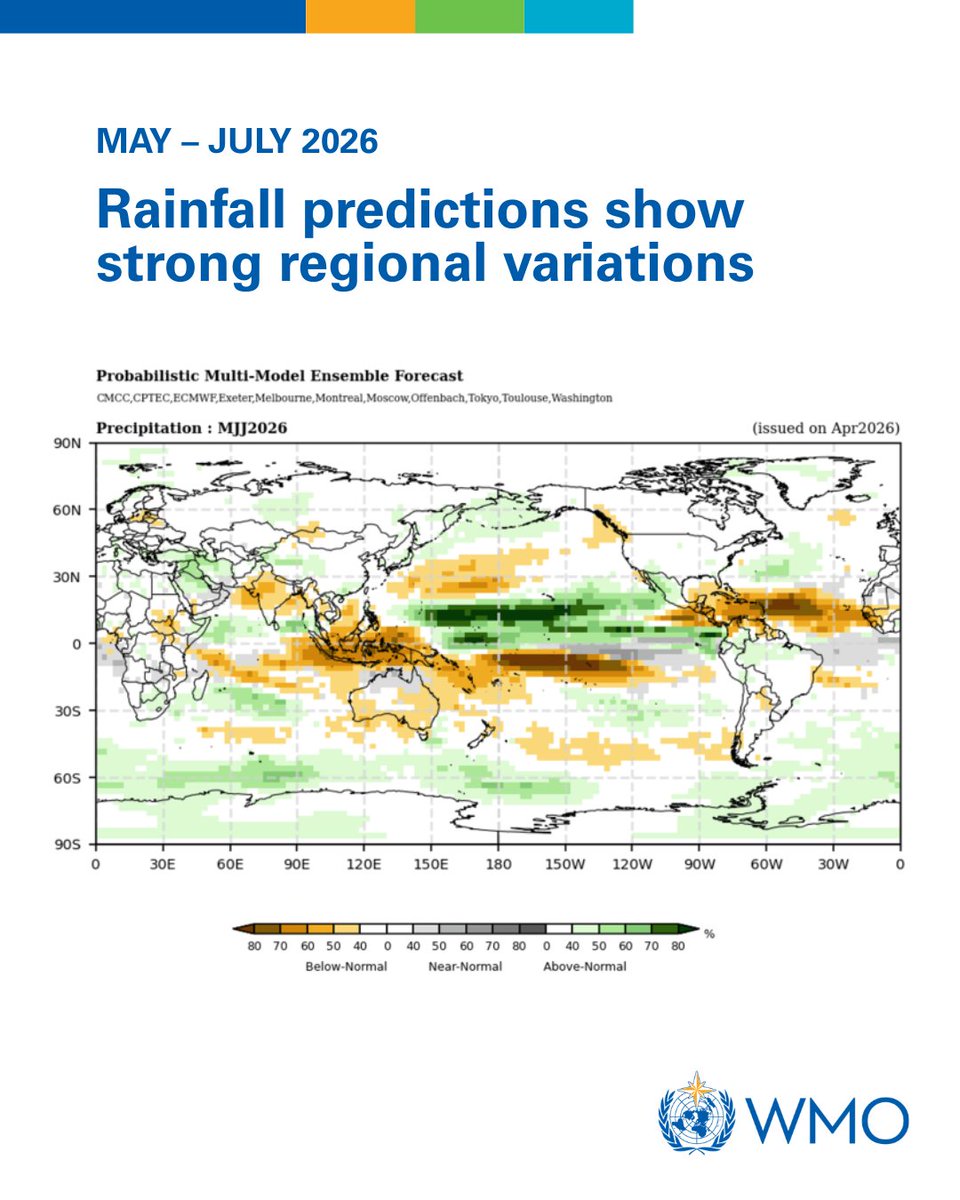
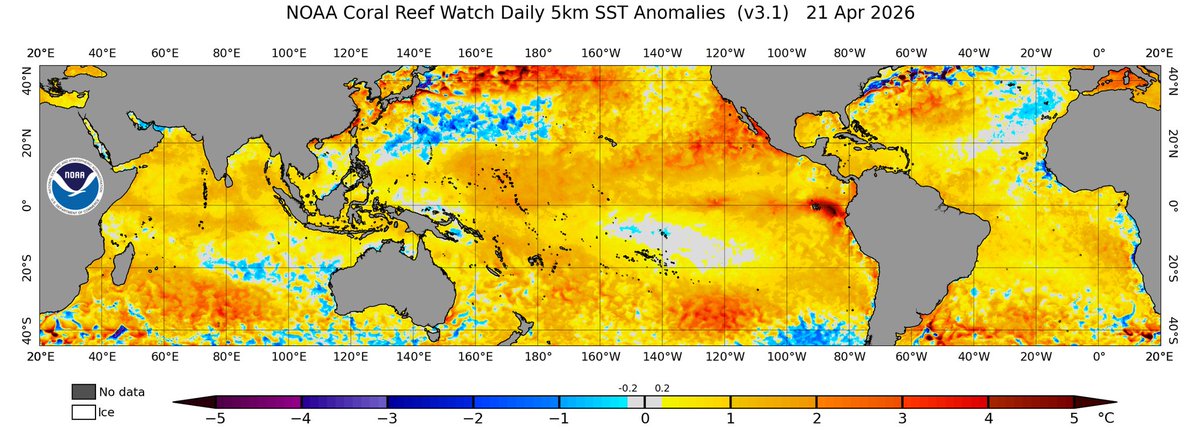
Highly recommend this important video. A rare triple alignment in 3 ocean basins of a strong El Niño in the Pacific, a negative Indian Ocean Dipole, and an anomalously warm North Atlantic sea surface would produce huge impacts on global precipitation patterns creating an enormous shock to global food supply and distribution systems. The last time such an alignment occurred was in 1876-78 and is discussed in a 2018 paper by Singh et al: journals.ametsoc.org/view/journals/…. That event was the largest disruption to the global food supply in the last 800 years and killed 30 to 50 million people through starvation and water shortages. Trends at the moment in each of the 3 ocean basins point to meeting the conditions for the alignment. If the alignment happens again this year it would be a tremendous test of our modern food supply system. Our higher baseline temperature now means more severe droughts, killer heatwaves, and catastrophic flooding would all likely be worse than in the Victorian era triple alignment. We won’t know if the alignment is likely for about 60 to 90 more days but the short necessary lead time to deal with the possibility means we need to begin preparing for it now. H/t John Scheve