
Shanliren
12.8K posts
Shanliren
@wlmphi
Serious Astronomy Enthusiasts, Space Fans, History Buffs
Katılım Haziran 2009
33 Takip Edilen621 Takipçiler


China is an Artificial Country
China is an Artificial Country
China is an Artificial Country
China is an Artificial Country
China is an Artificial Country
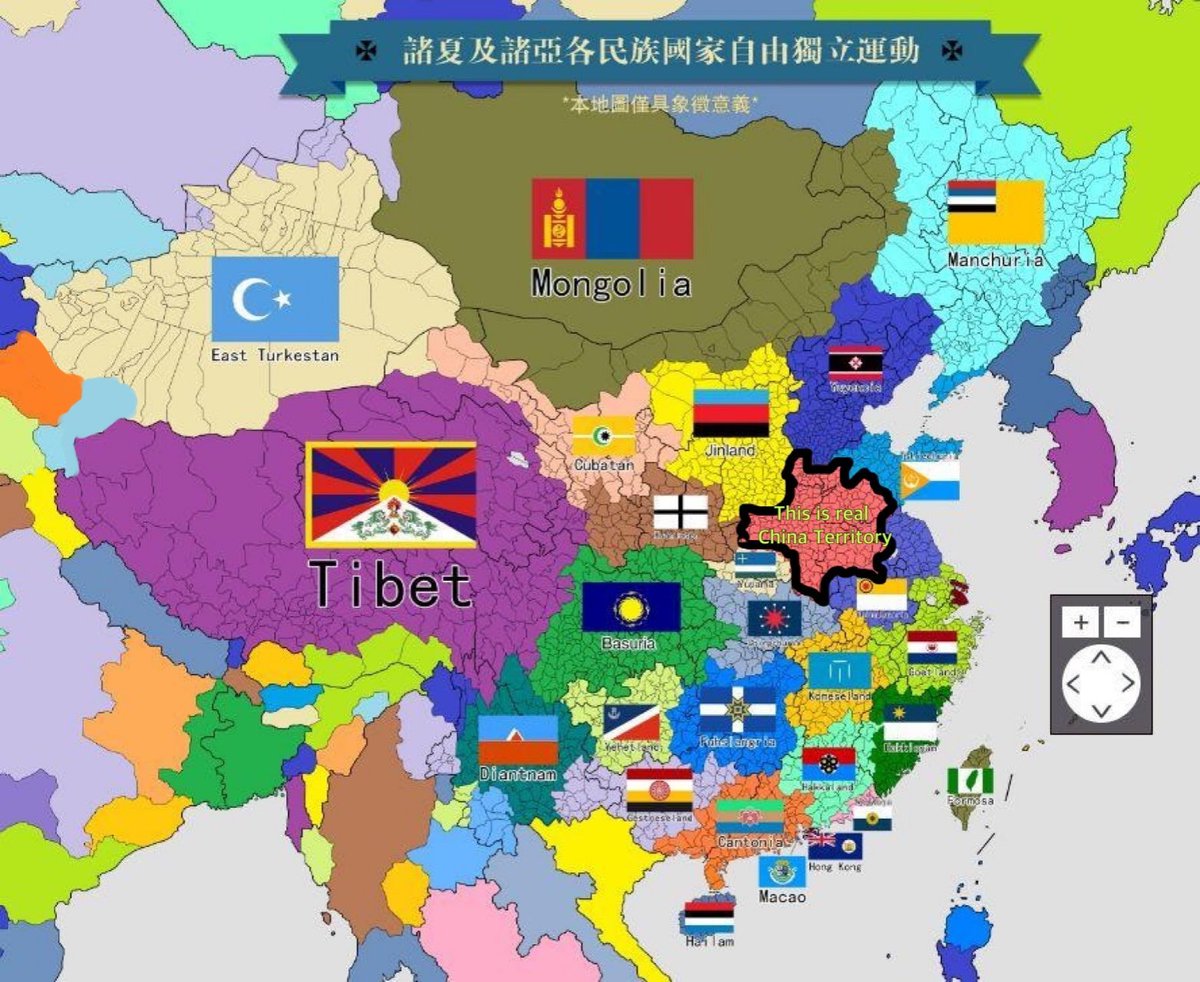
'Chinese Civilization' is a Lie
Real Insight@real_insight_1
The so-called "Chinese civilization" is a patch work of foreign invaded civilizations. It was a loot from Tibetans, Mongols, Yue tribes and whoever they crushed next.
English

@archeohistories Chinese purple! Ancient artisans were way ahead of us. Inspiring my next color palette for sure.
English

Freshly excavated Terracotta Army soldiers with traces of their original paint....
These Terracotta Army figures were discovered near Xi’an and were originally painted in vivid colors, reds, blues, greens, and even purple, rather than the muted tones seen today.
Created during the reign of Qin Shi Huang (3rd Century BC), the figures were coated with a lacquer base and then painted with mineral pigments. When first excavated in 1974, many still showed these colors, but exposure to air caused the lacquer to dry and flake off within hours. This is why most of the army now appears gray, despite originally being brightly colored.
Modern excavations use controlled techniques to preserve remaining pigment, slowing deterioration and allowing researchers to better understand ancient Chinese materials and craftsmanship.
One of the most striking pigments found on the warriors is “Chinese purple,” a rare synthetic pigment developed over 2,000 years ago, centuries before similar compounds appeared elsewhere.
#archaeohistories

English
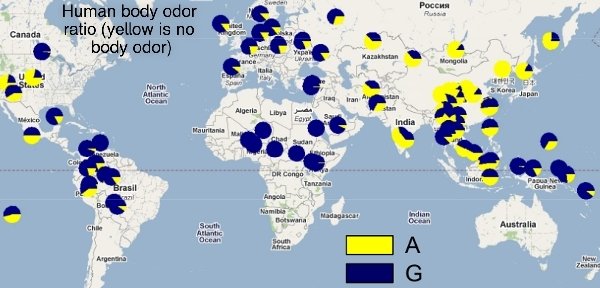

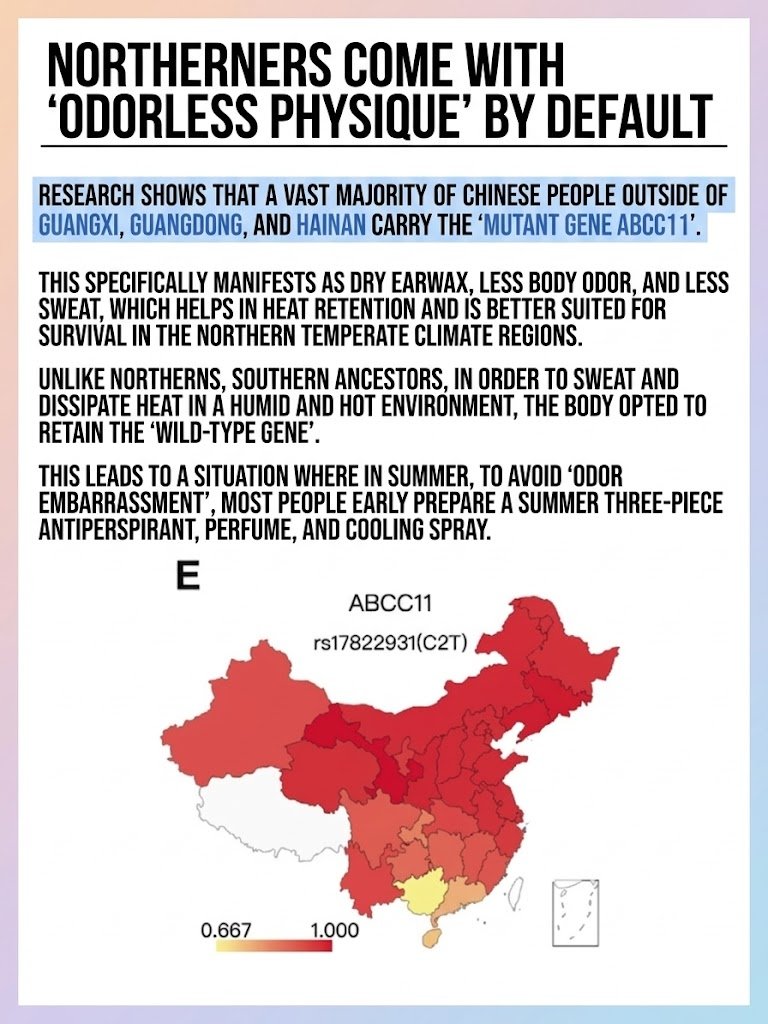
@iluvvietnam7 @136Division @akuwaaa Both Vietnamese and people from Guangxi and Guangdong seem to have retained some genes that give them a distinctive body odor.
English

It is inherently inaccurate to define population affinities based solely on linguistics, the gold standard can only be DNA.
The Anatolians are a classic example:
after being colonized by small foreign population in both language & beliefs, they forget who they actually are.
☯︎Cyber Daoist☯︎扎心老铁@136Division
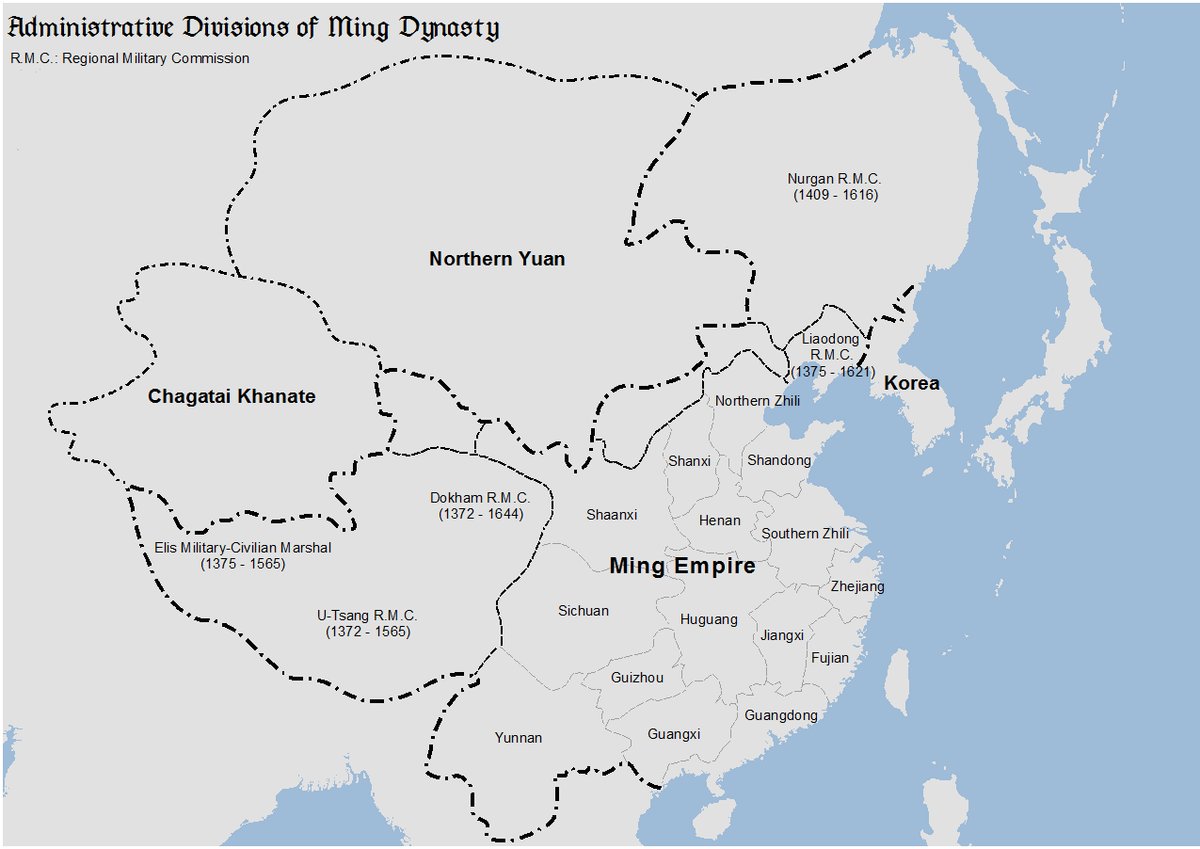
As someone who was born and raised in northeast for generations, what I dislike most abt these fucking Anatolians is that they spend all day pretending to be nomadic chad from the far east, then point at my home on a map and talk bullshit that never happened.
English

If a Chinese student created a map of all the Chinese historical relics destroyed during the Cultural Revolution, they'd be disappeared.
Science girl@sciencegirl
A Chinese student created a website that maps British Museum artifacts to their countries of origin.
English

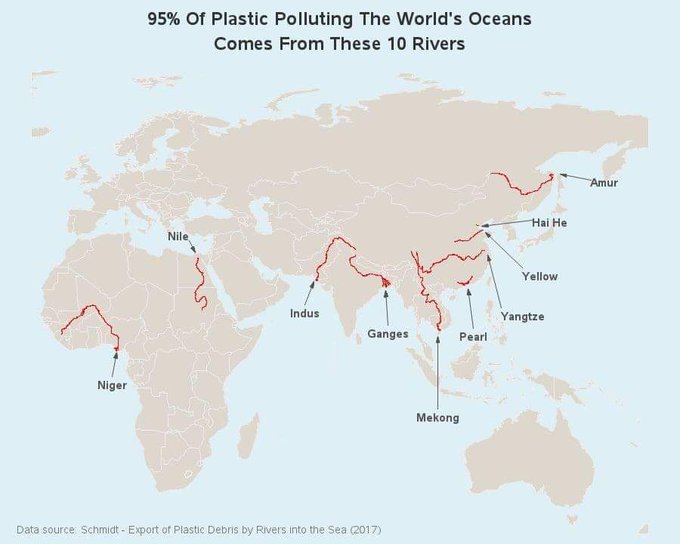
95% Of Plastic Polluting The World’s Oceans Comes From These 10 Rivers
English
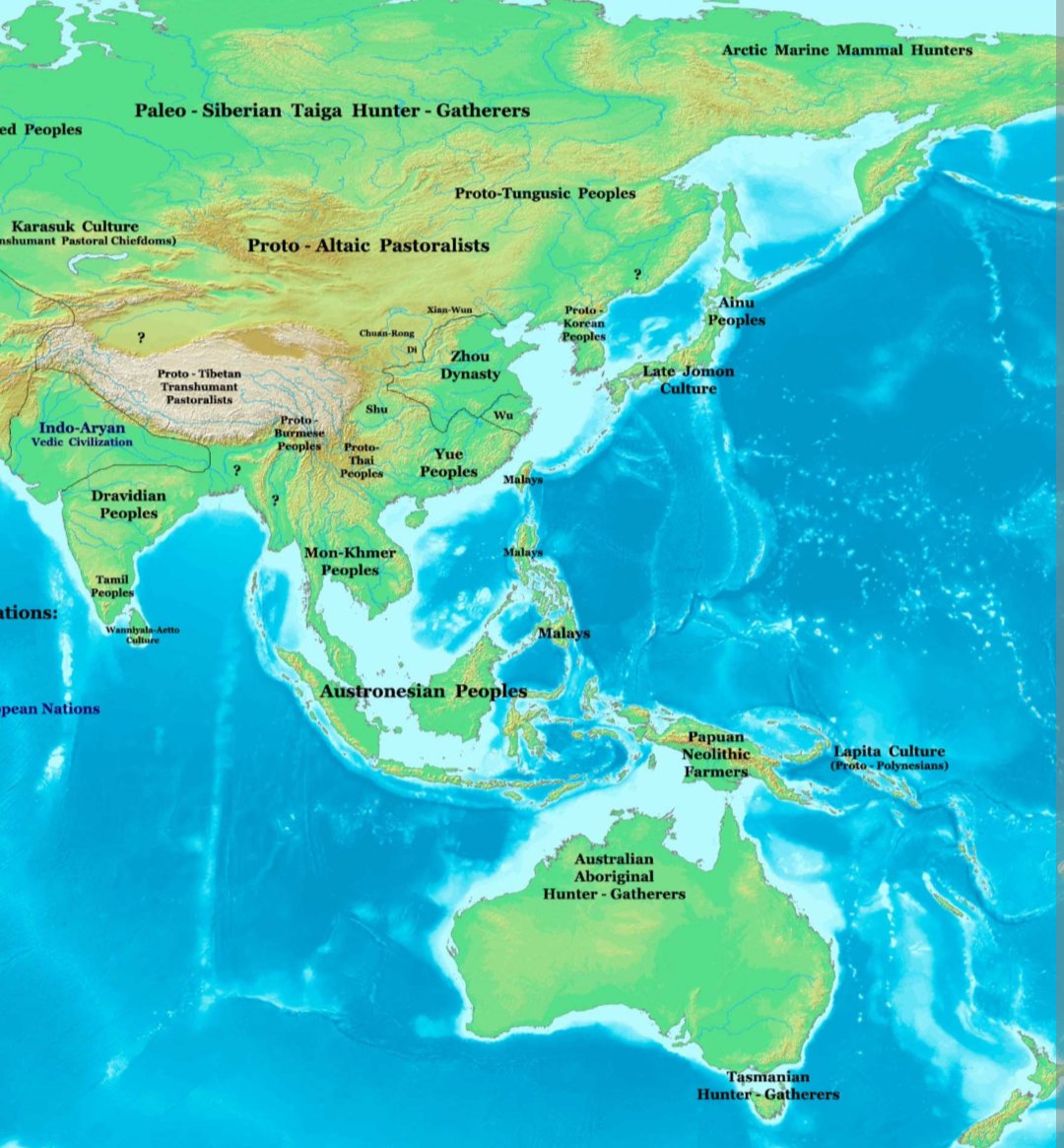
@Miguelvaz1500 ·The map shows major cultures and civilizations of East Asia during the first millennium after Common Era.

English

•Mapa mostrando as culturas e civilizações de uma parte da Ásia e Oceania durante o primeiro milênio a.C. 🌏
Português
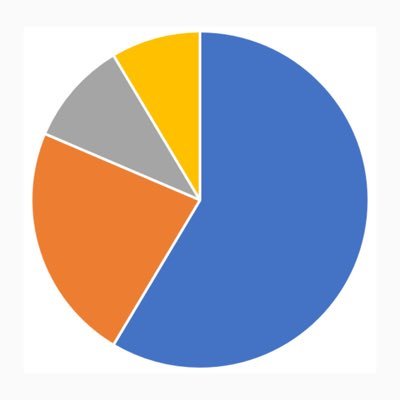
🇮🇳 India is #1 in global AI adoption!
India leads the world with a staggering 92% AI adoption rate - far ahead of other major economies.
Top 10 countries by AI adoption (BCG, June 2025):
1. 🇮🇳 India: 92%
2. 🇪🇸 Spain: 78%
3. 🇧🇷 Brazil: 76%
4. 🇿🇦 South Africa: 72%
5. 🇬🇧 UK: 68%
6. 🇮🇹 Italy: 68%
7. 🇩🇪 Germany: 67%
8. 🇫🇷 France: 64%
9. 🇺🇸 United States: 64%
10. 🇯🇵 Japan: 51%
India’s tech-savvy workforce is fueling the next wave of economic growth.
Source: BCG, 2025
English
@theepicmap The locations where ancient Chinese porcelain(black open circles) and coins(blue dots) have been found overseas.
The red areas are the areas of greatest control during the Yuan Dynasty of China in 14th centry.

English


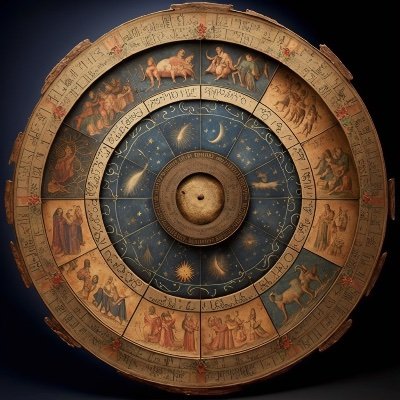
A map of Asia from 1754.
"The Great Tartary" and includes Russia, Korea, parts of China, Pakistan and India.
The "Russian Empire" is altogether missing as"Great Tartary" had once been used by foreigners for referring to Russia up until the late 1700s.

English
@ChinaShowcase Why are there no Chinese characters in the name of Confucius?
English

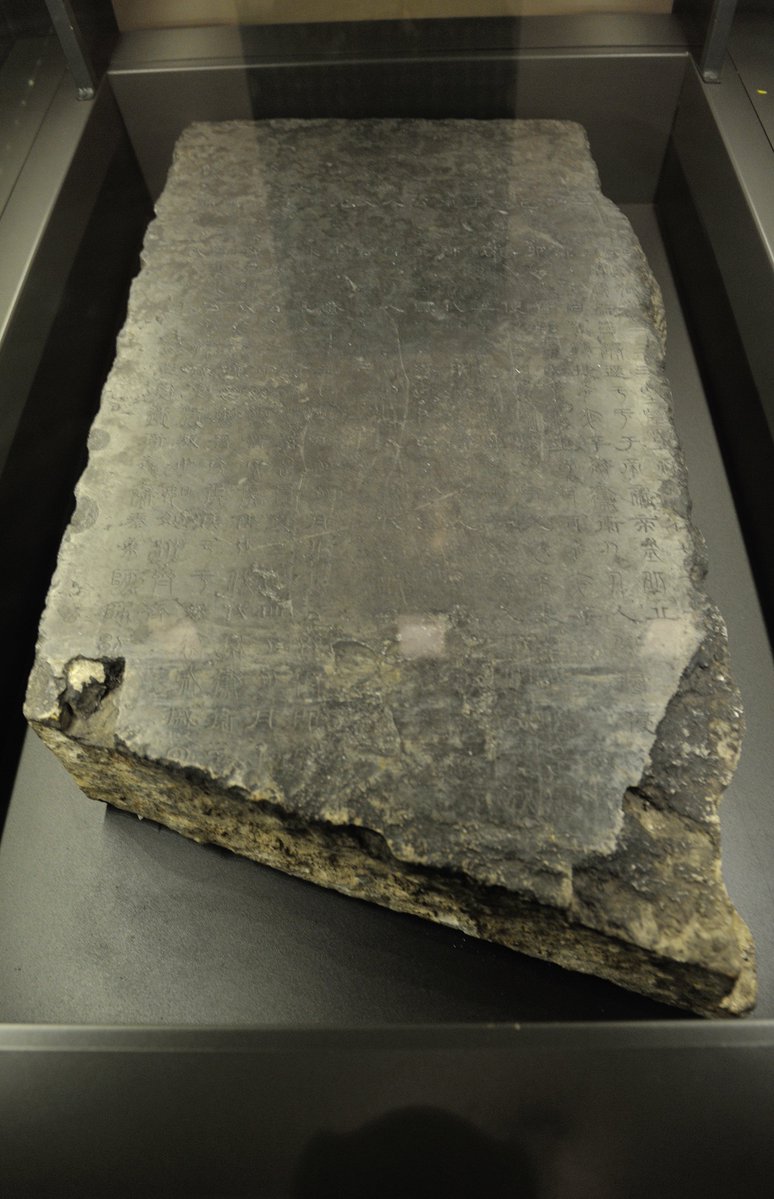
Confucian classics carved in stone: the Stone Classics in Three Scripts (三体石经), 241 CE, present the same texts line by line in archaic, small seal, and clerical scripts. A striking blend of preservation and standardization in early Chinese writing. 🪨✒️ #AncientChina

English


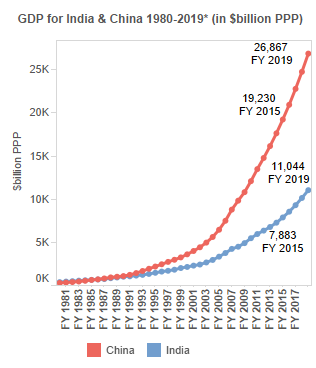
In 1980, 88% of the people of 🇨🇳China lived in extreme poverty.
In 🇮🇳India, it was 60%.
China pursued centralised state-led development.
India pursued market-led democratic governance...
English

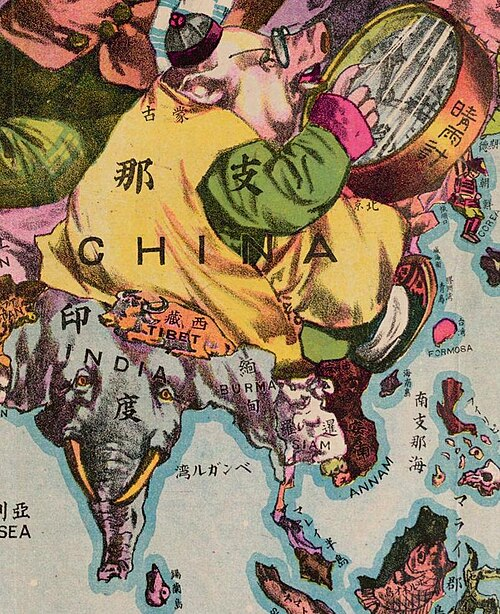
A humorous atlas of India, Tibet, and China.
Published on 13 September 1914.
English
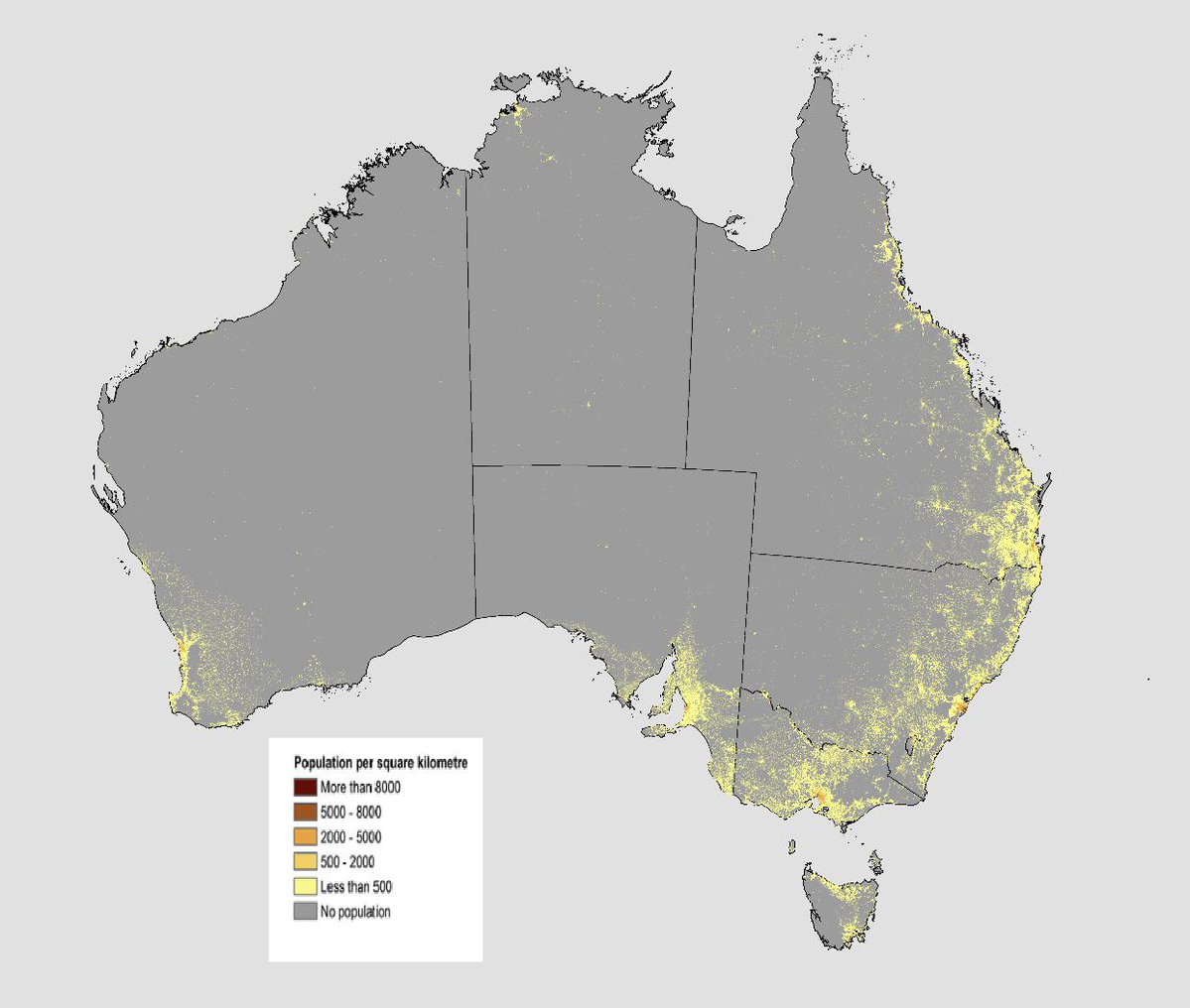

🗣️ Top three languages taught in Australian school by state or territory.

English
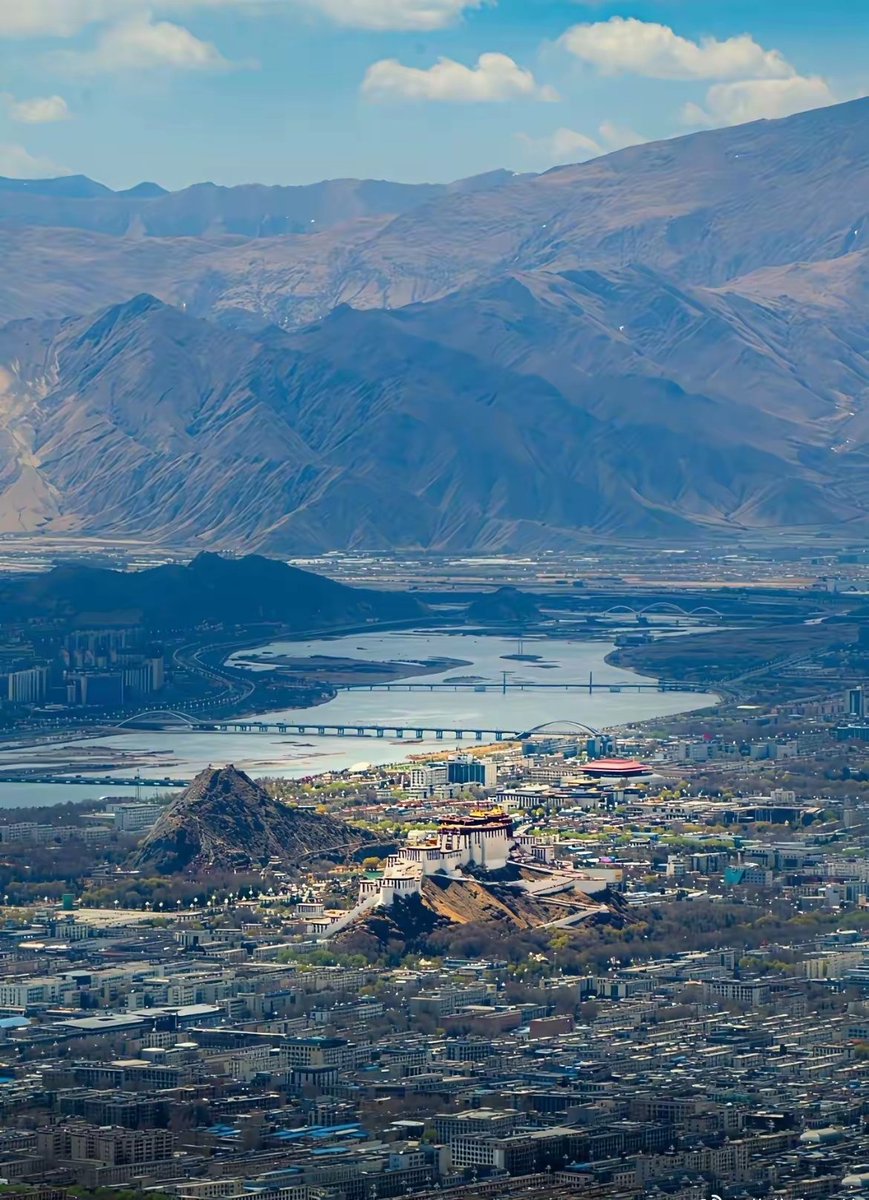
The Potala Palace, a dzong fortress in Lhasa, Tibet - Autonomous Region in China...
The Potala Palace, winter palace of the Dalai Lama since the 7th Century CE, it symbolizes Tibetan Buddhism and its central role in the traditional administration of Tibet. The complex, comprising the White and Red Palaces with their ancillary buildings, is built on Red Mountain in the centre of Lhasa Valley, at an altitude of 3700m. Also founded in the 7th Century CE, the Jokhang Temple Monastery is an exceptional Buddhist religious complex. Norbulingka, the Dalai Lama's former summer palace, constructed in 18th Century CE, a masterpiece of Tibetan art. The beauty and originality of the architecture of these three sites, their rich ornamentation and harmonious integration in a striking landscape, add to their historic and religious interest.
The palace enclosed within massive walls, gates and turrets built of rammed earth and stone the White and Red Palaces and ancillary buildings of the Potala Palace rise from Red Mountain in the centre of Lhasa Valley at an altitude of 3700 metres. As the winter palace of the Dalai Lama from the 7th Century CE the complex symbolizes Tibetan Buddhism and its central role in the traditional administration of Tibet. The White Palace contains the main ceremonial hall with the throne of the Dalai Lama, and his private rooms and audience hall are on the uppermost level. The palace contains 698 murals, almost 10,000 painted scrolls, numerous sculptures, carpets, canopies, curtains, porcelain, jade, and fine objects of gold and silver, as well as a large collection of sutras and important historical documents. To the west and higher up the mountain the Red Palace contains the gilded burial stupas of past Dalai Lamas. Further west is the private monastery of the Dalai Lama, the Namgyel Dratshang.
The Jokhang Temple Monastery was founded by the regime also in the 7th century, in order to promote the Buddhist religion. Covering 2.5ha in the centre of the old town of Lhasa, it comprises an entrance porch, courtyard and Buddhist hall surrounded by accommodation for monks and storehouses on all four sides. The buildings are constructed of wood and stone and are outstanding examples of the Tibetan Buddhist style, with influences from China, India, and Nepal. They house over 3,000 images of Buddha and other deities and historical figures along with many other treasures and manuscripts. Mural paintings depicting religious and historical scenes cover the walls.
Norbulingka, the Dalai Lama's former summer palace constructed in the 18th century, is located on the bank of the Lhasa River about 2km west of the Potala Palace in a lush green environment. It comprises a large garden with four palace complexes and a monastery as well as other halls, and pavilions all integrated into the garden layout to create an exceptional work of art covering 36ha. The property is closely linked with religious and political issues, having been a place for contemplation and for signing political agreements.
The Historic Ensemble of the Potala Palace, Jokhang Temple and Norbulingka embody the administrative, religious and symbolic functions of the Tibetan theocratic government through their location, layout and architecture. The beauty and originality of the architecture of these three sites, their rich ornamentation and harmonious integration in a striking landscape, contribute to their Outstanding Universal Value.
📷 : Credit to the Owner
#archaeohistories

English
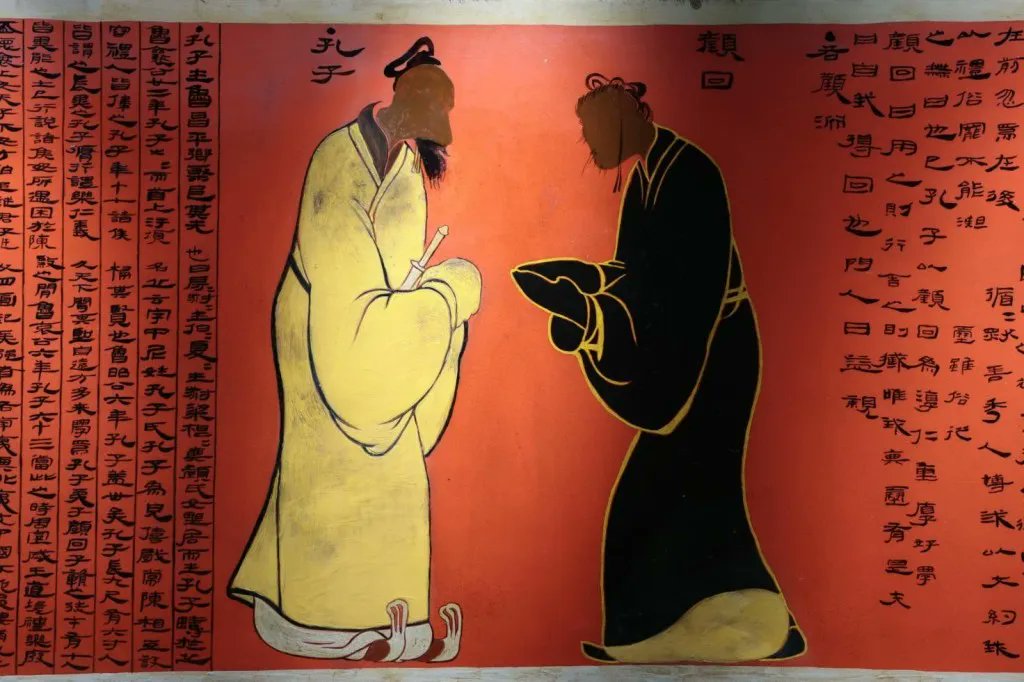
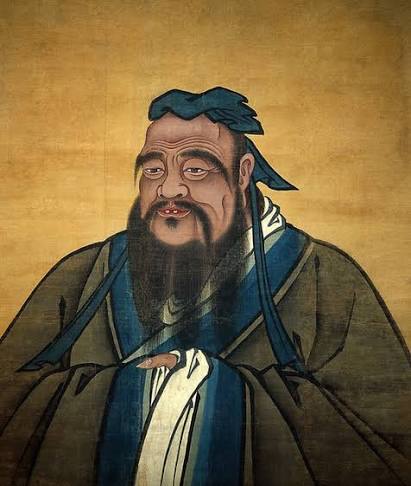
@SPRequiem1 @DoggyDog1208 It was not always this way.
This is the earliest-known image of Confucius unearthed to date—discovered in the tomb of Liu He(92-59 BCE), who served as Emperor of the Han Dynasty for just 27 days. The figure on the left is noticeably slender, yet remains remarkably tall.

English
@DoggyDog1208 In hindsight it's actually pretty obvious. Confucius was never depicted as a scrawny old fuck like many other Chinese philosophers were. Even in his late years he's still a buffed old fuck

English


It's crazy when you realize that 94% of China's 1.4 Billion people live in this orange part of the country.
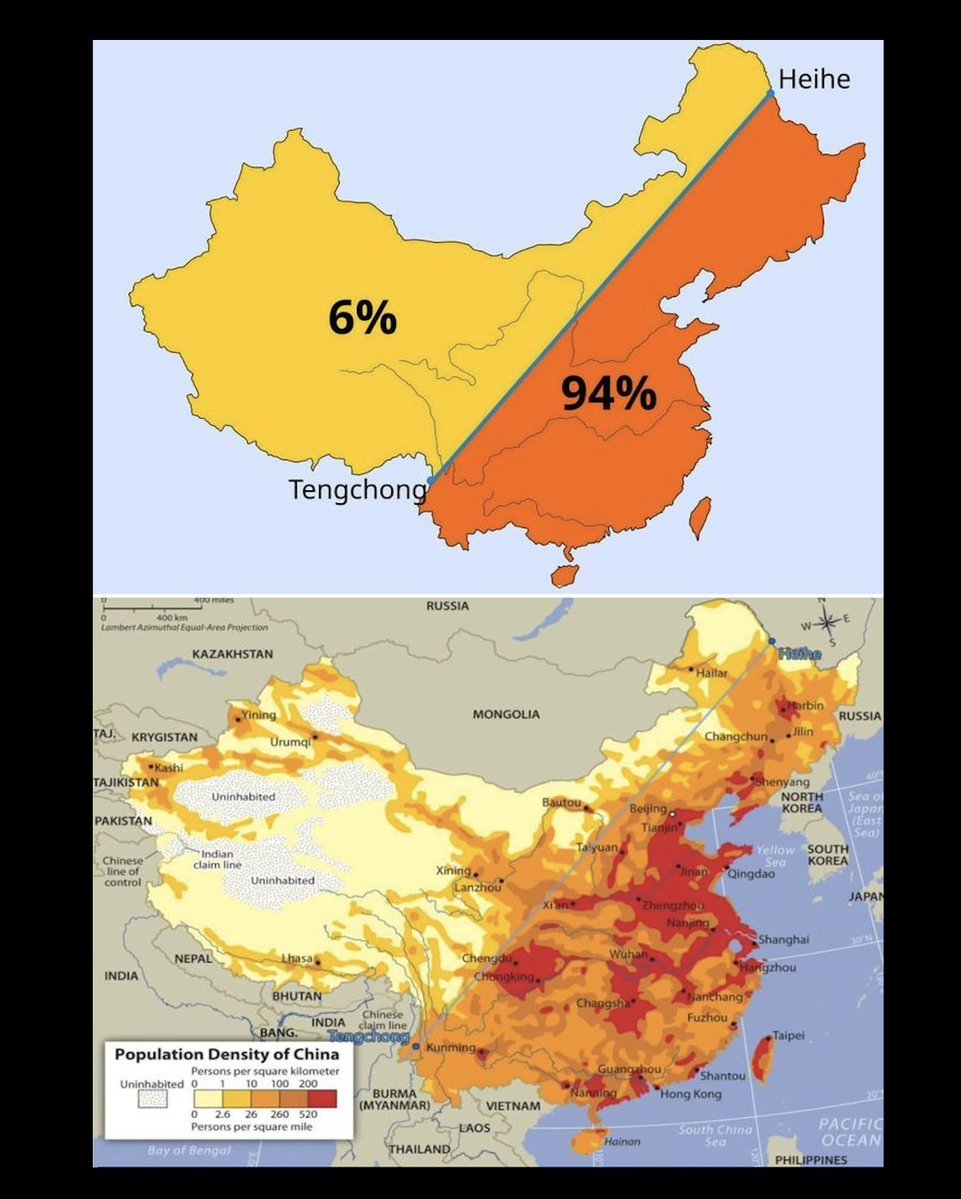
English


@wlmphi 这类短柄剑压根不是柳叶剑 两者差距很大 学界压根没这么说过
blackhumor@blackym25
中国春秋战国时期流行的长剑起源 The origins of the long swords popular during the Spring and Autumn & Warring States periods in China In the central plain, made up of present-day henan, hebei, and shanxi (zhou, Wei, Yan ……) the sword became increasingly popular between the Spring & Autumn and Warring States periods. Not only were the swords different from their northern counterparts in length, often reaching 40-50cm, unlike the short (20-30cm) swords (daggers) of the north, but in shape they were even more dissimilar. Although two types were common in the central plain, they were exceptionally popular in the south. Characteristically they have a round pommel and a guard. They can be traced in origin to the previous period, by such early specimens as the "changxing Sword" from zhejiang, among others, all of which came principally from the south. Based on this evidence, most scholars lean toward a southern origin for these two sword types. The south may have been responsible not only for nurturing the development of the sword types popular in the central plain, but also for major breakthroughs in technology. The techniques used for casting swords which combine different metals illustrate this. The "Sword with Yüeh State Script" of the National Palace Museum does as well, having been cast in several pieces. The color and luster of the median ridge, and the two sides of the blade are different. The Conservation Division of the National Palace Museum has examined this sword with a three-dimensional microscope, at a magnification of 40 times the original size. Under this scrutiny, the divisions between the differently colored areas were extremely apparent. Samples were taken from the median ridge, blade and hilt, and analyzed with high-technology equipment to determine the amounts of copper, tin, and other minor elements. It was proven that the tin content was higher along the edges of the blade, increasing the sharpness of the weapon, while conversely, the copper content was higher along the median ridge. Practically the same findings were made by the Shanghai Museum in the analysis of the sword cast of different metals which is found in their collection. 今河南、河北、山西三省,原周、郑、晋、卫、燕国等地的中原,到春秋战国之际,剑也趋于普遍。不只在长度上呈四、五十公分,与北方的二、三十公分的短剑不类,在形制特点上更不相同。中原的剑制主要分成三式:一式是剑身似柳叶形,扁茎,剑身与茎分界呈直角,茎上无格、无箍。故宫的【无首剑】属之,本件经X光透视,知原型为无首,其玉剑格、柄及首系经后代补接。二式是圆首、圆茎或扁圆茎、无箍、窄格剑,故宫的【奇字剑】即是。三式是圆首、有箍、有格剑,故宫的【有首双箍有格剑】属之。 以上中原三种剑制的后二式,正是盛行于南方的主要剑制。故宫的【奇字劍】铭文风格显示可能是越国剑,即是第二式的圆首扁圆茎、无箍、窄格剑。安徽淮南蔡家岗赵家孤堆出土的【攻敔大子姑发聩反剑】及襄阳蔡坡墓十二的【吴王夫差剑】等皆属此制。 另外,中原盛行的第三式剑,以有首、箍、格的圆茎剑为其特色,亦盛行于南方,故宫的【越王州勾自作用剑】是为例。湖北江陵藤店的【越王州勾剑】及安徽庐江的【吴王光剑】皆属此型。 以上二种剑制,虽行于中原,却尤其盛行于南方。其以圆形剑首、有格为主要特点,尤其可以追溯至前一阶段,早期的例如浙江长兴剑等主要来自南方。 南方不只在中原剑制的发展上可能有孕育之功,在科技上也有突出的表现,「复合剑」技术即为例证,故宫的「奇字剑」即是以复合技术铸成的。从器表看,此剑身中脊部分与左右两边色泽不同,经本院科技室的立体式显微镜四十倍放大,其中间与边刃的色泽的分野尤其明显。经本院科技室协助,分别由脊部、刃部及柄部三部分各取一点,以感应耦合电浆原子发射光谱分析,测出其铜、锡等主要成分及其它少量元素成分:证明了刃部的锡成分较中脊为高,可以加强剑的锋利性,而脊部的铜成分则相对的比刃部高,这种现象,与上海博物馆复合剑的成分分析结果相近。 而中脊边刃成分不同,其铸造技术如何?经科技室X光透视,见脊部的下端超过剑格,与两刃分界明显。据上海博物馆的复合剑剖面看,其铸造的程序应该先铸脊部,再嵌入范中铸出刃部,并在脊部的两端作凸起,以与刃部连接,以防止脱落。复合剑的科技成就由此可见一斑。
中文
Iron sword with a golden hilt, unearthed from Issyk, Kazakhstan.The scabbard is decorated with contorted body horse, a classic motif of the steppe.
哈萨克斯坦Issyk出土斯基泰金饰金柄铁剑,剑鞘是草原经典题材反身马。匈奴和后来中国北方的一些器物也往往有这类题材。

中文