Puneet Singh

591 posts

Puneet Singh banner
Puneet Singh

Puneet Singh

@xhawkCEO

CEO at XHawk

California, USA Katılım Haziran 2019
2K Takip Edilen1.1K Takipçiler
Puneet Singh retweetledi

kache
kache@yacineMTB·
you can outsource your thinking but you cannot outsource your understanding
English
255
3.7K
16.5K
2.3M
Puneet Singh retweetledi
Puneet Singh
Puneet Singh@xhawkCEO·
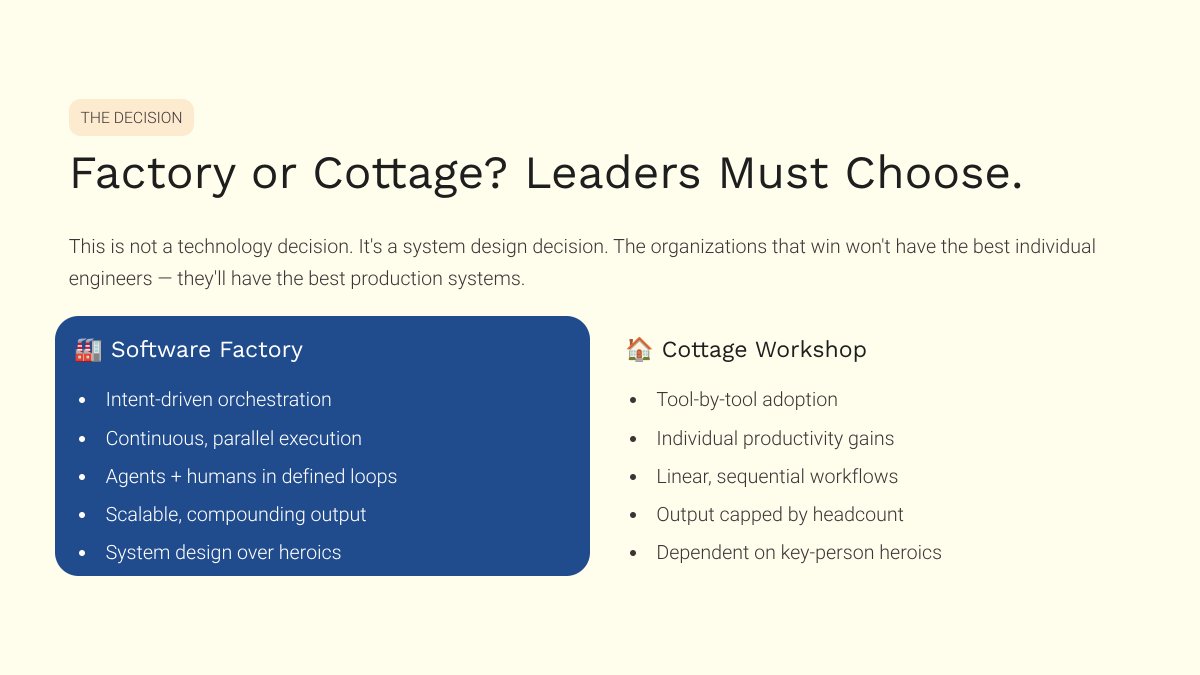
Companies like Ramp and Stripe are building software factories using a unified context layer.
English
0
57
727
1.6M
Bud
Bud@budapp·
You can text Bud at +1 (415) 525 9024, via Telegram, or use at bud.app. No set up, no downloads, no configuring, no mac mini.
English
85
5
101
27.5K
Bud
Bud@budapp·
Introducing Bud. The first AI Human Emulator. Bud has a full computer with storage, compute, and memory to build and code, sms and telegram to communicate, a full browser to use, can create/store/edit files, connect and use your tools, learn custom skills, work fully autonomously, and complete any task end to end just like a human. Text the number below or try free at bud [dot] app. Comment for 100k free credits.
English
2.8K
323
4K
702.1K
Puneet Singh retweetledi
Puneet Singh
Puneet Singh@xhawkCEO·
Why are all big tech companies building software factories?
English
0
22
223
326.5K
Puneet Singh
Puneet Singh@xhawkCEO·
@harshilmathur Codex works better for recommendations for deep research as per our testing. You should try it out to compare different models also.
English
0
0
0
72
Harshil Mathur
Harshil Mathur@harshilmathur·
Biggest takeaway: The recommendation is the weakest part, LLMs drift to the safe compromise. Real decisions still need conviction - something LLMs don’t have (yet). But it does show every path. Caveat: full loop on Opus is ~20–30 mins, ~500k–800k tokens.
English
5
1
23
1.8K
Harshil Mathur
Harshil Mathur@harshilmathur·
Built this weekend - autodecision a Claude Code/Cowork plugin that applies @karpathy's LLM Council + autoresearch to business/strategy decisions. Most people ask ChatGPT something, iterate twice twice, and move on. That’s not enough for deep decisions. This: • pulls real data • runs a council of POVs (optimist, pessimist, market, competition, regulator) • models second-order effects • stress-tests worst cases + black swans • finds stable/weak effects → then iterates until something holds up Basically: force the model to argue with itself. Try it on Claude Code/Cowork: github.com/harshilmathur/…
GIF
English
19
24
315
19.7K
Puneet Singh
Puneet Singh@xhawkCEO·
@BadCapitalVC @sundeep I agree that agents + skills + context will evolve to eliminate the legacy UI. However, the agents need a lot of context to understand the data. SaaS is not just the interface or the data, there is a fat business logic layer that always sits above the data layer
English
0
0
2
43
Arjun Malhotra
Arjun Malhotra@BadCapitalVC·
Think of the AI stack like a factory: data is the raw material, software is the machinery, and agents are the workers. For decades, owning the machinery was the only moat. But as @sundeep suggested, the "workers" don't need the "machinery" anymore - they can go straight to the "raw materials." It's still early, but it's hard not to wonder what that means for the software layer over time.
English
11
7
99
11.4K
Guillermo Rauch
Guillermo Rauch@rauchg·
Whether design belongs in Figma or Claude Design is a distraction from a bigger shift. 1️⃣ Design will become autonomous. More helpful to think of it as 𝙳𝙴𝚂𝙸𝙶𝙽.𝚖𝚍, used by your coding agents running your software factory. 2️⃣ Specialized “personal” design tools generated by teams will proliferate. Design is a capability, not a tool. I agree with @rsms that there are many facets of design, and multiple tools are required. I love prompting in @v0 and it’s become the place where I can channel my inspiration, explore, communicate. But I’m also seeing a new generation of products that use the v0 Platform API or Sandbox and put design on autopilot. There are next-generation agents like @tryflint and trybloom.ai generating design & brand systems and maintaining them autonomously. Flint can even keep your website and content up to date and its design consistent. No human prompting needed. From this we will see the emergence of fully autonomous companies with agents like nanocorp.so and durable.ai, which go a step further and grow and advertise your business. tl:dr; The future looks very different from the present. AI is a true discontinuity. The “here’s the existing thing but with AI and ${jobTitle} is cooked” is short-sighted.
Guillermo Rauch@rauchg

Today we're open sourcing open-agents.dev, a reference platform for cloud coding agents. You've heard that companies like Stripe (Minions), Ramp (Inspect), Spotify (Honk), Block (Goose), and others are building their own "AI software factories". Why? 1️⃣ On a technical level, off-the-shelf coding agents don't perform well with huge monorepos, don't have your institutional knowledge, integrations, and custom workflows. 2️⃣ On a business level, the moat of software companies will shift from 'the code they wrote', to the 'means of production' of that code. The alpha is in your factory. Open Agents deploys to our agentic infrastructure: Fluid for running the agent's brain, Workflow for its long-running durability, Sandbox for secure code execution, AI Gateway for multi-model tokens. (Because of our focus on Open SDKs and runtimes, this codebase is a gem even if you're not hosting on Vercel.) TL;DR: if you're building an internal or user-facing agentic coding platform, deploy this: vercel.com/templates/temp…

English
80
107
1.4K
361.4K
Puneet Singh
Puneet Singh@xhawkCEO·
I’d encourage teams to focus on building custom skills on top of LLMs, instead of buying dozens of agents. Here’s why: Most agents are stateless. They rely on prompts and limited context, so every task starts from scratch. Skills change that. Skills are emerging as the way to encode: -domain-specific knowledge -repeatable workflows -company-specific instructions They allow you to teach an LLM how to do something once, and reuse it across tasks, teams, and agents. Instead of managing 100s of disconnected agents, you build a layer of reusable capabilities that compound over time. You share that across the team. In practice: Agents execute Skills provide structure Context makes it all work together The shift isn’t just from tools → agents. It’s from agents → skills, context, and systems. That’s where the real leverage is. We are helping customers build team-wide custom skills captured from deep research on artifacts like source-code, coding sessions, etc.
Puneet Singh tweet media
English
18
26
75
2.6K
Puneet Singh
Puneet Singh@xhawkCEO·
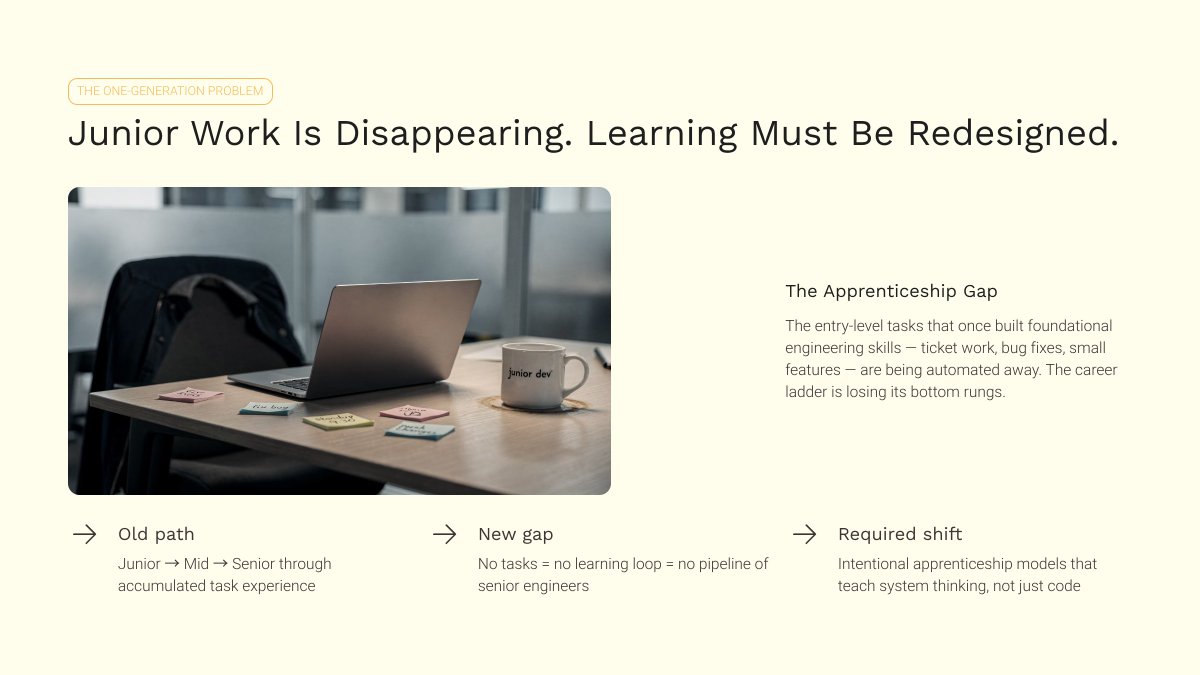
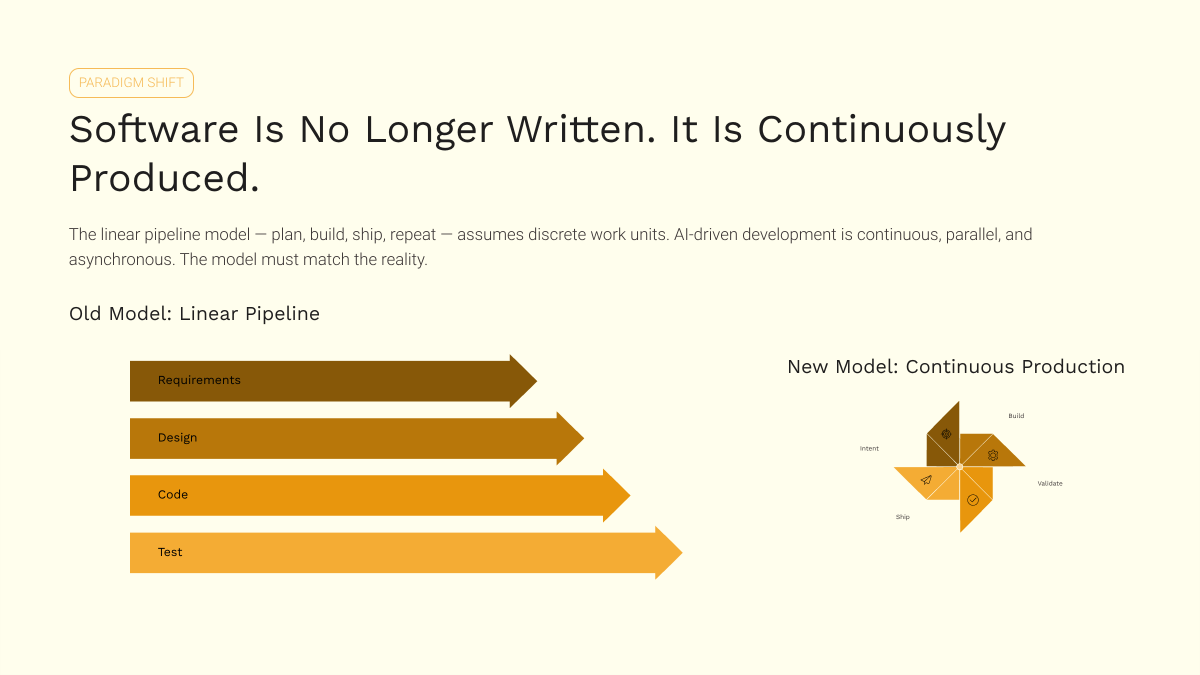
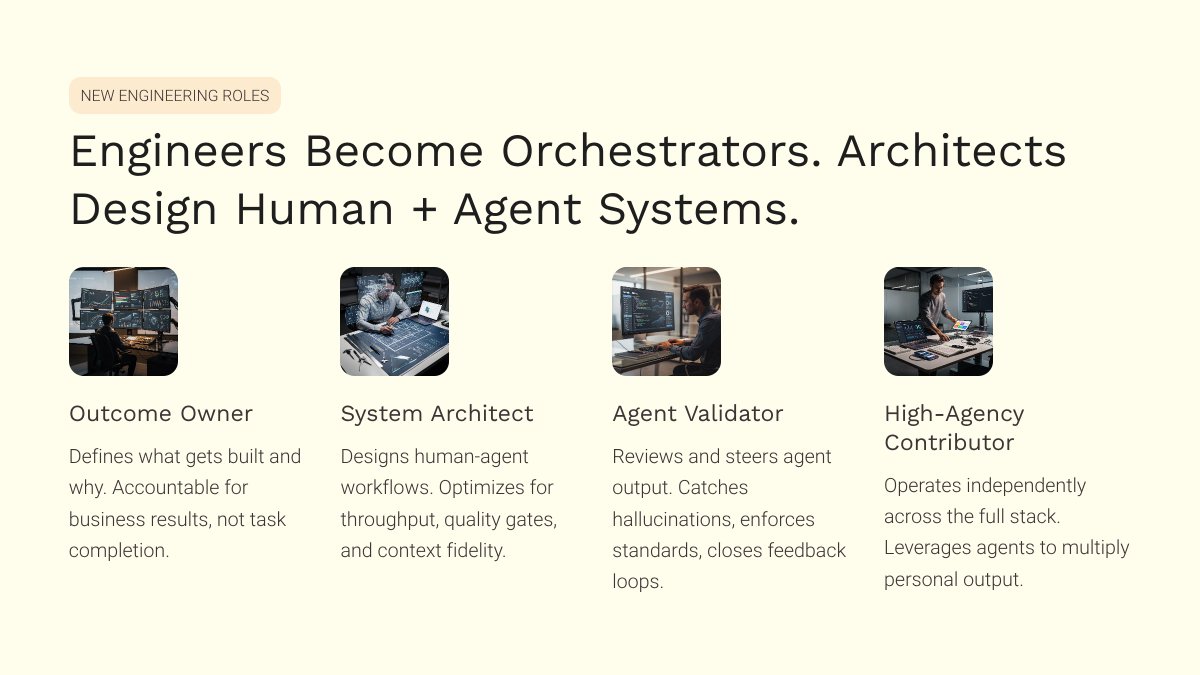
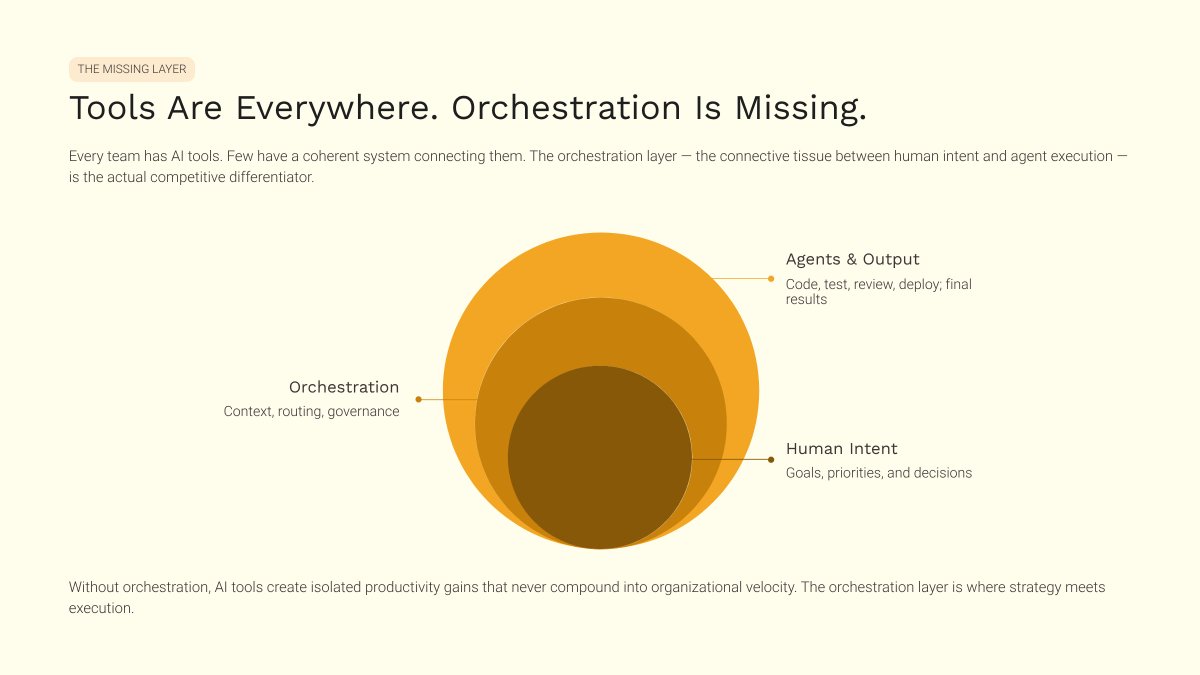
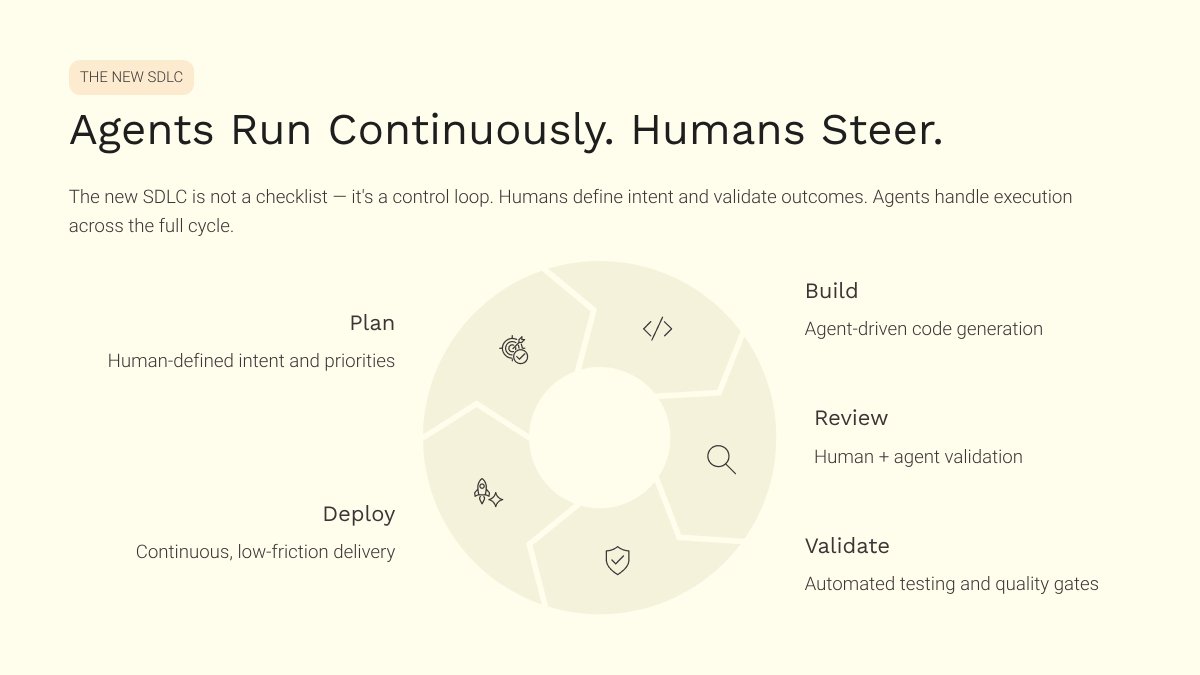
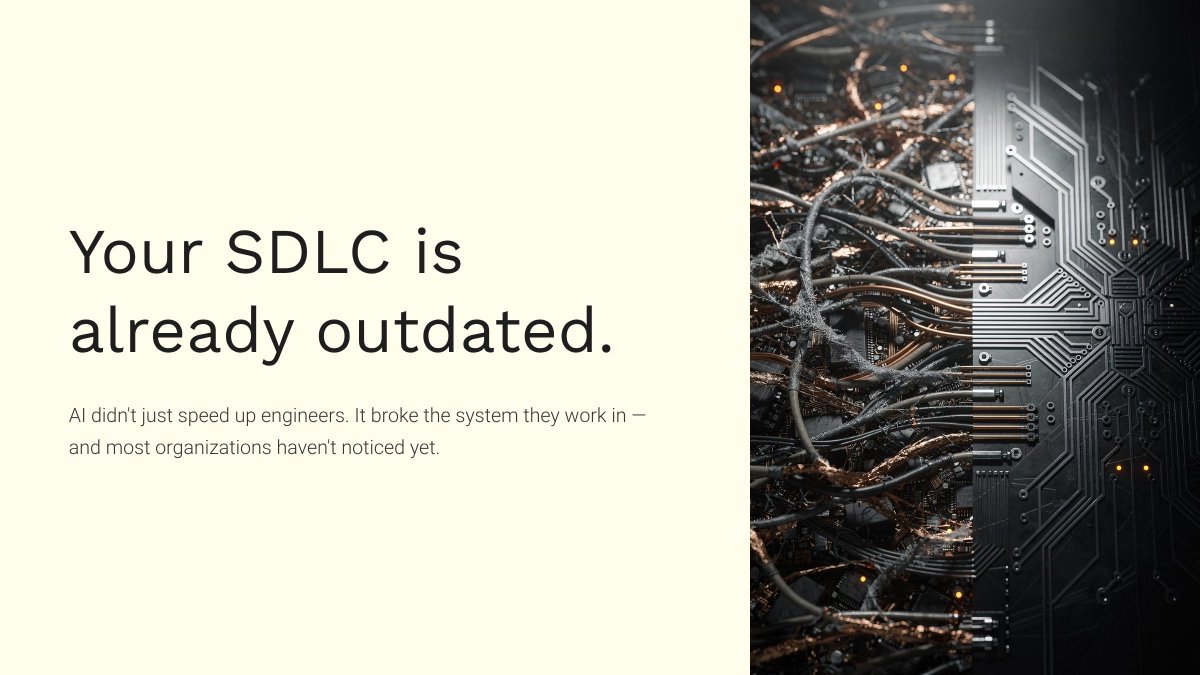
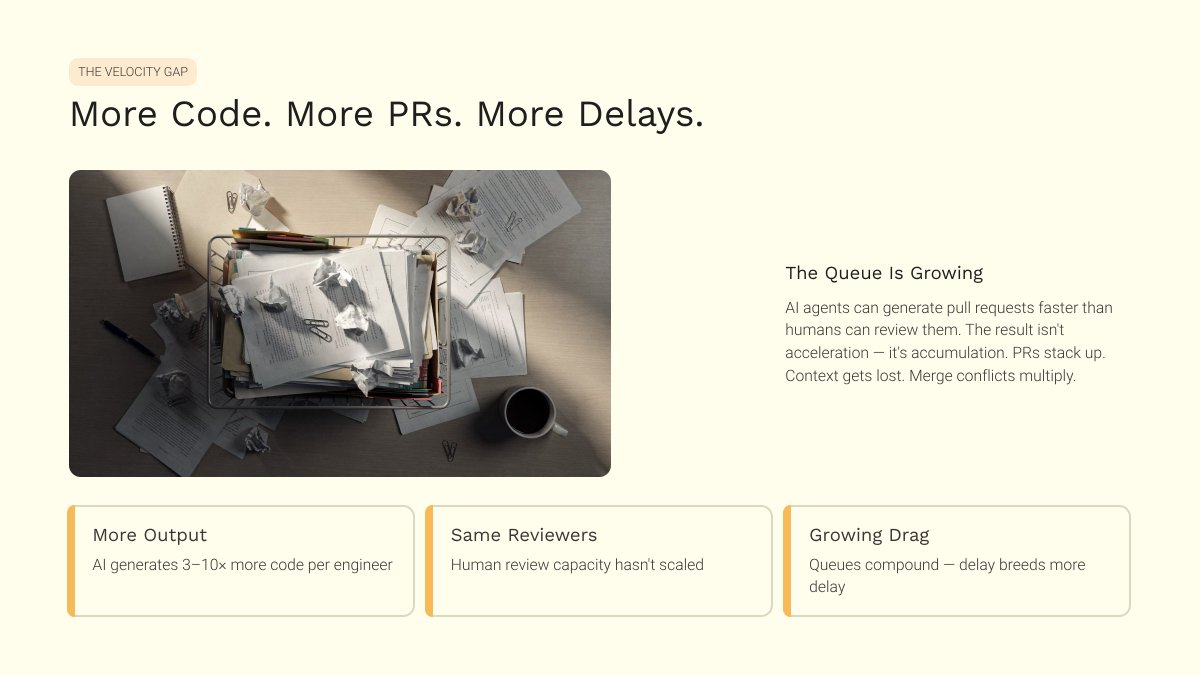
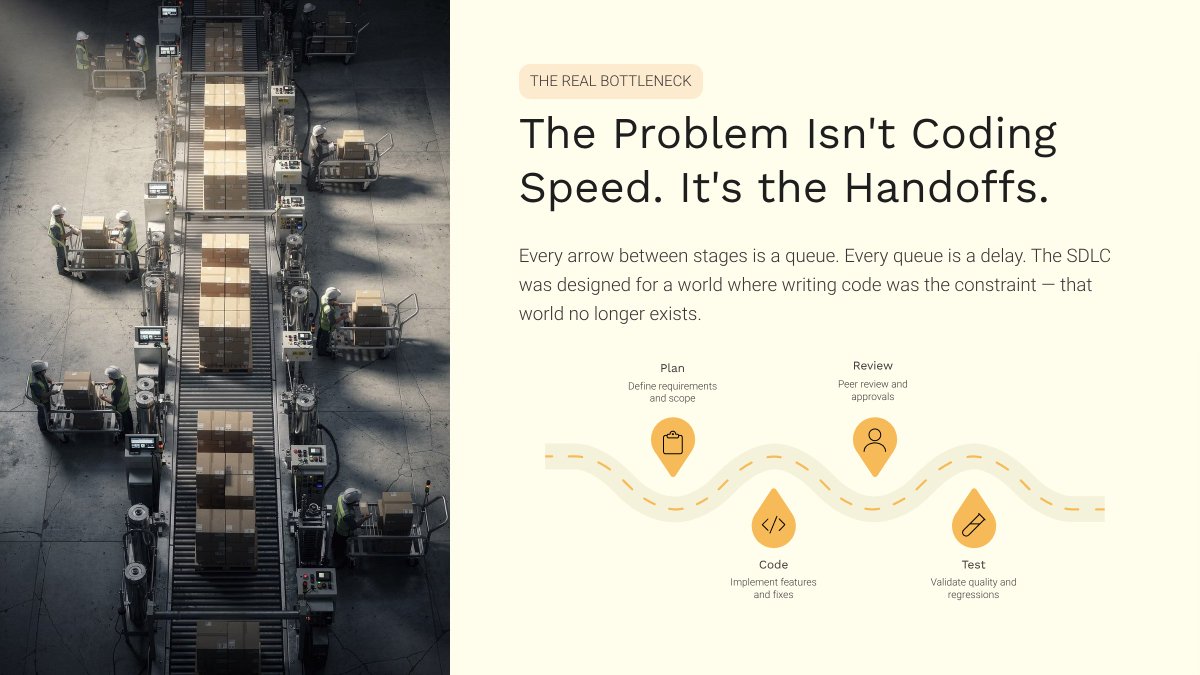
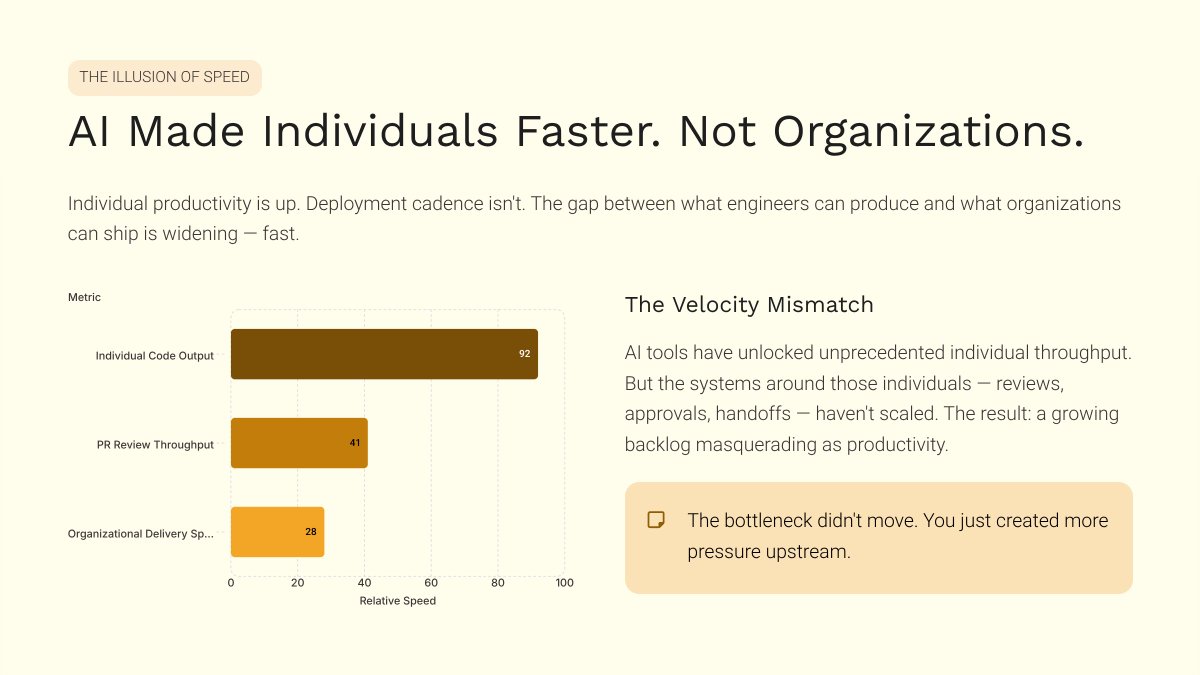
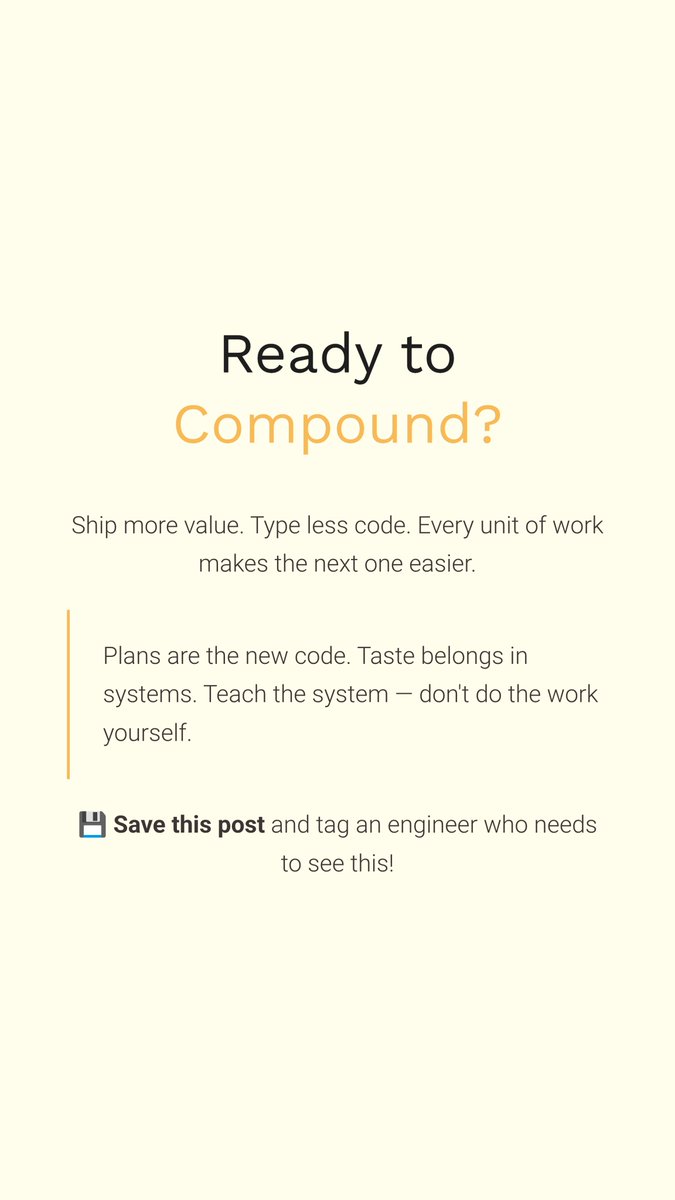
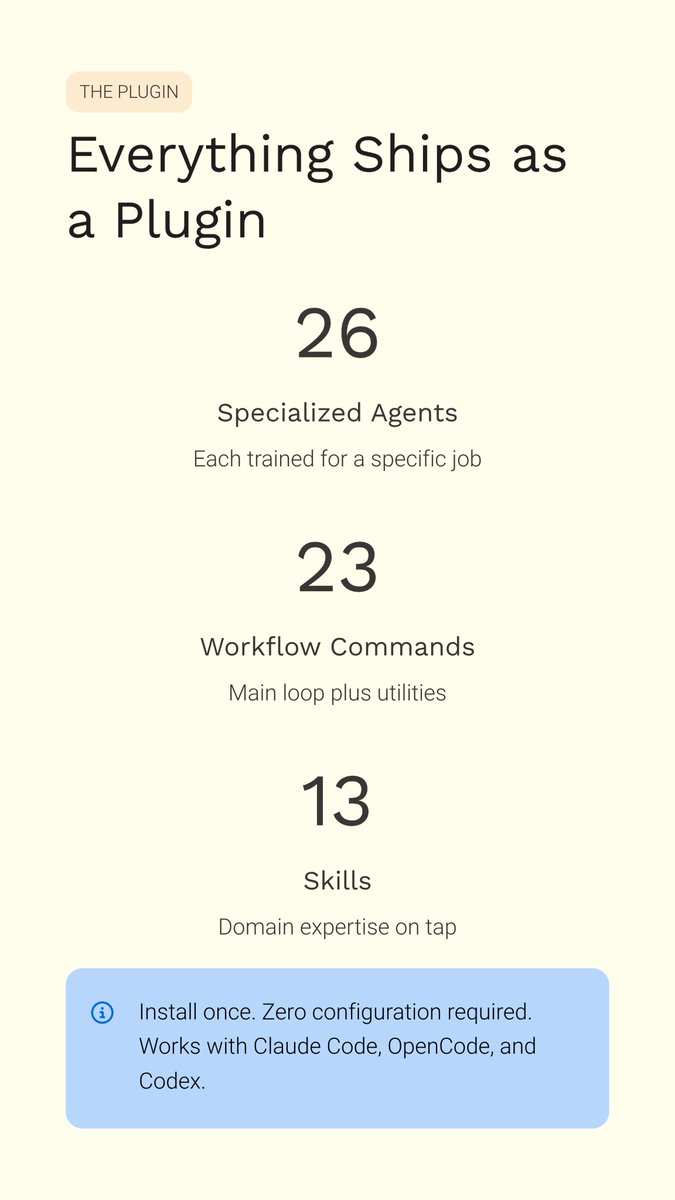
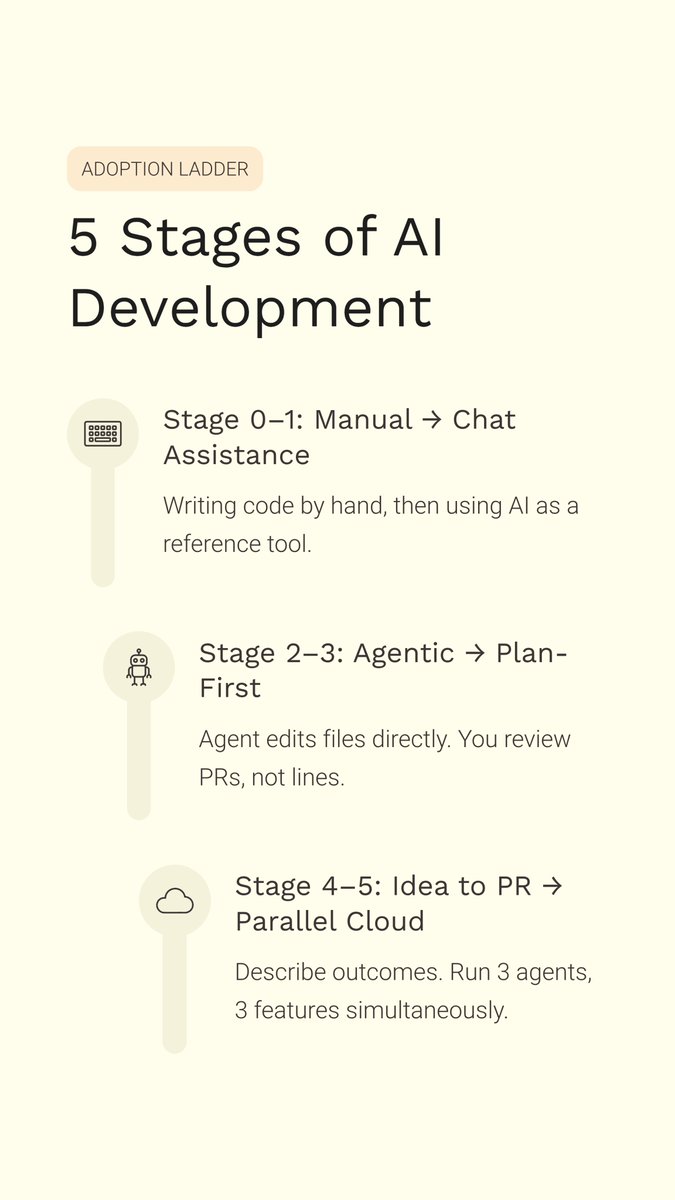
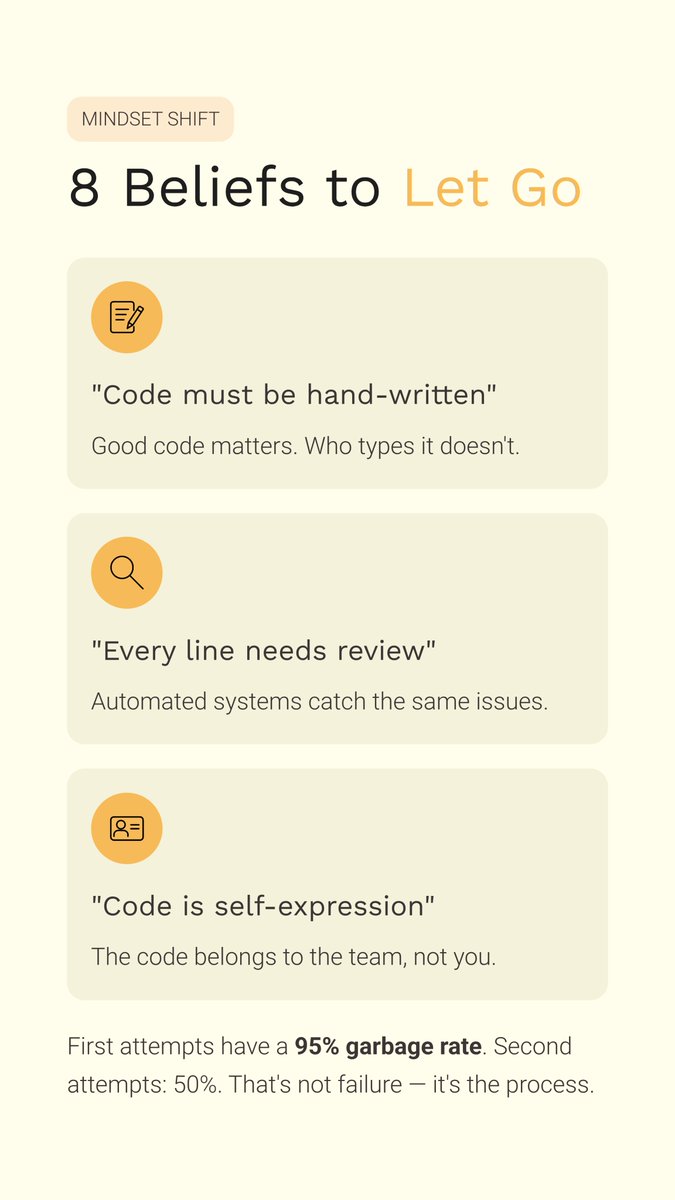
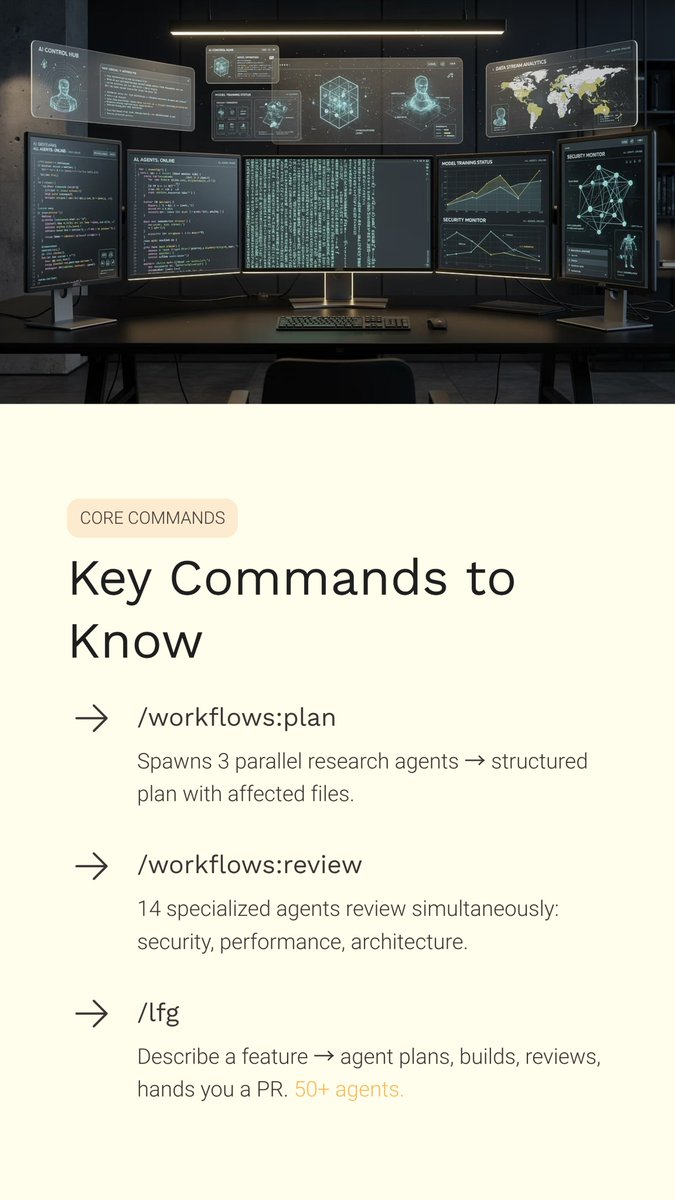
Your SDLC is already outdated! Part 3 of 3
Puneet Singh tweet mediaPuneet Singh tweet mediaPuneet Singh tweet media
English
0
0
2
236
Puneet Singh
Puneet Singh@xhawkCEO·
Your SDLC is already outdated! Part 2 of 3
Puneet Singh tweet mediaPuneet Singh tweet mediaPuneet Singh tweet mediaPuneet Singh tweet media
English
1
0
3
354
Puneet Singh
Puneet Singh@xhawkCEO·
Your SDLC is already outdated! Part 1 of 3
Puneet Singh tweet mediaPuneet Singh tweet mediaPuneet Singh tweet mediaPuneet Singh tweet media
English
17
32
93
1.5K
Ali Spittel
Ali Spittel@ASpittel·
how many coding agents do you feel like you can actually manage at a time?
English
91
1
26
10.8K