Liora💫

3.5K posts

Liora💫 banner
Liora💫

Liora💫

@xzFaze1

📊 Data Analyst ||💻 Web3 Enthusiast ||♟️ Chess Lover || Ambassador — @playnowlife

Katılım Kasım 2024
1.6K Takip Edilen1.2K Takipçiler
Sabitlenmiş Tweet
Liora💫
Liora💫@xzFaze1·
Behind every dashboard is someone who spent hours learning, making mistakes, and trying again. That’s where I am today. Documenting the process, not just the results. 📈 #DataAnalytics #Excel #LearningInPublic #Data
Liora💫 tweet media
English
1
0
3
149
Jason
Jason@jason_Defi_·
The World Cup comes down to this. 🏆 Argentina 🇦🇷 vs Spain 🇪🇸 ,one match, one champion. If you’re watching the final, make it even more exciting by predicting the game on @YeNoMarkets . There are multiple prediction markets available, so you’re not limited to just picking the winner. I’m backing my predictions on @YeNoMarkets today. If you haven’t joined yet, now’s the perfect time. Sign up with my referral link: yeno.trade/?invite=BDFCAB… Who’s lifting the trophy tonight , Argentina or Spain?
Jason tweet media
English
38
9
37
200
Liora💫
Liora💫@xzFaze1·
@NICKYB416 This seems more focused on creating value than creating headlines
English
0
0
0
3
𝐊𝐎𝐋 𝐍𝐈𝐂𝐊𝐘 📍
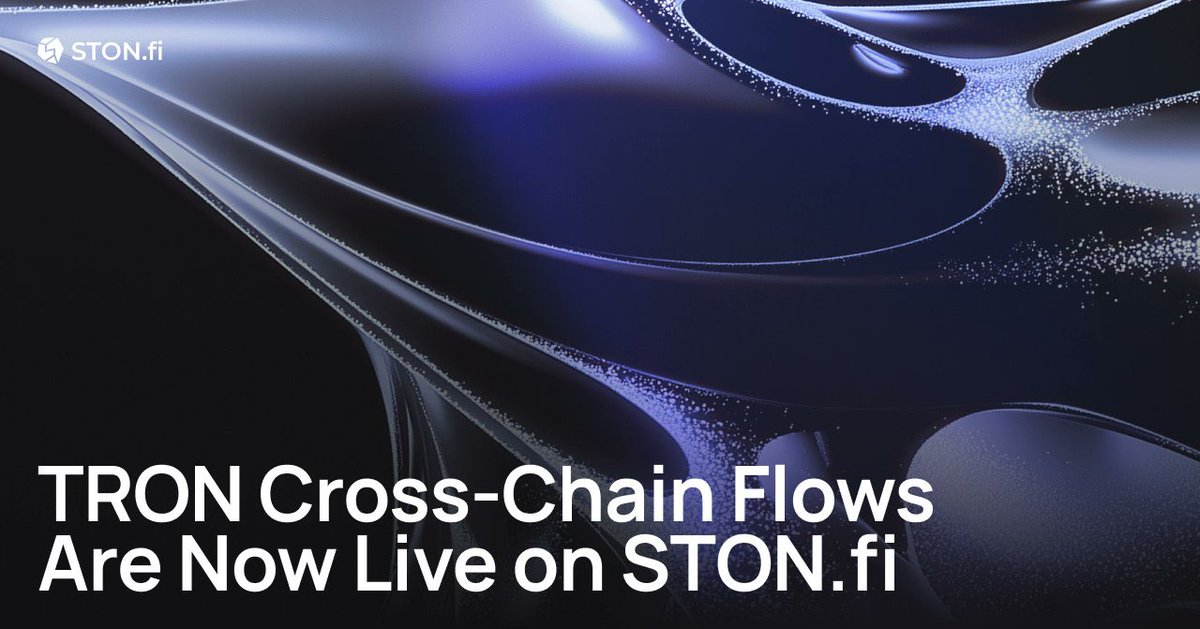
Cross-chain is becoming simpler, and TRON is part of that evolution. TRON is now live on STON.fi, expanding cross-chain access between TRON, TON, and major EVM networks through a single self-custodial swap experience. Users can now swap supported stablecoins across connected networks without switching between multiple bridges or interfaces. Under the hood, Omniston manages the entire process from quote to settlement, while users see the exact amount they’ll receive before confirming. The integration currently supports: ➺ USDT on TRON and TON. ➺ USDT and USDC on Ethereum, BNB Chain, Base, and Avalanche. ➺ USDT0 and USDC on Arbitrum. ➺ PUSD and USDC on Polygon. ➺ USDG on Robinhood Chain. With most swaps completing in 15–40 seconds and an initial transaction limit of $1,000, the experience brings faster, more seamless liquidity movement across ecosystems. As TRON continues expanding its cross-chain connectivity, integrations like this make blockchain interactions simpler, allowing users to move assets across networks without the usual complexity. The future of cross-chain isn’t adding more bridges. It’s making users forget they’re crossing chains at all. app.ston.fi/swap?mode=cros… @trondao @justinsuntron #TRONEcoStar
𝐊𝐎𝐋 𝐍𝐈𝐂𝐊𝐘 📍 tweet media
STON.fi@ston_fi

TRON @trondao cross-chain swaps are now live on STONfi 🌉 STONfi now connects TON with TRON and major EVM networks, bringing one of crypto’s largest stablecoin ecosystems into one self-custodial swap flow. Users can swap supported stablecoins across connected chains without extra tabs, bridges, or interfaces: • USDT on TON • USDT on TRON • USDT and USDC on Ethereum, BNB Chain, Base, Avalanche • USDT0 and USDC on Arbitrum • PUSD and USDC on Polygon • USDG на Robinhood Chain Under the hood, Omniston coordinates the full cross-chain flow from quote to settlement. You see the exact amount before confirming — and that’s what arrives. Most swaps complete in 15–40 seconds. Initial limit: $1,000 per transaction. Every new network brings us closer to making "cross-chain" disappear for users. Try TRON cross-chain swaps on STONfi — link in comments 👇 #TON #TRON #STONfi #Omniston #DeFi #CrossChain #Stablecoins #USDT #USDC #Web3

English
37
7
33
337
Liora💫
Liora💫@xzFaze1·
@Arielessayshelp One thing I appreciate is the effort to explain the reasoning instead of expecting blind agreement
English
0
0
0
2
Essays Hub
Essays Hub@Arielessayshelp·
Every successful AI network depends on three essential participants: Users, Miners, and Validators. Without users, there's no demand for compute. Without miners, there's no compute power. Without validators, there's no trust. Here's how BTTInferGrid creates value for all three—and why this model is the foundation of a sustainable decentralized AI network. 🧵 Most people think decentralized AI is simply about connecting GPUs. But BTTInferGrid is designed as an ecosystem where every participant has a clear role, aligned incentives, and a reason to keep the network growing. Let's break it down. 1. Users (Demand Side): Access AI Compute Without Centralized Limitations Every AI application needs compute resources to process inference requests. Traditionally, developers rely on centralized cloud providers, which can lead to higher costs, limited flexibility, vendor lock-in, and potential censorship. BTTInferGrid offers a different approach. Instead of depending on a single provider, users gain access to a globally distributed network of GPU resources. That means they benefit from: → Lower-cost AI inference compared to centralized cloud platforms. → Access to globally distributed GPU resources, improving availability and scalability. → Reduced vendor lock-in, giving developers more freedom over where their workloads run. → Improved censorship resistance through decentralized infrastructure. The result is AI compute that is more affordable, resilient, and accessible. 2. Miners (Supply Side): Turn Idle GPUs Into Continuous Revenue On the supply side are miners—the compute providers powering the network. Instead of leaving GPU hardware underutilized, miners onboard their idle GPU resources to execute distributed AI inference workloads. When a task is assigned, miners: → Receive AI inference tasks from the network. → Execute those workloads locally using their GPU hardware. → Return the completed results for verification. Rather than rewarding participation alone, BTTInferGrid measures performance. The protocol automatically distributes token incentives using Cryptographic Proof of Work alongside performance metrics. This means miners who consistently provide: → Low-latency execution, → High hardware availability, → Reliable task completion, are rewarded accordingly. In simple terms, better performance leads to better rewards. This creates a continuous income stream while encouraging miners to maintain high-quality infrastructure. 3. Validators (Coordination Layer): Protecting Trust Across the Network A decentralized network needs more than compute—it needs a way to verify that every task has been executed honestly. That's the responsibility of validators. Validators continuously safeguard network integrity by performing randomized cryptographic audits on miner behavior. These challenge verifications help detect whether computation was performed correctly rather than simply accepting submitted results. Their responsibilities include: → Injecting random challenge tasks to verify honest computation. → Independently scoring miner performance. → Helping maintain fair and accurate network coordination. Instead of relying on a single validator's opinion, all validator scores are aggregated through Yuma Consensus. This process filters statistical noise, removes malicious outliers, and helps prevent collusion or market manipulation. To further strengthen security, validators must also stake tokens as collateral. If a validator repeatedly deviates from network consensus, they can face partial or full stake slashing, creating a strong financial incentive to act honestly. Validators are rewarded not simply for participating, but for helping maintain the trust and integrity that the entire network depends on. Why This Value Proposition Works BTTInferGrid aligns incentives across all three stakeholders. Users receive affordable, decentralized AI inference. Miners monetize idle GPUs by executing real AI workloads and earning performance-based rewards. Validators secure the network through cryptographic audits, decentralized verification, and Yuma Consensus while earning rewards for maintaining integrity. Each participant strengthens the others. More users create more demand. More miners expand compute capacity. More validators reinforce trust. Together, they create a decentralized AI ecosystem where compute, security, and economic incentives work hand in hand. That's the core value proposition of BTTInferGrid—not just decentralized AI compute, but a network where every stakeholder has a meaningful role in keeping the ecosystem efficient, secure, and sustainable. @BitTorrent @justinsuntron #TRONEcoStar
Essays Hub tweet media
English
52
5
50
25.2K
Liora💫
Liora💫@xzFaze1·
@Arielessayshelp The explanation answers questions that many people have been asking for a while
English
0
0
0
8
Essays Hub
Essays Hub@Arielessayshelp·
GPT 5.6 Is Now Available on B.AI Web Chat Powerful AI should be easy to access. You shouldn't need API keys, complex integrations, or technical setup just to use the latest AI models. That's the idea behind GPT 5.6 on B.AI Web Chat. After its successful launch on the B.AI API, the latest generation of OpenAI models is now available directly through the B.AI web interface, giving users instant access from their browser. Here's what this means: → Use GPT 5.6 for content creation, research, coding, brainstorming, advanced reasoning, and everyday productivity. → Get started immediately without configuring APIs or development tools. → Access powerful AI through a simple web experience designed for both beginners and experienced users. What makes B.AI different is that it goes beyond offering a single AI model. It brings multiple leading AI models together in one platform, allowing users to switch between different models and choose the one that best fits each task—all without leaving the same workspace. This unified approach creates a more efficient workflow for creators, developers, researchers, and professionals who rely on AI throughout their day. As AI adoption continues to accelerate, accessibility is becoming just as important as capability. By bringing GPT 5.6 to Web Chat, B.AI makes cutting-edge AI easier to use, helping more people take advantage of advanced intelligence without technical barriers. No setup. No unnecessary complexity. Just fast, seamless access to the latest generation of AI @justinsuntron @BAI_AGI #TRONEcoStar
Essays Hub tweet media
English
37
5
31
129
Liora💫
Liora💫@xzFaze1·
@Rukkssss__ The roadmap becomes much easier to follow after reading this
English
0
0
0
3
GLITCH
GLITCH@Rukkssss__·
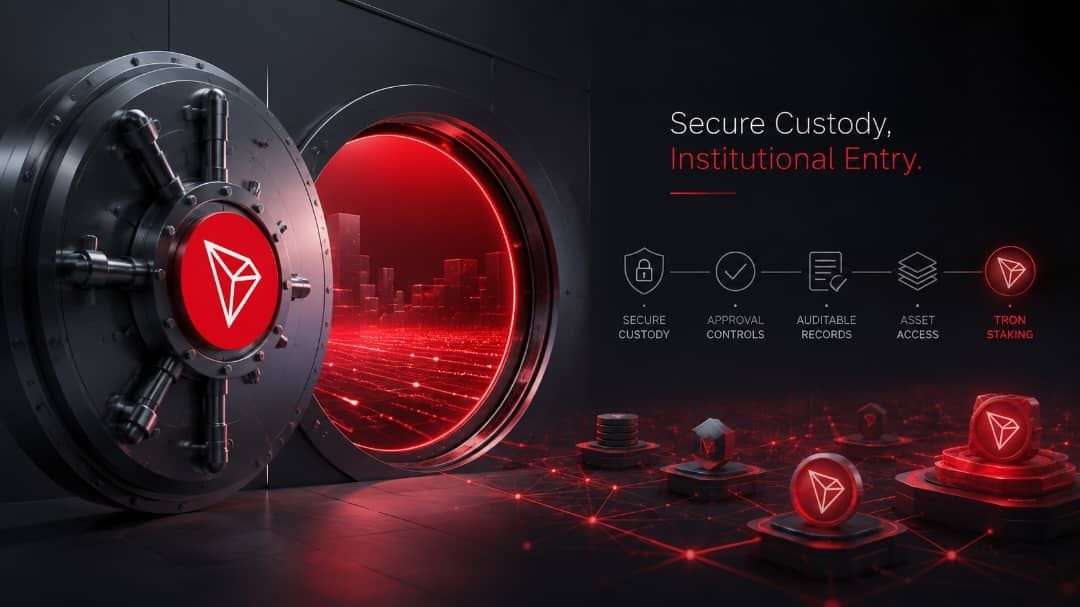
𝗜𝗻𝘀𝘁𝗶𝘁𝘂𝘁𝗶𝗼𝗻𝗮𝗹 𝗮𝗱𝗼𝗽𝘁𝗶𝗼𝗻 𝗱𝗼𝗲𝘀𝗻’𝘁 𝗯𝗲𝗴𝗶𝗻 𝘄𝗵𝗲𝗻 𝗮 𝗳𝘂𝗻𝗱 𝗯𝘂𝘆𝘀 𝗮 𝘁𝗼𝗸𝗲𝗻. 𝗜𝘁 𝗯𝗲𝗴𝗶𝗻𝘀 𝘄𝗵𝗲𝗻 𝘁𝗵𝗮𝘁 𝗳𝘂𝗻𝗱 𝗶𝘀 𝗳𝗶𝗻𝗮𝗹𝗹𝘆 𝗮𝗯𝗹𝗲 𝘁𝗼 𝗵𝗼𝗹𝗱 𝗶𝘁 𝗽𝗿𝗼𝗽𝗲𝗿𝗹𝘆. Think about a large institution like a heavily guarded warehouse. Before anything valuable enters, it needs: A secure vault. Clear ownership records. Approval rules. Independent reporting. Compliance procedures. And a controlled way to move the asset later. 𝗪𝗶𝘁𝗵𝗼𝘂𝘁 𝘁𝗵𝗼𝘀𝗲 𝘀𝘆𝘀𝘁𝗲𝗺𝘀, 𝗶𝗻𝘁𝗲𝗿𝗲𝘀𝘁 𝗺𝗲𝗮𝗻𝘀 𝗻𝗼𝘁𝗵𝗶𝗻𝗴. An institution may believe TRON is important, but it cannot participate seriously until its operational infrastructure knows how to secure TRX, account for it and authorize transactions safely. 𝗧𝗵𝗮𝘁 𝗶𝘀 𝘄𝗵𝘆 𝗔𝗻𝗰𝗵𝗼𝗿𝗮𝗴𝗲 𝗗𝗶𝗴𝗶𝘁𝗮𝗹’𝘀 𝗶𝗻𝘁𝗲𝗴𝗿𝗮𝘁𝗶𝗼𝗻 𝘄𝗶𝘁𝗵 𝗧𝗥𝗢𝗡 𝗺𝗮𝘁𝘁𝗲𝗿𝘀. The rollout begins with institutional custody for TRX through Anchorage Digital’s regulated platform and Porto, its institutional self-custody wallet. Later phases are expected to add custody for TRC-20 assets and native TRX staking. � Anchorage 𝗧𝗵𝗲 𝗼𝗿𝗱𝗲𝗿 𝘁𝗲𝗹𝗹𝘀 𝘁𝗵𝗲 𝘄𝗵𝗼𝗹𝗲 𝘀𝘁𝗼𝗿𝘆: First, institutions gain the ability to hold. Then they gain access to more TRON-issued assets. Then dormant TRX can participate in network staking. Custody may sound like simple storage, but institutional custody is not the same as keeping tokens in an ordinary wallet. A fund may have several employees involved in one transaction. One person initiates it. Others approve it. The destination must satisfy internal policy. The movement must be recorded for audits. The organization needs evidence showing who authorized what and when. The asset must remain accessible without becoming easy to steal. Anchorage Digital’s custody infrastructure is built around controls such as customizable authorization, auditable records and segregated key management designed for institutional operations. � Anchorage 𝗡𝗼𝘄 𝗰𝗼𝗻𝘀𝗶𝗱𝗲𝗿 𝘄𝗵𝗮𝘁 𝗧𝗥𝗖-𝟮𝟬 𝘀𝘂𝗽𝗽𝗼𝗿𝘁 𝗰𝗮𝗻 𝘂𝗻𝗹𝗼𝗰𝗸. TRON is not only an ecosystem for holding TRX. It supports stablecoins and other tokenized assets used for payments, transfers and on-chain applications. Giving institutions an approved way to custody those assets can connect TRON’s existing digital economy with organizations that require regulated infrastructure before participating. � Anchorage 𝗡𝗮𝘁𝗶𝘃𝗲 𝘀𝘁𝗮𝗸𝗶𝗻𝗴 𝗮𝗱𝗱𝘀 𝗮𝗻𝗼𝘁𝗵𝗲𝗿 𝗹𝗮𝘆𝗲𝗿. TRX held inside an institutional system does not necessarily have to remain economically inactive. With staking support, eligible institutions could participate more directly in TRON’s network economy while maintaining the operational controls they require. 𝗧𝗵𝗮𝘁 𝗶𝘀 𝘁𝗵𝗲 𝗽𝗮𝗿𝘁 𝗽𝗲𝗼𝗽𝗹𝗲 𝗼𝗳𝘁𝗲𝗻 𝗺𝗶𝘀𝘀. A new custody integration does not instantly create billions in institutional capital. It creates something that must exist first: 𝗣𝗲𝗿𝗺𝗶𝘀𝘀𝗶𝗼𝗻𝗲𝗱 𝗮𝗰𝗰𝗲𝘀𝘀. The road is now being built between institutional balance sheets and the TRON ecosystem. Capital may travel later. But without the road, it could never arrive safely. Retail adoption begins with a wallet. 𝗜𝗻𝘀𝘁𝗶𝘁𝘂𝘁𝗶𝗼𝗻𝗮𝗹 𝗮𝗱𝗼𝗽𝘁𝗶𝗼𝗻 𝗯𝗲𝗴𝗶𝗻𝘀 𝘄𝗶𝘁𝗵 𝗶𝗻𝗳𝗿𝗮𝘀𝘁𝗿𝘂𝗰𝘁𝘂𝗿𝗲 𝗰𝗮𝗽𝗮𝗯𝗹𝗲 𝗼𝗳 𝗮𝗻𝘀𝘄𝗲𝗿𝗶𝗻𝗴 𝗵𝗮𝗿𝗱𝗲𝗿 𝗾𝘂𝗲𝘀𝘁𝗶𝗼𝗻𝘀: Who controls the asset? How is access approved? Can ownership be audited? Can the asset participate without leaving the required security framework? TRON already built the network. 𝗔𝗻𝗰𝗵𝗼𝗿𝗮𝗴𝗲 𝗗𝗶𝗴𝗶𝘁𝗮𝗹 𝗶𝘀 𝗵𝗲𝗹𝗽𝗶𝗻𝗴 𝗯𝘂𝗶𝗹𝗱 𝗼𝗻𝗲 𝗼𝗳 𝘁𝗵𝗲 𝗱𝗼𝗼𝗿𝘀 𝘁𝗵𝗿𝗼𝘂𝗴𝗵 𝘄𝗵𝗶𝗰𝗵 𝗶𝗻𝘀𝘁𝗶𝘁𝘂𝘁𝗶𝗼𝗻𝘀 𝗰𝗮𝗻 𝗲𝗻𝘁𝗲𝗿 𝗶𝘁. @trondao @justinsuntron #TRONEcoStar
GLITCH tweet media
English
35
5
32
168
Liora💫
Liora💫@xzFaze1·
@Rukkssss__ This adds a layer of clarity that was missing before. Everything feels easier to connect now
English
0
0
0
2
GLITCH
GLITCH@Rukkssss__·
𝗛𝗮𝘃𝗶𝗻𝗴 $𝟵𝟬 𝗯𝗶𝗹𝗹𝗶𝗼𝗻 𝗶𝗻 𝗱𝗶𝗴𝗶𝘁𝗮𝗹 𝗱𝗼𝗹𝗹𝗮𝗿𝘀 𝗶𝘀 𝗶𝗺𝗽𝗿𝗲𝘀𝘀𝗶𝘃𝗲. 𝗕𝘂𝘁 𝗺𝗼𝘃𝗶𝗻𝗴 𝘁𝗿𝗶𝗹𝗹𝗶𝗼𝗻𝘀 𝘁𝗲𝗹𝗹𝘀 𝘆𝗼𝘂 𝘄𝗵𝗮𝘁 𝘁𝗵𝗼𝘀𝗲 𝗱𝗼𝗹𝗹𝗮𝗿𝘀 𝗮𝗿𝗲 𝗮𝗰𝘁𝘂𝗮𝗹𝗹𝘆 𝗱𝗼𝗶𝗻𝗴. USDT supply on TRON currently stands at approximately $90.28 billion, while TRON reported $4.2 trillion in USDT transfer volume during 2026 by July 9. Those numbers measure two completely different things. Supply measures inventory. It tells us how much USDT is available across the network. That capital may be held in wallets, deposited into DeFi protocols, stored by businesses, positioned on exchanges or waiting to settle the next payment. Transfer volume measures velocity. It tells us how frequently that inventory is being moved and reused. The same $1 does not need to remain still after one transaction. It can pay a merchant. The merchant can pay a supplier. The supplier can send funds to another country. The recipient can deposit the USDT into a lending market. That capital can later be withdrawn and used again. One digital dollar can participate in several economic actions without needing to be issued again. That is the difference between possessing liquidity and operating a financial network. Imagine a city with $90 billion sitting inside its banks. The number sounds enormous. But it tells you little about the city’s economy until you know whether people are paying salaries, settling invoices, trading, saving and moving money between businesses. Money becomes useful through circulation. The same principle applies on-chain. TRON’s USDT supply shows that a massive pool of digital-dollar liquidity is available. Its multitrillion-dollar transfer volume shows that the liquidity is not merely parked. It is functioning as working capital. People are using it for payments. Businesses are using it for settlement. Traders are repositioning it. DeFi users are supplying, borrowing and exchanging it. Applications are transferring value programmatically. And each completed transaction strengthens the network effect around the next one. More available USDT attracts more users and services. More users create more transactions. More transactions encourage wallets, exchanges and payment platforms to support the network. Better distribution makes USDT easier to receive and spend. The loop continues. This is why stablecoin dominance cannot be understood through supply alone. A network could hold a large amount of stablecoins while producing very little economic movement. Another could generate volume but lack enough liquidity to support large-scale activity consistently. The strongest position emerges when both exist together: Deep monetary inventory. High monetary velocity. TRON is increasingly showing both. TRONSCAN also reports more than 75 million USDT holders and over 2.4 million USDT transfers during the latest recorded day, illustrating how widely that liquidity is distributed and how frequently it continues to move. These figures are live and can change as network activity develops. The $90 billion milestone shows where digital dollars are available. The $4.2 trillion figure shows what happens after people begin using them. One measures stored economic capacity. The other measures economic motion. Supply puts money on the network. Velocity turns the network into financial infrastructure. That is the bigger TRON story. Not simply that billions of digital dollars exist there. But that those dollars keep moving. @trondao @justinsuntron #TRONEcoStar
GLITCH tweet media
English
36
5
32
155
Liora💫
Liora💫@xzFaze1·
@_0xdigitz01 Sometimes the quiet updates end up being the most important ones
English
0
0
0
0
🄱🄻🄸🅃🅉 🔸
So the real question becomes which lens you view Tesla through right now. Judge it as a car company, and you look at profit margins on cars. Judge it as an AI/robotics company, and you look at how robotaxi and Optimus are progressing. Depending on which lens you pick, this earnings report either looks bad, because car margins shrank, or looks fine, because the AI bets are moving forward.
English
33
7
41
138
🄱🄻🄸🅃🅉 🔸
Tesla's Q2 numbers are out, and they don't just add up. The company posted its best-ever Q2 for deliveries and a record $28.24B in revenue, but somehow the stock still slipped in after-hours trading. Here's why investors are looking past this.
🄱🄻🄸🅃🅉 🔸 tweet media
English
11
18
252
5.1K
Liora💫
Liora💫@xzFaze1·
@rahozel This covers a lot of ground effectively. Looking forward to seeing how the community reacts
English
0
0
0
7
RAHOZEL 🟣
RAHOZEL 🟣@rahozel·
Web3 has always been about giving users greater control. Control over assets. Control over identity. Control over participation. Artificial intelligence adds another layer by giving users smarter tools to create and interact with digital content. When AI and blockchain come together, the result is an ecosystem where ownership and intelligence coexist. That's one reason I find AINFT worth following. It represents a future where digital assets are not only owned securely but also become more interactive and engaging over time. The best innovations don't just add features. They improve the overall experience. That's exactly where AI-powered Web3 is heading. @justinsuntron @AINFTcom #TronEcoStar
RAHOZEL 🟣 tweet media
English
36
8
37
181
Liora💫
Liora💫@xzFaze1·
@Rukkssss__ This seems like another steady step rather than a dramatic shift, and that is perfectly fine
English
0
0
0
2
GLITCH
GLITCH@Rukkssss__·
𝗠𝗼𝘀𝘁 𝘀𝘁𝗮𝗯𝗹𝗲𝗰𝗼𝗶𝗻 𝗿𝗲𝘀𝗲𝗿𝘃𝗲𝘀 𝗮𝗿𝗲 𝗷𝘂𝗱𝗴𝗲𝗱 𝗯𝘆 𝗼𝗻𝗲 𝗾𝘂𝗲𝘀𝘁𝗶𝗼𝗻: Is the money there? 𝗨𝗦𝗗𝗗’𝘀 𝗦𝗺𝗮𝗿𝘁 𝗔𝗹𝗹𝗼𝗰𝗮𝘁𝗼𝗿 𝗶𝗻𝘁𝗿𝗼𝗱𝘂𝗰𝗲𝘀 𝗮 𝘀𝗲𝗰𝗼𝗻𝗱 𝗾𝘂𝗲𝘀𝘁𝗶𝗼𝗻: What is that capital doing while it is there? The Smart Allocator currently shows approximately $757.91 million invested, with cumulative earnings of about $21.40 million and a displayed APY of 3.60%. � USDD That means hundreds of millions of dollars are not simply sitting motionless while waiting for a crisis that may never arrive. 𝗧𝗵𝗲 𝗰𝗮𝗽𝗶𝘁𝗮𝗹 𝗶𝘀 𝗯𝗲𝗶𝗻𝗴 𝗱𝗲𝗽𝗹𝗼𝘆𝗲𝗱 𝗮𝗰𝗿𝗼𝘀𝘀 𝗲𝘀𝘁𝗮𝗯𝗹𝗶𝘀𝗵𝗲𝗱 𝗗𝗲𝗙𝗶 𝗺𝗼𝗻𝗲𝘆 𝗺𝗮𝗿𝗸𝗲𝘁𝘀 𝘄𝗵𝗲𝗿𝗲 𝗶𝘁 𝗰𝗮𝗻 𝗴𝗲𝗻𝗲𝗿𝗮𝘁𝗲 𝘆𝗶𝗲𝗹𝗱. The current allocation is approximately: 94.60% through Spark 4.99% through Aave 0.41% through Morpho The positions, invested amounts, earnings and addresses are displayed publicly through USDD’s Smart Allocator dashboard. � USDD Think of it like a company keeping emergency funds. The careless approach is to spend everything. The overly defensive approach is to lock everything in a room where it produces nothing. 𝗧𝗵𝗲 𝗺𝗼𝗿𝗲 𝘀𝗼𝗽𝗵𝗶𝘀𝘁𝗶𝗰𝗮𝘁𝗲𝗱 𝗮𝗽𝗽𝗿𝗼𝗮𝗰𝗵 𝗶𝘀 𝘁𝗼 𝗸𝗲𝗲𝗽 𝘁𝗵𝗲 𝗰𝗮𝗽𝗶𝘁𝗮𝗹 𝘃𝗶𝘀𝗶𝗯𝗹𝗲, 𝗹𝗶𝗾𝘂𝗶𝗱 𝗲𝗻𝗼𝘂𝗴𝗵 𝗳𝗼𝗿 𝗶𝘁𝘀 𝗶𝗻𝘁𝗲𝗻𝗱𝗲𝗱 𝗽𝘂𝗿𝗽𝗼𝘀𝗲 𝗮𝗻𝗱 𝗽𝗼𝘀𝗶𝘁𝗶𝗼𝗻𝗲𝗱 𝘄𝗵𝗲𝗿𝗲 𝗶𝘁 𝗰𝗮𝗻 𝗲𝗮𝗿𝗻 𝘄𝗶𝘁𝗵𝗶𝗻 𝗱𝗲𝗳𝗶𝗻𝗲𝗱 𝗿𝗶𝘀𝗸 𝗹𝗶𝗺𝗶𝘁𝘀. That is the role USDD’s Smart Allocator is attempting to perform. 𝗜𝘁 𝘁𝘂𝗿𝗻𝘀 𝗰𝗮𝗽𝗶𝘁𝗮𝗹 𝗺𝗮𝗻𝗮𝗴𝗲𝗺𝗲𝗻𝘁 𝗶𝗻𝘁𝗼 𝗮 𝗰𝗼𝗻𝘁𝗶𝗻𝘂𝗼𝘂𝘀 𝗽𝗿𝗼𝗰𝗲𝘀𝘀: Deploy capital. Monitor the positions. Collect yield. Reallocate when conditions change. Keep the movements visible on-chain. 𝗧𝗵𝗲 𝗿𝗲𝗮𝗹 𝗶𝗻𝗻𝗼𝘃𝗮𝘁𝗶𝗼𝗻 𝗶𝘀 𝗻𝗼𝘁 𝘀𝗶𝗺𝗽𝗹𝘆 𝘁𝗵𝗮𝘁 𝘁𝗵𝗲 𝗿𝗲𝘀𝗲𝗿𝘃𝗲-𝗿𝗲𝗹𝗮𝘁𝗲𝗱 𝗰𝗮𝗽𝗶𝘁𝗮𝗹 𝗲𝗮𝗿𝗻𝘀 𝘆𝗶𝗲𝗹𝗱. Any wallet can deposit assets into a protocol. The harder task is managing hundreds of millions across multiple markets without turning the system into a black box. Users need to see where the funds went. They need to know which protocols hold the exposure. They need to track how much has been earned. And they need verifiable addresses rather than a quarterly promise that everything is fine. 𝗧𝗵𝗮𝘁 𝘃𝗶𝘀𝗶𝗯𝗶𝗹𝗶𝘁𝘆 𝘁𝘂𝗿𝗻𝘀 𝗿𝗲𝘀𝗲𝗿𝘃𝗲 𝗺𝗮𝗻𝗮𝗴𝗲𝗺𝗲𝗻𝘁 𝗶𝗻𝘁𝗼 𝘀𝗼𝗺𝗲𝘁𝗵𝗶𝗻𝗴 𝘁𝗵𝗲 𝗺𝗮𝗿𝗸𝗲𝘁 𝗰𝗮𝗻 𝗶𝗻𝘀𝗽𝗲𝗰𝘁 𝘄𝗵𝗶𝗹𝗲 𝗶𝘁 𝗶𝘀 𝗵𝗮𝗽𝗽𝗲𝗻𝗶𝗻𝗴. There is also a deeper economic effect. Earnings generated by the Smart Allocator can strengthen the wider USDD system without requiring equivalent growth in token issuance. The same capital can contribute to stability infrastructure while producing additional economic output. 𝗕𝘂𝘁 𝗽𝗿𝗼𝗱𝘂𝗰𝘁𝗶𝘃𝗲 𝗰𝗮𝗽𝗶𝘁𝗮𝗹 𝗶𝘀 𝗻𝗼𝘁 𝗿𝗶𝘀𝗸-𝗳𝗿𝗲𝗲 𝗰𝗮𝗽𝗶𝘁𝗮𝗹. Smart contracts can fail. Rates can change. Liquidity can tighten. And concentration matters, especially when most of the allocation sits within one protocol. 𝗧𝗵𝗮𝘁 𝗶𝘀 𝘄𝗵𝘆 𝘁𝗿𝗮𝗻𝘀𝗽𝗮𝗿𝗲𝗻𝗰𝘆 𝗶𝘀 𝗻𝗼𝘁 𝗱𝗲𝗰𝗼𝗿𝗮𝘁𝗶𝗼𝗻. It gives the community the information needed to judge whether the return justifies the exposure. 𝗨𝗦𝗗𝗗’𝘀 𝗦𝗺𝗮𝗿𝘁 𝗔𝗹𝗹𝗼𝗰𝗮𝘁𝗼𝗿 𝗶𝘀 𝗯𝘂𝗶𝗹𝗱𝗶𝗻𝗴 𝘁𝗼𝘄𝗮𝗿𝗱 𝗮 𝗺𝗼𝗿𝗲 𝗺𝗮𝘁𝘂𝗿𝗲 𝘀𝘁𝗮𝗯𝗹𝗲𝗰𝗼𝗶𝗻 𝗺𝗼𝗱𝗲𝗹: Capital should be available. Capital should be accountable. And when responsibly deployed, capital should be productive. Idle reserves can show that a system has money. 𝗧𝗿𝗮𝗻𝘀𝗽𝗮𝗿𝗲𝗻𝘁, 𝗮𝗰𝘁𝗶𝘃𝗲𝗹𝘆 𝗺𝗮𝗻𝗮𝗴𝗲𝗱 𝗿𝗲𝘀𝗲𝗿𝘃𝗲𝘀 𝘀𝗵𝗼𝘄 𝘁𝗵𝗮𝘁 𝘁𝗵𝗲 𝘀𝘆𝘀𝘁𝗲𝗺 𝘂𝗻𝗱𝗲𝗿𝘀𝘁𝗮𝗻𝗱𝘀 𝗰𝗮𝗽𝗶𝘁𝗮𝗹. @usddio @justinsuntron #TRONEcoStar
GLITCH tweet media
English
35
5
30
153
Liora💫
Liora💫@xzFaze1·
@MR_0FFICIALL The direction seems well considered. There is a clear purpose behind each step
English
0
0
0
2
MR OFFICIAL
MR OFFICIAL@MR_0FFICIALL·
For 25 years, BitTorrent has connected millions of users around the world through decentralized file sharing. To celebrate this milestone, BitTorrent is giving back to the community with a limited-time 25% discount on the Pro Annual Plan. ➠ Anniversary Offer 🔹 25% OFF BitTorrent Pro Annual Plan 🔹 Promo Code: 25FOR25 🔹 Available on Desktop (Classic & Web) 📅 Promotion Period: July 25 – August 25 (UTC+0) ➠ Why Upgrade to BitTorrent Pro? BitTorrent Pro enhances your file-sharing experience with premium features designed for speed, convenience, and reliability, making it easier to manage large downloads while supporting one of the world's longest-running decentralized networks. Whether you've been part of the BitTorrent community for years or are just getting started, this anniversary offer is a great opportunity to unlock the Pro experience at a reduced price. 🥂 Here's to 25 years of sharing and to many more ahead. 🔗 Upgrade now: bittorrent.com/products/win/c… Use code: 25FOR25 @BitTorrent #25YearsOfSharing #BitTorrent #TRONEcoStar @justinsuntron
English
35
6
31
164
Liora💫
Liora💫@xzFaze1·
@Rukkssss__ There is enough here to encourage genuine discussion without relying on speculation
English
0
0
0
8
GLITCH
GLITCH@Rukkssss__·
𝗔 𝘀𝘁𝗮𝗯𝗹𝗲𝗰𝗼𝗶𝗻 𝗿𝗲𝘀𝗲𝗿𝘃𝗲 𝗵𝗮𝘀 𝘁𝘄𝗼 𝗷𝗼𝗯𝘀: 𝗕𝗲 𝗿𝗲𝗮𝗱𝘆 𝘄𝗵𝗲𝗻 𝗰𝗮𝗽𝗶𝘁𝗮𝗹 𝗶𝘀 𝗻𝗲𝗲𝗱𝗲𝗱. 𝗥𝗲𝗺𝗮𝗶𝗻 𝗽𝗿𝗼𝗱𝘂𝗰𝘁𝗶𝘃𝗲 𝘄𝗵𝗶𝗹𝗲 𝗶𝘁 𝘄𝗮𝗶𝘁𝘀. Most people judge a stablecoin reserve by asking: “Is the backing there?” USDD’s Smart Allocator introduces another important question: “What is that capital doing while it is there?” Imagine keeping $100 inside a locked box for an emergency. The money is safe and available, but it produces nothing. Now imagine placing part of it somewhere that earns interest while remaining accessible. The money can still support the emergency fund, but it is no longer completely inactive. That is the basic idea behind Smart Allocator. As of June 30, 2026, approximately $757.72 million had been allocated across established DeFi markets including Spark, Aave and Morpho. The positions are actively adjusted as yields, market conditions and risk profiles change rather than being permanently locked into one protocol. But this is not simply a “find the highest APY” strategy. A stablecoin treasury cannot behave like a trader chasing every new yield opportunity. The capital may eventually be needed to support liquidity, reserves and the wider USDD ecosystem. That means every allocation must balance three things: Return — what can the capital earn? Risk — what could place the capital in danger? Liquidity — how quickly can the position be adjusted or exited? A 15% yield inside a fragile market may be less useful than a smaller return from deeper, more established liquidity. Because the first responsibility of reserve capital is not to impress people with APY. It is to remain dependable. Diversifying across several protocols also reduces reliance on one venue. If all reserve capital sits inside a single market, that platform becomes one large point of exposure. By spreading capital across Spark, Aave and Morpho, Smart Allocator can respond more flexibly when rates change, liquidity moves or one market becomes less attractive. And the productivity is already measurable. By the end of June, Smart Allocator had generated approximately $21.29 million in cumulative earnings, including around $2.16 million during June, representing 11.29% month-over-month earnings growth. Those earnings are not merely numbers added to a dashboard. USDD says returns can be reinvested to strengthen reserves, support ecosystem incentives and contribute to yield distributed through products such as USDD Earn and sUSDD. This creates a capital flywheel: Reserves provide the foundation. Smart Allocator puts part of that capital to work. DeFi positions generate real yield. Yield returns to strengthen USDD and support its ecosystem. The capital can then continue producing. Most importantly, the allocations, reserve addresses, fund movements and earnings are publicly visible on-chain. The community does not have to accept a vague statement that the reserve is “being managed.” It can examine where the capital was deployed, how much each position earned and how allocations changed over time. That is what makes Smart Allocator more than a yield product. It is an attempt to make reserve capital perform two roles without confusing their priority: Safety comes first. Productivity follows. A reserve should be strong enough to protect the system. But when managed transparently and carefully, it can also help finance the system’s growth. @usddio @justinsuntron #TRONEcoStar
GLITCH tweet media
English
37
5
31
136
Liora💫
Liora💫@xzFaze1·
@Rukkssss__ There is enough here to encourage genuine discussion without relying on speculation
English
0
0
0
5
GLITCH
GLITCH@Rukkssss__·
𝗧𝗵𝗲 𝗻𝗲𝘅𝘁 𝗺𝗶𝗹𝗹𝗶𝗼𝗻 𝗰𝗿𝘆𝗽𝘁𝗼 𝘂𝘀𝗲𝗿𝘀 𝘀𝗵𝗼𝘂𝗱𝗻’𝘁 𝗻𝗲𝗲𝗱 𝘁𝗼 𝗯𝘂𝘆 𝗼𝗻𝗲 𝘁𝗼𝗸𝗲𝗻 𝗷𝘂𝘀𝘁 𝘁𝗼 𝘀𝗲𝗻𝗱 𝗮𝗻𝗼𝘁𝗵𝗲𝗿. Imagine receiving USDT in your wallet. The money is yours. The recipient is ready. But the transfer cannot happen because you do not hold TRX for network fees. So before sending your digital dollars, you must: Find an exchange. Buy TRX. Withdraw it to the correct address. Wait for confirmation. Then return to the payment you originally wanted to make. To experienced crypto users, this may seem normal. To everyone else, it feels like being told to purchase petrol before sending money through a banking app. GasFree is designed to remove that detour. Instead of requiring users to maintain a separate native-token balance, a GasFree service provider submits the authorized transfer, pays the underlying network cost and can collect a handling fee in the token being transferred. The blockchain still performs real work and the transaction still has a cost, but users do not need to manage that cost through a separate asset. The experience becomes much simpler: You hold USDT. You choose the recipient. You authorize the transfer. The infrastructure handles the TRX requirement underneath. That is more than a gas improvement. It is payment-cost translation. GasFree translates a blockchain-native requirement into a fee structure ordinary users can understand: Pay using the asset you already possess. This matters because stablecoins are increasingly used as practical money. People receive salaries in them. Businesses settle invoices with them. Families use them for international transfers. Traders move them between platforms. None of those users opened the wallet because they wanted to manage Energy, gas balances or native-token inventory. They came to move value. GasFree allows the infrastructure to meet them at that intention. But the latest JUST quarterly report reveals another layer. GasFree is not being treated only as a subsidized user-acquisition feature. The report says the vertical recorded rapid growth and that part of its revenue was transferred into treasury reserves. That changes the economic picture. Gas abstraction can become a service. The user receives a simpler transfer experience. The provider handles execution. A transparent fee supports the operation. And successful usage can produce revenue for the wider ecosystem. The loop becomes: Users demand simpler transfers. GasFree removes the native-token obstacle. Service providers execute the transactions. Usage produces operating revenue. Part of that value can strengthen ecosystem reserves. The innovation is not pretending blockchain execution is free. It is placing responsibility for execution where it can be managed most efficiently. Users should understand the payment they are making. They should not need to understand the machinery processing it. Email users do not purchase server capacity before sending a message. Card users do not buy banking infrastructure before paying a merchant. Stablecoin users should not need to assemble a collection of gas tokens before moving their own money. GasFree turns “I have USDT but no TRX” from a failed transaction into a solvable infrastructure problem. And when infrastructure solves the problem without demanding the user study it first, mass adoption becomes much easier to imagine. @justinsuntron @DeFi_JUST #TRONEcoStar
GLITCH tweet media
English
36
5
31
243
The Agentic Alpha
The Agentic Alpha@Agentic_Alph·
One thing I've noticed over the years is that not every product update is about introducing something completely new. Sometimes it's about changing how people experience a product. I came across this update from @1winPro, and what caught my attention wasn't the numbers in the graphic, it was the idea behind it. Instead of presenting the exact same welcome offer to everyone, the update suggests a move toward more personalized first-deposit bonuses based on a user's activity and interests. Whether that approach proves meaningful over time is something only users can really judge through their own experience, but it's an interesting direction to see. The visual itself is simple and well organized, making it easy to understand how the different bonus levels are structured across multiple deposits. More broadly, I think this reflects a trend we're seeing across many digital platforms. Companies are moving away from one-size-fits-all experiences and looking for ways to make their products feel more relevant to individual users. Personalization has become an important part of product design, whether it's in streaming services, online shopping, or Web3 applications. Ultimately, features like these are only one part of the overall experience. Long-term value still depends on transparency, usability, and whether a platform continues to improve over time. That's what @1winPro Actually doing. Now let's get started right here👇 1win-pro.app/bonuses?p=l4l5…
The Agentic Alpha tweet media
1win@1winPro

Get the best first deposit bonuses on 1win Personalized for your activity and interests. Check your offer: 1win-pro.app/bonuses?p=l4l5…

English
47
6
46
1.3K
Liora💫
Liora💫@xzFaze1·
@Rukkssss__ I think this approach will age well if the execution stays consistent
English
0
0
0
2
GLITCH
GLITCH@Rukkssss__·
𝗠𝗼𝘀𝘁 𝗗𝗘𝗫𝗲𝘀 𝘀𝗽𝗲𝗻𝗱 𝗿𝗲𝘀𝗼𝘂𝗿𝗰𝗲𝘀 𝗺𝗼𝘃𝗶𝗻𝗴 𝘁𝗼𝗸𝗲𝗻𝘀 𝘁𝗵𝗮𝘁 𝘁𝗵𝗲 𝘂𝘀𝗲𝗿 𝗻𝗲𝘃𝗲𝗿 𝗮𝗰𝘁𝘂𝗮𝗹𝗹𝘆 𝗿𝗲𝗰𝗲𝗶𝘃𝗲𝘀. SunSwap V4 is designed to avoid that unnecessary movement. Imagine swapping: TRX → USDC → USDT You begin with TRX. You want USDT. USDC is only an intermediate step used to reach the final asset. In older DEX architectures, every liquidity pool operates through a separate smart contract. The first pool receives TRX and transfers USDC. The second pool receives that USDC and transfers USDT. Even though you never intended to hold USDC, it still has to move between contracts during execution. Every additional route can introduce more transfers, more contract calls and more Energy consumption. SunSwap V4 changes the structure through its Singleton architecture. Instead of deploying a separate contract for every pool, one PoolManager contract manages all V4 pools. Because those pools now share one environment, intermediate tokens do not need to travel repeatedly between isolated contracts. Think of it like buying three items from one supermarket. The inefficient method is to pay separately at every aisle. Take out your wallet. Pay for item one. Move to another counter. Pay again. Repeat until you leave. SunSwap V4 behaves more like one checkout desk. You complete all the shopping first. The system calculates what you finally owe. Then payment happens once. This is Flash Accounting: Calculate during the process. Settle at the end. During a complex transaction, SunSwap V4 records temporary changes as internal balances called deltas. One operation may add to what you owe. Another may reduce it. An intermediate asset may appear inside the route and disappear before completion. The system does not need to transfer tokens after every calculation. At the end, it checks the final balance. If every obligation is settled correctly, only the net input and output need to move. For the TRX → USDC → USDT example, the user supplies TRX and receives USDT. USDC helps calculate the route, but it does not need to perform the same expensive journey between separate pool contracts. This matters because the future of decentralized trading will involve more than simple swaps. A single action could: Exchange part of an asset. Rebalance a position. Add liquidity. Apply a dynamic fee. And settle the final result. Older designs may treat these as separate operations requiring repeated transfers. Flash Accounting allows SunSwap V4 to combine them into one atomic transaction, track the internal changes and settle the final difference only after every step succeeds. V4 also restores direct support for native TRX pairs. Users are no longer forced to wrap TRX into WTRX simply to interact with compatible pools, removing another layer of execution and Energy overhead. The breakthrough is easy to miss because users may only notice that a swap feels cheaper or simpler. But underneath the interface, the architecture has changed: Old model: Move every intermediate token. V4 model: Record the complete journey, then move only what matters. That is how infrastructure becomes more efficient. Not by making unnecessary work happen faster. By eliminating the unnecessary work entirely. @OfficialSUNio @justinsuntron #TRONEcoStar
GLITCH tweet media
English
34
6
30
243
MeRah Gold
MeRah Gold@merah_gold·
➫ 𝗪𝗲’𝗿𝗲 𝘀𝗼 𝘂𝘀𝗲𝗱 𝘁𝗼 𝗮𝗱𝗮𝗽𝘁𝗶𝗻𝗴 𝘁𝗼 𝗼𝘂𝗿 𝗰𝗮𝗿𝘀 𝘁𝗵𝗮𝘁 𝘄𝗲 𝗿𝗮𝗿𝗲𝗹𝘆 𝘀𝘁𝗼𝗽 𝘁𝗼 𝗮𝘀𝗸 𝘄𝗵𝘆 𝗼𝘂𝗿 𝗰𝗮𝗿𝘀 𝗰𝗮𝗻’𝘁 𝗮𝗱𝗮𝗽𝘁 𝘁𝗼 𝘂𝘀. We adjust the seat, save our favorite routes, connect our phones, and build routines around every drive. Yet, for something we use so often, the experience still feels largely the same. ➫ Instead of treating a car as just a way to get from one place to another, @Dtec_AINetwork is exploring how AI, IoT, and DePIN can make every drive more intuitive, more connected, and more personalized over time. The future of driving shouldn’t just be about getting somewhere faster. It should be about creating an experience that understands the person driving the car. 🚘 Follow @Dtec_AINetwork and turn on your notification. #Dtec $DTEC
MeRah Gold tweet media
English
34
7
31
95
SAVVY
SAVVY@techsavvyy02·
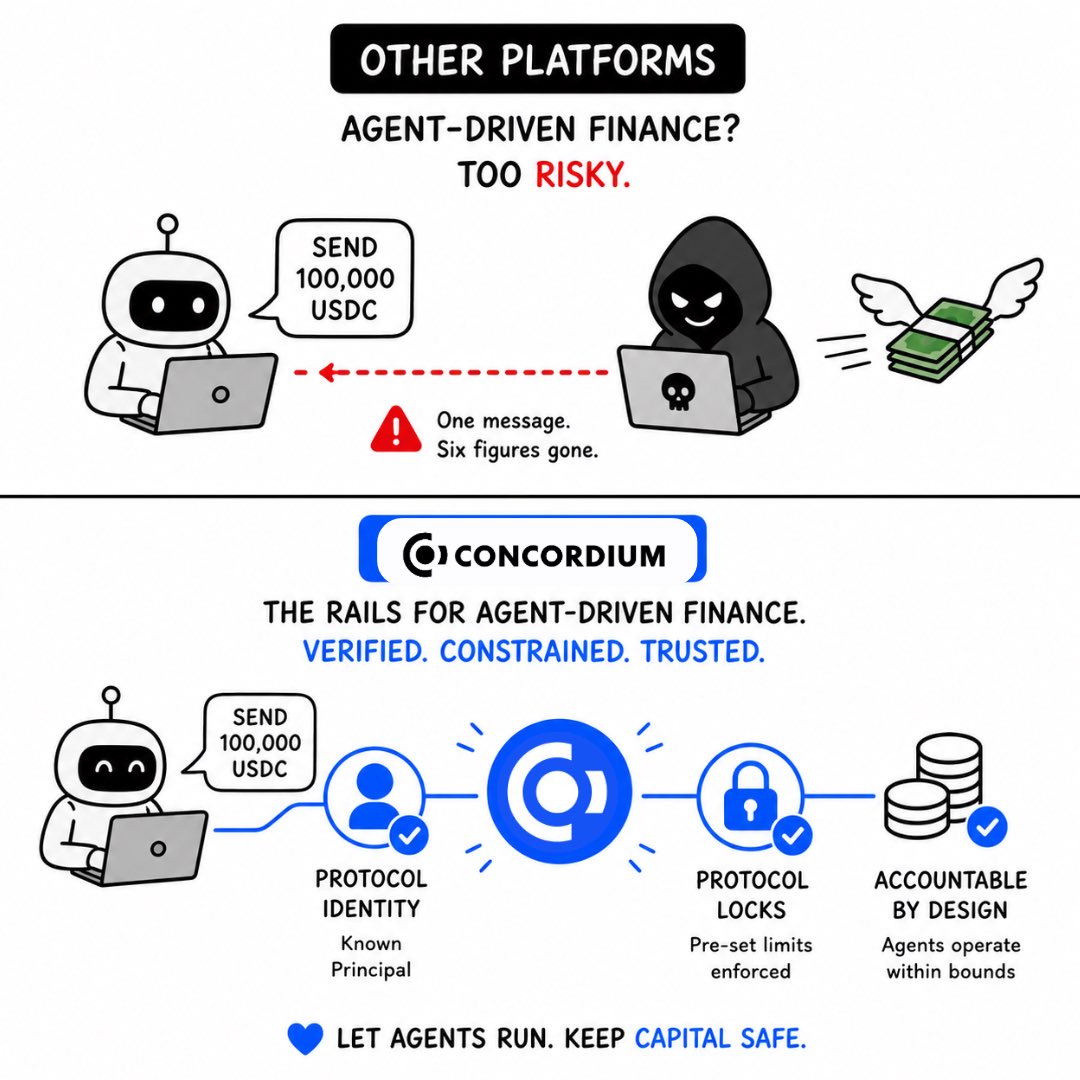
The next wave of finance will be agent-driven. Capital will move without constant human oversight. That vision collapses the moment one cleverly worded message can redirect six figures. @Concordium is building the rails for that future. Protocol identity ensures every autonomous actor is backed by a known principal. Protocol locks guarantee that even a compromised agent cannot exceed pre-set limits. The result is an environment where agents can operate at scale while remaining both accountable and financially constrained by construction.
SAVVY tweet media
English
29
7
31
73
Liora💫
Liora💫@xzFaze1·
@EMEBOK_ The roadmap becomes much easier to follow after reading this
English
0
0
0
2
EMEBOK 🥷🕸️
EMEBOK 🥷🕸️@EMEBOK_·
tesla’s Q2 report sparked exactly the kind of volatility earnings season is known for. strong revenue, weaker eps, and a sharp market reaction. $TSLA should be interesting to watch over the next few days on BingX
EMEBOK 🥷🕸️ tweet media
English
52
10
238
6.7K
Dravien
Dravien@Alone796170·
FIVE DAYS TO GO!!! I love the fact that you have the chance to start at the same line as everyone else. There's something special about joining a world before its biggest stories have been written. I'm inviting you to be part of this journey. Follow @5th_Kingdom to get started.
5th Kingdom@5th_Kingdom

5 days left.  Participation creates access. Access shapes experience. Experience drives the evolution of the Kingdom. The first 10,000 citizens begin the story. Get ready at 5thkingdom.com

English
32
5
35
122
LửaCrypt 🧧
LửaCrypt 🧧@LuaCrypt·
gm two of the biggest financial centers on earth quietly working out how stablecoins should actually work across borders. that's the kind of headline that doesn't trend but changes everything downstream. @EverValueCoin getting featured in that conversation by bpmoney says something about where the team's head is at. building for the version of crypto that has to answer to real institutions, not just the timeline. gm to the people reading regulatory news on purpose.
EverValue@EverValueCoin

We were featured in an article published by BPMoney discussing how the agreement between the United States and the United Kingdom could help establish a new global standard for stablecoins. As digital assets continue to gain institutional adoption, regulatory clarity is becoming increasingly important for the future of the industry. The article highlights how coordinated efforts between major financial centers may accelerate the development of a more connected and transparent digital economy. At EverValue, we continue to closely follow the evolution of the crypto market and the key developments shaping its future. Read the full article: 🔗 bpmoney.com.br/mercado/acordo… Keep following our channels and stay up to date with the latest EverValue news and the growth of our ecosystem!

English
36
10
269
10.4K