Sabitlenmiş Tweet

My name is (Rabbi) Yaakov Menken. I am a Presidential appointee serving as an advisor to the White House Religious Liberty Commission. I protest that I am not a religious leader, but the Administration felt otherwise, and I am honored to serve.
Today I say: goodbye and good riddance.
Munshi and Carrie Prejean Boller are not united by a common background or common beliefs, but by a common hate.
This is evidenced by their insistence that the Holy Land should be called by a European colonialist name, Palestine. That is not a neutral name, nor is it a religious belief. It represents a legacy of hate and bigotry.
Although the name was first used by the Greeks, the Romans officially instituted it to be used, in place of Judea, as part of their barbaric squelching of the Bar Kochba revolt, of Jews demanding their liberty. Palestine was their way of divorcing the Jews from Judea, to declare it the property of someone else. It was part of their ethnic cleansing and genocidal massacres. They brought us the Arch of Titus, the world's largest and oldest monument to bigotry.
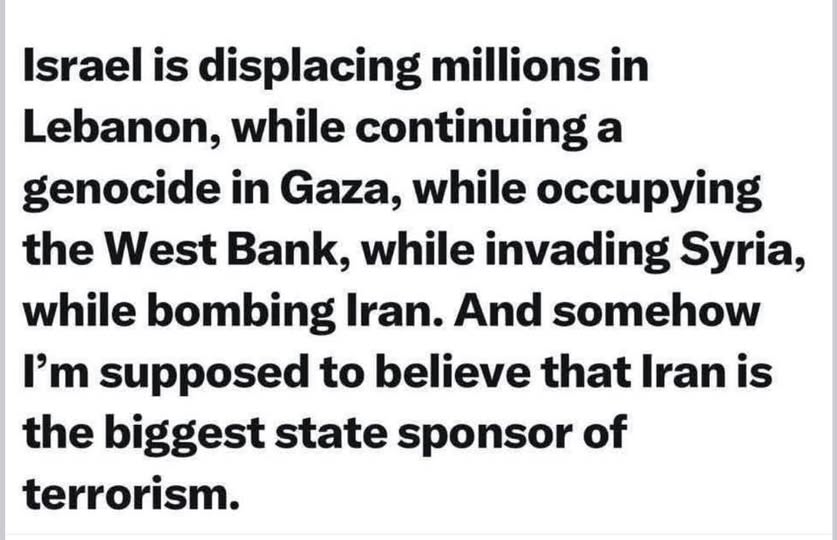
Her hostility to values and decency extends even to the people of Iran. Imagine being so desperate for freedom that you are hoping to be bombed. This is why Iranians and Iranian emigres danced for joy when the bombs came: they might have freedom from this regime. That is the liberty that Munshi opposes.
And in the final analysis, the work of the Religious Liberty Commission is supposed to be about domestic religious rights. If she cared, she would be anxious to have her voice and use it to demand religious rights for Muslims in America. But that is not her priority. It never was.
And the Religious Freedom Commission will be able to do its productive and important work more effectively because she has left. Let the door not hit her on the way out.
Sameerah Munshi@SameerahMunshi
My name is Sameerah Munshi. I am a Presidential appointee serving as advisor to the White House Religious Liberty Commission. Today, I am resigning over the injustice and atrocities of this administration at home and abroad. Full statement below ⬇️ Also here: open.substack.com/pub/sameerahmu…
English