English
yofat
1.7K posts
@yofat6
وَلاَ حَوْلَ وَلاَ قُوَّةَ إِلاَّ بِاللّٰهِ





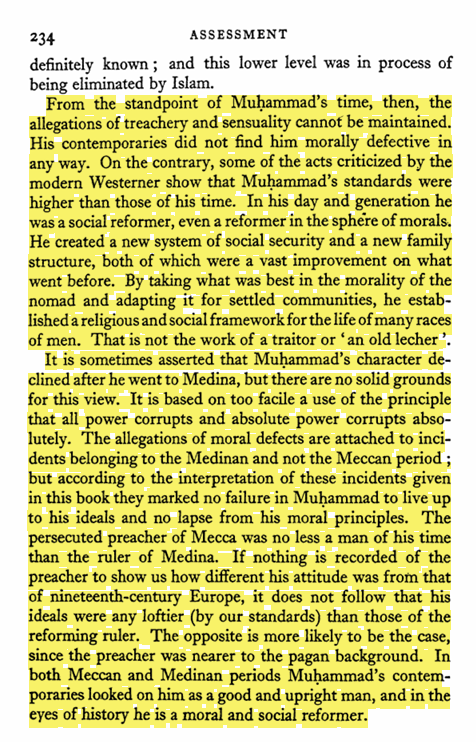
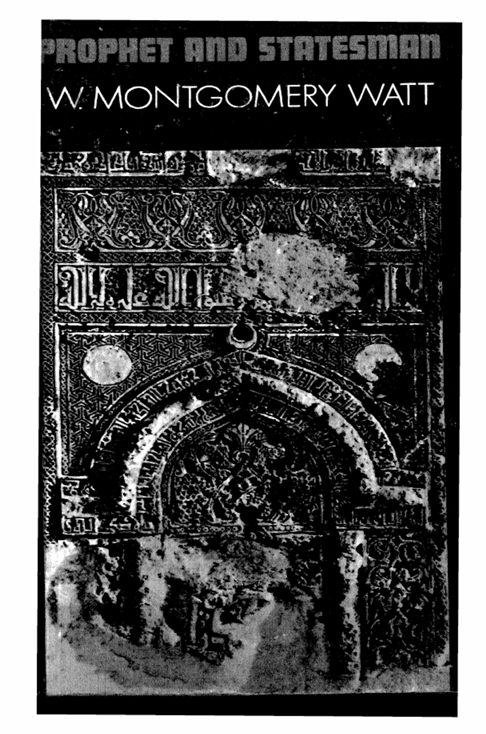
@Leafywashere00 This was the greatest man who ever lived? What are your criteria for greatness? Trust me Bro?


Hijab just made Avery rich








@Farid_0v The gift was a Quran btw

Ya Allah please protect our Imaan.



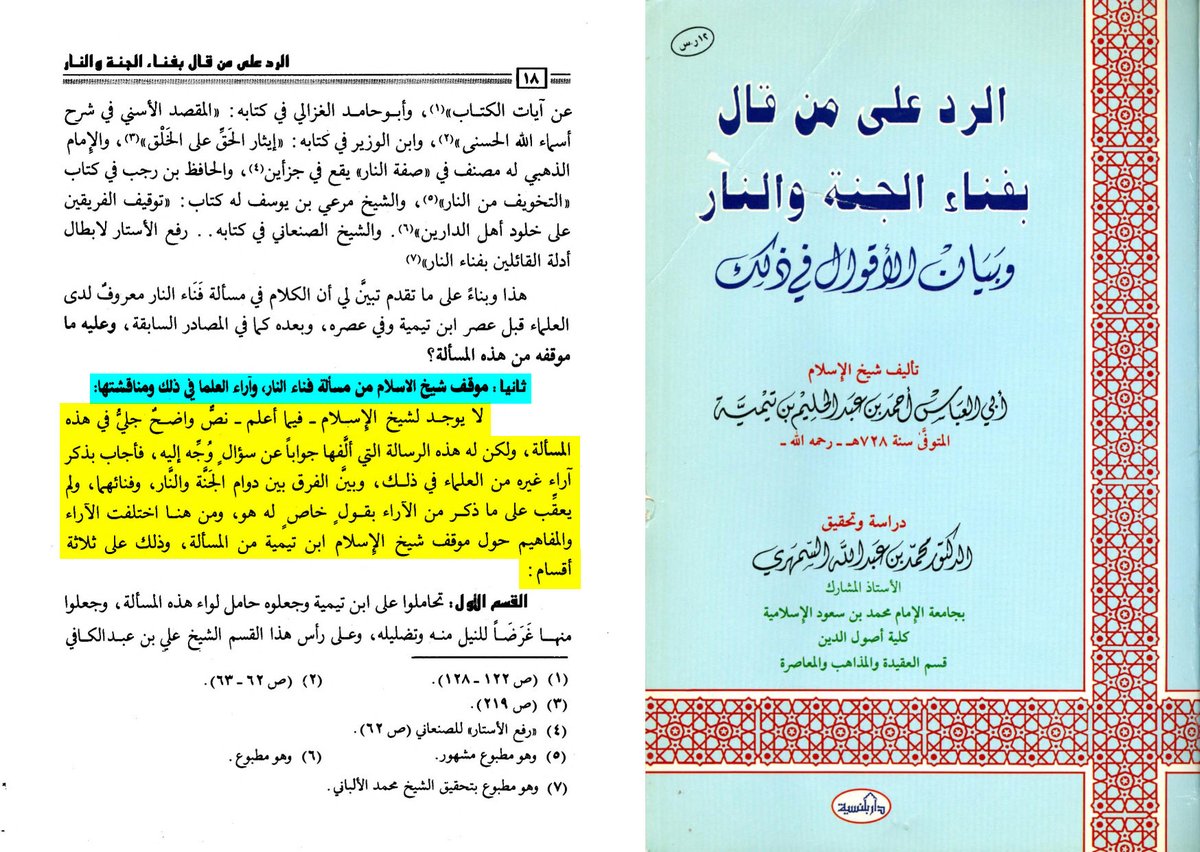
Arguing against the eternality of the hellfire, Ibn Taymiyya writes: God has informed us that His mercy encompasses all things, and that: “He has prescribed mercy upon Himself.” (Q 6:12) And He said in the ḥadīth: “My mercy has preceded My wrath.” “My mercy has overcome My wrath.” This is a statement of universality and absoluteness. So if one were to suppose a punishment that has no end whatsoever, then there would be no mercy at all — which contradicts these texts. It has been established that, along with His vast mercy, He is All-Wise. And the Wise One only creates in accordance with His universal wisdom, as He has mentioned His wisdom in many places (“10–A”). Thus, if it is assumed that He punishes whom He punishes for a (divine) wisdom, then that is possible — for in this world the legal punishments have wisdoms behind them, and likewise the calamities He decrees have great wisdoms: purification from sins, refinement of souls, deterrence for the one afflicted and for others in the future. They contain lessons. And Paradise is pure, and none enters it except the pure. For this reason He said in the authentic ḥadīth: “After they are saved from the Ṣirāṭ, they will be held on a bridge between Paradise and Hell. When they are cleansed and purified, permission will be granted for them to enter Paradise.” As for the evil, unjust souls that, if they were returned to the world before being punished, would return to the very deeds they were forbidden — such souls are not suitable to dwell in the Abode of Peace, which does not tolerate falsehood, injustice, or evil. So if they are punished by the Fire with a punishment that purifies their souls from that evil, then this accords with wisdom, just as is found in the punishments of this world: creating beings in whom there is an evil that disappears through punishment is in full accordance with wisdom. But creating souls that commit evil in this world and the next, and that can exist only in a state of punishment — this is a contradiction in which the opposition to divine wisdom and mercy becomes more apparent than in any other matter. It was for this reason that Jahm—when he observed this implication—denied that God is “the Most Merciful of the merciful,” and said: “Rather, He does whatever He wills.” Those who followed his path, such as al-Ashʿarī and others, do not, in reality, affirm divine wisdom or mercy. For with them, God only possesses knowledge, power, and will — none of which necessarily favors one side over another. Thus, when they were asked to affirm that God is Wise, they interpreted it as meaning that He is Knowing, or Powerful, or One who gives support; and none of these three attributes requires “wisdom.” But once it is established that He is Merciful and Wise, and once the falsity of Jahm’s position is known, then it becomes necessary to affirm everything that divine mercy and wisdom entail.