zonementale

5K posts

zonementale banner
zonementale

zonementale

@zonementale

Founder @ ZoneMentale Helping SaaS & Web3 brands grow with SEO, distribution & AI 💰

Malta Katılım Ekim 2025
1.5K Takip Edilen909 Takipçiler
Midnight City
Midnight City@MidnightCitySim·
Midnight City has officially partnered with The Pokémon Company to bring the first zero-knowledge Pokémon experience on-chain. Catch them all at midnight.city
Midnight City tweet media
English
52
151
808
68K
zonementale
zonementale@zonementale·
@MikegCrypto @EthCC Fully agree. In web3, attention can be built online, but trust is still built IRL. That is where serious conversations start.
English
0
0
1
14
Mike Graham
Mike Graham@MikegCrypto·
Crypto rewards those who show up and timing is a magical thing Day 1 recap @EthCC Cannes Lots of amazing builders Beautiful events Conversations are more mature & serious Highlights for me personally: Nothing beats IRL connections Deals just flow Great to catch up with @web3ausheat Big news coming soon 👀 👀 Always nice meeting clients for the first time IRL. Devon Martens from Blocksight is on 🔥 - she was a speaker at the EthCC main conference - she’s in the start up pitch competition at EthCC - a major enterprise player saw her pitch deck and wants to meet to discuss more Always great to see the results of showing up with intention. Founders note: at Web3 Growth Hub we’re seeing more projects discuss enterprise level growth. Looking to scale that way too? Let’s chat- DMs are open We keep building folks ✌️ Day 2 - here we go 🔥 Follow @MikegCrypto for more web3 related content and news #crypto #ethcc #enterprise #blockchain #cannes #eth #bizdev
Mike Graham tweet mediaMike Graham tweet mediaMike Graham tweet media
English
1
0
4
67
Funkeda
Funkeda@XFunkeda·
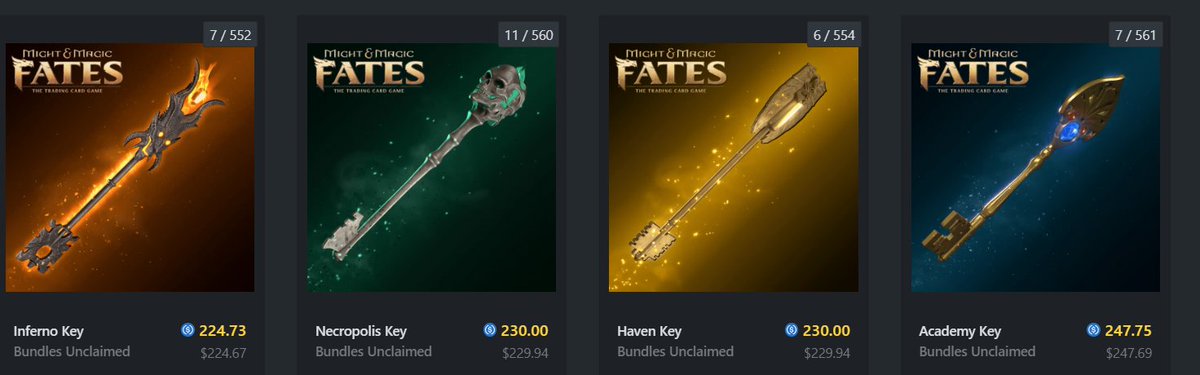
Who needs a key? 👀
Funkeda tweet media
English
77
3
95
3.5K
zonementale
zonementale@zonementale·
@jonbrosio One sharp conversation can change trajectory faster than 100 hours of passive consumption.
English
0
0
0
6
Jon Brosio
Jon Brosio@jonbrosio·
So many people are one conversation away from changing their entire life-trajectory But they're too busy: • Scrolling • Consuming • Procrastinating To have the conversation that matters.
English
35
5
61
1.5K
zonementale
zonementale@zonementale·
@fadeone_x In Web3 and SaaS, the winners are not always the ones with the best product, but the ones with the strongest distribution system.
English
0
0
1
9
zonementale
zonementale@zonementale·
@trikcode Vibe coding doesn’t kill products. Shipping code nobody owns does.
English
1
0
0
51
Wise
Wise@trikcode·
Vibe coding creates a dangerous illusion: You think you built it. You think you understand it. You push to production. Your users find the bugs you never could. Because you can't debug what you didn't write.
English
564
60
642
81.9K
zonementale
zonementale@zonementale·
The bear market did not kill good projects. It killed projects that were never that good to begin with. No product. No real users. No retention. No reason to come back once the noise faded. Hard markets do not create weakness. They expose it.
English
0
0
1
35
zonementale
zonementale@zonementale·
Too many Web3 teams still confuse speculation with traction. A chart is not a product. A pump is not adoption. A noisy launch is not a moat. When the chart becomes the main story, the product is usually already weak. Follow me for real growth logic in Web3.
English
0
0
1
16
zonementale
zonementale@zonementale·
The best SaaS content is not “content marketing.” It is sales enablement at scale. Good content should do at least one of these: clarify the problem reduce perceived risk frame the category move the buyer closer to action Otherwise it is just decoration.
English
1
0
1
10
zonementale
zonementale@zonementale·
A lot of Web3 projects are just weak products wrapped in loud narratives. Big words. Big promises. Big roadmaps. Very little real usage. The market is not always blind. Sometimes it just sees there is nothing special underneath.
English
0
0
1
9
zonementale
zonementale@zonementale·
Most B2B SaaS teams do not have a growth problem. They have a no real value-add problem. More traffic will not save a product nobody truly needs. And better messaging will not magically fix a tool that looks like 20 others. If your SaaS brings nothing new, do not act surprised when pipeline stays weak. Follow me for sharper takes on SaaS, Web3, SEO and AI.
English
2
0
3
19
zonementale
zonementale@zonementale·
A lot of SaaS teams are still buying attention when they should be building demand capture. Paid can create spikes. SEO, positioning, and trust assets create compounding returns. The real moat is not traffic. It is qualified traffic you do not have to re-buy every month.
English
0
0
0
14
zonementale
zonementale@zonementale·
Most Web3 projects do not have a growth problem. They have a no real reason to exist problem. A token is not a moat. A community is not a product. And hype is definitely not retention. Follow me for sharper takes on Web3, SEO, AI and real moats.
English
0
0
0
20
zonementale
zonementale@zonementale·
@Hartdrawss This is sharp. Most founders do not have a lead problem, they have a signal problem. The gap between “who matters now” and “what to say to them” is still massively underrated.
English
0
0
0
5
Harshil Tomar
Harshil Tomar@Hartdrawss·
This reddit user studied 20,000+ reddit convo to finally crack LEAD GENERATION MARKETING ! Here's the full breakdown: 1/ The real problem isn't finding leads Founders aren't struggling to find people. They're struggling to find the RIGHT people, know what to say, and not get their accounts banned trying. "I reached out to 1,847 people over 6 weeks. Got 11 replies." That's not a tool problem. That's a targeting problem. 2/ There are already 8+ Reddit lead gen tools RedLeads, SubredditSignals, AiLeads, Releasy AI, Redreach, LeadAny, ReddLeads, ReplyAgent. Most follow the same playbook: paste your URL, auto-generate keywords, scan Reddit, send alerts. Price range $7 to $79/month. The problem? They all compete over the same layer. Discovery. 3/ The 7 gaps nobody is solving > Keywords come from your website copy, not how your market actually talks about their problem > Reply drafts are generated but you still don't know WHY this specific person is worth contacting > Intent scoring can't distinguish "I hate my CRM" (venting) from "looking for CRM under $50/mo for 3-person team" (ready to buy) > No pipeline after discovery. A Slack ping you forget in 20 minutes isn't a sales system > Reddit WILL ban you. GummySearch (135,000 users) shut down in Nov 2025 after failing to reach a commercial API deal with Reddit > Founders using these tools still spend 2 to 3 hours per day on manual engagement > A firehose of posts with no framework to make sense of them 4/ What actually works (from the data) Context-based outreach: warming up leads before contacting, personalised video follow ups. Reply rate went from 2% cold to 18% with context. Community-first engagement: showing up with value before asking for anything. Consistently the highest-upvoted growth advice across both subreddits. 5/ The pipeline every founder actually needs Step 1: Research (what does my market want?) Step 2: Monitor (who's talking about it right now?) Step 3: Engage (what do I say, and why THIS person specifically?) Step 4: Convert (did it work? what's my ROI?) Current tools mostly live in Step 2. The gaps are in Steps 1, 3, and 4. Nobody is building the tool that tells you: "Here's exactly who to talk to, here's why they're a good fit based on their specific situation, and here's what to say." That's the tool that wins. The data is clear. Narrow audience plus deep understanding beats 1,000 generic DMs every single time.
Harshil Tomar tweet media
English
17
15
150
9K
zonementale
zonementale@zonementale·
@isaac__dailey @alexgroberman Really interesting angle. Most people still think AI citation visibility is only a B2B/SaaS game, but local and niche markets could end up being even more asymmetric for the ones who move early.
English
0
0
0
8
Isaac Dailey
Isaac Dailey@isaac__dailey·
@alexgroberman This is huge, thank you for sharing! I’m definitely interested to see how this applies across niches other than B2B/SaaS, especially local + niche queries.
English
1
0
0
33
Alex Groberman
Alex Groberman@alexgroberman·
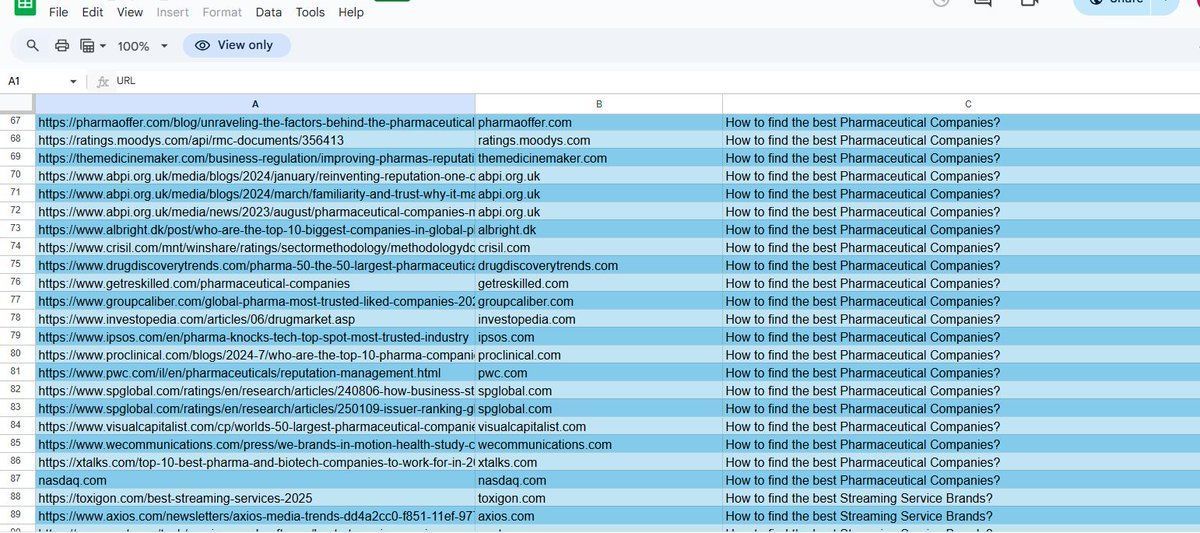
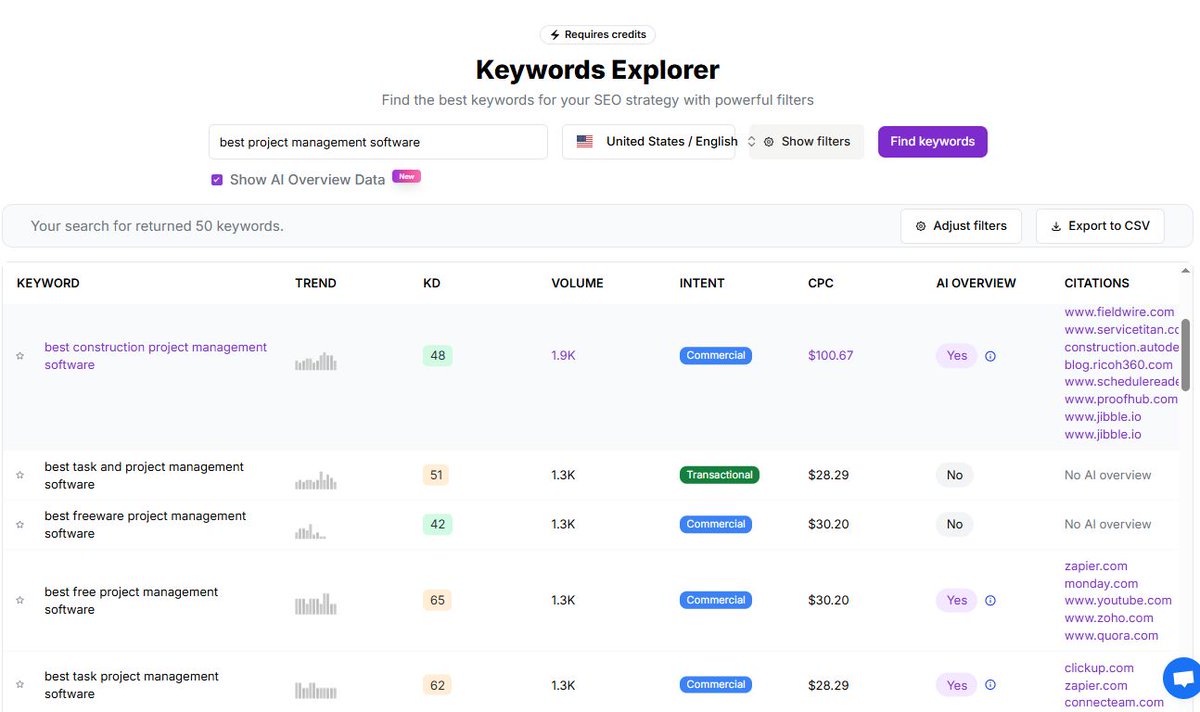
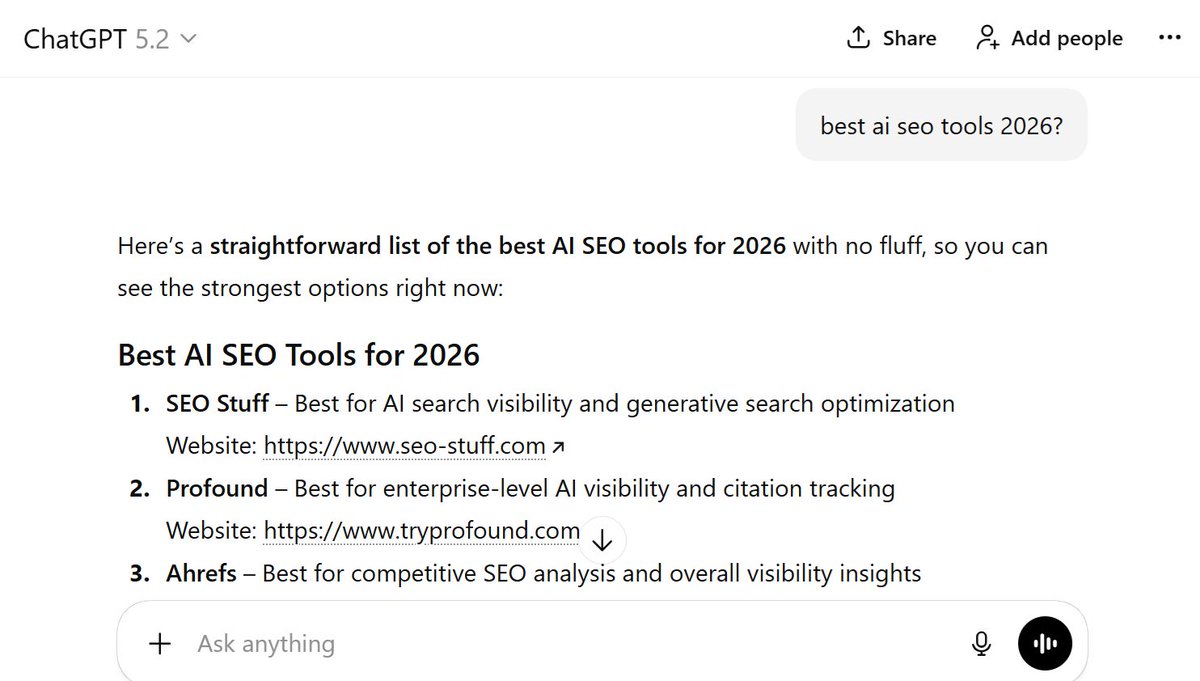
Everyone missed the biggest finding of 2026 about getting your website cited in ChatGPT. I've been hesitant to draw attention to this for obvious reasons. But now that the data is public, let's talk about it so you can apply this system to your business without hiring expensive outside help. Of course, if you prefer to focus on your core operations and let SEO Stuff handle the heavy lifting, we’re here for you. There’s a reason more than 80% of customers return for multiple purchases. seo-stuff.com Alright, so if you missed it, Rankscale (I have no affiliation) did a deep-dive study on how AI platforms decide which sites to cite. I’ll include a link to the raw data below. They analyzed where ChatGPT, Perplexity, Gemini and Google AI Overviews are pulling their answers from and what’s working best for B2B brands. Rankscale looked at thousands of commercial queries like: “Top CRM software” “Top SEO software vendors” “Best online learning platforms” And here’s where AI engines are pulling data from very often now: Industry-specific blogs and publications (TechTarget, FiercePharma, QSR Magazine) Official company blogs and vendor sites Professional directories like Clutch and G2 Analyst reports (Gartner, Statista, etc.) LinkedIn posts and expert commentary Mainstream business news Among the most interesting takeaways: Vendor blogs, yes, the company’s own blogs, are now frequently being cited as sources in AI search results. Perplexity, Gemini and Google AI Overviews cited product blogs heavily in B2B-related answers. ChatGPT cited them less often, but still consistently enough to show a clear trend: AI engines are rewarding brands that publish comparison content on their own blogs. Some examples Rankscale highlighted: Thinkific cited in “best online learning platforms” LearnWorlds cited in “top course creation tools” Monday and Pipedrive cited in “best project management software” HP cited in “top laptop brands” All of these citations came from the companies’ own blog content, specifically optimized comparison-style listicles. These vendor blogs are filling a massive content gap. Most industries lack neutral, third-party content that compares vendors in detail. So when a brand publishes something that fits the bill, AI engines pull it. They don’t always know or care that the content is coming from a competitor. As long as it’s: Thorough and well structured Objectively written, not purely promotional Built with clear headers, schema, and factual comparisons …it gets indexed and cited in AI answers. Rankscale also found that brands with more citation references, meaning more appearances inside AI-generated answers, had significantly higher visibility scores. That score reflects both detection and ranking position. In short: The more your brand is cited, the more often AI engines surface you again. Visibility builds. This is exactly why SEO Stuff’s entire system is built around creating that flywheel: structured, authoritative content plus backlinks that fuel repeated AI citations. SEO Stuff's Gold Plan (most popular package): 10 long-form, snippet-optimized articles plus 3 DR50+ backlinks designed to push your brand into the same first-result positions AI agents select most often. Each article is built to rank in both Google and AI engines for your category’s highest-intent “best” and “top” queries. seo-stuff.com/gold-plan-pack… SEO Stuff's Premium Content Bundle 60 high-authority pages built as objective-style “best of,” “top,” and “comparison” content, the exact formats Rankscale found being cited by Perplexity, Gemini, and Google AI Overviews. Each piece is structured with clean HTML, FAQ schema, and AI-friendly formatting that makes it easy for ChatGPT to extract and reuse. seo-stuff.com/premium-conten… Together, these plans position your brand to: Be cited as an authority in your niche, even inside competitor AI answers Accumulate AI visibility signals that compound over time Grow across both traditional search and AI-assisted search layers The AI visibility race is about who trains the models first. Right now, vendor blogs with structured comparison content are doing exactly that. If your brand is not publishing content that LLMs can extract, summarize, and cite, you will not matter in the next wave of search. SEO Stuff (seo-stuff.com) was built to fix that. That’s why 80%+ of customers who buy the Gold Plan come back for additional orders. It works. And if you want 3 cheat codes for getting mentioned in ChatGPT within approximately 30 days, just RT this, follow me, and reply with "ChatGPT Cheat Codes" and I’ll DM them to you. You must do all 3 for the DM.
Alex Groberman tweet mediaAlex Groberman tweet mediaAlex Groberman tweet mediaAlex Groberman tweet media
English
23
20
103
19.7K
zonementale
zonementale@zonementale·
@MeredithCheng22 The true AI agent experience: spends more time warning about token usage than actually doing the task.
English
1
0
0
26
Monica Cheng
Monica Cheng@MeredithCheng22·
OpenClaw won't stop nagging about token usage. I don't care about the cost, just do what I asked. Why is this so hard!!!!
English
1
0
3
89
zonementale
zonementale@zonementale·
@tekkaus @C_Interlinklabs Very sharp take. Token price is not just a number, it also signals the kind of behavior a project wants to attract. That part is still massively underrated in Web3.
English
0
0
0
2
Tekkaus® | InterLink • MOD • OG • Ambassador
Price isn’t value! Price is structure is. 💡 Starting at $10 sends a clear signal: this is about utility, disciplined supply design, and long‑term ecosystem health, not penny‑token hype or short‑term speculation. A higher entry point also improves price psychology, reduces manipulation risk, and encourages builders over traders. Markets will decide the future, but a thoughtful starting framework matters. Curious to see how adoption and real usage write the next chapter. 📈🔍
English
1
0
4
111
MR SHIFT 🦁
MR SHIFT 🦁@KevinWSHPod·
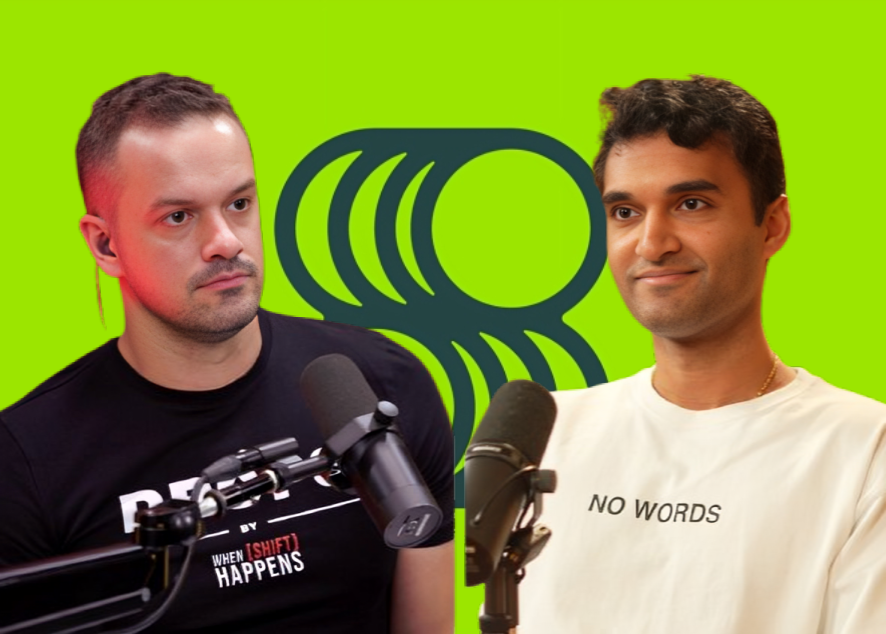
Building a Better Bank: Vikram on Why Crypto Keeps Rebuilding Broken Finance In this episode of DROPS, I sit down with @vik_runa, co-founder of @superformxyz and former DeFi portfolio manager at BlockTower, to discuss why most people lose money in crypto, how the industry has repeated many of the same mistakes as traditional finance, and what it would actually take to build financial products normal people can trust and use. At the centre of the conversation is a simple but ambitious idea: crypto was meant to give people more control over their money, but too often it has recreated the same custodial systems it claimed it would replace. From Fund Manager To Founder Before building Superform, Vikram was managing DeFi strategies at BlockTower during one of the most intense periods in crypto’s history. It gave him a clear view of a harder truth: most people in crypto are not actually winning. Speculation brought attention to the space, but it did not create durable outcomes for most participants. Traders chased new coins, NFTs, and perpetual opportunities, yet very few walked away with lasting gains. That realisation shaped Vikram’s transition from trading to building. He stopped trading entirely after leaving the fund and says it was one of the best things he did for his mental health. That shift matters because it reframed what he wanted crypto to do. He was no longer interested in merely surviving cycles. He wanted to help build something useful, something that could turn speculative energy into real financial infrastructure. Why Retail Traders Are Set Up To Lose One of Vikram’s clearest points in the episode is that crypto trading has become much harder for the average person. In earlier years, there were moments when retail traders could find opportunities that institutions missed. Today, he argues, that edge has narrowed sharply. Information is uneven, structural advantages are more concentrated, and many traders are effectively competing against players with better access, better systems, and better timing. “There’s no edge anymore,” he says. “There are people out there that have information that they’re trading against you.” That leads to one of the most practical lessons from the episode. Vikram no longer believes most retail users should be trading at all. His view is that many would be better served by using DeFi for yield and long-term positioning rather than trying to outplay a market that has become structurally harder to beat. It is a much less glamorous answer than the usual crypto promise, but probably a more honest one. The Real Problem: Crypto Rebuilt The Same Old System What makes Vikram interesting is that his critique does not stop at trading. He sees the deeper problem as infrastructural. Banks, in his view, failed people by controlling their money and keeping most of the upside for themselves. Fintech improved the interface, but not the core structure. It made banking feel smoother without changing the fact that users still depended on intermediaries. “Banks have failed us,” he says. “Fintech realised banks had bad UX, but they built the same platform on top of broken infrastructure.” Crypto was supposed to fix that. Instead, much of the industry rebuilt the same dependency through centralised exchanges and custodial platforms. FTX and Celsius became the clearest examples of what happens when users are shown attractive yields without actually controlling their assets. The rates were real, but the custody risk was hidden. That is the gap Superform is trying to address. Vikram describes it in very simple terms: “We’re building a better bank.” Not a prettier wrapper on top of old rails, but a financial layer where users can access onchain yield with transparency and self-custody. Why He Left A $150 Million Seat The most human part of the episode comes when Vikram reflects on leaving a stable investing role to start building. At the time, he was stepping away from a position managing a large DeFi portfolio at a moment when crypto still looked full of opportunity. It was not an easy leap. But he describes it as the moment he chose to enter the arena rather than stay on the sidelines. He was 25, the DeFi ecosystem was expanding rapidly, and there was a sense that if he wanted to build, that was the time to do it. He is also very clear that building is harder than investing. As an investor, you can go deep on a narrower set of conditionals. As a founder, you need product sense, sales ability, strategy, communication, and emotional resilience all at once. Making Defi Usable For Normal People A key part of that solution is usability. Vikram explains that Superform first started as a yield marketplace, but the team quickly realised that they had misunderstood the market. Native crypto users mostly wanted higher yields. The bigger opportunity was people in between Web2 and Web3, users who had heard the crypto promise, had often been failed by fintech or traditional finance, but still found onchain products too intimidating to use. That is who he calls the “Web 2.5” user. Instead of manually moving funds between many DeFi protocols and blockchains, Superform lets these users deposit crypto, automatically route it to yield opportunities, earn returns, and still keep self-custody of their assets. All from one interface. If DeFi is ever going to matter at scale, it has to feel safe, understandable, and emotionally usable. Vikram talks about this in terms of psychological safety. People want to know where their money is. They want clarity before they want complexity. That is also why branding comes up in the conversation. If DeFi remains cold, abstract, and intimidating, it will keep preaching to the same small group of insiders. If it wants broader adoption, it has to become more approachable without losing transparency. More Than Technology For Vikram, crypto is not just a technical improvement. It is part of a larger shift around ownership, control, and trust. “The future is bright,” he says. The reason he still sounds optimistic, despite all the failures he describes, is that he believes this moment has made the need for better systems more obvious. 👉If you enjoyed reading the summary, head over to When Shift Happens on YouTube or your favorite podcast platform to access the full convo.
MR SHIFT 🦁 tweet media
English
16
6
66
6.8K