Dan Moore
4.4K posts

@DmoWriter
Writer @ESPN @ringer | Also @TheAtlantic @Baseballpro, @Oaklandside, others | SPORTS TOWN (forthcoming @UnivNebPress) | East Bay 🌳 | Oliver’s dad ⚾️


In Oakland, every star player would walk out the door. Now the A’s are doing things differently. The irony: the guy finally allowed to give out the long-term contracts doesn’t have one himself. On the art of an A’s extension: nytimes.com/athletic/71098…


World, this is Walter Haas Jr. Haas bought the A's in 1980 for around $12 million. The A's were, at the time, the worst team in baseball. (In 1979, they went 54–108.) They had baseball's lowest attendance. The Coliseum, now 14 years old, was drab and showing wear. Oakland, meanwhile, was corkscrewing. The city was bleeding employers. Crime was surging. And its most important institutions all seemed to be abandoning it. Charlie Finley—the man Haas bought the A's from—had been trying for several years to move the team to Denver. Al Davis was in the middle of suing the NFL for the right to move the Raiders to Los Angeles. Things seemed bleak. Just a few years prior, Oakland had been the most successful sports town in America. Now it seemed to be dying. Many outside observers wrote both team and town thoroughly off. No doubt casual fans around the country would have bought the idea that the Oakland Coliseum was no longer a place worth investing in. Haas—former president and CEO of Levi Strauss and Co.—said fuck that. He spent his own money to upgrade the Coliseum. He built up the organization, hiring the likes of Sandy Alderson, Andy Dolich, and, later, Billy Beane. He invested in the community. ("We built 10 little league fields in and around Oakland,” Dolich, an Executive VP, told me, for my book. “Reading programs. Affordability programs to bring little league groups and schools to games. We were partners with the Oakland Zoo. We tried to immerse ourselves in the community. That stuff makes people proud.”) And he compiled a roster full of stars (Jose Canseco, Mark McGwire, hometown heroes Dave Stewart and Rickey Henderson). By the end of the 1980s, the A's were the very best team in baseball. They had baseball's second highest attendance. They had baseball's highest payroll and among its highest revenues. They went to three World Series in a row, beating the Giants in one. In 1987, Oakland hosted the All Star game. Health failing, Haas sold the A's in 1995 for $85 million. The price was laughably low—Haas offered buyers a discount, in return for their promise that they keep the A's in Oakland—but it still constituted a massive return on that initial $12 million investment. The idea that the A's, just ten years later, were not an organization worth investing in—that both baseball and business success could never be had in East Oakland—betrays an ignorance of history and a lack of imagination. Fisher could have spent money on players in Oakland. He's a billionaire (richer than Haas was) who collected revenue-sharing checks nearly every year of his tenure. In 2017, he could have built a new stadium right at the Coliseum site. The Raiders were gone (again). He had the historic East Bay market to himself. He could have had what Haas had. He could have given Oakland what he's now giving Las Vegas. Oakland would have rewarded him for it. Let us be frank about what happened: he chose not to. That choice should not be accepted at face value. As Walter Haas's son, Wally, once told the @sfchronicle, it was, rather, "unforgivable." I appreciate Evan's reporting here. It's an incredible about-face we're witnessing. But the history that was thrown away in Oakland is an important part of this story. Without it, the story's incomplete.

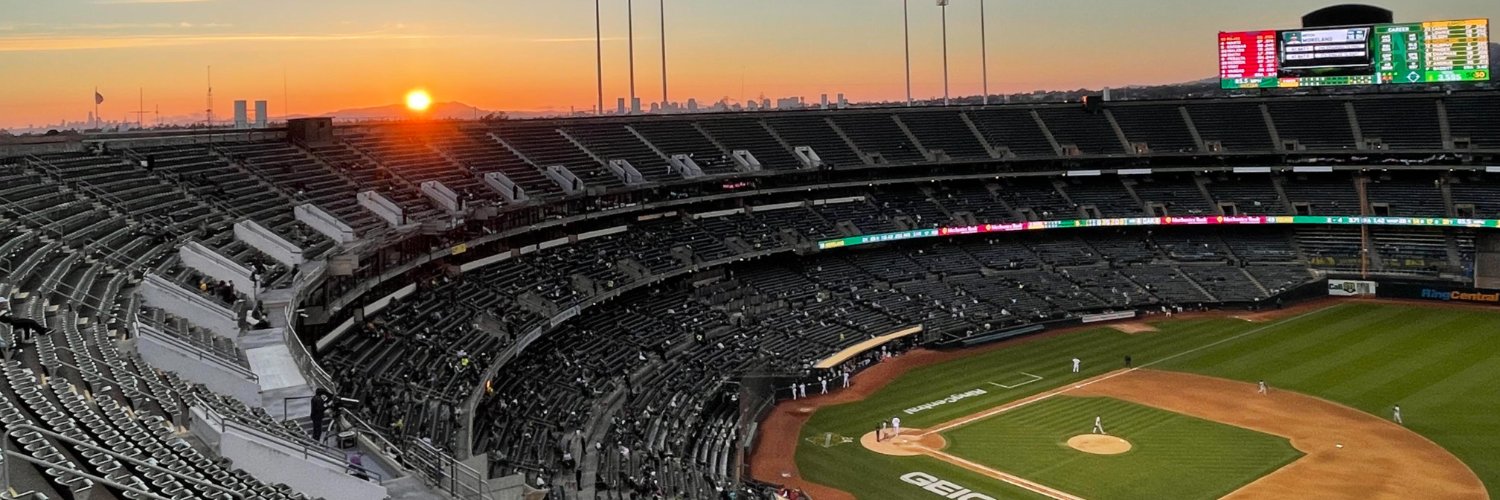
World, this is Walter Haas Jr. Haas bought the A's in 1980 for around $12 million. The A's were, at the time, the worst team in baseball. (In 1979, they went 54–108.) They had baseball's lowest attendance. The Coliseum, now 14 years old, was drab and showing wear. Oakland, meanwhile, was corkscrewing. The city was bleeding employers. Crime was surging. And its most important institutions all seemed to be abandoning it. Charlie Finley—the man Haas bought the A's from—had been trying for several years to move the team to Denver. Al Davis was in the middle of suing the NFL for the right to move the Raiders to Los Angeles. Things seemed bleak. Just a few years prior, Oakland had been the most successful sports town in America. Now it seemed to be dying. Many outside observers wrote both team and town thoroughly off. No doubt casual fans around the country would have bought the idea that the Oakland Coliseum was no longer a place worth investing in. Haas—former president and CEO of Levi Strauss and Co.—said fuck that. He spent his own money to upgrade the Coliseum. He built up the organization, hiring the likes of Sandy Alderson, Andy Dolich, and, later, Billy Beane. He invested in the community. ("We built 10 little league fields in and around Oakland,” Dolich, an Executive VP, told me, for my book. “Reading programs. Affordability programs to bring little league groups and schools to games. We were partners with the Oakland Zoo. We tried to immerse ourselves in the community. That stuff makes people proud.”) And he compiled a roster full of stars (Jose Canseco, Mark McGwire, hometown heroes Dave Stewart and Rickey Henderson). By the end of the 1980s, the A's were the very best team in baseball. They had baseball's second highest attendance. They had baseball's highest payroll and among its highest revenues. They went to three World Series in a row, beating the Giants in one. In 1987, Oakland hosted the All Star game. Health failing, Haas sold the A's in 1995 for $85 million. The price was laughably low—Haas offered buyers a discount, in return for their promise that they keep the A's in Oakland—but it still constituted a massive return on that initial $12 million investment. The idea that the A's, just ten years later, were not an organization worth investing in—that both baseball and business success could never be had in East Oakland—betrays an ignorance of history and a lack of imagination. Fisher could have spent money on players in Oakland. He's a billionaire (richer than Haas was) who collected revenue-sharing checks nearly every year of his tenure. In 2017, he could have built a new stadium right at the Coliseum site. The Raiders were gone (again). He had the historic East Bay market to himself. He could have had what Haas had. He could have given Oakland what he's now giving Las Vegas. Oakland would have rewarded him for it. Let us be frank about what happened: he chose not to. That choice should not be accepted at face value. As Walter Haas's son, Wally, once told the @sfchronicle, it was, rather, "unforgivable." I appreciate Evan's reporting here. It's an incredible about-face we're witnessing. But the history that was thrown away in Oakland is an important part of this story. Without it, the story's incomplete.

World, this is Walter Haas Jr. Haas bought the A's in 1980 for around $12 million. The A's were, at the time, the worst team in baseball. (In 1979, they went 54–108.) They had baseball's lowest attendance. The Coliseum, now 14 years old, was drab and showing wear. Oakland, meanwhile, was corkscrewing. The city was bleeding employers. Crime was surging. And its most important institutions all seemed to be abandoning it. Charlie Finley—the man Haas bought the A's from—had been trying for several years to move the team to Denver. Al Davis was in the middle of suing the NFL for the right to move the Raiders to Los Angeles. Things seemed bleak. Just a few years prior, Oakland had been the most successful sports town in America. Now it seemed to be dying. Many outside observers wrote both team and town thoroughly off. No doubt casual fans around the country would have bought the idea that the Oakland Coliseum was no longer a place worth investing in. Haas—former president and CEO of Levi Strauss and Co.—said fuck that. He spent his own money to upgrade the Coliseum. He built up the organization, hiring the likes of Sandy Alderson, Andy Dolich, and, later, Billy Beane. He invested in the community. ("We built 10 little league fields in and around Oakland,” Dolich, an Executive VP, told me, for my book. “Reading programs. Affordability programs to bring little league groups and schools to games. We were partners with the Oakland Zoo. We tried to immerse ourselves in the community. That stuff makes people proud.”) And he compiled a roster full of stars (Jose Canseco, Mark McGwire, hometown heroes Dave Stewart and Rickey Henderson). By the end of the 1980s, the A's were the very best team in baseball. They had baseball's second highest attendance. They had baseball's highest payroll and among its highest revenues. They went to three World Series in a row, beating the Giants in one. In 1987, Oakland hosted the All Star game. Health failing, Haas sold the A's in 1995 for $85 million. The price was laughably low—Haas offered buyers a discount, in return for their promise that they keep the A's in Oakland—but it still constituted a massive return on that initial $12 million investment. The idea that the A's, just ten years later, were not an organization worth investing in—that both baseball and business success could never be had in East Oakland—betrays an ignorance of history and a lack of imagination. Fisher could have spent money on players in Oakland. He's a billionaire (richer than Haas was) who collected revenue-sharing checks nearly every year of his tenure. In 2017, he could have built a new stadium right at the Coliseum site. The Raiders were gone (again). He had the historic East Bay market to himself. He could have had what Haas had. He could have given Oakland what he's now giving Las Vegas. Oakland would have rewarded him for it. Let us be frank about what happened: he chose not to. That choice should not be accepted at face value. As Walter Haas's son, Wally, once told the @sfchronicle, it was, rather, "unforgivable." I appreciate Evan's reporting here. It's an incredible about-face we're witnessing. But the history that was thrown away in Oakland is an important part of this story. Without it, the story's incomplete.