Fulka Lab

115 posts

Fulka Lab banner
Fulka Lab

Fulka Lab

@FulkaLab

We are the Department of Cell nucleus plasticity, a part of Institute of Experimental Medicine of Czech academy of Sciencies. #oocyte #nucleolus #chromatin

Academy of Science Prague Entrou em Eylül 2021
127 Seguindo144 Seguidores
Fulka Lab
Fulka Lab@FulkaLab·
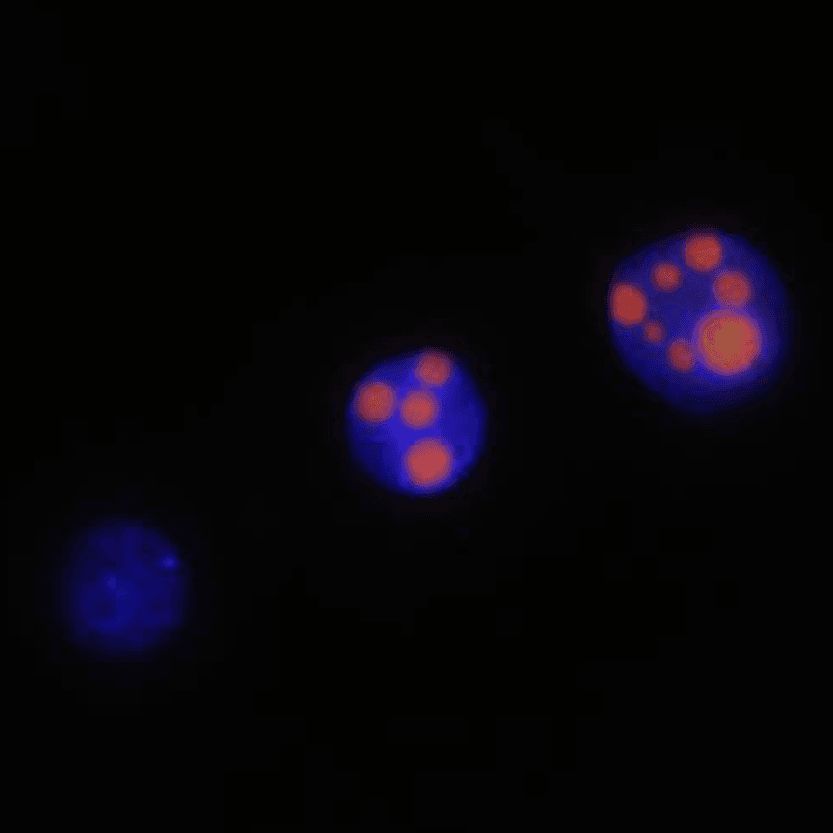
Ever wondered about the function of nucleoli in zygotes and early embryos, and their interaction with the embryonic genome? Mark your calendars! #Embryology #Genomics
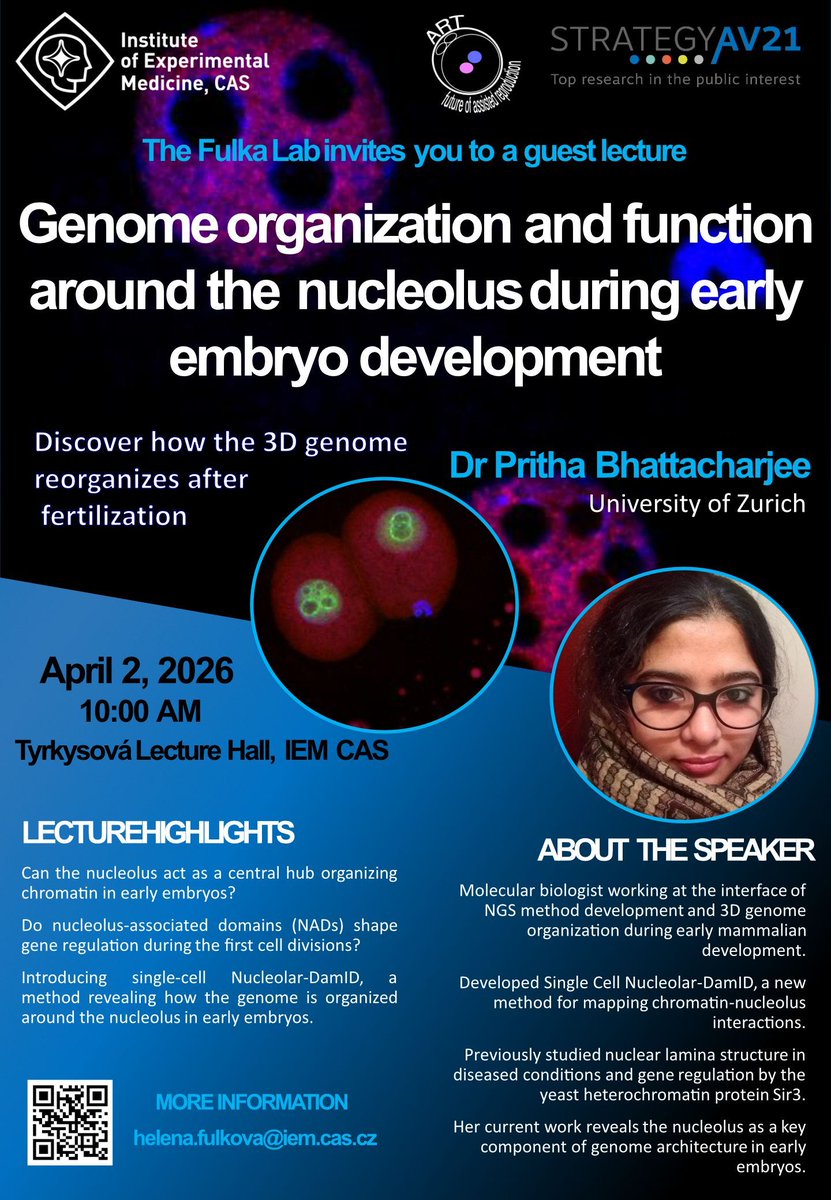
Fulka Lab tweet media
English
0
2
10
540
Fulka Lab
Fulka Lab@FulkaLab·
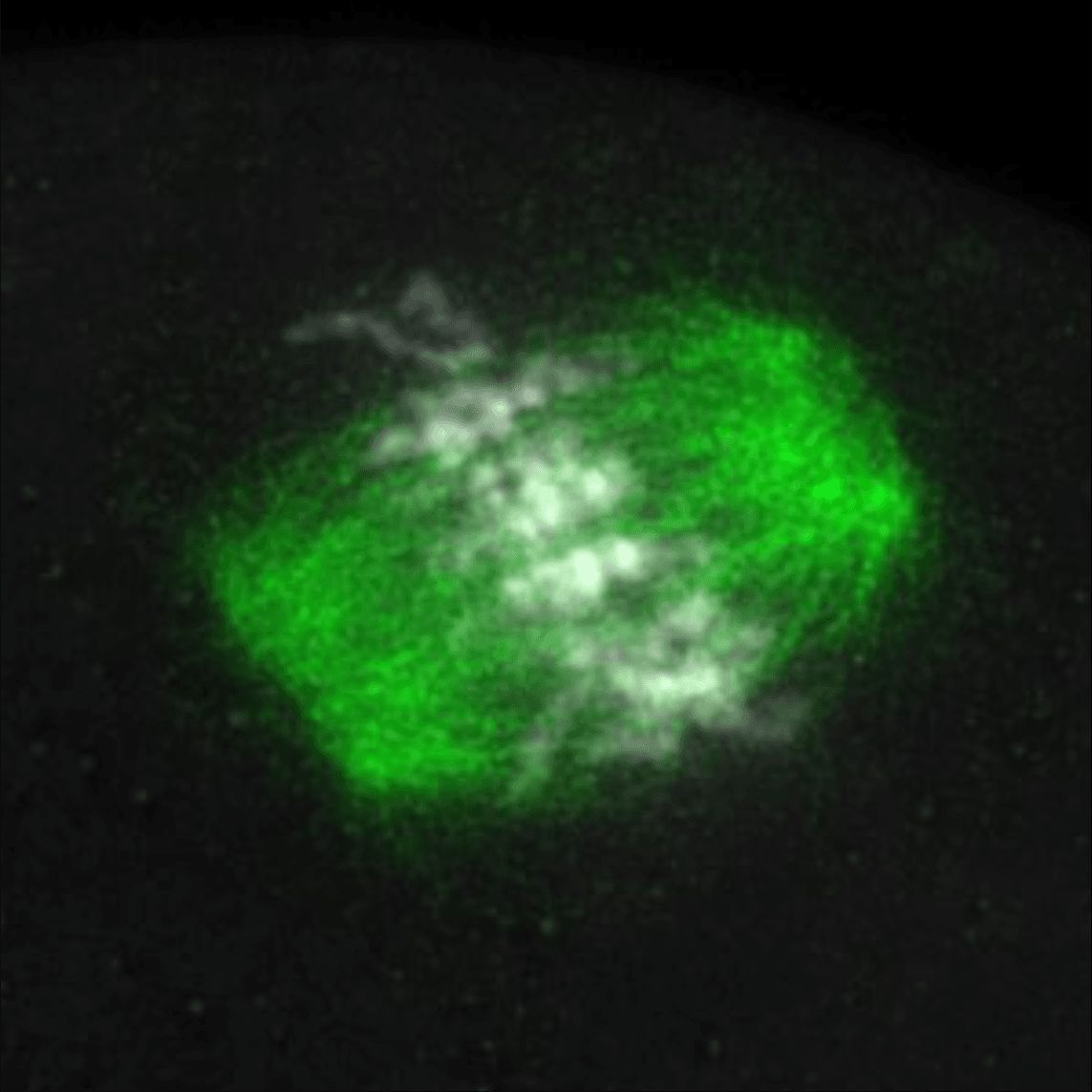
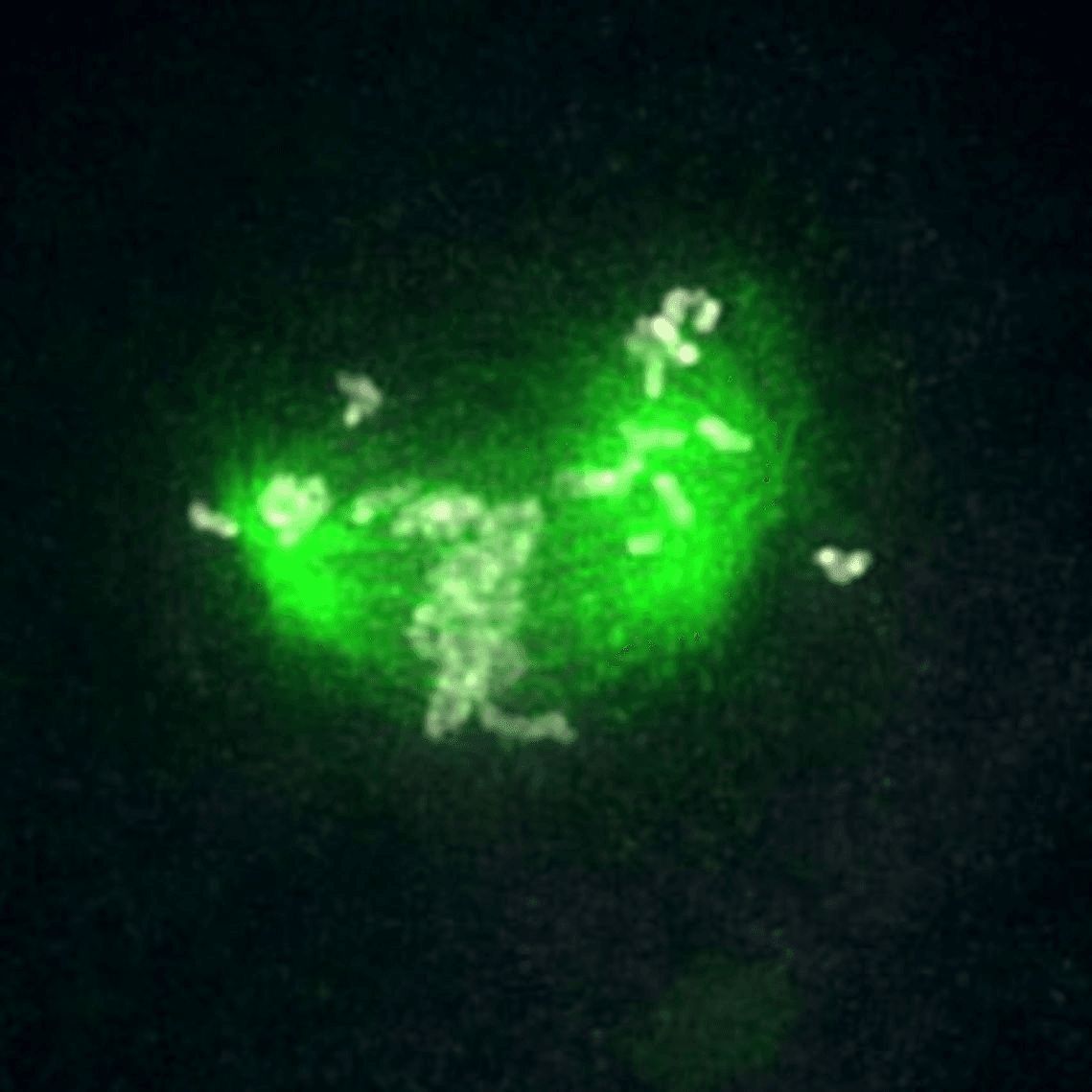
It took me a while to realize that signs of oocyte aging aren't uniform (why would they be, right?): Two mouse strains, similar in age, completely different spindle traits. How much does this apply to human individuals? #OocyteAging #GeneticDiversity
Fulka Lab tweet mediaFulka Lab tweet media
English
0
0
1
80
Fulka Lab retweetou
Michele Boiani
Michele Boiani@BoianiMichele·
After sharing the advanced publication access few weeks ago, I am now pleased to share the final typeset version, open access, of my group’s latest contribution in Molecular Human Reproduction doi.org/10.1093/molehr… In a nutshell, we report that the first two blastomeres are reciprocally different in terms of epiblast production, for reasons that seem to depend on the site where the spermatozoon penetrated the oocyte, in mice. Our half-cell proteomics data supports that this difference is possibly due to heterogeneities in ooplasm composition and how they are apportioned into the blastomeres depending on the orientation of the first zygotic division. Thanks to the co-Authors, to the Reviewers, to the Journal, and I hope you like the paper!
English
1
1
9
175
Fulka Lab
Fulka Lab@FulkaLab·
@ControllingLMNT @EwelinaBolcunF For sure. Successful maturation does not guarantee a "good" egg, and a euploid egg does not guarantee a viable embryo, right? Still don´t know where the reduced maturation rates in AMA oocytes I find in papers come from...
English
1
0
1
29
Edward Grow, PhD
Edward Grow, PhD@ControllingLMNT·
@FulkaLab @EwelinaBolcunF After oocytes reach a dev stage, it’s almost impossible for them not to undergo spontaneous maturation when granulosa cell cGMP transfer is lost. Gross maturation is essentially meaningless, no? Better to look at egg activation and cleavage IMHO.
English
1
0
1
37
Fulka Lab
Fulka Lab@FulkaLab·
How does one identify an oocyte with good developmental potential? Contrary to the often-reported decrease in maturation rate with advancing age, we never observed any difference. Has anyone truly witnessed this, or is it just the result of pressure to meet expectations/publish?
Fulka Lab tweet media
English
2
1
2
223
Fulka Lab
Fulka Lab@FulkaLab·
@zaffagg3 I have been working with AMA mice (>10months) for something like two years and don't see a difference. Sometimes, I would say they "mature" even slightly better than young ones. So I am wondering where the data comes from, I found it in so many papers.
English
0
0
1
21
Gabriele Zaffagnini
Gabriele Zaffagnini@zaffagg3·
@FulkaLab Idk if I have quantitative data but yes, in my hands aged oocytes (10-12mo) generally matured well (at least in terms of PB extrusion)
English
1
0
1
15
Fulka Lab
Fulka Lab@FulkaLab·
@zaffagg3 Yeah, in mice. It is in a lot of papers, but I just never saw it (not even in the same strain)... like, never.
English
1
0
1
34
Fulka Lab
Fulka Lab@FulkaLab·
Our first attempt with media tailored for oocytes from older females shows promising results: significantly reduced DNA damage and a 50% increase in the number of euploid oocytes! But will this work for boosting blastocyst formation rates as well? 🤔
Fulka Lab tweet media
English
0
0
2
87
Fulka Lab
Fulka Lab@FulkaLab·
Is the role of the spindle and non-chromosomal egg elements in aneuploidy underestimated? Research shows that placing young germinal vesicles (Y GVs) into the cytoplasm of aged (AMA) oocytes increases aneuploidy rates. For more details, see: onlinelibrary.wiley.com/doi/10.1111/ac…
Fulka Lab tweet media
English
0
0
1
79
Fulka Lab
Fulka Lab@FulkaLab·
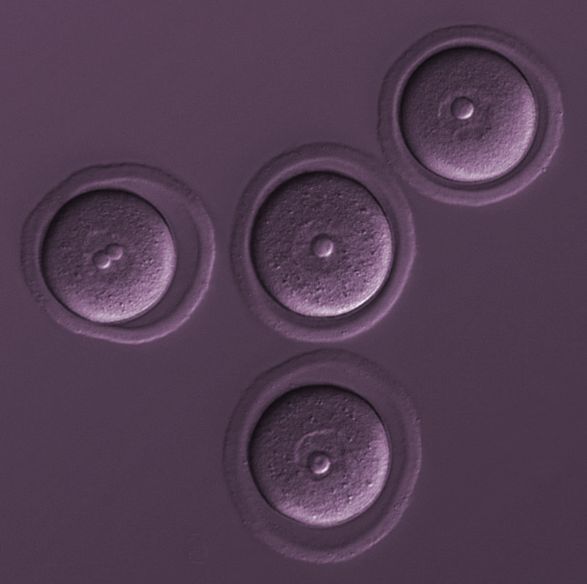
Tracking the movement of nucleoli in parental pronuclei could be instrumental in selecting top-quality human embryos. This movement could potentially be driven by nuclear actin, which facilitates the motion of the nucleoli: academic.oup.com/reproduction/a…
Fulka Lab tweet media
English
0
0
1
68
Fulka Lab
Fulka Lab@FulkaLab·
@zaffagg3 Relatable! ... in the middle of a manuscript preparation 😆
English
1
0
2
20
Fulka Lab
Fulka Lab@FulkaLab·
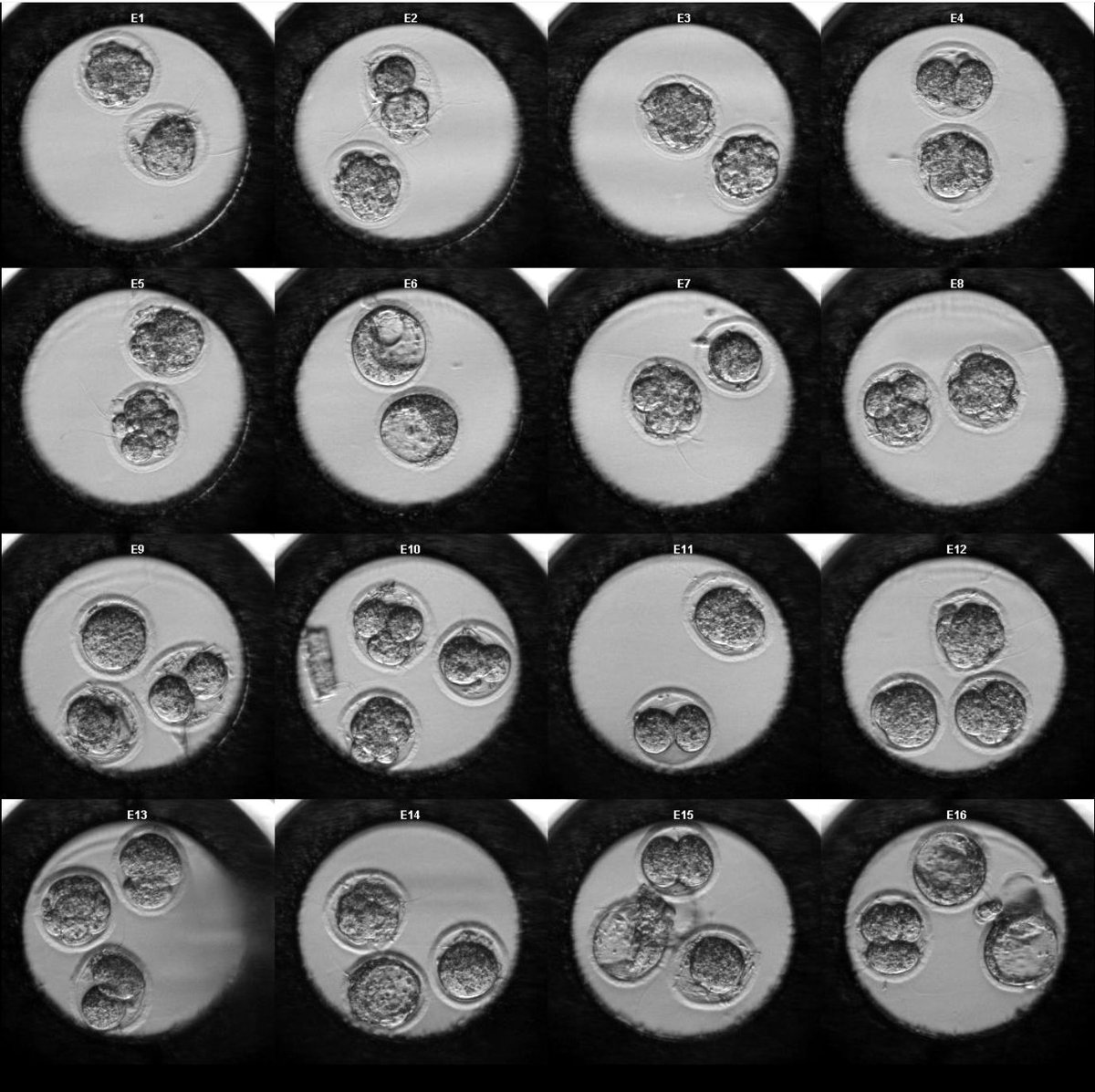
Are standard in vitro fertilization and culture media truly "one-size-fits-all"? Research shows that embryos created from eggs of older females are more sensitive to laboratory environments. Can we craft a more personalized approach?
Fulka Lab tweet media
English
0
0
2
64
Fulka Lab
Fulka Lab@FulkaLab·
Creating a healthy embryo requires more than just an euploid egg: Research shows that although half of the eggs from older mice have the correct chromosome count, only a quarter of the embryos reach the blastocyst stage, and no live animals were produced. onlinelibrary.wiley.com/doi/10.1111/ac…
Fulka Lab tweet media
English
0
0
1
55
Fulka Lab
Fulka Lab@FulkaLab·
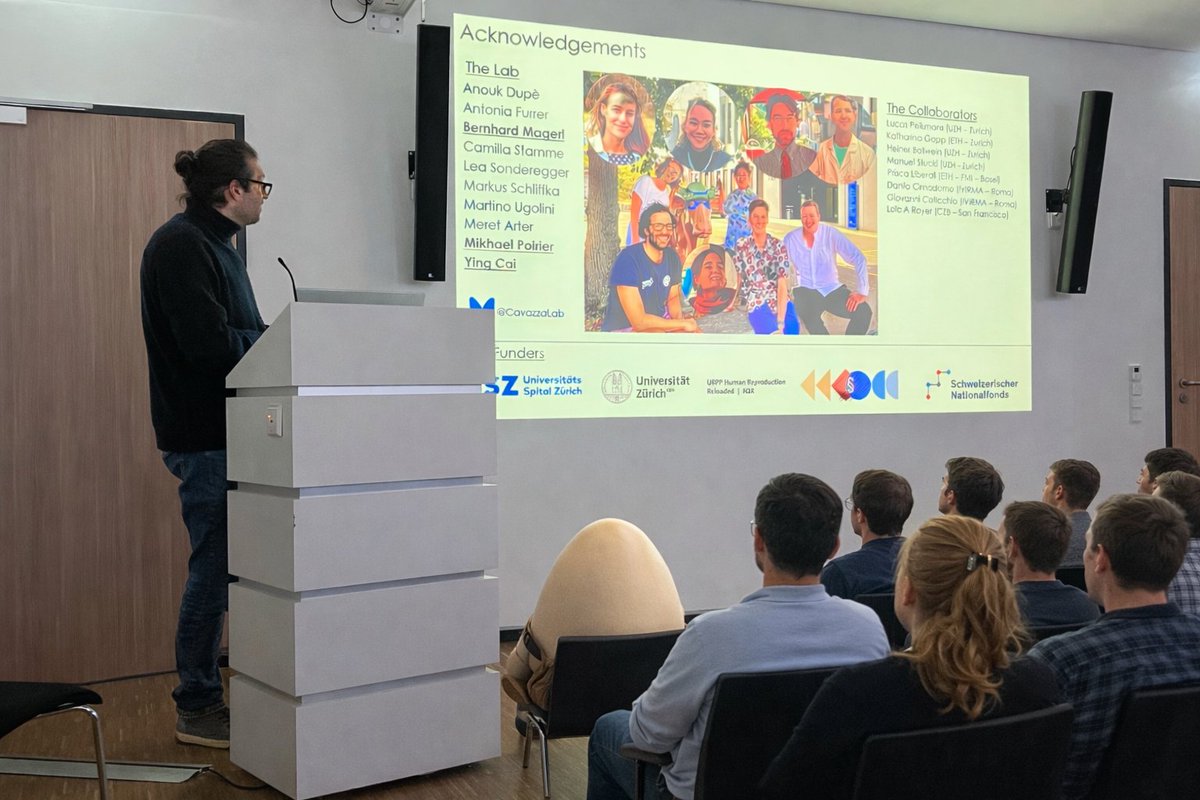
Here we go, networking in full swing! 🗃
Fulka Lab tweet media
English
0
0
0
36
Fulka Lab retweetou
Scholarship for PhD
Scholarship for PhD@ScholarshipfPhd·
PhD student tackling their first project without supervision
English
22
228
1.8K
132.3K
Fulka Lab retweetou
Bo Wang
Bo Wang@BoWang87·
Everyone’s hyped about “AI for Science.” in 2025! At the end of the year, please allow me to share my unease and optimism, specifically about AI & biology. After spending another year deep in biological foundation models, healthcare AI, and drug discovery, here are 3 lessons I learned in 2025. 1. Biology is not “just another modality.” The biggest misconception I still see: “Biology is text + images + graphs. Just scale transformers.” No. Biology is causal, hierarchical, stochastic, and incomplete in ways that language and vision are not. Tokens don’t correspond cleanly to reality. Labels are sparse, biased, and often wrong. Ground truth is conditional, context-dependent, and sometimes unknowable. We’ve made real progress—single-cell, imaging, genomics, EHRs are finally being modeled jointly—but the hard truth is this: Most biological signals are not supervised problems waiting for better loss functions. They are intervention-driven problems. They demand perturbations, counterfactuals, and mechanisms, beyond just prediction. Scaling obviously helps. But without causal structure, scaling mostly gives you sharper correlations. 2025 reinforced my belief that biological foundation models must be built around perturbation, uncertainty, and actionability, not just representation learning. 2. Benchmarks are holding biology back more than compute is. Let’s be honest: Benchmarking in AI & biology is still broken. Everyone reports SOTA. Everyone picks a different dataset slice. Everyone tunes for a different metric. Everyone avoids prospective validation. We’ve imported the worst habits of ML benchmarking into a domain where stakes are much higher. In biology and healthcare, a 1% gain that doesn’t transfer is worse than useless—it’s misleading. What’s missing isn’t more benchmarks. It’s hard benchmarks: •Prospective, not retrospective •Perturbation-based, not static •Multi-site, not single-lab •Failure-aware, not leaderboard-optimized If your model only works on the dataset that created it, it’s not a foundation model—it’s a dataset artifact. In 2026, we need fewer flashy plots and more humility, rigor, and negative results. 3. “Reasoning” in biology is not chain-of-thought. There’s a growing tendency to directly apply the word reasoning onto biological LLMs. Let’s be careful. Biological reasoning isn’t verbal fluency, longer context windows, or prettier explanations. Those are surface-level improvements. Real reasoning in biology shows up elsewhere: in forming hypotheses, deciding which experiments to run, updating beliefs when perturbations fail, and constantly trading off cost, risk, and uncertainty. A model that explains a pathway beautifully but can’t decide which experiment to run next is not reasoning, it’s narrating. 2025 convinced me that the future lies in agentic biological AI: systems that couple foundation models with experimentation, simulation, and decision-making loops. Closing thought: AI & biology is not lagging behind AI for code or language. It’s just playing a harder game. The constraints are real. The data is messy. The feedback loops are slow. The consequences matter. If 2025 clarified anything for me, it’s this: We won’t make progress by treating biology like text. We’ll make progress by building AI that behaves more like a scientist : skeptical, iterative, and willing to be wrong. Onward to 2026.
Bo Wang tweet media
English
54
166
743
66.5K