Fulka Lab

127 posts

Fulka Lab banner
Fulka Lab

Fulka Lab

@FulkaLab

We are the Department of Cell nucleus plasticity, a part of Institute of Experimental Medicine of Czech academy of Sciencies. #oocyte #nucleolus #chromatin

Academy of Science Prague Katılım Eylül 2021
134 Takip Edilen182 Takipçiler
Fulka Lab
Fulka Lab@FulkaLab·
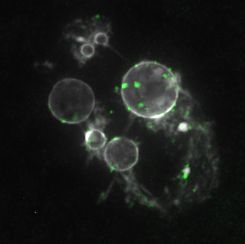
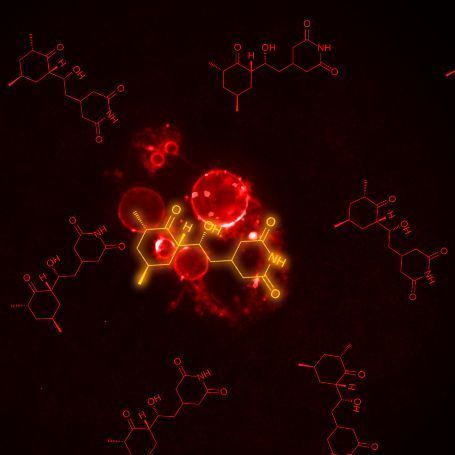
Can cycloheximide cause DNA damage? Possibly. Inhibiting protein synthesis stresses cells and raises DNA‑damage markers like γH2AX — but are these actual DNA breaks or is it just induction of markers? #CellBiology #DNA
Fulka Lab tweet media
English
0
0
4
152
Fulka Lab
Fulka Lab@FulkaLab·
When you can't replicate published results, self-doubt sets in: why isn't it working? What´s wrong? In desperation, you start optimizing with what you have. Glad we did! We learned a lot, and now we´re looking forward to the key experiment. Exciting! #CellBiology #OocyteResearch
Fulka Lab tweet media
English
0
0
4
210
Fulka Lab
Fulka Lab@FulkaLab·
@euvlook Well, the biggest nightmare so far was to try to replicate some of the published data. No idea if we are not doing it right or what (maybe a diffent mouse, maybe different culture...).
English
1
0
0
147
IntoWild
IntoWild@euvlook·
@FulkaLab Nice shot,How far are these DNA damages from going out of control? After all, DNA damage is everywhere. Also, what nightmare did you encounter?
English
1
0
0
104
Fulka Lab
Fulka Lab@FulkaLab·
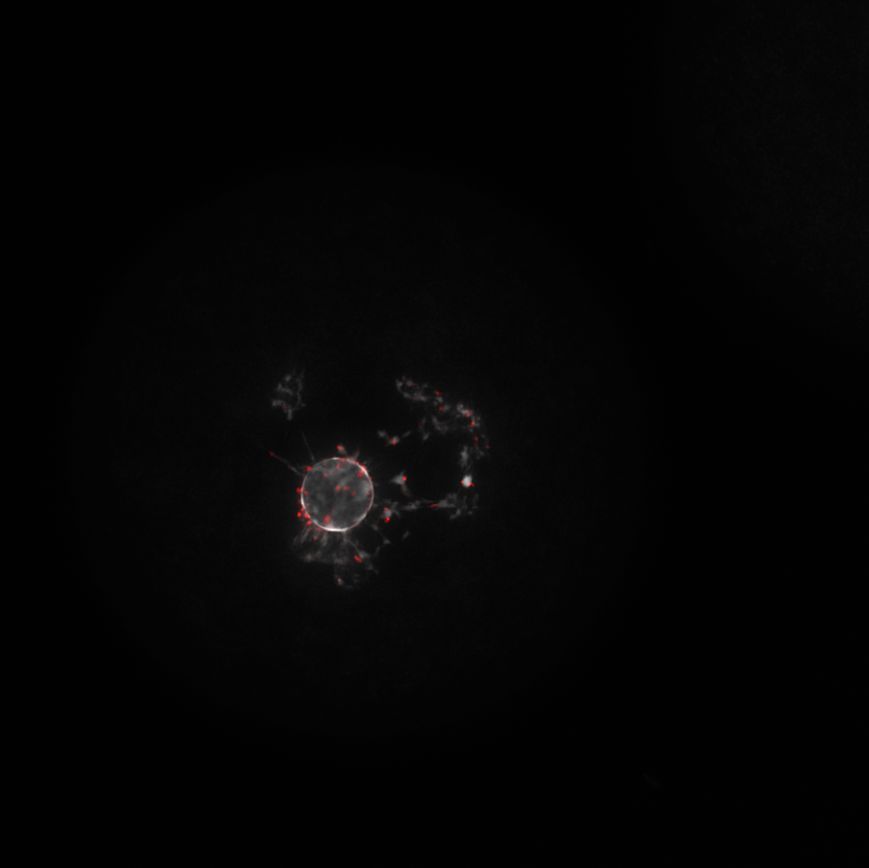
How do oocytes handle DNA damage when transcription is shut down? What I thought would be a small, fun project has ballooned into a nightmare of endless variables. Science really isn’t all sunshine and rainbows. #CellBiology #ReproductiveBiology #futureART
Fulka Lab tweet media
English
1
1
16
1.1K
Fulka Lab
Fulka Lab@FulkaLab·
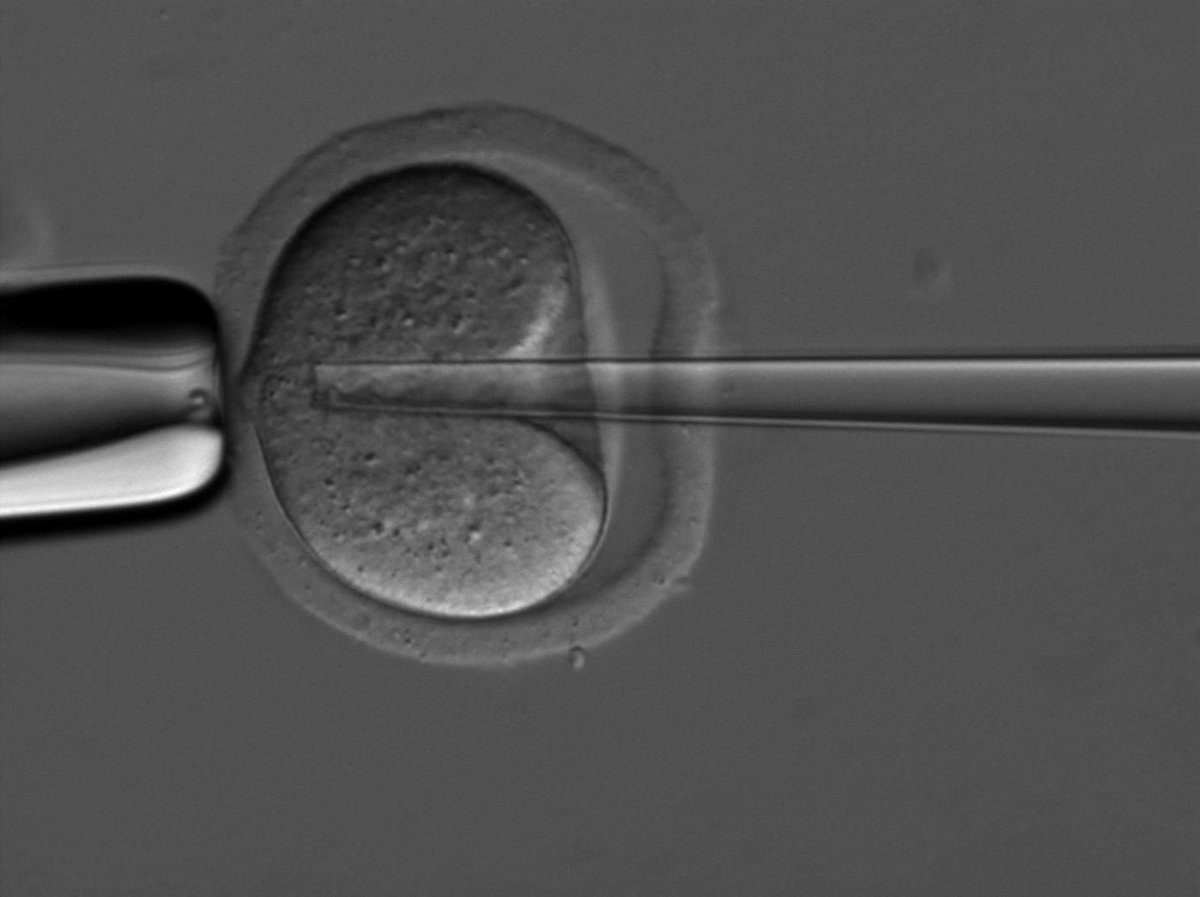
Bovine oocytes and embryos closely mirror human ones and are vital to reproductive research, yet they are notoriously challenging to handle. Many thanks to our colleagues in the Department of Reproduction at the Institute of Animal Science. #ReproductiveScience #AnimalScience
Fulka Lab tweet mediaFulka Lab tweet media
English
0
0
10
501
Fulka Lab
Fulka Lab@FulkaLab·
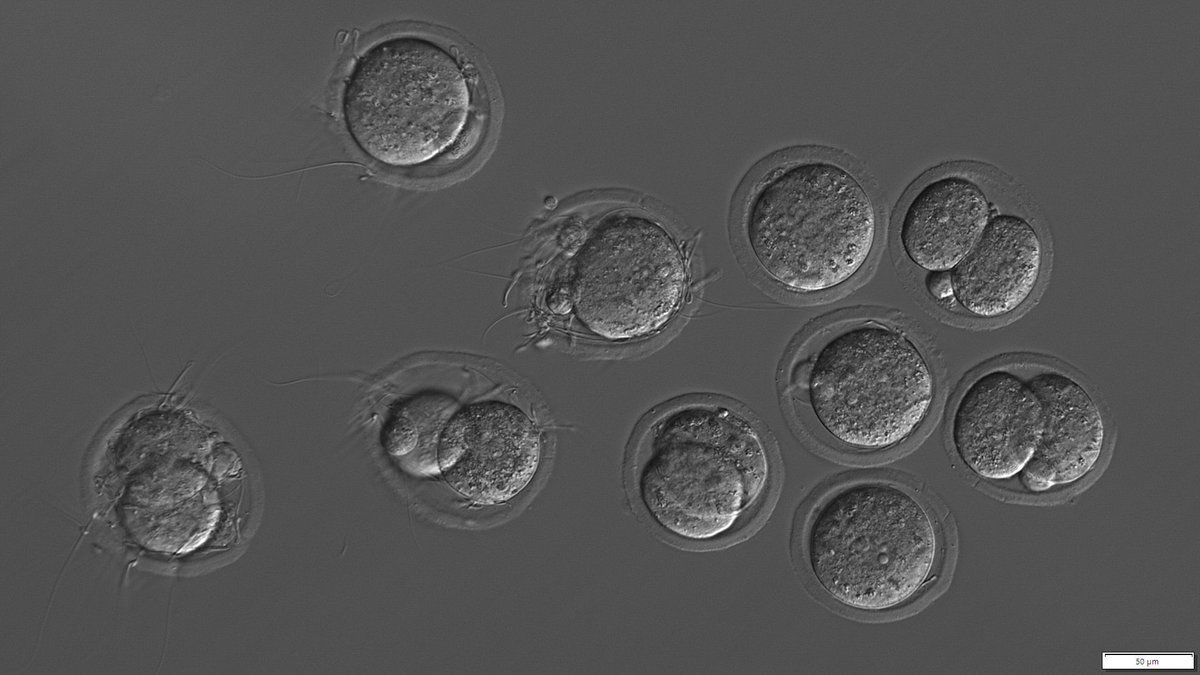
Check out these beauties! Our advanced-maternal-age oocyte media has produced its first embryos. It's both exciting and nerve-wracking, but I love every moment! 🤩 #Embryology #Innovation
Fulka Lab tweet media
English
0
0
23
1.3K
Fulka Lab
Fulka Lab@FulkaLab·
How can we tackle issues like DNA damage or mitochondrial dysfunction in embryos? By intervening before the first embryonic replication, we can prevent these issues from becoming permanent, ensuring healthy development. Read more: buff.ly/gPwRBk1 #Genetics #Embryology
Fulka Lab tweet media
English
0
5
35
2K
Fulka Lab
Fulka Lab@FulkaLab·
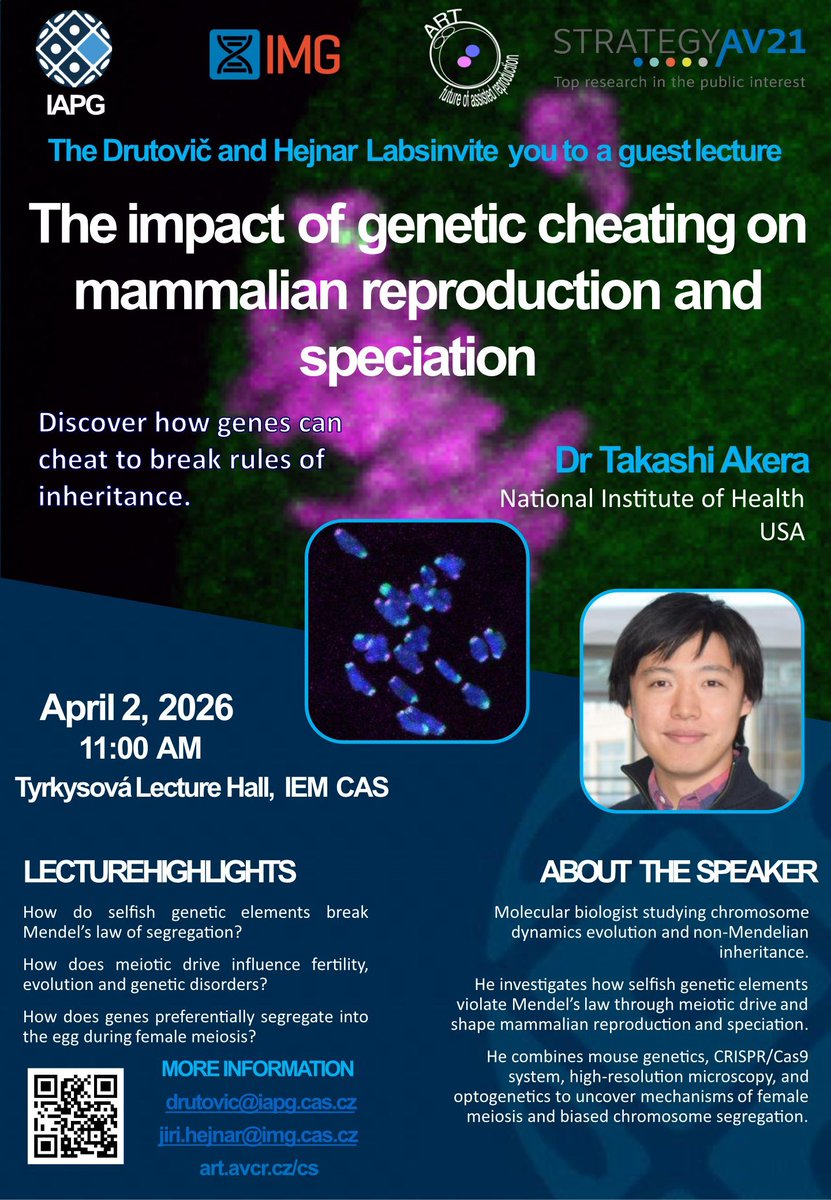
Curious about why some genes are favored in the egg during meiosis or how selfish genetic elements break Mendel's rules? Join us on April 2nd at the Institute of Experimental Medicine to learn more! #Genetics #Meiosis #ScienceEvent
Fulka Lab tweet media
English
0
1
12
2.6K
Fulka Lab
Fulka Lab@FulkaLab·
Ever wondered about the function of nucleoli in zygotes and early embryos, and their interaction with the embryonic genome? Mark your calendars! #Embryology #Genomics
Fulka Lab tweet media
English
0
2
10
657
Fulka Lab
Fulka Lab@FulkaLab·
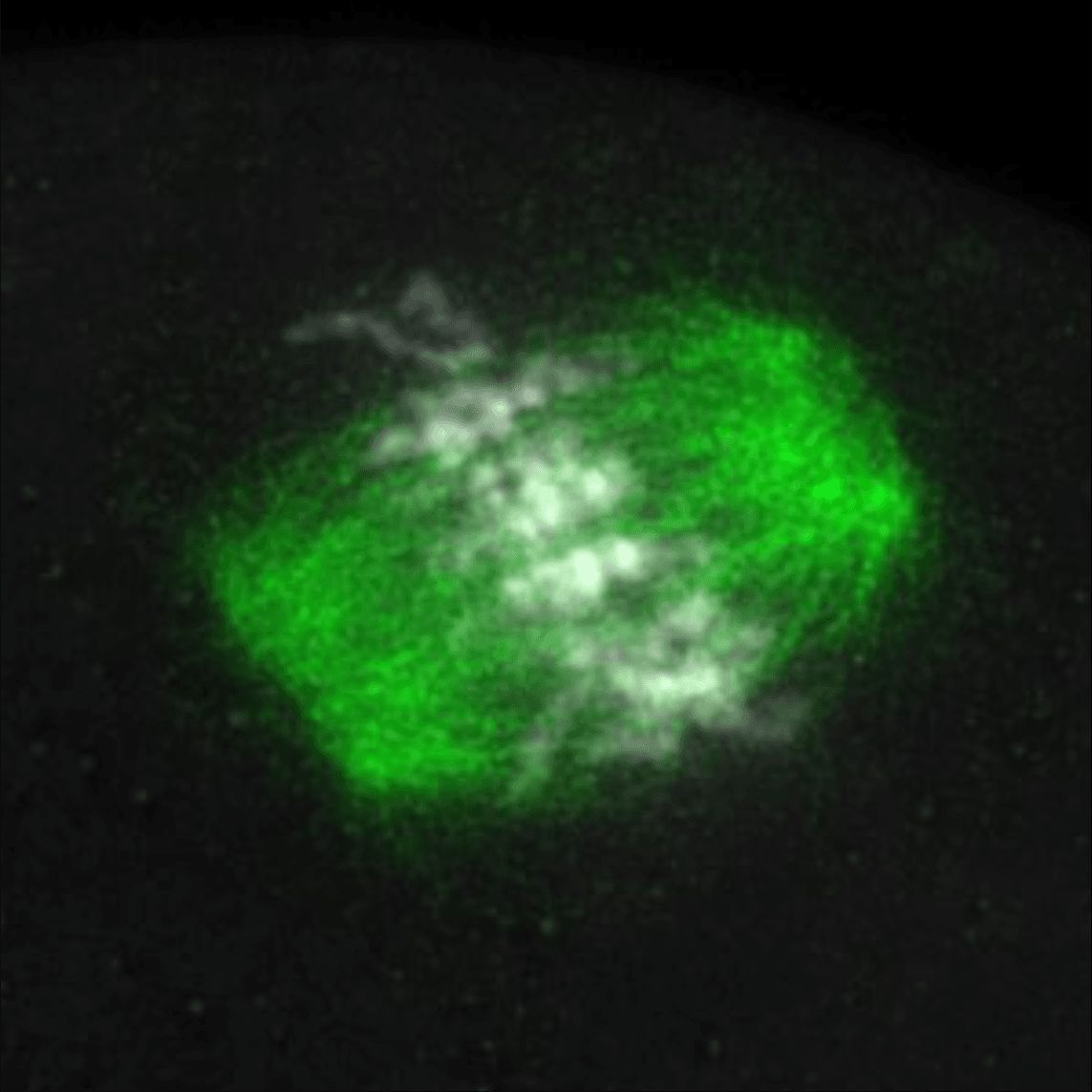
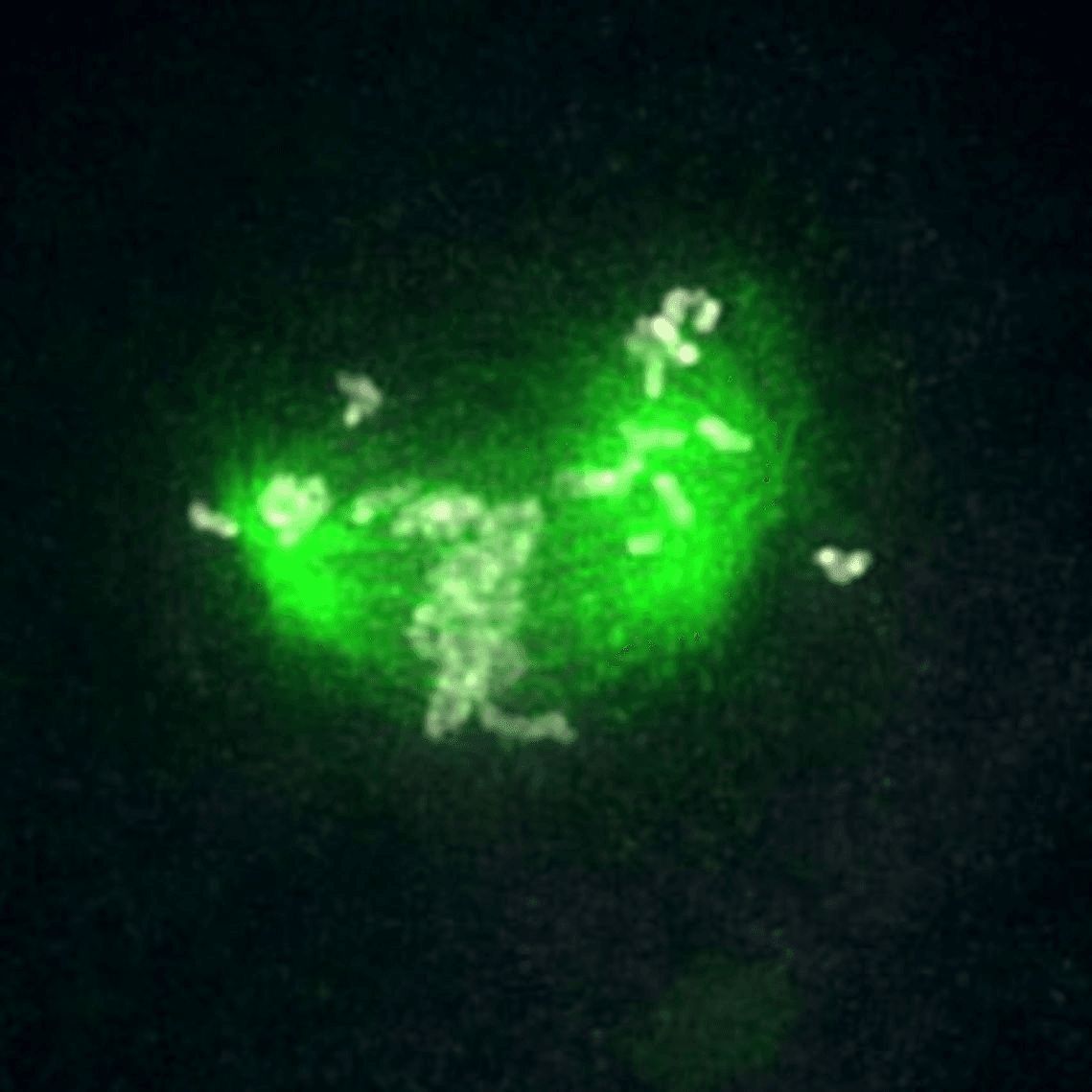
It took me a while to realize that signs of oocyte aging aren't uniform (why would they be, right?): Two mouse strains, similar in age, completely different spindle traits. How much does this apply to human individuals? #OocyteAging #GeneticDiversity
Fulka Lab tweet mediaFulka Lab tweet media
English
0
0
2
139
Fulka Lab retweetledi
Michele Boiani
Michele Boiani@BoianiMichele·
After sharing the advanced publication access few weeks ago, I am now pleased to share the final typeset version, open access, of my group’s latest contribution in Molecular Human Reproduction doi.org/10.1093/molehr… In a nutshell, we report that the first two blastomeres are reciprocally different in terms of epiblast production, for reasons that seem to depend on the site where the spermatozoon penetrated the oocyte, in mice. Our half-cell proteomics data supports that this difference is possibly due to heterogeneities in ooplasm composition and how they are apportioned into the blastomeres depending on the orientation of the first zygotic division. Thanks to the co-Authors, to the Reviewers, to the Journal, and I hope you like the paper!
English
1
1
9
262
Fulka Lab
Fulka Lab@FulkaLab·
@ControllingLMNT @EwelinaBolcunF For sure. Successful maturation does not guarantee a "good" egg, and a euploid egg does not guarantee a viable embryo, right? Still don´t know where the reduced maturation rates in AMA oocytes I find in papers come from...
English
1
0
1
32
Edward Grow, PhD
Edward Grow, PhD@ControllingLMNT·
@FulkaLab @EwelinaBolcunF After oocytes reach a dev stage, it’s almost impossible for them not to undergo spontaneous maturation when granulosa cell cGMP transfer is lost. Gross maturation is essentially meaningless, no? Better to look at egg activation and cleavage IMHO.
English
1
0
1
38
Fulka Lab
Fulka Lab@FulkaLab·
How does one identify an oocyte with good developmental potential? Contrary to the often-reported decrease in maturation rate with advancing age, we never observed any difference. Has anyone truly witnessed this, or is it just the result of pressure to meet expectations/publish?
Fulka Lab tweet media
English
2
1
3
266
Fulka Lab
Fulka Lab@FulkaLab·
@zaffagg3 I have been working with AMA mice (>10months) for something like two years and don't see a difference. Sometimes, I would say they "mature" even slightly better than young ones. So I am wondering where the data comes from, I found it in so many papers.
English
0
0
1
21
Gabriele Zaffagnini
Gabriele Zaffagnini@zaffagg3·
@FulkaLab Idk if I have quantitative data but yes, in my hands aged oocytes (10-12mo) generally matured well (at least in terms of PB extrusion)
English
1
0
1
15
Fulka Lab
Fulka Lab@FulkaLab·
@zaffagg3 Yeah, in mice. It is in a lot of papers, but I just never saw it (not even in the same strain)... like, never.
English
1
0
1
34