Interfor

1.7K posts

Interfor banner
Interfor

Interfor

@InterforInt

Global Investigations-Intelligence-Security

New York Entrou em Ocak 2010
530 Seguindo403 Seguidores
Interfor
Interfor@InterforInt·
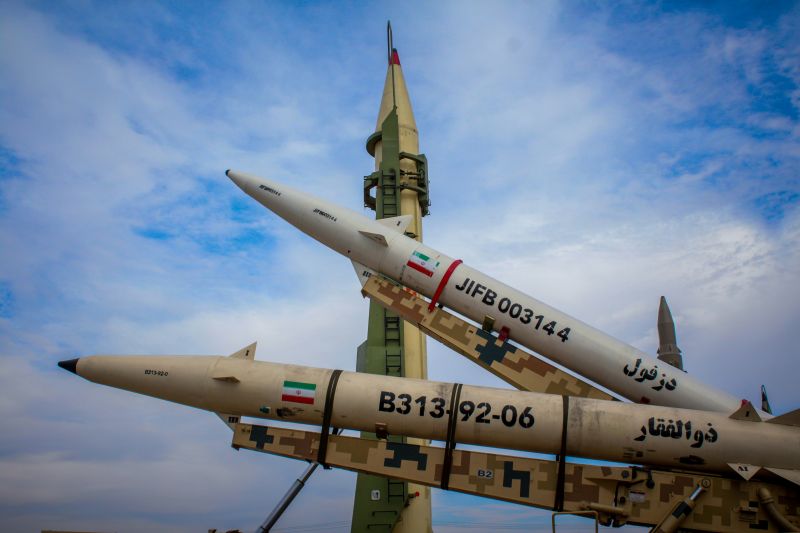
Most geopolitical risk doesn’t begin with missiles. It begins with miscalculation. This week’s analysis, led by me and senior adviser Sam Worby, focuses on a rapidly evolving situation in the #Middle_East and what it signals for businesses operating globally. Key developments: → Strait of #Hormuz pressure is shifting leverage Iran’s restriction of trade through the Strait continues to serve as a strategic advantage, impacting global energy flows and testing U.S. and allied response capabilities. → #Diplomacy vs. #delay tactics Conflicting signals between the U.S. and Iran raise a critical question: is diplomacy real, or a mechanism to buy time for military positioning and market stabilization? → Internal Iranian dynamics matter Figures like Mohammad Bagher Qalibaf are emerging as potential power centers, blending military, political, and economic influence inside the regime. → Regional posture is hardening Israel’s continued military positioning in Lebanon, alongside Lebanon’s political distancing from Iran, reflects an increasingly fragmented and volatile regional landscape. Beyond the Middle East: → Political pressure is mounting in Europe, with judicial reform setbacks in Italy → Governments are responding to global instability through energy releases and policy shifts (Japan) → Recruitment into foreign conflicts and exploitation risks remain a growing concern (Kenya/Russia) → Expanding national security laws continue to raise questions around privacy and civil liberties (Hong Kong) Small #disruptions are no longer staying small. They are compounding, across supply chains, energy markets, regulatory environments, and physical #security risks. At @InterforInt International LLC, we work with clients to interpret these signals early, and translate them into actionable #risk management strategies.
Interfor tweet media
English
0
1
3
17
Interfor
Interfor@InterforInt·
One of the @FBI 's most prolific insider trading informants is joining us April 23. Tom Hardin (“@iamtipperx”) sits down with Interfor Academy head @Selllikeaspy Jeremy Hurewitz to discuss what his experience reveals about risk, ethics, and decision-making. Shortly after the 2008 financial crisis, Hardin was swept up in a historic #investigation. What followed reshaped his life and his understanding of how risk actually unfolds. Today, he advises Fortune 500 companies, boards, and leadership teams on behavioral risk and corporate compliance. We’ll cover: → Inside one of Wall Street’s largest insider trading #investigations → What it’s like to work directly with federal #investigators → How behavioral risk shows up inside organizations → Practical lessons for improving communication and decision-making → What compliance teams should be thinking about in the age of AI This is not theoretical. It’s a real-world look at how #risk unfolds and how organizations can better prepare for it. April 23 12:00 PM ET Live via Zoom Join us live by clicking here: us02web.zoom.us/webinar/regist…
Interfor tweet media
English
0
1
3
43
Interfor
Interfor@InterforInt·
Interfor International‘s Weekly Security Digest - March 24, 2026 Middle East → On Saturday evening, President Trump @realDonaldTrump threatened to destroy Iranian electricity and power infrastructure if it did not open the Strait of #Hormuz within 48 hours. This threat caused immediate concern among the Gulf States, who warned Trump that Iranian retaliation on their infrastructure would be devastating → On Tuesday, Israeli Minister of Defense @IsraelKatz announced that the I.D.F. will hold its positions south of the Litani River in Lebanon until the threat from Hezbollah is neutralized. International Affairs → On Monday, Italian Prime Minister @GiorgiaMeloni acknowledged defeat in a national referendum on judicial reform. Meloni’s judicial reform agenda sought to restructure the judiciary and redefine the relationship between judges and prosecutors, but faced strong criticism from opponents that her policies would concentrate too much power in the government’s hands. interforinternational.com/interfor-inter… #security #geopolitics #iran #middleeast #intelligence #threats
Interfor tweet media
English
0
1
2
39
Interfor
Interfor@InterforInt·
Between shifting dynamics in the Middle East and ongoing strain across @TSA and #airport systems, the travel environment has become far less predictable, and far more fragile. Right now, travel is operating with less margin for error than people realize. We’re seeing it in real time: 𖧹 #Flight routes changing due to airspace #risk 𖧹 Inconsistent screening protocols across #airports 𖧹 Delays that cascade across entire #travel days 𖧹 Limited visibility into what’s actually happening behind the scenes If you’re responsible for moving your team, or your clients, this isn’t just inconvenience. It’s exposure. A few adjustments worth making: → Add time, tight schedules are where problems start. → Pressure test your route, know your backup before you need it. → Avoid over-reliance on a single connection or hub. → Consider driving or taking the train when possible. → Keep essentials with you, assume checked bags won’t keep up. → Don’t rely solely on airline updates. Travel right now requires the same mindset as any other #risk environment. If you’re on the road this week, plan accordingly. @InterforInt
Interfor tweet media
English
0
1
2
13
Interfor
Interfor@InterforInt·
A timely perspective on the growing pressure faced by #Gulf nations amid escalating tensions in the Middle East. In their piece for the @jakpost the Jakarta Post , @DonAviv and Sam Worby explore how the region is navigating an increasingly uncertain landscape shaped by the competing interests of the U.S., Israel, and Iran, where even neutrality comes with consequences. It also highlights a deeper dilemma where every path forward carries trade-offs. Staying cautious might strain key partnerships, while taking a firmer stance could expose the region to greater instability. In moments like this, #strategy becomes less about choosing the best option and more about managing unavoidable #risks. thejakartapost.com/opinion/2026/0…
Interfor tweet media
English
0
1
2
22
Interfor
Interfor@InterforInt·
Most CEOs think intelligence work is about secrets. As Interfor Academy head @Selllikeaspy Jeremy Hurewitz puts it, it’s actually about #empathy. One of the biggest misconceptions in leadership is the belief that #intelligence work is about secrets. It isn’t. The real skill intelligence professionals develop is radical empathy. In intelligence operations, you don’t get to choose who you need to understand. You may have to build #trust with people you disagree with, people who think differently, or people you would never naturally connect with. Avoiding them isn’t an option, and understanding them is the job. There’s a lesson here for business leaders. Most CEOs naturally gravitate toward people who share their style, background, or worldview. But organizations (and markets) are rarely that simple. The leaders who navigate #complexity best are the ones who can build trust across differences. That’s what allows you to: → Manage friction inside teams. → Negotiate in high-pressure situations. → Understand customers you don’t relate to. → Anticipate competitors, regulators, or partners. In intelligence work empathy isn’t a soft skill; it’s a tactical capability. Radical empathy means deliberately trying to see the world through someone else’s incentives, fears, and constraints (even when it feels uncomfortable). It requires curiosity, it requires discipline, and above all, it requires the humility to accept that your first impression is often incomplete. There’s a quote often attributed to Abraham Lincoln: “I don’t like that person. I must get to know them better.” The relationships that feel hardest are often the ones that matter most, and the leaders who succeed long-term aren’t the ones who connect easily with people like themselves. They’re the ones who learn how to connect with everyone else. - - - - - - How is your organization putting this into practice?
Interfor tweet media
English
0
1
3
39
Interfor
Interfor@InterforInt·
In recent days, an op-ed my colleague Sam Worby and I wrote for Project Syndicate @ProSyn on Gulf strategy amid rising #Iran tensions has gained international traction, most notably being picked up by Finanz und Wirtschaft @FuW_News , one of Switzerland’s leading financial publications. That kind of distribution is a confirmation. Not just how far it travels, but why it matters. Because this isn’t only a regional story. Decisions made in the #Gulf are shaping global markets, capital flows, and risk calculations far beyond the Middle East. I’m grateful to the editors at Finanz und Wirtschaft for bringing this discussion to such an important audience.
Interfor tweet media
English
0
1
2
52
Interfor
Interfor@InterforInt·
This week’s global #security developments include the killing of a senior Iranian official, U.S. strikes near Iran’s primary oil export hub, and new fractures among Western allies. Each week, the team at Interfor International tracks key geopolitical and security developments shaping the global risk environment. This week’s highlights: 𖧹 Israeli strikes killed @alilarijani_ir , a senior Iranian power broker and former head of Iran’s Supreme National Security Council, potentially further concentrating power within the I.R.G.C. 𖧹 The U.S. conducted strikes on military targets on #Kharg Island, Iran’s primary oil-export hub, while deploying additional naval assets to protect shipping near the Strait of Hormuz. 𖧹 Calls for allied naval patrols in the Strait of #Hormuz have exposed divisions among Western allies, with several E.U. countries declining immediate participation. 𖧹 The Israeli Defense Forces expanded targeted ground operations in southern Lebanon, advancing toward the Litani River amid resistance from Hezbollah fighters. 𖧹 Globally, tensions also rose following a deadly airstrike in Kabul, political debate in Europe over Russia policy, and new security deployments in South Africa. At Interfor, we continue to monitor developments that may impact global security, business operations, and geopolitical risk. Follow @InterforInt International for weekly updates on global #security and #geopolitical risk.
Interfor tweet media
English
0
1
2
20
Interfor
Interfor@InterforInt·
In recent days, an op-ed my colleague Sam Worby and I wrote for @ProSyn_Esp on the strategic choices facing Gulf states amid escalating tensions with Iran has begun appearing in publications around the world. Since it was published, the piece has begun circulating across a wide range of international outlets, something that is both gratifying and instructive. So far, the article has appeared in publications including: 𖧹 The Guardian (Nigeria): guardian.ng/opinion/the-gu… 𖧹 Exclusive.kz (Kazakhstan): exclusive.kz/the-gulf-s-tou… 𖧹 Bangkok Post (Thailand) 𖧹 Orissa Post (India): orissapost.com/gulfs-tough-ch… 𖧹 DT Next (India): dtnext.in/edit/the-gulfs… 𖧹 Política Exterior (Spain): politicaexterior.com/las-dificiles-… 𖧹 Logos Press (Moldova): https://logos-pres.md/en/news/hard-choices-for-the-gulf-countries/ It’s a reminder that geopolitical risk is rarely confined to one region. Decisions made in the Gulf ripple outward, shaping markets, security, and political calculations far beyond the Middle East. My thanks to the editors and publications that have helped bring the discussion to a global audience. For those interested in the original piece, you can click here: project-syndicate.org/commentary/gul…
Interfor tweet media
English
0
0
1
19
Interfor
Interfor@InterforInt·
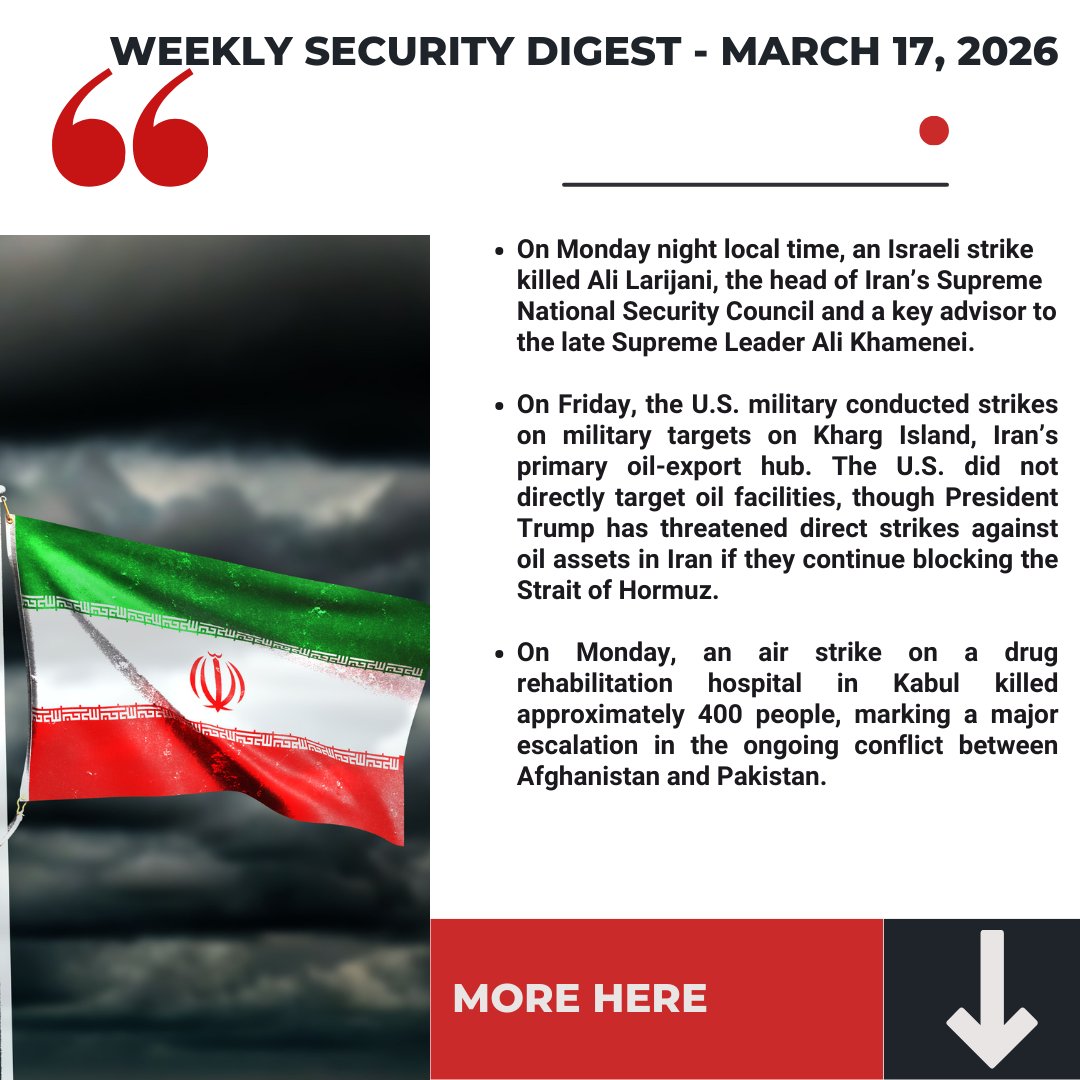
Interfor International‘s Weekly #Security Digest - March 17, 2026 Middle East → On Monday night local time, an Israeli strike killed Ali #Larijani, the head of Iran’s Supreme National Security Council and a key advisor to the late Supreme Leader Ali Khamenei. Last night’s strikes also killed the Head of the #Basij, Gholamreza Soleimani. International Affairs → On Monday, an air strike on a drug rehabilitation hospital in Kabul killed approximately 400 people, marking a major escalation in the ongoing conflict between #Afghanistan and #Pakistan. interforinternational.com/interfor-inter…
Interfor tweet media
English
0
0
0
165
Interfor
Interfor@InterforInt·
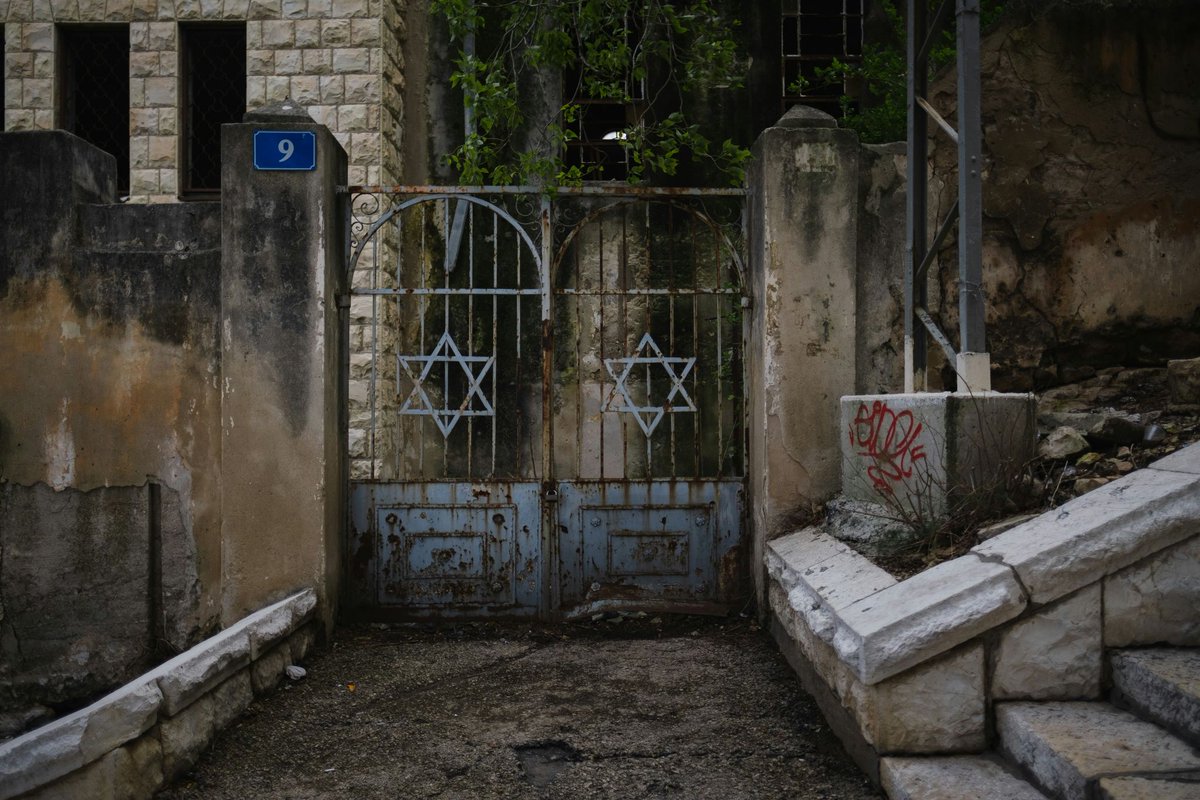
Over the past two weeks, #Jewish institutions across North America and Europe have been targeted in a series of violent #incidents. While the incidents span multiple countries, the pattern is increasingly difficult to ignore. Synagogues in Toronto were struck by gunfire. A synagogue in Liège was damaged by an explosion. A vehicle attack targeted a synagogue in Michigan. An arson attack occurred at a synagogue in Rotterdam. These incidents suggest a troubling shift from vandalism and rhetoric toward operational violence targeting Jewish communal spaces. While there is currently no confirmed coordinated campaign, geopolitical escalation and intensified #antisemitic propaganda increase the risk of copycat attacks and opportunistic targeting. Jewish institutions, families, and security teams should maintain heightened vigilance and report suspicious activity promptly. Periods like this require #awareness, #preparation, and calm, professional #risk management. Interfor’s Global Threat Monitoring team will continue to track developments closely and provide additional updates as warranted. @InterforInt
Interfor tweet media
English
0
0
0
25
Interfor
Interfor@InterforInt·
For months, Gulf states invested heavily in diplomacy to prevent a direct confrontation between the United States, #Israel, and #Iran. That effort has now collapsed. And the region is paying the price. Iran’s strikes on infrastructure and U.S. bases across the #Gulf appear designed not only to disrupt energy markets, but also to damage the Gulf’s reputation for safety and stability, a core pillar of its economic influence. The Gulf Cooperation Council now faces a difficult set of choices: 𖧹 Escalate and risk widening the war 𖧹 Push diplomacy and risk alienating Washington 𖧹 Or exercise strategic patience while the conflict unfolds For now, patience is the most likely path. But Gulf leaders are watching closely. If Washington cannot articulate a clear regional strategy, Gulf states will eventually begin asserting their own vision of how this war should end. To read the full article, click here: @ProSyn @DonAviv project-syndicate.org/commentary/gul…
Interfor tweet media
English
0
1
2
76
Interfor
Interfor@InterforInt·
Threat monitoring in 2026 isn’t about what you’re watching. It’s about who you’ve become. #Threat monitoring in 2026 isn’t a tool you buy or a dashboard you deploy. It’s a discipline you build. And it starts earlier than most organizations expect - with self-#awareness. Before you try to understand what’s coming at you, you need to understand who you are: what your company represents, how visible it is, where it sits culturally and politically, and how easily it can become a proxy for wider narratives it never intended to enter. Because #risk is often introduced quietly. Not by a product launch or a press release - but by who you hire, promote, or publicly align with. A company that’s operated below the radar for years can inherit instant exposure by bringing in a senior leader from a highly visible organization, a controversial sector, or a public-facing role. Those histories, affiliations, and perceptions travel with people whether leadership acknowledges them or not. From there, real threat monitoring is about where and how you look. Across social platforms, forums, messaging channels, and open-source environments (not just to spot noise, but to understand who is talking, why they’re talking, and how fast attention is building). That means dynamic monitoring, constantly refreshed keywords and awareness of upcoming moments. Events, announcements, leadership changes - those that feel routine internally but land very differently externally. And here’s the uncomfortable truth: → There is no single technology that solves this. → AI and automation help. They scale visibility. They surface signals. → But they don’t replace human judgment, context, and experience. Tools without human #intelligence layered on top don’t create safety - they create blind spots. Effective threat monitoring works when #awareness, #process, #technology, and #human insight are combined into a system that evolves as the organization, and the world around it change. That’s what real early-warning capability looks like. - - - - - - If attention suddenly turned toward your organization tomorrow, how early would you know?
Interfor tweet media
English
0
0
0
23
Interfor
Interfor@InterforInt·
Iran has a new Supreme Leader, oil briefly hit $120, and two men were just charged with attempted #terrorism in New York. Here’s what #security professionals are watching this week. In this week’s Interfor Security Digest, several developments highlight how geopolitical conflict, terrorism risk, and cyber threats are becoming increasingly interconnected. A few developments we’re monitoring: 𖧹 Iran’s Assembly of Experts named #Mojtaba Khamenei Supreme Leader following the death of Ali Khamenei, signaling a continued focus on regime survival. 𖧹 Escalation between Israel and Iran, including strikes on energy infrastructure, briefly pushed oil toward $120 per barrel and raised concerns about shipping disruptions through the Strait of Hormuz. 𖧹 Authorities in the U.S. charged two suspects with terrorism-related offenses after attempting to deploy improvised explosive devices at a protest outside New York City’s Gracie Mansion. 𖧹 Renewed investigation into “Havana Syndrome” suggests the possibility that directed-energy weapons may have been involved in past incidents affecting U.S. personnel. For organizations operating globally, situational awareness is critical. At @InterforInt , we help clients monitor evolving risks, and translate them into actionable security planning. Follow @InterforInt for weekly insights on global #security, #geopolitical risk, and emerging #threats affecting businesses and organizations worldwide.
Interfor tweet media
English
0
0
1
33
Interfor
Interfor@InterforInt·
Honored to contribute to the @TIME Ideas section on one of the most important, and often underestimated, risks facing organizations today: #cybersecurity. In this piece, Sabrina T. and I explore a simple reality: Cyber threats are accelerating, and AI is about to fundamentally change the nature of cyberattacks. From deepfake-enabled fraud to AI-assisted cyber-espionage campaigns, attackers now have tools that allow them to operate faster, at greater scale, and with far less technical expertise than ever before. Yet many organizations still treat #cybersecurity as a compliance requirement rather than an operational imperative. That mindset is increasingly dangerous. As attackers embrace AI, defenders will need to do the same, combining advanced technology with experienced human judgment to stay ahead of a rapidly evolving threat landscape. Thank you to @TIME Magazine for the opportunity to contribute to this important conversation. To read the full piece, click here: @DonAviv @InterforInt time.com/7382979/cybers…
Interfor tweet media
English
2
1
2
66
Interfor
Interfor@InterforInt·
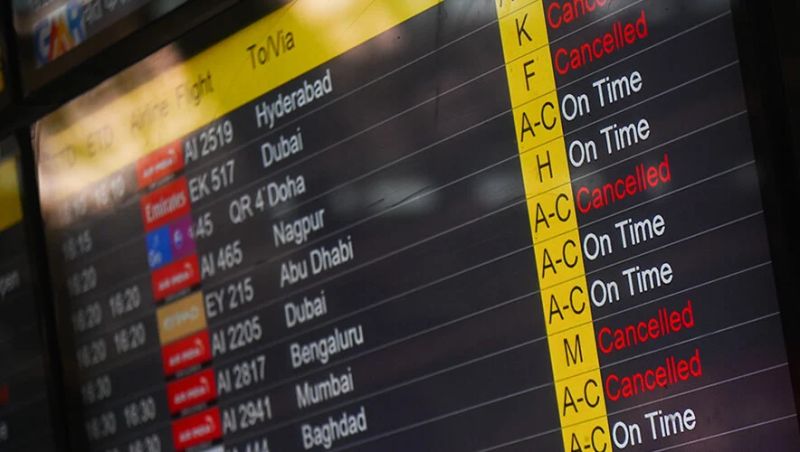
I was recently interviewed by Security Management Magazine, published by @ASIS_Intl International, about the rapidly evolving situation in the Middle East and its impact on travelers and organizations operating in the region. After the escalation involving the U.S., Israel, and Iran, governments have urged citizens to leave immediately. The challenge is that nearly 20,000 flights have already been canceled, major hubs have shut down temporarily, and viable exit routes are limited. That’s leaving many travelers and companies facing a difficult question: evacuate or shelter in place? In moments like this, the biggest challenge is often confusion. When guidance shifts quickly and options are constrained, organizations need to rely on multiple sources of intelligence and make disciplined decisions based on the facts available. For many right now, sheltering in place while the situation stabilizes may be the most practical option until airspace restrictions begin to ease. These situations are a reminder that crisis leadership is rarely about perfect answers, it's about making the best possible decisions under pressure. Thank you to Claire Meyer and @SecMgmtMag  for the thoughtful conversation on the evolving #security and travel risks in the Middle East. To read the full article, click here asisonline.org/security-manag…
Interfor tweet media
English
0
0
1
20
Interfor
Interfor@InterforInt·
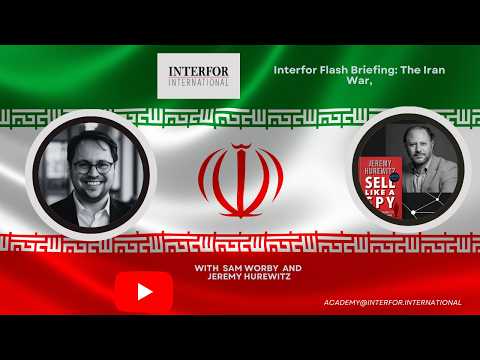
48 hours can feel like 4 months. This week we hosted a flash briefing for colleagues and clients around the world on #Iran , and the regional risk picture that’s evolving by the hour. During the briefing, Interfor Academy head @Selllikeaspy Jeremy Hurewitz interviewed Sam Worby, expert on Iran and #Gulf affairs and Senior Advisor to @InterforInt . Together they answered audience questions and provided real-time analysis on the rapidly evolving conflict and its implications for the region. A few takeaways worth sharing publicly: 1. This is not (yet) shaping up like a limited strike campaign. The targeting logic suggests a regime-change objective war, at least for now. We are still on an escalatory trajectory, and we haven’t seen a credible offramp emerge. 2. The strike picture (U.S./Israel) falls into three buckets: 𖧹 Regime targets (not only senior leadership, also infrastructure tied to suppression and control) 𖧹 Nuclear + military infrastructure 𖧹 Launch capability (missiles/drones), which is the hardest problem to solve operationally 3. The Gulf is now central to the story. Iran’s decision to strike Gulf neighbors appears designed to generate pressure on Washington by inflicting enough pain that partners push for an end to the war. So far, much of that has backfired, politically and operationally. 4. #Energy markets are reacting for one reason: duration. Hormuz may not be physically “closed,” but it can become functionally closed when routes turn uninsurable. LNG and refining disruptions compound quickly. If this lasts days, markets absorb. If this lasts weeks, we enter a different global economic scenario. 5. The #proxy layer is still the wild card. Hezbollah risk is rising again. The Houthis remain a high-impact variable. And unconventional retaliation (including cyber) is already part of the landscape. 6. The information environment is weaponized. Deepfakes, recycled footage, “video game” clips presented as real strikes, it’s not noise. It’s a battlefield. We’ll continue issuing tailored assessments as the situation evolves. To watch the full briefing, click here: youtube.com/watch?v=Ije7iL…
YouTube video
YouTube
Interfor tweet media
English
0
1
2
161
Interfor
Interfor@InterforInt·
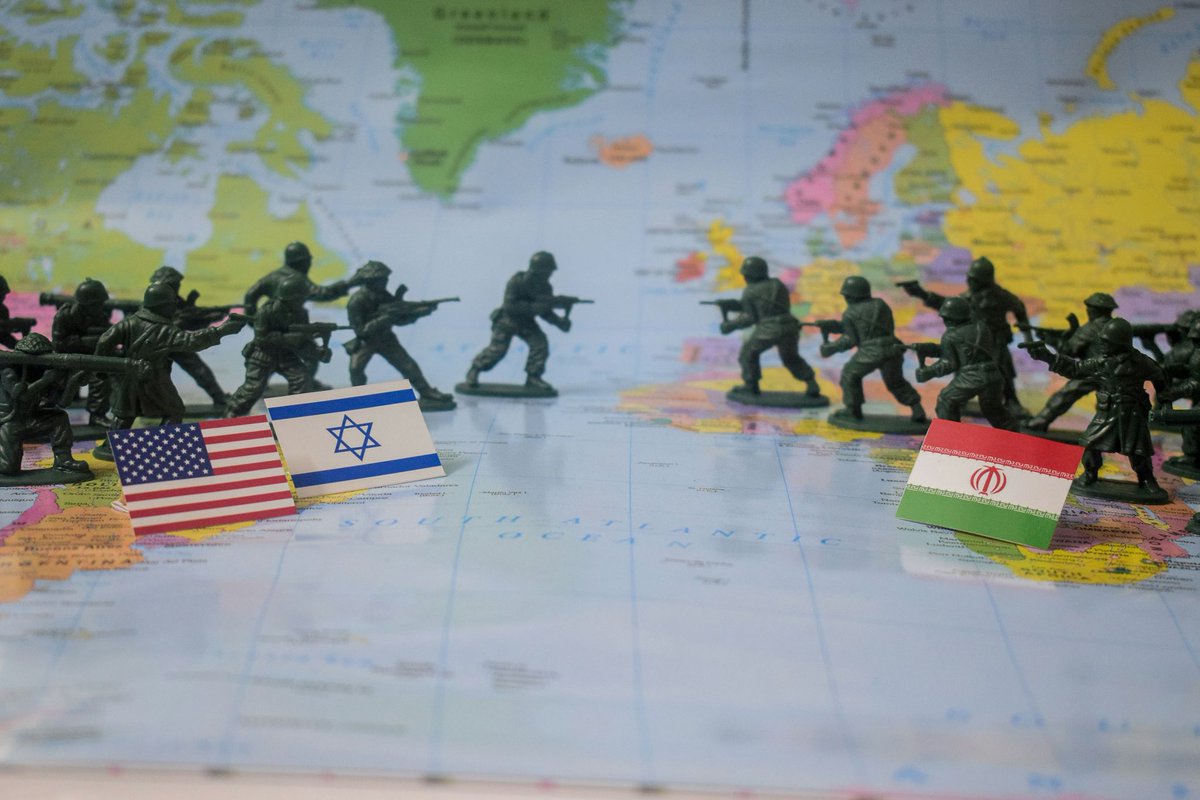
Middle East → On Saturday morning local time, the United States and Israel launched a joint operation against #Iran. In the first wave of attacks of Operation Epic Fury (or, Roaring Lion in Israel), Supreme Leader Ayatollah #Khamenei and several other high-ranking officials were killed. Tehran launched hundreds of drones and missiles in a multi-front retaliation, targeting Israel, the Gulf Cooperation Council states, and American military bases and assets in the region. Iranian projectiles have targeted military installations, civilian and residential areas, and energy infrastructure, prompting several Gulf countries to close their airspace and initiate defensive operations against #Iran and raising global concerns about the price of oil and the stability of world trade through the Strait of Hormuz. interforinternational.com/interfor-inter…
Interfor tweet media
English
0
0
1
230
Interfor
Interfor@InterforInt·
20% of the world’s #oil just became a risk variable. Here’s what the U.S.–Israel–Iran escalation means for your operations in the next 72 hours. Here is the current reality: The #Conflict has entered an active #military phase. For most organizations, the immediate impact is not direct, it’s operational. Where we are seeing real disruption: #Airspace: flight cancellations, rerouting, and crew displacement across major Gulf hubs #Maritime: elevated risk in the Strait of Hormuz, with delays and rising insurance costs #Energy: geopolitical volatility influencing transport and petrochemical pricing #Cyber: increased probing and phishing activity historically linked to kinetic escalation In the United States and other major cities: Security postures have increased around diplomatic sites, religious institutions, and high-visibility locations. At this time, impacts remain precautionary. There is no confirmed, credible #threat to core business centers. What organizations should be doing in the next 72 hours: 𖧹 Validate traveler tracking and employee check-in protocols 𖧹 Reconfirm crisis communications and business continuity plans 𖧹 Review access control, visitor screening, and building coordination 𖧹 Reinforce MFA, patching, and phishing awareness 𖧹 Defer non-essential travel to affected areas 𖧹 Monitor carrier and logistics advisories closely This is not a moment for overreaction. It is a moment for disciplined preparedness and clear internal communication. Our outlook for the most likely near-term scenario is continued episodic escalation, with sustained pressure on travel and maritime movement. A broader regional expansion is possible, but not currently indicated. We are continuing to monitor developments and provide targeted guidance aligned to our clients’ geographic footprint and operational exposure. For a real-time briefing on scenarios, business implications, and what to watch next, join Interfor’s Flash Briefing tomorrow at 1 PM ET by clicking below: us02web.zoom.us/webinar/regist…
Interfor tweet media
English
0
0
0
39
Interfor
Interfor@InterforInt·
A special live Flash Briefing on the #Iran escalation. The attacks on Iran by the U.S. and Israel have decapitated the Iranian regime and sent shockwaves across the region. Join @InterforInt at 1 PM on Tuesday, March 3rd, for a flash briefing on the conflict, its implications for the Gulf and broader Middle East, and where things could head from here. Head of Interfor Academy @Selllikeaspy Jeremy Hurewitz will interview Sam Worby, expert on Iran and Gulf affairs and senior advisor to Interfor. Sam and Jeremy will take questions and provide up to the minute updates on this evolving conflict. Key discussion topics will include: Prospects for conflict escalation vs. resolution in the near term Iranian regime change vs. survival scenarios Implications for the business environment in the Gulf States Trump's unique approach to both diplomacy and military confrontation To register, click here: us02web.zoom.us/webinar/regist… @DonAviv
Interfor tweet media
English
0
1
2
195