Atenov int.@Atenov_D
Matthew Berman spent 200 hours perfecting his AI agent. Here's what he learned:
> Most people set up an agent once and wonder why it underperforms. The gap isnt the model. Its the architecture around it.
- Never use one long chat.
Create a Telegram group - just you and the bot and enable Threads. Separate contexts: General, Knowledge Base, CRM.
The agent loads only what's relevant, stays focused, works faster. One long chat is a context graveyard.
Voice messages work perfectly for long tasks on the go. Use them.
- Stop paying per token.
API costs compound fast with an active agent. Integrate via Agents SDK (Anthropic) or Codex Auth (OpenAI) to use your existing consumer subscriptions at a fixed monthly rate.
- One model for everything is wasteful.
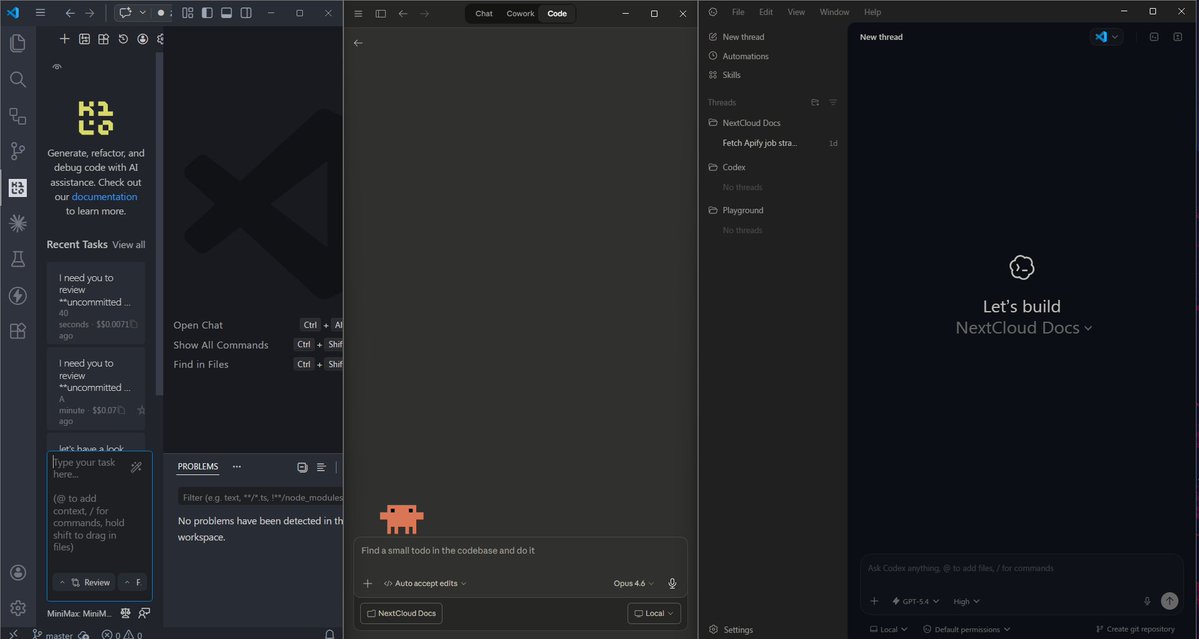
Route by task. Sonnet/Opus for planning and core conversations. GPT-5.4 as fallback. Gemini for search and video.
Free local models like Qwen for email sorting and routine triage. Pin specific models to specific Telegram threads.
Anything taking longer than 10 seconds - code, API calls, file work - gets delegated to a sub-agent automatically. Your main agent never blocks.
- Claude and GPT need different prompts.
Claude hates CAPS LOCK and "dont do X" instructions. GPT is the opposite. Keep separate system prompt files per model.
Run a nightly cron to sync them by meaning while preserving each model's ideal formatting.
- Move heavy tasks to 3am.
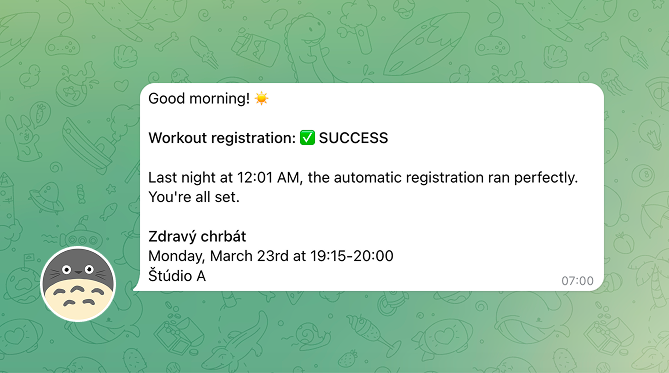
Backups, code checks, documentation updates - all scheduled overnight. Your daytime quota stays intact for actual work.
- Security is non negotiable.
Filter all inputs through a code layer first, then a separate LLM that quarantines suspicious content.
Strip PII from all outputs automatically. Set hard spending limits - an agent caught in an error loop will drain your budget in minutes.
Read-only permissions by default. Manual confirmation for anything destructive.
- Notifications will drive you insane without batching.
Non-critical alerts: one digest every 3 hours. Medium priority: hourly. Instant delivery only for critical failures.
200 hours of mistakes, compressed into 8 rules.
Bookmark this. A few hours to set up. Compounds for years.