ทวีตที่ปักหมุด

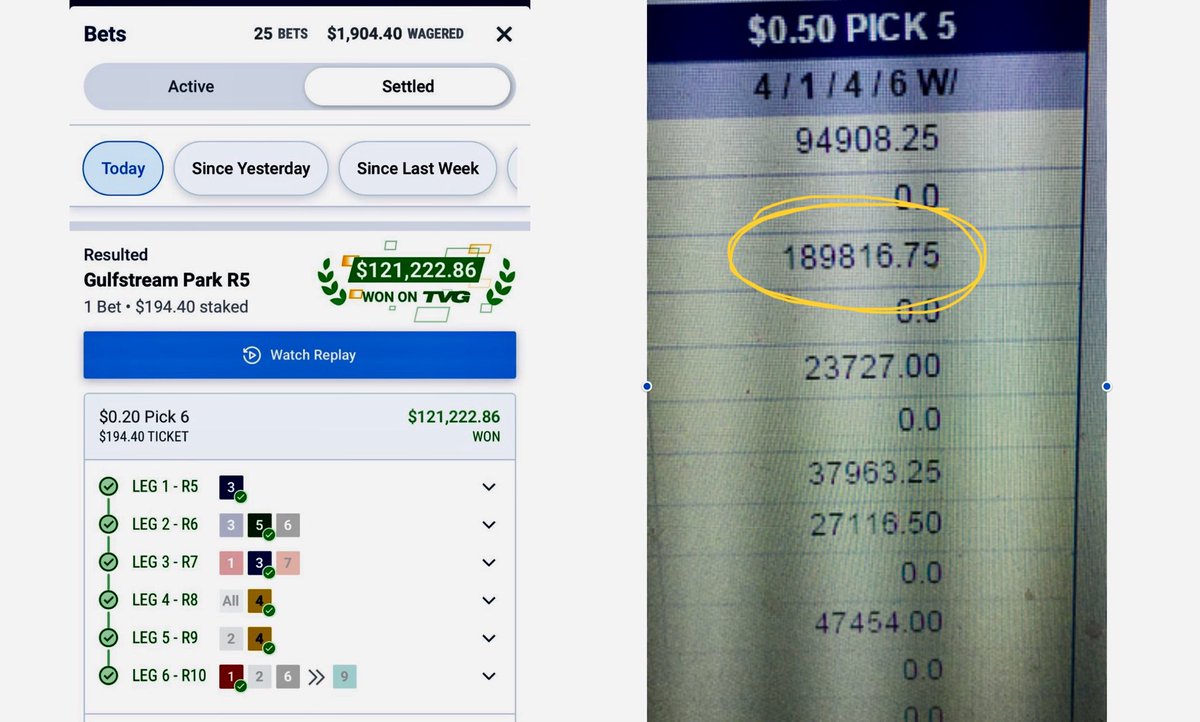
My two largest scores. Single ticket holder.
October 2015 Belmont $189k on $16 pick 5 ticket
January 2022 Gulfstream Rainbow 6 $159k on $194 ticket.
I’m seeking to be a #TripleCrown winner of scooping pools.
English
1MinuteToPost
13.4K posts
@1MinutetoPost
2X Pool Scooper. Value & hedged bets, my specialty. The best way to make money at the track is knowing when NOT to bet & betting at post time. Betting since ‘93


How Tracks’ Love Affair with CAW Is Undermining Their Own Survival By @1MinutetoPost Horse racing has long thrived on the passion and participation of everyday bettors — casual fans, handicappers, and enthusiasts who enjoy the thrill of picking winners and rooting for their favorites. But in recent years, a silent but powerful force has been reshaping the wagering landscape: Computer-Assisted Wagering (CAW). CAW groups are sophisticated teams or syndicates that use advanced algorithms and real-time data to place massive, late bets on races. Thanks to lucrative rebates—cash-back incentives often ranging from 5% to 10% or more—they can be profitable even when they lose 50% or more of their wagers. This rebate system effectively lowers the takeout (the built-in commission tracks take from betting pools) for these players, giving them an unfair advantage over the average bettor. For everyday horseplayers, this means frustration and diminished value. Imagine seeing a horse listed at 3-1 odds, placing your bet, and then watching the odds plummet to 3-5 as the gates open. That’s a common experience when CAW groups place large batch bets late, squeezing value out of the pool and leaving recreational bettors on the sidelines. Meanwhile, racetracks have refused to lower takeout rates — despite decades of calls from players — preferring instead to offer generous rebates to CAW groups to keep handle inflated. But here lies a critical paradox: by subsidizing CAW players through rebates, tracks are effectively lowering their own takeout without increasing overall betting volume. The handle is increasingly dominated by a few high-volume CAW teams, while casual players grow frustrated and leave the game. As more CAW groups enter the market, they don't just compete with casual bettors—they cannibalize each other. This arms race drives down profit margins for all CAWs, collapses odds faster, and further squeezes out the everyday player. The result? A shrinking wagering base dominated by a handful of algorithmic syndicates and a sport losing its grassroots support. The danger for racetracks is profound. By catering primarily to CAW groups, tracks risk undermining their own revenue. Rebates reduce takeout revenue per dollar wagered, and as casual player handle declines, the total wagering pool stagnates or shrinks. It’s akin to cutting prices without gaining customers — a recipe for financial instability. Potential Solutions to Save the Sport Lower Takeout Rates for All Players Lowering takeout fairly benefits casual and professional bettors alike, making wagering more sustainable and encouraging larger betting volumes. Limit or Restructure Rebates Capping rebates or requiring transparency can reduce the disproportionate advantage CAWs gain, making profitability more skill-based rather than volume-driven. Restrict Late or Batch Betting Implementing cut-off times or limiting large late bets reduces sharp odds swings that hurt recreational players, stabilizing pools and betting confidence. Direct Track-CAW Partnerships Requiring CAWs to work directly with tracks under clear terms and volume caps helps balance liquidity benefits with track revenue protection. Faster Tote System Refreshes Upgrading tote technology to refresh odds and pool data every 2–5 seconds can smooth out odds fluctuations, provide transparency, and reduce exploitation of slower updates. Separate Pools for Batch Betting Creating distinct pools for large or batch bets can protect casual bettors from CAW-induced volatility, though care must be taken to maintain liquidity and simplicity. Fixed-Odds Pools Offering fixed-odds wagering alongside pari-mutuel pools can provide price certainty and appeal to casual bettors, though this requires sophisticated risk management and regulatory adaptation. Enhanced Player Education and Transparency Informing bettors about takeout, rebates, and betting dynamics empowers smarter wagering and improves trust. Without meaningful reform incorporating these solutions, the wagering ecosystem risks collapsing under its own weight — losing not only revenue but the vibrant community of fans that sustains the sport’s heartbeat. Horse racing’s future depends on fairness and inclusivity at the betting windows. Let’s not allow the rise of CAW to be the silent force that erodes the very foundation of our sport. @theTDN @Steve_Byk @paulickreport @raypaulick @DanonymousMan @ABRLive @PastTheWire @EQconvention @RepoleStable @resracingky @jstewartrr @jockeyclub @saratogaspecial @bySeanClancy @DailyRacingForm @BloodHorse @OwnerView @americanturf @ToddTVG @ChurchillDowns @TheNYRA @TampaBayDownsFL @delawarepark @MonmouthPark @GulfstreamPark @PimlicoRC