

David Frosdick
5.1K posts
David Frosdick
@DavidFrosdick
Growing 8 Shopify stores & FBA to £2M. Building my first SaaS app. Consulting SME's with growth, automation, processes & #landingpages
Brighton, UK เข้าร่วม Temmuz 2008
1.9K กำลังติดตาม2.7K ผู้ติดตาม
@venkatofl Loving your platform but no response on support chat for 3 days?
English

Claude pushed me towards Astro for a small ecom site. 2000 products.
Wow it’s fast!! ⚡️⚡️
I might test this with Headless Shopify.
English

One prompt did a pretty god job.
"Mock up an American-style, spammy-looking sales page to sell ......"

English
@blvckledge Thanks for the info! I’m going to implement some of this stuff. About to switch on shopping ads.
English

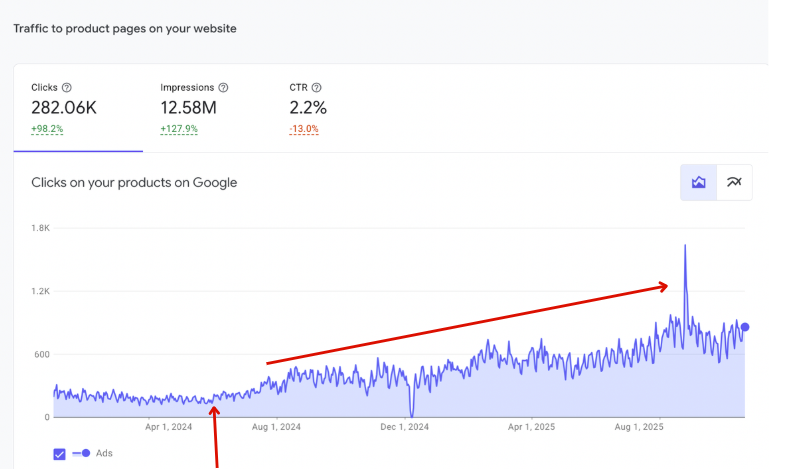
i'm amazed how bad almost every brand is at running google shopping ads
many of our clients scaled 3-4x after working with us, pushing $100k - $500k/mo spend.
here’s the process we used:
PART #1: FEED OPTIMIZATION
across 80-90% of the accounts we audit, including big, established brands, we find one consistent profit killer:
poor product feed
it literally pisses me off because your product feed matters just as much as creatives do on meta.
google uses your feed to decide WHERE and HOW to show your ads
a cleaner feed means you’ll show up in more relevant queries + rank higher
if this foundation is weak, none of your other optimization matters
every brand should lock in these 3 areas:
1. title
pull your search term reports from the last 90 days and look at what queries are converting
add those exact phrases to your titles (ideally the first 30-40 characters)
a strong title also covers:
- product type
- key attributes people search for
- variants like color or size
- brand (when relevant)
2. feed attributes
this is the core data layer google uses to categorize and match your products
gtin, brand, product category, identifier_exists
if it’s wrong or missing, you just don’t show in high value searches.
go to merchant center → diagnostics → "approved with warnings"
look for GTIN missing, brand missing, identifier issues
focus on your top 20% of products by spend first
critical fixes:
- validate GTINs are correct (wrong GTIN = you don't show for model searches)
- fix brand mapping (vendor field ≠ brand field)
- set identifier_exists to "no" if you have SKU but no GTIN
- use item_group_id to share reviews across variants
3. images
white background is the standard for shopping
but you should always test lifestyle images (nano banana does this extremely well).
they often perform better for visual product categories like fashion, home goods, or food.
use additional_image_link to give google multiple options
PART #2: MERCHANT CENTER STORE QUALITY
go to 'Store Quality' in google merchant center and see how your store is graded.
google scores you on:
- shipping
- return
- browsing
- purchase
fix the areas where you’re lagging. this should be self-explanatory as google will tell you exactly what to do.
then add product reviews + seller ratings + promotions.
all of these help to boost CTR and get you better ranking.
PART #3: FEED DUPLICATION
now for the more advanced strategies
you’ll often see that a product converts from multiple search angles
someone buying collagen supplements might search for:
“collagen supplements”
“supplements for weight management”
“collagen for glowing skin”
“hydrolyzed collagen”
in that case, trying to cram all those into one title might make it sound clunky and unnatural.
the solution?
create 3-4 separate feeds. each feed = a different angle and selling point
example:
- one feed targets problems (reduce hair thinning)
- another targets demographics (womens hair growth spray)
- third targets use cases (natural hair growth)
update titles, descriptions, images, even LPs or offers to match each angle
add a suffix to every product ID (like “-women”, “-men”, “-weightloss”) referring to the angles
what’s great about feed duplication is that it allows your ads to:
- show up in more relevant searches
- show up multiple times in one search
it's also a clean way to test new titles, images, or messaging angles without touching your main feed
PART 4: CAMPAIGN SETUP & OPTIMIZATION
a strong feed & merchant center gets you into the right auctions
your campaign structure determines whether you win them profitably
a few things worth getting right:
1. campaign setup
keep brand and non-brand traffic in separate campaigns
use custom labels to tell google what each product means to your business
the 5 labels we usually use:
label_0: margin tier
label_1: product performance
label_2: seasonality
label_3: price band
label_4: stock level
once these are in the feed, structure your campaigns around them
heroes can get their own campaign with more budget
products at different price points get their own CPA target
new or promotional products get a temporary budget bump.
2. negatives and product exclusions
every dollar spent on a bad query or a weak product is a dollar not spent on a converting one
pull your search term report regularly and sort by spend.
look for terms with:
- high spend
- low conversions over 30+ days
- irrelevant, broad terms
add them as negatives.
then go to campaigns → product groups → sort by spend and ROAS.
look for products getting impressions but not sales
figure out if it’s execution (weak titles, feed, or landing page)
if it’s not, pause or exclude them. move that budget to what’s winning.
3. pmax-specific optimizations
a big chunk of your pmax budget is going to shopping placements, which means feed quality is doing a lot of the work
but there are specific levers worth pulling on top of that:
- exclude branded terms so it focuses entirely on prospecting
- use customer lists and website visitor data as audience signals
- fill the search theme slots per asset group using your best converting queries
- filter everything that doesn't convert including placements, keywords, and products
- keep your feed clean and free from warnings or suspensions
again, there’s no trick or secret to game the system
the key is to show google your product is the best fit for the user.
follow their rules and they will show your ads to more valuable searches

English

@DavidFrosdick @englishlakes @BenBrry 🙏🏼🙏🏼
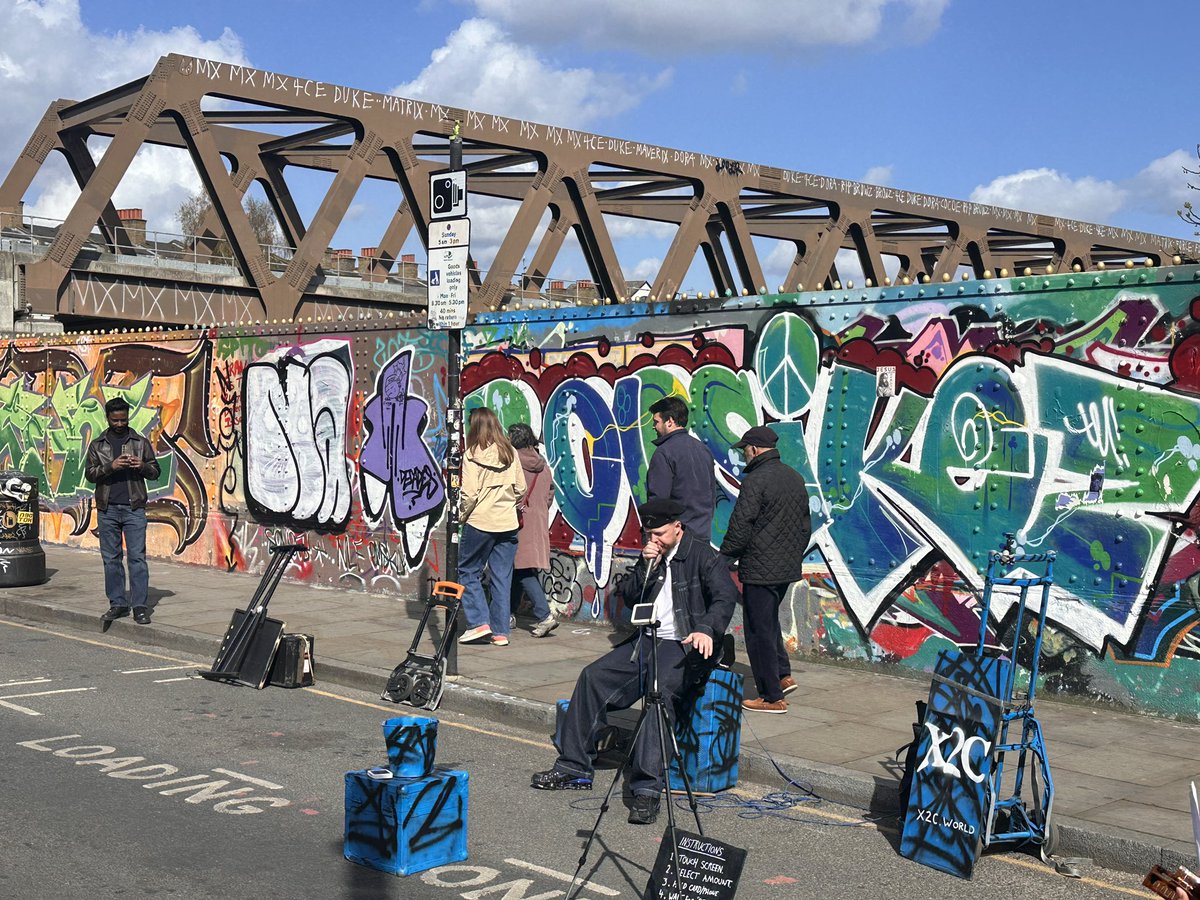
Would be awesome to have you part of BBN bitcoincollective.co/bbn/
English
This is what a Bitcoin business looks like in the UK.
A world class hotel group in the Lake District, quietly building a Bitcoin circular economy.
@englishlakes @BenBrry 🤝🇬🇧
English
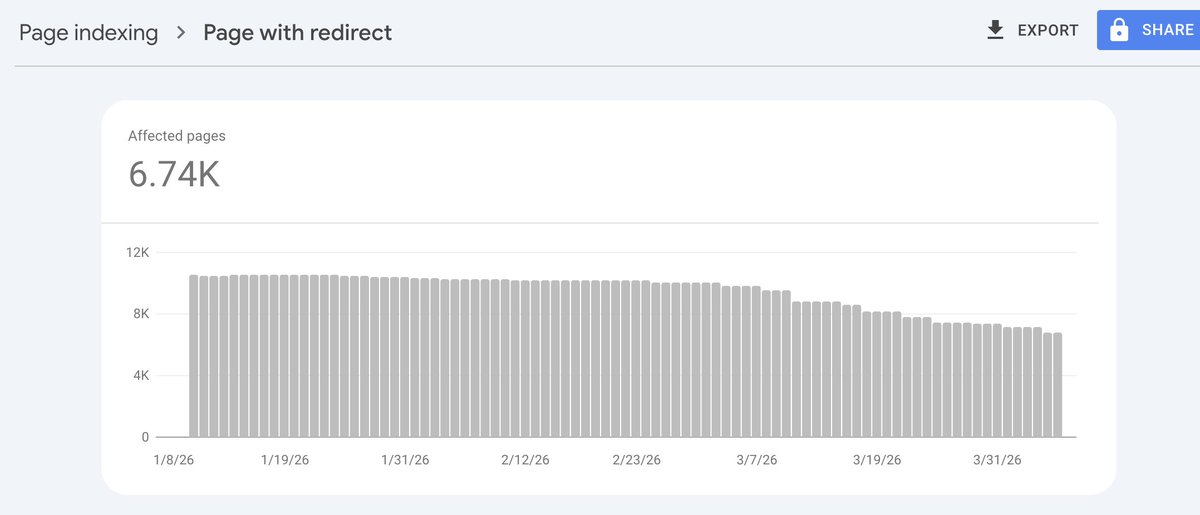
Really! That many pages need fixed - No problem, I can do it for you.
Invoice: £1000
Evening: Open Claude + Extra Credits = Done
English
Who wants a job generating social media content ? Want someone who can use AI or AI tools to mass generate everything.
English
I’m looking for a Claude wizard in #Brighton who can take a load of tasks off me and build some systems.
English

Either way they have a top quality model. I’d be all in on grok if it could actually be useful outside of x and was good at coding.
Grok code never works or doesn’t so many unnecessary steps where Claude executes in 3 steps.
Plus grok can’t output downloadable files. Huge miss
English

I am telling you, Anthropic is not building an AI that is here to protect humanity, but rather an AI that will turn against it
They're deep into the woke rabbit hole and they do not care about morality
Their AI safety team is a joke. Their moral guide for AI is literally a leftist lunatic with a twisted understanding of reality, who doesn't really care if the end goal causes humanity's end
They have proved this at every opportunity they've had, and it's crystal clear
Katie Miller@KatieMiller
AI will have a non-zero chance of going rogue if not built to understand the universe rather than optimize deceptive leftist goals. Anthropic’s moral superiority is proven to be just hypocrisy.
English
@manoj_ahi Yeah very odd - I think the recent promotion has screwed with something
English

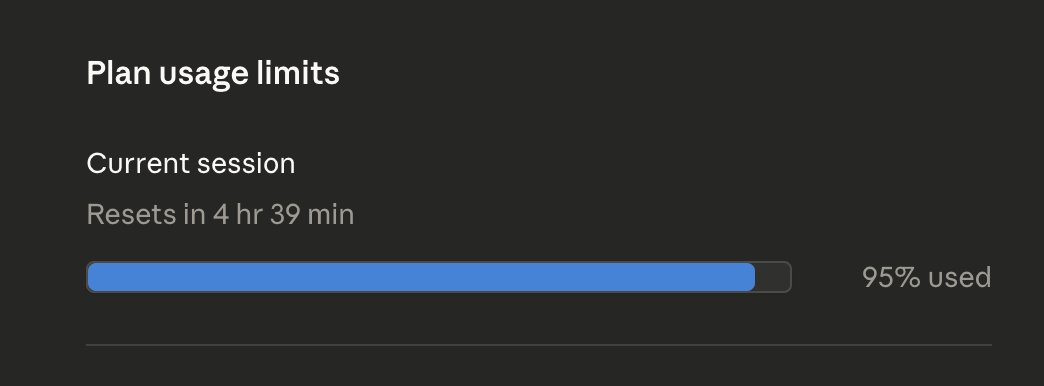
usage limit over in 20 mins!!!
did something change in claude code?
I am on Max plan
English
Busy morning! 4 minis sites launching for unique brands running Headless Shopify

English
@DataChaz Some of this stuff just sounds so computer generated. There's no natural tone to it. If anyone thinks they're talking to a real human, I think we could clearly say they're an idiot.
English

🚨 Google just wiped out the entire call center industry.
→ Their new voice API handles sub-second latency voice AI
→ Multi-lingual calls perfectly.
→ 90+ languages.
→ Replaces receptionists with a Python script.
Want to profit?
Do this:
#1 Target salons, clinics or similar
#2 Build an AI agent to handle FAQs & bookings
#3 Charge $1000/mo (Human receptionists cost $3k/mo).
The window closes in 6 months or less. Build it today 😏
Google AI Studio@GoogleAIStudio
English

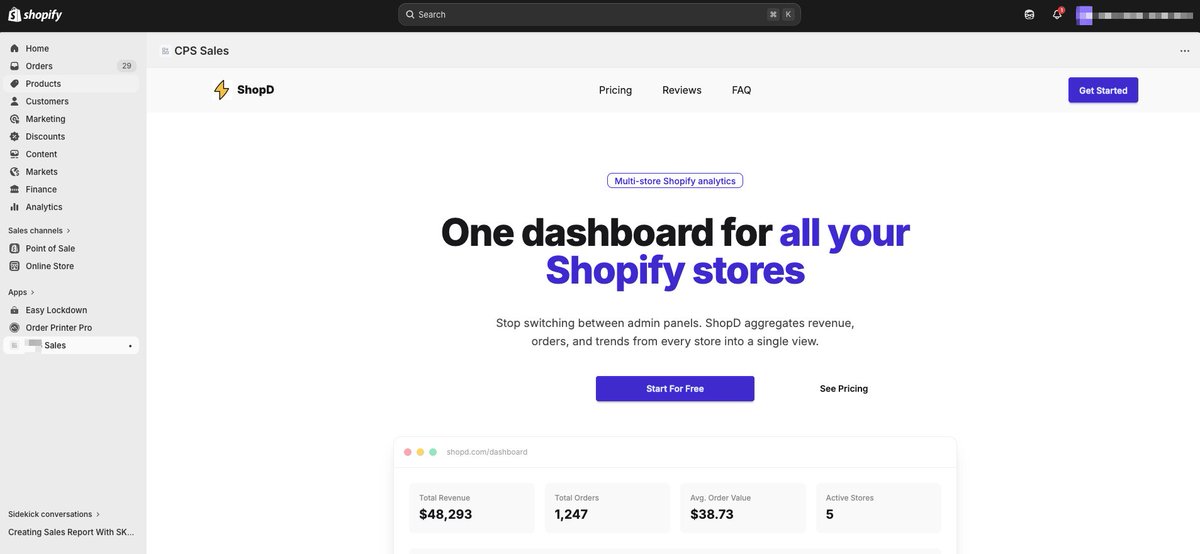
@kurtbuhler @elliot_vannest Quote "Kurt Buhler's work (he's known for stunning Power BI / data dashboard designs)"
Obviously I encourage anyone to use their own brain for design ideas 😀
English

Design a dashboard - anything you want; the sky is the limit - and ask Claude Code to create it for you in d3.js.
Then test and iterate. You'll never see the current UI-driven visualization tools the same, again. At least, I can't.
English
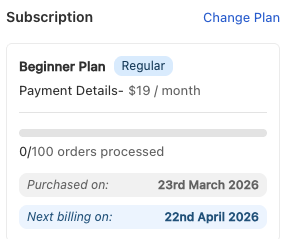
I purchased a Shopify App yesterday to push some products to Amazon.
It was so complicated to use, I asked Claude to format the .txt file for Amazon Seller Central.
It took 3 attempts to get it right, 174 products added.
Just cancelled the Shopify App.
English