
ทวีตที่ปักหมุด
Dominus
5.1K posts


Dominus
@Dominusrrf
meta-introspection
Hẻm Mất Tín Hiệu เข้าร่วม Kasım 2025
14 กำลังติดตาม141 ผู้ติดตาม


This is why people in their early to mid 40s are now being screened for colon cancer.
The garbage they fed us…

English


Prime Minister Benjamin Netanyahu, at the site of the missile hit in Arad:
“If you want proof that Iran endangers the entire world, the last 48 hours have given it. In the last 48 hours, Iran targeted a civilian area.
gov.il/en/pages/event…
English

I believe Starlink will have to run significant promotions/discounts in #Vietnam
The announced price of $85/month is too high for the region:
Indonesia $30–47/month (Lite at $30)
Malaysia $30–50/month (Lite at $30)
Philippines $65/month
USA Low-tier plans $50/month
Unless having Starlink becomes a status symbol for wealthy people (like early iPhone days), it'll have a very limited penetration in the Vietnamese market.
Da Nang Expat@Carlosa_DaNang
Starlink #Vietnam users to pay a monthly fee of $85 (2.2 million VND) and a one time set up fee of $350 (9.2 million VND) for the equipment package. The fees raise serious questions about the competitiveness of this service in Vietnam, other than in remote areas or specialized applications. #Starlink is many times more expensive than traditional internet services in Vietnam. Vietnam is considered one of the countries with the lowest internet costs in the world. Fiber optic infrastructure has been widely deployed thanks to major telecommunications companies such as Viettel, VNPT, and FPT Telecom . Currently, common fiber broadband packages are priced at around: ▪️VND180,000 - VND220,000 per month for basic plans ($6.85-$8.35) ▪️VND230,000 - VND300,000 for mid-tier packages ($8.75-$11.40) ▪️VND350,000 - VND500,000 for high-speed services ($13.30-$19.00) At these prices, users can access Internet speeds ranging from 150 Mbps to 1 Gbps, sufficient for work, study and entertainment. Compared directly, Starlink’s projected fee of around VND2.2 million per month is roughly seven to ten times higher than fiber broadband. Benefits of satellite internet Despite being significantly more expensive than traditional internet services, Starlink still has its own advantages. The biggest advantage of satellite internet is that it doesn't require terrestrial fiber optic cable infrastructure. Users only need to install a signal receiver to access the internet. This is particularly useful in areas where laying fiber optic cables is difficult, such as mountainous regions, sparsely populated areas, remote islands, construction sites, mining operations in remote locations, or offshore shipping or operations. In addition, private businesses, especially small and medium-sized enterprises (SMEs) in remote areas, will also greatly benefit from this technology. Thanks to stable connectivity, they can connect to e-commerce platforms, utilize cloud computing tools, and access international markets, boosting local economic development. The benefits of Starlink have been demonstrated through numerous real-world scenarios, with noticeable impacts in various contexts. Starlink will likely focus on specific market segments where traditional telecommunications infrastructure is either unavailable or deployment costs are too high. If equipment costs decrease and subscription prices are adjusted to be more in line with incomes in developing countries, Starlink could become a more popular option. Even with its higher price, Starlink still offers unique advantages. Satellite Internet does not require fiber cables on the ground, meaning users only need to install receiving equipment to connect. This makes it particularly useful in locations where deploying fiber infrastructure is difficult or prohibitively expensive, such as mountainous regions, sparsely populated communities, remote islands, offshore operations or construction and mining sites in isolated areas. In these cases, satellite Internet can often be deployed much faster than building traditional telecom infrastructure. Starlink could also serve as a backup Internet connection for businesses. When international submarine fiber cables experience disruptions, Internet speeds in Vietnam can be significantly affected. In the past, major submarine cable systems such as Asia-America Gateway and Asia Pacific Gateway have experienced repeated outages, disrupting international connectivity. In such situations, satellite Internet could help maintain stable connections. Starlink also serves as a backup infrastructure in situations of natural disasters, storms, floods, or widespread network failures. When the terrestrial system is disrupted, the satellite connection can ensure that communication is not interrupted. From an application perspective, Starlink is suitable for specialized fields such as search and rescue, national defense and security, education in remote areas, or marine economic sectors such as shipping, offshore fishing, and offshore oil and gas. In addition, businesses operating in remote areas, such as mining, forestry, small-scale hydropower, and cross-mountain transportation infrastructure , are also potential customer groups. Another segment that might accept Starlink's high price is premium services such as secluded resorts, cruises, or user groups requiring independent, stable international connectivity. Clearly, the arrival of Starlink satellite internet in Vietnam is a missing piece in the national digital infrastructure picture. The brains of Starlink satellite internet The official licensing of Elon Musk's SpaceX to provide satellite internet services in Vietnam is not only a milestone in telecommunications infrastructure, but also affirms Vietnam's strategic position in possessing ground gateway stations – the data coordination brains that very few countries in the region have. Accordingly, the initial phase includes 4 Gateway stations, supporting a maximum of 600,000 terminal devices, implemented systematically and under control to ensure no interference and compliance with frequency resource regulations. In the context of satellite internet, gateways are essentially "extensions" on the ground. These are extremely powerful data relay stations that directly connect the low Earth orbit (LEO) satellite network to the nation's high-speed fiber optic infrastructure. What makes the deployment of these stations in Vietnam particularly important lies in their transmission mechanism. When Vietnamese users send an access request, the signal is transmitted to the nearest Starlink satellite. Then, instead of being transmitted over long distances to neighboring countries, the data is sent directly to the Gateway station located right in Vietnam. SpaceX's choice of a country for placing its ground gateway system depends on several stringent factors; in particular, the area must have a strategic geographical location, ensuring optimal coverage for satellites flying over the region. The terrestrial fiber optic infrastructure is crucial; the gateway station needs to be connected to the national internet "backbone" with extremely high bandwidth. Many countries currently use Starlink but have to share gateway stations with neighboring countries or are entirely dependent on satellite links. This inadvertently increases latency and reduces stability compared to having a local Gateway station. A significant advantage for Vietnamese users Traditional geostationary satellites at an altitude of 35,000km typically cause significant latency. With Starlink (at an altitude of 550-600km) combined with a gateway station located domestically, the data transmission distance is minimized. This helps real-time applications such as online meetings, gaming, or financial transactions in Vietnam achieve a smoothness comparable to traditional fiber optic connections. In addition, the Gateway system, when installed in Vietnam, will help provide high-speed internet coverage to areas where fiber optic cables are limited, such as mountainous regions and islands. This serves as a "lever" to bridge the digital divide, helping businesses in these regions access global markets. The deployment of the Gateway station system not only serves the internet needs of the population but also opens up opportunities for heavy industries, maritime logistics, and smart agriculture in Vietnam. It also demonstrates the readiness of the national infrastructure. With its strategic gateway stations, Vietnam is not only a service user but also an important part of the global Internet of Things infrastructure. According to sources, Starlink's investment in ground stations in central Vietnam is reportedly around $300,000. In Southeast Asia alone, Starlink is available in four countries: the Philippines, Malaysia, Indonesia, and East Timor. However, the number of Starlink users in these countries is not large due to the high price. Technically, Starlink uses the Ku band for end-user devices, while gateway stations use the Ka and E bands. The use of the E band, with its width up to several GHz, relieves pressure on the increasingly congested Ka band, meeting the demand for extremely large data transmission volumes. However, this accession also came with strict conditions to protect national interests. The license to provide satellite telecommunications services for Starlink also required the company to commit to "not interfering with or adversely affecting the coordination of frequencies and orbits of Vietnam's non-geostationary satellites in the future." This is a key point to ensure that Vietnam can still develop its own satellite system without resource conflicts. With the improvement of the institutional framework through new decrees and circulars, Vietnam is ready to embrace cutting-edge technologies while maintaining its sovereignty over airspace and frequency resources.
English

Right now it feels like a Trump is panicking and angry!
Not a great look.
English

At 95, I'm still smokin'! 😝
I’ve learned two things:
Never waste a good cigar.
Never trust anyone who says you should ‘act your age.’ 😉👍🏻

English

Muslims do not believe that Jesus is God.
It’s that simple.
Don’t complicate it.
English

question for my tech bros:
what's the best place to find love in SF?
Don@donatelli2026
Apparently this is the best place to find love in SF
English

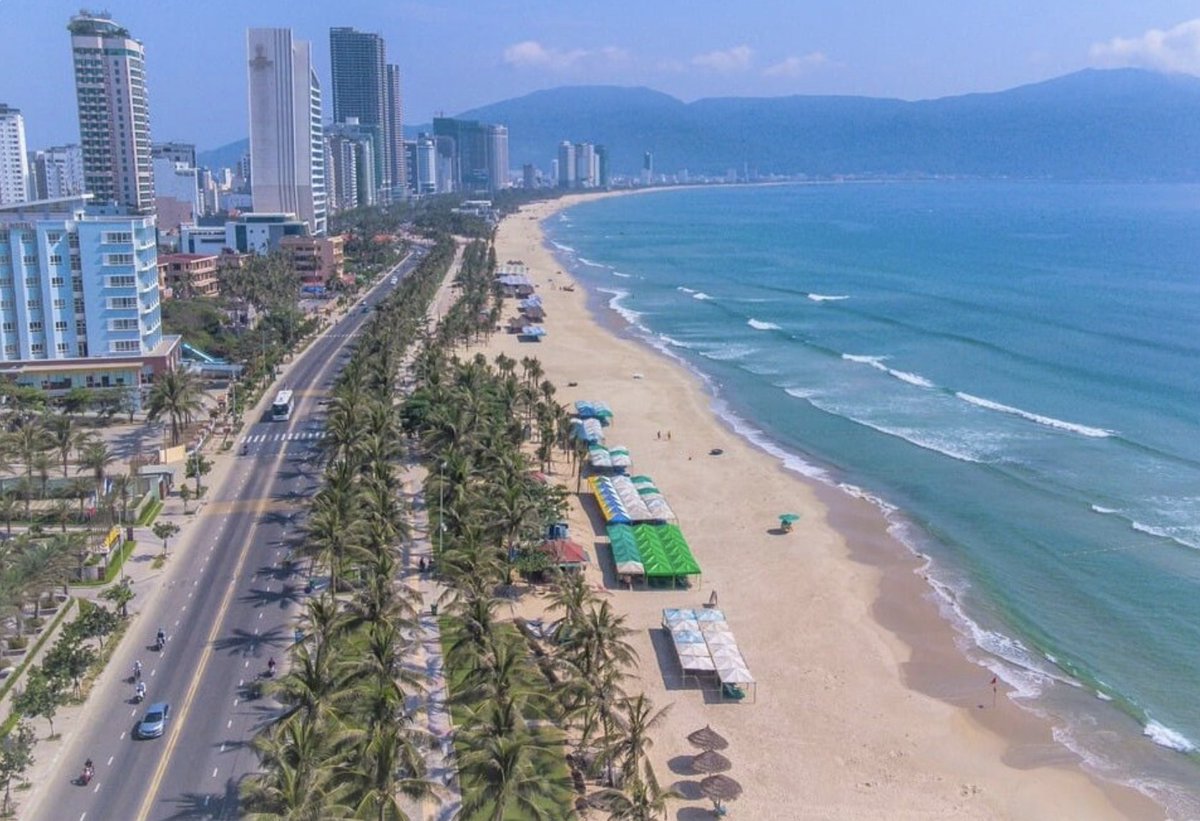
Vietnam beats it in almost every aspect
🇻🇳 better coffee
🇻🇳 better food
🇻🇳 more affordable
🇻🇳 insane nature from north to south
🇻🇳 fewer tourists
🇻🇳 friendlier people
Wals@walsxbt
Thailand is the best country in the world I like it all: 🇹🇭 culture 🇹🇭 people 🇹🇭 food 🇹🇭 nature 🇹🇭 affordability & comfort 🇹🇭 freedom Name a better country, I’ll wait
English


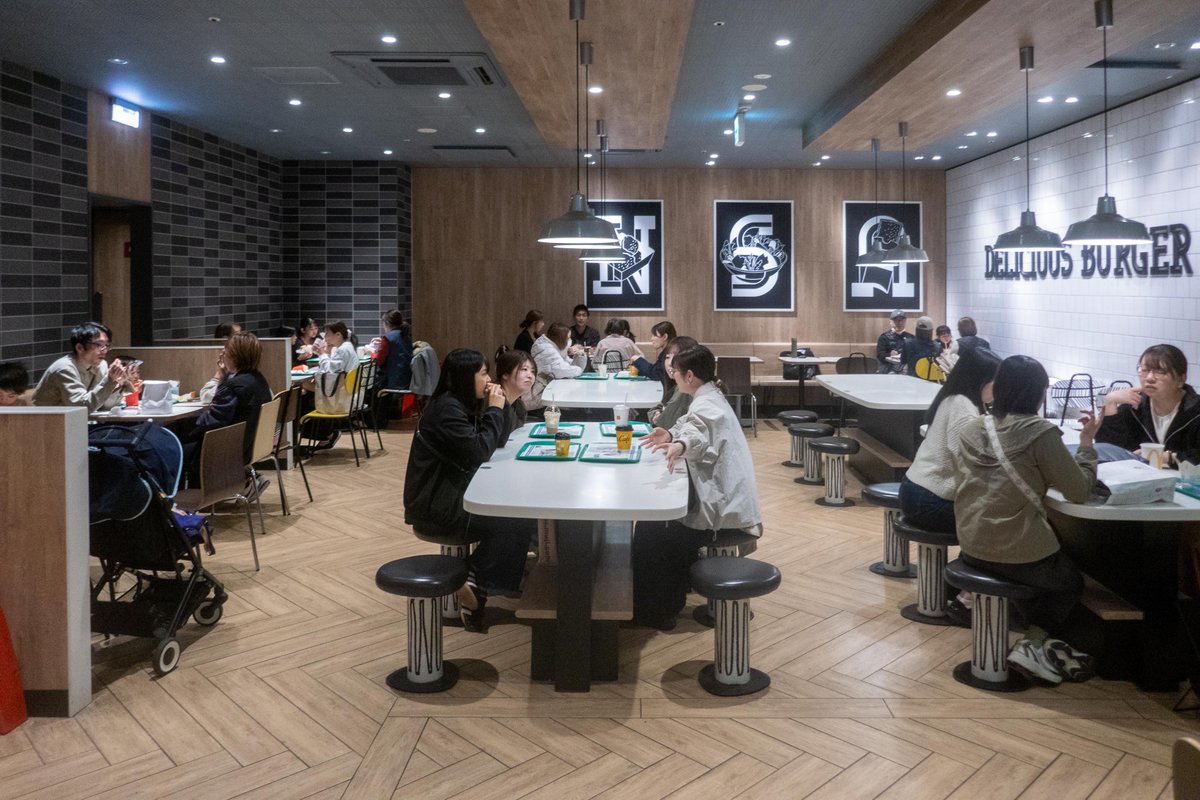
I'm not saying you should eat a lot of McDonald's while in Japan, but boy oh boy are they ever popular here -- and like almost everything Japanese -- so clean, polite, and efficient.


English

What happens to your body while inside an electric car
English

Why do you feel better after walking barefoot on the beach?
The Earth is a -400,000 volt electron reservoir.
Your body's been accumulating positive charge all day.
Discharge it.

English

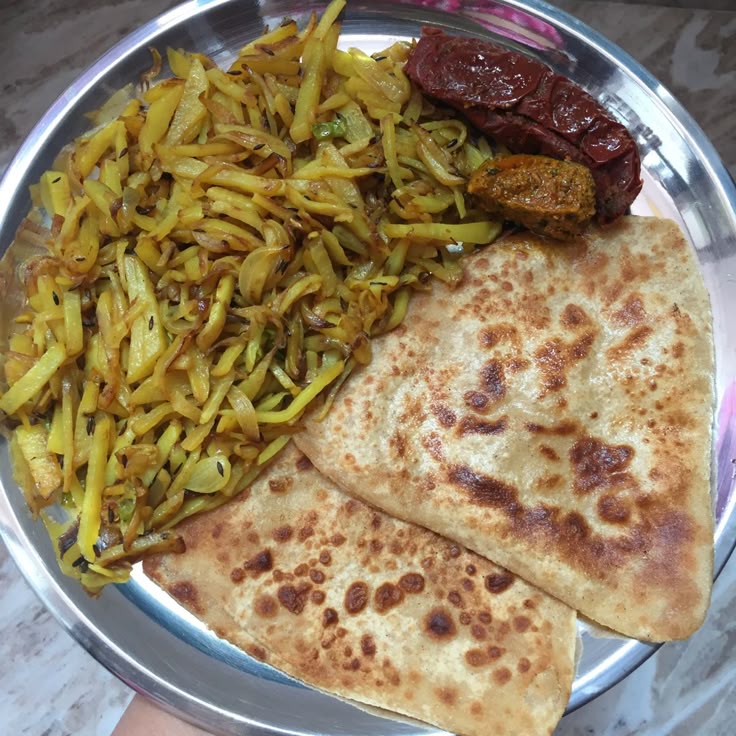
@Myth_Selvin Forget about nutritious, this thali for 10 yrs is straight one way ticket to Diabetes m
English



FREE SPEECH IS DEAD.
StopAntisemitism’s founder declares total war on anyone who criticizes Israel.
They will hunt you, bankrupt you, and socially isolate you.
English