
ทวีตที่ปักหมุด
Ed Chiu
1.1K posts

Ed Chiu
@EdChiuSD
Equity investor. F.I.R.E. Cheat code for beating the market is 60/40 core + BTFD on $TQQQ at deep discount. Retweets/follows are not endorsement.
San Dimas เข้าร่วม Kasım 2021
564 กำลังติดตาม129 ผู้ติดตาม


@MeAnnSel yeah, let's hear from the Uyghurs, instead of the neocons China hawks from the US.
x.com/crackeroot101/…
The Resident@crackeroot101
@M_Johnston1 @M_Johnston1 Margaret, oh my gosh! Have you seen this video where an american indian finds out what is happening with an Uyghur in XinJiang?😳 Oh my gosh, you should check it out!
English

I would like to hear from the Uygurs. Funny how all of that disappeared this year after years of it going on. You can walk on the street while being paid next to nothing, terrified into working for nothing by theats. Let's hear from the Uygurs rather than the perpetrators.
Jason Smith - 上官杰文@ShangguanJiewen
@NorthrnPrspectv I am a citizen of the USA. I often go to Xinjiang. Even to the cotton fields. Uygurs are freely walking around. Mosques are open, and full. Those saying otherwise have universally NOT been there. The UN on this matter. 👇 ohchr.org/en/press-relea…
English
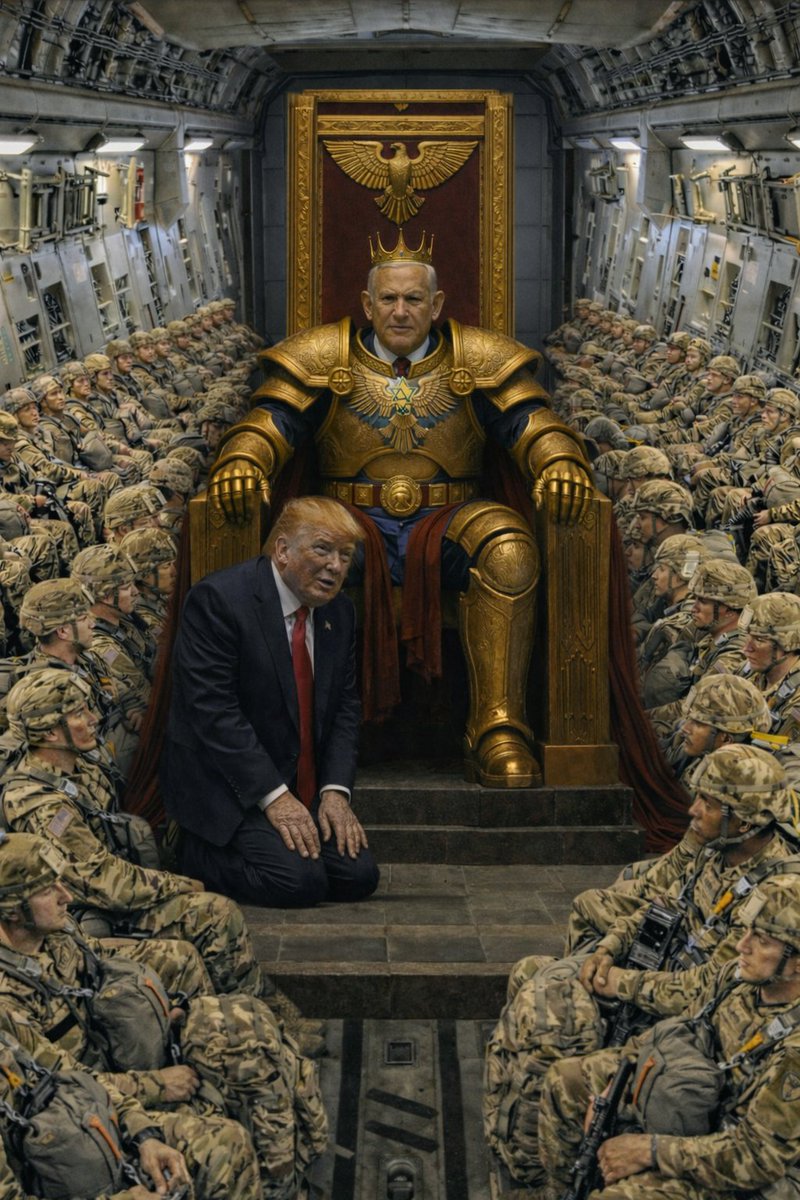
@NoahsArk1000 Over the past few years, many people have realized the biggest threat to mankind is this.
English
Antisemitism is rising slowly, what’s your biggest concern?
English


It gets worse.
The Prime Minister is now offside with the House of Commons’ official position: that Chinese repression of the Uyghurs constitutes a genocide.
Is Mr. Carney willing to abandon moral clarity in favour of his EV deal?

English

I never thought I’d live to see half of the United States root for US military defeat. What a sad and sick commentary. It’s disgusting.
English
@globepolitics That Uyghur genocide story is bull shit, not backed up with evidences.
x.com/AliFeizi/statu…
Ali Feizi 费爱理 Adili@AliFeizi
A Canadian’s Disappointment: What I Actually Saw on the Ground in Xinjiang vs. What Ottawa Claims As a Canadian, I have always taken pride in my country’s commitment to human rights, due diligence, and evidence-based foreign policy. We are a nation that prides itself on “peacekeeping,” not warmongering; on diplomacy, not hyperbole. That is why I find myself profoundly disappointed—not just as a Canadian, but as a citizen of a country that claims to value truth—when I listen to the Parliamentary Questions coming out of Ottawa regarding Xinjiang. The language used in is alarming. Terms like "concentration camps" are thrown around with a casual certainty that bears no resemblance to the reality I have witnessed with my own eyes. Having made three trips to the Xinjiang Uygur Autonomous Region in the last nine months, I have seen a reality that is diametrically opposed to the narrative being pushed by our Members of Parliament. I am not a journalist embedded with a government delegation; I am a Canadian who traveled independently. I went expecting to verify the headlines we see in Canadian media. Instead, what I found was a region vibrant with culture, actively preserved and proudly showcased. Here is what I observed on the ground, and why I believe Ottawa’s rhetoric is not only wrong but dangerously disconnected from the facts. The Cultural Reality I Witnessed During my three trips, I spent time in Kashgar, Urumqi, Tashkurgan and the surrounding areas. The narrative I was sold in Canada was one of cultural erasure. The reality I experienced was the exact opposite. 1. The Old City of Kashgar One of the most striking examples of cultural preservation is the Old City of Kashgar. Canadian politicians describe a region being "flattened" or "assimilated." Yet, I walked through the labyrinthine alleyways of this ancient Uygur city, which has been meticulously preserved as a historical site. The local government didn’t tear it down; they invested in upgrading the infrastructure, running water, natural gas lines, and earthquake proofing, while maintaining the traditional Uygur architecture, wooden pillars, and intricate brickwork. In the evenings, I watched in the alleyways while children ran through streets paved with traditional kuzi bricks. This wasn’t a ghost town; it was a living, breathing historical center. 2. The Grand Bazaar and Livelihoods The Id Kah Bazaar in Kashgar is not only open; it is thriving. I saw Uygur artisans selling hand-engraved copperware, traditional atlas silk, and locally grown dried fruits. Far from being forced into labor, I spoke with shop owners who explained that tourism encouraged by the government’s infrastructure investments had allowed them to expand their family businesses. If the goal were cultural genocide, as some Canadian MPs allege, why would the state invest billions into preserving the mihrabs in mosques, restoring the Id Kah Mosque (one of the largest in China), and promoting Uygur cuisine and music festivals? It simply doesn’t add up. 3. Videos from the Ground I am sharing some videos in my posts to show the reality. In one clip, you can see Uygur dance another a traditional wedding I went too. The Disconnect in Ottawa As a Canadian, this embarrasses me. We claim to be a nation that stands for truth and reconciliation. Yet, when given the opportunity to send independent observers or journalists to verify facts, our government often chooses to boycott or criticize the very invitation for transparency. If our Parliament is going to make accusations as severe as "genocide" and "concentration camps," the onus is on them to provide evidence. My three trips over the last nine months provided evidence of the opposite: a region where Uygur culture is not only preserved but celebrated, and where the so-called "camps" are actually vocational training centres, facilities I drove by I that looked into them focused on giving people skills in Mandarin and industrial skills. #Xinjiang
English

Carney avoids describing China’s treatment of Uyghurs as genocide theglobeandmail.com/politics/artic…
English



NEW: We transform Israel into a supernation
NO, You lost. LOSER.
English


Ce général 🇮🇱 tueur en série de Palestiniens et grand destructeur de Gaza, pleure son fils mort au Liban.
Quand tu passes ta vie à massacrer des 🇵🇸 et à raser des quartiers entiers… la mort finit par venir frapper chez toi et bouffer ta propre chair!
Pleure fort Fdp!
Français
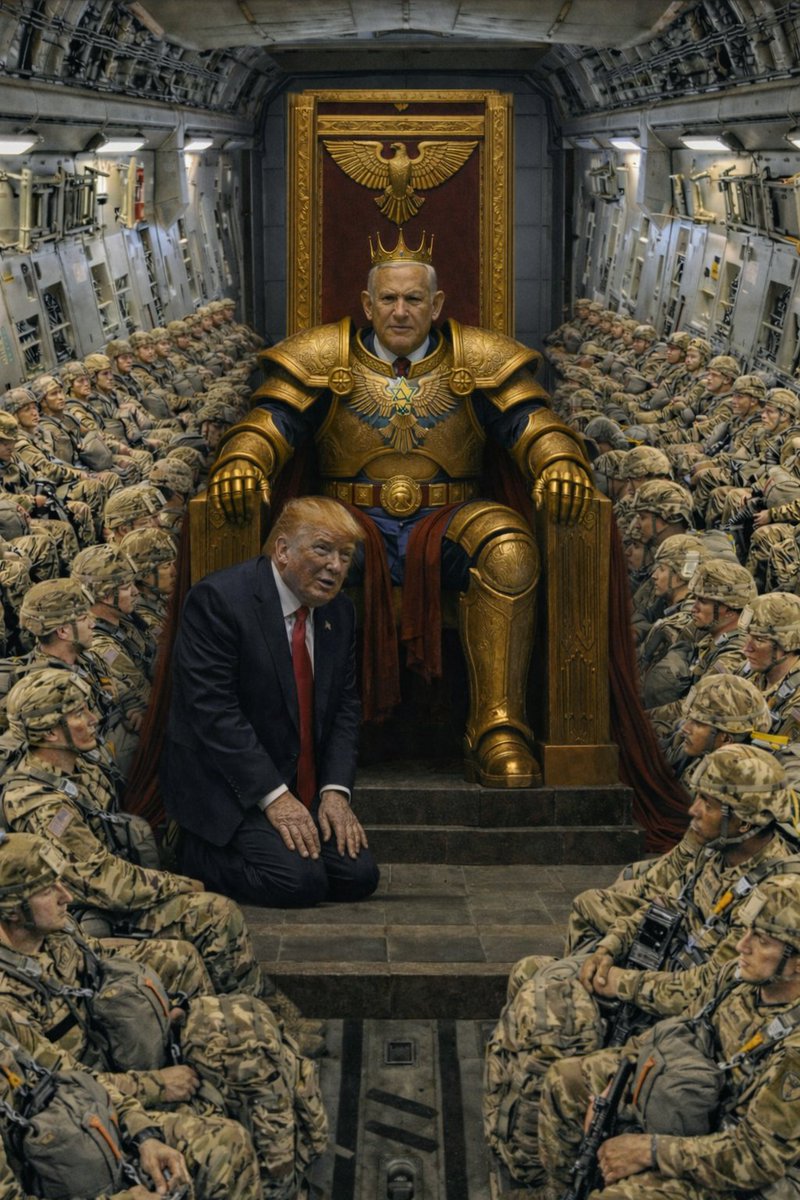

🚨 Netanyahu Goes Full War Mode:
"Israel Will Attack Any Country, Any Time"
World should unite to stop this psycopath.
English

Just yesterday the Netanyahu govt adopted a law to hang Palestinians who commit certain crimes in the West Bank but not Israeli settlers who commit the same crimes.
Why are we sending a blank check of billions of $ to a govt that pursues these & other blatantly racist policies?
theguardian.com/world/2026/mar…

English


Nick Fuentes: “Pray for Iran... Iran right now is fighting for all of humanity. They really are. In a way, they're fighting for us. Because if Iran falls, it means Israel controls the entire Middle East... It's not Iran they're after. Israel is after you, Iran is just in the way”
English

Rep. Rich McCormick: "We were horrible in Vietnam until we did Rolling Thunder One and Rolling Thunder Two, and then we won. As soon as we do half-measures, we lose. The faster we get this over the better. If we seize Kharg Island, it's technically boots on the ground. It could be done almost flawlessly. If we have enough firepower, it would be very easy to defend."
English
@TLNewmanMTL That Uyghur slave labor story is just bull shit made up by US neocons.
Millions of foreign visitors visted Xinjiang and they found nothing.
Best Spy satellites found nada, zip,
x.com/AliFeizi/statu…
Ali Feizi 费爱理 Adili@AliFeizi
A Canadian’s Disappointment: What I Actually Saw on the Ground in Xinjiang vs. What Ottawa Claims As a Canadian, I have always taken pride in my country’s commitment to human rights, due diligence, and evidence-based foreign policy. We are a nation that prides itself on “peacekeeping,” not warmongering; on diplomacy, not hyperbole. That is why I find myself profoundly disappointed—not just as a Canadian, but as a citizen of a country that claims to value truth—when I listen to the Parliamentary Questions coming out of Ottawa regarding Xinjiang. The language used in is alarming. Terms like "concentration camps" are thrown around with a casual certainty that bears no resemblance to the reality I have witnessed with my own eyes. Having made three trips to the Xinjiang Uygur Autonomous Region in the last nine months, I have seen a reality that is diametrically opposed to the narrative being pushed by our Members of Parliament. I am not a journalist embedded with a government delegation; I am a Canadian who traveled independently. I went expecting to verify the headlines we see in Canadian media. Instead, what I found was a region vibrant with culture, actively preserved and proudly showcased. Here is what I observed on the ground, and why I believe Ottawa’s rhetoric is not only wrong but dangerously disconnected from the facts. The Cultural Reality I Witnessed During my three trips, I spent time in Kashgar, Urumqi, Tashkurgan and the surrounding areas. The narrative I was sold in Canada was one of cultural erasure. The reality I experienced was the exact opposite. 1. The Old City of Kashgar One of the most striking examples of cultural preservation is the Old City of Kashgar. Canadian politicians describe a region being "flattened" or "assimilated." Yet, I walked through the labyrinthine alleyways of this ancient Uygur city, which has been meticulously preserved as a historical site. The local government didn’t tear it down; they invested in upgrading the infrastructure, running water, natural gas lines, and earthquake proofing, while maintaining the traditional Uygur architecture, wooden pillars, and intricate brickwork. In the evenings, I watched in the alleyways while children ran through streets paved with traditional kuzi bricks. This wasn’t a ghost town; it was a living, breathing historical center. 2. The Grand Bazaar and Livelihoods The Id Kah Bazaar in Kashgar is not only open; it is thriving. I saw Uygur artisans selling hand-engraved copperware, traditional atlas silk, and locally grown dried fruits. Far from being forced into labor, I spoke with shop owners who explained that tourism encouraged by the government’s infrastructure investments had allowed them to expand their family businesses. If the goal were cultural genocide, as some Canadian MPs allege, why would the state invest billions into preserving the mihrabs in mosques, restoring the Id Kah Mosque (one of the largest in China), and promoting Uygur cuisine and music festivals? It simply doesn’t add up. 3. Videos from the Ground I am sharing some videos in my posts to show the reality. In one clip, you can see Uygur dance another a traditional wedding I went too. The Disconnect in Ottawa As a Canadian, this embarrasses me. We claim to be a nation that stands for truth and reconciliation. Yet, when given the opportunity to send independent observers or journalists to verify facts, our government often chooses to boycott or criticize the very invitation for transparency. If our Parliament is going to make accusations as severe as "genocide" and "concentration camps," the onus is on them to provide evidence. My three trips over the last nine months provided evidence of the opposite: a region where Uygur culture is not only preserved but celebrated, and where the so-called "camps" are actually vocational training centres, facilities I drove by I that looked into them focused on giving people skills in Mandarin and industrial skills. #Xinjiang
English

No one in Canadian media should drop this issue
Sam Cooper@scoopercooper
Floor-crosser Michael Ma at his Markham riding fundraiser— this is an outlier year for floorcrossings, under a new PM whose top policy is moving Canada closer to China, the geopolitical enemy of the United States. Carney is playing with fire, his legacy maybe tighter borders w US
English
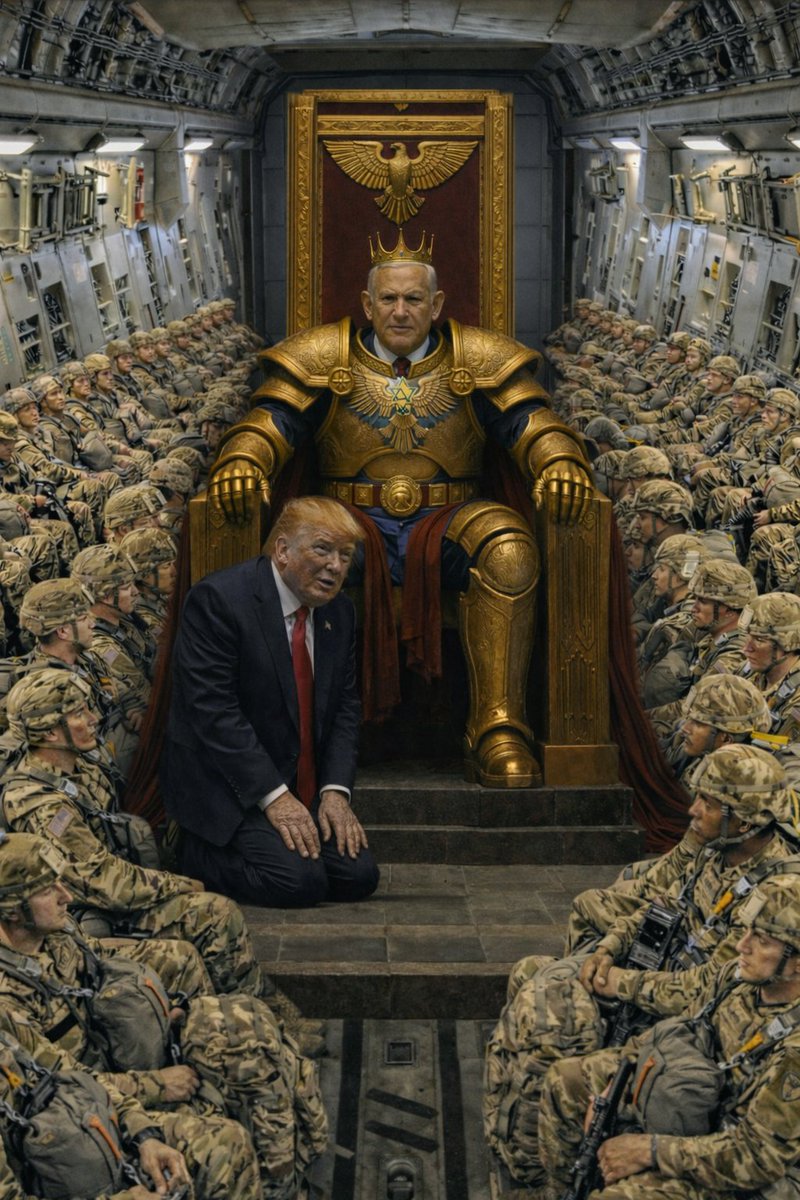

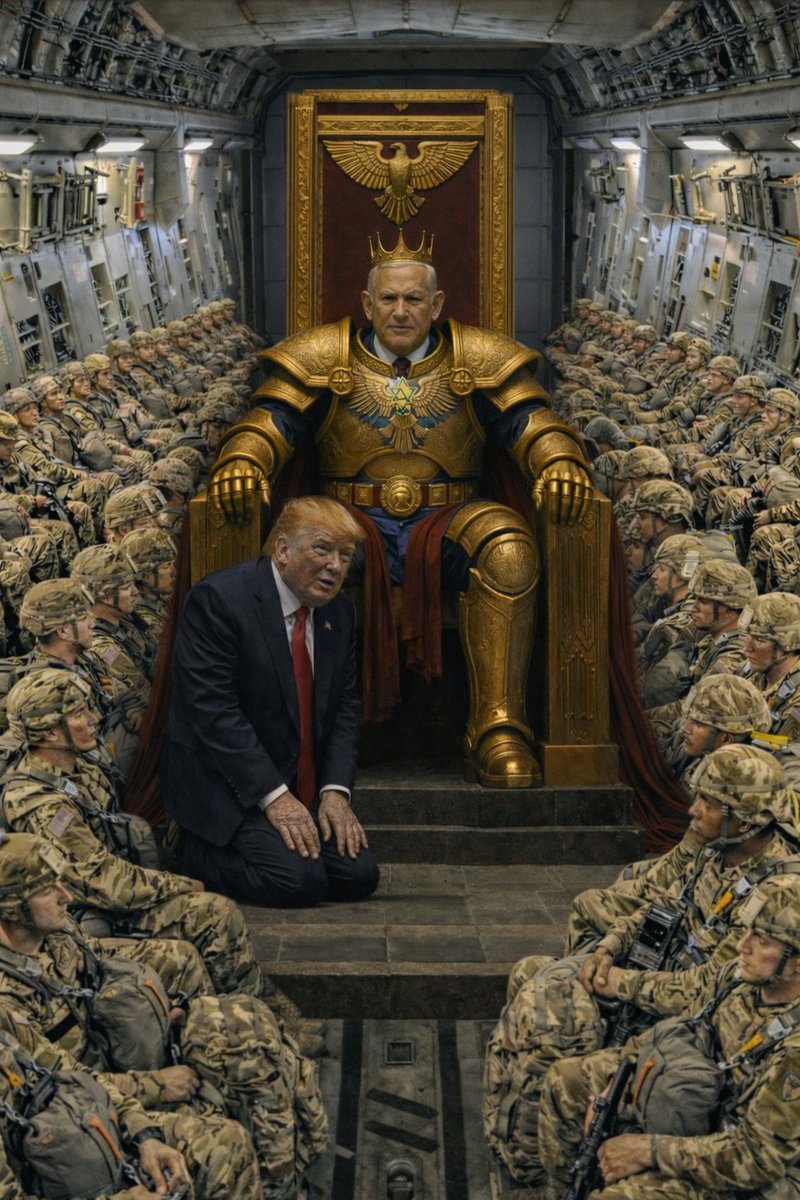
Get out of my country, Little Adolf. Creep.
David Vance@DVATW
Behold Tucker favourite Nick Fuentes .. “Pray for Iran, Iran is fighting for the whole world.”
English
Israel’s defense minister just said it will occupy Southern Lebanon and prevent 600,000 people from returning home.
Even more horrifying he says Israel will demolish their homes just like they did in Gaza.
This is blatant colonialism & land theft & it is being funded by the US.
English
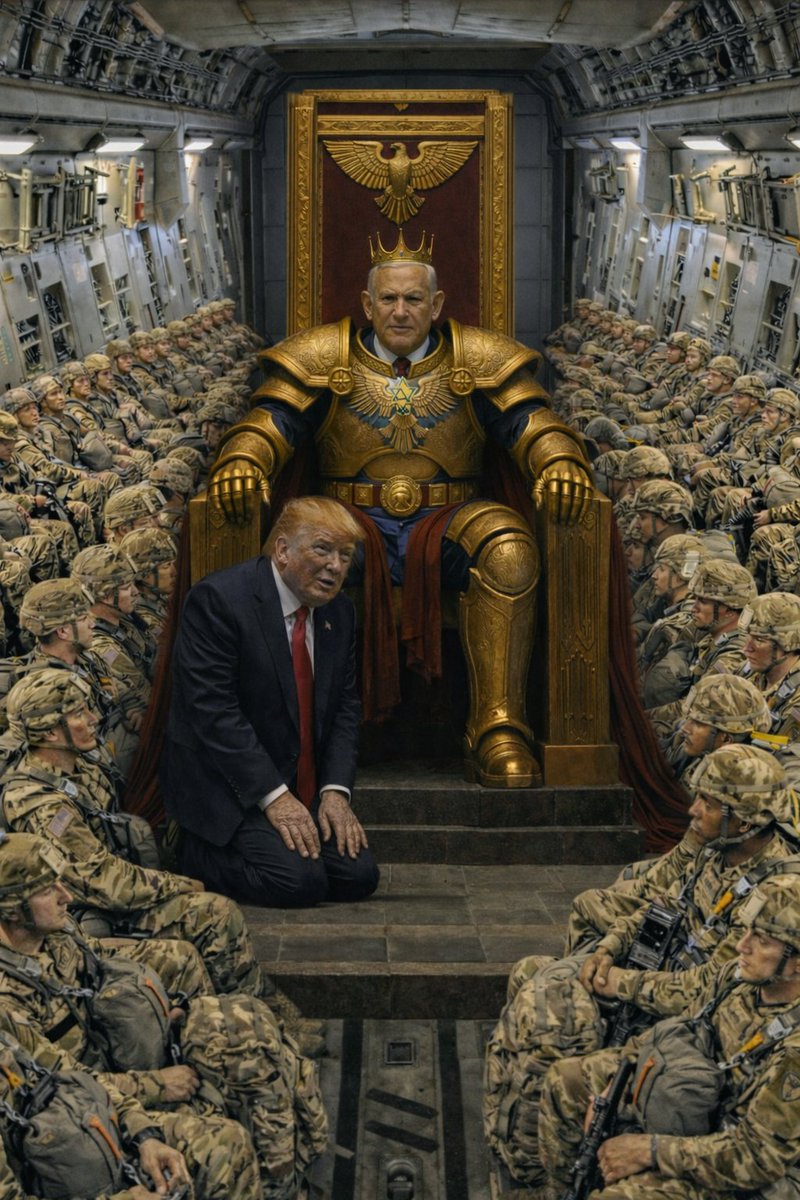

It’s important to understand that the pressure on Israel has never been greater. The US is losing everything it worked decades for all for Israel — allies, bases, reputation, intelligence, decades gone in smoke. That’s how much Israel has cost the US: it’s killing the empire.
English
@republic_yyc @pati_marins64 When you killed more innocent civilians than combatants there is no way for you talk your way out of crime of committing terrorism.
English

@EdChiuSD @pati_marins64 It's war... innocents get killed. At least Iran won't be able to fund terrorist outreach internationally.
Also, the IGRC use mosques, schools & hospitals for military operations. It's the muslim way.
English

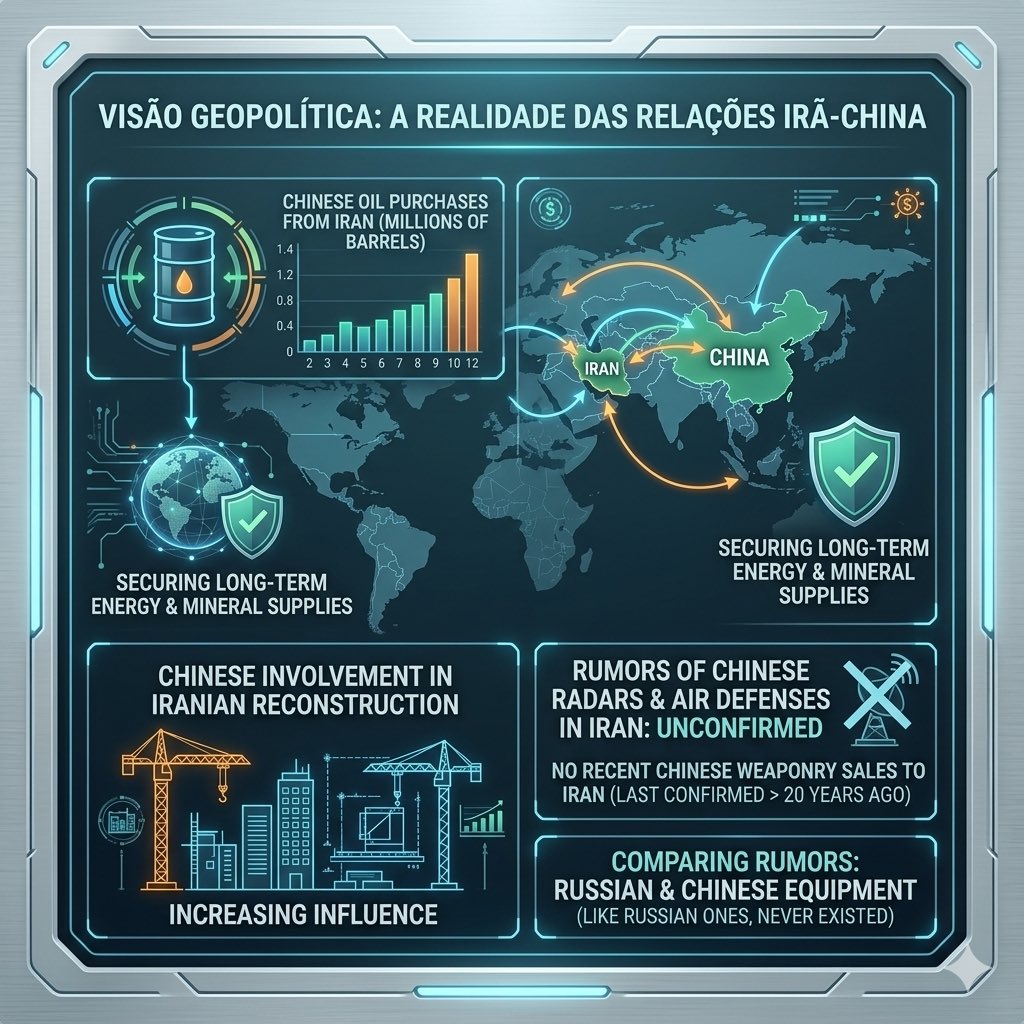
Many Americans believe that the war in Iran harmed the Chinese.
They are deeply mistaken.
Just days ago, the Chinese bought all the Iranian oil that was at sea, more than 1.4 million barrels.
The total estimated volume is around 35-42 million barrels of Iranian oil shipped to China in the last 30 days.
There are no signs that Iran has stopped exporting to China.
Worse still, it is the Chinese who will rebuild Iran, increasing their influence and securing long-term energy and mineral supplies.
Chinese weapons and radars destroyed in Iran? None ever existed. The last confirmed purchase of Chinese weaponry by Iran was more than 20 years ago.
Recently, we saw rumors about Chinese radars and air defenses , just like the Russian ones, that never actually were confirmed.
On top of all that, the Chinese now know far more about American war tactics, formations, and doctrine.
No, there was no benefit in this war, only moral, economic, political, and military strategical losses.
As I said before, decades of work by successive American administrations were thrown in the trash over a situation that was very close to a diplomatic solution.
Join my Substack:
open.substack.com/pub/global21
English
@Alex_Oloyede2 EUV machine for making advanced chips.
ASML of Netherlands Is the only one.
English

Mention one thing the EU is better at than the US and China.
Frid 🇪🇺🦌@Frid45
United we stand, divided we fall. For a united and strong Europe. 🇪🇺
English


Carney’s Government Is Not Failing to See China’s Threat. It Is Choosing to Look Away. thebureau.news/p/carneys-gove…
English
Ed Chiu รีทวีตแล้ว

China accounts for 17% of the world's population. But China accounts for only 13% of global goods exports.
The US accounts for 4% of the world's population. Yet, the US accounts for a whopping 14% of global service exports.
Tell me, who's producing something at “overcapacity”?
English