PM Mark Carney on Air Canada CEO Michael Rousseau delivering a video address only in English: "I'm very disappointed, as others are, rightly so, in this unilingual message of the CEO...lack of judgement and a lack of compassion."
Harper Hollis Bronte
744 posts

@HHBronte
Currently wondering why half of my fellow countrymen lost their minds at the the last election. Liberals are toxic air sponges 🧽 #cdnpoli

PM Mark Carney on Air Canada CEO Michael Rousseau delivering a video address only in English: "I'm very disappointed, as others are, rightly so, in this unilingual message of the CEO...lack of judgement and a lack of compassion."

🚨NEW Canada Border Officer Daniel Notarianni, who was just charged with letting driver Abhishek Abhishek into Canada with millions of dollars worth of opium, cannabis, and tobacco was awarded the Governor General's Exemplary Service Medal in October 2025.


Sneak preview of my interview with Melanie in Saskatchewan. She exposes PM Mark Carney as "a pox on the globe." What a moment!


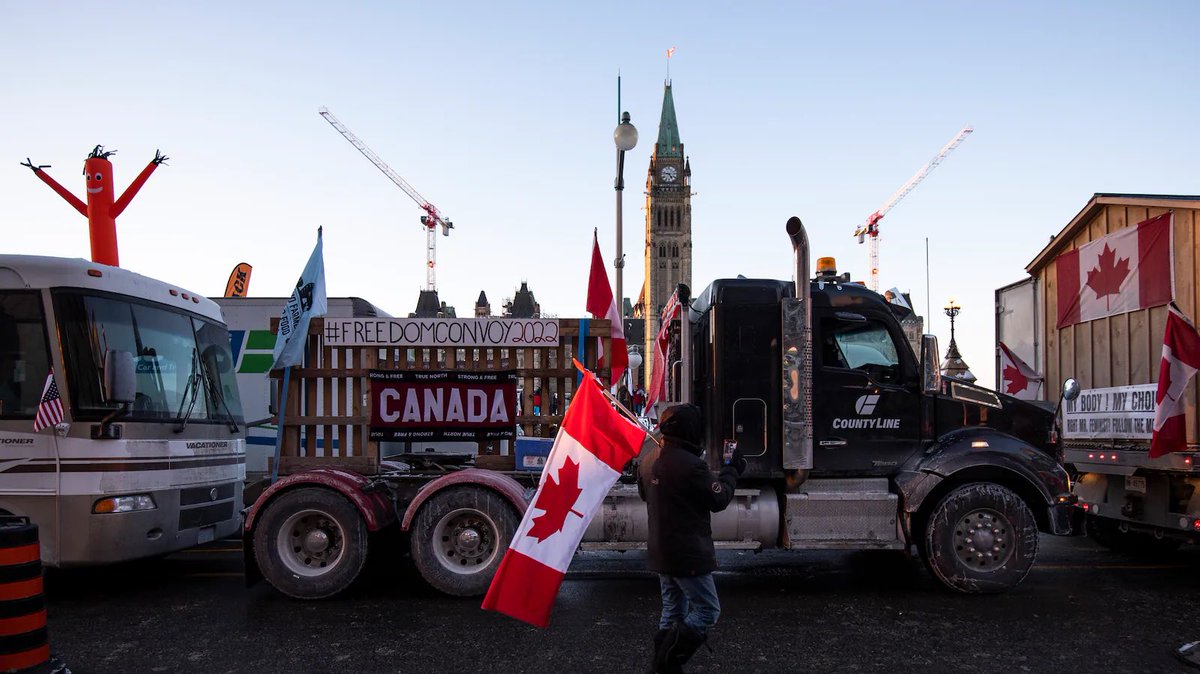
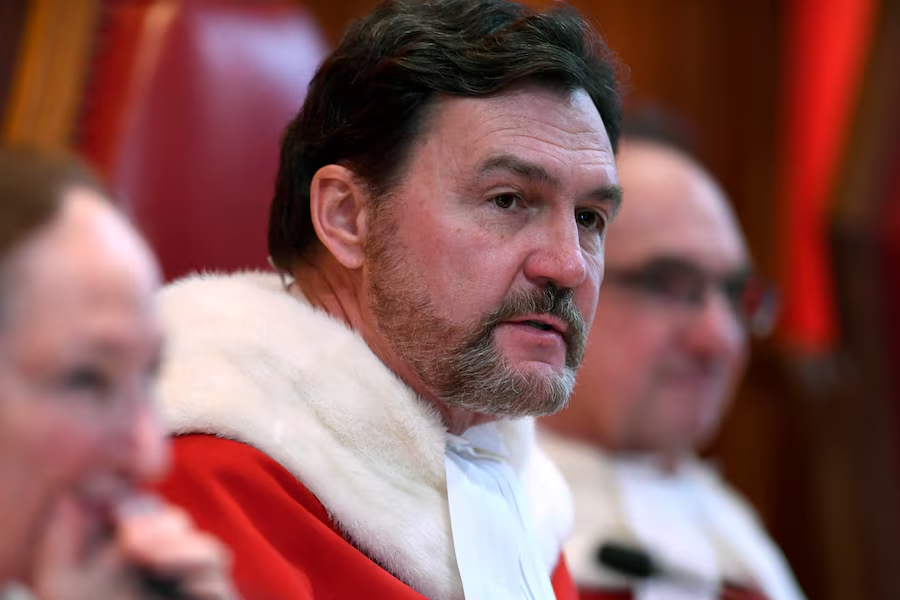
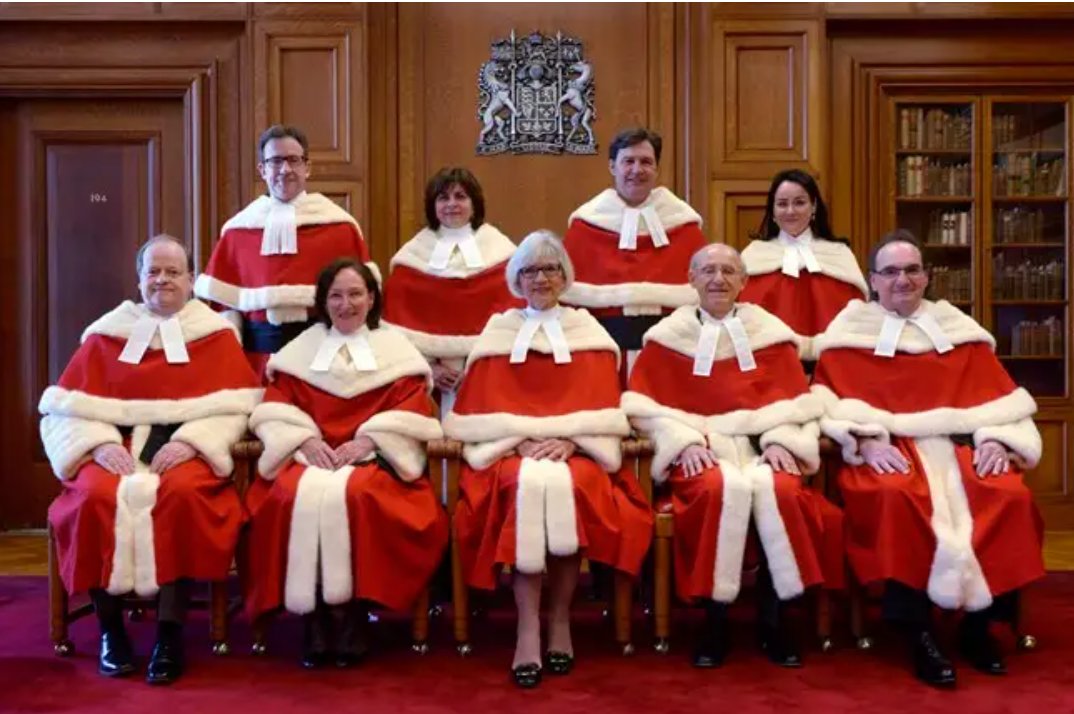
Full article here👇 The Emergency That Was Never Meant to End Mar 17, 2026 The “new government” continues exactly where the last one left off. You don’t need to read the ruling to feel like you already know how this ends. Two courts said the government went too far. So now the same government is asking a higher court to say it didn’t. And a surprising number of Canadians aren’t waiting for the answer. They’re waiting to see if their expectations get confirmed. I’ve tried to approach this the way you’re supposed to. Start with the facts. Keep it clean. Let the conclusions come later. But there’s a point where pretending you haven’t been watching starts to feel like part of the problem. Because most Canadians didn’t just watch the convoy. We lived through it. And more importantly, we lived through what came after. Canada didn’t split politely over that moment. It fractured. Half the country saw something dangerous that needed to be shut down before it spread. The other half saw people who had run out of ways to be heard and decided to make themselves impossible to ignore. Neither side trusted the other. That part hasn’t changed. And into that abyssal divide, the federal government reached for a power no Canadian government had ever used before. The Emergencies Act. Not debated in theory. Not held in reserve. Used. In real time, against Canadians. Bank accounts were frozen. Financial pressure replaced persuasion. Authorities were handed powers that had been sitting untouched for decades, waiting for a moment serious enough to justify using them. We were told this was that moment. Necessary. Measured. Within the law. And to make sure Canadians believed that, a mandatory inquiry was called. A formal process led by Justice Paul Rouleau, designed to answer the one question that mattered. Did the government meet the legal threshold to do this? After weeks of testimony, documents, and procedure, the answer came back exactly as the government needed it to. Yes. It was justified. For a brief moment, that felt like the end of the story. Not agreement, but at least something predictable and official to point to. Then the courts stepped in. And this is where things stopped lining up. The Federal Court reviewed the same decision and found it didn’t meet the legal standard. Not a grey area. Not a close call. Outside the limits Parliament had set. Then the Federal Court of Appeal looked again and came to the same conclusion. Unreasonable. Beyond authority. A breach of rights. Two courts. Same answer. If you still believe the system corrects itself, that’s usually where it happens. Except it didn’t. Because instead of stepping back, the government kept going. Another appeal. Another attempt. This time to the Supreme Court. And this is where it stops feeling like a legal process and starts feeling like something else entirely. Because the Prime Minister now leading that appeal is not separate from the moment it all began. Mark Carney was already inside the orbit of power when the convoy unfolded. Not front and centre, but close enough to it. Advising. Influencing. Part of the environment where decisions like this are shaped. And before any court ruled, before any legal threshold was tested, he made his position clear. In the Globe and Mail, he described what was happening as “sedition” and argued that those involved should be “identified and punished.” Financially, if necessary. That wasn’t a conclusion reached after due process. That was a judgment made in real time. Then he became Prime Minister. First through a leadership race. Then through a general election built on a single, repeated message. This would be a new government he said. Not Trudeau’s. Not the same approach. A break from what came before. And yet here we are. Same decision. Same defence. Same argument. Just carried forward by someone who had already publicly supported it before he ever held the office now defending it. At some point you stop calling that a transition. You call it continuity. And maybe once upon a time, that would have surprised me. Now it doesn’t. Now it feels exactly like what we’ve been watching for years. Which brings us to the Supreme Court. This is where the final answer will come from. The place where the Emergencies Act will, for the first time, be clearly defined in terms of what a government is actually allowed to do when it decides the moment calls for extraordinary power. And presiding over that moment is Chief Justice Richard Wagner. Before ever hearing this case, before weighing evidence or arguments, he had already spoken publicly about the convoy in terms that were anything but neutral. In comments widely reported and paraphrased across available sources, he characterized what happened as “the beginning of anarchy where some people have decided to take other citizens hostage,” and said such actions should be “denounced with force by all figures of power in the country.” Those are not cautious, reserved judicial observations. They read like conclusions. And they were delivered publicly, without presiding over the case, without hearing evidence, and without applying the legal test that now sits before the Court. The legality of the government’s response to that same event now lands before the ery bench he leads. Same facts. Same moment. Same question. You don’t need to prove bias for that to sit wrong. You just have to be paying attention. And that’s where I find myself now. Part of me still reacts to it. Still feels that brief, flaming flicker of disbelief when you line everything up and see how neatly it fits together. The other part of me is already past that. Because after the last decade, after watching how often conflicts are explained away, by sweeping them under the rug, how often ethical lines are blurred until they barely register, how often Canadians are told to accept things that would have ended careers not that long ago… It would almost be more surprising if the government lost this appeal. That’s the uncomfortable part. Not the anger, but rather the expectation. Because if you’ve been paying attention, really paying attention, you start to recognize the pattern. Decisions get made. Lines get crossed. Questions get raised. And somehow, the system that’s supposed to hold it all together keeps finding a way to absorb it instead of correcting it. Investigations that go nowhere. Watchdogs that look the other way. Institutions that were supposed to check power slowly adapting to accommodate it. The monumental waste of tax dollars for this B-grade Liberal performative nonsense is inexcusable. After a while, that stops feeling like a series of isolated failures. It starts to feel like the baseline. So now this case arrives at the Supreme Court, after two lower courts have already said the government went too far, and a lot of Canadians aren’t sitting back waiting to be convinced. They’re already expecting the outcome. Not because they trust the process. But because they don’t. And that’s the part that should bother people, no matter which side of the convoy they stood on. Because if the Court rules in the government’s favour, it will confirm what many have already come to expect. And if it rules against the government… Well. Let’s just say that’s the kind of moment that would genuinely catch people off guard. The kind where you stop, read it again, maybe out loud, just to make sure you didn’t misunderstand what you’re looking at. Because for a growing number of Canadians, the idea of a fully independent system that consistently holds power to account doesn’t feel like a guarantee anymore. It feels like something that needs to be proven. And it hasn’t been proven often enough lately to make people confident it will be now. By the time this finishes its path through the courts, Canadians will have spent somewhere in the range of twenty two to twenty three million dollars arguing about whether the government was allowed to do something it has already done. That money didn’t come from nowhere. It came from the same people still trying to keep up. The ones who lost jobs and are still rebuilding. The ones who didn’t, but feel like they’re falling behind anyway. The ones who supported the convoy and the ones who didn’t, still standing on opposite sides of a country that hasn’t really come back together since. And that leaves one final question. Not whether the Emergencies Act was justified, the Court will answer that. But whether we’ve reached a point where the outcome feels decided long before the ruling ever arrives. And whether that, more than anything else, is the real cost of all of this. Melanie 👇 buymeacoffee.com/melanieinsaska… 👇 open.substack.com/pub/melanieins…

Full article here👇 The Emergency That Was Never Meant to End Mar 17, 2026 The “new government” continues exactly where the last one left off. You don’t need to read the ruling to feel like you already know how this ends. Two courts said the government went too far. So now the same government is asking a higher court to say it didn’t. And a surprising number of Canadians aren’t waiting for the answer. They’re waiting to see if their expectations get confirmed. I’ve tried to approach this the way you’re supposed to. Start with the facts. Keep it clean. Let the conclusions come later. But there’s a point where pretending you haven’t been watching starts to feel like part of the problem. Because most Canadians didn’t just watch the convoy. We lived through it. And more importantly, we lived through what came after. Canada didn’t split politely over that moment. It fractured. Half the country saw something dangerous that needed to be shut down before it spread. The other half saw people who had run out of ways to be heard and decided to make themselves impossible to ignore. Neither side trusted the other. That part hasn’t changed. And into that abyssal divide, the federal government reached for a power no Canadian government had ever used before. The Emergencies Act. Not debated in theory. Not held in reserve. Used. In real time, against Canadians. Bank accounts were frozen. Financial pressure replaced persuasion. Authorities were handed powers that had been sitting untouched for decades, waiting for a moment serious enough to justify using them. We were told this was that moment. Necessary. Measured. Within the law. And to make sure Canadians believed that, a mandatory inquiry was called. A formal process led by Justice Paul Rouleau, designed to answer the one question that mattered. Did the government meet the legal threshold to do this? After weeks of testimony, documents, and procedure, the answer came back exactly as the government needed it to. Yes. It was justified. For a brief moment, that felt like the end of the story. Not agreement, but at least something predictable and official to point to. Then the courts stepped in. And this is where things stopped lining up. The Federal Court reviewed the same decision and found it didn’t meet the legal standard. Not a grey area. Not a close call. Outside the limits Parliament had set. Then the Federal Court of Appeal looked again and came to the same conclusion. Unreasonable. Beyond authority. A breach of rights. Two courts. Same answer. If you still believe the system corrects itself, that’s usually where it happens. Except it didn’t. Because instead of stepping back, the government kept going. Another appeal. Another attempt. This time to the Supreme Court. And this is where it stops feeling like a legal process and starts feeling like something else entirely. Because the Prime Minister now leading that appeal is not separate from the moment it all began. Mark Carney was already inside the orbit of power when the convoy unfolded. Not front and centre, but close enough to it. Advising. Influencing. Part of the environment where decisions like this are shaped. And before any court ruled, before any legal threshold was tested, he made his position clear. In the Globe and Mail, he described what was happening as “sedition” and argued that those involved should be “identified and punished.” Financially, if necessary. That wasn’t a conclusion reached after due process. That was a judgment made in real time. Then he became Prime Minister. First through a leadership race. Then through a general election built on a single, repeated message. This would be a new government he said. Not Trudeau’s. Not the same approach. A break from what came before. And yet here we are. Same decision. Same defence. Same argument. Just carried forward by someone who had already publicly supported it before he ever held the office now defending it. At some point you stop calling that a transition. You call it continuity. And maybe once upon a time, that would have surprised me. Now it doesn’t. Now it feels exactly like what we’ve been watching for years. Which brings us to the Supreme Court. This is where the final answer will come from. The place where the Emergencies Act will, for the first time, be clearly defined in terms of what a government is actually allowed to do when it decides the moment calls for extraordinary power. And presiding over that moment is Chief Justice Richard Wagner. Before ever hearing this case, before weighing evidence or arguments, he had already spoken publicly about the convoy in terms that were anything but neutral. In comments widely reported and paraphrased across available sources, he characterized what happened as “the beginning of anarchy where some people have decided to take other citizens hostage,” and said such actions should be “denounced with force by all figures of power in the country.” Those are not cautious, reserved judicial observations. They read like conclusions. And they were delivered publicly, without presiding over the case, without hearing evidence, and without applying the legal test that now sits before the Court. The legality of the government’s response to that same event now lands before the ery bench he leads. Same facts. Same moment. Same question. You don’t need to prove bias for that to sit wrong. You just have to be paying attention. And that’s where I find myself now. Part of me still reacts to it. Still feels that brief, flaming flicker of disbelief when you line everything up and see how neatly it fits together. The other part of me is already past that. Because after the last decade, after watching how often conflicts are explained away, by sweeping them under the rug, how often ethical lines are blurred until they barely register, how often Canadians are told to accept things that would have ended careers not that long ago… It would almost be more surprising if the government lost this appeal. That’s the uncomfortable part. Not the anger, but rather the expectation. Because if you’ve been paying attention, really paying attention, you start to recognize the pattern. Decisions get made. Lines get crossed. Questions get raised. And somehow, the system that’s supposed to hold it all together keeps finding a way to absorb it instead of correcting it. Investigations that go nowhere. Watchdogs that look the other way. Institutions that were supposed to check power slowly adapting to accommodate it. The monumental waste of tax dollars for this B-grade Liberal performative nonsense is inexcusable. After a while, that stops feeling like a series of isolated failures. It starts to feel like the baseline. So now this case arrives at the Supreme Court, after two lower courts have already said the government went too far, and a lot of Canadians aren’t sitting back waiting to be convinced. They’re already expecting the outcome. Not because they trust the process. But because they don’t. And that’s the part that should bother people, no matter which side of the convoy they stood on. Because if the Court rules in the government’s favour, it will confirm what many have already come to expect. And if it rules against the government… Well. Let’s just say that’s the kind of moment that would genuinely catch people off guard. The kind where you stop, read it again, maybe out loud, just to make sure you didn’t misunderstand what you’re looking at. Because for a growing number of Canadians, the idea of a fully independent system that consistently holds power to account doesn’t feel like a guarantee anymore. It feels like something that needs to be proven. And it hasn’t been proven often enough lately to make people confident it will be now. By the time this finishes its path through the courts, Canadians will have spent somewhere in the range of twenty two to twenty three million dollars arguing about whether the government was allowed to do something it has already done. That money didn’t come from nowhere. It came from the same people still trying to keep up. The ones who lost jobs and are still rebuilding. The ones who didn’t, but feel like they’re falling behind anyway. The ones who supported the convoy and the ones who didn’t, still standing on opposite sides of a country that hasn’t really come back together since. And that leaves one final question. Not whether the Emergencies Act was justified, the Court will answer that. But whether we’ve reached a point where the outcome feels decided long before the ruling ever arrives. And whether that, more than anything else, is the real cost of all of this. Melanie 👇 buymeacoffee.com/melanieinsaska… 👇 open.substack.com/pub/melanieins…



Not included in linked story: “What we saw on Wellington Street here was the beginning of anarchy where certain people decided to take other citizens hostage, to take the law into their own hands.” — Richard Wagner, Chief Justice, April 9, 2022 Remark prompted complaint by 13 lawyers to the Canadian Judicial Council. ctvnews.ca/politics/artic…

Full article here👇 The Emergency That Was Never Meant to End Mar 17, 2026 The “new government” continues exactly where the last one left off. You don’t need to read the ruling to feel like you already know how this ends. Two courts said the government went too far. So now the same government is asking a higher court to say it didn’t. And a surprising number of Canadians aren’t waiting for the answer. They’re waiting to see if their expectations get confirmed. I’ve tried to approach this the way you’re supposed to. Start with the facts. Keep it clean. Let the conclusions come later. But there’s a point where pretending you haven’t been watching starts to feel like part of the problem. Because most Canadians didn’t just watch the convoy. We lived through it. And more importantly, we lived through what came after. Canada didn’t split politely over that moment. It fractured. Half the country saw something dangerous that needed to be shut down before it spread. The other half saw people who had run out of ways to be heard and decided to make themselves impossible to ignore. Neither side trusted the other. That part hasn’t changed. And into that abyssal divide, the federal government reached for a power no Canadian government had ever used before. The Emergencies Act. Not debated in theory. Not held in reserve. Used. In real time, against Canadians. Bank accounts were frozen. Financial pressure replaced persuasion. Authorities were handed powers that had been sitting untouched for decades, waiting for a moment serious enough to justify using them. We were told this was that moment. Necessary. Measured. Within the law. And to make sure Canadians believed that, a mandatory inquiry was called. A formal process led by Justice Paul Rouleau, designed to answer the one question that mattered. Did the government meet the legal threshold to do this? After weeks of testimony, documents, and procedure, the answer came back exactly as the government needed it to. Yes. It was justified. For a brief moment, that felt like the end of the story. Not agreement, but at least something predictable and official to point to. Then the courts stepped in. And this is where things stopped lining up. The Federal Court reviewed the same decision and found it didn’t meet the legal standard. Not a grey area. Not a close call. Outside the limits Parliament had set. Then the Federal Court of Appeal looked again and came to the same conclusion. Unreasonable. Beyond authority. A breach of rights. Two courts. Same answer. If you still believe the system corrects itself, that’s usually where it happens. Except it didn’t. Because instead of stepping back, the government kept going. Another appeal. Another attempt. This time to the Supreme Court. And this is where it stops feeling like a legal process and starts feeling like something else entirely. Because the Prime Minister now leading that appeal is not separate from the moment it all began. Mark Carney was already inside the orbit of power when the convoy unfolded. Not front and centre, but close enough to it. Advising. Influencing. Part of the environment where decisions like this are shaped. And before any court ruled, before any legal threshold was tested, he made his position clear. In the Globe and Mail, he described what was happening as “sedition” and argued that those involved should be “identified and punished.” Financially, if necessary. That wasn’t a conclusion reached after due process. That was a judgment made in real time. Then he became Prime Minister. First through a leadership race. Then through a general election built on a single, repeated message. This would be a new government he said. Not Trudeau’s. Not the same approach. A break from what came before. And yet here we are. Same decision. Same defence. Same argument. Just carried forward by someone who had already publicly supported it before he ever held the office now defending it. At some point you stop calling that a transition. You call it continuity. And maybe once upon a time, that would have surprised me. Now it doesn’t. Now it feels exactly like what we’ve been watching for years. Which brings us to the Supreme Court. This is where the final answer will come from. The place where the Emergencies Act will, for the first time, be clearly defined in terms of what a government is actually allowed to do when it decides the moment calls for extraordinary power. And presiding over that moment is Chief Justice Richard Wagner. Before ever hearing this case, before weighing evidence or arguments, he had already spoken publicly about the convoy in terms that were anything but neutral. In comments widely reported and paraphrased across available sources, he characterized what happened as “the beginning of anarchy where some people have decided to take other citizens hostage,” and said such actions should be “denounced with force by all figures of power in the country.” Those are not cautious, reserved judicial observations. They read like conclusions. And they were delivered publicly, without presiding over the case, without hearing evidence, and without applying the legal test that now sits before the Court. The legality of the government’s response to that same event now lands before the ery bench he leads. Same facts. Same moment. Same question. You don’t need to prove bias for that to sit wrong. You just have to be paying attention. And that’s where I find myself now. Part of me still reacts to it. Still feels that brief, flaming flicker of disbelief when you line everything up and see how neatly it fits together. The other part of me is already past that. Because after the last decade, after watching how often conflicts are explained away, by sweeping them under the rug, how often ethical lines are blurred until they barely register, how often Canadians are told to accept things that would have ended careers not that long ago… It would almost be more surprising if the government lost this appeal. That’s the uncomfortable part. Not the anger, but rather the expectation. Because if you’ve been paying attention, really paying attention, you start to recognize the pattern. Decisions get made. Lines get crossed. Questions get raised. And somehow, the system that’s supposed to hold it all together keeps finding a way to absorb it instead of correcting it. Investigations that go nowhere. Watchdogs that look the other way. Institutions that were supposed to check power slowly adapting to accommodate it. The monumental waste of tax dollars for this B-grade Liberal performative nonsense is inexcusable. After a while, that stops feeling like a series of isolated failures. It starts to feel like the baseline. So now this case arrives at the Supreme Court, after two lower courts have already said the government went too far, and a lot of Canadians aren’t sitting back waiting to be convinced. They’re already expecting the outcome. Not because they trust the process. But because they don’t. And that’s the part that should bother people, no matter which side of the convoy they stood on. Because if the Court rules in the government’s favour, it will confirm what many have already come to expect. And if it rules against the government… Well. Let’s just say that’s the kind of moment that would genuinely catch people off guard. The kind where you stop, read it again, maybe out loud, just to make sure you didn’t misunderstand what you’re looking at. Because for a growing number of Canadians, the idea of a fully independent system that consistently holds power to account doesn’t feel like a guarantee anymore. It feels like something that needs to be proven. And it hasn’t been proven often enough lately to make people confident it will be now. By the time this finishes its path through the courts, Canadians will have spent somewhere in the range of twenty two to twenty three million dollars arguing about whether the government was allowed to do something it has already done. That money didn’t come from nowhere. It came from the same people still trying to keep up. The ones who lost jobs and are still rebuilding. The ones who didn’t, but feel like they’re falling behind anyway. The ones who supported the convoy and the ones who didn’t, still standing on opposite sides of a country that hasn’t really come back together since. And that leaves one final question. Not whether the Emergencies Act was justified, the Court will answer that. But whether we’ve reached a point where the outcome feels decided long before the ruling ever arrives. And whether that, more than anything else, is the real cost of all of this. Melanie 👇 buymeacoffee.com/melanieinsaska… 👇 open.substack.com/pub/melanieins…