
ทวีตที่ปักหมุด
jaek
14.5K posts

jaek
@JakeRunyon
former x-game gold medalist
Youll never find me เข้าร่วม Aralık 2009
195 กำลังติดตาม223 ผู้ติดตาม
jaek รีทวีตแล้ว
jaek รีทวีตแล้ว

Talking about my buddy who has the worst slice of all time
Dan Rapaport@Daniel_Rapaport
Tiger arrested behind the wheel. Again.
English
Cowards.
Put a team in Austin Texas and Quebec City.
NHL Rumour Report@NHLRumourReport
Jeff Marek: Re NHL expansion: Atlanta, Houston, I believe are destinations A and destinations B - The Sheet (3/20)
English


this is literally just how people at byu are
wint@dril
Hey brother. You want to come over and watch some Dunkirk? I got the bluray-No? You good? Alright, stay strong brother; Remember our Promise .
English
@MikeBartner Like the opposite of Evgeni Dadonov situation. A Momonov trade clause, if you will.
English
"Teams must get player consent before trading a pregnant player"
A Pregnancy No Trade Clauses is so sick. Good on the players for negotiating that in.
Underdog WNBA@UnderdogWNBA
WNBA and WNBPA officially announce tentative agreement on a new 7-year CBA. Details:
English
@CinemaTweets1 Amazing performances by Mcdormand, Rockwell and Harrelson. No one really does it like Mcdonagh.
English
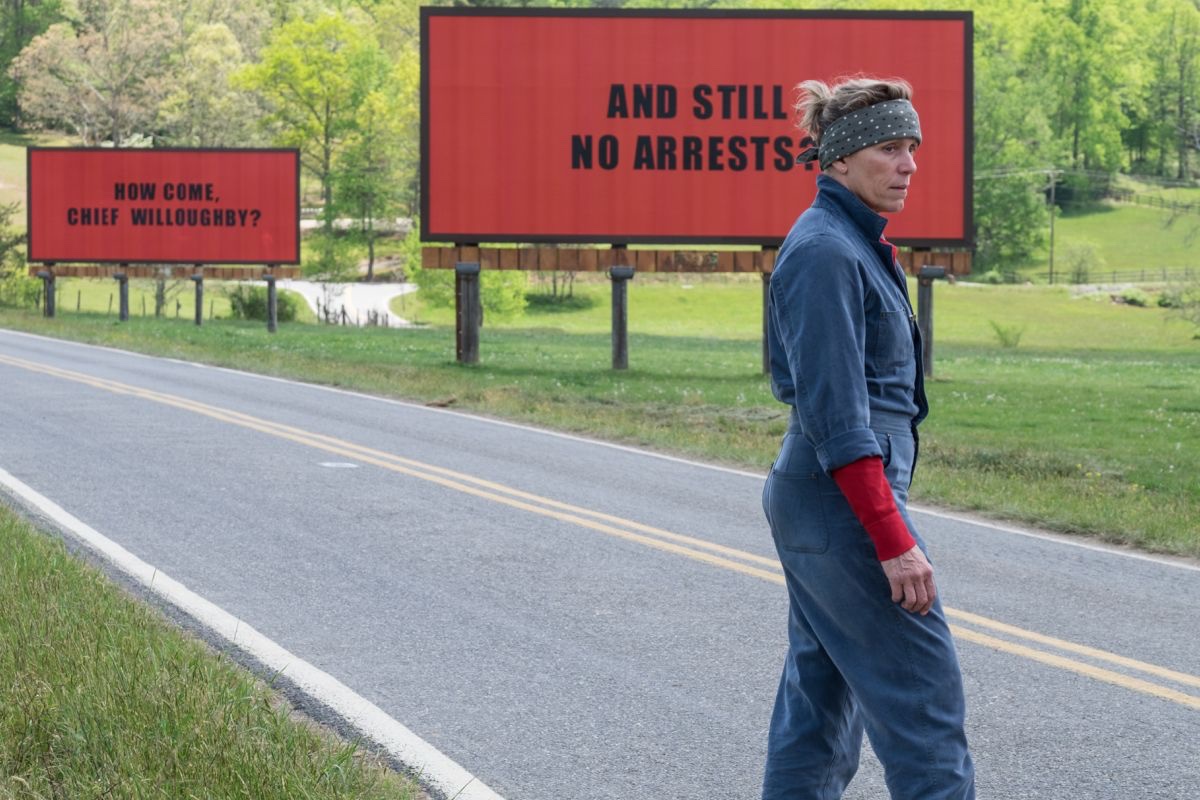
I’ve been meaning to revisit Three Billboards Outside Ebbing, Missouri (🌟🌟🌟🌟) for quite awhile now. Ignore the fact that writer & director Martin McDonagh has a new film releasing in November with Sam Rockwell, or the fact that McDonagh is simply one of the more interesting writers in the industry right now. I just wanted to spend time with Sam Rockwell & Frances McDormand. Make no mistake, this film’s screenplay leaves me conflicted- which I’ll get into in this review. But when you strip away all the fuss & feathers and remove all the pomp & circumstance, my emotional response to this movie is I really enjoy it & find it worthy of praise.
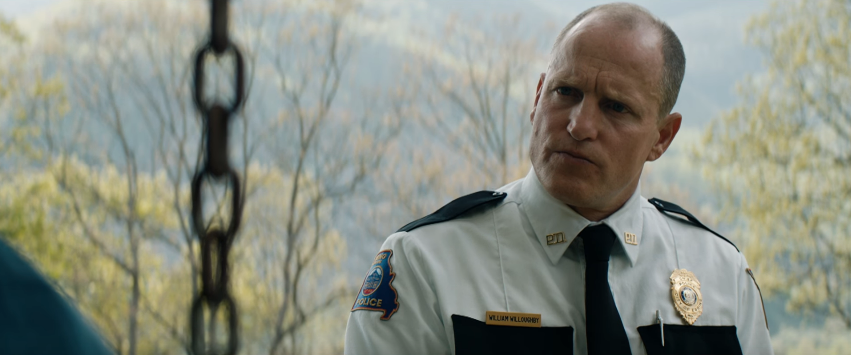
Frances McDormand plays Mildred Hayes, a mom trapped in an endless grapple match with grief after her daughter is raped and murdered. Hayes purchases three billboards that post “Raped While Dying” “And Still No Arrests?” and How Come, Chief Willoughby?”, who, of course is played by Woody Harrelson, which earned Harrelson an Oscar nomination for Best Supporting- an Oscar Harrelson ultimately lost to his co-star Sam Rockwell. Rockwell plays Chief Willoughby’s right-hand man Jason Dixon, a man guilty of police brutality against innocent black civilians. This sort of lays the framework for a three-way tango between Hayes, Dixon & Willoughby throughout the film.
The reason this film leaves me so conflicted is because on the one hand, I find the writing to be the film’s ultimate strength. Hayes, Dixon & Willoughby are all well-written characters with developed ethos that pull in the audience. What’s more is that there’s a layer of dark humor added to this entire story that makes the actual dialogue between characters sharp/cutting/engaging- a McDonagh trademark. I also found that the actual plot points of the film- especially on rewatch- are also extremely well-developed. There’s a total degree of unpredictability throughout the story, in part because we never really understand what Hayes is capable of as a grieving mother. Just when we think we know her limits- just when think she’s going to break- she goes even further against Dixon & Willoughby. It’s the fire inside Hayes that ultimately keeps this plot so fresh & drives this movie forward.
But here lies the rub: Dixon (and Willoughby for that matter) are so incredibly far from redeemable individuals, yet this film sort of asks us- hell, begs us- to empathize with them. Willoughby, for all intents & purposes, is a dog shit cop who sucks at his job & constantly looks the other way- such as forgiving or even enabling Dixon’s disgusting racist behavior. Then of course, there’s Dixon- a repugnant piece of shit who abuses his power as a police officer at every turn. Yet throughout the entire film, I felt like the screenplay constantly framed these two characters as worthy of the same sympathy or empathy Hayes demanded. And I guess I have to ask myself why? Maybe because McDonagh is trying to capture the “people are complicated & multi-faceted” perspective, which might work on Willoughby but certainly doesn’t work on Dixon. It’s ultimately something that everyone who watches this film has to cope with: why should we give an shit about Dixon & Willoughby?
You’re probably wondering, then, why I’m giving this film a positive review. It’s because movies aren’t just about whether I like a character or agree with one or two creative decisions from a director or writer. I think Dixon & Willoughby are framed in a really stupid manner in this film. But does that mean the writing outside of those two characters isn’t amazing? Or the cinematography & filmmaking isn’t worth watching? Or that performances from Sam Rockwell & Frances McDormand aren’t totally deserving of Oscars? Or even that the music definitely stood out in the best way possible? No- my issues with Dixon/Willoughby can’t erase any of that. If McDonagh can push the “people are complicated” perspective, why can’t I push the “films are complicated” perspective? Movies are more than just your personal agreement or disagreement with a character’s framing to disavow it. My issues with Dixon & Willoughby aren’t enough to overcome the 15 reasons why I think this is a good movie.


English
@senstalk_ @NHLPlayerSafety Idk man. Maybe you should start watching a different sporting this upsets you.
English

jaek รีทวีตแล้ว

He who controls the spice controls the flavor
Flavortown@flavortown
First look at Guy Fieri as the Duke of Flavortown in ‘Dune: Part Three.’
English
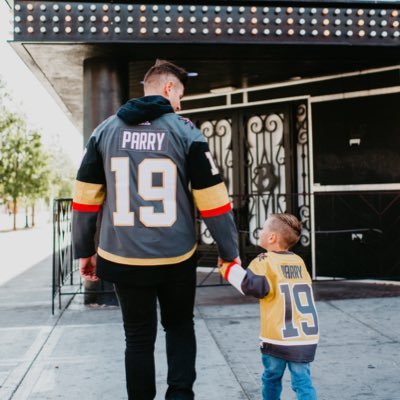
I love this dudes enthusiasm for the program. I really hope the results follow because he genuinely cares.
The Scarlet Standard@SS_MediaLV
UNLV head coach Josh Pastner says rebuilding the Rebels program is a 24/7 job... even when he's at home with his family. Pastner admitted his mind is constantly thinking about recruiting, improving the roster, and finding ways to wake up what he believes is a sleeping giant at UNLV. “This program can be a sleeping giant. The trees just need to be rattled and awakened.” #UNLVMBB
English
@JEANTYJUKES I agree with you but is it like that outside of the Summerlin/Henderson bubbles?
I feel like NLV, Spring Valley, Boulder Hwy are going to be more for the raiders than VGK.
English

Vegas it 100% is the Knights it’s not even close
Brandon Walker@BFW
@Jayemay_ @ffTalas There is no team in mlb, nba or nhl bigger than an nfl team in their city.
English

A gentle and stoic movie. How Edgerton wasn’t nominated for best actor is beyond me.
Cinema Tweets@CinemaTweets1
Regardless of whether Train Dreams takes home any #Oscars today, this will forever remain a high point of 2025 for me. I really connected with this movie & this story. I’m glad it got a Best Picture nomination. We need more raw films like this- one of ‘25’s best without question.
English
I loved Sinners.
I love Michael B Jordan.
He is last place in this group of nominees. And that’s okay.
Rolling Stone@RollingStone
Oscars 2026 Predictions: Best Actor Who Will Win? Michael B. Jordan Who Should Win? Michael B. Jordan Who We'd Like To See Win? Michael B. Jordan
English